REVIEW · MELBOURNE
Melbourne: Gangsters, Brothels and Lolly Shops Tour
Book on GetYourGuide →Operated by Melbourne Historical Crime Tours · Bookable on GetYourGuide
Melbourne had a whole underworld. This two-hour walk through Little Lon, run by madams and fought over by gangsters, is guided by historian Michael Shelford, and it points out brothels, sly grog spots, opium dens and even the old lolly-shop angle.
I love the story-focused stops outside real addresses, especially the site linked to Squizzy Taylor. I also like that you get a free tour booklet with character photos, so the names stick after the walk.
One consideration: it’s a walking tour with several building-look moments, so if you prefer nonstop motion or lots of seating, you may want to plan for some standing.
In This Review
- Key things I’d circle before you go
- Little Lon After Dark: what this 2-hour tour really covers
- Where you start on Exhibition Street (and how not to miss the group)
- Squizzy Taylor’s former home: why that address matters
- Madams, policing battles, and The Combine’s street-level power
- Houses of ill-fame, sly grog, opium dens, and cocaine cafés on the route
- The back-lane finale: Melbourne’s last single-storey cottage
- Michael Shelford’s storytelling style and the free booklet
- Price and value: is $35 (or a higher fare) worth your time?
- Who should book this tour (and who might pass)
- Should you book: my practical verdict
- FAQ
- How long is the Melbourne Gangsters, Brothels and Lolly Shops Tour?
- Where is the meeting point?
- What is the tour price?
- What do you get as part of the experience?
- Is this a guided tour?
- Is the tour wheelchair accessible?
- What should I wear or bring?
- Can I cancel for a full refund?
Key things I’d circle before you go
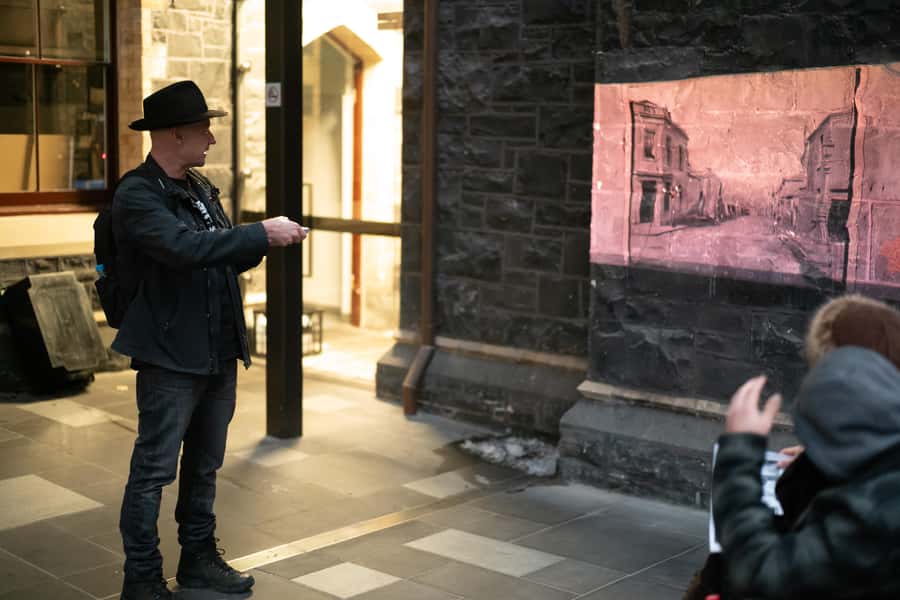
- Little Lon, circa 1850s–1940s, when the area was largely run by women
- Madams, gangsters, and The Combine, an all-female crime syndicate
- A stop outside Squizzy Taylor’s former home, one of the era’s best-known names
- Houses of ill-fame, sly grog (speakeasies), opium dens, and all-night cocaine cafés explained in plain language
- A rare back-lane sightline to Melbourne’s last remaining single-storey cottage
- Michael Shelford’s interactive storytelling style, plus a free photo booklet to take home
Little Lon After Dark: what this 2-hour tour really covers
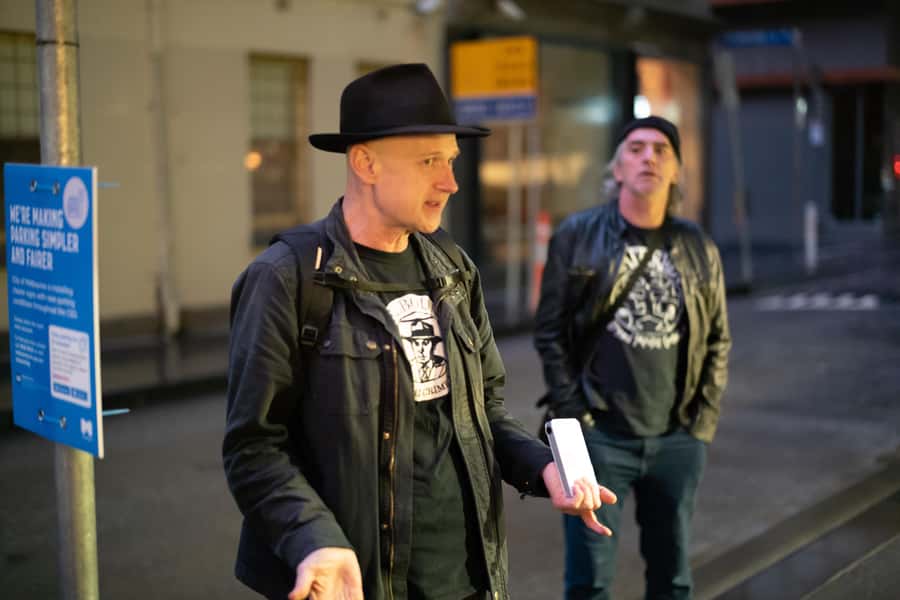
This tour is built around a specific slice of Melbourne: the former red-light and slum district called Little Lon, spanning roughly the 1850s to the 1940s. You’re not just hearing about crime in the abstract. You’re getting street-level context for how vice, policing, and power worked when parts of downtown were effectively operating under their own rules.
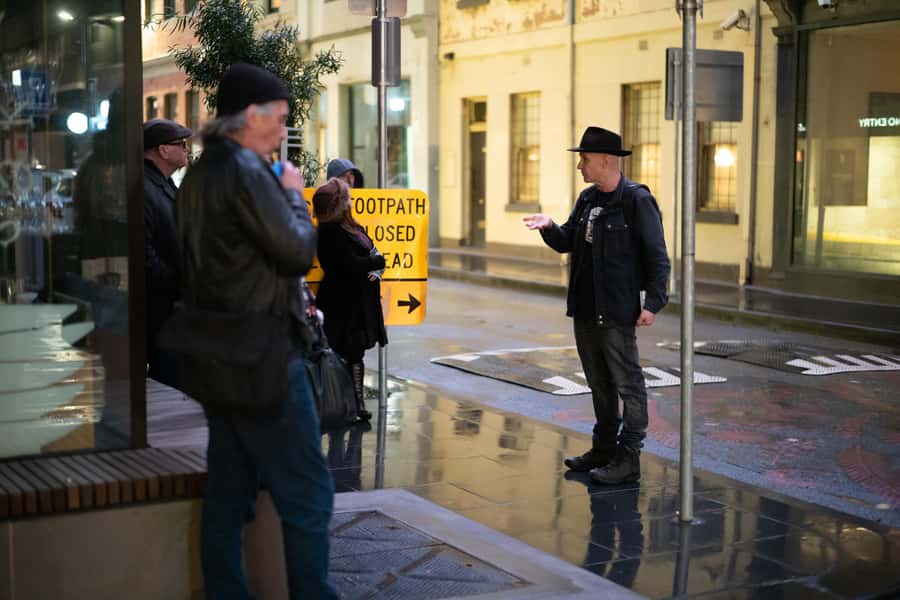
The tone stays approachable. You’ll hear about shootings, bombings, bashings, brothels, robberies, opium, cocaine, and sly grog, but it’s framed as history with characters, motivations, and local geography. For me, that’s the difference between a spooky walk and a useful one: you leave with a mental map of the city’s layers, not just a list of lurid facts.
And yes, the tour uses the idea of a confectionery store and “lolly shops” as an entry point. It’s a smart contrast. It reminds you that in this era, ordinary storefronts and everyday habits sat right beside the darker side of the street trade.
You can also read our reviews of more shopping tours in Melbourne

Where you start on Exhibition Street (and how not to miss the group)
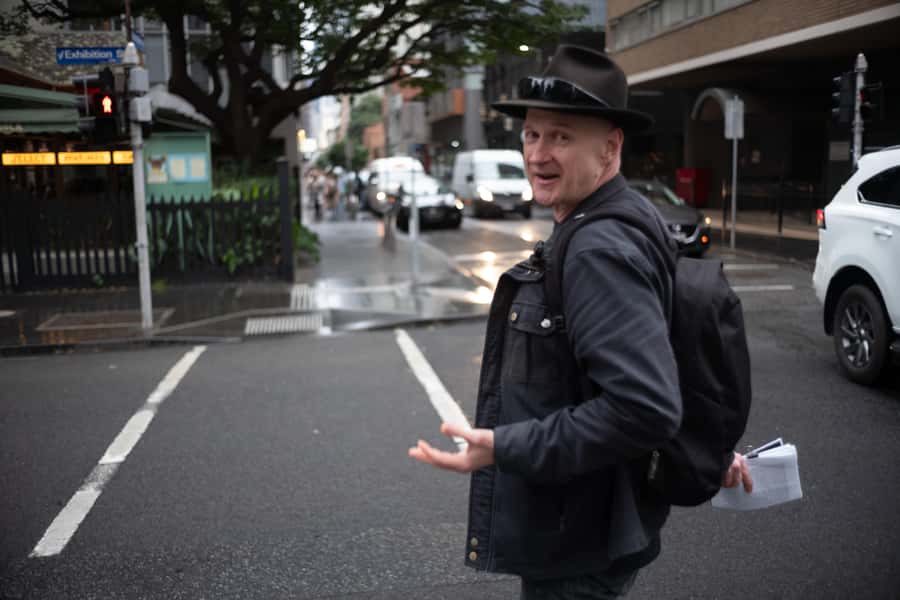
You meet at 282 Exhibition Street (Coopers Inn Hotel), and the group leaves right on starting time. If you’re a little late, you’ll likely spot them in the small paved park across the lane—so it’s worth having that quick visual check in mind if you’re scrambling.
This start location matters because it gets you grounded in central Melbourne first, then you peel into the back lanes and side streets where the old district feeling comes through. Two hours can sound short until you’re actually on the move. This one keeps the pace practical: enough walking to make the setting believable, with enough pauses to let the story land.
If you’re coming in from nearby attractions, do a quick timing check. The tour is designed around leaving together, not waiting around.
Squizzy Taylor’s former home: why that address matters
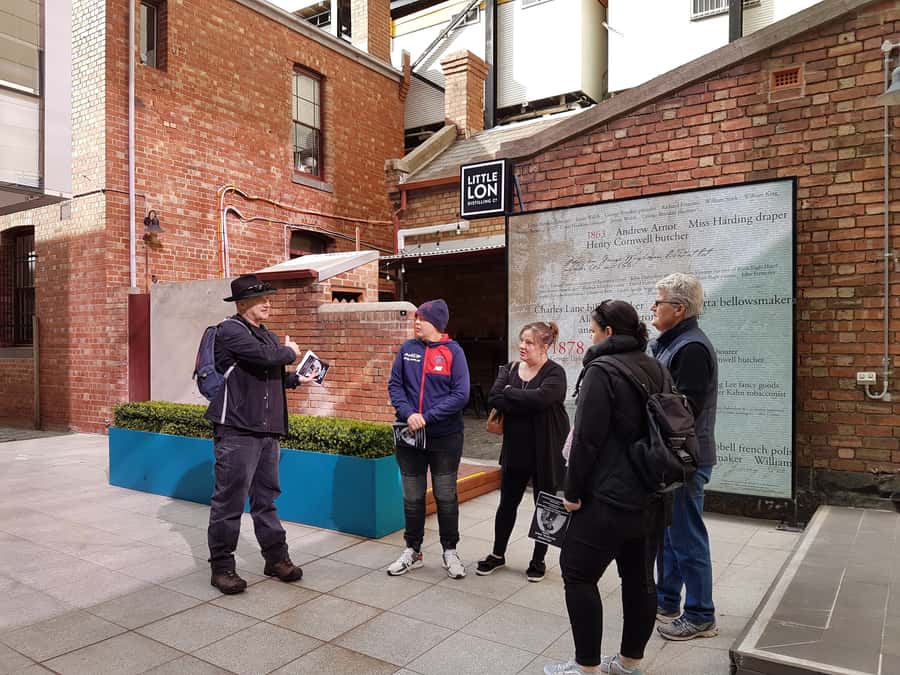
One of the cleanest “wow” moments is stopping outside the former home of Australia’s most famous gangster, Squizzy Taylor. It’s the kind of stop that works even if you don’t know the name beforehand, because the guide turns an address into a story about reach and reputation.
Taylor becomes a reference point for the wider struggle over territory and control. You hear how gang power didn’t operate in a vacuum—it collided with police, rivals, and the people already running parts of the street economy. That context is what makes the stop feel more than just a photo opportunity.
Practical note: this is a standing-and-looking moment outside buildings. If the weather is rough, wear layers. Melbourne can be stubborn about rain and cold, and you’ll be better off than trying to “tough it out” for 2 hours.
Madams, policing battles, and The Combine’s street-level power
A big part of the tour’s appeal is that it flips the usual script. Instead of treating the district as only male gangsters and victims, it emphasizes women who ran the area and the fights they faced.
You’ll hear about madams standing their ground against well-known figures like Squizzy Taylor, plus the existence of an all-female crime syndicate called The Combine. The important takeaway isn’t just the shock value of names—it’s the idea that power was organized. People built networks, negotiated influence, and defended income streams the way any business would.
That’s also where the “Little Lon” label clicks. It wasn’t only a place people feared. It was a place where people lived, worked, managed relationships, and—depending on who you ask—survived using the rules available to them.
Houses of ill-fame, sly grog, opium dens, and cocaine cafés on the route
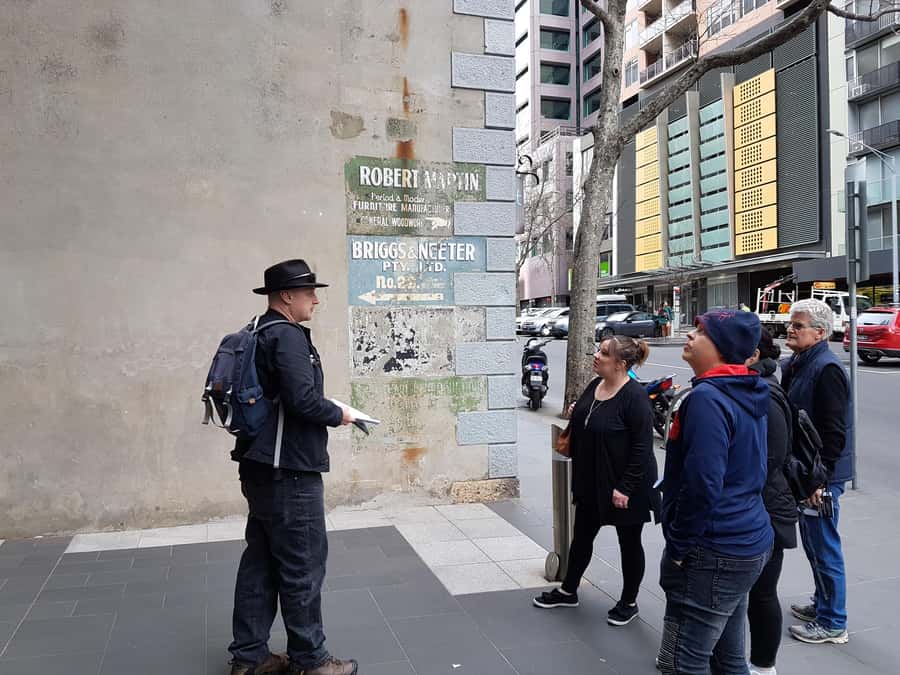
The heart of the tour is walking past the types of buildings that once functioned as houses of ill-fame, brothels, and sly grog shops, which were essentially speakeasies. You’ll also see examples tied to opium dens and all-night cocaine cafés.
What I like about how these topics are handled is the balance between atmosphere and explanation. The guide doesn’t leave you staring at bricks with no clue what happened there. You get the why and how—who used the places, what made them useful, and how they fit into the street’s nighttime rhythm.
A good way to think about it: you’re learning criminal history, but you’re also learning social history. These places weren’t only about vice. They were meeting points, shelter from the day, and an ecosystem that connected people who otherwise might never have crossed paths.
Because the subject matter is heavy, the storytelling matters. Michael Shelford’s approach comes through as well-researched and geared toward keeping the group engaged, with room for questions during the walk. That makes the tour easier to handle than some darker-history tours that feel like a lecture.

The back-lane finale: Melbourne’s last single-storey cottage
The tour finishes with a striking visual anchor: visiting the last remaining single-storey cottage in Melbourne’s back lanes. Seeing a surviving building like this changes everything. It’s one thing to hear about an era; it’s another to stand near something that still carries the “size and scale” of older Melbourne.
This stop also helps you connect the modern city to the older world. Downtown Melbourne has been redeveloped so many times that it’s easy to assume nothing remains. This cottage is a reminder that parts of the past don’t vanish completely—they just get surrounded.
If you like photography, this is a good moment to slow down and frame shots. Even if you don’t take many photos, it’s worth paying attention to the street geometry: lanes, sightlines, and how you’d move through the area at night.
Michael Shelford’s storytelling style and the free booklet
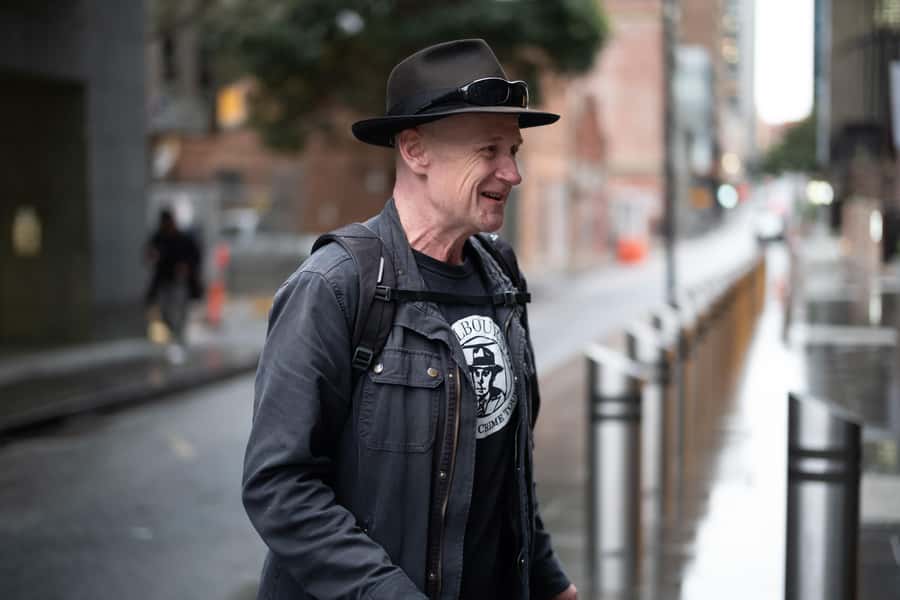
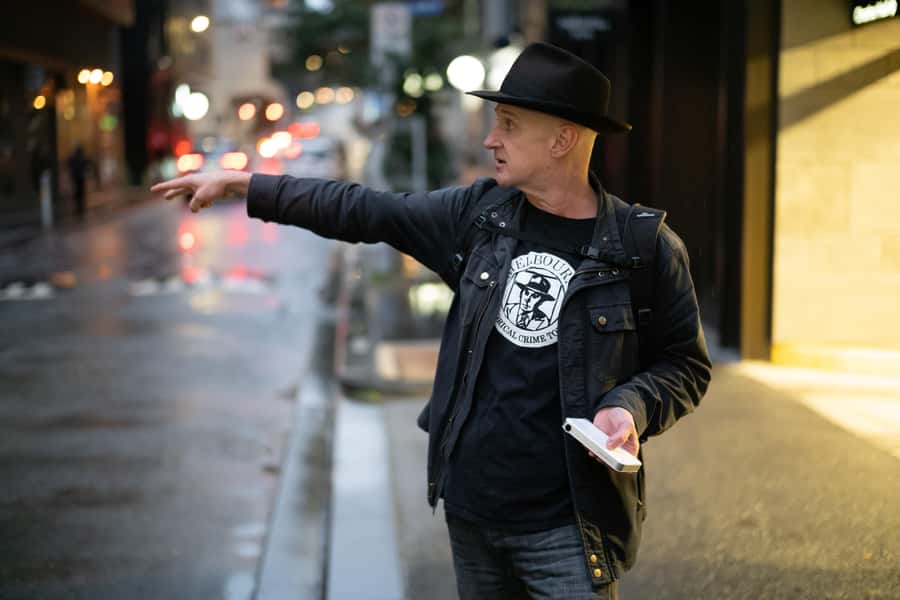
The guide for this tour is Michael Shelford, a writer and historian who delivers the experience in English. A consistent theme across the people you’ll hear talking about the tour afterward is that he’s not only prepared, but also a strong storyteller who keeps attention through the walk.
You’ll feel the difference between someone who knows the facts and someone who can turn facts into scenes. That matters here because the tour covers a lot: brothels, gangsters, opium, police battles, and the female-run side of Little Lon. If the delivery is flat, it becomes a list. With Michael’s style, it stays connected.
Don’t skip the free tour booklet. It includes photos of the characters featured on the tour, which is handy when names start stacking up. Even if you only glance through it during the walk, you’ll understand what you’re seeing faster, and you’ll be able to refresh the details later at home.
Price and value: is $35 (or a higher fare) worth your time?
The tour price is listed at $35 per person for a 2-hour walking experience. For that money, you’re buying four things at once: time with a live guide, a focused route through downtown lanes, a story-driven explanation of crime-era buildings, and a take-home booklet with character photos.
So the value question comes down to you. If you like history tied to actual streets and real addresses—especially the more unusual sides of a city—this feels like a fair deal. The tour is short enough to fit into a busy schedule, but long enough to make the setting feel real rather than rushed.
One caution: you might see a different price at checkout depending on your booking moment. If the number you pay is higher, I’d judge it by your comfort level with the subject matter. If dark history with crime and vice is your kind of thing, you’ll likely feel it’s worth it. If you prefer a lighter walk focused on architecture only, you may find the theme heavier than expected.
Who should book this tour (and who might pass)
This tour is a strong match if you:
- like downtown walking tours that connect stories to specific addresses
- want a version of Melbourne history that includes the street trade and underworld power
- enjoy characters—madams, gangsters, and groups like The Combine—not just dates and names
- want an easy way to understand why Little Lon was so contested
It may be less ideal if you:
- dislike standing for stretches during building-focused stops
- want a purely upbeat tour with minimal mentions of drugs and violence
- need a very relaxed pace with lots of sitting
Should you book: my practical verdict
I’d book this tour if you want Melbourne history that feels like it still has breath. The strongest part is that you’re not stuck reading about crime in a book—you’re walking through the city fabric where that crime operated, guided by Michael Shelford. The Squizzy Taylor stop, the Little Lon focus on women’s control, and the finale at the last single-storey cottage give the tour clear landmarks to remember.
Go in with comfortable shoes and expect some standing. If you do that, you’ll come away with a smarter, sharper sense of how downtown Melbourne became what it is today—layer by layer, vice by vice, and story by story.
FAQ
How long is the Melbourne Gangsters, Brothels and Lolly Shops Tour?
The tour runs for 2 hours.
Where is the meeting point?
Meet at 282 Exhibition Street (Coopers Inn Hotel). The group leaves right at the starting time.
What is the tour price?
It’s $35 per person.
What do you get as part of the experience?
You receive a free tour booklet with photos of the characters featured on the tour.
Is this a guided tour?
Yes. It’s a live tour with a guide in English.
Is the tour wheelchair accessible?
The tour is listed as wheelchair accessible.
What should I wear or bring?
Wear comfortable shoes for walking, and bring sunscreen and weather protection based on conditions.
Can I cancel for a full refund?
Yes. Free cancellation is available up to 24 hours in advance for a full refund.