REVIEW · MELBOURNE
Melbourne Historical Walking Tour: Crime, Gangsters & Lolly Shops
Book on Viator →Operated by Melbourne Historical Crime Tours · Bookable on Viator
Melbourne’s underworld lives in plain sight. This 2-hour CBD walking tour threads together crime legends, gritty street lore, and old buildings tied to the gangster era from the 1870s to the 1930s. You’ll learn how the area’s underworld supposedly played out in everyday storefronts, including the famous idea of lolly shops as fronts.
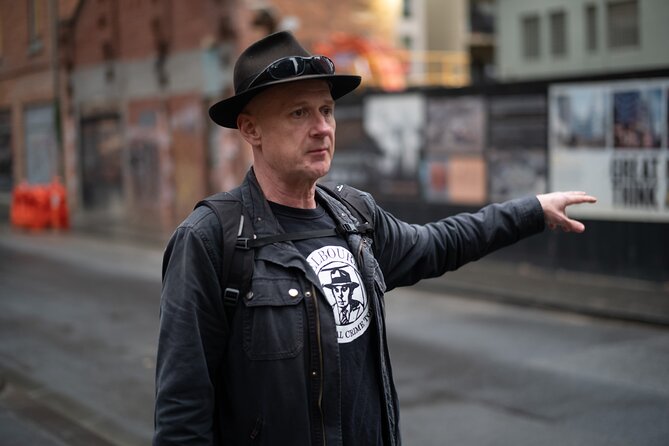
I love the way the stories lean on original police files and real names, especially when guide Michael Shelford brings figures like Squizzy Taylor into focus. I also like that you leave with a tour booklet featuring photos, so the people and places don’t vanish as soon as you turn the corner.
One watch-out: it’s mostly a story-and-sight walk, so there’s not much time to linger inside each historic stop. If you’re hoping for long browsing or more hands-on access at the older buildings, plan for a fast-paced format.
In This Review
- Key highlights to expect on this “lolly shops” gangster walk
- The pitch: crime, gangsters, and lolly shops in Melbourne’s center
- Price and value: what $35.86 really covers
- Where you start and how the route ends (Lonsdale Street finish)
- Stop 1: Little Lon Distilling Co and the surviving single-story cottage
- Lonsdale Street buildings: brothels, speakeasies, and street-level crime
- Squizzy Taylor and Little Lon: how legends get built in a city
- The booklet with photos: why it helps (even after your memory fades)
- Pacing and group size: the small-tour feel on a busy street
- What this tour includes (and what it intentionally does not)
- Who should book this Melbourne Historical Crime Tours walk?
- Should you book it? My honest take
- FAQ
- How long is the Melbourne Historical Walking Tour: Crime, Gangsters & Lolly Shops?
- How much does the tour cost?
- What’s included with the tour?
- Is food or drinks included?
- Where does the tour start and end?
- How many people are in a group?
- What time period does the tour cover?
- What is the first stop, and is there admission?
- Are children or service animals allowed?
Key highlights to expect on this “lolly shops” gangster walk
- A focused 2-hour CBD route that covers the 1870s through the 1930s
- Lonsdale Street building stops tied to brothels and speakeasy-style nightlife
- Squizzy Taylor and Little Lon legends, with myths woven into the real urban fabric
- Little Lon Distilling Co as Stop 1, in Melbourne’s only surviving single-story cottage
- A photo booklet that supports the guide’s storytelling after the walk
- Small groups (max 20 people), which helps the talk feel personal and the pacing stay smooth
The pitch: crime, gangsters, and lolly shops in Melbourne’s center
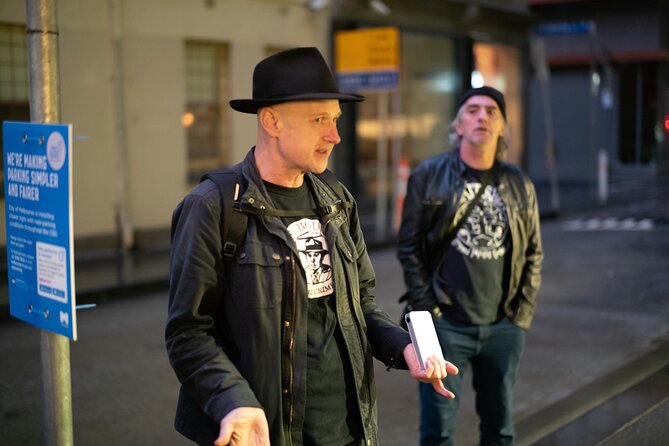
This tour is built around a simple, memorable theme: downtown Melbourne didn’t just have respectable shops and offices. It also had an underworld that used ordinary spaces—like candy/lolly shops—as part of the rumor-driven ecosystem of crime.
You’ll walk through the CBD with the guide explaining how “Little Lon” became shorthand for a slummier side of the city, and why names like Squizzy Taylor keep showing up in gangster lore. Even when you’re skeptical (as you should be), the stories are interesting because they’re tied to real addresses and street corners where the city still bears visible traces.
This is also a good match if you like history that feels specific. Instead of broad civic facts, you get names, locations, and the idea that crime networks could be both hidden and oddly close to daily life.
You can also read our reviews of more walking tours in Melbourne


Price and value: what $35.86 really covers
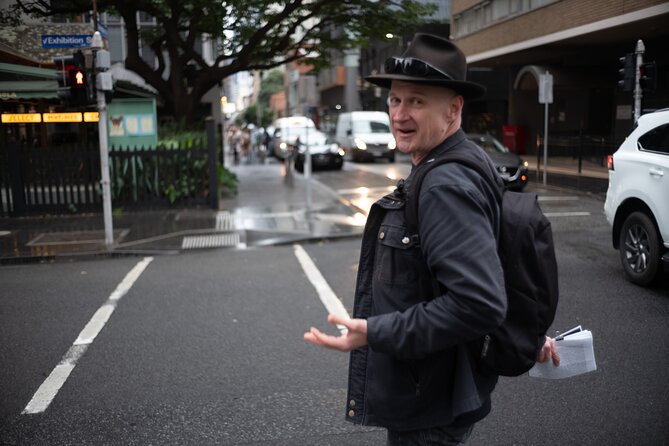
At about $35.86 per person for roughly 2 hours, you’re paying for guided storytelling plus a take-home booklet. For me, the value lands because you’re not just walking and hearing generic “dark history” lines—you’re getting a narrative that connects multiple buildings to one era of Melbourne crime.
One practical perk: at Stop 1, the admission ticket is free (10 minutes there). That means part of the time isn’t purely “look from the sidewalk”—you get at least one proper site moment where the history is physically present.
You should also budget for yourself rather than expecting refreshments. Food and drinks are not included, so bring what you need if your timing lines up with meals.
Where you start and how the route ends (Lonsdale Street finish)
The tour starts at 282 Exhibition St, Melbourne VIC 3000. It ends at the corner of Lonsdale Street and Madame Brussels Lane, with the listed finish point at 36 Lonsdale St.
Why that matters: you’re doing a walk that stays in the thick of the CBD, and the finish point puts you near another cluster of streets and nightlife/restaurant options for after the tour. It’s also a straightforward setup for public transport—handy in a city where walking a few blocks can still be a practical move.
You’ll want to keep an eye on your timing, too. The tour is scheduled to run about 2 hours, and multiple past participants noted it starts promptly and concludes on time.
Stop 1: Little Lon Distilling Co and the surviving single-story cottage
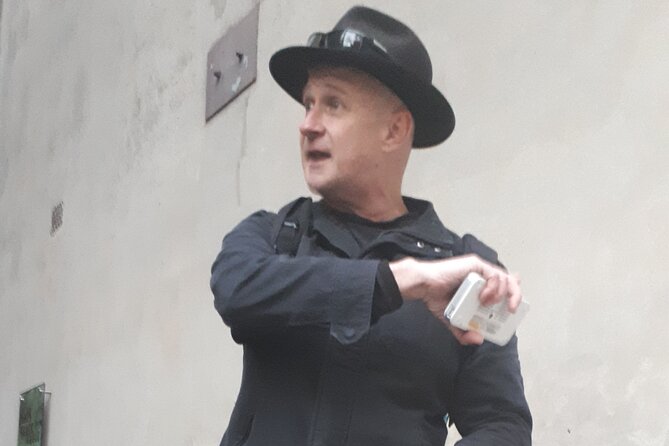
Stop 1 is Little Lon Distilling Co. This is where the tour earns a lot of trust, because it’s tied to an actual structure with an actual story.
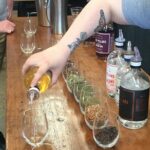
The site is a gin distillery operating from Melbourne’s CBD only surviving single-story cottage. On top of that, it’s described as a former house of ill repute, and the guide shares stories sourced from original police files.
So what should you watch for at this stop? Think less about looking for “proof” in the walls and more about how the guide connects the building’s past to the legend-making culture around it. This stop is short (about 10 minutes), but it’s designed to set your mindset for the rest of the walk: crime networks weren’t just theories—they were often housed in places that outlasted the people.
If you’re the type who likes evidence—even messy evidence like police records and local rumor—this is the moment you’ll probably appreciate most.
Lonsdale Street buildings: brothels, speakeasies, and street-level crime
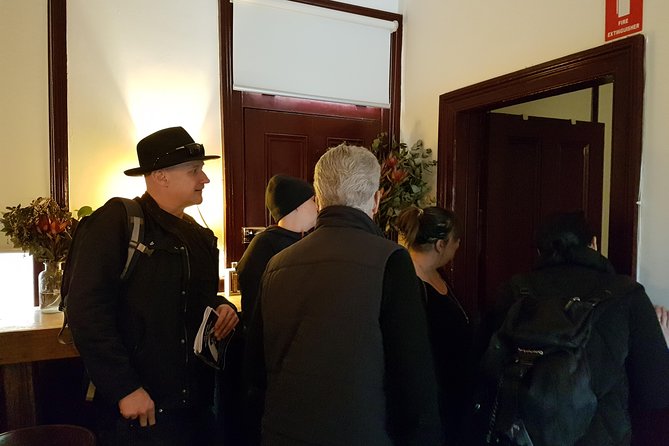
After Stop 1, the tour shifts into the wider theme: buildings along Lonsdale Street that were once tied to brothels and hubs for crime. The period covered runs from the 1870s through the 1930s, and the guide’s job is to connect the era to what you see now.
Here’s where you get the core storyline: the city’s underworld, as told through gangster legends, didn’t operate in some isolated back alley universe. Instead, it worked alongside ordinary storefront activity—meaning you’re learning how “hidden in plain sight” could apply to Victorian and early-20th-century Melbourne.
The tour also includes the talk about speakeasies and sly grog, plus the idea that lolly shops served as fronts for bigger criminal operations. That part can sound wild at first, but the value is in how the guide frames it: not as a cartoon villain plot, but as something that could plausibly function in a crowded commercial area.
Practical advice for this section: keep your attention on the guide’s links between buildings and characters. If you treat each stop as its own mini story, the whole route clicks into place faster.
You can also read our reviews of more historical tours in Melbourne


Squizzy Taylor and Little Lon: how legends get built in a city
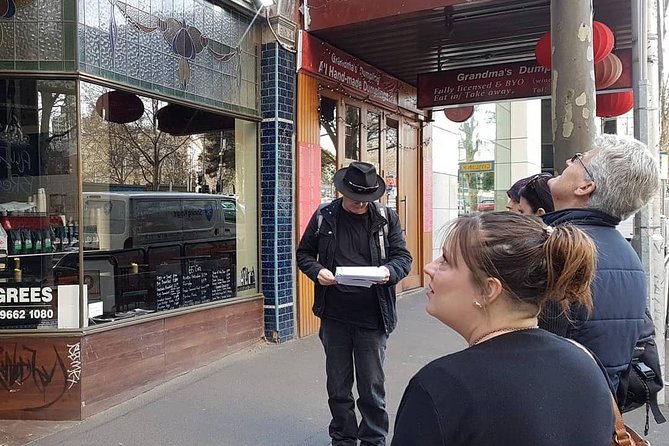
Two names anchor the tour’s storytelling: Squizzy Taylor and Little Lon. You’ll hear the myths and legends around them, plus the way these stories became part of Melbourne’s darker urban identity.
What I like about this approach is that it makes the legends feel less like campfire exaggeration and more like a product of real conditions: poverty, crowded neighborhoods, and the kind of street-level networks that can grow fast when enforcement and opportunity are uneven.
Also, the guide’s style matters here. In the past, participants repeatedly highlighted how Michael’s narration is engaging and well paced, and that he uses research to make the tales feel grounded. That’s important on a topic like this, because you want more than shock value—you want credible context.
If you’re curious about how cities mythologize crime, this section is the reason to book. You’re learning how a place becomes a story, and how the story becomes a label people remember.
The booklet with photos: why it helps (even after your memory fades)
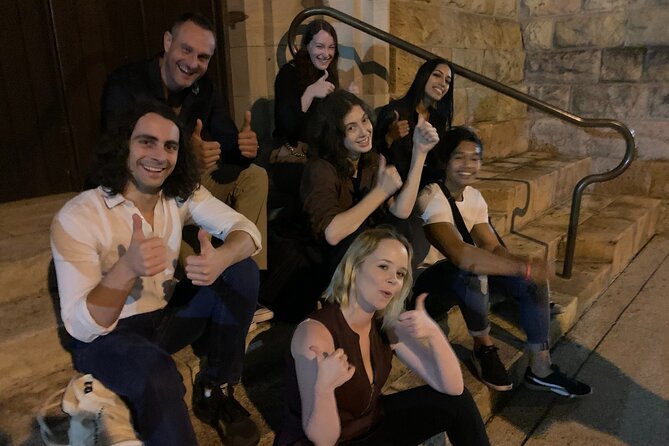
One included item is a tour booklet with photos of the characters discussed. This is a big deal for a walking tour like this, because gangster history can get name-heavy fast.
Having the booklet means you can follow along without playing detective with your own notes. And after the walk, it gives you a way to refresh details without scrolling through your phone for random facts.
In particular, people who’ve taken the tour described how the booklet supports the guide’s information, with photos that help them visualize the characters and connect them to the places they saw. If you’re a book-in-hand learner, you’ll appreciate that structure.
Pacing and group size: the small-tour feel on a busy street
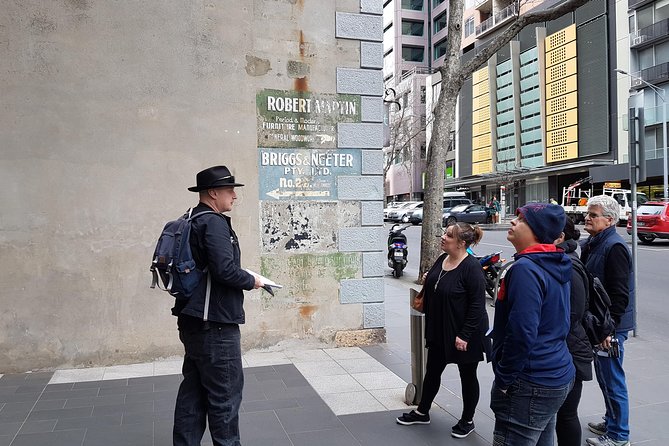
The tour is capped at 20 people, which is the sweet spot for a walking story format. It keeps questions possible and helps the guide manage timing at each stop.
Multiple participants also mentioned the sessions feel well paced, and that the tour starts and finishes on time. That’s not just about schedule—it’s about keeping momentum. Crime stories move faster when you don’t spend too long waiting at each corner.
If you’re sensitive to crowds, this size is generally easier to handle than larger city tours. It still happens in the CBD, though, so you’ll share sidewalks with regular foot traffic.
What this tour includes (and what it intentionally does not)
Included:
- Guided walking tour focused on Melbourne’s gangster/crime era
- A tour booklet with photos
- Mobile ticket
- At Stop 1, admission is free for the site visit portion
Not included:
- Food and drinks (bring your own)
That’s it. No hidden add-ons are advertised in the provided info, which keeps budgeting simple.
One more thing: the topic involves brothels and crime networks, so it’s fair to expect gritty content. If you prefer only light historical anecdotes, this tour may not be your style.
Who should book this Melbourne Historical Crime Tours walk?
I think this is a strong fit for people who:
- Like Melbourne CBD history that connects buildings to real eras
- Enjoy crime stories with names and places, not just generic “dark town” vibes
- Want a 2-hour activity that feels like more than sightseeing
- Are visiting for a short time and want a compact way to understand the city’s underworld reputation
It also seems like a fun choice for locals. Past participants specifically mentioned being Melbourne residents for years and still learning how much was tied to the Little Lon area and the modern city’s hidden layers.
If your ideal tour is a lively walk with humor mixed into grim material, this fits that balance. People described the storytelling as engaging, sometimes funny, and always tied to the city’s locations.
Should you book it? My honest take
Book this tour if you want a story-driven walk that connects multiple sites to the gangster-era mythology of Melbourne’s center. The best part is the combination of real locations, police-file research framing, and a guide who clearly enjoys turning local crime legends into a coherent route.
Skip it if you mainly want a relaxed stroll with lots of time to browse and hang around inside historic buildings. The format is built for roughly two hours of forward motion, not slow wandering.
If you’re on the fence, here’s the deciding question: do you like learning why the city’s legends exist? If yes, this tour gives you a very practical way to see those legends at street level—then take the booklet home so the names and places keep meaning after you’re done walking.
FAQ
How long is the Melbourne Historical Walking Tour: Crime, Gangsters & Lolly Shops?
It’s about 2 hours (approx.).
How much does the tour cost?
The price is $35.86 per person.
What’s included with the tour?
You get a tour booklet with photos of the characters discussed. The tour also uses a mobile ticket.
Is food or drinks included?
No. Food and drinks are not included, so you’ll need to bring your own.
Where does the tour start and end?
Start: 282 Exhibition St, Melbourne VIC 3000. End: 36 Lonsdale St, finishing at the corner of Lonsdale Street and Madame Brussels Lane.
How many people are in a group?
The tour has a maximum of 20 people.
What time period does the tour cover?
It covers crime and gangster activity from the 1870s to the 1930s.
What is the first stop, and is there admission?
Stop 1 is Little Lon Distilling Co, and the listing notes an admission ticket is free for that stop.
Are children or service animals allowed?
Children must be accompanied by an adult. Service animals are allowed.