REVIEW · MELBOURNE
Melbourne: Great Ocean Road Private Day Tour
Book on GetYourGuide →Operated by Aus Ocean Travel · Bookable on GetYourGuide
The Great Ocean Road hits different in private. You get Twelve Apostles viewpoints without rushing, plus real time at Gibson Steps where you descend to the beach and see the limestone cliffs from close up. The trade-off: it’s $580 per group, so it’s a better deal when you can use the car efficiently rather than traveling solo.
I like that you’re not locked into a coach-tour rhythm. You start at Split Point Lighthouse, roll past the Memorial Arch, pause for photos at spots like Lorne, and then you get proper breaks—especially the Apollo Bay stop—so the day feels like a road trip with intention, not a checklist.
One thing to keep in mind is that the quality of the day can depend heavily on your driver-guide. In some cases, the English level may be limited, and a couple of people have raised concerns about pacing and attention—so I’d treat safe, focused driving as non-negotiable.
In This Review
- Key Highlights You’ll Feel the Most
- The Private-Trip Advantage (and What You Give Up)
- Morning Start at Split Point Lighthouse
- Memorial Arch at Eastern View: The Road’s Human Story
- Kennett River Wildlife Moment: Short, But Worth It
- Apollo Bay Break: Lunch, Coffee, and Breathing Space
- Gibson Steps: Where Views Become a Descent
- The Twelve Apostles: How to Use Your Hour
- Loch Ard Gorge: The Final Photo Stop with Big Character
- The Drive Back: Getting Home With Energy
- Price and Logistics: Is $580 Per Group Actually Good Value?
- The Driver-Guide Factor: Safety, English, and “Day Flow”
- What to Bring (and What to Skip)
- Who This Private Great Ocean Road Day Fits Best
- Should You Book This Great Ocean Road Private Tour?
- FAQ
- How long is the Great Ocean Road Private Day Tour?
- How much does the tour cost, and how many people does it fit?
- Where can I be picked up in Melbourne?
- Are there multiple drop-off locations?
- What stops and sights are included?
- Is lunch included?
- What’s included in the price?
- What languages are available for the guide?
- What should I bring, and what rules should I follow?
Key Highlights You’ll Feel the Most
- Split Point Lighthouse as a start: get rolling early with ocean views before the bigger crowds hit.
- Memorial Arch + Lorne photo time: short but useful stops for classic Great Ocean Road moments.
- Kennett River wildlife time: a quick chance to slow down and look for wildlife face to face.
- Apollo Bay break with lunch window: about 70 minutes to eat and reset.
- Gibson Steps descent: the part where the cliffs go from view to experience.
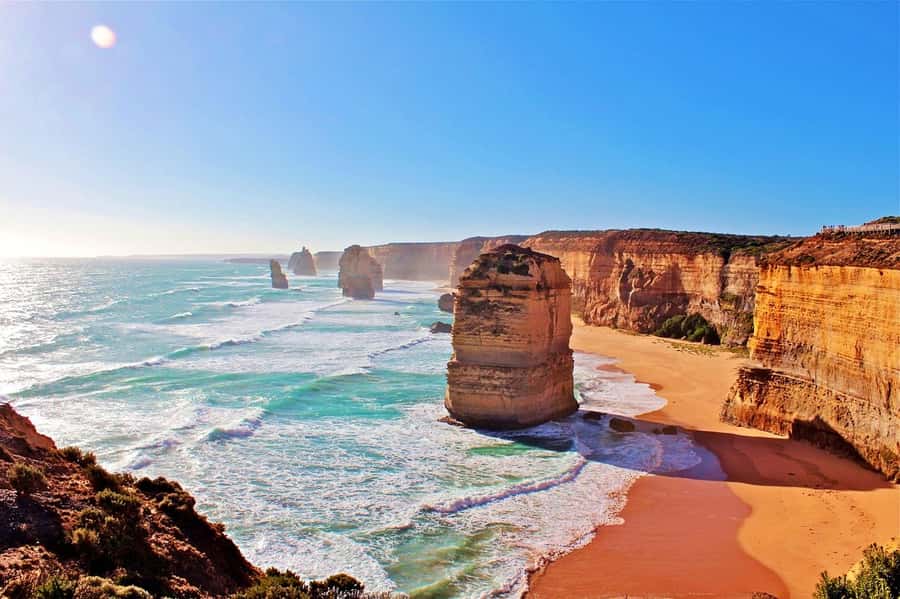
- Twelve Apostles for about an hour: enough time to walk viewpoints and breathe in the scale.
The Private-Trip Advantage (and What You Give Up)
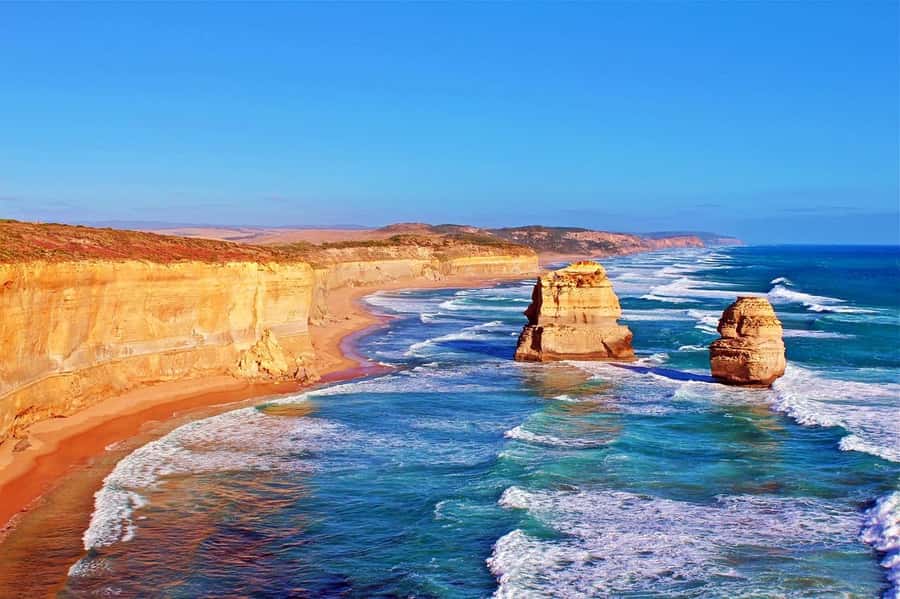
On a Great Ocean Road day, the biggest problem with group tours is simple: you’re always waiting for the bus. A private car flips that. I like that you can move at a pace that fits your eyes and your legs—photo stops mean time to actually frame shots, not sprint, shoot, and return.
Also, you’re not stuck with a rigid plan if the light changes. Coastal Victoria weather can swing fast, and having a driver-guide managing the timing makes the whole day feel smoother.
What you give up is cost efficiency. At $580 per group up to 3 travelers, you’re paying for comfort and flexibility. If you’re traveling as a small group, it can feel like the price of convenience. If you’re flying in solo, it can feel like you’re paying extra for a road trip seat.
You can also read our reviews of more private tours in Melbourne


Morning Start at Split Point Lighthouse
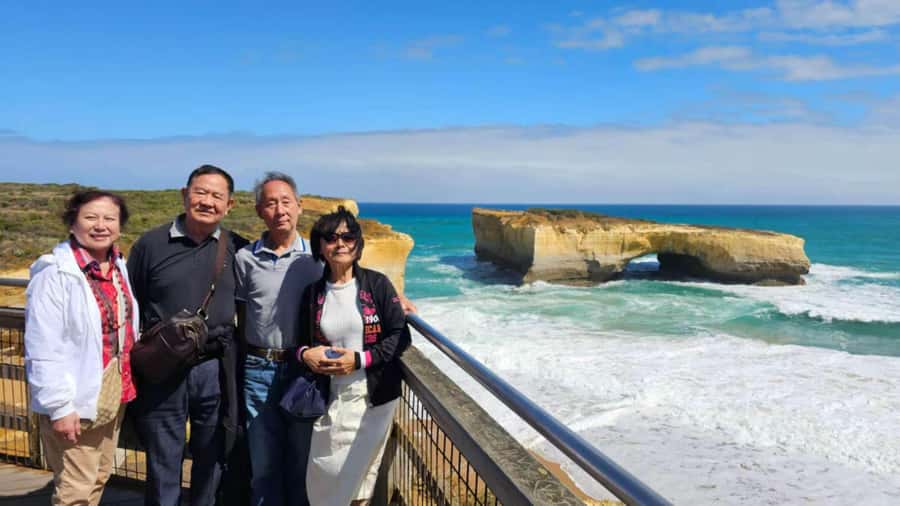
The day begins at Split Point Lighthouse, a solid way to ease into the route. It’s one of those places where the ocean feels immediate—windy, open, and photographic—without having to rush into the far-stretch stops first.
Why I like this start: it gets your brain in travel mode early. You’ll have time to look around, take a few photos, and let the day unfold. And because you’re in a private vehicle, you’re less likely to feel herded into a single viewpoint for 30 seconds.
Bring warm layers even if Melbourne is sunny. The coast can be cooler than you expect, and you’ll be glad you packed it when you step out for the first looks.
Memorial Arch at Eastern View: The Road’s Human Story
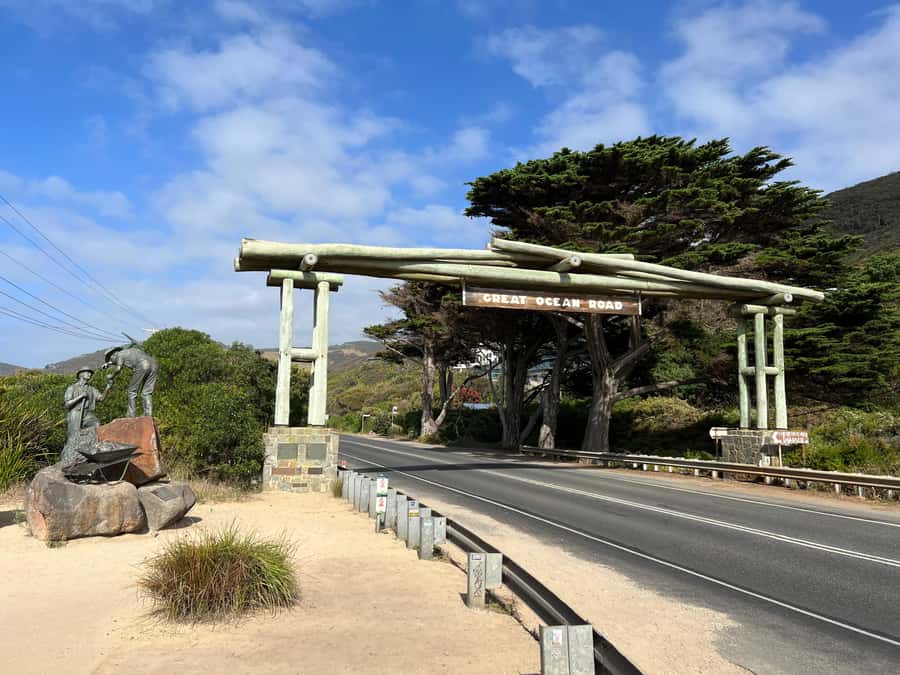
Next up is Memorial Arch at Eastern View for about 20 minutes. This isn’t just a photo stop. It’s a tribute to the soldiers who built the road, so your photos come with context instead of looking like random roadside statues.
From a value standpoint, this stop is smart because it anchors the scenery to meaning. You’ll likely understand why people call the Great Ocean Road a landmark of effort—not just a long drive with views.
Then you roll onward with another short photo stop at Lorne (around 15 minutes). Lorne is quick, but it’s a good reset point: you can stretch, grab a quick photo, and get ready for the next coastal phase.
Kennett River Wildlife Moment: Short, But Worth It
There’s a Kennett River stop structured around passing through and a relaxing break that’s meant to put you close to wildlife. Exact sightings aren’t guaranteed, but the area is built for that kind of stop—slow enough to look around, quick enough to keep the day moving.
This part of the trip works well because it breaks up the long stretches of driving. If you’re prone to getting “road fatigue” (very common on this route), this is where you feel human again: out of the car, eyes up, scanning the roadside and trees.
Practical tip: when the guide tells you it’s time to get out, do it promptly. Coastal wildlife moments are often brief, and the tour is timed so you don’t lose your place later.
Apollo Bay Break: Lunch, Coffee, and Breathing Space
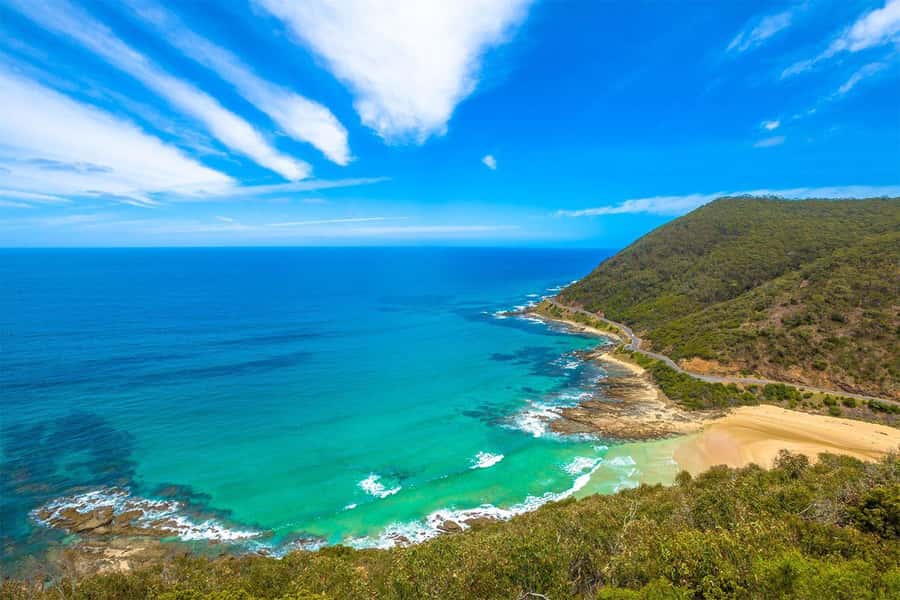
Apollo Bay is your big mid-day reset with about 70 minutes for break time and lunch. This is the stop that makes the private format worth it. Even if you don’t love planning, you’ll appreciate having a real window to eat somewhere you actually want and not something pulled together on a bus schedule.
In a group tour, Apollo Bay often feels rushed. Here, it’s long enough to walk a little, find food, and take a breather—especially if the morning started early.
If you’re hungry, plan to eat then. “I’ll grab something later” on the Great Ocean Road is how you end up paying more for less, or scrambling for snacks you don’t even want.


Gibson Steps: Where Views Become a Descent
Then comes Gibson Steps, with a photo stop and visit time. This is one of the stops where the road turns into an experience. You’re descending to the beach area while towering limestone cliffs frame what you see.
Why this stop matters: it changes your relationship to the scenery. Instead of looking from above like most roadside stops, you’re physically closer. It’s the part of the day where you can feel how dramatic the coast is, not just see it.
One caution: wear shoes that handle uneven ground and stairs. If you’re even slightly unsteady, you’ll want stable footwear and a careful pace.
The Twelve Apostles: How to Use Your Hour
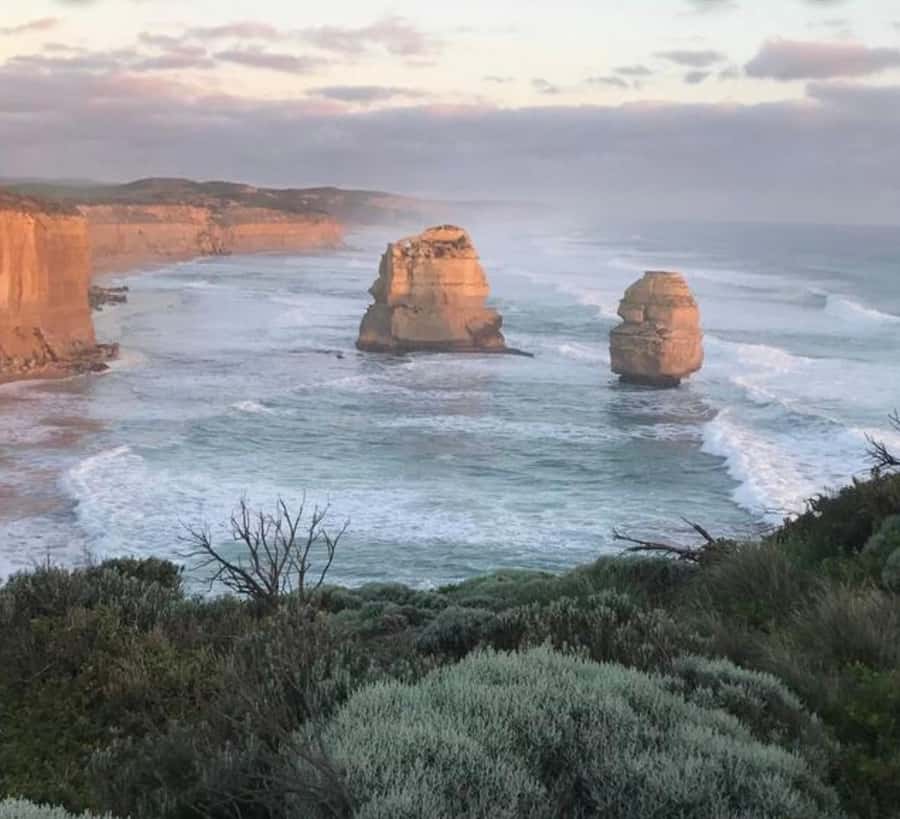
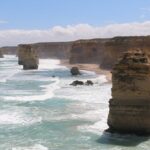
The highlight for most people is the Twelve Apostles with about one hour on site. That hour is meaningful. You’ll have enough time to walk between key viewpoints and not feel like you’re racing the schedule.
This is also the moment when your photos can go from decent to excellent, because the views are stacked—several angles from cliffs and lookout points that make the formations feel enormous.
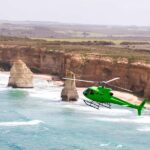
There’s also an option for a helicopter ride above the formations and sea. That’s not included as part of your standard day, so treat it as a paid add-on if you want the “from above” view. If you do consider it, remember it’s an extra decision during an already full day.
If you want a practical strategy: pick one main viewpoint to anchor your photos, then use the rest of the hour to walk for the second angle. You’ll get more variety without exhausting yourself.
Loch Ard Gorge: The Final Photo Stop with Big Character
After the Apostles, you’ll make a photo stop at Loch Ard Gorge. This is where the day often feels calmer. You’re not at the world’s most famous formation anymore—you’re at a place that still looks dramatic, but in a quieter way.
It’s a good wrap-up stop because it keeps your eyes moving without demanding another huge time commitment. If you want a last set of pictures before heading back, this is the moment.
The Drive Back: Getting Home With Energy
A private day tour isn’t only about getting to sights. It’s also about the ride rhythm and how you feel after.
The best-case scenario is you finish with enough time to enjoy the evening in Melbourne. People have noted they still made it back to their hotel in time for supper, which makes sense given the tour is planned as a full-day experience.
Still, don’t plan anything stressful right after pickup time. Your day starts early, ends late, and this is a coastal route with real driving time built in.
Price and Logistics: Is $580 Per Group Actually Good Value?
Let’s talk money in plain terms. $580 per group up to 3 travelers for a 12-hour day is not cheap. But private touring pricing is basically buying three things: your own vehicle, a driver-guide, and fewer wasted minutes.
Here’s when I’d call it good value:
- You’re 2–3 people and you’d otherwise split taxis or join a packed group.
- You care about photo time and want stops that last long enough to do them right.
- You want a driver-guide who can manage the day without worrying about multiple group schedules.
- You’re trying to fit a major day trip without adding hotel hassle.
Here’s when it might not be your best move:
- You’re traveling solo and can’t share the cost.
- You’re very price-sensitive and you’d rather spend your money on food and extra activities.
- You want a heavy commentary experience. This tour is designed around guiding and driving, but the depth and language comfort may vary depending on your driver-guide.
Vehicle size also matters. For 3 or fewer travelers, you’ll use a 5-seater car. There’s an optional 7-seater upgrade. If you have 4 or more travelers, you’ll generally get a 7-seater or large vehicle, depending on group size.
That affects comfort and how smoothly the day feels, especially when you’re stopping and getting in and out.
The Driver-Guide Factor: Safety, English, and “Day Flow”
On a private tour, your driver-guide is the engine of the whole day. When the driving is confident and calm, the route feels effortless. When the guide is attentive, you feel taken care of.
Some people have had excellent experiences with guides such as Yvette and Sky, describing safe driving, helpful explanations, and an ability to handle surprises on the road. One example included a leader taking initiative when a fallen tree blocked the road and organizing help so people could move on.
On the flip side, I’d take caution seriously. If you find yourself with a driver who seems distracted or unsafe, speak up early. It’s your day, and it’s your responsibility to push for a safer rhythm. Also, since languages include English, Chinese, and Traditional Chinese, ask yourself what communication comfort you need before booking—especially if English is important to you.
What to Bring (and What to Skip)
You’ll be outdoors at lookouts and descending steps, so pack like a coast day.
Bring:
- Warm clothing (coastal wind is real)
- Sun hat
- Camera
- Sunscreen
- Water
And follow the rules:
- No smoking in the vehicle
- No alcohol or drugs
This tour also doesn’t include meals, so treat lunch as your responsibility (even if Apollo Bay gives you time to eat well).
Who This Private Great Ocean Road Day Fits Best
This tour is a strong match for:
- Couples and small groups who want control of time
- Families who don’t want the stress of coordinating with a larger group
- People who hate rushed stops and want more breathing space at the big sights
- Travelers who want a driver-guide so they don’t have to deal with navigation
It’s not suitable for wheelchair users, based on the information provided.
If you’re the type who likes walking between viewpoints, Gibson Steps and Twelve Apostles will feel like payoff. If you prefer to stay dry and minimal, you might still enjoy it, but you’ll want to manage expectations around stair-and-step locations.
Should You Book This Great Ocean Road Private Tour?
If your priority is a comfortable, timed, low-stress day on one of Australia’s most famous coastal routes, I’d say it’s worth considering—especially for 2–3 people. The private pacing, the meaningful stops like Memorial Arch, and the time at Gibson Steps and the Twelve Apostles are the reasons.
If you’re budget-first, traveling solo, or very language-specific, you should think carefully. Ask questions before you go: what languages you’ll get, what time you’ll spend at the key sights, and what vehicle size you’ll have.
If you want flexibility, the experience offers free cancellation up to 24 hours and a reserve now, pay later option. That reduces the risk of booking too early.
FAQ
How long is the Great Ocean Road Private Day Tour?
The tour duration is 12 hours.
How much does the tour cost, and how many people does it fit?
It costs $580 per group up to 3 travelers. Vehicle type depends on participant numbers, with a 5-seater car for 3 or less (with an optional upgrade to a 7-seater) and larger vehicles for 4 or more travelers.
Where can I be picked up in Melbourne?
Pickup is optional from Melbourne CBD and surrounding suburbs within 5 km from the CBD.
Are there multiple drop-off locations?
Drop-off is listed as Melbourne (Melbourne City). If you want a different drop-off location, you must notify the provider before the activity starts.
What stops and sights are included?
The tour includes stops/photo stops such as Memorial Arch at Eastern View, Lorne, Kennett River, Apollo Bay, Gibson Steps, the Twelve Apostles, and Loch Ard Gorge, with the journey starting at Split Point Lighthouse.
Is lunch included?
Meal/lunch is not included.
What’s included in the price?
Included items are a friendly professional driver-guide, a clean and good-condition car, bottled water, all toll and parking fees, and tips.
What languages are available for the guide?
The live driver-guide is available in English, Chinese, and Traditional Chinese.
What should I bring, and what rules should I follow?
You should bring warm clothing, a sun hat, a camera, sunscreen, and water. Smoking is not allowed in the vehicle, and alcohol and drugs are not allowed.