REVIEW · MELBOURNE
Melbourne: Great Ocean Road Ultimate 12 Apostles with Lunch
Book on GetYourGuide →Operated by Autopia Tours · Bookable on GetYourGuide
Early starts beat Great Ocean Road crowds. This reverse-route day tour hits the 12 Apostles first for better photos, then keeps moving with Loch Ard Gorge and an easy rainforest walk. The big trade-off is time: it’s a long day with a lot of driving between stops.
What I like most is the way the schedule is built around comfort and pacing, not just checklists. On top of that, you get a picnic-style lunch and snacks so you’re not stuck hunting for food every time the bus pulls over. Just keep one thing in mind: if weather rolls in (mist/cloud), the main coastal views can be less dramatic than you hoped.
In This Review
- Key Highlights You’ll Actually Feel
- Why the Reverse Route Feels Smarter on the Great Ocean Road
- Morning Pickup at Immigration Museum and the Early-Drive Strategy
- Twelve Apostles First: Quiet Views, Better Photos, Real Time to Look
- Loch Ard Gorge and Razorback Lookout: Cliffs Plus Shipwreck Context
- Great Otway National Park Rainforest Walk: The Break Your Legs Need
- Coast Town Stops from Apollo Bay to Lorne: Wildlife Chances and Easy Viewing
- Memorial Arch at Eastern View and the Final Return to Melbourne
- Coach Comfort, Wi-Fi, Lunch Setup, and What to Bring
- Price and Logistics: Is $116 Good Value for This 13-Hour Day?
- Who Should Book This Tour (and Who Might Feel Rushed)
- Should You Book This Reverse Great Ocean Road Day Trip?
- FAQ
- What time do I meet, and where?
- How long is the tour?
- Is lunch included?
- What’s included for activities during the day?
- Does the tour include wildlife spotting chances?
- What languages are available for audio support?
- What should I bring?
- Is the tour wheelchair accessible?
Key Highlights You’ll Actually Feel
- 12 Apostles before peak crowds for calmer viewpoints and easier photography
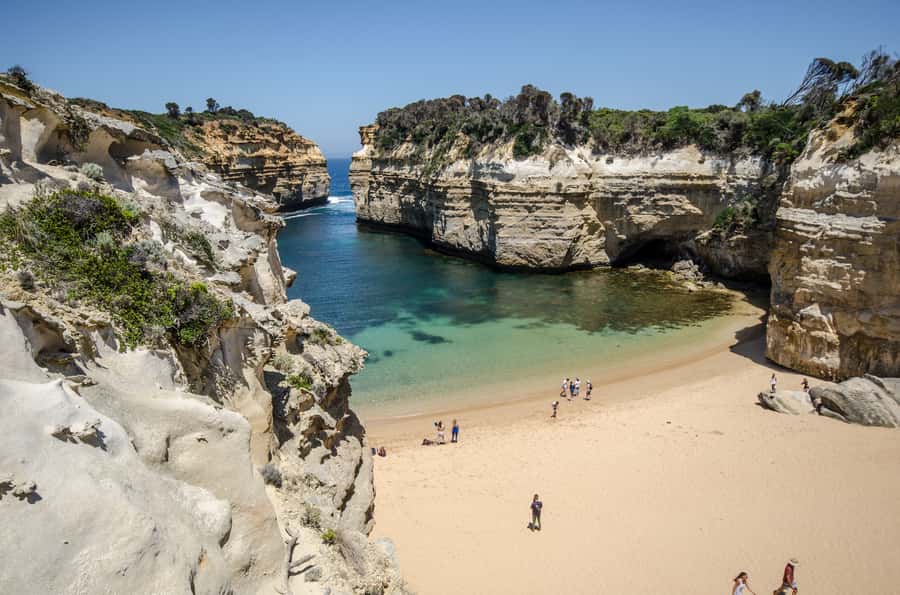
- Loch Ard Gorge storytelling with time to look down into the shipwreck-linked views
- Great Otway National Park easy walk through ancient rainforest, a breather from the cliffs
- Wildlife spotting attempts for koalas and kangaroos in their natural habitats
- National Heritage-listed Great Ocean Road traveled in reverse with multiple coastal towns
- Premium-coach extras like onboard Wi-Fi and USB charging, helpful on a long drive
Why the Reverse Route Feels Smarter on the Great Ocean Road
Most Great Ocean Road tours feel like a race to the same five viewpoints at the same time. This one flips the order, and that single choice matters. Starting early and heading for the coast before the biggest wave of buses means you’re more likely to get clearer views, quieter photo stops, and less time stuck behind crowds.
It’s also a more natural rhythm for your day. You start with the showstopper coastal icons, then shift to rainforest and small-town Australia afterward. By the time the day gets tiring, you’re walking under trees and looking out at coastline towns—still scenic, but less “one-spot-and-done.”
The other big reason I’d choose this approach: the tour doesn’t just park you at one landmark. You get a cluster of stops that make the drive feel like a journey, not a single photo opportunity followed by long bus time. Yes, it’s still a full-day bus trip—but the reverse timing helps you squeeze more value out of those hours.
A few more Melbourne tours and experiences worth a look


Morning Pickup at Immigration Museum and the Early-Drive Strategy

You meet at Immigration Museum at 7:35 AM, right on the corner of Flinders & Market Street. Plan to arrive a few minutes early and look for a white mini coach. The guides wear green shirts and the bus has an Autopia logo.
Then you’re off on the early plan that’s meant to bypass the worst coastal congestion. You’ll move inland first and make a break at Colac Otway Shire for around 20 minutes. That’s a practical window to stretch, use the facilities, and grab water before the day gets steep and scenic.
After that, the tour keeps the momentum going. The whole point is to beat the rush so your main photo and viewpoint time doesn’t feel rushed or crowded. In reviews, a common theme is that the schedule feels well managed by the driver-guide team—people like Illkey, Craig and Misty, Peter, Maj, and Leon were specifically praised for keeping things moving and sharing useful stories along the way.
Just be realistic: this is not a laid-back half-day. You’ll be in motion for much of the day, and the payoff comes from early timing plus smart stop order.
Twelve Apostles First: Quiet Views, Better Photos, Real Time to Look
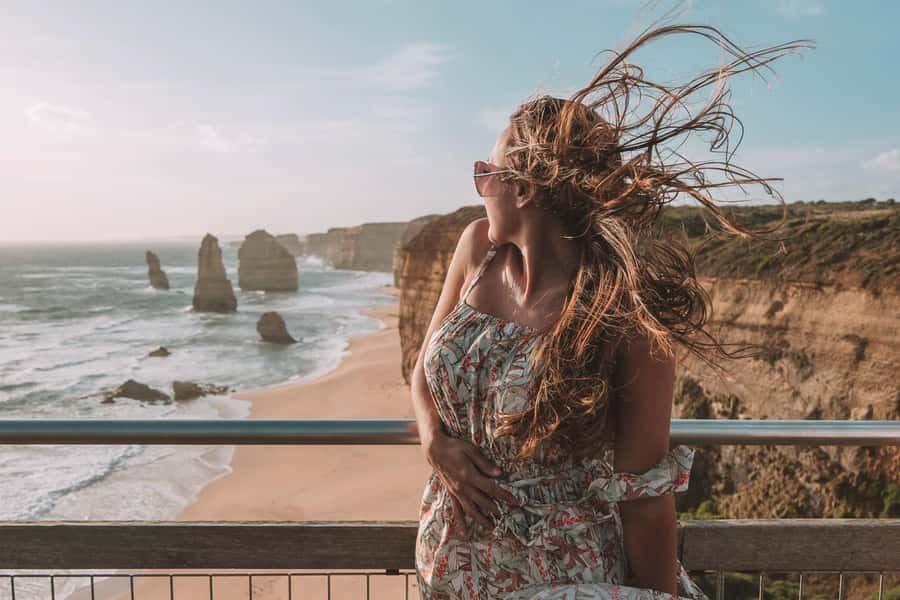
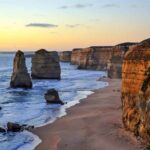
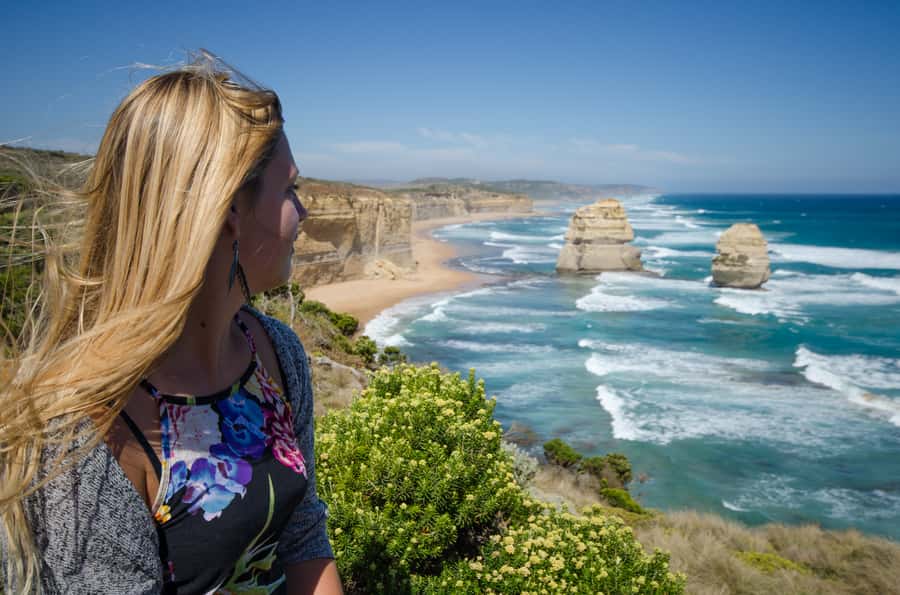
Your first major stop is The Twelve Apostles with about 45 minutes for sightseeing and photos. The whole point of arriving early is simple: you spend less time in lines, and you get more space around the viewpoints.
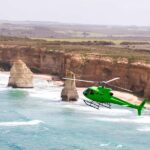
What you’re looking at is dramatic limestone stacks rising from the Southern Ocean. Even on a cloudy day, the coastline still feels powerful. But if you’re hoping for that postcard look—clear skies, strong light, and crisp contrast—morning timing helps.
A key consideration: some days have mist or cloud that can soften the view. If that happens, you’ll still get the scale of the formations, but you may feel like the main moment didn’t land as hard as expected. That’s not the tour’s fault, but it’s worth weighing if you’re very view-dependent.
Also, don’t wait until the last few minutes to do your photos. The Apostles area is where you’ll want your whole attention—wide-angle shots, then turning slightly for different angles. You’ll be glad you didn’t rush it, because the rest of your day includes more stops, each with limited time.
Loch Ard Gorge and Razorback Lookout: Cliffs Plus Shipwreck Context
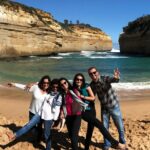
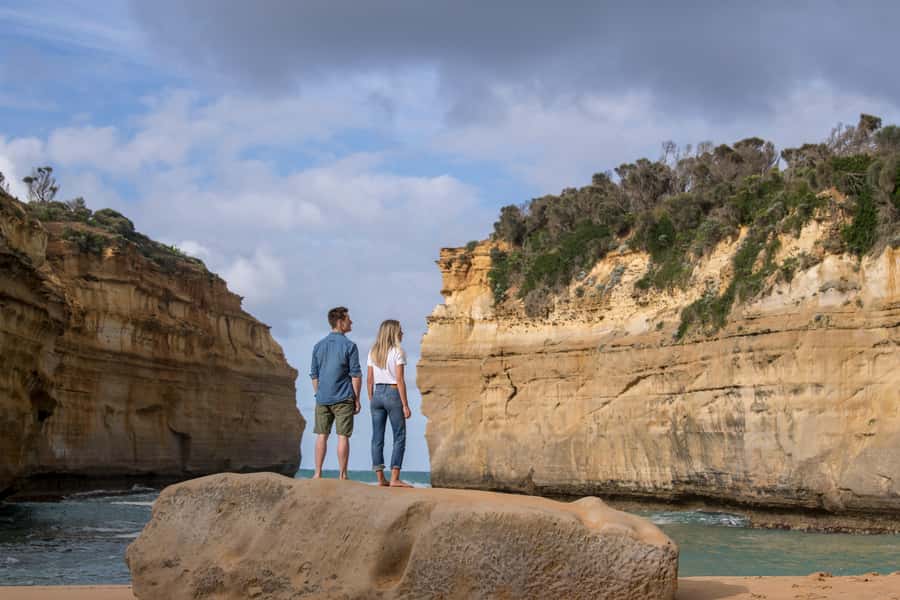
Next up is Loch Ard Gorge with about 20 minutes. Here you’re in a smaller, walled-in coastal pocket, with sheer cliffs and vivid water that can look unreal when the light hits right. The tour includes the shipwreck story associated with Loch Ard, and that context gives you something to hold onto while you’re standing at the viewing areas.
Then you go to Razorback Lookout (around 15 minutes). It’s shorter, but it functions like a “reset” stop—views that show more of the rugged coastline and help connect the dots between the big set pieces.
A smart way to use this portion of the day is to do it in layers:
1) Look outward at the coastline first (what kind of shape is it making?)
2) Then look down into the gorge areas (where’s the water sitting?)
3) Finish with a few photos that include coastline lines, not just one stack
You’re trying to capture the feeling of the place, not only the biggest rock. The time is limited, so focus on getting a couple of strong, well-composed shots.
Great Otway National Park Rainforest Walk: The Break Your Legs Need
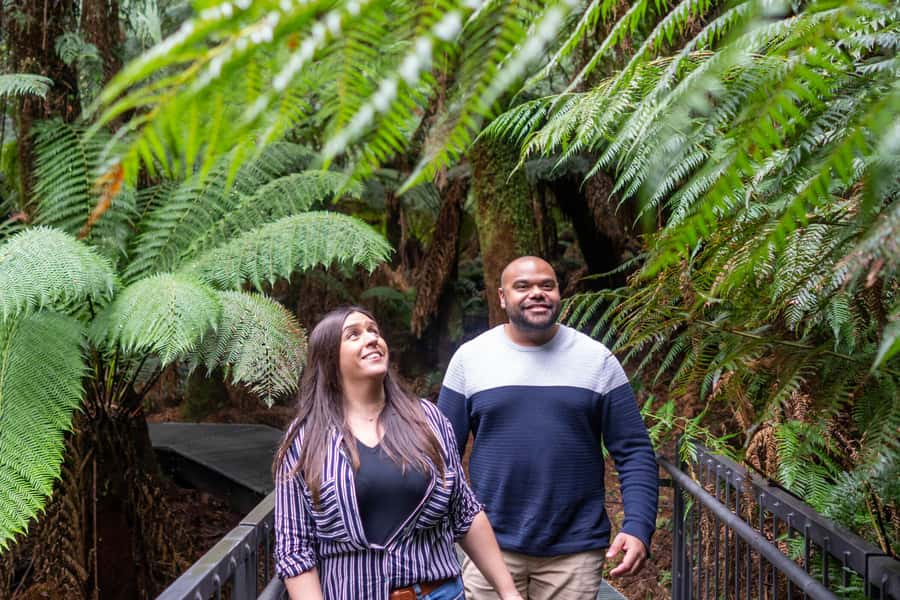
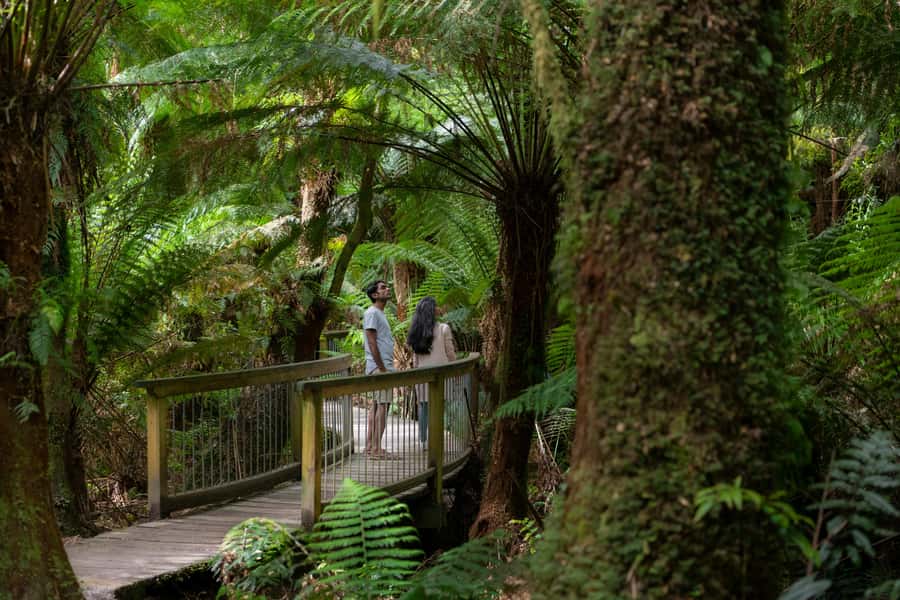
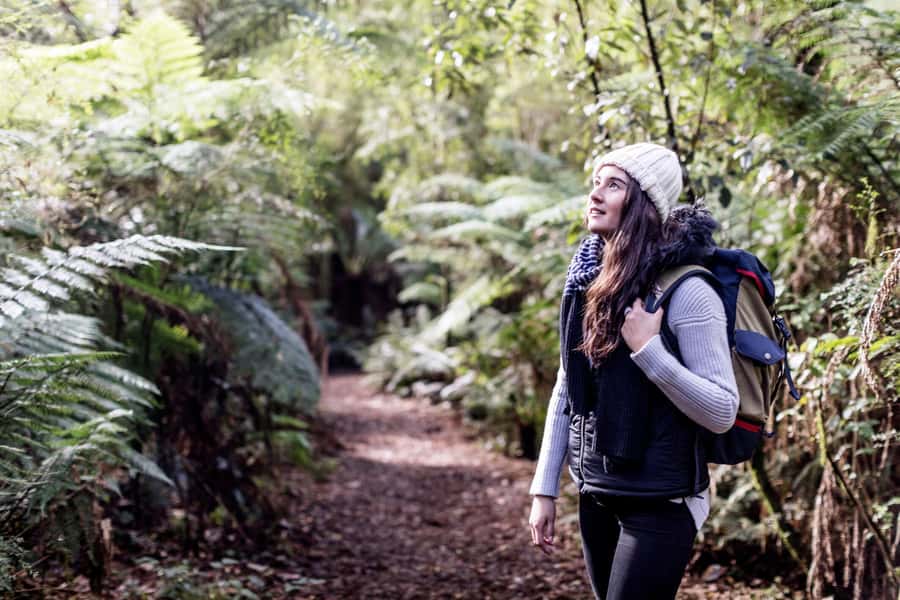
After the coastline stops, you head inland to Great Otway National Park. This is where the day changes gear. Instead of cliffs and ocean wind, you’re walking through cool, green rainforest and tall trees.
You’ll join a guided easy walk, supported by the guide on foot. The “easy” part matters. This walk gives you a real sense of place without turning the day into a hike challenge—perfect if you’re doing this as a one-day outing from Melbourne.
It’s also a welcome contrast after the ocean viewpoints. The rainforest has a calmer tempo, and it gives your body a chance to recover from standing in coastal wind and climbing around viewing platforms.
Quick practical note: bring the right clothing mix. Even in a sunny morning, rainforest air can feel cooler and damp. A windbreaker and a light jacket are exactly the right call.
If you’ve got extra energy, linger a minute after your guided portion ends and notice the small visual details—trunks, leaf texture, and how the light filters through. That’s the kind of reward that doesn’t require you to rush to the next stop.

Coast Town Stops from Apollo Bay to Lorne: Wildlife Chances and Easy Viewing
Once you leave the rainforest, you’re back on the National Heritage-listed Great Ocean Road, traveling in reverse through a string of coastal towns. You’ll stop for photos and sightseeing at several of them, with timing built around short viewing windows instead of long meals.
Notable stops include:
- Apollo Bay (around 30 minutes) with a photo stop and time to look around
- Wye River with a scenic-drive stretch and views
- Lorne with more driving viewpoints and passing through the town area
- Aireys Inlet with scenic driving time
- Anglesea with driving and views
- Geelong before you return to Melbourne
The wildlife angle is one of the main reasons people book this tour. You’ll have chances to spot koalas resting in eucalyptus trees and other native wildlife. You’ll also want to keep an eye out for kangaroos when the road brings you through places where they’re known to appear.
Here’s the reality check: wildlife sightings are never guaranteed. But the way this tour builds in multiple opportunities improves your odds compared to tours that only focus on the iconic rocks. In reviews, people were happy with how often the guide tried for koalas and roos, including extra road stops when sightings were spotted.
One more tip: don’t assume you’ll always find animals right where you stop for photos. Sometimes the best moment happens a little off the main viewing area, and the guide usually manages that with brief movement and clear instructions.
Memorial Arch at Eastern View and the Final Return to Melbourne
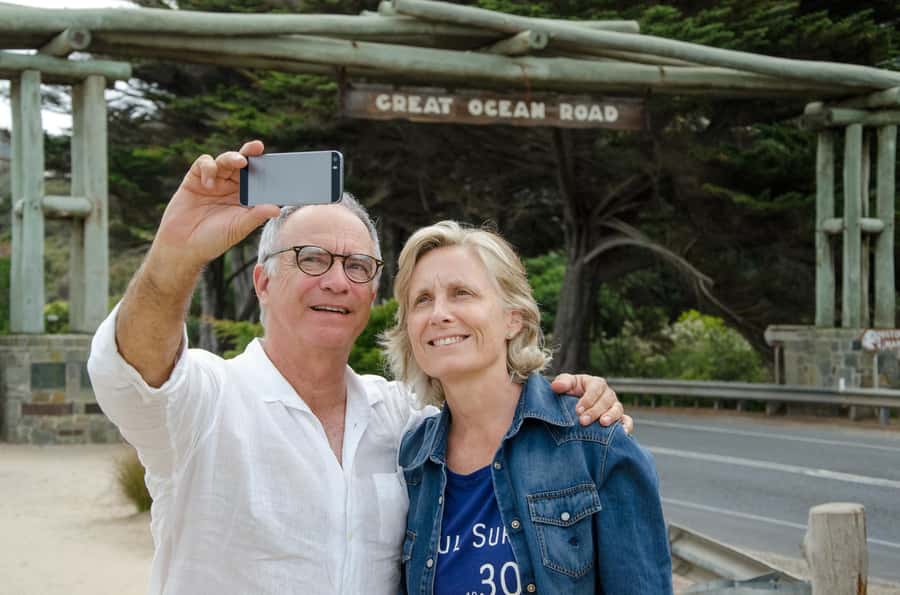
Near the end of the drive, you reach the Memorial Arch at Eastern View with about 20 minutes for photo time and sightseeing. This is the part that often feels like a closing chapter to the day. The arch commemorates those who built the road, and standing under it adds a human layer to the scenery you’ve been consuming for hours.
After that, there’s still more road time—Aireys Inlet, then Anglesea, then a move toward Geelong before you return to Melbourne. Expect the full day to run roughly from morning until evening. Reviews commonly describe something like 7 AM to around 7 PM, depending on the day’s pace and conditions.
If you’re trying to avoid sensory overload, this is where you slow down mentally. Let the final viewpoints be more about atmosphere than about “getting the perfect shot.” By the end of a coast day, your eyes need a breather, not another race.
Coach Comfort, Wi-Fi, Lunch Setup, and What to Bring
This tour runs on a modern air-conditioned mid-size premium coach. You get helpful comfort details that matter on a long drive: onboard Wi-Fi and USB charging ports at your seat. That’s not just a nice-to-have. When you’re stuck on winding roads for long stretches, being able to recharge and send messages without draining your phone makes a big difference.
Seat comfort is decent, but it’s still a bus day. Some people specifically note that it can get cramped or long, so pack for comfort like you would for a full day of transit.
Food-wise, you get a picnic-style lunch plus snacks. The lunch is included to reduce time wasted hunting for meals. In reviews, the lunch gets mixed feedback—from perfectly fine for a day out to simple and basic. Either way, it’s included, and that’s part of the value.
What you should bring:
- Comfortable shoes (you’ll do a rainforest walk)
- Windbreaker and a light jacket
- Sunglasses, sun hat, sunscreen
- A reusable water bottle
- A small plan for weather changes (coast wind is real)
Also, bring your own sense of timing. Because you eat as part of the day plan, don’t expect a long sit-down meal with lots of extras. This is a scenery-focused itinerary.
Price and Logistics: Is $116 Good Value for This 13-Hour Day?
At $116 per person for a 13-hour outing, you’re paying for four things you’d otherwise have to stitch together on your own:
1) Early timing that helps you avoid the worst crowds
2) Park entry fees and a guided component for the rainforest walk
3) A full-day driver-guide who keeps the route logical
4) Comfort upgrades on transport, plus lunch and snacks
If you tried to DIY this drive from Melbourne, you’d quickly spend time planning stops, booking your own transport, and losing the advantage of arriving early at major viewpoints. You’d also be paying for parking, and parking along the coast can add stress on top of the driving.
So is it worth it? I’d say it’s a solid value if your priority is seeing a lot without spending your day in logistics. If your priority is slow travel, long stays at each viewpoint, and zero time pressure, then this price can still be fair—but the format may feel too scheduled for your style.
Two practical notes before you buy:
- You can change pickup points with enough notice (ask ahead).
- This isn’t suitable for wheelchair users based on the provided information.
Who Should Book This Tour (and Who Might Feel Rushed)
This is a great match for you if:
- You want the Great Ocean Road icons plus rainforest in one day
- You prefer a reverse-route plan to reduce waiting and crowd frustration
- You like wildlife chances and don’t mind that sightings are weather- and luck-dependent
- You want comfort features like Wi-Fi and USB charging during a long day
It may not be ideal if:
- You hate long coach days and can’t handle frequent stop-and-go transitions
- You’re expecting lots of free time at the main sites (each stop is timed, and some are short)
- You’re very weather-sensitive about seeing the Apostles clearly
Also, think about your pace. Some people felt they wished for a bit more time at the Apostles area or more flexibility for koala spotting. The tour is designed to hit many highlights, which always means trade-offs in time.
Should You Book This Reverse Great Ocean Road Day Trip?
Book it if your goal is straightforward: see the 12 Apostles and Loch Ard Gorge early, get a guided rainforest walk, and still have chances at koalas and kangaroos without driving yourself. This tour’s strongest advantage is the timing logic and the fact that the day feels structured rather than chaotic.
Skip it (or at least reconsider) if you’re the type who needs long, unhurried time at one or two places. The itinerary is packed, and you’ll be back on the bus a lot. And if you’re traveling when mist is common, adjust expectations for the Apostles view even if you arrive early.
If you do book, set yourself up for success: bring the weather gear, pack a reusable water bottle, and treat the first big stop as your anchor moment. When you do that, the rest of the day will feel like a satisfying bonus, not a blur.
FAQ
What time do I meet, and where?
You meet at Immigration Museum at 7:35 AM at the corner of Flinders & Market Street. Look for the white mini coach on Market Street.
How long is the tour?
The duration is 13 hours.
Is lunch included?
Yes. A picnic lunch and snacks are included.
What’s included for activities during the day?
National park entry fees are included, and there’s a guided rainforest walk at Great Otway National Park with an easy fitness level.
Does the tour include wildlife spotting chances?
Yes. The tour includes opportunities to spot native Australian flora and fauna, including koalas and kangaroos.
What languages are available for audio support?
English is the live tour guide language, and there’s a multilingual audio translation app available in several languages. An audio guide is also included for Spanish, Chinese, Dutch, French, German, Italian, Japanese, Portuguese, Korean, and Traditional Chinese.
What should I bring?
Bring comfortable shoes, a windbreaker, sunglasses, a sun hat, sunscreen, a reusable water bottle, and a jacket.
Is the tour wheelchair accessible?
No. It’s listed as not suitable for wheelchair users.