REVIEW · MELBOURNE
Melbourne Sports Experience + Free Australian Sports Museum entry
Book on Viator →Operated by Sporting Capital Tours · Bookable on Viator
Big stadiums, but in a walking format. This small-group Melbourne Sports Experience threads together the major sporting venues around the Yarra and finishes at the Australian Sports Museum with admission included. I like the pacing because it’s not rushed, and I like that you get a real sense of how these places connect to Melbourne’s identity rather than just photos at the gates. One thing to keep in mind: it’s a weather-dependent outdoor walk, so plan for a day that stays comfortable.
You also get a guide-led route that moves you across the city’s “sports spine” efficiently. Fed Square is a handy start, and the walking sections along the river and into the stadium precinct make the landmarks feel like part of one story. If your guide is Ben, for example, you’ll get that upbeat, detail-focused approach that makes the stops click.
In This Review
- What you’ll walk away with
- Key things to know before you go
- Melbourne’s sporting precinct: why this loop makes sense
- Starting at Fed Square, then using the Yarra to connect the dots
- Rod Laver Arena and the Melbourne Park tennis complex
- Olympic Park, 1956 legacy energy, then AAMI Park for footy intensity
- The MCG and Australian Sports Museum: finish with meaning, not just photos
- Price and value: what $86.07 buys you (and why it can be fair)
- Timing, walking pace, and how to prep for the 3.5 hours
- Who this tour is best for (and who may want something else)
- Should you book the Melbourne Sports Experience + Sports Museum?
- FAQ
- How long is the Melbourne Sports Experience?
- How much does the tour cost?
- What’s included in the ticket?
- Where do I meet, and where do I finish?
- Is there a weather requirement?
- Can I cancel and get a refund?
What you’ll walk away with

By the time you reach the MCG area and head into the museum, you’ll understand how tennis, AFL and rugby, soccer/football, and the Olympic legacy all live side by side here. The biggest payoff is that the museum doesn’t feel tacked on—it’s a natural finish after you’ve seen the venues that shaped the culture. If you want comfort and options, that’s where you’ll appreciate the included indoor time at the end.
Key things to know before you go
- Small group (max 8) means less waiting and more back-and-forth at the stops
- Free Australian Sports Museum entry turns the tour into more than a photo walk
- Stadium variety in one loop covers tennis, Olympics-era landmarks, AAMI Park, and the MCG
- Mobile ticket makes last-minute planning easier once you’re in the city
- Good weather matters because you’ll spend real time outside walking between venues
You can also read our reviews of more museum experiences in Melbourne


Melbourne’s sporting precinct: why this loop makes sense
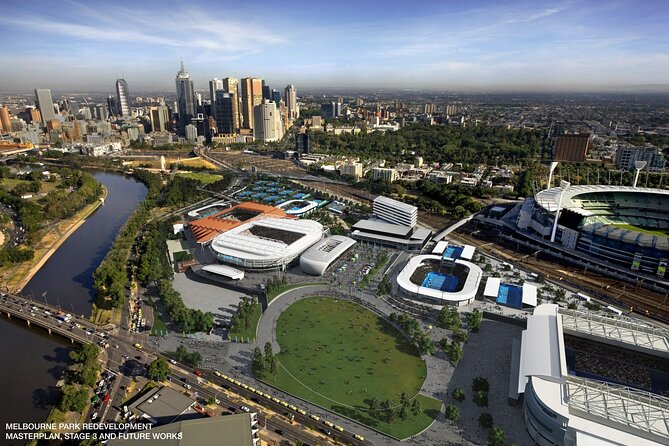
Melbourne’s sport isn’t scattered. It’s concentrated, and that’s exactly what makes this experience worth your time. You’re not just visiting one famous ground. You’re moving along the same corridor where tennis and major events spill into the wider Olympic and match-day culture.
What I like about this style of tour is the way it gives context without turning your day into a lecture. You’ll get quick, focused explanations while you’re standing in front of the buildings and along the river, which is far more memorable than reading plaques later.
This is also one of those rare city tours that works even if you’re not a die-hard fan of every sport mentioned. The venues are iconic, the stories help you decode them, and you still get a satisfying mix of outdoor landmarks plus an indoor museum finale.
Starting at Fed Square, then using the Yarra to connect the dots
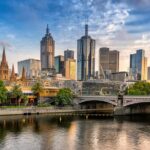
You kick off at Fed Square, right opposite Flinders Street Railway Station. That’s a smart choice because it keeps the tour grounded in the most practical transit hub area. From there, you’ll head into the walking route along the Yarra River, and this is where the day starts to feel like more than a list of stadium names.
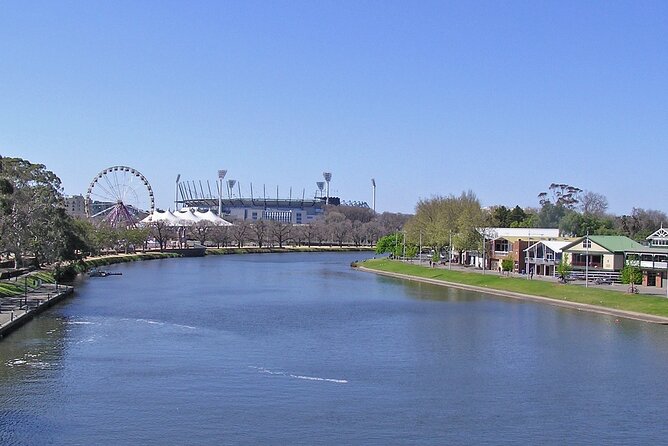
The river section matters because the Yarra is part of why Melbourne’s precinct works the way it does. You’ll get a sense of how the city developed its public spaces and event energy, and how the river fits into the sporting history of the area. Even if you’ve walked around Melbourne before, this gives you a purpose: you’re not just passing landmarks, you’re building a mental map.
One practical note: this tour is built around walking time between venues, so wear shoes you’d happily use for a 90-minute wander on a travel day, not brand-new sneakers you only trust indoors.
Rod Laver Arena and the Melbourne Park tennis complex
Next up is Rod Laver Arena via the Melbourne Park tennis complex route. Tennis has its own rhythm in this part of town—different from match-day roar and different from the Olympic-era mood you’ll notice in the next stops. That change keeps the tour interesting.
What you’ll likely enjoy here is the way the guide frames the venue as part of a larger tennis precinct rather than a single building. The point isn’t only the architecture. It’s how this ground fits into Melbourne’s reputation for hosting top-level sporting events.
There’s also something energizing about seeing tennis venues in daylight. When you picture stadiums, you often imagine them under lights. The walking approach lets you clock the scale and layout first, so if you later catch a match, you’ll understand where everything sits.
Time on this stop is short enough that it doesn’t drag, but long enough to slow down and look rather than just stride by.
Olympic Park, 1956 legacy energy, then AAMI Park for footy intensity

After tennis, the route shifts toward Melbourne & Olympic Parks, where the emphasis is on the significance of the 1956 Olympic games. This is a key contrast point in the tour because it’s not just sport in the narrow sense. It’s sport as national identity and international spotlight.
You’ll walk through the precinct and learn how the Olympics-era legacy still shapes the sporting landscape today. The value here is perspective. When you stand in a modern stadium world, it’s easy to assume everything is built only for the present. This stop helps you see the longer timeline behind the venues.
Then you move to AAMI Park, described as Melbourne’s main soccer and rugby stadium. This is where the tour becomes more multi-sport and less tennis/MCG-focused. Soccer and rugby fans often feel like they’re always waiting for the next big night out. This stop gives them a clear, central place to anchor their Melbourne plans.
Even if you’re an AFL-only person, AAMI Park still helps you understand how diverse the city’s stadium culture really is. Melbourne isn’t one-sport-obsessed. It’s a multi-venue sports city, and this stop makes that obvious.




The MCG and Australian Sports Museum: finish with meaning, not just photos
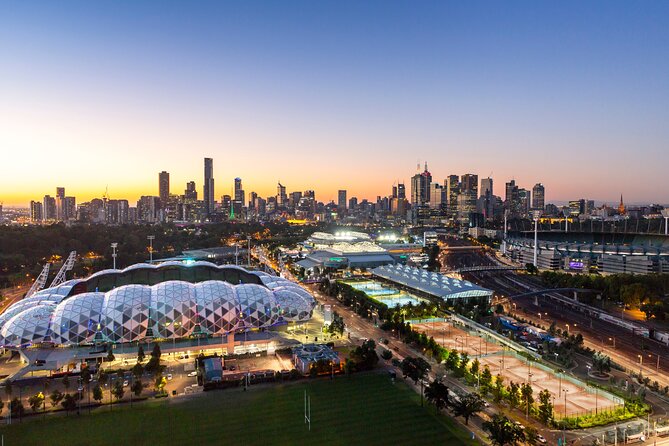
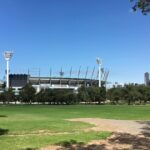
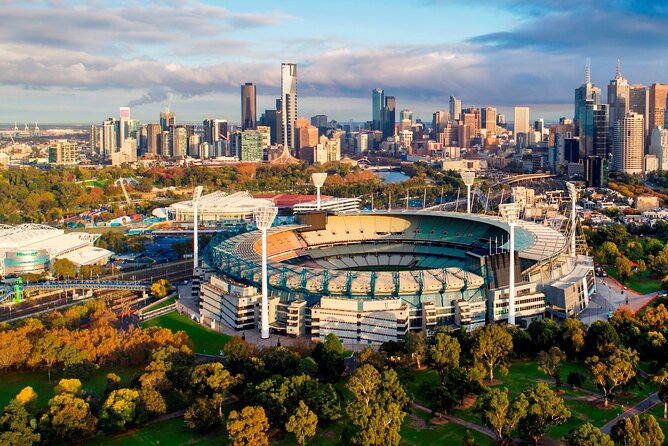
The final big stadium moment is the Melbourne Cricket Ground (MCG), home of Australian sport. This is the stop that tends to stick with you because it’s the largest symbol in the whole run. The tour’s logic peaks here: you’ve already been learning about venues and precinct history, and now you’re at the heart of the sport world.
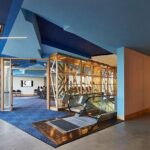
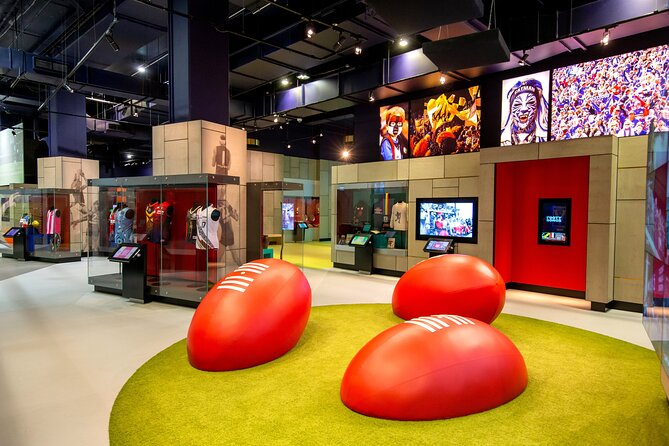
What makes the finish especially smart is the Australian Sports Museum entry included right after your MCG time. Instead of rushing to the next activity, you get a natural indoor payoff. The museum becomes a way to translate what you just saw into stories, artifacts, and broader sporting culture.
If you love sport as a human story—players, moments, and why fans care—this is a good way to round out the day. You’re not ending on an exterior viewpoint. You’re ending with context.
Also, if you’re the type who likes to take home a souvenir that isn’t just a magnet, an included museum stop is where the value quietly shows up.
Price and value: what $86.07 buys you (and why it can be fair)
At $86.07 per person for about 3 hours 30 minutes, this tour sits in the “high-value guided experience” category, mostly because it bundles two things that are normally separate costs: a guided walk through multiple major venues and free museum admission.
A key value point is the small group limit of 8 travelers. When you’re outside walking between stadiums, that matters. You spend less time waiting, you can ask questions at stops without feeling like you’re competing for air time, and the route stays flexible enough to keep the group moving smoothly.
You’re also getting a mobile ticket, which sounds minor until you’re juggling phone batteries and last-minute city changes. Less fuss is always good travel value.
Timing-wise, you’ll typically want to book ahead. This one averages about 29 days in advance, which is a hint that it’s popular and easy to sell out on certain days.
The only “value risk” I see is the weather dependence. If you show up expecting an outdoor stroll but the day turns ugly, that can change how enjoyable the walking portions feel—though you should have options if conditions don’t cooperate.
Timing, walking pace, and how to prep for the 3.5 hours
This experience runs roughly 3.5 hours, and that’s a sweet spot: enough time to cover multiple venues, not so long that it turns into “wearing your shoes as punishment.”
The route is built around short stop windows at each major landmark—think in blocks of about 10 to 15 minutes per location—so you’ll be moving more often than you’re standing. That’s a plus for keeping energy up, but it also means you shouldn’t plan to treat it like a sit-and-stare museum tour early on.
To make the day smoother:
- Wear comfortable walking shoes.
- Bring a light layer; stadium areas can feel cooler than you expect.
- If the weather looks mixed, pack a compact rain option so you’re not stuck deciding on the fly.
Since the tour ends at the museum, you’ll have a natural transition into indoor time at the finish, which helps break up the outdoor walking.
Who this tour is best for (and who may want something else)
This is a strong match if you:
- Like sport, but don’t want to plan separate transport stops to hit each venue
- Enjoy guided context at landmarks
- Want one focused “sports precinct” day that ends with something reflective at the museum
- Travel with a partner or group and want a smaller, calmer tour format
It also works well if you’re in Melbourne for a limited time. You can cover a lot of ground without committing to stadium tickets for a specific match.
If you’re the type who hates walking or wants long photo pauses, this may feel a bit fast-paced. The stops are short by design, and the day is built to keep you moving between venues.
Should you book the Melbourne Sports Experience + Sports Museum?
I’d book it if you want a guided, efficient way to see the places that define Melbourne sport, then finish with included museum entry for context. The small group size (up to 8) is a genuine comfort upgrade, and the museum inclusion is a practical value boost rather than a vague add-on.
I’d think twice if your trip is tight around a forecasted rain day, or if you’re not comfortable with a multi-venue walking route. In that case, Melbourne’s sport can still be enjoyed on your own, but you’d lose the stitched-together story that makes this one feel like a complete experience.
If you’re balancing choices, this one is simple: you’re paying for a guided loop through key stadium areas plus museum time. That’s a fair deal when the day works in your favor.
FAQ
How long is the Melbourne Sports Experience?
It’s approximately 3 hours 30 minutes.
How much does the tour cost?
The price is $86.07 per person.
What’s included in the ticket?
You get entry to the Australian Sports Museum (included) as well as the guided walking experience along the sporting precinct.
Where do I meet, and where do I finish?
You start at 1 Birrarung Marr Walk, Melbourne VIC 3000, and you end at the Australian Sports Museum at the MCG, specifically Gate 3, Brunton Ave, East Melbourne VIC 3002.
Is there a weather requirement?
Yes. This experience requires good weather, and if it’s canceled due to poor weather you’ll be offered another date or a full refund.
Can I cancel and get a refund?
Yes. You can cancel up to 24 hours in advance for a full refund.