REVIEW · MELBOURNE
Melbourne: Melbourne Museum Entry Ticket
Book on GetYourGuide →Operated by Museums Victoria · Bookable on GetYourGuide
Dinosaurs and culture share the same ticket. I love the shock of the Triceratops fossil and the way the Bunjilaka Aboriginal Cultural Centre grounds the museum in living knowledge. One thing to note: IMAX tickets are not included, so if that’s a must-do for you, budget extra time and money.
With a pre-booked entry ticket, you can head straight in and move through permanent collections plus temporary exhibitions. If you actually stop to read, plan closer to 4–5 hours than a quick walkthrough.
Bring comfortable shoes and expect an English-speaking host or greeter. The museum is wheelchair accessible, and you can arrive directly at Melbourne Museum.
In This Review
- Key Points You’ll Notice Fast
- Melbourne Museum Ticket at a Glance: $12 for Real Fossils and City Story
- Getting Oriented Inside: Forest, Science & Life, and Melbourne Gallery
- Forest Gallery: Where Tall Trees and Wildlife Make the Environment Feel Personal
- Science and Life Gallery: Bugs, Dinosaurs, Fossils, Animals, and Human Biology
- The Dinosaur Power Moves: Horridus and the 1,000+ Kilo Triceratops
- Horridus: 87% Real Bones and Australasia’s Most Complete Real Dinosaur Fossil
- The Triceratops Fossil: Late Cretaceous, 1,000+ Kilos, Buried 3.5 Meters Deep
- Melbourne Gallery and Phar Lap: City History You Can Actually Feel
- Bunjilaka Aboriginal Cultural Centre: Koori Culture and Living Traditions
- Children’s Gallery: A Family Plan That Doesn’t Require a Full-Time Negotiator
- How Long to Plan and What to Watch Before You Go
- Who This Works Best For (and Who Might Want a Different Plan)
- Should You Book the Melbourne Museum Entry Ticket?
- FAQ
- How much is the Melbourne Museum entry ticket?
- How long is the experience?
- What’s included in the ticket?
- Is IMAX included with this ticket?
- Where should I arrive?
- What should I bring?
- Is the museum wheelchair accessible?
- Can I cancel and get a refund?
- What language is the host or greeter?
Key Points You’ll Notice Fast
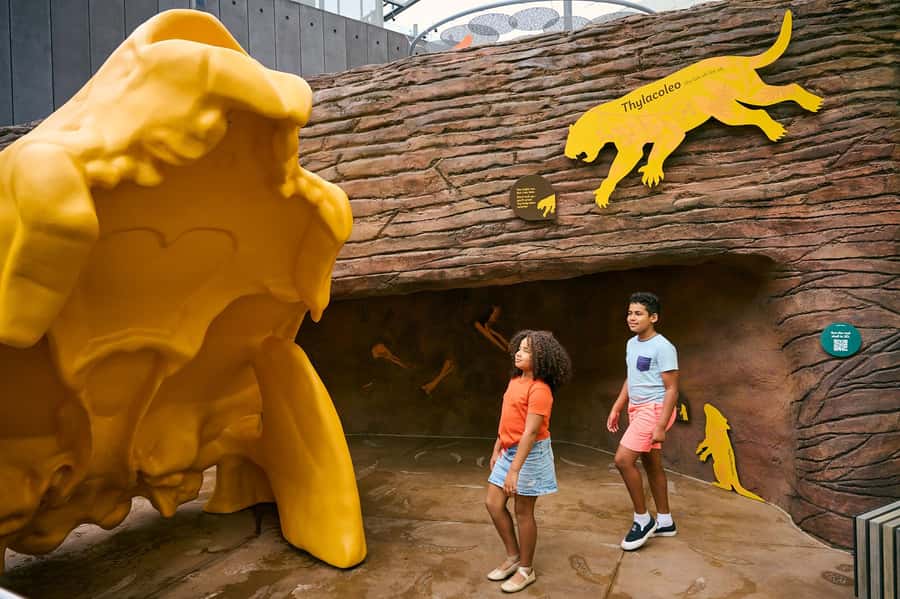
- A triceratops fossil over 1,000 kilos, tied to a late Cretaceous discovery from Montana
- Horridus with 87% real bones, one of the most complete real dinosaur fossils in Australasia
- Forest Gallery as the museum’s core vibe, with tall trees and wildlife
- Phar Lap’s stable plus the Melbourne Gallery story, mixing city history with real-world objects
- Children’s Gallery is built for little explorers, so families can enjoy without constant negotiating
Melbourne Museum Ticket at a Glance: $12 for Real Fossils and City Story
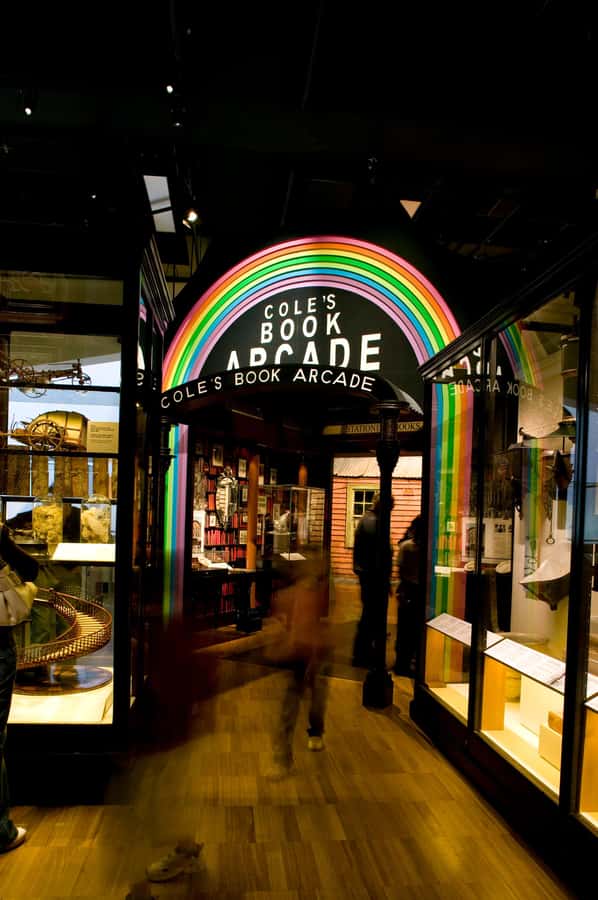
For $12 per person, this ticket is basically your all-access pass to one of Melbourne’s most convenient day plans. You’re paying for admission to Melbourne Museum, not for add-ons—so treat it as a chance to see the museum’s main galleries and big permanent displays.
The time window is “valid 1 day,” but the museum itself asks you to slow down: give yourself at least 3 hours for a full experience. In other words, you’re not buying a 45-minute stop; you’re buying a solid chunk of a day.
Also, you meet at the museum. There’s no complicated route or timed bus transfer to worry about. Just arrive directly at Melbourne Museum, show your pre-booked ticket, and start walking.
A few more Melbourne tours and experiences worth a look

Getting Oriented Inside: Forest, Science & Life, and Melbourne Gallery
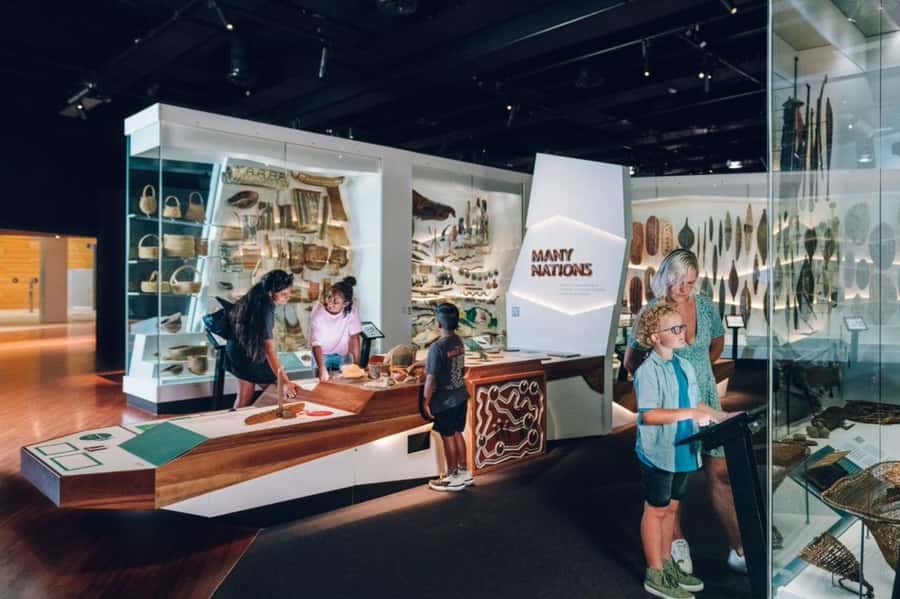
Once you’re in, the museum is laid out in a way that makes it easy to choose your pace. The Forest Gallery is the living heart of the museum, and it’s a great place to start because it sets a theme: environment first, then science, then culture and place.
From there, the museum’s main scientific storytelling heads to the west end via the Science and Life Gallery. On the east end you’ll find the Melbourne Gallery, which shifts from natural history to the story of the city. Add the Children’s Gallery for the family-friendly zone, plus the Bunjilaka Aboriginal Cultural Centre for culture, and you’ve got a museum that doesn’t feel like one long corridor of the same thing.
Tip: if you’re short on time, pick one “anchor” moment you really want (dinosaur fossils, city history, or the culture centre) and then build around it.
Forest Gallery: Where Tall Trees and Wildlife Make the Environment Feel Personal
The Forest Gallery is more than decorative walls and glass cases. It’s described as the living heart of the museum, with tall trees and wondrous wildlife—so even if you’re not a science person, you’re stepping into a setting that makes “environment” feel real.
Why I like it for visitors: it’s a reset button. After that, the science exhibits (fossils, insects, biology) feel like they’re connected, not random facts you’re trying to memorize.
What to expect, practically: you’ll spend time here if you stop and read. If you rush, you’ll miss the “how it all connects” feeling the gallery gives you.
Science and Life Gallery: Bugs, Dinosaurs, Fossils, Animals, and Human Biology
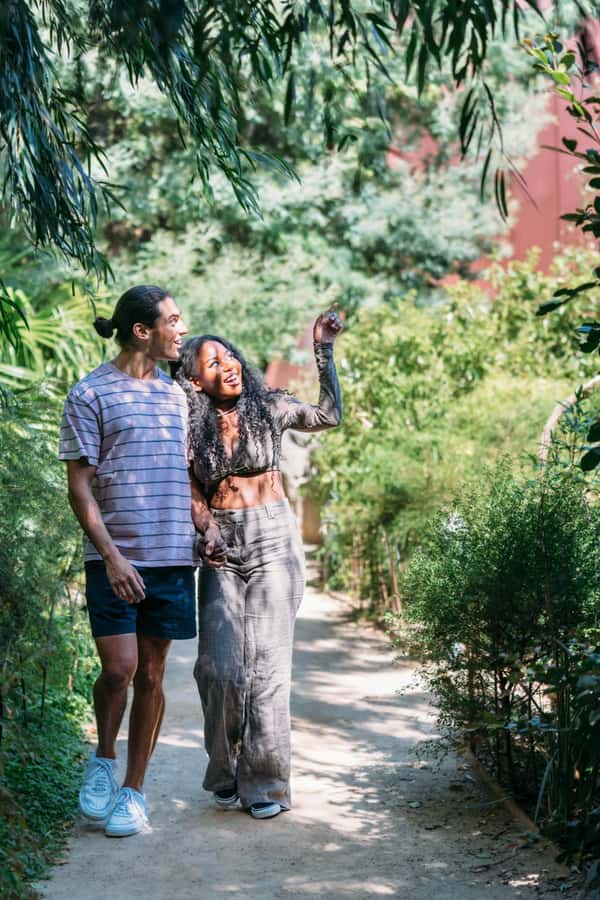
At the west end, the Science and Life Gallery pulls together natural history and human biology in one sweep. Expect to see bugs, dinosaurs, fossils, animals, and human biology—basically the museum’s way of saying, life on Earth has patterns, and you can track them from the smallest creatures up through ecosystems and bodies.
This is the gallery that works for different moods. If you’re a fossil person, it points you toward dinosaur fossils. If you’re more interested in how humans work, the biology component gives you variety so you don’t burn out mid-visit.
The drawback is simple: because it covers a lot, it can feel like a lot if you hate reading labels. If that’s you, focus on the big display areas first and then circle back for the details you care about.
The Dinosaur Power Moves: Horridus and the 1,000+ Kilo Triceratops
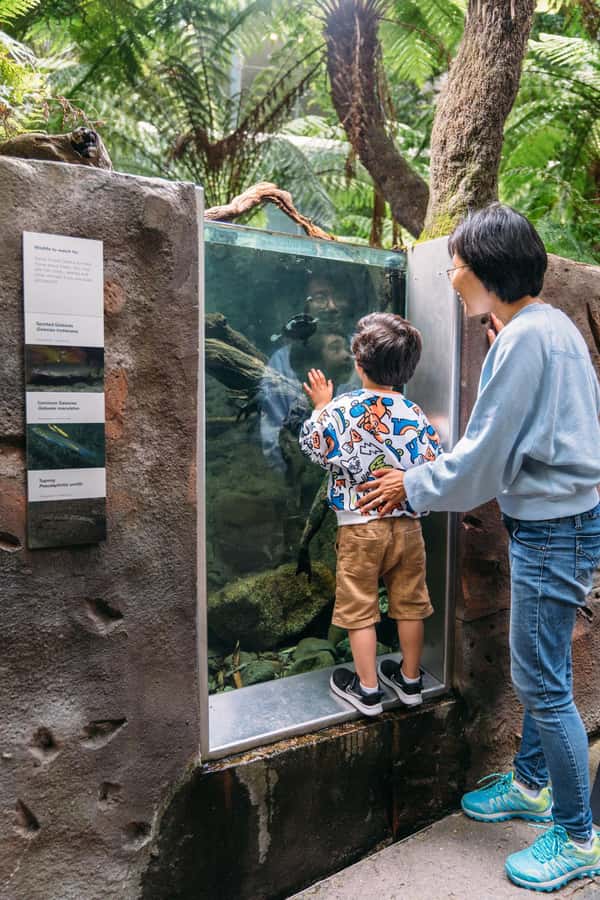
This museum’s dinosaur content is the headline for a reason, and it’s the part that’s hardest to fake with flashy distractions.
You can also read our reviews of more museum experiences in Melbourne

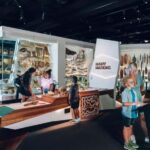

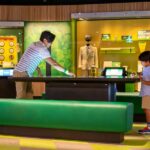
Horridus: 87% Real Bones and Australasia’s Most Complete Real Dinosaur Fossil
Horridus is the star fossil here: its skeleton is said to have 87% real bones, making it the most complete real dinosaur fossil anywhere in Australasia. That “real bones” detail matters. It changes your experience from seeing a replica to seeing something that’s physically tied to the fossil record.
If you’re coming specifically for dinosaur science, plan extra time for this section. You’ll likely want a few minutes of just looking and then reading the story to understand how that fossil fits into the bigger picture.
The Triceratops Fossil: Late Cretaceous, 1,000+ Kilos, Buried 3.5 Meters Deep
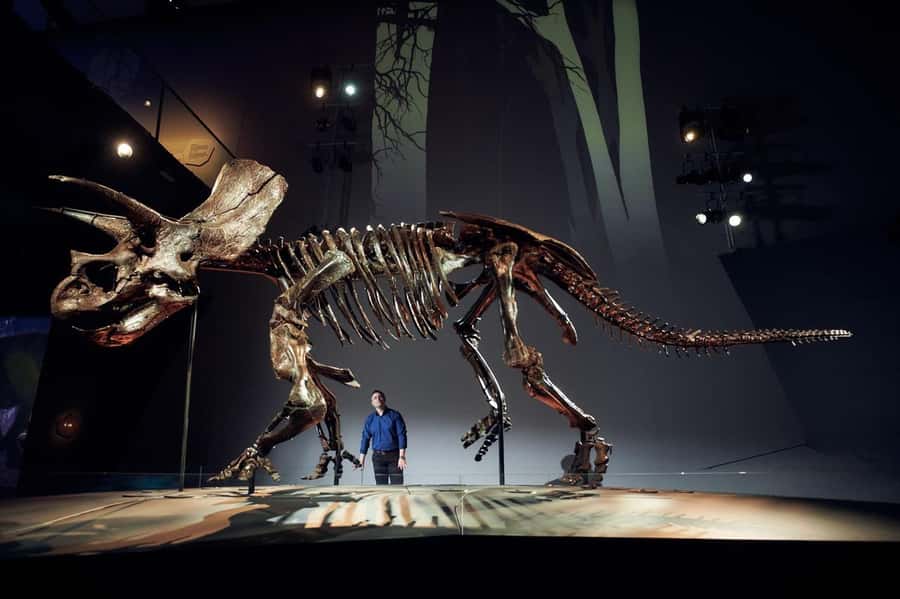
The other standout is the triceratops fossil, weighing more than 1,000 kilos. The story here is dramatic and specific: it comes from the late Cretaceous period, a globally significant discovery unearthed in Montana, USA, buried under 3.5 meters of sandstone.
If you’re wondering why this is so compelling: the museum doesn’t just say “there’s a dinosaur.” It gives you the scale (over a thousand kilos), the time period (late Cretaceous), and the digging conditions (3.5 meters under sandstone). That combination turns a display into a real-world science story.
If you’re not a dinosaur fan, you can still enjoy this part. Fossils connect to environment and how life changes over long time—so it’s not only about dinosaurs, it’s about the detective work behind them.
Melbourne Gallery and Phar Lap: City History You Can Actually Feel
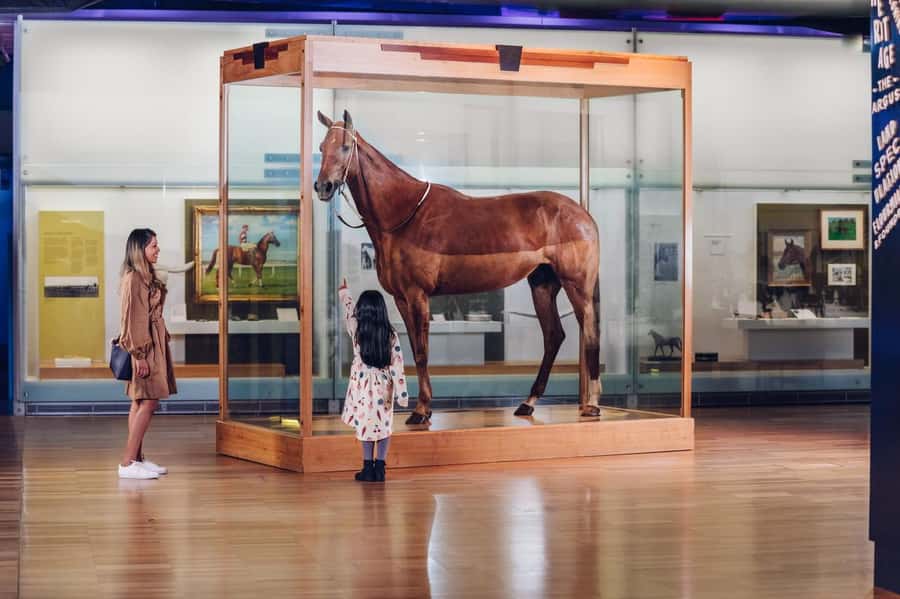
On the east end, the Melbourne Gallery shifts gears to the story of the city. It’s the kind of museum space that works well after you’ve already built context in the natural history galleries. You move from Earth’s past to Melbourne’s past.
One of the most interesting mentions here is the stable of the famous racehorse Phar Lap. That makes this gallery more than timelines and maps. It brings a recognizable piece of culture and sport into the museum experience.
Practical tip: if you want to move efficiently, treat the Melbourne Gallery as your “story sweep.” Don’t try to read every panel. Instead, skim for the themes, then stop at the parts that genuinely catch your attention—like Phar Lap.
Bunjilaka Aboriginal Cultural Centre: Koori Culture and Living Traditions

The Bunjilaka Aboriginal Cultural Centre is an important anchor in the museum, not a small add-on. It’s described as a place imbued with living traditions and knowledge of Koori people and other cultures from around Australia.
This is where your visit turns from “museum of facts” into “museum of people and knowledge.” Even if you only spend an hour here, you’ll likely walk away with a different sense of what museums can do. They don’t just preserve; they interpret and keep knowledge active.
If you’re planning your day, don’t treat this as something you’ll see only if you have time. I’d schedule it early or mid-visit so you’re not rushing when you get there.
Children’s Gallery: A Family Plan That Doesn’t Require a Full-Time Negotiator
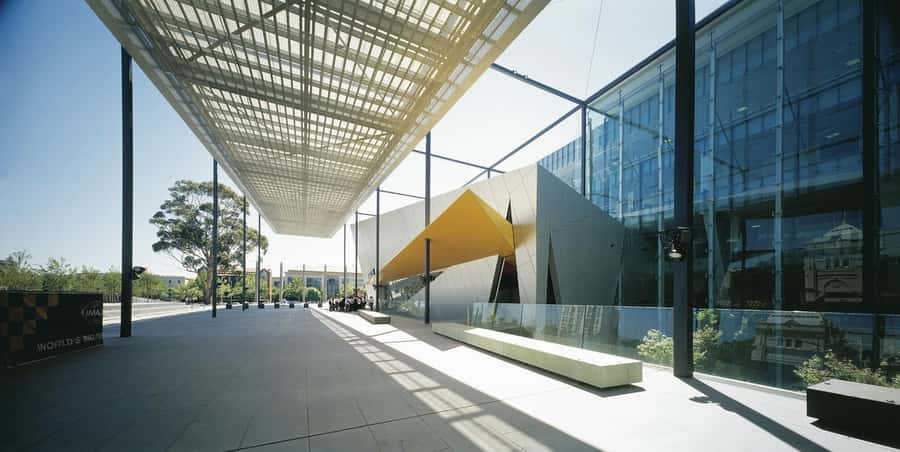
Families will appreciate the Children’s Gallery, which is designed for little kids to explore and learn in a fun way. The key word is explore—this area is built for active interest rather than passive watching.
Even if you don’t have kids, it’s a good sign for the museum overall: it suggests the museum’s learning approach extends beyond adults staring at glass.
If you’re traveling with children, this is the section where you’ll likely get your best “energy break,” because it’s a place designed for moving at the kid pace.
How Long to Plan and What to Watch Before You Go
The museum recommends at least 3 hours for a full experience. I’d treat that as the minimum for a satisfying day, especially if you want dinosaur fossils plus the cultural centre.
Also, check the museum’s website for temporary exhibition schedules and possible closures. Permanent galleries can be great, but temporary exhibits can change the balance of your day—so you’ll save frustration by verifying what’s actually open.
What to bring is refreshingly simple: comfortable shoes. You’ll likely walk more than you expect in a museum this size, and you’ll want to stay comfortable during the longer reading stops.
One more time-saver: IMAX tickets aren’t included here, so if you plan to add IMAX, decide that before you’re already deep in the museum. It’s an easy way to protect your schedule.
Who This Works Best For (and Who Might Want a Different Plan)
This entry ticket is a strong fit if you want one day that mixes science, natural history, and culture without extra booking steps. It’s especially good for:
- dinosaur fans who care about real fossils, scale, and discovery stories
- families with kids, thanks to the Children’s Gallery
- anyone who wants local connection through the Bunjilaka Aboriginal Cultural Centre
- first-time Melbourne visitors who want a central, structured museum day
It may feel less ideal if you only want one specific topic and hate reading. Because the museum covers environment, science, city history, and culture, you’ll need at least some interest in more than one theme.
Should You Book the Melbourne Museum Entry Ticket?
Yes, you should book this ticket if you want a straightforward, value-focused way to spend half to full of a day at Melbourne Museum. At $12, admission gives you access to a wide range of permanent spaces and the big dinosaur fossils, plus the Bunjilaka Cultural Centre—so you’re not stuck in a single-theme visit.
I’d also book it if you like museum days where you can choose your route. You can go fossil-first, culture-first, or family-first, and the galleries are set up to support that.
If IMAX is your main reason for visiting, keep in mind it’s not included. Otherwise, for most people, this is a sensible, high-return way to experience Melbourne Museum.
FAQ
How much is the Melbourne Museum entry ticket?
The price is $12 per person.
How long is the experience?
It’s valid for 1 day, and the museum suggests allowing at least 3 hours for a full experience.
What’s included in the ticket?
Admission to Melbourne Museum is included.
Is IMAX included with this ticket?
No. IMAX Melbourne tickets are not included.
Where should I arrive?
Arrive directly at Melbourne Museum.
What should I bring?
Bring comfortable shoes.
Is the museum wheelchair accessible?
Yes, it is wheelchair accessible.
Can I cancel and get a refund?
Yes. Free cancellation is available up to 24 hours in advance for a full refund.
What language is the host or greeter?
The host or greeter is English.