REVIEW · NOOSAVILLE
Noosa: National Park and Dolphin Watching Safari
Book on GetYourGuide →Operated by Whale Songs Noosa Charters & Tours · Bookable on GetYourGuide
Dolphins sound better than you expect. On this Noosa boat ride, you can actually listen to dolphin songs in real time through a hydrophone while you search the Noosa coastline for Indo-Pacific Bottlenose and Common Dolphins. What I like most is the way the tour turns a simple sighting into something you can understand, not just watch.
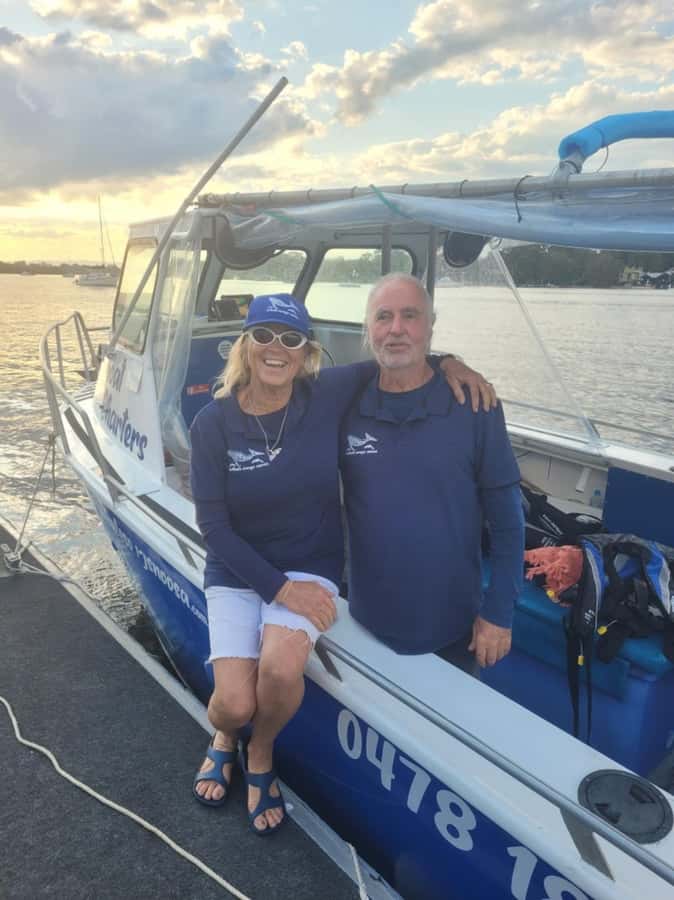
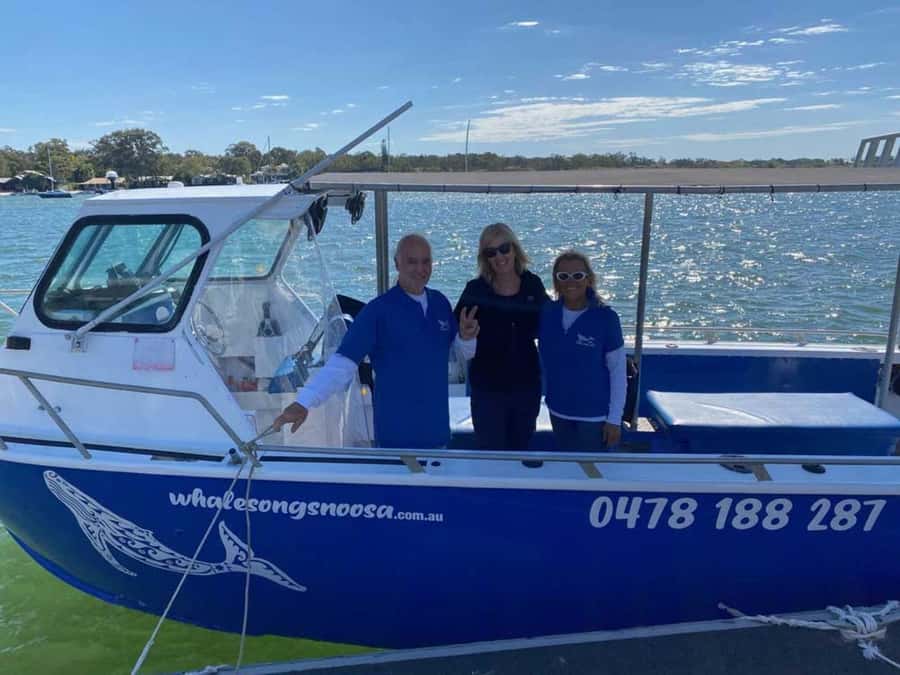
Two more things I really enjoy: the Noosa National Park and World Surfing Reserve coastline views from the water, and the guide-led focus on dolphin behaviour and communication. With guides like Peppi and Alby on board, you get the feeling you’re in good hands, and they keep the experience grounded in what dolphins do—not just what you hope to see.
One thing to consider: the ride depends on weather and swell, and if you’re new to boats, take motion-sickness remedy before boarding. If you’re sensitive to movement, this is one case where a little prep can make or break your day.
In This Review
- Key highlights worth your attention
- Starting at Big Pelican: quick boat time with real coastal scenery
- The hydrophone experience: hearing dolphin songs changes everything
- What you’re looking for: Indo-Pacific Bottlenose and Common Dolphins
- Noosa National Park and the World Surfing Reserve: why the scenery isn’t filler
- Conservation with Southern Cross University: small effort, real purpose
- Comfort on the water: motion sickness and weather choices
- Snorkelling or a picnic option: how to personalize your time
- Price and value: why $67 for 90 minutes can be worth it
- Who should book this dolphin safari
- Before you go: practical notes that actually matter
- Should you book Whale Songs Noosa?
- FAQ
- How long is the dolphin watching safari?
- Where does the tour begin?
- Is hotel pickup included?
- Can I hear dolphin songs on this tour?
- What types of dolphins might I see?
- Will the tour run in all weather?
- Is it wheelchair accessible and how does it work with infants?
Key highlights worth your attention
- Live hydrophone that lets you hear dolphin songs during the chase-and-scan for dolphins
- Big Pelican start that sets you up for an easy, quick cruise along the Noosa coast
- Real dolphin behaviour explanations tied to how they communicate and move
- National Park coastline views plus the World Surfing Reserve stretches you can see from the water
- Dolphin conservation contribution via data sharing with Southern Cross University
Starting at Big Pelican: quick boat time with real coastal scenery
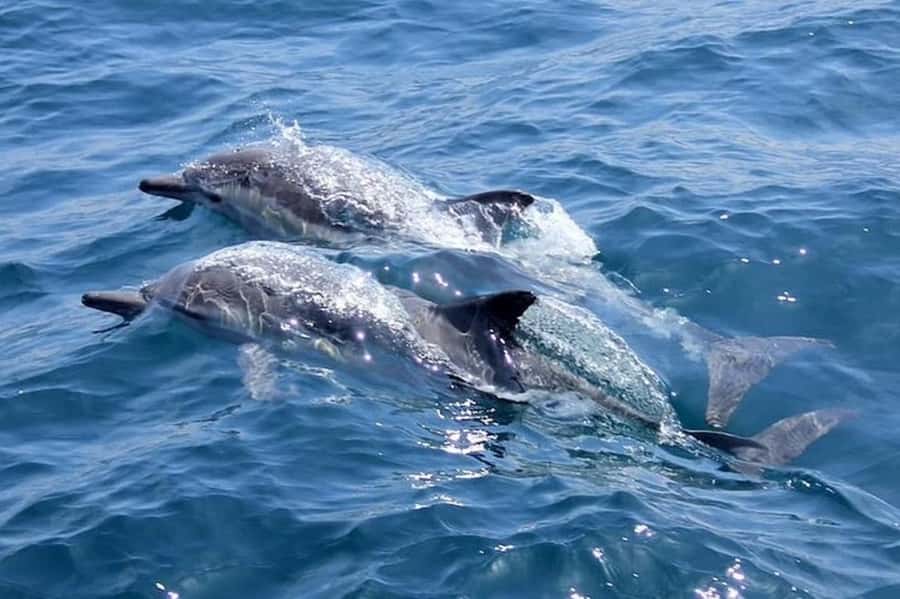
Your experience begins at the iconic Big Pelican, then you’re welcomed and guided out for a 90-minute cruise along the Noosa coastline. The timing is a big part of the value. Ninety minutes is long enough to get into rhythm—out past the first look, then scanning again—but short enough that it feels like a focused ocean outing rather than a half-day commitment.
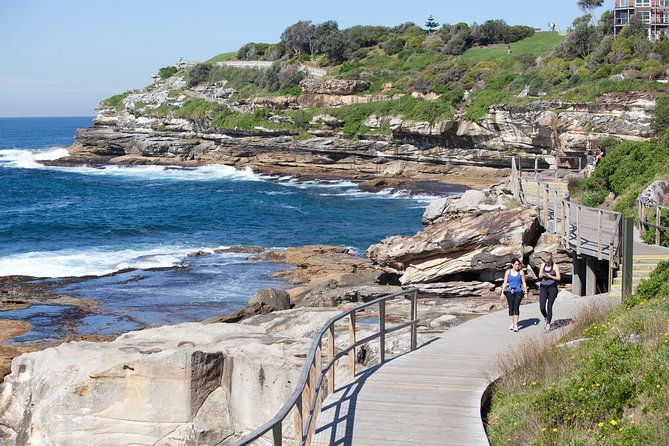
Right away, you’ll notice how this tour is built around the coastline. Noosa has a reputation for surf culture and protected natural areas, and from the water you get a very direct view of what makes the area special: coastline shape, headlands, and the kind of marine setting where dolphins show up. The tour is tied to the Noosa National Park and the World Surfing Reserve stretch, so you’re not just on a boat “somewhere near the ocean.” You’re moving through a known coastal zone where dolphins are part of the story.
If you’re trying to balance sightseeing with wildlife time, this structure helps. You get scenery while you wait for dolphins, and you don’t have to choose between seeing Noosa and seeing dolphins.
You can also read our reviews of more tours and experiences in Noosaville.

The hydrophone experience: hearing dolphin songs changes everything
Most dolphin tours are visual. You look, you spot, you point, you hope for a close pass. This one adds a major upgrade: the onboard hydrophone so you can listen to dolphin songs as you search.
For me, that’s the heart of why this tour is different. Dolphin communication is not just a random set of sounds. When you can hear the song-like vocalizations live, the whole viewing experience clicks into place. Suddenly you’re not only watching bodies in motion—you’re also picking up the communication layer that drives their behaviour.
There’s also a practical upside: you’re encouraged to capture the sound on your mobile phone. That means you can keep a keepsake that isn’t only a photo. If you love sharing travel moments with friends or family, having audio makes this tour feel more personal and more memorable than yet another dolphin picture.
And since the hydrophone is part of the experience while you’re actively scanning the water, it’s not something you only use after dolphins appear. You can listen while you search, which helps if dolphins are briefly elusive.
What you’re looking for: Indo-Pacific Bottlenose and Common Dolphins
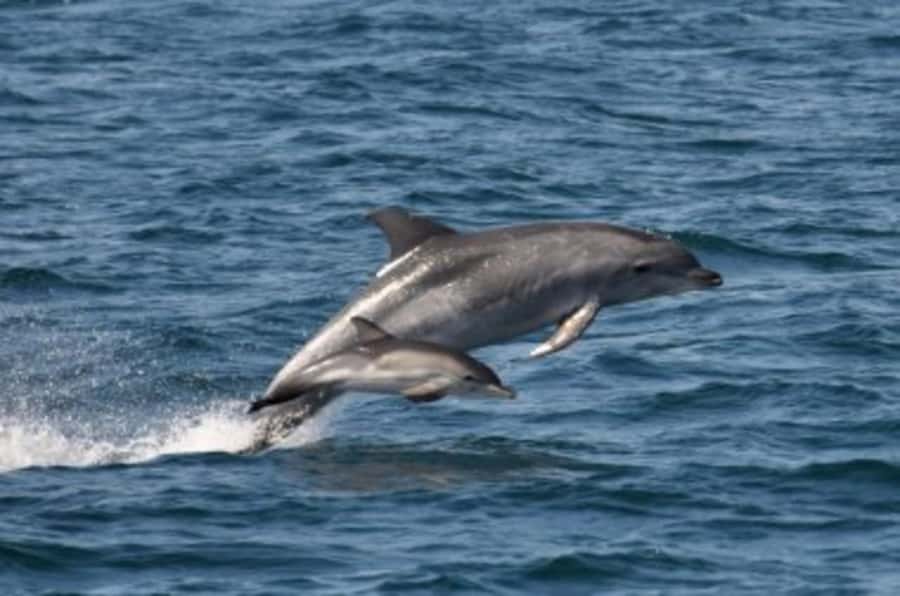
You’ll be watching for two types of dolphins: Indo Pacific Bottlenose and Common Dolphins. The tour framing matters here. You’re not chasing a vague idea like “dolphins somewhere.” You’re looking for specific animals with known behaviours, and your guides help you interpret what you’re seeing.
The guides focus on dolphin behaviour and communication, and that’s valuable even if you’re not a marine-nerd. When you understand why a dolphin group might change direction, slow down, or move toward the boat, your spotting turns into a real moment of reading the water. It stops being luck-only and starts feeling like you’re following a living pattern.
One review highlighted how dolphins came close to the boat while they were observing each other, and that’s exactly what you want from a tour like this: a sense of contact. Even when dolphins don’t come immediately, the best part is that you’re not just drifting. You’re actively searching, listening, and learning while you go.
Noosa National Park and the World Surfing Reserve: why the scenery isn’t filler
I like when a wildlife tour respects the place it’s happening in. Here, the route matters because it threads through areas associated with the Noosa National Park and the World Surfing Reserve. From the boat, you get those long coastal views that make you understand why Noosa is popular beyond the beach.
This is where the tour’s pacing feels smart. The boat ride isn’t a long waiting room. You spend time enjoying the coastline while keeping your eyes on the water for dolphin activity. If you’re the type who gets impatient when an activity turns into standing still, you’ll likely appreciate this format.
It also makes the experience broader than “spot dolphins, take photos, leave.” You’re seeing the kind of coast where wildlife shows up, and you’re getting the sense that dolphins aren’t an afterthought here—they’re part of the natural rhythm of the area.
Conservation with Southern Cross University: small effort, real purpose
This tour doesn’t just point at dolphins. It adds a conservation component: you’re contributing by sharing data with Southern Cross University. That turns your sightings into something useful beyond your own memory.
I like this approach because it makes sense. Dolphin watching works best when it’s paired with careful observation and data collection. When a tour builds that into the experience, you can feel good about the impact, even if you don’t leave with a science degree.
It also changes how you pay attention while you’re out there. You might find yourself noticing more than “how many dolphins are there,” like how they’re moving, how they interact, and how they respond to the boat and the water around them. That kind of attention tends to make the ride feel more meaningful.



Comfort on the water: motion sickness and weather choices
Let’s be honest: a dolphin safari on open water can be a little tricky if you’re sensitive to motion. The tour specifically warns that if you’ve never been on a boat—or you’ve had issues before—it’s worth taking some sea sickness remedy prior to boarding. I’d treat that as advice, not a formality.
The other consideration is weather and swell. The experience is subject to conditions, and you’ll get notice if it needs to be canceled or postponed due to weather—24 hours notice if that happens. For planning, that means you should keep a bit of flexibility on your schedule, especially if your Noosa days are tightly packed.
Also, while the route can be scenic and enjoyable, it’s still a boat. If you’re going with someone who’s unsure about seasickness, plan ahead rather than hoping for the best.
Snorkelling or a picnic option: how to personalize your time
One nice touch is that the tour can be personalized with snorkelling or a picnic. The key here is to treat that as a possible add-on depending on conditions and what’s available at the time.
Why does that matter? Because dolphins are the main draw, but people don’t always travel only for one activity. If you want the ocean day to feel complete—some time in the water or a relaxed food moment—having that flexibility can make the outing feel like more than a strict viewing session.
It’s also a good option for mixed groups. If one person is most excited for dolphins and another wants a longer “ocean time” feel, personalizing adds a way to meet both needs without turning the trip into separate plans.
Price and value: why $67 for 90 minutes can be worth it
The price is $67 per person, for a 90-minute guided dolphin watching tour. At that rate, you’re paying for three things: time on the water, professional guidance, and the hydrophone component that makes the experience unique.
This is where value depends on what you’re looking for:
- If you want standard sightseeing at sea, you might feel $67 is more than you need.
- If you want dolphin watching with sound, behaviour explanations, and conservation data, $67 starts to look like a fair trade.
Also, the duration matters. Ninety minutes gives you enough time to scan properly without turning your day into a long transportation-and-waiting stretch. And the small-boat feel mentioned in one account suggests you’re not packed into a giant crowd. Even without assuming anything about group size, a smaller-feeling operation often improves your sense of connection to what’s happening on the water.
Bottled water is included, which is a small comfort detail but still helpful for an outing that’s focused and time-bound.
Who should book this dolphin safari
I think you’ll be happiest here if you:
- Love wildlife and want more than a quick look
- Enjoy learning about animal behaviour and communication
- Like the idea of hearing dolphin songs through a hydrophone
- Want a short, focused outing that still includes serious coastline scenery
It can also be a solid choice for couples and small families who want nature time without committing to an all-day schedule.
If you’re purely chasing photos and don’t care about interpretation or audio, you may prefer a more traditional dolphin cruise. But if you want to leave feeling like you understood what you saw, this tour has the right ingredients.
Before you go: practical notes that actually matter
A few details can save you hassle:
- Not wheelchair accessible. If mobility needs are part of your plan, this is a must-check.
- Strollers/prams are accessible, which helps with pushing gear if you’re traveling with a child.
- Infants must not sit on laps, and infant seats are unavailable. If you’re traveling with an infant, make decisions early based on that rule.
- The experience is guided in English.
- Hotel pickup and drop-off are not included, so you’ll need to handle getting to the meeting point yourself.
These are the kinds of points that affect real comfort and logistics, so don’t leave them for the last minute.
Should you book Whale Songs Noosa?
If you’re deciding between a typical dolphin cruise and something more focused, I’d lean toward this one. The big reason is the live hydrophone—hearing dolphin songs turns the trip into a sensory experience, not just a visual one. Add the attention to dolphin behaviour, plus the coastline route through the Noosa National Park and the World Surfing Reserve area, and you get a tour that feels tied to place and purpose.
Book it if you want:
- a short 90-minute outing,
- strong interpretation,
- and the chance to listen to dolphin communication while you watch for Indo-Pacific Bottlenose and Common Dolphins.
Skip or reassess if you’re very prone to motion sickness and can’t take remedy, or if you know boat-based activities are difficult for your group. Also, if your mobility needs are non-negotiable, remember it isn’t wheelchair accessible.
FAQ
How long is the dolphin watching safari?
The experience runs for about 1.5 hours (90 minutes).
Where does the tour begin?
It starts at the iconic Big Pelican.
Is hotel pickup included?
No, hotel pickup and drop-off are not included.
Can I hear dolphin songs on this tour?
Yes. There is an onboard hydrophone so you can listen to dolphin songs live, and you can record the sounds on your mobile phone.
What types of dolphins might I see?
The tour focuses on Indo Pacific Bottlenose and Common Dolphins.
Will the tour run in all weather?
It depends on weather and swell conditions. If it needs to be canceled or postponed, you’ll receive 24 hours notice.
Is it wheelchair accessible and how does it work with infants?
It is not wheelchair accessible. Stroller/pram access is available. Infants must not sit on laps, and infant seats are unavailable.