REVIEW · NORFOLK ISLAND
Norfolk Island Culture Experience Tour
Book on Viator →Operated by Baunti Tours · Bookable on Viator
Telling island stories is not what you think. In just about three hours on Norfolk Island, this tour walks you through Polynesian and Tahitian foremothers, the Mutiny on the Bounty, Pitcairn-era arrivals, whaling days, and life today. I like that it mixes hands-on culture moments (tapa beating, relics from the past, trying weaving) with real human history.
My second favorite part is the food and season connection: you’ll get a local maek do tasting made from produce foraged that day, plus seasonal dishes, not just a sit-and-listen stop. One thing to consider: some of the time can be demo-style, and the way people are set up to watch (rows of seated participants) may feel like less visibility if you prefer constant participation.
In This Review
- Key Things to Know Before You Go
- Norfolk Island’s culture tour: what you’re really signing up for
- Meeting point and timing: plan your afternoon around it
- The three-hour itinerary: how the culture story unfolds
- Stop on Norfolk Island: from settlement origins to everyday traditions
- Tapa beating demo: see how texture becomes tradition
- Weaving time (and why it’s worth paying attention)
- Hold relics of the past: history you can physically connect with
- Maek do tasting: local produce, foraged that day
- Cooking, service during conflict, and seasonal dishes
- Why the Polynesian–Pitcairn–whaling thread makes sense
- Getting the most from demonstrations: pacing tips that matter
- Price and value: what $60.97 buys you
- Who should book this Norfolk Island culture experience?
- Should you book this tour?
- FAQ
- FAQ
- How long is the Norfolk Island Culture Experience Tour?
- Where does the tour start and where does it end?
- What time does the tour run?
- What does the tour cover?
- Do you get to participate or is it mainly watching?
- What is the maximum group size?
- How much does it cost?
- Is the tour suitable for most travelers?
- Can I cancel for free?
- Who operates the tour?
Key Things to Know Before You Go
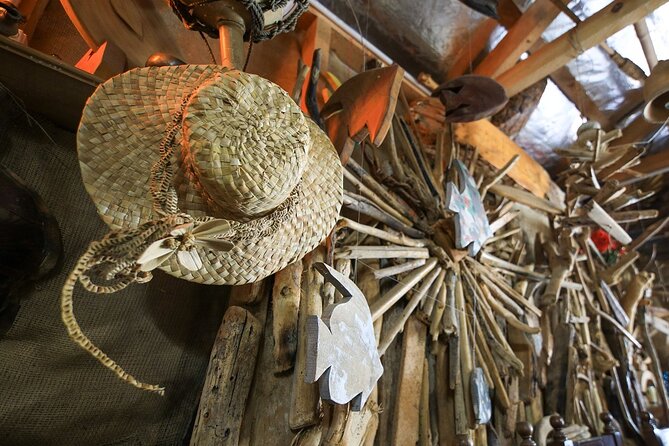
- Tapa beating and weaving are both built into the tour, not just mentioned
- Maek do tasting uses local produce foraged the same day
- Story threads across centuries, from Polynesian/Tahitian roots to Bounty, Pitcairn, whaling, and today
- You hold relics of the past, so it’s not purely lecture-based
- Small-ish group size with a maximum of 25 people keeps the feel more personal than big bus tours
Norfolk Island’s culture tour: what you’re really signing up for
Norfolk Island Culture Experience tours are the kind of experience that can go two ways. It can be a museum chat with a quick photo, or it can be cultural storytelling you can feel—through materials, food, and practical skills. This one leans toward the second option.
The promise here is broad: you start with early Polynesian settlement roots and move through major turning points that shaped who Islanders are, including the Mutiny on the Bounty and the Pitcairn Island link (including the 12 Tahitian foremothers and the Pitcairn Islanders who arrived on Norfolk Island in 1856). Then it continues with whaling-era life, early religious influences, and later waves of seafaring settlers joining the community.
What makes that more than a list of names is the way the tour frames culture as living practice. It isn’t only about where people came from. It’s also about how they adapted—how they fished, cooked, wove, and served during conflict, all while living sustainably on land and sea and paying attention to seasonal rhythms.
If you’re the kind of traveler who likes history only when it connects to daily life, you’ll likely appreciate that approach. And if you’re after a relaxed afternoon activity (not an all-day excursion), the timing helps: it runs for about three hours starting at 1:00 pm.
You can also read our reviews of more tours and experiences in Norfolk Island.
Meeting point and timing: plan your afternoon around it
You’ll meet at 79c Taylors Rd, Burnt Pine 2899, Norfolk Island. The tour ends back at the meeting point, so you don’t need to puzzle out how to get back afterward.
Why that matters: Norfolk Island days can fill up fast—beaches, lookouts, short hikes, and the general “one more stop” syndrome. A three-hour tour works well as a mid-afternoon anchor. It also means you can schedule it without committing your whole day to a single structured program.
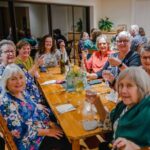
The tour is run by Baunti Tours, and the group size is capped at 25 travelers. That’s a good size for interaction. Still, remember the earlier caution: when demonstrations happen, how you can see matters.
The three-hour itinerary: how the culture story unfolds
Even though the tour runs as one main activity, it’s paced like a sequence of chapters. Expect a blend of storytelling and practical cultural moments.
Stop on Norfolk Island: from settlement origins to everyday traditions
The core experience is a Norfolk Island culture immersion that moves through several historical eras and cultural influences:
- First Polynesian settlement roots
- The Mutiny on the Bounty storyline and who came afterward
- The settlement of Pitcairn Island, including the 12 Tahitian foremothers
- The arrival of Pitcairn Islanders on Norfolk Island in 1856
- Whaling days and how that shaped daily life
- Life today, including continuing cultural practices
This is also where you’ll hear stories tied to local culture beyond the major historical headlines. The tour includes discussion of traditional fishing and historical whaling practices, plus how early influences of religion fit into the evolving community story.
If you care about culture as “how people lived,” you should enjoy this section. It doesn’t treat history as dead facts. It treats it like the foundation for what you see now.
Tapa beating demo: see how texture becomes tradition
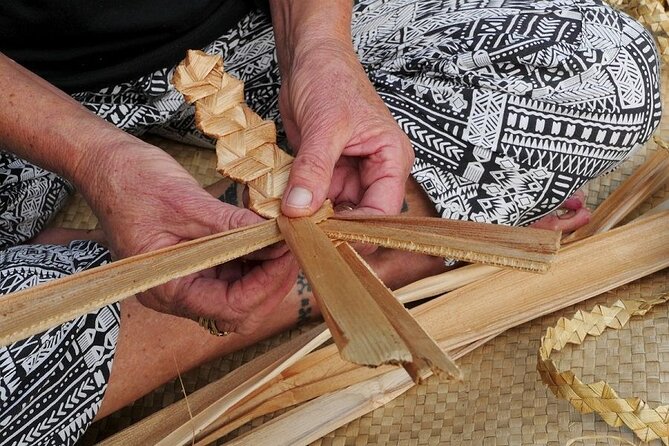
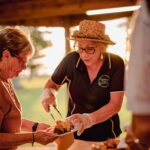
You’ll get to see a tapa beating and weaving demonstration. Tapa (cloth made from bark or similar materials, depending on the tradition) isn’t just visual. The process matters because it connects tools, rhythm, and materials to cultural meaning.
A good way to get value here: stay present for the sequence. If you tune out during the steps, the cultural “why” won’t land. Also, because this is partly demo-based, look for a spot where you can actually see the working motions—not just the final cloth.


Weaving time (and why it’s worth paying attention)
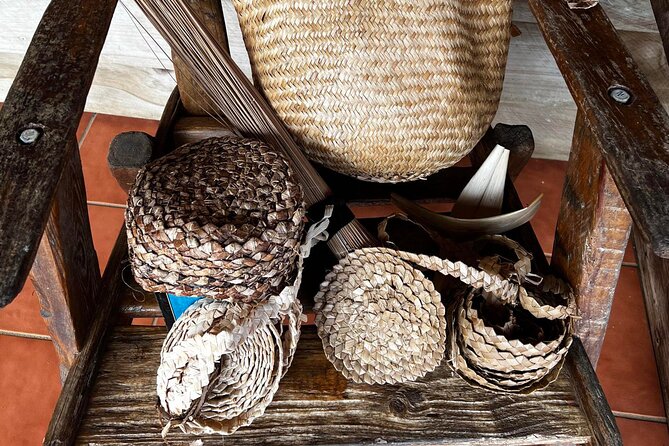
Weaving shows up in two ways: you’ll see a weaving demonstration, and you’ll also have a chance to try weaving yourself.
That’s a big difference versus tours that only show a skill. If you can handle a few minutes of hands-on effort, you’ll understand the real work behind the finished item. And you’ll pick up patience fast, because weaving is rarely instant.
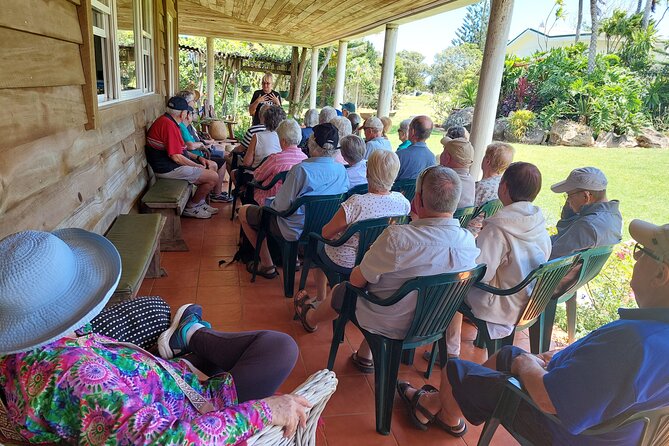
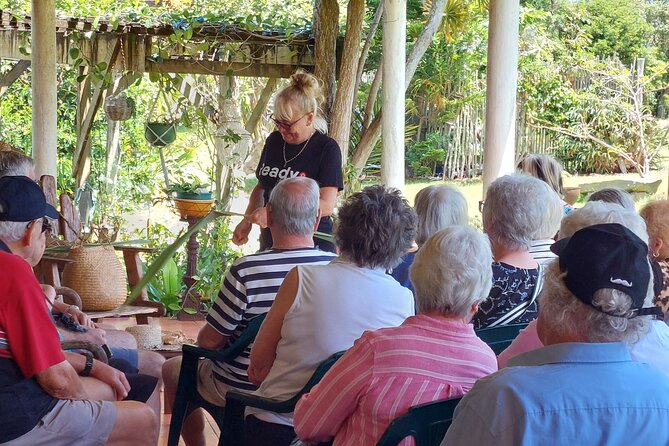
One practical caution from the kind of feedback you might encounter: some visitors felt the demo portion ran long and that it was difficult to see details because of the seated setup (people watching in rows). If you’re short, sit early if possible, and keep your expectations focused on participation rather than “every hand motion will be perfectly visible from where you sit.”
Hold relics of the past: history you can physically connect with
One standout feature is the chance to hold relics of the past. That changes the tone instantly.
A book can tell you something. A physical object can make it real in a different way. Even if you’re not sure what everything is, touching authentic materials creates a stronger memory than photos alone.
Maek do tasting: local produce, foraged that day
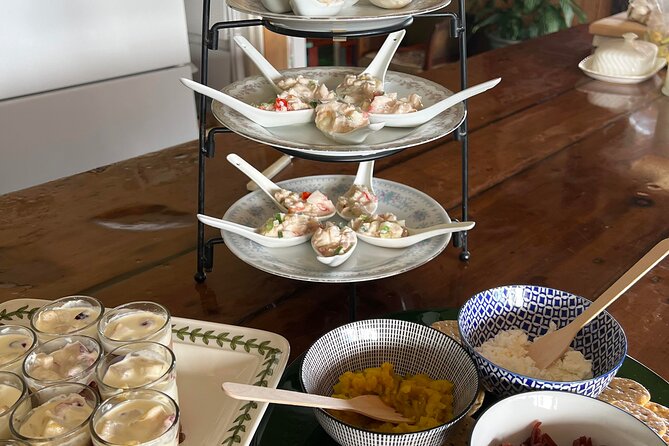
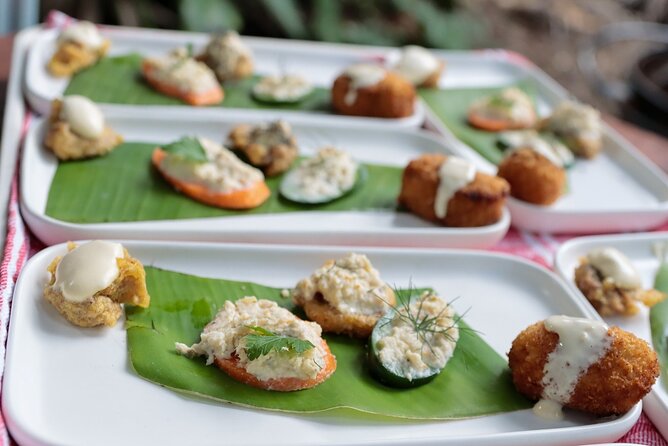
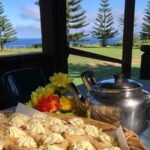
Now for the part that turns a story-heavy tour into a sensory experience: you’ll do a maek do tasting of local produce foraged that day.
Food has a special way of showing culture without needing a lecture. It links land and sea rhythms to what people eat and how ingredients are gathered. On Norfolk Island, “foraged that day” is the kind of detail that makes the tasting feel grounded, not souvenir-like.
If you have a sensitive stomach or strong dietary restrictions, you’ll want to use your judgment. The tour description doesn’t spell out ingredients or alternatives, so don’t assume there will be a guaranteed substitute for every dietary need.
Cooking, service during conflict, and seasonal dishes
The tour also points to cooking and service during times of conflict—another reminder that culture includes roles people played under pressure, not only celebrations.
You’ll have a chance to sample traditional seasonal dishes as well. Seasonal food is more than taste. It’s a logic system: what’s available, what’s preserved, what’s worth learning to prepare.
If you like connecting meals to climate and geography, you’ll probably find this portion especially satisfying.
Why the Polynesian–Pitcairn–whaling thread makes sense
The tour covers a lot of ground. It’s easy to think it’s just a “greatest hits” of Norfolk Island history. But the structure actually has a logic: it shows how the community kept evolving while still holding onto patterns of living.
Here’s how those themes connect for you:
- Polynesian and Tahitian foremothers represent early cultural foundations and practical knowledge.
- The Bounty Mutiny storyline explains a major disruption and migration pathway.
- Pitcairn Island and the 1856 arrival provide continuity and a human reason for how traditions were carried and reshaped.
- Whaling days highlight the pressures and opportunities of maritime work and how jobs and skills become community identity.
- The inclusion of early religious influences and service during conflict shows that culture isn’t only leisure. It’s also belief, teamwork, and survival.
Then the tour brings it back to the present with sustainable living on land and sea. The takeaway is that Norfolk Island culture is not frozen in time. It’s a set of habits and stories that kept adapting.
Getting the most from demonstrations: pacing tips that matter
Three hours is not long, so the tour has to move. That means you’ll spend some time watching and some time participating.
To maximize your experience, I’d plan for two modes:
1) Watch with a purpose
When tapa beating or weaving gets demonstrated, try to focus on one thing: the tools, the rhythm, or how the material changes during the process. That turns passive watching into active learning.
2) Participate when the chance comes
The tour specifically mentions trying weaving, plus tasting. If you want value, lean into those hands-on moments.
Also, with a maximum of 25 travelers, the group is large enough that you might not get one-on-one attention the whole time. So if you’re the type who needs explanations at every step, you may want to go in with a flexible mindset: ask questions if there’s a natural pause, but accept that the tour is built as a shared experience.
And if you’re worried about the seated-row visibility issue, you can still make it work. Arrive ready to adjust your perspective. Sit where you can see the working area, and keep your expectations realistic: demos don’t always provide a perfect line of sight for everyone.
Price and value: what $60.97 buys you
The price is $60.97 per person for about three hours, offered through Baunti Tours. That’s not a “grab a coffee and walk away” price, so here’s how to judge value fairly.
You’re paying for:
- A guided cultural storytelling session covering multiple eras
- Hands-on moments (tapa beating/weaving demonstrations, relic handling, try weaving)
- Food experiences, including maek do tasting and seasonal dishes
- A capped group size (max 25), which generally makes it easier to feel included than in mass tours
If you’re looking for a quick bus loop, this isn’t built that way. The structure is meant to be a real cultural program, not just transportation plus a brochure.
Where value might feel thinner is if you mainly want continuous participation and minimal demo time. Based on lower-rated feedback, some people felt a portion of the weaving segment was long and that the seating setup made it hard to see. So if you know you dislike demonstrations, decide based on your tolerance for “watch first, try later.”
On the other hand, the food and tactile elements are exactly the kinds of inclusions that make culture tours memorable. If those are your priorities, the price can start to look like a fair trade for a few hours.
The overall rating stands at 4.3 from 8 reviews. That doesn’t tell the whole story, but it suggests most people find enough to like to come back and recommend the format.
Who should book this Norfolk Island culture experience?
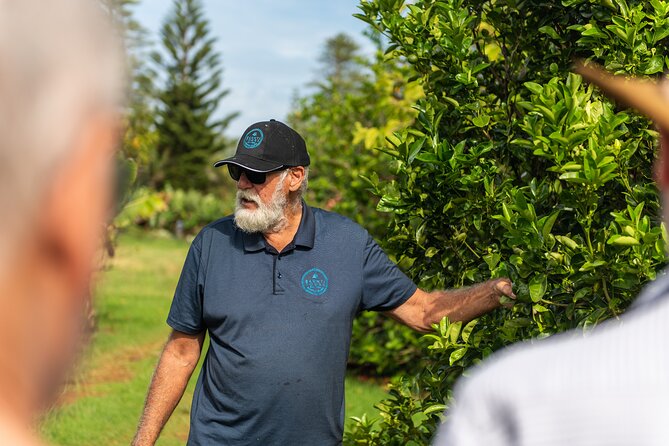
This is a strong fit if you:
- Want culture explained through daily practices, not just dates
- Enjoy hands-on activities like weaving or working with materials
- Like food experiences that connect to local gathering and seasons
- Prefer shorter, half-afternoon plans that don’t swallow your whole day
It may be less ideal if you:
- Hate demo-style segments and prefer constant one-to-one instruction
- Need perfect sightlines from every seat (some feedback points to visibility issues during weaving demonstrations)
- Have very specific dietary requirements and can’t handle trying local seasonal dishes without ingredient clarity
Should you book this tour?
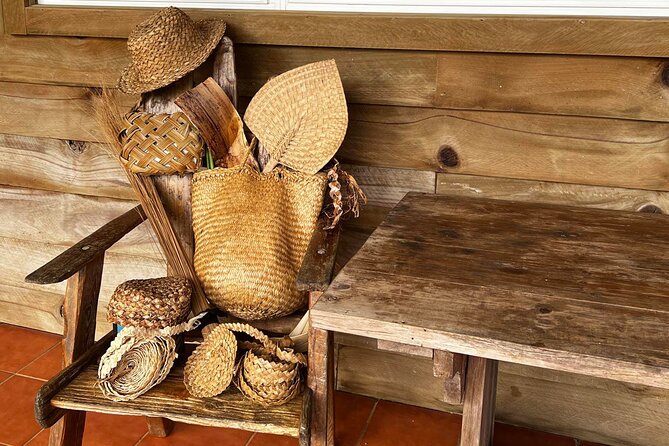
My take: you should book it if you want a compact Norfolk Island afternoon that mixes stories with tangible culture—tapa beating, weaving try-ons, relics you can hold, and a tasting that’s tied to what was foraged that day.
I’d also book it sooner rather than later. On average, it’s booked about 91 days in advance, and the group cap is 25 travelers, so popular slots can vanish.
Just go in with the right expectation. This is not a walk-all-over-the-island free-for-all. It’s a guided cultural program with demonstrations and participation. If that style fits your travel personality, it’s likely to be time well spent on Norfolk Island.
FAQ
FAQ
How long is the Norfolk Island Culture Experience Tour?
It runs for about 3 hours.
Where does the tour start and where does it end?
It starts at 79c Taylors Rd, Burnt Pine 2899, Norfolk Island, and it ends back at the same meeting point.
What time does the tour run?
The start time is 1:00 pm.
What does the tour cover?
You’ll cover Norfolk Island’s cultural heritage, including Polynesian and Tahitian roots, the Mutiny on the Bounty, Pitcairn connections, whaling days, influences of religion, traditional fishing, weaving, cooking, and community service during times of conflict.
Do you get to participate or is it mainly watching?
You can participate. The experience includes tapa beating and weaving demonstrations and also offers a chance to try weaving, plus tasting local food.
What is the maximum group size?
The maximum is 25 travelers.
How much does it cost?
It costs $60.97 per person.
Is the tour suitable for most travelers?
The information provided says most travelers can participate.
Can I cancel for free?
Yes. Free cancellation is available up to 24 hours before the experience start time for a full refund.
Who operates the tour?
The provider is Baunti Tours.