REVIEW · PORT DOUGLAS
Out n About Sportfishing for Share and Private Charters on Reef and Estuary
Book on Viator →Operated by Out n About Sportfishing Tours · Bookable on Viator
Small crews, big fishing energy. This Port Douglas charter is built for getting lines in the water fast, with small-group attention and guided hands-on help. I love that they keep things personal with a maximum of six per boat, and I also love that rods, reels, and bait are included so you do not need to shop for tackle. One thing to watch before you go: ask about what you can keep, because take-home rules can limit what ends up in your cooler.
For a half-day (about four hours), you split time between the Great Barrier Reef area for real fishing and a short scenic run that can include passing the Crystalbrook Superyacht Marina on Dickson’s Inlet. The vibe is part sport, part coaching, and skippers like Malcolm, Paul, Sean, and Rossco are specifically praised for helping everyone fish with confidence.
In This Review
- Key Things I’d Focus On Before Booking
- Small-Group Sportfishing From Port Douglas (What Makes It Work)
- Price and Value: What $154.21 Per Person Really Buys
- The Half-Day Itinerary: Two Hours of Reef Fishing
- Dickson’s Inlet and the Crystalbrook Superyacht Marina Pass
- Fishing Methods and Guide Support (This Is Where You Win)
- Keeping Fish vs Catching the Thrill: A Heads-Up
- Weather Matters in a Big Way (And It’s Not a Minor Detail)
- Who This Charter Fits Best (Families, Couples, and Corporate Groups)
- What’s Included (So You Don’t Overpack)
- Sun and Comfort: Simple Packing Tips That Actually Help
- Reef Fishing vs Estuary Fishing: Why the Combo Works
- How It Compares to Larger Charters and DIY Fishing
- Final Call: Should You Book This Sportfishing Charter?
- FAQ
- How long is the sportfishing experience?
- How much does it cost?
- How many people are on each boat?
- Is there an option for private groups?
- Where does the tour start and end?
- What fishing areas are included?
- What is included in the tour price?
- What should I bring?
- Do I need to have prior fishing experience?
- What happens if weather is poor?
Key Things I’d Focus On Before Booking
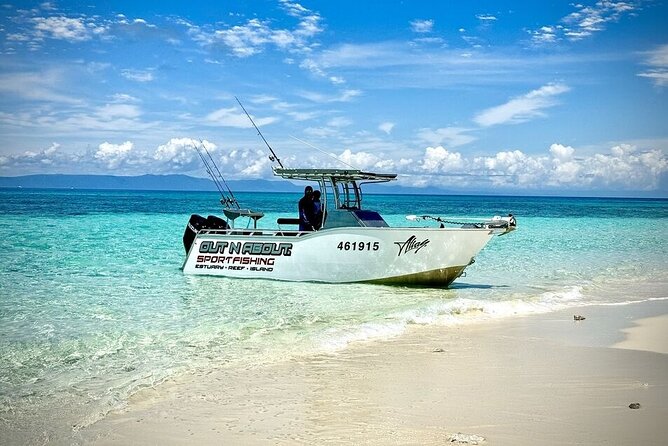
- Max six per boat means more help when you’re learning
- Gear, bait, sunscreen, and insect repellent are included so you can travel light
- Half-day timing gives you reef fishing time without committing all day on the water
- Reef + estuary options let you target different habitats and fish styles
- Private charters can fit groups up to 12 (on two boats), useful for weddings and corporate outings
Small-Group Sportfishing From Port Douglas (What Makes It Work)
If you want a fishing trip that feels like an outing with a plan—not a cattle call—this format is the reason to pick it. With a maximum of six people per boat, you’re not waiting around for someone else to finish a turn at bait, a quick fix, or a question about casting. On charter boats with larger numbers, that back-and-forth can get slow fast; here, the rhythm stays steady.
This also tends to matter for first-timers. You’ll still cast a line and do the fishing part, but you’re guided in the process. The tour description is built around guided sportfishing using different fishing methods, and the included rods and reels reduce the usual “I brought the wrong gear” stress.
You can also read our reviews of more private tours in Port Douglas

Price and Value: What $154.21 Per Person Really Buys
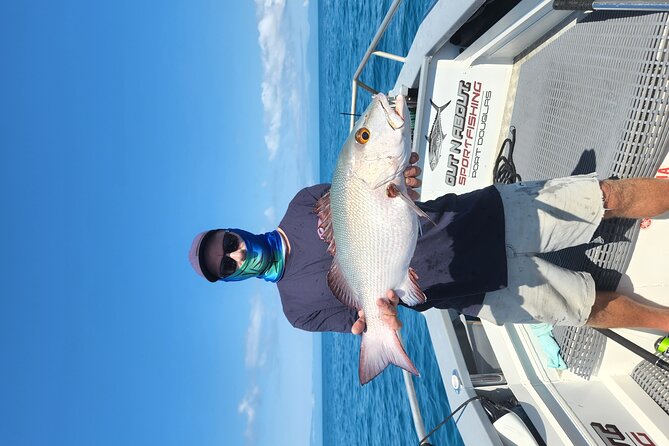
At $154.21 per person for about four hours, you’re paying for a lot more than just time on the water. The big value points are the items that usually cost extra when you fish independently: top-quality rod and reels plus all bait. Add included soda/pop and drinking water, and you’re not scrambling for refreshments mid-trip.
Then there’s the practical comfort side: sunscreen and insect repellent are included too. Those small things can save you from last-minute shopping, especially if you’re already spending money on Port Douglas tours and meals.
Could you find cheaper fishing? Sometimes. But if you include the cost of gear rental, tackle, bait, and a skipper to put you in the right zones, the price starts to look fair for a guided, low-stress experience.
The Half-Day Itinerary: Two Hours of Reef Fishing
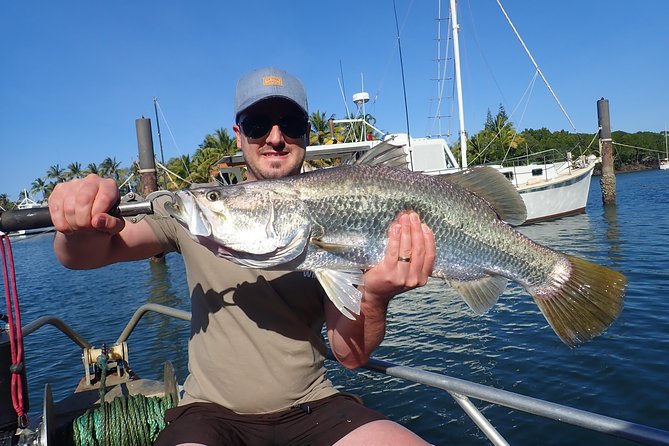
Your reef time starts after departure from Port Douglas. After a short boat ride, the plan is to fish the Great Barrier Reef area, with about two hours set aside for fishing. This is the part most people imagine when they picture reef sportfishing: lines in, waiting for bites, and the buzz when something hits.
What makes the reef segment appealing for a mixed group is that it works for different skill levels. The tour is suitable for both novice and experienced anglers, which usually means the skipper can adjust the level of instruction. If you’ve never fished in saltwater before, that coaching matters. If you already fish, you still benefit from local knowledge about where and how to fish.
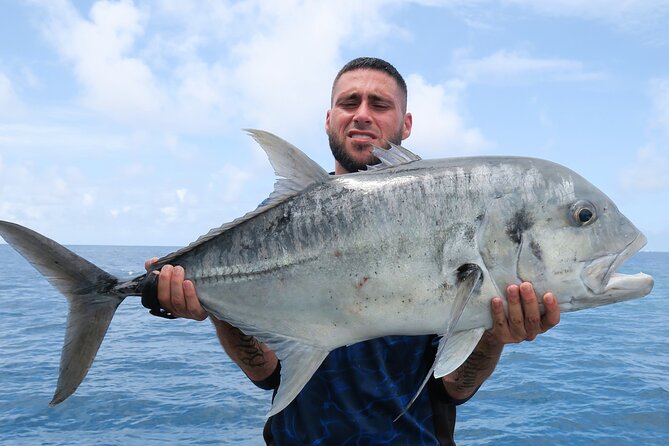
From past charters, people have reported catching lots of fish even when the day’s exact species mix varies. One featured highlight was a catch-heavy morning (with many fish but not keepers), plus praise for skipper Malcolm being knowledgeable and helpful. That’s the pattern you want: lots of chances to fish, plus a guide who helps you stay productive.
Dickson’s Inlet and the Crystalbrook Superyacht Marina Pass
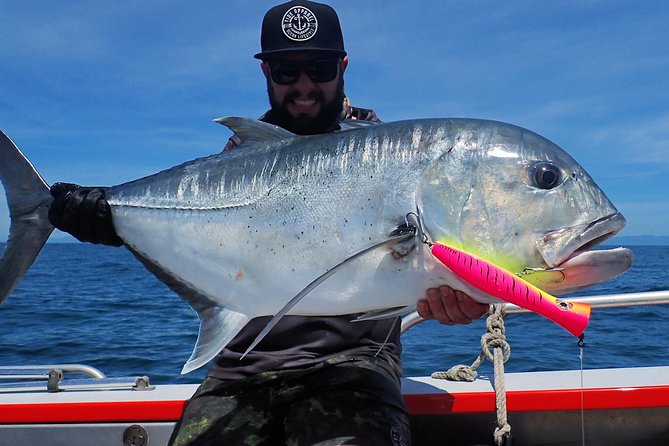
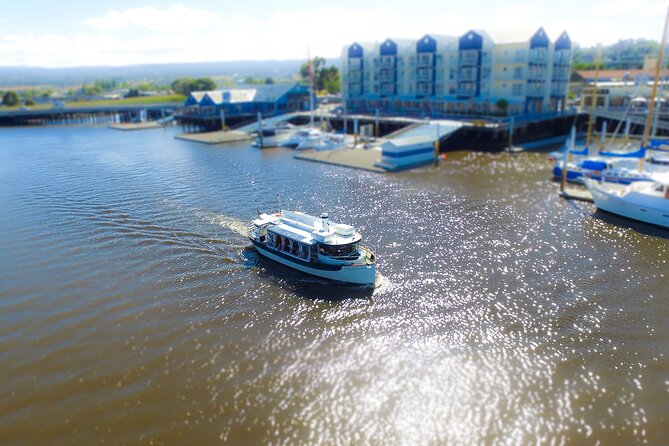
After the reef portion, the trip can include a cruise along Dickson’s Inlet. A key moment here is passing the Crystalbrook Superyacht Marina for about 10 minutes, with no admission cost for that section.
Even if you’re there for fishing, this short stretch is a nice breather. It breaks up the day, gives you a quick change of scenery, and helps set the tone for estuary-style fishing if that’s part of your charter plan. If you like being on the water but also enjoy the Port Douglas “marina to inlet” contrast, this stop makes the itinerary feel fuller than a simple point-to-point trip.
Fishing Methods and Guide Support (This Is Where You Win)
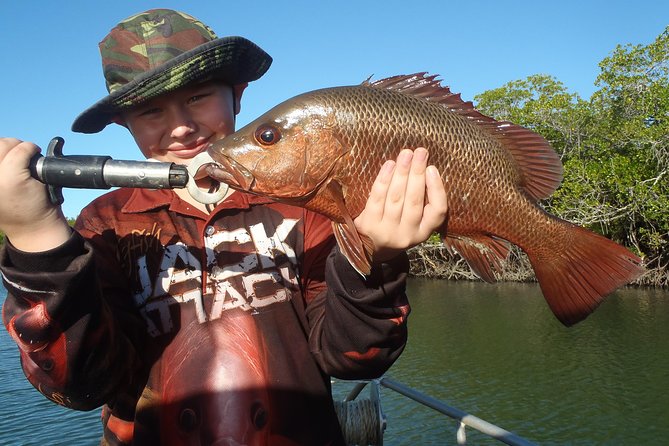
This charter isn’t just about handing you a rod and wishing you luck. The tour description emphasizes using a variety of fishing methods, and the included tackle setup means the skipper can focus on technique rather than troubleshooting gear.
In the real-world guidance, skippers are often praised for:
- assisting everyone with bait and setup
- helping when hooks get caught or lines need fixing
- taking people to multiple locations during the outing
That combination is what helps you actually catch fish, especially if you’re new. One account described a first-time group landing 18 fish, with the guide staying attentive and helping people stay untangled and fishing. Another described plenty of action with multiple species, plus a calm, helpful approach.
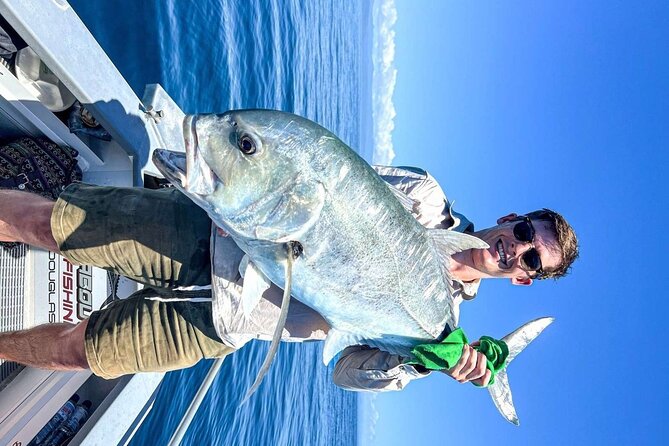
Even when the day’s catch includes smaller fish rather than keepers, the thrill is still there. One person described a great morning catching plenty of fish, and another enjoyed a morning that included a bronze whaler shark and enough legal fish for dinner. That wide spread tells you something important: the goal is the experience of fishing in both reef and inshore systems, not just a guaranteed “take-home” outcome.


Keeping Fish vs Catching the Thrill: A Heads-Up
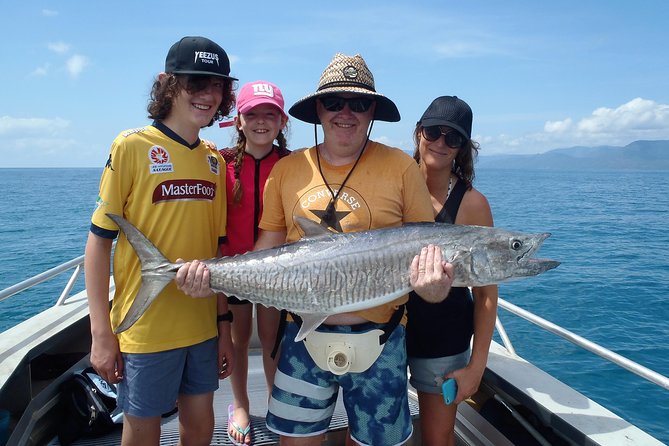
Here’s a practical heads-up you should treat seriously: you might not be able to keep everything you catch. One strong piece of feedback was frustration that fish couldn’t be kept, making the outing feel pointless to that person. On the other hand, another report said the group caught legal fish for dinner.
That mismatch likely comes down to local rules, what qualifies as keepers, and how a given day’s species lineup works. The safe move is to ask before you go:
- what you can keep (and what you should release)
- what counts as legal/keeper fish
- how that’s handled on the water
If your dream is a freezer full of fillets, this is the one question that can make or break your satisfaction.
Weather Matters in a Big Way (And It’s Not a Minor Detail)
This tour requires good weather. That matters because you’re spending part of the day on the water near reef areas and inlets, and conditions can change quickly in the tropics.
The good news is that the operator builds in a weather-aware approach. If the trip is canceled due to poor weather, you’ll be offered a different date or a full refund. That’s important because fishing plans can’t survive choppy seas, and you shouldn’t have to accept a rough, miserable outing as the price of being scheduled.
Also, motion is a real factor. The tour lists moderate physical fitness as the baseline, which likely means you should be comfortable with the movement of a boat and the general activity level of cast-and-reel fishing.
Who This Charter Fits Best (Families, Couples, and Corporate Groups)
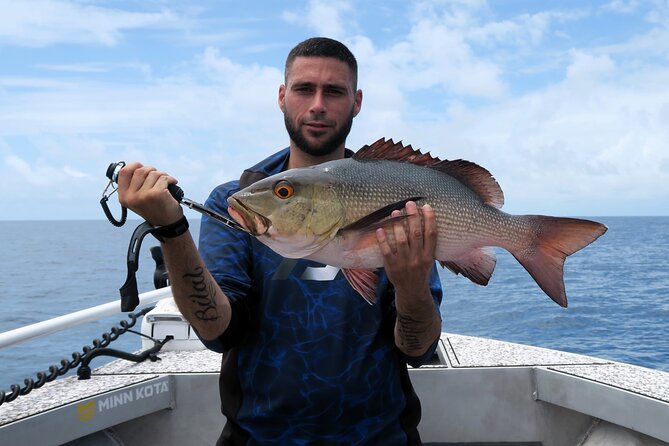
This is an easy choice if you want guided fishing without a huge crowd. The max of six per boat gives you a calmer experience, and that tends to be especially good for families and mixed-experience groups.
It’s also a strong match for people traveling with kids or teens. One family brought two boys (ages 10 and 13) and described an all-day experience on Dixon Creek with fish keeping them busy, plus excellent guiding.
For corporate groups and wedding parties, the private charter option is built for you. A private charter can handle groups up to 12 on two boats, which is a big deal if you want everyone together but still want a real fishing experience instead of a long wait for attention.
What’s Included (So You Don’t Overpack)
You get a lot of practical items inside the price. Included items are:
- rods and reels (top quality)
- all bait
- soda/pop and drinking water
- sunscreen and insect repellent
That’s a smart set of inclusions because Port Douglas heat and insects are not “maybe.” You’ll want sun protection even on overcast mornings, and repellent matters for any time you’re outdoors near water.
What’s not included is lunch. You should bring BYO snacks or lunch if you want more food than what’s covered. Since the trip is about four hours, I like thinking of it as a snack-and-water day rather than a full meal plan.
Sun and Comfort: Simple Packing Tips That Actually Help
The tour specifically recommends appropriate sun protection, so plan like you’ll be outside the whole time (because you will). Even with sunscreen provided, I’d still bring your own if you have a preference for a specific brand or SPF level.
Also consider that insect repellent is included, but you still need to apply it. When you’re moving around, casting, and leaning forward, it can wear off faster than you’d expect.
Clothes-wise, the best plan is whatever helps you stay comfortable without overheating. You’ll be on the water, so quick-dry clothing and sun-safe layers are usually the easiest route.
Reef Fishing vs Estuary Fishing: Why the Combo Works
What I like about the way this trip is structured is the balance. Reef fishing gives you that offshore excitement, while an estuary component (when included) changes the feel—more sheltered water, different fishing spots, and often a different mix of species.
You can experience both systems in one outing, which is efficient for a holiday schedule. If you only fish the reef, you may miss the inshore action. If you only fish the estuary, you may miss the reef thrill.
From real catch stories, people have reported species like cod and mangrove jack in estuary waters, plus variety when reef fishing is in play. There’s even a report of finger mark landed during estuary fishing. That range is exactly what you hope for when you’re not sure which habitats will be most productive on a given day.
How It Compares to Larger Charters and DIY Fishing
Compared with a big boat, the main difference is attention per person. With max six per boat, you’re less likely to fall behind on bait, technique, or line adjustments. That makes a noticeable difference when you’re learning or when conditions change.
DIY fishing in Port Douglas is also a different challenge. Even if you have a plan and some local knowledge, you’re responsible for navigation, gear readiness, and choosing productive fishing zones. This charter reduces the guesswork by putting you with a skipper who runs the trip and focuses the day on fishing.
The trade-off is cost: you’re paying for that guidance and the gear setup. But given what’s included, it tends to feel like a practical way to buy time on the water and coaching.
Final Call: Should You Book This Sportfishing Charter?
If you want a guided fishing day that’s friendly for beginners and still engaging for experienced anglers, this is a solid pick. I’d book it if you like the idea of small-group attention, reef fishing time, and not having to bring tackle and bait.
I’d think twice if your main goal is strictly keeping every fish you catch. The catch-and-keep situation can vary by rules and what’s landing on the day, so ask the operator questions up front. And if you’re planning around weather, build in some flexibility since good conditions are required.
For most people in Port Douglas who want a fun, coach-led fishing experience—without turning it into a full-day ordeal—this half-day charter format is an easy yes.
FAQ
How long is the sportfishing experience?
It runs for about 4 hours.
How much does it cost?
The price is listed as $154.21 per person.
How many people are on each boat?
The tour is limited to a maximum of six per boat for personalized attention.
Is there an option for private groups?
Yes. Private charters are available, and groups up to 12 guests can be accommodated on two boats.
Where does the tour start and end?
It starts at 5 Ashford Ave, Port Douglas QLD 4877, and ends back at the meeting point.
What fishing areas are included?
The plan includes fishing around the Great Barrier Reef, and for estuary-focused charters you may fish in the estuary system and cruise past Crystalbrook Superyacht Marina.
What is included in the tour price?
Rods and reels plus all bait are included, along with soda/pop and drinking water. Sunscreen and insect repellent are also included.
What should I bring?
Lunch is not included, so bring BYO snacks or lunch if you want. Also bring appropriate sun protection.
Do I need to have prior fishing experience?
No. The tour is suitable for both novice and experienced anglers.
What happens if weather is poor?
The experience requires good weather. If it’s canceled due to poor weather, you’ll be offered a different date or a full refund.