REVIEW · LANCELIN
Perth: Pinnacles Stargazing, Sandboarding & Beach Kangaroos
Book on GetYourGuide →Operated by Aussie Explorations · Bookable on GetYourGuide
White dunes and starlight in one day. This Perth outing strings together Lancelin sandboarding with wild beach kangaroos, then lands you at Nambung National Park for sunset and guided stargazing. I like that it’s not just driving-you-to-a-view; you get hands-on dune time, a proper BBQ dinner at the Pinnacles, and a guide focused on making the night sky make sense. The only real drawback is that it’s an 8-hour day with plenty of outdoors time, so wind or changing weather can affect comfort (and sometimes sandboard conditions).
What makes it feel especially good is the pacing: coastal stops first, then the desert at golden hour. You ride in a white van pickup, and the group stays small (up to 10), which means less waiting around and more time at each place. When the guide is Michael, you can expect an easygoing tone and a BBQ dinner that even includes vegetarian options, plus helpful, accommodating guidance throughout.
You’ll want to come ready for sun, sand, and darkness. I’d pack sunscreen and layers, because evenings around the Pinnacles can cool off fast. If you’re hoping for a perfectly calm, motionless sky and dunes, just know Mother Nature has her own plans out here.
In This Review
- Key things I’d remember from this day
- A Perth day that actually feels like a full adventure
- Lancelin Sand Dunes: sandboarding fun plus the wind factor
- Kangaroo Point beach spotting: see them, don’t chase them
- Coastal drives and ocean views: the in-between moments count
- Nambung National Park at sunset: why the timing matters
- Guided telescope stargazing: turning darkness into a map
- Small group and pickup: how the day stays comfortable
- What to bring so you’re not miserable by hour six
- Price and value: what you get for your time
- Who this tour suits best (and who might not love it)
- Should you book Pinnacles stargazing, sandboarding, and beach kangaroos?
- FAQ
- How long is the Perth trip?
- Do I get pickup from Perth?
- How big is the group?
- What does the tour include besides the Pinnacles?
- What language is the tour guide?
- What should I bring?
Key things I’d remember from this day
- Lancelin dunes before sunset, with real sandboarding time or a slower dune explore
- Kangaroo Point beach spotting, where you watch for roos lounging and grazing naturally
- Nambung National Park at sunset, walking among limestone formations as the light drops
- A BBQ dinner timed for the day’s rhythm, then stargazing right after with a telescope
- Small-group feel (max 10), so you spend time outside instead of waiting on the van
A Perth day that actually feels like a full adventure
This is the kind of day trip that works because it mixes three different moods: ocean energy, desert play, then nighttime wonder. You’re going north from Perth to Lancelin for dunes, along the coast for kangaroo spotting, and finally into the Pinnacles for sunset and stargazing.
I love tours like this when I’m short on time but don’t want a “drive-by photo stop” day. Here, you get multiple chances to be outside and active, not just standing still. And because the group is small, your guide can keep things moving without feeling rushed.
The big idea is simple: do the fun stuff before dark, then let the day finish with one of Western Australia’s best skies. If you want a memorable Perth base-camp day that doesn’t require planning much yourself, this is built for that.
You can also read our reviews of more tours and experiences in Lancelin.
Lancelin Sand Dunes: sandboarding fun plus the wind factor
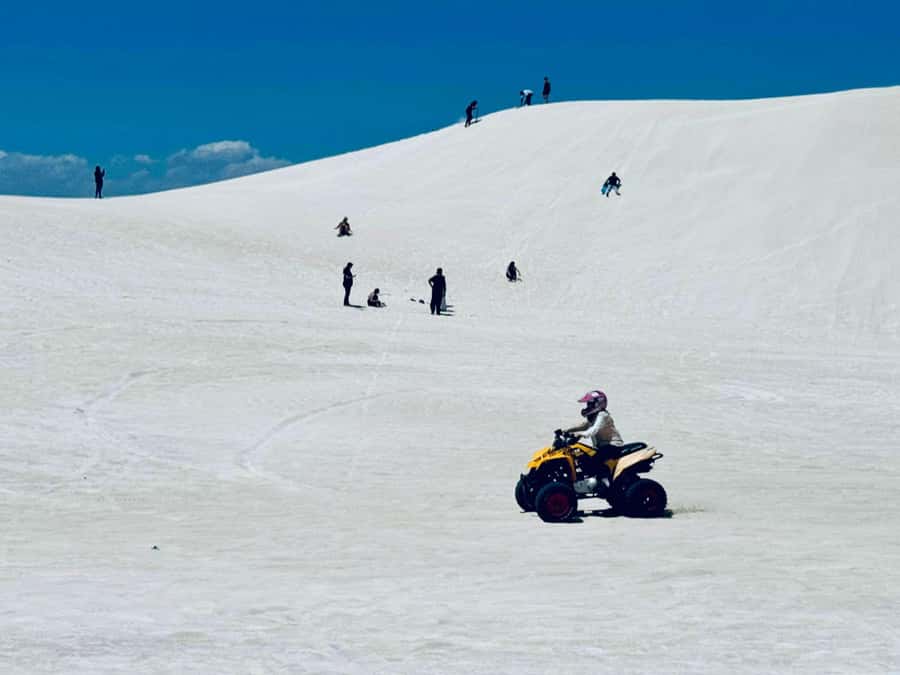
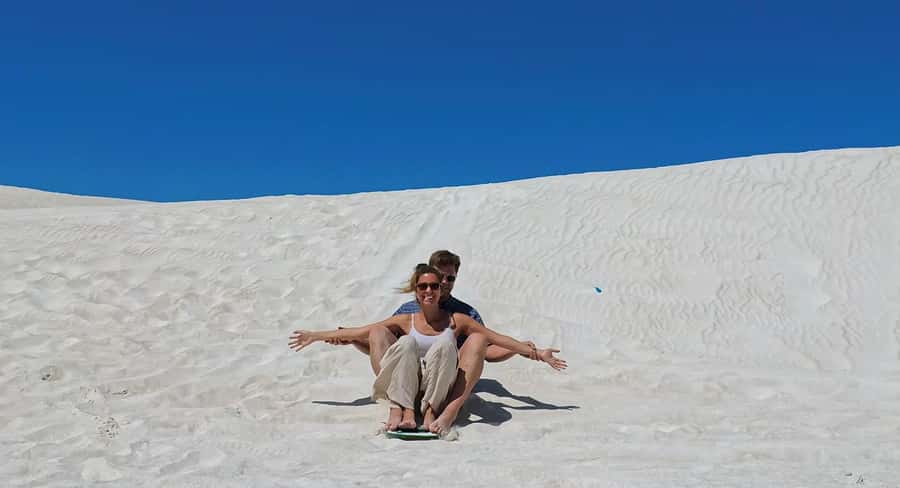
Lancelin is famous for its huge white sand dunes, and your day starts there because it’s the best time for energetic outdoor play. You’ll either sandboard or wander the dunes and take in the ocean horizon meeting desert space.
Sandboarding sounds straightforward, but the dunes remind you it’s still sand and physics. The slope gives you speed, the board gives you the ride, and wind can change how the sand feels under your feet. On a breezy day, you might feel more air time than you expected—in a good way, if you’re wearing the right clothes and keeping a steady grip.
If you choose the “explore and watch” option, you still benefit. You get panoramic views without worrying about repeated runs, and you can take photos from higher spots when the sun hits the dunes just right. Plus, it’s a nice option if you’re not sure your balance holds up under a fast-moving board.
Practical tip: wear comfortable clothes you don’t mind getting sandy. Sunglasses help against glare, and a hat is worth it because dune sun is intense. Bring your camera and be ready to shoot fast, because the best angles don’t last.
Kangaroo Point beach spotting: see them, don’t chase them
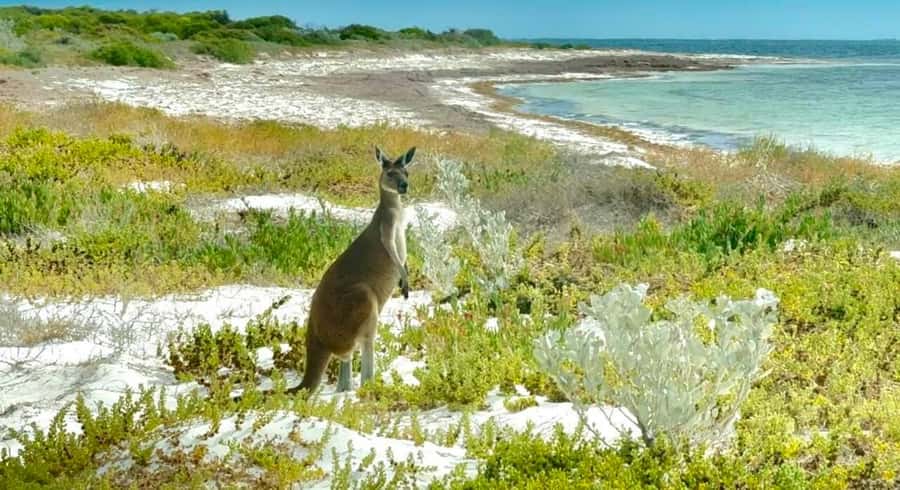
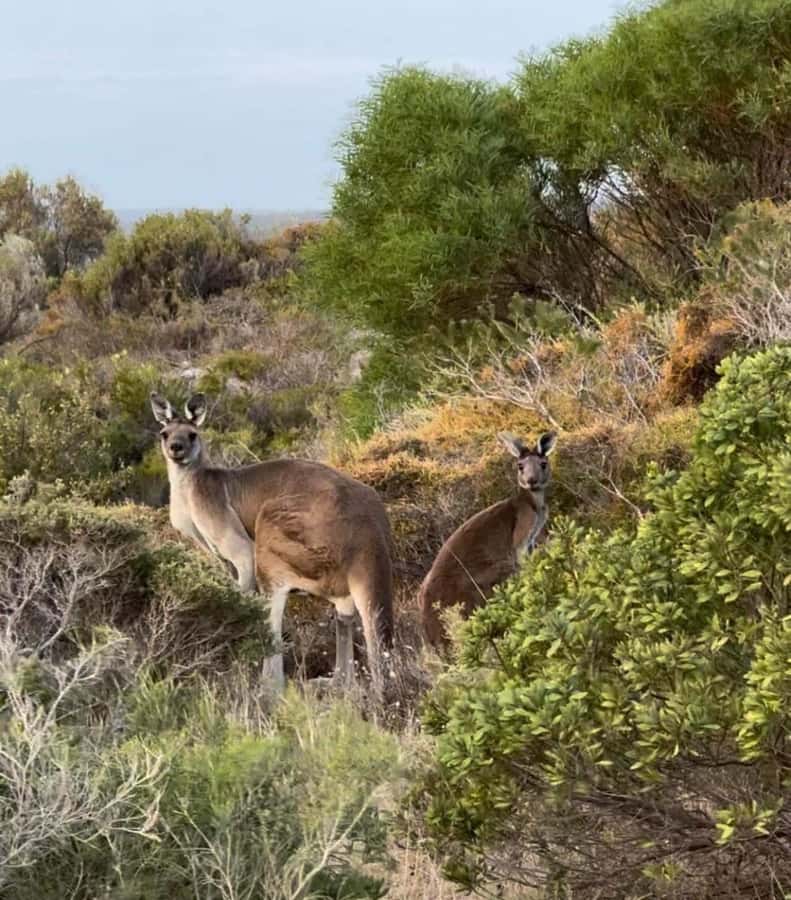
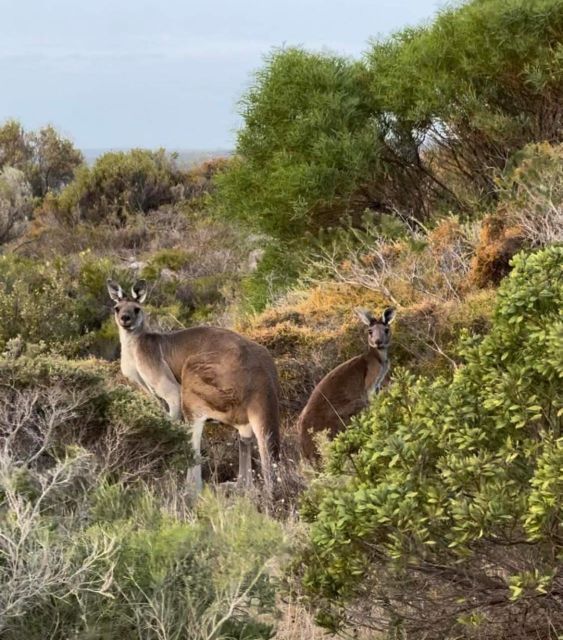
After the dunes, you head to the coast for kangaroo spotting at Kangaroo Point. This is one of those moments that feels unreal at first: wild roos can be lounging and grazing right on the beach, close enough that you can watch their rhythm without needing a long hike.
What matters here is how you behave. You’ll get the best sightings when you keep your distance, stay calm, and let the roos decide what’s comfortable. The guide’s role is key, because they know where and when animals tend to appear, and they’ll help you find a respectful viewing spot without crowding.
I like this part because it’s observational, not performative. You’re not “meeting” wildlife; you’re sharing space with it. And when you see a roo settle into a relaxed stance near the sand line, you understand why this area is so well known.
Also, be ready for coastal conditions. Wind, salt air, and changing light can make it harder to photograph cleanly. If your photos look a little messy, that’s normal—your job is to watch first, shoot second.
Coastal drives and ocean views: the in-between moments count
Between dunes and beaches, you’ll spend time on scenic coastal drives. This isn’t wasted time—it’s part of the experience because you’re moving through Western Australia’s big-sky coastline and shifting light.
Think of it like this: the drive is your warm-up. Your eyes adjust to the scale of the ocean and the wide horizons, so when you arrive at the Pinnacles, the contrast hits harder. You’ll also get more chances for quick photo stops and ocean panoramas along the route.
One thing to watch: time and weather. Coastal regions can swing quickly from bright to windy, and those conditions can influence how comfortable you feel at each stop. If it’s blowing hard, you’ll likely want to keep layers handy, and you’ll definitely want secure clothing for hats and sunglasses.
If your day runs longer or conditions are right, you might even get a small extra stop for a coastal break, like a quick swim chance near nearby Wedge Island (this has happened on at least one real day). Just remember it’s weather-dependent and won’t replace the main timing for sand and sunset.
Nambung National Park at sunset: why the timing matters
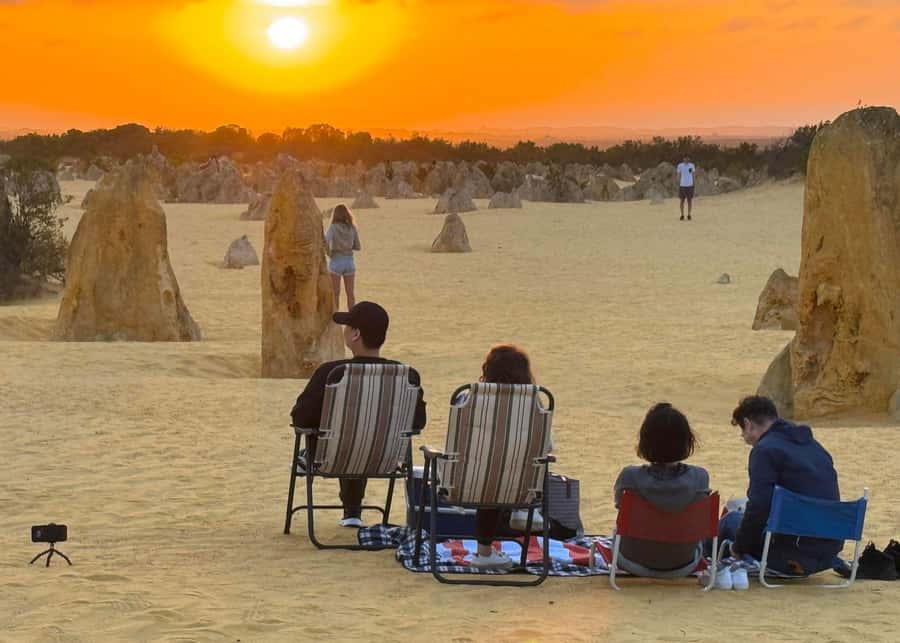
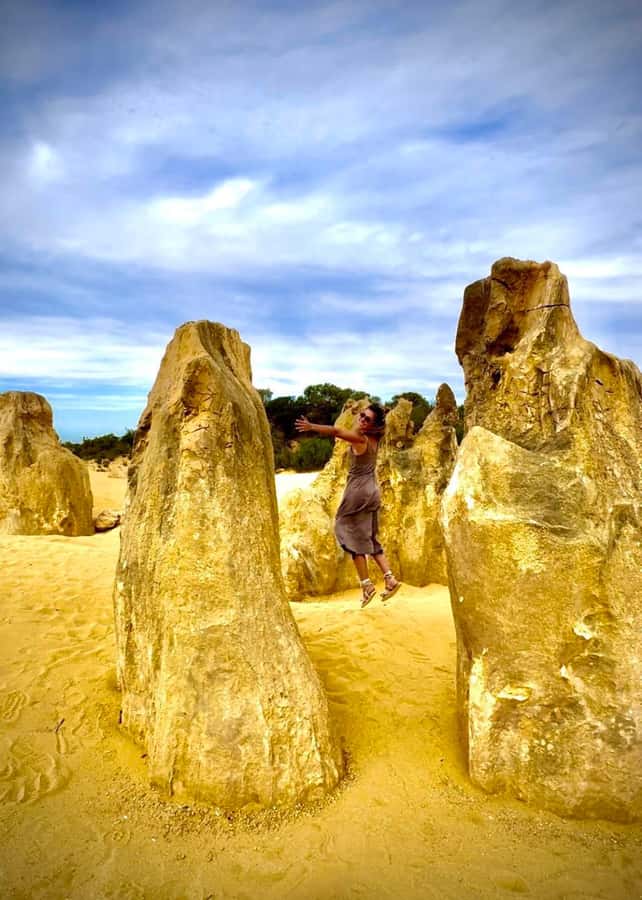
The Pinnacles at Nambung National Park are the star of the show. You’ll wander among the ancient limestone formations as the sun sets over the desert, turning the spires into something sculptural and dramatic.
Sunset matters here because the Pinnacles look different at different angles. Early light can feel bright and sharp; late light stretches shadows and softens the scene. When you’re walking around at that exact moment, it’s easier to spot textures and depth in the formations instead of just snapping one flat “wow” photo.
And yes, you’ll have a BBQ dinner timed into the evening rhythm. The meal is a real comfort after active dune time, and it also helps you stay in the area without needing to rush out once you reach the park. On days with guides like Michael, the BBQ is handled with care, including vegetarian options, so you’re not left planning food on the fly.
After dinner, you’re not just waiting for the night sky. You’re actually building anticipation, because the sky is still bright when you eat, then starts to darken as the stargazing segment approaches.
What to expect on the ground: it’s an outdoors walk in desert conditions. Bring a camera for the limestone and the changing colors, and keep your water and sun protection in mind even after the sun drops.
Guided telescope stargazing: turning darkness into a map
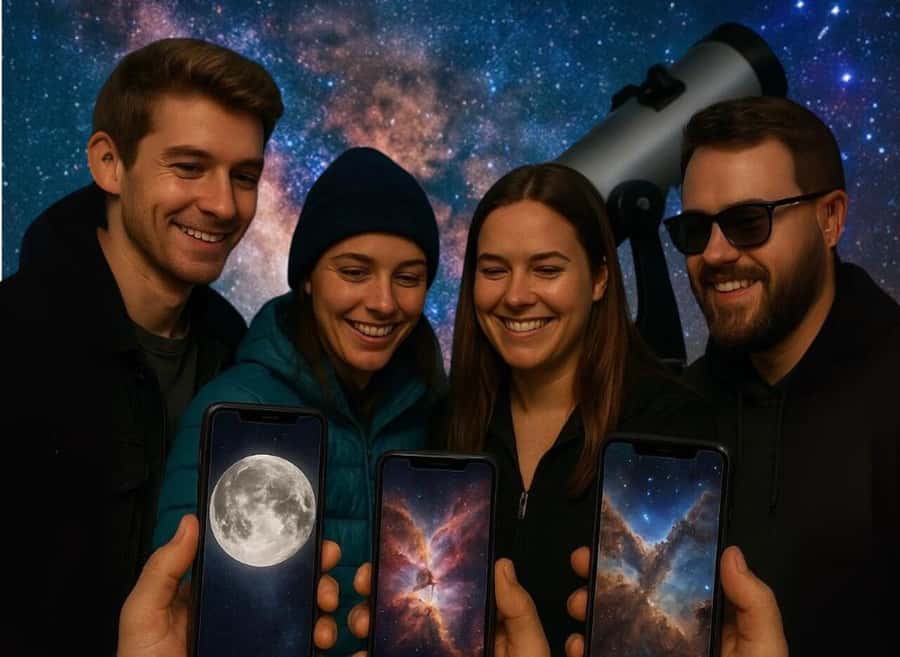
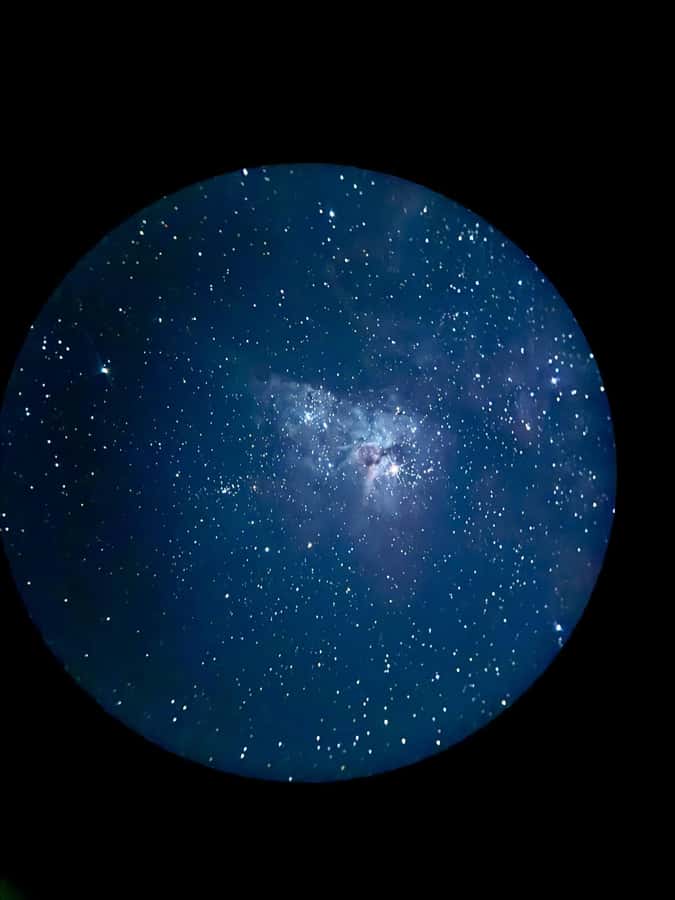
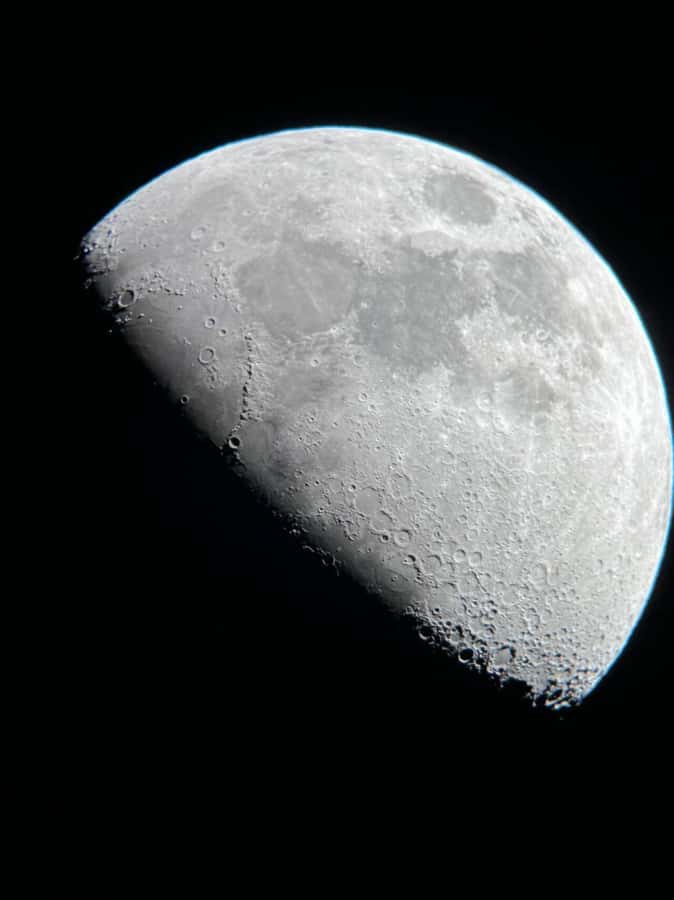
Once the night sky comes alive, your guide shifts the focus from ground-level wonder to space. You’ll get guided stargazing using a powerful telescope, aimed at helping you identify what you’re seeing.
This part is valuable because the sky can feel random if you’re on your own. With a guide, you’re more likely to see planets and key constellations instead of just “lots of stars.” The telescope also changes the experience from pretty to satisfying—you’re not just appreciating darkness; you’re learning how the sky is arranged.
The best stargazing days are about timing and darkness, and that’s why doing Pinnacles at night works. Away from city glow, the sky gets crisp. If the moon or clouds cooperate, you’ll get a clearer view of what the guide is pointing out.
If you’re worried you’ll freeze or feel too tired, the BBQ dinner helps. You’re fueled before you settle in, and the pacing keeps you from dragging through a long “stand and wait” segment. Still, it’s desert nighttime, so pack comfortable layers and be ready for temperature drop.
Small group and pickup: how the day stays comfortable
The experience runs with a live English guide and a small group limited to 10 people. That matters more than it sounds. With a larger crowd, you end up stuck waiting for people or moving in a slow chain. Here, you generally get quicker transitions and more time at the stops.
You also get included pickup: a white van meets you at your pickup location, and you’ll want to be ready and waiting with your ticket. For a day this long, reducing travel hassle is part of the value—less stress means more energy for sand, beaches, and the evening sky.
One more detail I appreciate: the guide’s role isn’t just “show up and drive.” With a guide like Michael, the day feels organized and thoughtful, including extra attention to accommodating different dietary needs at BBQ time. That kind of care changes the mood of the whole outing.
What to bring so you’re not miserable by hour six
The tour asks you to bring a few basics, and I agree with all of them. Think of your packing like a checklist for sun, sand, and night.
Bring:
- Sunglasses and a sun hat
- Comfortable clothes (you may get sandy)
- A camera
- Cash
And I’d personally add: a light layer for evening temps. You’re moving from bright dune sun into dark stargazing, so comfort matters.
Also, keep your schedule-minded. This is a single-day loop, so if you overpack with heavy stuff, you’ll feel it. Bring what you need, keep it simple, and you’ll enjoy the day more.
Price and value: what you get for your time
There’s no single “budget” way to do the Western Australia classics from Perth. The value here comes from bundling several experiences that are hard to string together efficiently on your own: sandboarding at Lancelin, kangaroo spotting at Kangaroo Point, sunset at the Pinnacles in Nambung National Park, plus a BBQ dinner and guided telescope stargazing.
Instead of spending your day planning transport between locations, you’re paying for organization and local knowledge. With a small group, you get more personal time with the guide at the moments that matter—especially the night sky, where interpretation makes a huge difference.
Also, the BBQ isn’t just a snack stop. It’s a practical way to keep you in the park area long enough for stargazing, which means you don’t have to worry about finding food or dealing with extra travel after sunset.
Value isn’t only about price. It’s about how well the day flows. This one is designed to move from active to scenic to astronomical without wasting your energy.
Who this tour suits best (and who might not love it)
This tour is a great match if you want a “greatest hits” day around Perth without building a complicated plan. It’s also ideal if you enjoy hands-on activities like sandboarding, and you like wildlife viewing that feels natural rather than staged.
It can be less ideal if you hate long outdoor days or you’re uncomfortable in wind and sand. The conditions in this region can be fierce, and one real day had people battling strong winds at Lancelin while still having fun sliding down the dunes. If you’re extremely sensitive to weather, you might want a backup plan for a comfort-first day.
If you’re traveling solo, a small group can be a plus. If you’re traveling as a couple or with friends, the group size helps it still feel social without turning chaotic.
Should you book Pinnacles stargazing, sandboarding, and beach kangaroos?
If you want one unforgettable day that mixes dune action, wildlife on the beach, and Pinnacles sunset plus telescope stargazing, I’d book it. This isn’t a one-note photo tour; it’s a sequence of experiences that make sense—sun, sand, coastal calm, then dark sky magic.
Do it if you’re ready for an 8-hour outing and you’ll actually enjoy being outdoors the whole time. Skip it only if you need a super relaxed schedule, or if you’re uncomfortable with wind, sand, and evening cool-down.
If you’re deciding between a plain “Pinnacles only” trip and something fuller, this one wins on variety. You’re leaving with stories from the dunes, memories from the beach roos, and a night sky you can name, not just look at.
FAQ
How long is the Perth trip?
The experience lasts 8 hours.
Do I get pickup from Perth?
Yes. Pickup is included, and you’ll be picked up in a white van at your pickup location. Be ready and waiting with your ticket.
How big is the group?
It’s a small group limited to 10 participants.
What does the tour include besides the Pinnacles?
You’ll sandboard or explore the Lancelin dunes, spot wild kangaroos at Kangaroo Point, enjoy a BBQ dinner at the Pinnacles, and then do guided stargazing using a powerful telescope.
What language is the tour guide?
The live tour guide speaks English.
What should I bring?
Bring sunglasses, a sun hat, a camera, comfortable clothes, and cash.