REVIEW · PHILLIP ISLAND
Phillip Island Whale Watching Tour
Book on Viator →Operated by Wildlife Coast Cruises · Bookable on Viator
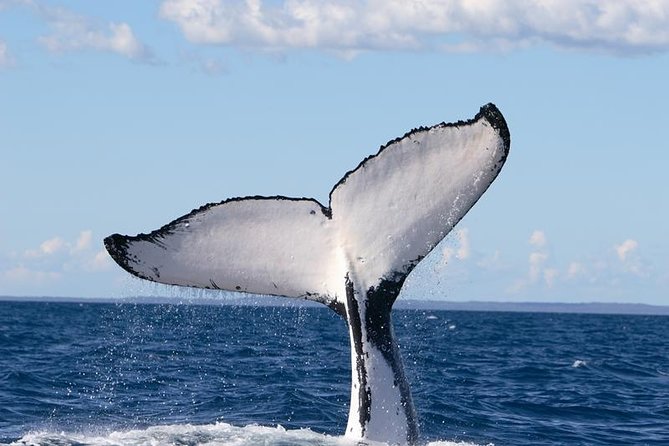
Whales start with a good lookout. This 4-hour Phillip Island cruise is built for spotting marine life from a modern boat, with stops for seals and views plus the chance to see humpback and southern right whales migrating along Victoria’s coast. I especially like the live captain commentary, which helps you know what you’re looking for instead of just hoping.
I also like that the tour caps at 70 travelers, so the boat doesn’t feel packed and you can actually see what’s out there. One drawback to plan around: whale sightings aren’t guaranteed, with expected success around 70–90% during June to August, so set your expectations before you go.
In This Review
- Key highlights you will actually feel on the water
- How the 4-hour Phillip Island cruise really plays out
- Seal Rocks: the fur seal colony you’ll remember
- Cape Woolamai: where the coast scenery meets the animal sightings
- The whale-watching window: humpbacks and southern right whales
- Dolphins, birds, and that captain voice you will rely on
- Boat comfort and group size: why 70 travelers matters
- Food on board: morning tea is included
- What to pack for Phillip Island in the morning wind
- Price and value: what $125.52 buys you
- Who this tour fits best
- Quick planning tips so you don’t waste a minute
- Should you book this Phillip Island whale watching tour?
- FAQ
- How long is the Phillip Island whale watching cruise?
- Where do I meet for the tour?
- What wildlife can I expect to see?
- Are whale sightings guaranteed?
- What’s included in the ticket price?
- What if weather is bad or I need to cancel?
Key highlights you will actually feel on the water
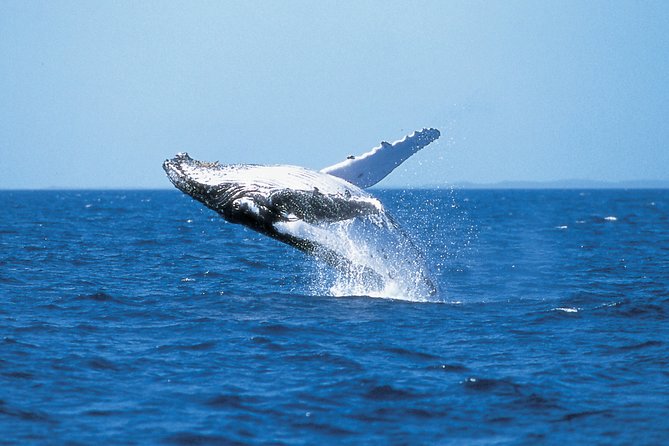
- Smarter whale spotting with captain commentary: you get real-time guidance while you scan for blows and movement
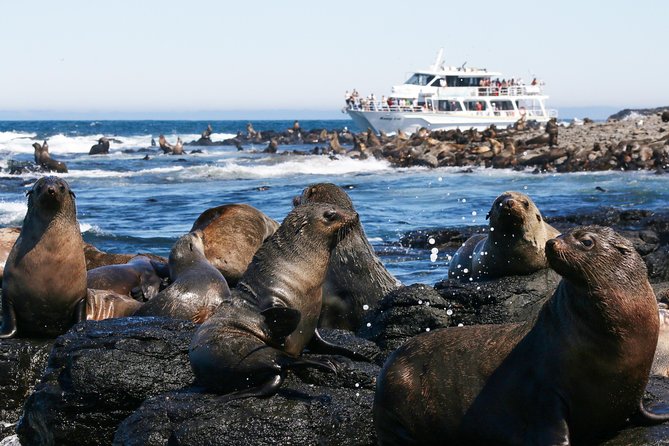
- Seal Rocks is the main event for seals: thousands of fur seals in their natural area
- Birdlife included in the hunt: keep an eye out for rare seabirds like wandering albatross and little penguins
- Seasonal whale odds (but no promises): June–August target window with about 70–90% whale sighting expectations
- A manageable group size on a modern boat: max 70 travelers helps with viewing comfort
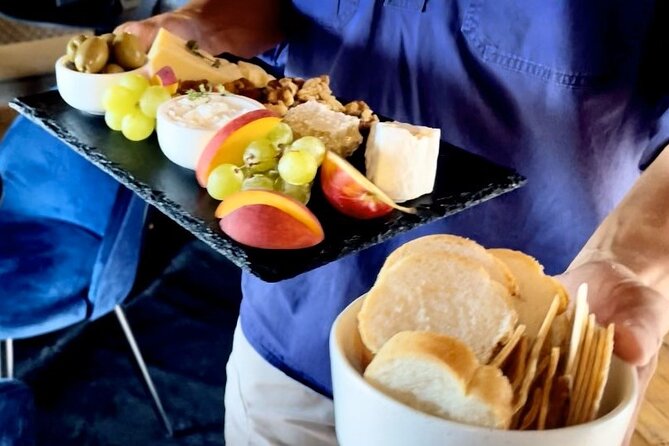
- Morning tea included before the search: coffee, tea, and a pastry to get you started
How the 4-hour Phillip Island cruise really plays out
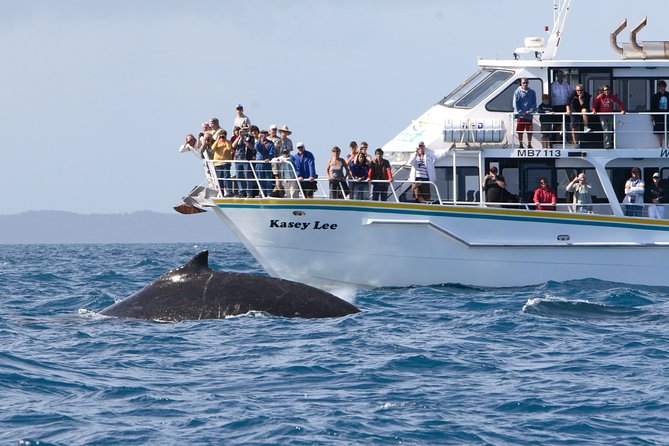
This is a morning sea trip that starts at 8:30 am from 16 Beach Rd, Rhyll. You head out to look for humpback whales and southern right whales as they migrate, usually along routes where you’ll also spot dolphins, seals, and birdlife. The cruise loops around Phillip Island rather than doing one quick pass, which makes the experience feel like an actual search instead of a drive-by.
The big practical win here is that you’re not flying solo with your binoculars. The boat runs with a local guide and live onboard commentary, so you can track what matters: where marine life tends to surface, what whale behavior looks like from the water, and how birds fit into the bigger picture of feeding and movement. If you’ve ever watched the sea in silence, this is a nice fix.
You also get a built-in pause for morning tea. That sounds simple, but it matters on a 4-hour outing: you’re more comfortable and less rushed while you’re watching for the next sighting.
You can also read our reviews of more whale watching tours in Phillip Island
Seal Rocks: the fur seal colony you’ll remember
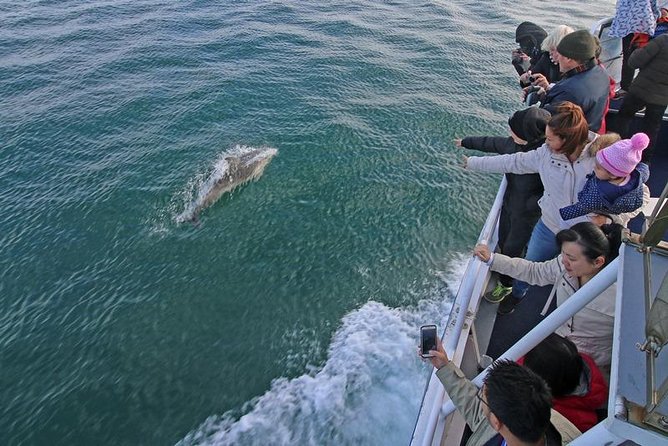
Stop 1 is Seal Rock (Seal Rocks), and this is the part I’d treat as the sure thing—at least compared with whales. The area is known for thousands of fur seals, and that density changes the mood of the trip. Even if the whales are quiet, you still have constant activity to watch: seals popping up, moving along the rocks, and reacting to the boat at a distance.
Why this stop is so valuable: seals are predictable compared with whales. You’ll spend less time wondering if you’re wasting your time, and more time actually learning the rhythm of the coast. The seals also tend to keep everyone focused on the waterline, which is exactly what you want when the search shifts back toward larger marine animals.
What to consider: the seals can make it tempting to look at the nearest action only. When your crew signals something offshore, shift your attention. The whole point of the commentary is to help you scan across the full scene, not just the easiest thing to see.
Cape Woolamai: where the coast scenery meets the animal sightings
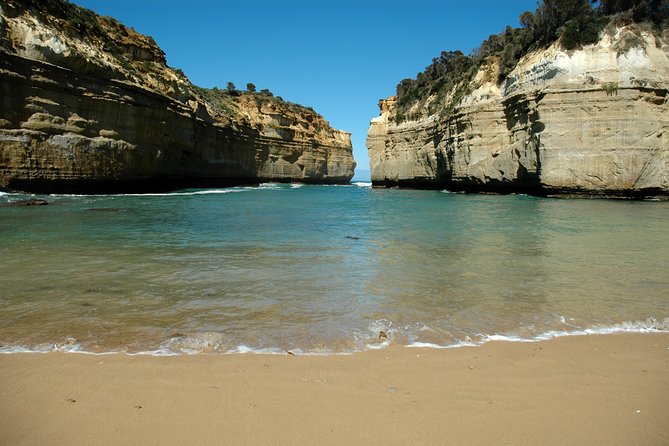
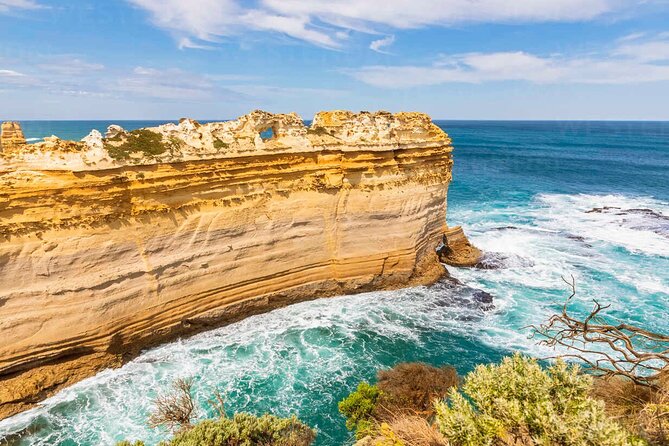
Stop 2 is Cape Woolamai. This is where the trip connects wildlife spotting to the shape of the coastline—cliffs, headlands, and coastal angles that help explain where animals choose to move. It’s also a good moment to watch for birdlife, since seabirds often show up more clearly when you’re near prominent landmarks.
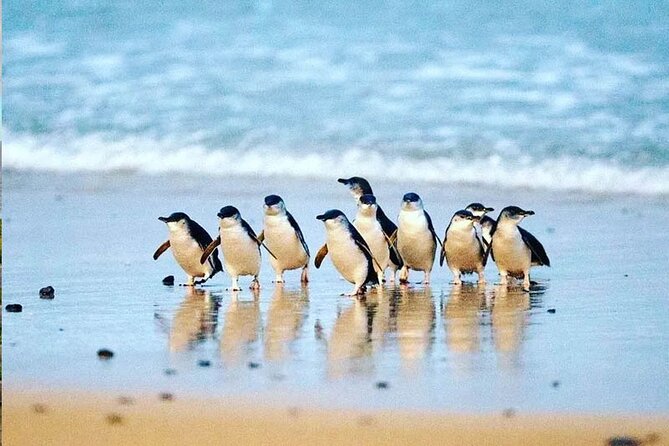
You might see rare birds such as wandering albatross and little penguins, plus other seabirds mentioned for the route. If you’re the type who loves a checklist, this is one of those cruises where the birds give you something to track even when the bigger mammals take their time.
A practical tip: if you want the best view at Cape Woolamai, get yourself set early at a stable viewing spot. Boats move and the wind can shift, so plan your seat/standing position before the captain starts pointing things out.
The whale-watching window: humpbacks and southern right whales
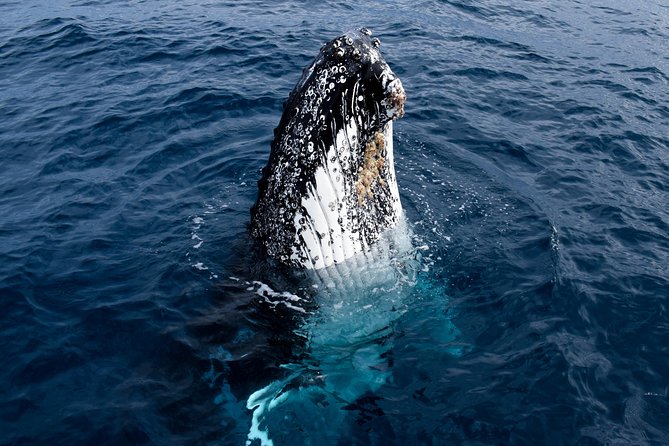
The cruise is designed for humpback whales and southern right whales during the migration season. The good news is that the operator manages expectations openly: whale sightings are not guaranteed, and the stated target is 70–90% success between June and August.
That range is important. It tells you this tour can be a slam dunk in peak season, but it’s not a private charter where you can demand results. In practice, you should treat the whales as the highlight bonus. The seals and dolphins are part of the core experience, not backup entertainment.
One more reason this matters for your planning: you might be tempted to compare whale sightings to a totally different type of tour. Here, the approach is a sea search with commentary plus time near key areas like Seal Rocks and Cape Woolamai. It’s not a guarantee, but it’s a structured outing with a credible shot in the best months.
If you go in winter and you dress for the cold, your odds of enjoying the ride go way up, even if the whales decide to stay mysterious.
Dolphins, birds, and that captain voice you will rely on
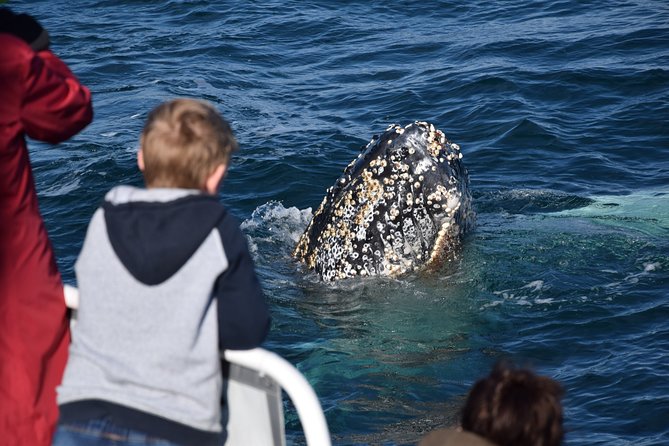
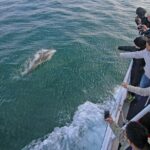
Dolphins are part of the plan, usually arriving as pods that can ride near the boat or surface during your scan. When dolphins show up, the mood shifts fast—suddenly everyone is watching the same moving point instead of drifting between impressions. They’re often easier to spot than whales, and they add a lively, playful feel to the middle of the cruise.
Birdlife adds another layer. The tour mentions the chance to see rare seabirds, including wandering albatross, and little penguins. That matters because it turns the trip into more than just whale math. You’re watching a living food chain: marine movement draws birds, birds hint at activity under the surface, and sometimes that pattern leads you toward whales or confirms you’re in the right patch of ocean.
The onboard commentary helps you connect those dots without needing to know marine biology. You’ll understand why the crew is scanning in a specific direction, not just aiming the boat randomly.


Boat comfort and group size: why 70 travelers matters
This is a modern boat experience with a maximum of 70 travelers. That’s not a tiny boat, but it’s also not a cattle-car situation. In the best tours, you can find a spot where you can see forward and out to both sides. With a crowd limit, you’re less likely to spend the trip ducking around people when a whale blows or a pod appears.
You’ll also have staff who are there to help you focus. From the feedback, the crew tends to be friendly and approachable, with people describing a professional, chat-capable vibe. That kind of team attitude matters on a wildlife tour, because you’ll ask questions, and it helps when the answers are specific and practical.
If you’re sensitive to wind, movement, or being pressed for space, choose your spot wisely early. The boat can be comfortable, but open-water trips are never fully still.
Food on board: morning tea is included
Morning tea is included: coffee, tea, a muffin, and a pastry. It’s a straightforward inclusion, but it’s also a smart one. An early start can make you cranky, and eating something simple before the sea hours keeps your energy up while you wait for sightings.
Some people have talked about more of a food spread on their day, but you should base your planning on what’s clearly included. If you’re hungry, eat a solid breakfast before you arrive at Rhyll. Then treat the morning tea as a bonus, not a full meal replacement.
Also remember: the operator asks you to advise dietary requirements at booking. If you need anything specific, handle it up front so you don’t end up waiting and wondering.
What to pack for Phillip Island in the morning wind
This kind of tour is only fun if you’re comfortable outdoors. Even if the day is sunny, Phillip Island mornings can feel chilly once you’re on the water. Bring layers and expect wind.
Here’s what I’d pack for a 4-hour boat ride:
- A warm jacket (windproof if you have it)
- Layers you can adjust as you move between sun and shade
- Closed-toe shoes with decent grip
- Sunglasses and sunscreen (you still get sun out there)
- A light waterproof layer or poncho in case weather turns
You’ll thank yourself for warm clothes if the sea air bites. The tour depends on good weather overall, but “good” can still mean cool breezes.
Price and value: what $125.52 buys you
At $125.52 per person, this is not the cheapest whale option. The value comes from three things you can feel immediately: time on the water, expert scanning support, and the seal-heavy nature of the route.
You’re paying for:
- A full 4-hour outing that’s long enough to encounter multiple wildlife moments
- Live commentary from the captain/crew to improve your odds of noticing what matters
- A route with high likelihood wildlife, including thousands of fur seals at Seal Rocks
- A boat that limits size to 70 travelers, which affects comfort and viewing quality
If your goal is only humpback whales no matter what, you could be disappointed on a quiet day. But if you want a well-run wildlife cruise where dolphins, seals, birds, and whale migration all have a shot to happen, this price starts to make sense—especially in the months where whale sightings are expected at 70–90%.
One more practical cost saver: there’s no hotel pickup or drop-off, so you’re responsible for getting to the meeting point yourself. If you’re already in the Rhyll area or can easily drive there, you’ll get more value out of the price.
Who this tour fits best
This is a good match if you:
- Want a structured wildlife experience with captain-led guidance
- Prefer a smaller-than-mass-tour boat (max 70) for better viewing
- Are traveling in the winter window when whale odds are better (June to August)
- Like seeing multiple species in one outing: seals, dolphins, birds, and whales
It may not be the best fit if:
- You’re only happy when you see whales, and you can’t handle the possibility of no whale sightings
- You dislike cool winds and open-water movement and won’t dress for it
- You need door-to-door convenience, since there’s no hotel pickup listed
Quick planning tips so you don’t waste a minute
- Book ahead. This one averages 36 days in advance, which usually means it’s popular and the best departure dates can fill.
- Arrive early at 16 Beach Rd, Rhyll. With a boat tour, being late is rarely a good strategy.
- Dress for the morning, not the forecast alone. Wind can be the real temperature.
- Bring patience. Wildlife tours work on animal schedules, not human ones.
Also, if you’re traveling with anyone who has a dietary need, share it when you book so the morning tea portion can match your requirements.
Should you book this Phillip Island whale watching tour?
If you’re visiting Phillip Island and you want one solid wildlife outing, I’d lean toward booking this one—especially if you’re traveling in June to August. You’re not going in blind. The captain’s onboard commentary, the seal-focused stop at Seal Rocks, and the chance to see humpbacks and southern right whales make it a well-rounded cruise.
The key decision is your mindset about whales. If you can enjoy the full package—seals at Seal Rocks, dolphins, birdlife, and the coastal scenery—then this tour feels like a good value for your time. If you’re only satisfied with whales and nothing else, you’ll want to consider how the stated 70–90% whale odds could affect your day.
FAQ
How long is the Phillip Island whale watching cruise?
It runs for about 4 hours and returns to the meeting point. The start time is 8:30 am.
Where do I meet for the tour?
Meet at 16 Beach Rd, Rhyll VIC 3923. The tour ends back at the same meeting point.
What wildlife can I expect to see?
The cruise searches for humpback and southern right whales on their migration route and you may also see dolphins, seals at Seal Rocks, and seabirds such as wandering albatross and little penguins.
Are whale sightings guaranteed?
No. Whale sightings are not guaranteed, and the operator expects 70–90% sightings success between June and August.
What’s included in the ticket price?
You get morning tea (coffee, tea, muffin, pastry), a local guide, and live onboard commentary.
What if weather is bad or I need to cancel?
The tour requires good weather. If it’s canceled due to poor weather, you’ll be offered a different date or a full refund. There is free cancellation up to 24 hours before the start time for a full refund.