REVIEW · ADELAIDE
Small-Group River Murray Dark Sky and Sunset Tour with Dinner
Book on Viator →Operated by Juggle House Experiences · Bookable on Viator
The night sky can feel like a secret here. This Small-Group River Murray Dark Sky and Sunset Tour with Dinner strings together a river cruise, a proper pub-style sunset meal, and serious stargazing at Walker Flat—plus an Aboriginal dreaming lesson that adds depth beyond just pretty views. I especially like that you get telescope time for the dark-sky targets, not just a casual look up, and I also like how the dinner sits in the middle of the plan so you’re not freezing hungry before the stars come out.
One thing to keep in mind: this experience is weather dependent, so cloud cover and rain can change the schedule. If the sky doesn’t cooperate, you’ll be offered a different date or a full refund.
In This Review
- Key Tour Highlights at a Glance
- From Mannum to Swan Reach: How the Sunset Meal Fits the Plan
- Younghusband River Cruise: Cliffs, Birds, and a Slow Start
- Big Bend Lookout and Walker Flat: Why This Dark-Sky Stop Works
- What you actually do at Walker Flat
- Telescope Time: Planets, Constellations, and Camera Tips
- A realistic expectation about the moon
- Aboriginal Dreaming at a 5,000+ Year-Old Cultural Site
- The Group Size Advantage: Small-Group Comfort at Night
- Price and Value: Does $214.46 Make Sense?
- What to Bring for a Comfortable Dark-Sky Evening
- Who This Tour Suits Best
- Should You Book the River Murray Dark Sky and Sunset Tour?
- FAQ
- What’s the duration of the Small-Group River Murray Dark Sky and Sunset Tour with Dinner?
- Where does the tour start and when does it depart?
- What’s included in the price?
- Do I need to pay extra for drinks with dinner?
- Is the stargazing part guided?
- Can I bring my own camera for stargazing?
- What happens if the weather is bad?
- How big is the group?
- What cultural learning is included?
Key Tour Highlights at a Glance
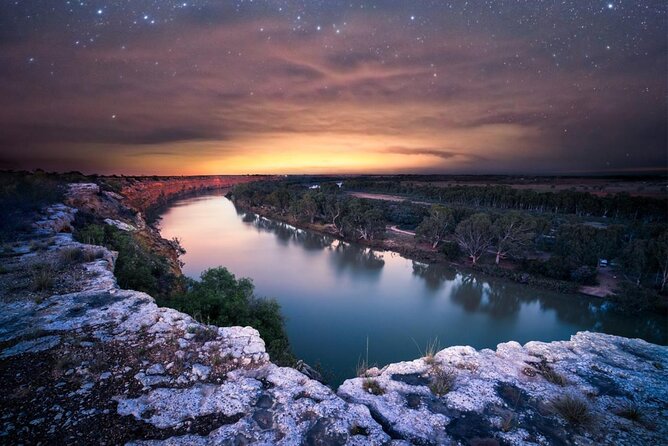
- Sunset dinner at the Swan Reach Hotel with a Murray River view and Aussie pub-style fare
- Walker Flat + Big Bend Lookout entry included, built around the darkest sky conditions
- Provided telescope plus hands-on guidance for what to look for
- Aboriginal dreaming at a cultural site said to be over 5,000 years old
- Small group of up to 25, which helps the stargazing portion stay calm and organized
From Mannum to Swan Reach: How the Sunset Meal Fits the Plan
Your evening starts in Mannum, meeting at 4 Randell St at 4:30 pm. From there, the tour is set up like a smooth riverside loop: you drive along the Murray, break things up with a cruise and views, then land at the Swan Reach Hotel for sunset dinner.
This matters because timing is everything on a dark-sky trip. You want real darkness for the best star view, but you also don’t want a long hunger-gap while you wait. The Swan Reach dinner solves that. It also gives you a natural buffer for the changing light outdoors—sunset happens whether you’re ready or not, and this tour leans into that.
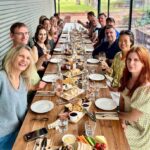
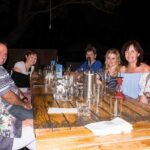
The dinner itself is included and described as an Aussie fare pub-style meal. Alcohol is not included, so if you like wine or a beer with dinner, you’ll be paying at the venue.
Practical note: it gets chilly fast once sunset hits in this part of Australia. Even if the daytime felt mild, plan on cool night air. A review mentioned the team helping people manage coats using a trailer, which tells me they think about comfort once the temperature drops.
A few more Adelaide tours and experiences worth a look

Younghusband River Cruise: Cliffs, Birds, and a Slow Start
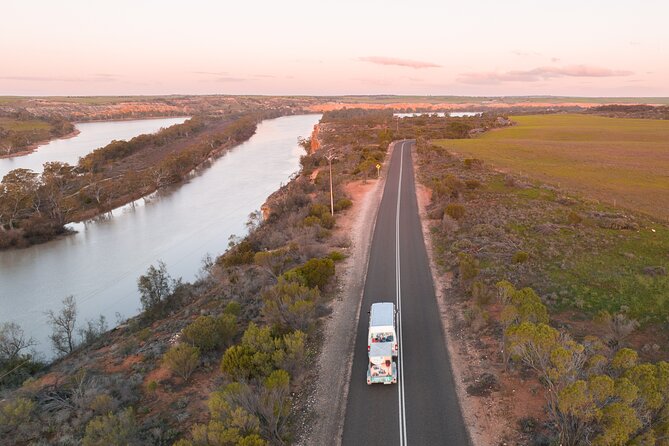
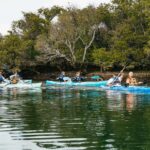
Before the meal and stargazing, you’ll head to Younghusband for a river boat cruise (about 1 hour). This is a great first “wow” because it gets you out on the Murray while there’s still usable daylight and color in the sky.
The vibe here is relaxed and scenic. You’re looking at ancient cliffs and birdlife, so it’s not just about traveling to the next stop—it’s about letting the river set the mood. And because the cruise is scheduled early, it helps you avoid the classic mistake on star tours: spending too long in transit and arriving later, slightly rushed, with less mental energy for the night sky.
If you’re the type who likes learning something while you watch, this part also helps you transition from day sights (birds and rock) to night sights (constellations and planets).
Big Bend Lookout and Walker Flat: Why This Dark-Sky Stop Works
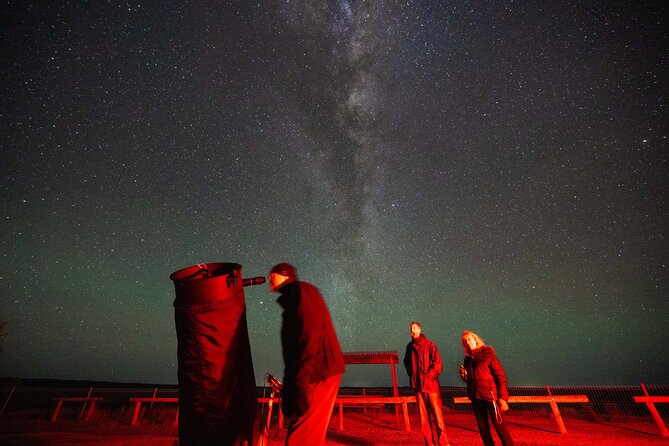
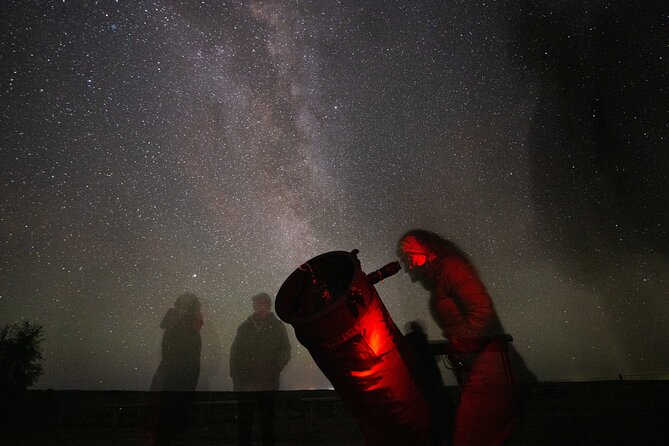
The heart of the astronomy portion is Walker Flat. This is where you get entry, plus a private viewing location for stargazing (about 1 hour).
Walker Flat is known for being extremely dark—so dark the tour description points to you potentially seeing up to an estimated 5,000 stars. That number is the whole point. In most places, city lighting washes out the sky. Here, the sky gets a fighting chance to look like something from an old science book.
You’re also told about Big Bend Lookout entry included, which I read as the tour giving you more than one “where you’re standing matters” moment. The lookout concept matters because small changes in elevation, sky view, and nearby light can change what you can see. You’re not just waiting around; you’re positioned.
What you actually do at Walker Flat
This isn’t a lecture where you stare at one direction and hope for the best. You’ll get telescope time at the viewing site. The tour description specifically includes telescope viewing of stars, constellations, planets, clusters, and galaxies.
That’s a big deal for value. A lot of star tours hand you a glowing map and call it a night. Here, the telescope and guidance turn looking into something more precise—like you learn what you’re seeing and then confirm it with the scope.
Telescope Time: Planets, Constellations, and Camera Tips
The telescope part is where this tour earns its high rating. One memorable detail shared in feedback: the guide named Kelly helped people see objects like Saturn and Moon craters, even on a night where the moon was fairly bright. That’s the key takeaway: good guides don’t just operate the equipment; they help you interpret what conditions allow.
You should expect your night to be guided—what to look for, when to look, and how to line up the sky with the equipment.
The tour also encourages you to bring your own digital camera and tripod if you want tips for connecting to the starry sky. Even if you don’t come with gear, you’ll likely get enough guidance from the astronomy host to feel like the night sky is suddenly less confusing.
A realistic expectation about the moon
Even with a great dark-sky location, the moon can brighten the sky. That doesn’t automatically ruin everything. It can still allow you to see planets and some moon details through the telescope. But your experience will be best when the sky is dark and stable.
The tour being weather dependent is your clue here: clear, dry conditions give you the most consistent results.
Aboriginal Dreaming at a 5,000+ Year-Old Cultural Site
After sunset dinner, you head to an Aboriginal cultural site described as over 5,000 years old for learning about Aboriginal dreaming. This isn’t a quick roadside stop. It’s scheduled as a focused cultural experience, led by your guide.
I like this section because it reframes the whole evening. Staring at the sky is fun, but learning how Aboriginal cultures relate to land, sky, and stories gives context. It also makes the trip feel less like a one-track activity and more like a rounded evening out on the Murray.
One more detail that stood out from feedback: people talked about learning sounds and the way the guide explained things in a memorable, hands-on way. That suggests the lesson isn’t just facts on a screen—it’s language, meaning, and interpretation.
Important fit note: if you want tourism that treats culture respectfully and teaches something with intention, this is the part you’ll remember after the stars fade.
The Group Size Advantage: Small-Group Comfort at Night
This tour caps at 25 travelers. That’s not huge, and for night-sky viewing it matters. Stargazing works better when people can move, the guide can check in with everyone, and you don’t end up with a human wall blocking sightlines.
The schedule also supports this. You’re not doing constant “next, next, next” at speed. You have blocks of time:
- cruise time for river views
- dinner for real warmth and energy
- a set stargazing window at Walker Flat
- cultural lesson time after dinner
That structure makes it easier to settle into the mood.
And yes, it’s a long evening. So a comfortable pace is part of the value.
Price and Value: Does $214.46 Make Sense?
At $214.46 per person, this is not a budget “just add stargazing” outing. But it also isn’t trying to be. The price is basically buying you three bundled things:
1) Transportation and guided timing around the Murray region at night
2) Included dinner at the Swan Reach Hotel
3) Dark-sky entry + telescope viewing, plus learning with an Aboriginal dreaming component
When you consider that the stargazing is built around a high-quality viewing setup (Walker Flat, telescope use, guided look), and the dinner isn’t something you squeeze in yourself, the cost starts to feel more reasonable. You’re paying for the coordination and the access.
The fact that it’s booked an average of 82 days in advance is a sign the demand is real. Star tours can sell out, especially when the weather windows open in a good season.
My bottom-line view: if you want more than a casual night walk—and you care about getting guided telescope viewing plus a meaningful cultural lesson—this price can feel fair. If you only want a quick look at stars with no dinner and no guided learning, there are cheaper ways to do “look up.” But this isn’t that trip.
What to Bring for a Comfortable Dark-Sky Evening
You’ll be outdoors, and you’ll be outside after sunset. Here’s what you should plan for based on the nature of the stops and what people highlighted:
- A thick coat (nights can turn cold fast)
- Closed shoes for getting in and out at viewing areas
- Optional camera + tripod if you want help with stargazing photography tips
- Patience for weather (clouds and rain can affect everything)
If you’re someone who hates dealing with cold, treat the coat as part of your gear list—not an afterthought. The tour’s rhythm depends on you being comfortable enough to sit and watch while the telescope guidance happens.
Who This Tour Suits Best
This trip is a strong match if you:
- want a guided stargazing experience with a telescope, not just a viewpoint
- like the idea of an evening that combines river scenery, dinner, and sky viewing
- appreciate cultural learning and want Aboriginal dreaming explained as part of the program
- prefer a small group where you’re not lost in crowds
It may feel like the right pace for couples, friends, and solo travelers who want a structured evening with real content.
Should You Book the River Murray Dark Sky and Sunset Tour?
If your idea of a perfect Adelaide-area night out includes dinner with a view, telescope-guided astronomy, and a respectful cultural component, then yes—this is worth serious consideration.
Book it especially if you can be flexible about the weather. Clear skies are the whole game for dark-sky viewing, and the tour is designed around that reality with options if conditions don’t work.
One last check before you commit: be ready for a full evening. This isn’t a quick stop. It’s a planned 6-hour experience that asks you to show up hungry for food and curious about what’s above and around the Murray.
FAQ
What’s the duration of the Small-Group River Murray Dark Sky and Sunset Tour with Dinner?
The tour runs for about 6 hours (approx.).
Where does the tour start and when does it depart?
It starts at 4 Randell St, Mannum SA 5238 and departs at 4:30 pm. It ends back at the meeting point.
What’s included in the price?
The tour includes a dinner, use of a telescope for stargazing, and entry to Walker Flat and Big Bend Lookout.
Do I need to pay extra for drinks with dinner?
Yes. Alcoholic beverages are not included, and drinks at dinner are your own cost.
Is the stargazing part guided?
Yes. You’ll be taken to a private viewing area at Walker Flat and use the provided telescope for viewing stars and other sky objects.
Can I bring my own camera for stargazing?
You can bring a digital camera and tripod, and the tour includes tips on how to connect to the starry night sky.
What happens if the weather is bad?
This tour is weather dependent. If it’s canceled due to poor weather, you’ll be offered a different date or a full refund.
How big is the group?
The tour has a maximum of 25 travelers.
What cultural learning is included?
You’ll learn about Aboriginal dreaming at an Aboriginal cultural site described as over 5,000 years old.