REVIEW · TOWNSVILLE
Townsville & Magnetic Island: MOUA & Reef Snorkel Experience
Book on GetYourGuide →Operated by ADRENALIN SNORKEL & DIVE · Bookable on GetYourGuide
A day that starts above water and ends with you changing how you look at reefs. You’ll combine the Museum of Underwater Art with a Central Section Great Barrier Reef swim, guided by people focused on safety and reef protection.
You’ll also get a full set of snorkel or scuba gear, plus morning and afternoon tea and a buffet lunch while you’re out on the water. One thing to consider: if you’re thinking about scuba, you must be a capable swimmer (and meet the minimum age and medical requirements).
For what you’re paying, I like that the day vessel work is set up so you can do real time in the water, not just travel. I also really value the conservation angle, because you’re not only looking at coral, you’re hearing how the Reef is managed and what protects it.
The main drawback is that it’s a long day (10 hours) with a big chunk on the boat, and conditions can affect what you see. If you’re sensitive to open water or motion, plan ahead and tell the crew early so they can support you.
In This Review
- Key things to know before you go
- Townsville or Nelly Bay start point: pick the one that saves your morning
- The custom day vessel and the 2.5-hour sail each way
- Museum of Underwater Art at John Brewer Reef: the art that turns snorkeling into a story
- Ocean Sentinel and the Coral Greenhouse: snorkel trails that make you stop and look
- Central Section reef time: snorkeling and/or scuba, matched to your comfort level
- Wildlife viewing and safety: how you get more than a quick look
- Lunch and the rhythm of the day: plan for a full stomach and a calm pace
- Reef management and protection talks: why this tour feels responsible
- Snorkeling gear that actually helps, plus technique basics you should use
- Scuba option basics: what to confirm before you commit
- Accessibility and who should choose snorkel vs scuba
- What to pack for a comfortable Central Section reef day
- Price and value: is $271 per person worth it?
- Who this tour suits best (and who might feel happier elsewhere)
- Should you book this Townsville and Magnetic Island MoUA + Reef snorkeling day?
- FAQ
- Where do I start, and how many pickup options are there?
- How long is the experience?
- Is snorkeling included, or do I have to pay extra for it?
- What if I want to scuba instead of snorkeling?
- What marine life can I realistically expect to see?
- What is the Museum of Underwater Art (MoUA) like?
- What’s included with the snorkeling gear?
- What meals and drinks are included?
- Is hotel pickup included?
- What should I bring for the day?
Key things to know before you go
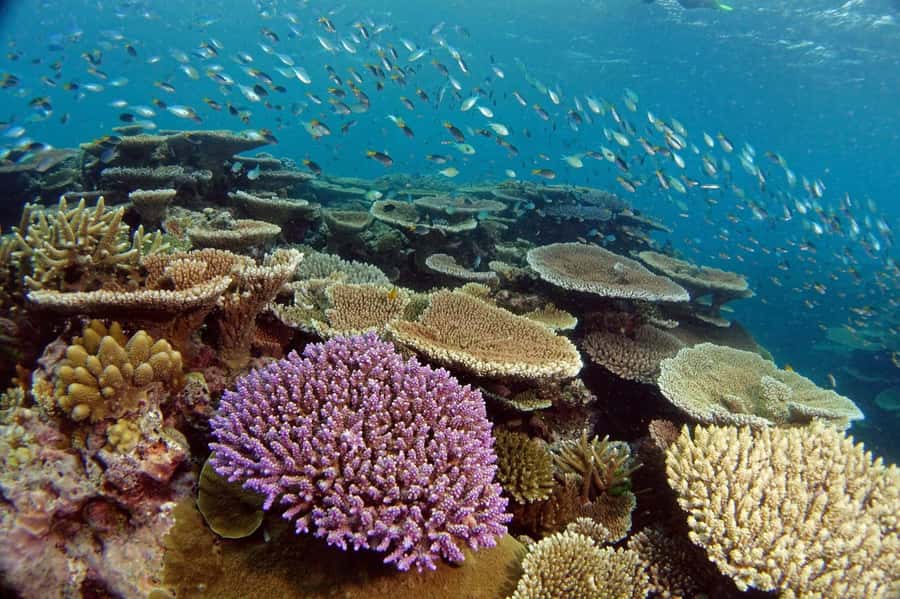
- MoUA on John Brewer Reef: art installations you snorkel around, designed to be seen underwater
- Snorkel-friendly building sites: Ocean Sentinel sits in only 2 to 7m for a practical snorkel trail
- Real reef spotting: expect colorful reef fish, with chances at turtles, stingrays, and reef sharks
- Two reef sessions: snorkeling and/or scuba time split around lunch so you’re not rushed
- Conservation + culture focus: restoration, education, and indigenous culture and history are part of the story
Townsville or Nelly Bay start point: pick the one that saves your morning
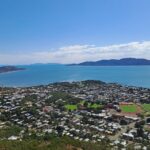
This trip runs from Queensland, with two morning pickup options. You can depart from Townsville Breakwater Marina or from Nelly Bay (Magnetic Island), and it’s worth choosing based on where you’re sleeping so you don’t lose your day to extra transfers.
Pickup time matters here. Townsville departures start at 7:00 AM, while Nelly Bay departures start at 7:50 AM, so if you’re coming from Magnetic Island you’ll likely sleep in a bit longer. Either way, you’ll be set up for a full 10-hour reef day, not a half-trip.
If you’re staying on the mainland, Townsville is usually the most straightforward start. If you’re already on Magnetic Island, Nelly Bay is the easiest jump-on point and avoids extra back-and-forth.
You can also read our reviews of more tours and experiences in Townsville.
The custom day vessel and the 2.5-hour sail each way
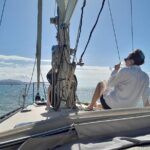
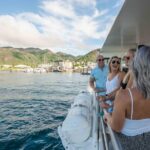
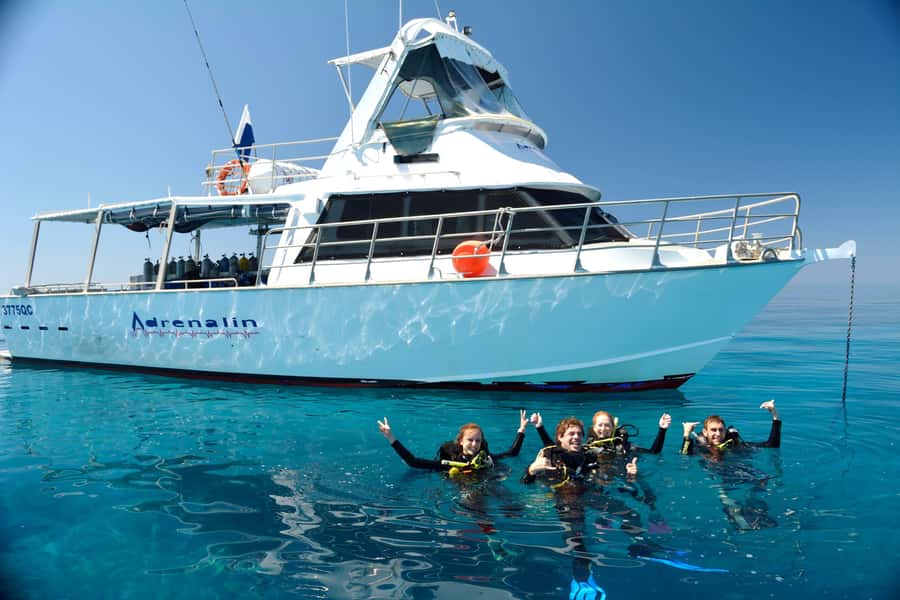
Once you’re on board, you’ll spend time traveling to the Central Section of the Great Barrier Reef, with 2.5 hours by water transport before the reef time and again after. That’s not a small amount, so think of this as a boat day with two “payoff” snorkel/scuba windows.
What makes the boat time feel worthwhile is that the crew runs it like a working day: you’ll get a safety briefing, and you’ll be watching for wildlife while you’re out there. So even before you hit the snorkel sites, you’re not stuck in dead time.
If you’re prone to motion sickness, bring what works for you. One practical tip from real-life experience: people have been given Anzac biscuits to help with sea-sickness, so it’s smart to ask the crew what’s available and to pack your own backup plan too.
Museum of Underwater Art at John Brewer Reef: the art that turns snorkeling into a story
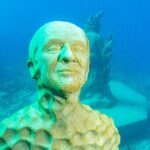
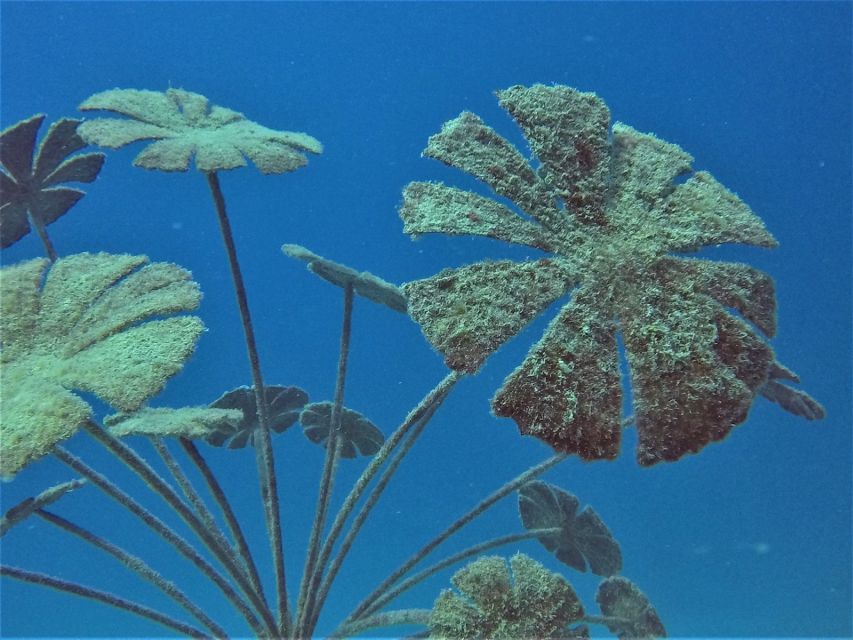
The Museum of Underwater Art (MoUA) is located offshore on John Brewer Reef, and this is where the day becomes different from the typical reef tour. Instead of only floating over coral, you’re moving through installations placed to be seen underwater—so your brain treats the reef like a gallery.
MoUA is described as the first of its kind in the Southern Hemisphere, and it’s not just about aesthetics. The site includes conservation, restoration, and education messages, with emphasis on indigenous culture and history. That’s one of the best reasons to go even if you’re a confident snorkeler—your reef time comes with context.
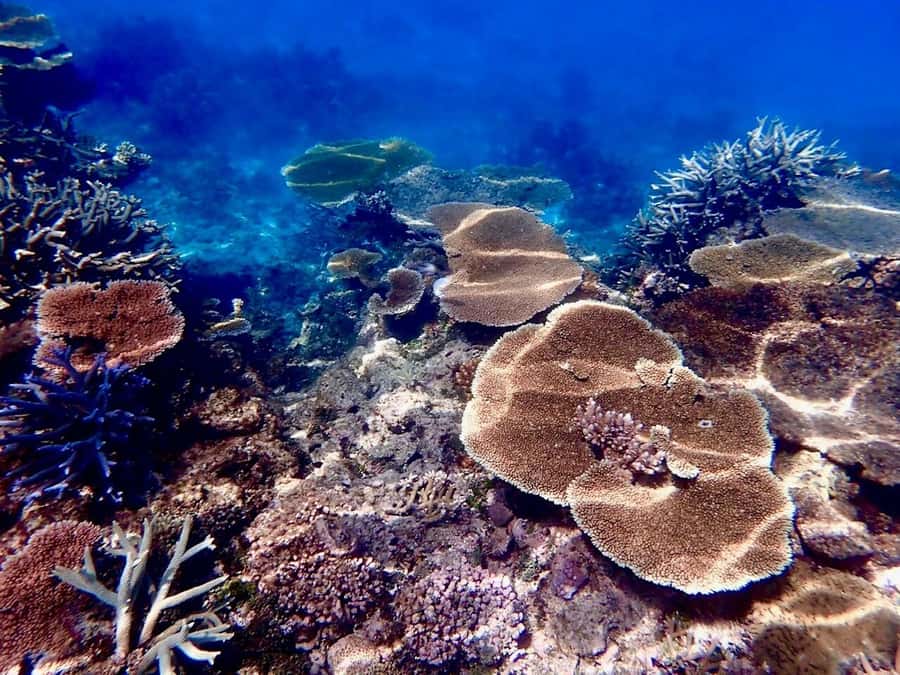
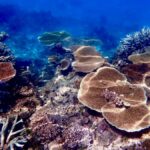
You’ll also be surrounded by coral reefs while exploring the underwater site, so you’re getting that “light through the water” feeling plus the added payoff of art you can study as you swim.
Ocean Sentinel and the Coral Greenhouse: snorkel trails that make you stop and look
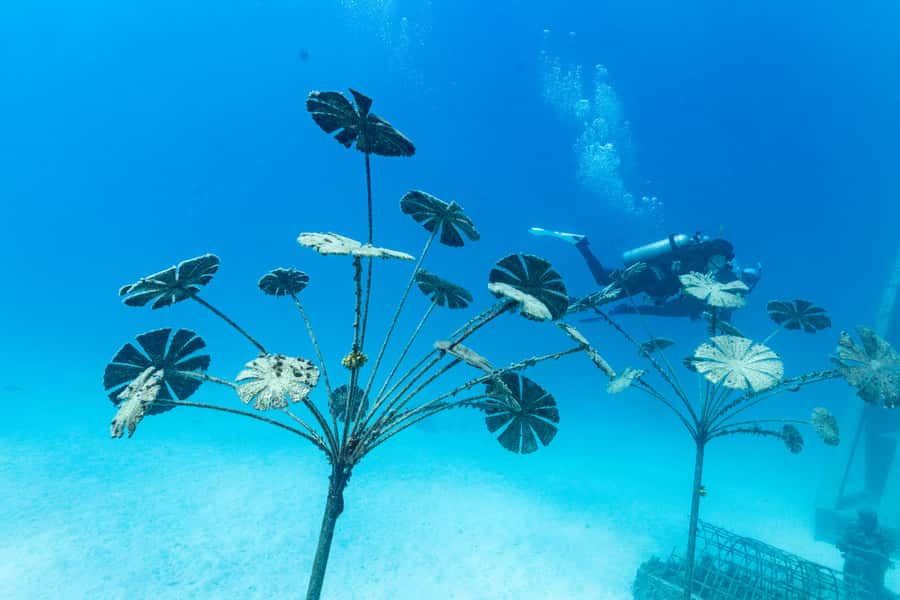
MoUA includes specific underwater structures designed to be seen on a practical snorkel path. Two named examples matter because they’re set up for visibility and comfort.
First, the Ocean Sentinel is the most recent addition and sits in only 2 to 7 meters of water. For snorkelers, that range is ideal because it keeps you from constantly fighting for depth while still offering real structure and detail.
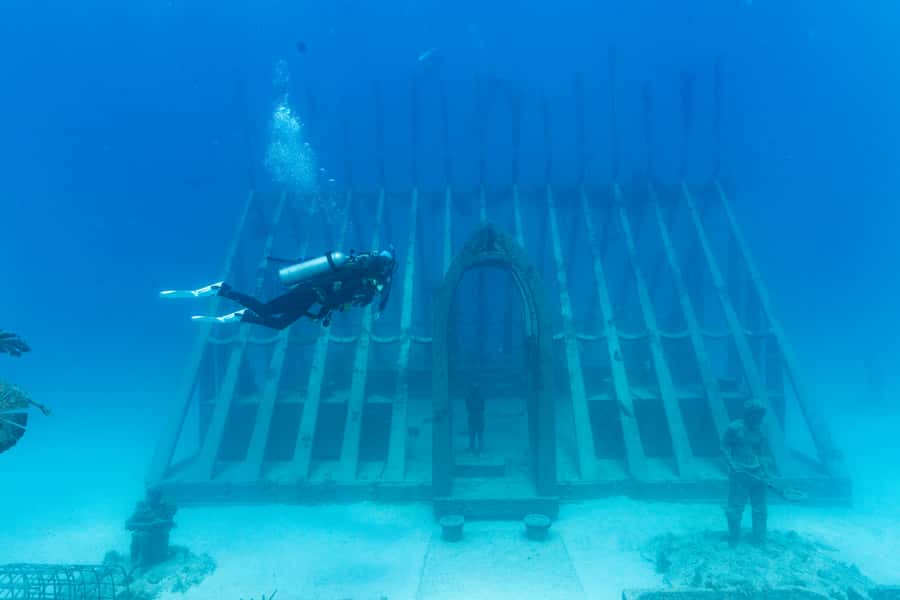
Second, the Coral Greenhouse is a submerged building design by artist Jason deCaires Taylor. A greenhouse-like form makes it easy to slow down, look, and notice how fish and coral use structure for cover.
Here’s the key value for you: these designs give you “anchors.” If you’ve ever snorkeled somewhere with lots of open water and no obvious focal point, you know how quickly attention fades. These installations help you keep your head up and actually notice what’s around you.
Central Section reef time: snorkeling and/or scuba, matched to your comfort level
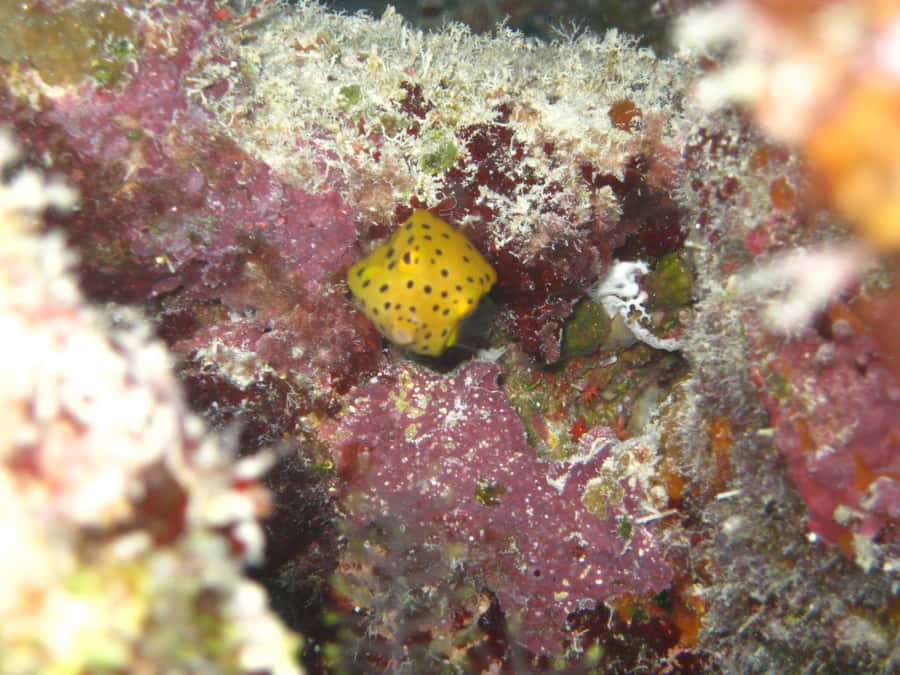
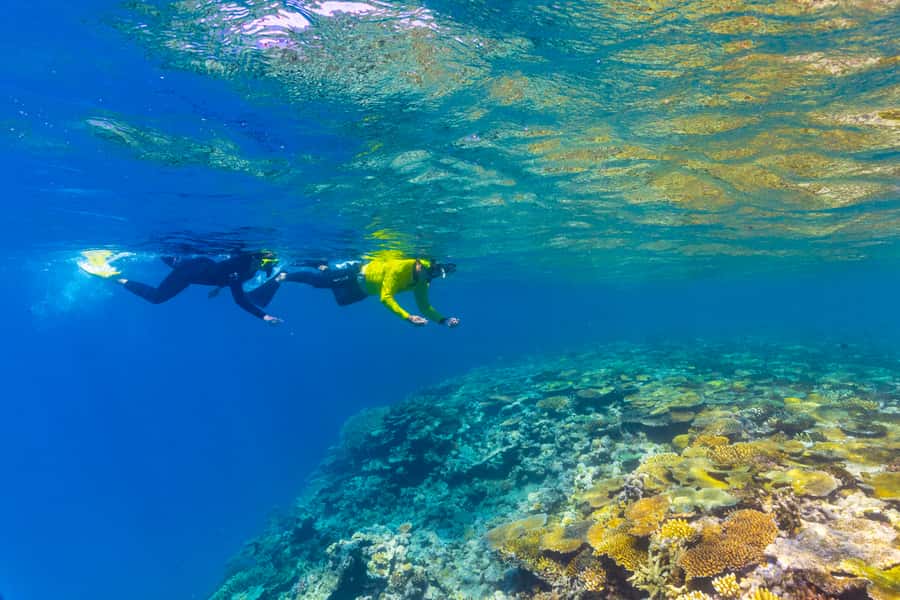
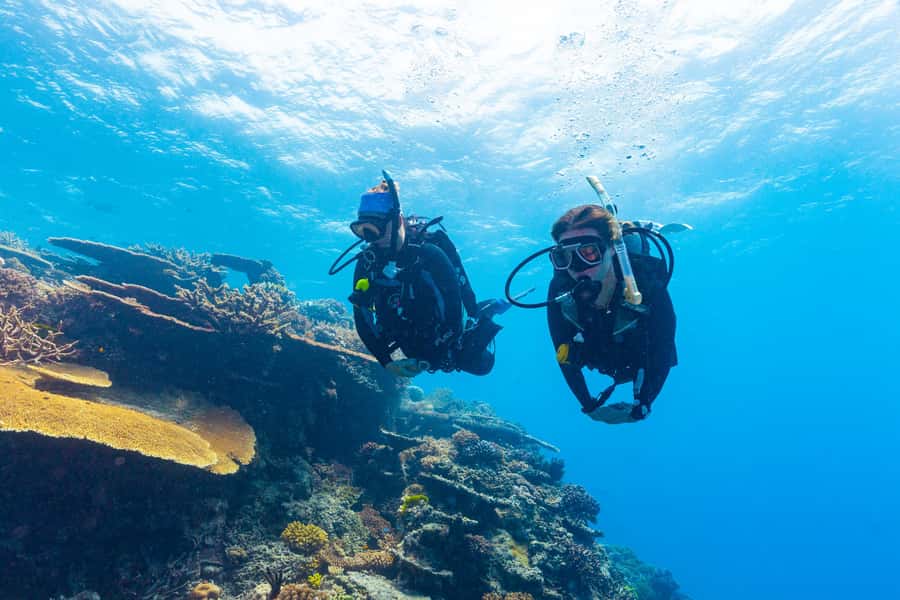
After MoUA, the day shifts to the Great Barrier Reef’s Central Section with underwater time suited to different experience levels. The tour offers options for snorkelling and scuba diving, and there’s also mention of different dive depths ranging from 1 to 20 meters—which signals that the crew plans for both first-timers and more experienced swimmers.
For snorkelers, you can expect shallow reef areas with a strong focus on technique and wildlife viewing. You’ll see schools of baitfish and lots of color from reef fish such as parrotfish, Maori wrasse, clownfish, and angelfish.
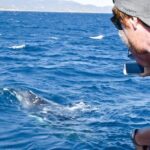
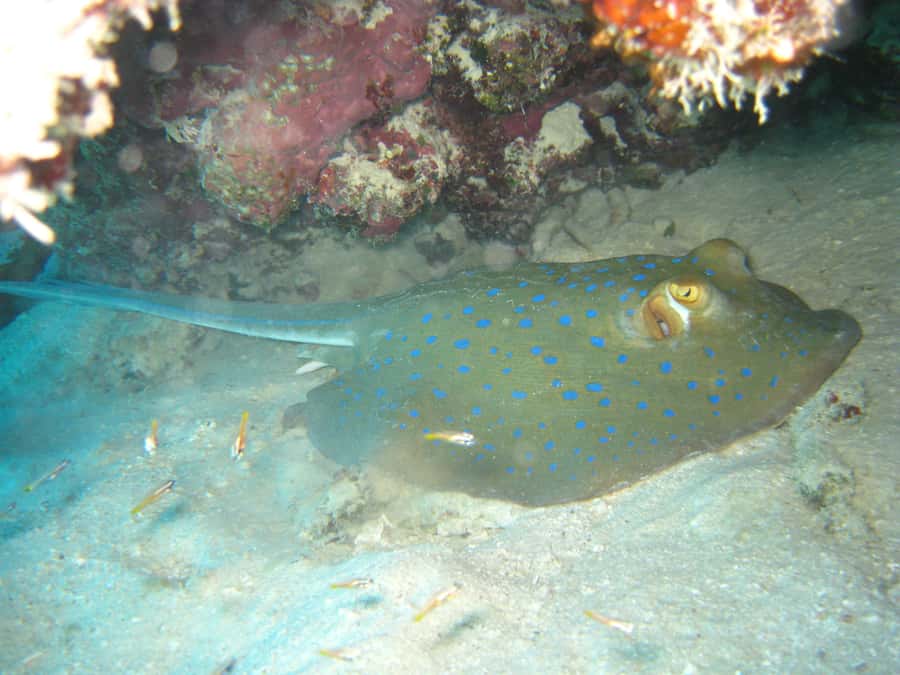
There are also good “maybe” targets you can keep on your radar: turtles, stingrays, and reef sharks including white-tip reef sharks and black-tip reef sharks are described as often spotted. No one can promise an animal sighting, but the tour is clearly aimed at maximizing your chances rather than only showing you safe, empty-looking water.
Scuba is a different animal. If you go that route, you’re not just hovering—you’re moving in controlled conditions with the chance to explore deeper reef structure. The day includes a one-hour scuba segment, and then another water session later that can include snorkeling or another scuba option depending on your chosen setup.

Wildlife viewing and safety: how you get more than a quick look
This kind of reef day rises or falls on how well the crew manages safety and helps you read the water. The tour includes snorkel technique demonstrations and environmental talks, and you’ll also get the safety briefing before you start swimming.
From the staff approach described in the real-world experiences, the crew is attentive and supportive, with people ready to help if something feels off. For example, one snorkeler had trouble after being given scuba-style fins that didn’t work well in the current; the captain later stepped in and helped switch to more suitable fins. That’s a good lesson for you: if your gear doesn’t feel right, speak up early and calmly.
If you have a fear of open water, tell the guide at the start. You may find the crew can help you stay close and comfortable until your confidence builds, rather than pushing you to swim beyond your comfort.
Lunch and the rhythm of the day: plan for a full stomach and a calm pace
Lunch is built into the middle of the reef time with a 45-minute buffet lunch. It’s timed to help you recharge so your second snorkel/scuba session stays enjoyable instead of turning into “just surviving.”
You’ll also have morning and afternoon tea, plus iced water, cordial, tea, and coffee throughout the day. That matters more than it sounds on a reef trip. Dehydration and low energy can ruin your breathing and your focus in the water, and reef snorkeling demands calm, steady movement.
A practical approach for you: eat normally, but don’t go heavy on anything that makes you feel slow or queasy on the boat afterward.
Reef management and protection talks: why this tour feels responsible
One of the strongest reasons to book this specific experience is the focus on how the Great Barrier Reef is managed. You’re not only seeing coral—you’re also learning what work is being done to protect the reef and its creatures for the future.
The MoUA portion includes education around conservation and restoration, and the reef portion includes environmental talks with marine biology experts. That combination gives you both art-based meaning and science-based context.
Here’s what I think you’ll like about this style: it turns snorkeling from a photo mission into something you understand. When you learn how reefs are protected and why specific animals and habitats matter, you pay attention differently.
Snorkeling gear that actually helps, plus technique basics you should use
Included gear is simple and practical: a mask, snorkel, fins, and a full-length protective suit for snorkelers. You’ll also have floating aids like pool noodles and life rings, which is a smart safety layer for different comfort levels.
The tour also includes demonstrations and instruction on snorkelling techniques. Even if you’ve snorkeled before, it’s worth paying attention, because small changes in how you float and move can make a huge difference over coral.
If you want to see more with less effort, keep these habits:
- Slow down your finning so you don’t kick up sediment
- Use gentle movements so your body stays streamlined
- If you feel strain or gear doesn’t match your needs, ask for adjustments early
And if current or water feel unfamiliar, stick close to the route or where the crew guides you. Your goal isn’t speed. Your goal is calm, steady observation.
Scuba option basics: what to confirm before you commit
Scuba is available, but it comes with clear requirements. You must be a capable swimmer and have a minimum age of 12 years. If you’re trying scuba for the first time, you’ll need to complete a basic medical questionnaire.
I like that these rules are explicit, because they protect you and keep the experience safer. If you’re on the fence, consider doing snorkeling only and saving scuba for another trip when you can train properly.
Also note the setup: dive equipment like BCD, regulator, dive computer, and safety accessories are included. That means you’re not paying extra for the gear itself—you’re paying for the guided underwater time and the training/safety support around it.
Accessibility and who should choose snorkel vs scuba
The tour is described as wheelchair accessible, but that doesn’t automatically mean every part of the experience is identical for everyone. The important detail is that due to the vessel and the dive itself, you should contact the supplier after booking so they can assess your needs and advise suitability for diving.
If you can’t stand up with diving gear on, notify the supplier in advance. That kind of early communication can save you from arriving and discovering limitations you could have solved ahead of time.
For kids: the experience is not suitable for children under 6 years. If your child is older and you’re considering scuba, remember the minimum age is 12.
What to pack for a comfortable Central Section reef day
You’ll want basics that keep you warm, protected, and ready to change. Bring:
- Sunglasses and a sun hat
- Swimwear
- A change of clothes and a towel
- Sunscreen
If you’re prone to seasickness, pack your own medication or remedy even though the crew may provide comfort options like biscuits in some situations. And bring any small personal items you might need for after the water (like lip balm and a dry shirt).
Also, consider water comfort. The included suit helps, but your overall comfort depends on how you manage sun exposure and temperature shifts throughout the long day.
Price and value: is $271 per person worth it?
At $271 per person for about 10 hours, the value depends on what you compare it to. This is not only a reef snorkeling ticket. You’re also getting the Museum of Underwater Art experience, plus marine biology talks, equipment, tea and coffee, and a buffet lunch.
You also have built-in options: you can do snorkelling or choose scuba depending on the option selected. Snorkelers get full gear and flotation support, and divers get a full set of scuba equipment like regulators and BCDs.
The included items that most improve value are:
- MoUA underwater art time (not just a surface viewing)
- Snorkel or scuba equipment and safety support
- Food and drinks (morning and afternoon tea plus lunch)
- Environmental talks that add meaning to what you see
What can affect value for you is if you want a private snorkel guide or camera hire, because those are listed as extra charges. But even without add-ons, this day is structured so you’re paying for a guided, gear-included reef experience that lasts long enough to feel complete.
Who this tour suits best (and who might feel happier elsewhere)
This is a strong fit if you want your reef day to include more than wildlife spotting. If you like art, education, or anything that helps you understand what you’re looking at, MoUA makes the day special.
It’s also a good choice for snorkelers of different abilities because the tour includes technique instruction and flotation aids. If you’ve got a fear of open water, tell the crew early. Based on staff behavior described in real experiences, they can help you build comfort rather than abandoning you to figure it out.
Scuba is best for capable swimmers 12+ who are okay completing a medical questionnaire if needed. If scuba isn’t your goal, snorkeling alone can still feel like a full day because MoUA and the shallow snorkel-friendly areas do a lot of the heavy lifting.
One more point: this is not a quick stop. It’s a full morning to afternoon plan with real time on the boat, so it suits people who can handle a long day and who like organized schedules when they travel.
Should you book this Townsville and Magnetic Island MoUA + Reef snorkeling day?
Book it if you want a Great Barrier Reef day that includes Museum of Underwater Art as a real underwater experience, not a side note. The combination of snorkel/scuba time, strong safety focus, and conservation and management talks makes it worth it even if you’ve snorkeled before.
Skip it if you’re looking for an easy, light schedule or you know you’ll struggle with a long boat day. Also consider snorkeling-only if scuba requirements or medical questions feel like a stress you don’t want.
If you’re flexible, comfortable in water, and curious about both reef life and how we protect it, this is one of the most complete ways to do the Central Section from Townsville or Magnetic Island.
FAQ
Where do I start, and how many pickup options are there?
You can be picked up at either Nelly Bay Ferry Terminal or Townsville Breakwater Marina. Pickup is at 7:50 AM for Nelly Bay and 7:00 AM for Townsville.
How long is the experience?
The duration is listed as 10 hours.
Is snorkeling included, or do I have to pay extra for it?
Snorkelling or scuba diving is included depending on the option you select. Snorkel equipment is provided for snorkelers.
What if I want to scuba instead of snorkeling?
Scuba diving is available as part of the experience, but you must be a capable swimmer and be at least 12 years old. First-time divers need to complete a basic medical questionnaire.
What marine life can I realistically expect to see?
The tour description includes schools of baitfish and colorful reef fish such as parrotfish, Maori wrasse, clownfish, and angelfish. There are also chances to see turtles, stingrays, and reef sharks including white-tip and black-tip reef sharks.
What is the Museum of Underwater Art (MoUA) like?
MoUA is located offshore on John Brewer Reef and includes underwater art installations. It also focuses on conservation, restoration, education, and includes emphasis on indigenous culture and history.
What’s included with the snorkeling gear?
Snorkellers receive a mask, snorkel, fins, and a full-length protective suit, plus floating devices like pool noodles and life rings.
What meals and drinks are included?
The day includes morning and afternoon tea and a buffet-style lunch. You’ll also have iced water, cordial, tea, and coffee available throughout the day.
Is hotel pickup included?
No. Hotel pickup and drop-off are not included.
What should I bring for the day?
Bring sunglasses, sun hat, swimwear, a change of clothes, a towel, and sunscreen. Also consider you’ll want to stay comfortable before and after you’re in the water.