REVIEW · TWEED HEADS
Tweed River and Rainforest lunch Cruise
Book on Viator →Operated by Tweed Eco Cruises · Bookable on Viator
This is the kind of half-day trip that feels slower than it is. The open-air top deck makes bird-spotting easy, and the morning tea plus local lunch grazing board is a genuine reason to go, not a token extra. The one drawback to plan for is weather: the cruise runs in rain when conditions are safe, but you still need a flexible mindset.
I like how the captain’s storytelling ties together what you’re seeing—wetlands, wildlife, and Indigenous history—without turning it into a lecture. One more practical note: there’s only a small amount of walking, but you will be moving around enough to want comfy shoes.
In This Review
- Key points before you book
- Tweed Heads departure: the easy start at 2 River Terrace
- Open-air top deck views: where you’ll actually see things
- Morning tea on the water: coffee, cakes, and wildlife timing
- Cruising to Stotts Island Nature Reserve: rainforest edges and real wetlands
- Bird feeding at the right time: the moment most people remember
- Lunch on board: the Tweed River Grazing Board (including vegetarian)
- Captain commentary and Indigenous history you can follow
- Dolphins, islands, and sandbanks: spotting without stress
- Rain, crowds, and the boat reality check
- Price and value: what you get for $74.59
- Who should book this Tweed River lunch cruise?
- Should you book? My practical take
- FAQ
- How long is the Tweed River and Rainforest lunch cruise?
- What time does the cruise start?
- Where do I meet the boat?
- What food is included?
- Is there a vegetarian option?
- Are birds and wildlife activities included?
- Is alcohol included?
- Does the cruise run in rain?
- What’s the maximum group size?
Key points before you book
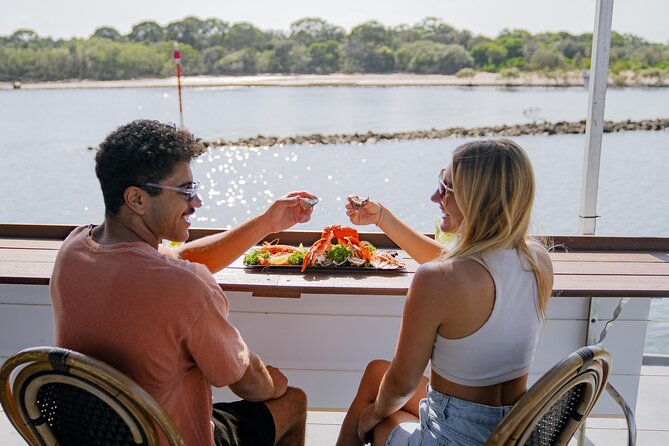
- Open-air viewing on the top deck for better sightlines and photo angles
- Bird feeding where pelicans and birds of prey gather on cue
- Morning tea with plunger coffee/tea and cakes plus a proper lunch grazing board
- Stotts Island Nature Reserve paired with rainforest views and wildlife spotting
- Max 45 travelers, so it doesn’t feel packed
- Captain commentary that covers the river region and Indigenous history
Tweed Heads departure: the easy start at 2 River Terrace
You’ll start in Tweed Heads at 2 River Terrace, with a 10:30 am departure. Do plan to arrive 20 minutes early for pre-boarding—this is one of those tours where being on time keeps the flow smooth.
The vibe begins right away: you’re on a boat designed for cruising, with room to look around as you head upriver. Since it ends back at the meeting point, you don’t need to solve any end-of-tour transport puzzles. I also like that it’s near public transportation, which helps if you’re staying locally in the Gold Coast/Tweed area.
This is set up as a relaxed outing. That matters, because the best part of wildlife cruises often isn’t the “big moment.” It’s the quiet run of minutes where you see birds moving, clouds changing over the water, and the crew explaining what’s happening.
You can also read our reviews of more boat tours in Tweed Heads
Open-air top deck views: where you’ll actually see things
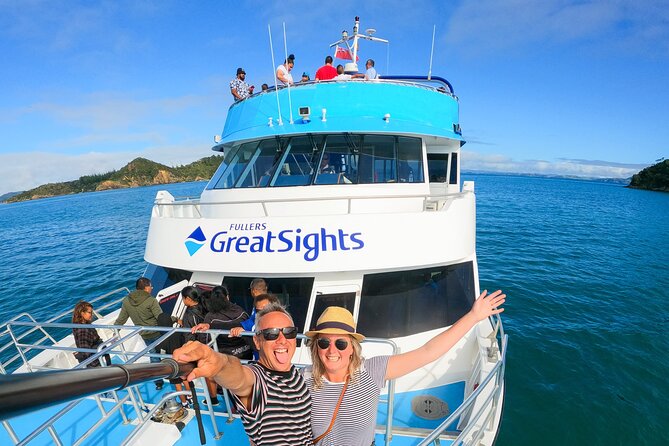
The standout physical feature here is the open-air viewing platform on top of the boat. On many river trips, you spend most of the time looking through glass. Here, you get a clearer view for pelicans, birds of prey, and the riverbanks as you pass feeding areas.
Even if you’re not a serious birder, this changes the whole experience. Birds react to timing and position. When you can shift your angle quickly—without fighting windows or reflections—you’ll catch more of the action. It also makes photos easier because you’re not forced into awkward shooting through panes.
One practical tip: bring something light for wind and mist. The Tweed can feel cooler on the water than it does on land, especially when it’s raining or after a passing squall. The cruise runs in rain if it’s safe, so plan for a little damp.
Morning tea on the water: coffee, cakes, and wildlife timing
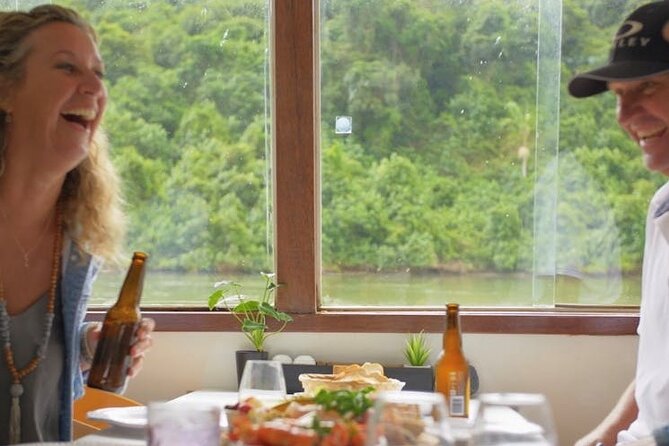
About halfway into the early stretch, you’ll settle in for morning tea. The ship serves plunger coffee, local teas, and cakes, which is a nice break from just snacks in a bag. It’s also the kind of stop that gives you a chance to regroup before the main wildlife moment.
What makes this timing smart is that wildlife activity often clusters around feeding time. When pelicans and birds of prey start showing up along the riverbanks, you want to be ready—eyes up, camera out, no rushing. Morning tea keeps you on board and comfortable while the river starts doing its thing.
A small detail that matters: the food service is paced so you’re not constantly interrupted. In reviews, the cruise is repeatedly described as relaxing even in wet weather. That usually comes from good timing—exactly what morning tea supports.
Cruising to Stotts Island Nature Reserve: rainforest edges and real wetlands
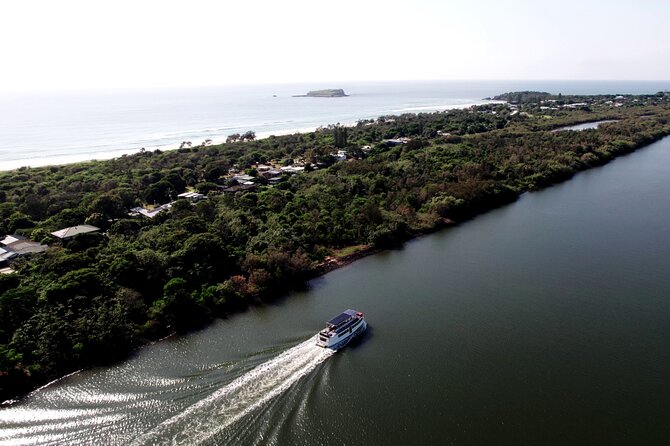
The route builds as you go. You start upriver, passing islands and sandbanks, then continue toward Stotts Island Nature Reserve. This is where the trip shifts from open river views to more “river meeting rainforest” scenery.
Stotts Island is also the wildlife anchor. You’ll have views of birds of prey and pelicans gathering on the riverbanks at feeding time. This is one of the most praised parts of the day, and you can see why. Feeding time concentrates movement, and it gives you a clearer chance to observe behavior rather than just spotting birds from far away.
The cruise commentary also helps you interpret what you’re seeing, including the wetlands and how they support the local wildlife. If you’re the type who likes nature tours but gets bored with vague talk, this one is structured around visible moments: where the birds are, why they’re there, and what part of the river system you’re cruising through.
If the weather turns, you can still enjoy it. A rainy day doesn’t erase bird activity—it often just changes how the river looks. Reviews repeatedly mention a chilled, calm atmosphere when it’s wet.
Bird feeding at the right time: the moment most people remember
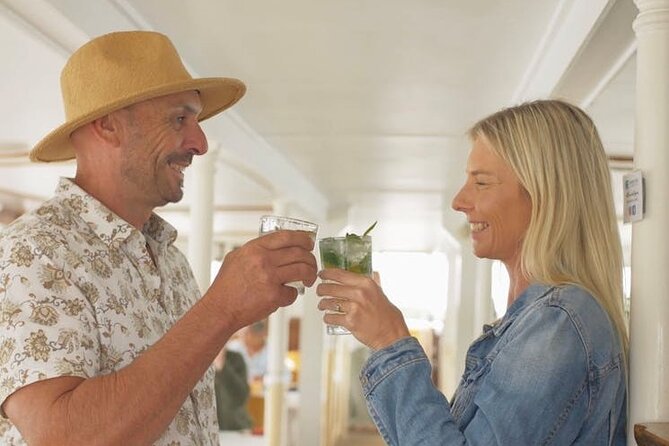
Bird feeding is included, and it’s not treated like a gimmick. It’s positioned as a key experience tied to what’s happening on the riverbanks. Expect pelicans and birds of prey to come into view when feeding time hits.
For photographers, it’s a useful moment because the birds are closer and more predictable than they would be at random. For families and bird-first-timers, it’s also easy to understand. You don’t need prior knowledge to enjoy it—you just need to look up and be ready.
One small consideration: if you’re on the top deck during feeding time, you’ll likely be in a spot where everyone wants the same view. You’ll enjoy it more if you take turns moving around a bit with your group. That’s also where crew guidance helps—if something is out of sight, ask rather than guessing.
And here’s a practical mindset: don’t wait for the “perfect” moment. Wildlife cruises reward attention in small windows. Feeding tends to happen around a specific window, but sightings can appear just before and just after.
A few more Tweed Heads tours and experiences worth a look
Lunch on board: the Tweed River Grazing Board (including vegetarian)
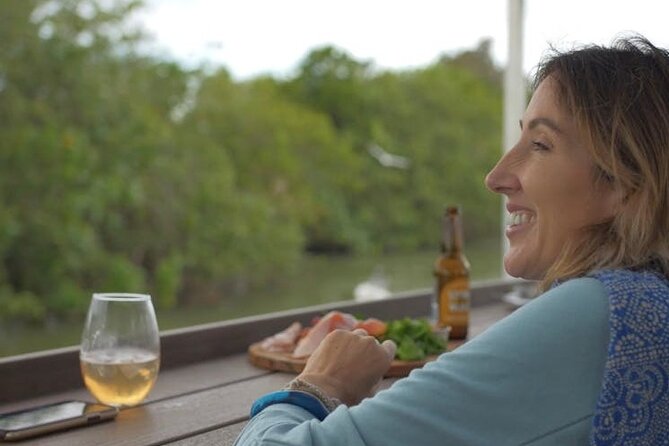
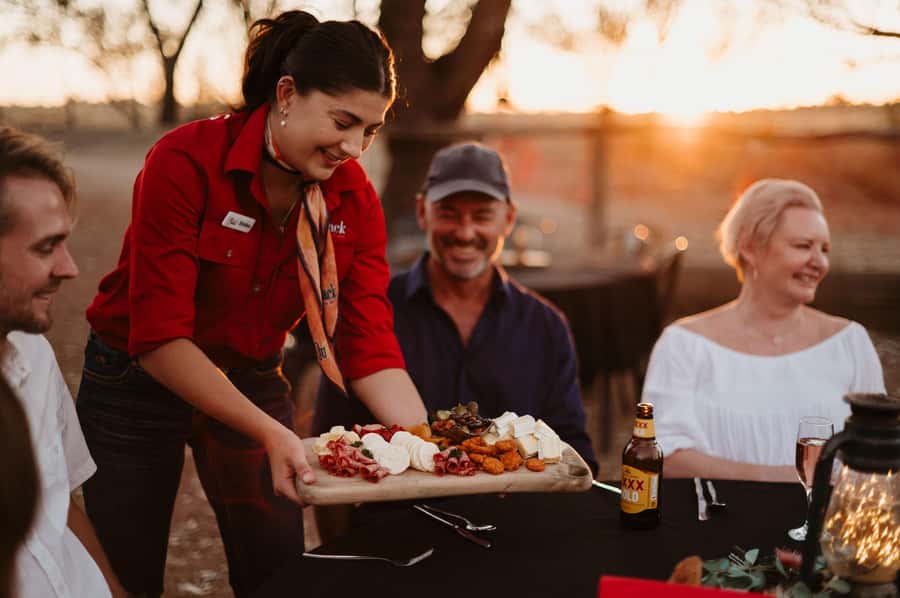
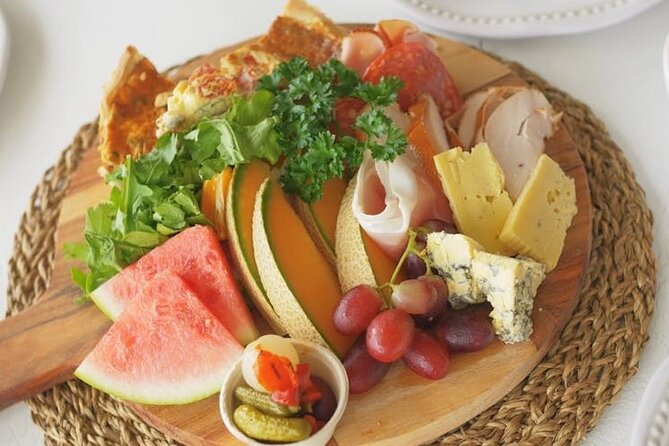
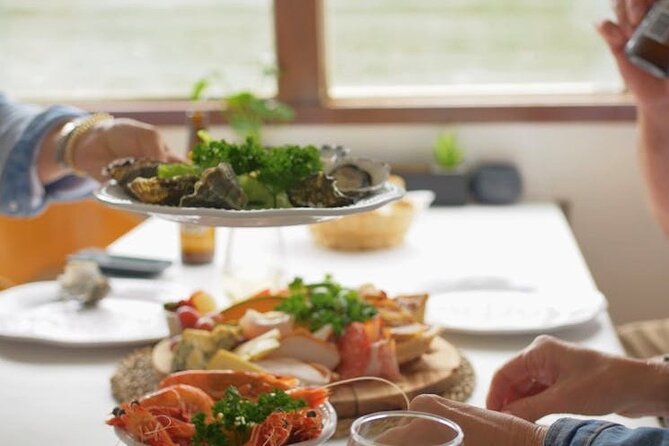
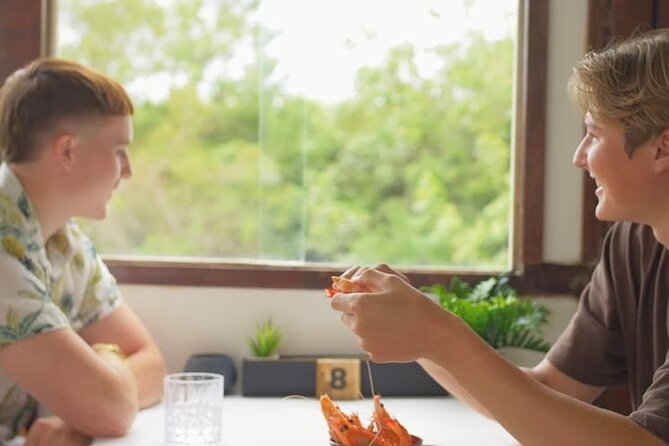
Lunch is included and it’s a big part of the value. You’ll get a Tweed River Grazing Board with a mix of local favorites, including fresh Tweed trawler prawns, local smoked chicken, craft breads with deli meats, green salad, homemade quiches, seasonal fruits, and cheese.
This isn’t just a single sandwich and chips. It’s a grazing-style meal that works well in a cruise setting. You can eat at your own pace while still watching the water. It also makes dietary flexibility easier than a rigid plated menu.
A vegetarian option is available if you advise at booking. That’s important, because a lot of tours say vegetarian options exist but don’t follow through smoothly. Here, the vegetarian meals show up as an actual catered choice, and reviews mention good experiences with vegetarian catering.
Alcohol is available on board via a fully licensed bar, but it’s not included in the tour price. If you’re not drinking, don’t worry—the lunch is the core experience either way.
Captain commentary and Indigenous history you can follow
The captain’s commentary is consistently praised. The cruise is designed around explanation, not just narration. You’ll learn about the Tweed River region, wetlands, and wildlife, with a specific thread of Indigenous history connected to the river.
In reviews, Captain Stuart comes up by name, and that’s usually a good sign: when a captain’s delivery is clear and personable, people remember. The best part is that it guides your attention. Instead of staring at the water hoping something appears, you start recognizing patterns—where wildlife tends to gather, and what features of the river support life.
One honest consideration: noise can be an issue on any boat if people don’t settle in. One review notes difficulty hearing due to loud chatter during commentary. My practical suggestion is simple: if you’re sensitive to sound, pick a spot where you can still hear. If someone else is talking over the captain, let crew know early so you can enjoy the story.
Dolphins, islands, and sandbanks: spotting without stress
You’ll start your trip passing islands and sandbanks, and there’s a specific note to keep an eye out for dolphins as you go upriver. That’s exciting, but also realistic: wildlife sighting isn’t guaranteed on any river.
What you can control is your approach. Look for movement at the surface and watch for consistent patterns rather than one quick burst. Also, don’t freeze in one spot. If you can shift around between upper deck and seating areas, you’ll increase your odds of catching a dolphin surfacing.
Even when dolphins don’t show, the islands and sandbanks give you plenty to look at. It’s not a static view. The river is full of subtle change—where the water deepens, where sandbars sit, and how bank vegetation frames the water.
And because the cruise includes structured moments (morning tea, bird feeding, lunch), you’re not left with a dead-feel outing. You always have something to focus on.
Rain, crowds, and the boat reality check
One reason this cruise stays popular is that it doesn’t collapse in bad weather. It’s designed for a subtropical river system where rain is common. Cruises still operate when it’s raining, as long as the weather and river conditions are safe.
So if you’re choosing based on comfort, know this: you may get wet, and the river may look gray. But the experience can still feel calming. Reviews specifically mention relaxing atmospheres in rainy conditions, with great commentary and good food.
Crowd size helps too. The tour caps at 45 travelers. Multiple reviews describe it as not overcrowded. That matters when you want to move for photos, watch feeding time, and hear the captain without constantly fighting for space.
Finally, there’s a small amount of walking involved. It’s usually manageable, but if you have mobility limits, plan around the boat’s natural movement and easy-to-handle distances.
Price and value: what you get for $74.59
At $74.59 per person, this isn’t a bargain lunch at a café. It’s a bundled experience: boat time on the Tweed River, morning tea, a local lunch grazing board, included bird feeding, and guided commentary.
In plain terms, you’re paying for three things:
- Time on the water with viewpoints you can’t recreate easily
- Food that feels local rather than generic catering
- A structured nature experience with feeding moments and interpretation
Alcohol is extra, so if you drink, you’ll spend more. If you don’t, the included food plan keeps the budget predictable.
Also, the “last week booked 5+ times” detail is a good signal that locals and visitors keep choosing this format. When a cruise sells repeatedly, it usually means the basic ingredients—crew, timing, food, wildlife—hit the target.
Who should book this Tweed River lunch cruise?
This is a strong fit if you want an easy nature day without a lot of logistics. It suits nature lovers, birdwatchers, photographers, and foodies, plus families looking for an outing that stays interesting for kids (bird life is the hook).
It’s also a good “I want local stories” option. You’ll hear about the river’s wetlands and wildlife, with Indigenous history woven in through the captain’s explanations.
Where you might hesitate: if you’re expecting a heavy walking rainforest hike, this isn’t that. The day is built around cruising and viewing. There’s only a small amount of walking, so keep expectations aligned with a boat-based experience.
Should you book? My practical take
I’d book this if you want a relaxing half-day on the Tweed River, with included morning tea and a real grazing board lunch, plus bird feeding and a captain-led story about wetlands and Indigenous history. The open-air top deck is the big reason to choose this style of cruise over ones where you’re stuck indoors.
Before you go, do these two things to get the best day:
- If you have any dietary needs, flag them at booking (vegetarian is available, and medical dietary requests should be made clearly).
- If noise bothers you, choose your spot so you can still hear the commentary during the key moments.
If weather looks rough, don’t assume the day is ruined. The cruise still runs in rain when safe. And if conditions are too poor, the experience may be rescheduled or refunded—so you’re not locked into a single outcome.
FAQ
How long is the Tweed River and Rainforest lunch cruise?
It runs for about 3 hours (approx.), with some descriptions pointing to around 3.5 hours.
What time does the cruise start?
The start time is 10:30 am (AEST).
Where do I meet the boat?
You meet at 2 River Terrace, Tweed Heads NSW 2485.
What food is included?
You get morning tea (plunger coffee, local teas, and cakes) and lunch. Lunch is a Tweed River Grazing Board with several local items.
Is there a vegetarian option?
Yes. A vegetarian option is available if you advise at booking.
Are birds and wildlife activities included?
Yes. Feeding birds of prey is included, and the cruise includes viewing opportunities for pelicans and other wildlife.
Is alcohol included?
No. There is a fully licenced bar on board, but alcoholic drinks are available to purchase.
Does the cruise run in rain?
It generally operates in rain as long as weather and river conditions are safe.
What’s the maximum group size?
The cruise has a maximum of 45 travelers.