REVIEW · GREAT OCEAN ROAD
Walk with Wildlife: Guided Tour in Great Ocean Road
Book on Viator →Operated by Wildlife Wonders · Bookable on Viator
You can turn the Great Ocean Road into a nature lesson. This short guided walk in Great Otway National Park area is built for real viewing, with binoculars and headsets plus a stop at the Conservation Ecology Centre Research Hub. I love that it mixes easy path walking with practical ecology talk, and I also love the small-group feel (maximum 20), which helps you actually follow what the guide is pointing out. The one potential drawback is simple: it is only 75 minutes, so if you’re chasing a full-day wildlife safari vibe, you may want something longer.
You’ll walk an all-abilities route through grassland, forests, bushland, and tree fern gullies, then pause to see conservation work happening up close. If you’re traveling with kids, or you just want a high-value nature stop that fits into a busy itinerary, this is a strong match. Plan for it as a guided experience first, and then add extra time afterward if you want to linger at the cafe and browse the shop.
In This Review
- Key things that make this tour work
- Why this 75-minute wildlife walk fits the Great Ocean Road
- Getting to the meeting point in Apollo Bay and what you can do nearby
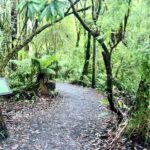
- The 1.4 km all-abilities path: what you’ll actually walk through
- What to expect from wildlife and bird spotting
- Conservation Ecology Centre Research Hub: why the stop is more than a break
- Guide style and small-group setup: easier to follow and easier to see
- Wildlife viewing tips that make this walk pay off
- Price and value: is $42.32 worth it?
- Who should book this Great Ocean Road wildlife walk
- Should you book Walk with Wildlife in the Otways?
- FAQ
- How long is the guided walk?
- How far is the walking route?
- What is included in the tour?
- What habitats will you pass through?
- How many people are in the group?
- Where does the tour start and finish?
- Is the tour suitable for families?
- Can I bring a service animal?
- Is free cancellation available?
Key things that make this tour work
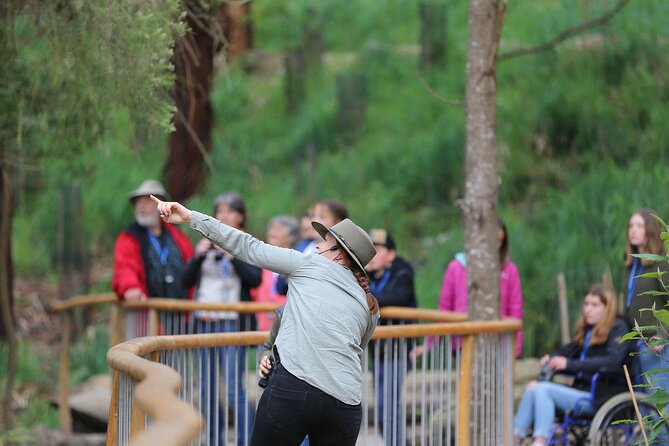
- Binoculars and headsets are included, so you can see and hear more than you would on your own
- A Conservation Ecology Centre Research Hub stop shows how research supports threatened species
- 75 minutes on a 1.4 km all-abilities path keeps the experience short, doable, and family-friendly
- Wildlife and birds in their natural habitat are part of the guiding focus
- Small groups (max 20) help the guide manage attention on a moving walk
Why this 75-minute wildlife walk fits the Great Ocean Road
The Great Ocean Road can be a nonstop drive of viewpoints and photo stops. This tour gives you a different kind of highlight: a guided, close-range look at the Otways environment without eating your whole day.
At about 1 hour 15 minutes, you get structured interpretation plus time outdoors. That time window matters, because it makes the experience easy to slot in between bigger attractions in the region. I also like that the walk is a set distance—1.4 km / 0.8 mile—so you aren’t guessing how long you’ll be out.
There’s another value point: the tour includes gear. You’re provided with binoculars and headsets, which sounds like a small detail until you’re on a trail watching something move in the canopy or calling from dense vegetation. The headsets also help you stay connected to the guide’s explanations while you walk.
One more thing I appreciate is the framing. This isn’t presented as a random animal sighting hunt. It’s conservation-focused, with an emphasis on the environment that supports wildlife along the Great Ocean Road.
You can also read our reviews of more tours and experiences in Great Ocean Road.



Getting to the meeting point in Apollo Bay and what you can do nearby
You start at 475 Great Ocean Rd, Apollo Bay VIC 3233. The activity ends back at the meeting point, which makes it simple to keep your broader day organized. You won’t need to plan a separate pickup or coordinate transport after the walk.
This tour is run by Wildlife Wonders, and it pairs the guided walk with a visit to a research-focused facility. You’re likely to appreciate that if you’ve ever felt wildlife tours are all spectacle and no explanation. Here, the “why” is built in.
If you have time before or after, there’s also a cafe on-site where you can relax and grab a light lunch and refreshments. There’s a gift shop too, if you want a small memento without having to hunt for one later. Even if you don’t plan to shop, the cafe area can be a practical decompression zone after you’ve been paying close attention on the trail.
The 1.4 km all-abilities path: what you’ll actually walk through
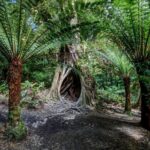
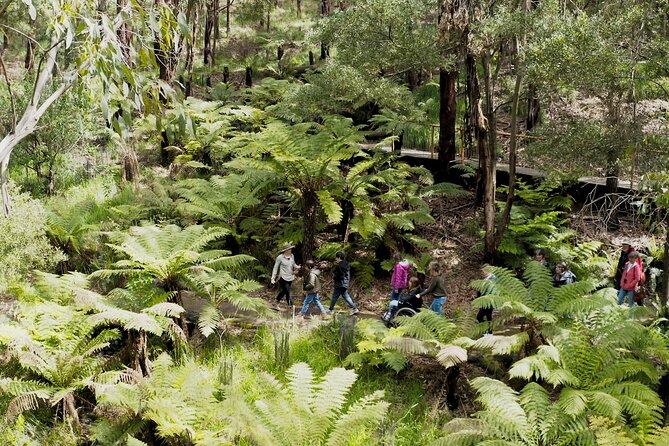
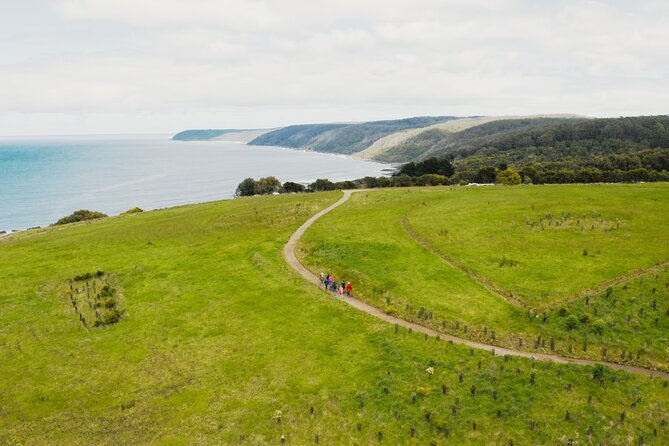
The route covers grassland, forests, bushland, and tree fern gullies, which is a smart mix for a short outing. Instead of one habitat type, you get multiple environments where different birds and wildlife tend to show up.
Because it’s an all-abilities path, it’s designed to be accessible for a wide range of visitors. That means you can plan on a manageable pace and a route that isn’t just a rough trail. I’d still recommend comfortable walking shoes, because you’re outdoors and the ground can be uneven in natural areas.
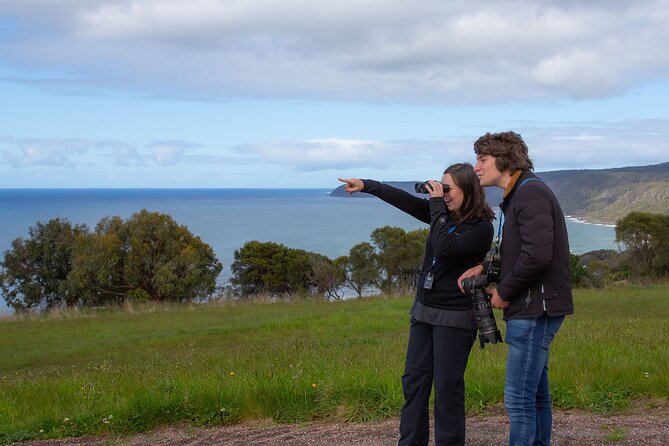
As you go, your conservationist guide leads the viewing. The binoculars and headsets help you do two things at once: scan the habitat, and follow the explanation. That matters because wildlife spotting often becomes frustrating when you’re trying to watch and read signs at the same time.
You’ll also pause during the tour, and that’s part of the rhythm. It’s easier to track small movements—like birds hopping along branches or the kind of calls that are hard to pinpoint—when you’re not rushing the whole way.
What to expect from wildlife and bird spotting
This walk is about seeing wildlife and birds in their natural habitat. The guide’s job is to point your attention where it’s most likely to pay off, based on the environment you’re in.
Even when animals aren’t right in front of you, you’ll still learn what to look for. That turns the tour into more than a checklist of sightings. It helps you understand how the Otways ecosystem supports the species living there, and how the areas around the Great Ocean Road are managed for protection.
Conservation Ecology Centre Research Hub: why the stop is more than a break
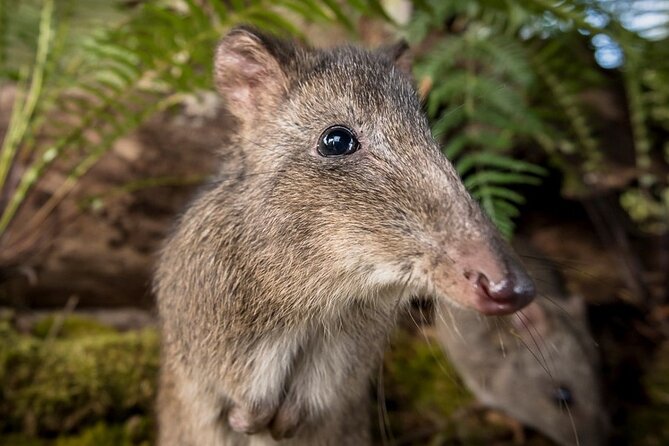
The mid-tour stop at the Conservation Ecology Centre Research Hub is where the tour’s conservation message becomes real. You don’t just hear about threats in general terms; you see research techniques in action and learn what conservation projects are being supported.
This hub is also tied directly to threatened species along the Great Ocean Road. That’s a key difference from many wildlife tours that only cover animal behavior. Here, the focus is on the research protecting the ecosystems and species in this region.
I like this part because it gives context to what you’ve been seeing outdoors. When the guide connects a habitat type on the walk with what the researchers are working on, it stops feeling like random nature facts. It becomes a bigger story: the environment you’re standing in is actively being studied and protected.
Another practical perk: the hub visit breaks up the walk. It gives your eyes a reset from scanning through vegetation and lets you ask questions in a more stationary setting.
You can also read our reviews of more guided tours in Great Ocean Road

Guide style and small-group setup: easier to follow and easier to see
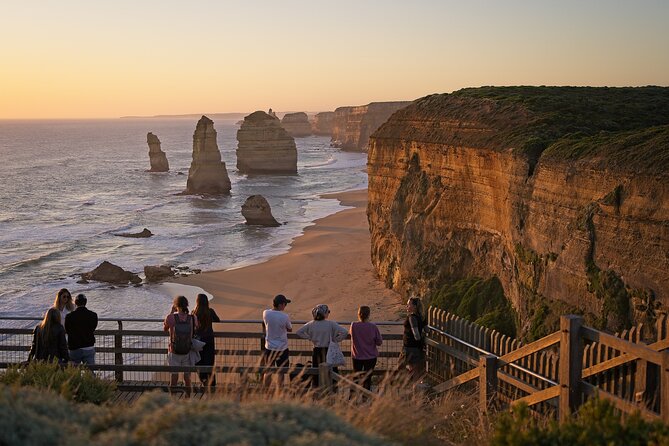
The group size stays capped at 20 travelers, and that’s not just a comfort detail. In a small group, guides can adjust in real time—slowing down when you’re focused on a bird call, or repositioning so everyone can see what they’re describing.
The included headsets further improve the experience, especially if the group is moving along a path through thicker vegetation. You can concentrate on listening without straining, and you’re less likely to miss key explanations while you’re looking through binoculars.
From the feedback patterns, the guide’s approach tends to be a big reason people rate this so highly. The theme is consistent: staff are friendly, passionate, and good at translating conservation into something you can actually understand while you’re walking.
One more reason this setup works: the tour is short. You don’t get stuck on a slow, drawn-out walk where everyone loses energy. The timing keeps the pace active enough to feel rewarding, but not so fast you can’t enjoy it.
Wildlife viewing tips that make this walk pay off
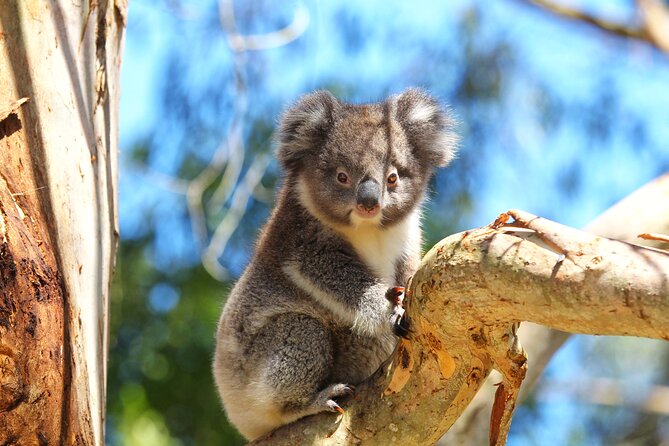
You don’t need to be a bird expert to enjoy this tour. Still, a few habits make the included binoculars and guide direction more effective.
First, keep your scanning organized. Instead of looking everywhere at once, take short checks across the habitats you’re walking through—grassland edges, forest interiors, and the tree fern gully areas. Your guide will naturally guide you toward the right spots, but you’ll do better if you’re ready to switch attention quickly.
Second, use your ears as much as your eyes. Birds often reveal themselves through calls before they show their bodies. The headsets help you stay tuned to what the guide is hearing and interpreting.
Third, be patient at natural pauses. If the guide stops, it’s usually because visibility or animal activity is better at that moment. That’s not the time to keep walking for the sake of keeping movement.
Finally, bring your basic comfort items. Even though the path is all-abilities, you’ll enjoy it more if you have sun protection and water. The tour is short, but you’re still outside the whole time.
Price and value: is $42.32 worth it?
At $42.32 per person, this is positioned as an affordable, high-utility nature stop. The value comes from what’s included and how efficient the experience is.
You’re paying for:
- a guided walk through multiple habitats over 1.4 km
- binoculars and headsets provided for you
- a visit to the Conservation Ecology Centre Research Hub
- interpretation from a conservation-focused guide
Compare that to many “wildlife” experiences where the viewing gear isn’t included, or where you spend more time driving and less time learning. Here, you start at a fixed meeting point in Apollo Bay and finish back there, and the guided portion is tight—about 75 minutes—so you’re not paying for long downtime.
Another subtle value point: the tour is designed for families and most visitors can participate. That lowers the risk of paying for an experience that turns into a struggle.
One thing to consider is that this is not a full-day wildlife expedition. If you want hours of continuous animal searching, you may end up wishing for more time. If you want a smart, conservation-minded nature stop, the price makes sense.
Who should book this Great Ocean Road wildlife walk

This tour is a great fit if you:
- want a short, guided nature experience that still feels meaningful
- travel with kids and need something that stays manageable
- like birds, habitat, and ecology more than pure adrenaline
- prefer a small group over big bus-style tours
- enjoy experiences where the conservation work is explained, not just mentioned
It’s also a good choice if you’re already planning Great Ocean Road sights and want one “off the road” activity that isn’t complicated.
If you struggle with any walking at all, the all-abilities design helps, but the 1.4 km still requires effort. Think of this as an easy-to-moderate guided walk, not a no-foot-traffic experience.
Service animals are allowed, and that’s helpful if you need that support while traveling.
Should you book Walk with Wildlife in the Otways?
I’d book it if you want a focused wildlife and bird experience without the guesswork. The combination of included binoculars, headsets, and a research hub visit makes it feel educational in a practical, on-the-ground way. It’s also a strong “value per hour” choice, since 75 minutes is enough time to learn, look, and leave satisfied.
Book it sooner if you can, because it’s popular enough that the average booking happens about 24 days in advance. And if you’re picking among Great Ocean Road activities, this one stands out as a conservation story you can walk through—grassland to tree fern gully—while you learn what’s being protected and how.
FAQ
How long is the guided walk?
The tour lasts about 1 hour 15 minutes.
How far is the walking route?
You’ll walk along a 1.4 km (0.8 mile) all-abilities path.
What is included in the tour?
You get binoculars and headsets, a guided walk with a conservationist, and a stop at the Conservation Ecology Centre Research Hub.
What habitats will you pass through?
The route includes grassland, forests, bushland, and tree fern gullies.
How many people are in the group?
The tour has a maximum of 20 travelers.
Where does the tour start and finish?
It starts at 475 Great Ocean Rd, Apollo Bay VIC 3233 and ends back at the meeting point.
Is the tour suitable for families?
Yes, it’s suitable for the whole family, and most travelers can participate.
Can I bring a service animal?
Yes, service animals are allowed.
Is free cancellation available?
Yes. You can cancel up to 24 hours in advance for a full refund.