REVIEW · PORT DOUGLAS
Walkabout Cultural Adventures – Ngana Julaymba Dungay Full Day
Book on Viator →Operated by Walkabout Cultural Adventures · Bookable on Viator
Rainforest lessons, told by the Kuku Yalanji. On this full-day cultural walk from Port Douglas, you spend real time in the Daintree rainforest with a local guide, learning how the Kuku Yalanji people read the land and sea like a living handbook.
I especially like the hands-on moments: tasting bush tucker (including green ants), collecting shellfish, and trying traditional spear throwing on the coast. One possible drawback is simple: it is a full 8-hour day outdoors, and the tour needs good weather to run well.
In This Review
- Key things to know before you go
- Port Douglas to the Daintree at 8:00am: what the day feels like
- Mossman Gorge Cultural Centre: the rainforest walk that ties it all together
- Daintree rainforest walking time: oldest living rainforest, explained through use
- Daintree River overlook: learning by looking, not just by listening
- Cooya or Wonga Beach: spear throwing and the coast as a food source
- Lunch with tropical fruit and Daintree tea: simple, included, and on-theme
- The hands-on stuff you should pay attention to
- How the pacing and group size make a difference
- Price and value: is $175.72 a fair deal?
- Who this tour suits best
- Weather reality in Far North Queensland
- Should you book Walkabout Cultural Adventures Ngana Julaymba Dungay?
- FAQ
- What time does the tour start and how long is it?
- Is pickup offered from Port Douglas?
- What is the price per person?
- What’s included in the tour?
- Do I need to pay admission for Mossman Gorge Cultural Centre?
- What kinds of activities will I do during the day?
- How big is the group?
- Will I get a mobile ticket?
- What happens if the weather is bad?
Key things to know before you go
- Small group size (max 11): easier questions, more time with the guide, and a more personal feel.
- World Heritage Daintree time: short guided walks that focus on how people used the rainforest, not just what it looks like.
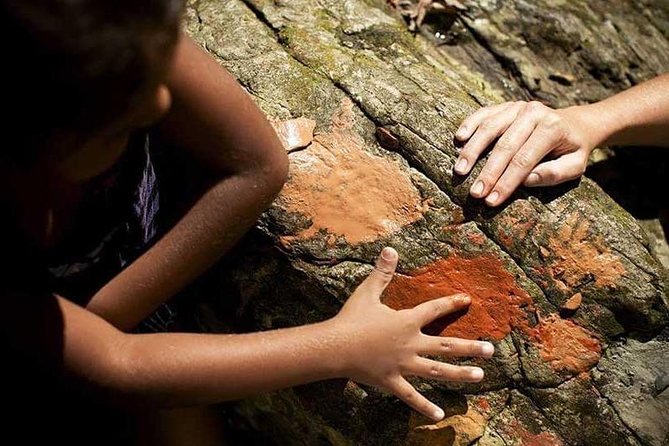
- Hands-on traditional skills: spear throwing, plant identification, and hunting practices explained in context.
- Food you actually try: lunch plus sampling bush foods and tea, with tropical fruit included.
- Coast + mud-crab possibility: coastal walks at either Cooya or Wonga Beach, including shellfish collection, and you might even land a mud crab.
Port Douglas to the Daintree at 8:00am: what the day feels like
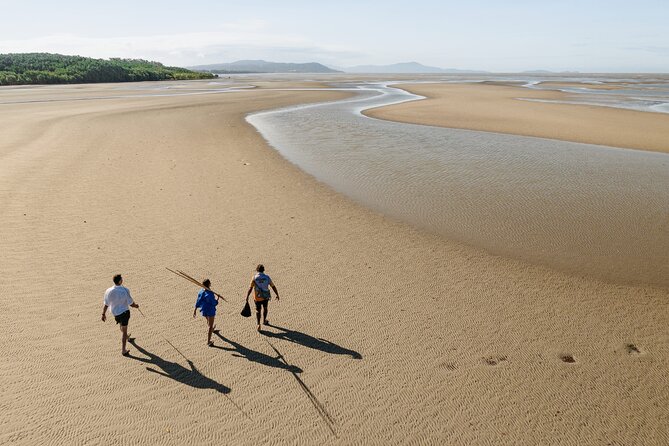
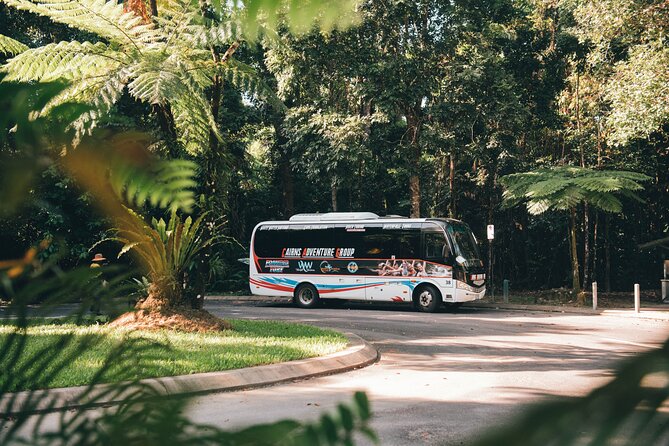
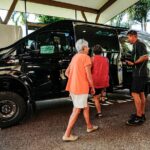
The day starts early, with pickup available from Port Douglas, then you roll out in an air-conditioned vehicle. Expect about 8 hours in total, from an 8:00am start back to your meeting point when you finish. The group stays fairly tight too, with a maximum of 11 people, which matters because this tour is built around talking, asking, and doing.
The tone is not museum-quiet. It is more like a guided day out where you keep learning as you move—rainforest to river views to beach—so you never feel stuck in one spot too long.
A few more Port Douglas tours and experiences worth a look
Mossman Gorge Cultural Centre: the rainforest walk that ties it all together
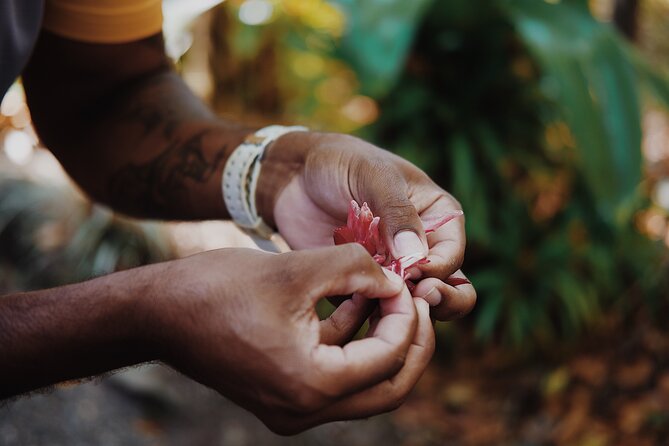
Your first real introduction is at the Mossman Gorge Cultural Centre for roughly 2 hours. This is where you get the foundation: how Aboriginal people connect to the land, how the rainforest environment supports everyday life, and how plants were used for foods, medicines, and practical needs.
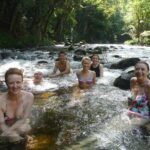
I like how this section is built as a guided walk instead of a quick stop. You are not just looking at trees—you are learning how people would have noticed changes, identified plants, and used what the rainforest offered. And in this area, you may also have time to swim, depending on conditions and the flow of the day.
The best part: the information is paced so it fits the setting. You are moving slowly enough to take it in, but not so slowly that the day drags.
Daintree rainforest walking time: oldest living rainforest, explained through use
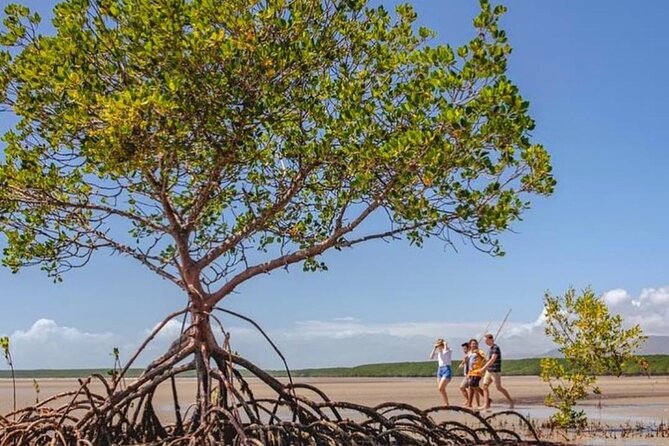
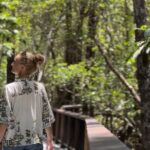
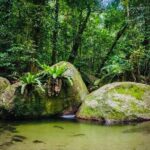
After Mossman Gorge, you head into the Daintree region for about 1 hour of rainforest walking. The Daintree is a World Heritage-listed area and often described as the world’s oldest living rainforest, but what makes this part valuable is the framing.
You learn the connection the Kuku Yalanji people have with the rainforest—how knowledge of the environment affects where you go, what you look for, and how you understand seasonal patterns. It is the difference between seeing a jungle and understanding it as a place with systems you can read.
Daintree River overlook: learning by looking, not just by listening
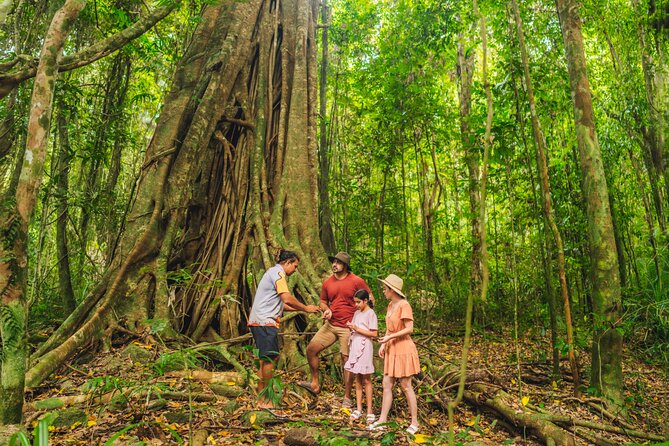
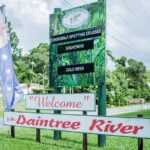
Next comes a 1-hour stop at the Daintree River overlook. This is quieter time on the schedule, and it works because it gives your brain a chance to “map” what you just learned. You will be learning about Aboriginal history and culture in the Daintree rainforest and surrounds, using the river and its setting as a reference point.
It is a good reminder that cultural knowledge often connects to practical geography—water sources, walking routes, and where resources show up. Even if the rainforest is thick, you start to see how the land shapes life.
Cooya or Wonga Beach: spear throwing and the coast as a food source
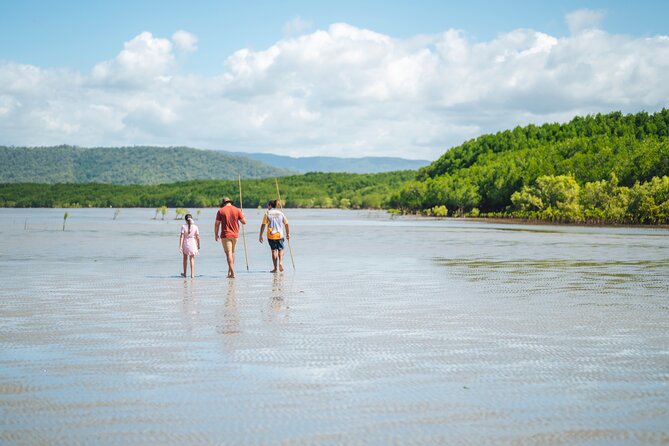
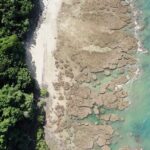
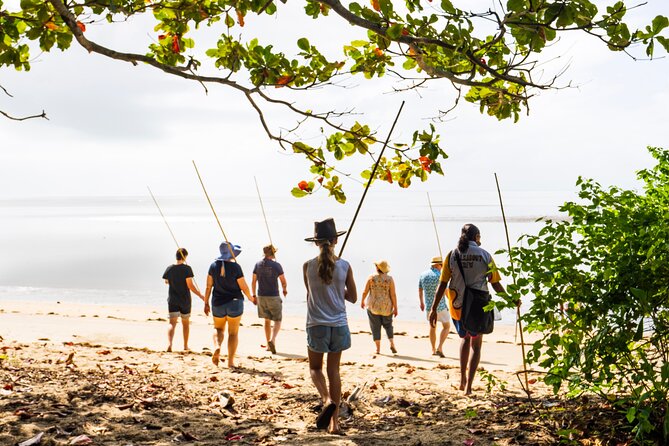
Then the day shifts to the beach. You will walk along the coast for about 2 hours, with the exact location depending on conditions: either Cooya Beach or Wonga Beach. Here, the tour leans into traditional practice—spear throwing is part of the experience, taught alongside guidance on identifying plants, finding bush foods and medicines, and understanding cultural connection to the coastal environment.
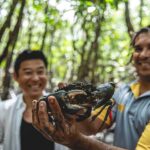
This is also where you get into the “food from the sea” side of the story. You may collect shellfish, and there is even a chance you could catch a mud crab. The point is not the catch itself. It is how the guide explains what you’re looking for and why those places mattered.
Lunch with tropical fruit and Daintree tea: simple, included, and on-theme
Lunch is included, and it is more than a break in a long day. You get tropical fruits and tea, and the tea is referred to as Daintree tea. After a day that’s been about plants used as food and medicine, it feels natural that lunch includes fruit you might not have seen before.
I also like that lunch is part of the learning rhythm. This is not “eat fast and disappear.” It is a pause that connects back to the same theme: the region’s plants and tastes.
The hands-on stuff you should pay attention to
This tour is at its best when you treat it like an active class. You are given tasks and then guided through the meaning behind them.
Some of the standout practical moments include:
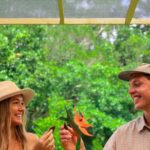
- Bush tucker tasting: you sample bush foods, including green ants. It is one of those things you either love or you have to talk yourself into. Either way, it sticks with you.
- Shellfish collection: the guide shows what matters when you are gathering from the coast.
- Traditional hunting practice: spear throwing is offered as a taught skill, not just a quick photo moment.
- Plant ID and medicine stories: the rainforest and coast are both used as outdoor classrooms.
On top of that, the quality of the day depends heavily on the guide. Named guides praised in the experience include Chase, Aaron, Loretta, Harry, Jaun, Damien, and Juan. The common thread is family-level connection and clear teaching. When the guide shares their own tie to country, the day feels more intimate—and easier to remember.
How the pacing and group size make a difference
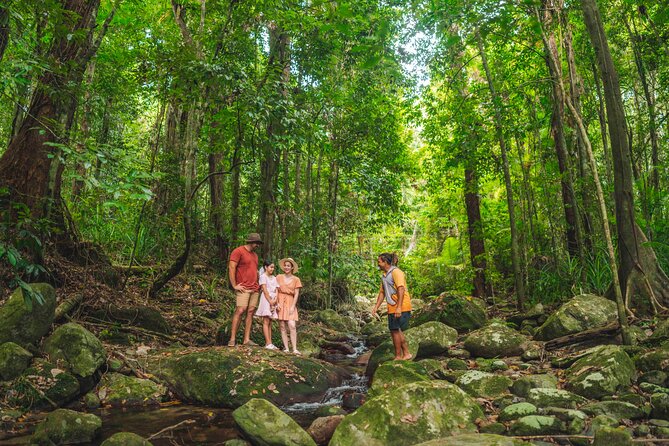
This is not a sprint tour. The day moves at a pace that leaves room for questions and for actually trying things. That matters because cultural learning is not just about hearing; it is about watching, then asking why something works the way it does.
With a maximum of 11 people, you also get more interaction time. You are not blending into the background. If you want to understand how the guide thinks about the rainforest and coast, this structure helps.
Price and value: is $175.72 a fair deal?
At $175.72 per person, this is not the cheapest way to fill a day around Port Douglas. But it also is not just a bus ride to a lookout.
You are paying for:
- guided time with a local Aboriginal guide
- comfort transport in an air-conditioned vehicle
- lunch included (tropical fruit plus tea)
- the chance to do active cultural components like spear throwing
- guided rainforest and coastal walks over multiple areas
Plus, you have entry included for the Mossman Gorge Cultural Centre segment, while other stops are noted as free. When you stack it up, the value comes from the guide-led instruction and the included food, not from paying for one single attraction.
If you want a cultural day that feels practical and personal—where you touch, taste, and ask—that price starts to make sense fast.
Who this tour suits best
This fits best if you like your travel with a learning goal. You do not need to be an expert. In fact, it helps if you enjoy asking lots of small questions and paying attention to how people interpret the environment.
The experience also notes that most people can participate, and with a smaller group size, the guide can usually manage the day for mixed comfort levels. If you want a relaxed pace with real context—rainforest, river, beach, and culture all connected—this is a strong match.
Weather reality in Far North Queensland
This tour requires good weather. If it is canceled due to poor conditions, you are offered another date or a full refund. Since you are outside for much of the day, it is smart to plan with some flexibility and expect the day to be adjusted to what nature allows.
Should you book Walkabout Cultural Adventures Ngana Julaymba Dungay?
If you want more than a photo stop and a quick explanation, I think you should book this. The biggest wins are the mix of rainforest + coast, the included lunch with tropical fruit and tea, and the hands-on cultural pieces like spear throwing and bush tucker tasting.
Skip it only if you dislike outdoor walking, or if you need a highly structured day with minimal weather dependence. This one works best when you show up ready to learn, move, taste, and ask questions.
FAQ
What time does the tour start and how long is it?
It starts at 8:00am and runs for about 8 hours.
Is pickup offered from Port Douglas?
Yes, pickup is offered.
What is the price per person?
The price is $175.72 per person.
What’s included in the tour?
Lunch is included, and tea is included with the tropical fruit. You also get guided walks and activities led by a local Aboriginal guide.
Do I need to pay admission for Mossman Gorge Cultural Centre?
Yes, admission for the Mossman Gorge Cultural Centre stop is included. Other listed stops are free.
What kinds of activities will I do during the day?
You’ll take guided rainforest and coastal walks, learn about foods and medicines from nature, sample bush tucker, collect shellfish, and try traditional spear throwing.
How big is the group?
The tour has a maximum of 11 travelers.
Will I get a mobile ticket?
Yes, it offers a mobile ticket.
What happens if the weather is bad?
The experience requires good weather. If it is canceled due to poor weather, you will be offered a different date or a full refund.