REVIEW · BATEMANS BAY
Whale Watching by Sea Kayak in Batemans Bay
Book on Viator →Operated by Region X · Bookable on Viator
Whales change the whole mood. This 4-hour sea kayak tour in Batemans Bay is built around the south coast migration, so you’re paddling while scanning for humpback whales, seals, and other marine life. I like that you get real on-water instruction before you’re sent out, and I also like the built-in beach break for snacks, swimming, and a little time on foot.
One heads-up: whale sightings aren’t guaranteed. Even on great days, whales can be farther out than you’d hope, so you should go for the whole wildlife experience, not just a close whale moment.
In This Review
- Key reasons this kayak tour is worth your time
- Whale Watching from a Kayak: Why Batemans Bay Works
- Your 4-Hour Paddle Plan: Safety Talk, Training, and Route Stops
- What the training time is really for
- The mid-tour beach stop
- The return journey keeps things interesting
- What You’ll See: Humpbacks, Seals, Dolphins, and Birds
- If whales are far away
- Kayak Comfort and Equipment: What’s Included, and What It Means for You
- What to bring (so you’re not uncomfortable later)
- Beach Time: Snacks, Swimming, and a Real Break from Paddling
- Guides, Group Size, and How the Trip Stays Under Control
- Price and Value: Is $128.39 Worth It?
- Who Should Book This Tour (and Who Might Skip It)
- Should You Book Whale Watching by Sea Kayak in Batemans Bay?
- FAQ
- How long is the whale-watching kayak tour?
- Where does the tour start and end?
- What time does the tour start?
- What’s included in the price?
- Do I need to bring kayaking gear?
- Is transportation to and from the meeting point included?
- What marine wildlife might you see?
- Is it suitable for children?
- How big is the group?
- What happens if weather is poor?
Key reasons this kayak tour is worth your time
- Safety talk plus hands-on practice before you head out into open water
- Large, stable kayaks with room for your personal gear
- A real beach stop for snacks, swimming, and stretching your legs
- A different return route with rocky ledges and coves to keep the scenery changing
- Small group size (max 12) for a more controlled, guide-led experience
Whale Watching from a Kayak: Why Batemans Bay Works
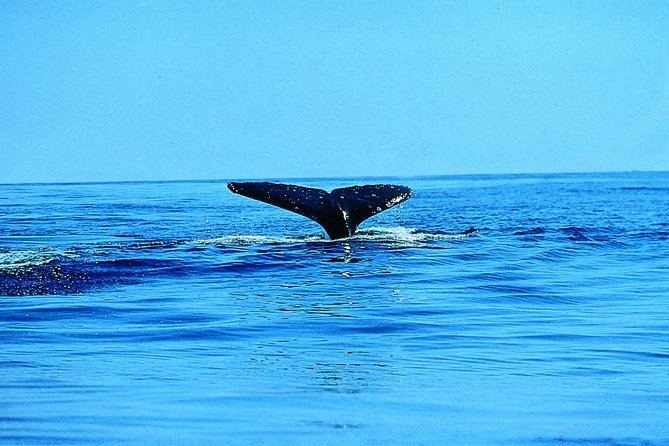
Batemans Bay is a smart place to do whale watching by kayak because the coast gives you lots of places for wildlife to show up—open water for scanning, plus sheltered coves and ledges that change what you can see as you paddle.
This tour is timed for migrating whales cruising north and south along Australia’s south coast. That matters, because you’re not just “hoping for something.” You’re following a guide-led route designed to put you where the animals tend to move through. And since it’s a kayak, you’re travelling slowly enough to actually notice behavior—breathing, surfacing angles, and movement patterns—without the speed and noise that come with some boats.
I also like that the vibe is active but not wild. You paddle, you stop, you snack, you swim if you want. It feels like a half-day in a natural place, not a checklist tour that rushes you from one photo spot to another.
You can also read our reviews of more tours and experiences in Batemans Bay.

Your 4-Hour Paddle Plan: Safety Talk, Training, and Route Stops
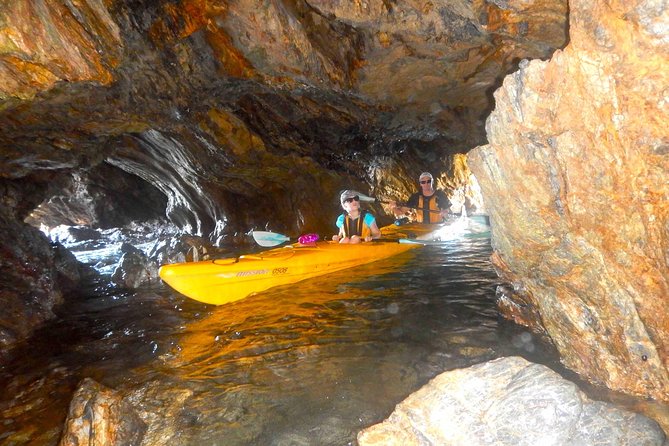
The day starts with a safety talk, then an equipment intro. You’ll also get time to practice paddling and steering, so you’re not learning on the fly. This is a big deal on the water—especially if you’re new to kayaking or you’re just not sure how you’ll handle a swell.
Once you’re ready, you follow your guide to “spectacular locations” along the coast, looking for humpback whales and other marine wildlife. The itinerary is built with at least one named stop (called Stop 1: Region X), and then a beach stop mid-tour.
What the training time is really for
That practice period isn’t filler. It’s how you quickly learn how to:
- steer your kayak without overcorrecting
- keep a steady pace without exhausting yourself
- feel comfortable handling your position as you pause to look for wildlife
If you’ve ever done a tour where you “figure it out later,” skip that worry here. You get the basics first.
The mid-tour beach stop
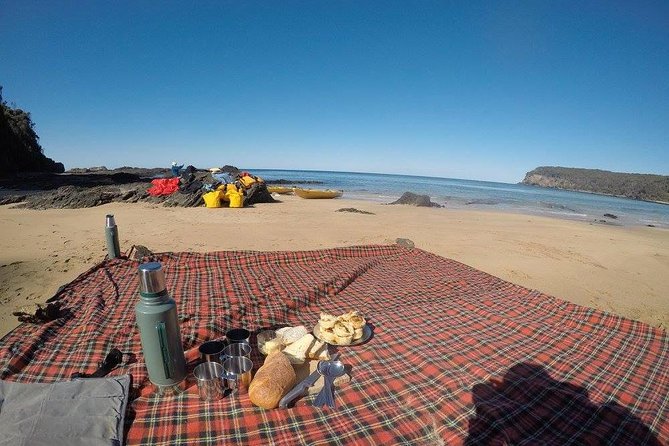
You’ll stop at a beach for snacks and relaxation. This is where the tour changes gears from paddling focus to comfort and recovery. You can swim, explore on foot, or just hang out and let the rest of the group reset.
The return journey keeps things interesting
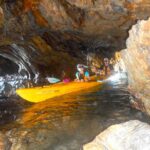
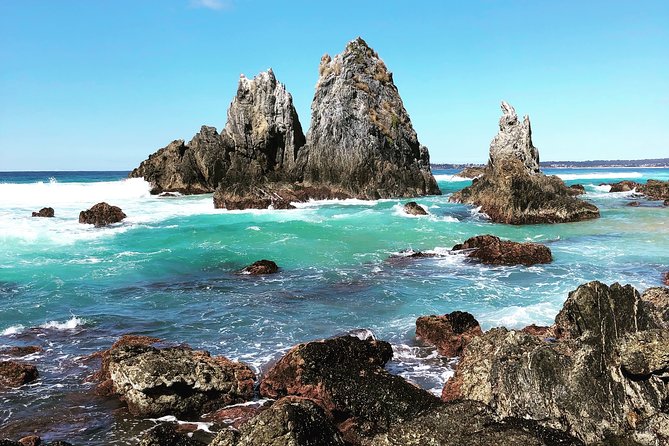
You don’t just paddle back the same way. The return route visits rocky ledges and coves, which helps you keep seeing new coastal angles instead of repeating the same view.
One practical note: your exact time on each section can vary with conditions and where wildlife is spotted, because the whole point is to be in the right place at the right moment.
A few more Batemans Bay tours and experiences worth a look
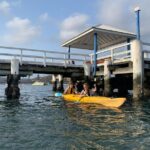
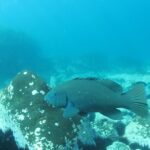

What You’ll See: Humpbacks, Seals, Dolphins, and Birds
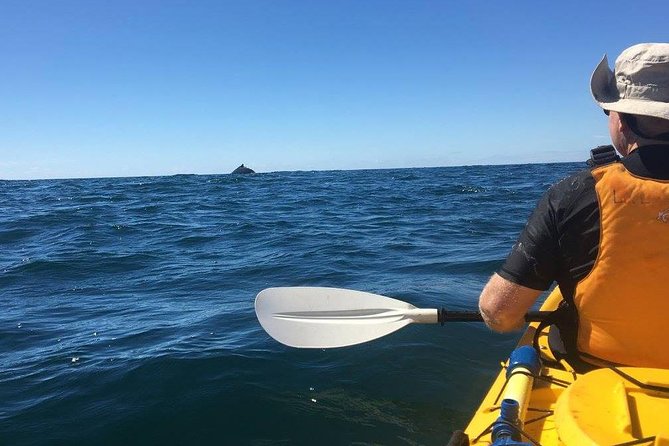
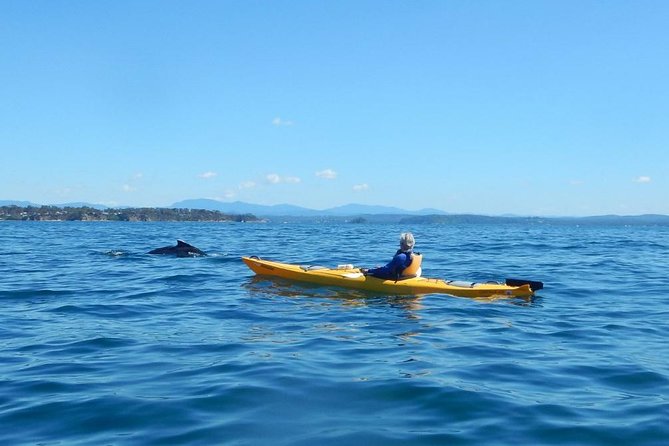
The headline is migrating humpback whales, and the tour is explicitly about looking for them along the coastline of New South Wales. But here’s the honest part: even when whales don’t come close, you’re still in the ocean for a purpose-built wildlife hunt.
From the experience reports you provided, the most consistently praised sightings include:
- seals (sometimes seen close-up)
- dolphins
- birds feeding in a school of fish
That last one is worth calling out. When you see birds working a feeding frenzy, it’s not random—it often signals bait fish and larger marine activity in the area. Even if whales are distant, those cues can make the trip feel “alive” the whole way.
If whales are far away
It’s possible to notice whales at a distance while the tour continues. Don’t treat that as failure. A guided kayak route is still a win because you’re experiencing the coastline from the water and tracking wildlife behavior at human speed.
Kayak Comfort and Equipment: What’s Included, and What It Means for You
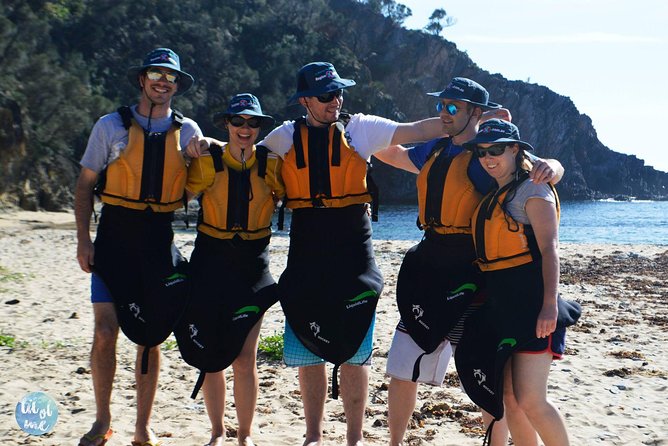
This tour includes all the gear and equipment, plus professional guide support and kayak instruction. You’ll use large, stable and comfortable kayaks with enough space for your personal gear.
That “stable and comfortable” detail matters more than it sounds. Stable kayaks make it easier to:
- sit in a relaxed paddling position for the full route
- focus on scanning the water
- handle small movements without feeling like you’re fighting the kayak
And the “ample room for your personal gear” means you’re not stuck with a tiny, cramped carry setup. You can bring what you need for the day, within reason.
What to bring (so you’re not uncomfortable later)
You’ll feel best if you bring:
- swim gear
- extra clothes
- plenty of water
The water part is simple but essential—4 hours is long enough to get thirsty, especially if you’re wearing layers for comfort and then changing after a swim.
Beach Time: Snacks, Swimming, and a Real Break from Paddling

The beach stop is one of the smartest parts of this tour. It’s not just a roadside picnic moment. You get snacks, a chance to swim, and time to relax. You can also explore on foot, which helps you stretch your legs and switch from the “look left, look right” kayak attention to a slower pace.
This break also gives your body a reset. Kayaking uses your core and shoulders, and a landing break helps you enjoy the second half of the route instead of feeling worn out.
One extra detail that’s been part of how the operation handles breaks: the morning tea stop has used individual plates in a COVID-safe setup, so the snack break is organized rather than chaotic.
Guides, Group Size, and How the Trip Stays Under Control
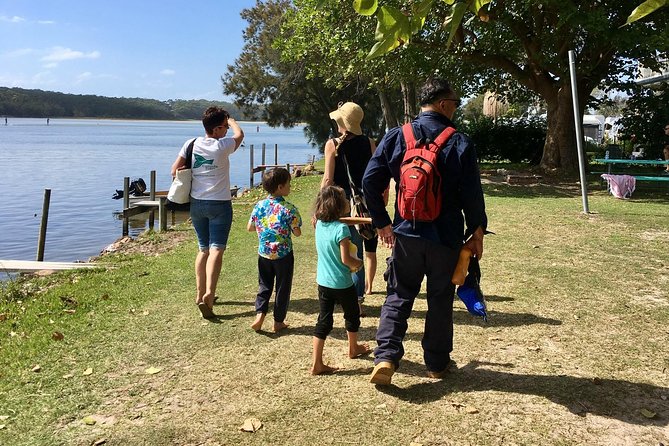
Group size caps at 12 travelers, and that’s a quietly big advantage. With a small group, the guide can manage spacing, keep an eye on everyone’s paddling, and slow down when you’re scanning for wildlife.
Your guide is also part of the experience quality. The team includes guides such as Josh and Will, and the way they’re described is consistent: friendly and welcoming, but also professional about safety. One report even notes the guides helping people feel confident and safe in bigger swell conditions—so it’s not just “pretty water” training.
That balance matters. Whale watching by sea kayak is nature-based, but it still needs skill from the crew so you can enjoy it instead of worrying.
Price and Value: Is $128.39 Worth It?
At $128.39 per person, this isn’t a budget activity. But it also isn’t just “a boat trip.” You’re paying for:
- guided whale-watching route design
- safety talk and kayak instruction
- use of equipment and the kayak itself
- snacks and a beach stop
- a professional guide for the full 4 hours
Transportation to and from the attraction is not included, so factor that into your true cost if you’re coming from elsewhere in the area.
So when is it a good value?
- If you want a guided wildlife hunt rather than paddling on your own
- If you’re new enough to want the practice and coaching before open water
- If you care about the full day rhythm: paddle, scan, beach stop, then a different return route
If you mainly want to see whales as close as possible, note the trade-off: whales aren’t guaranteed to come close on a kayak. But if you’re okay with a broader wildlife experience (seals, dolphins, birds, and distant whales), then the value makes more sense.
Who Should Book This Tour (and Who Might Skip It)
This tour works well for most travelers, and children can go as long as they’re accompanied by an adult. If you’re comfortable with light physical effort—paddling for a few hours—you should be fine.
You should especially consider booking if:
- you want instruction and gear included
- you like nature spotting on a smaller scale
- you want a beach break with swim time and snacks
You might want to think twice if:
- you’re only interested in guaranteed close-up whales
- you’re not comfortable with being on the water for about 4 hours
And if you’re sensitive to weather conditions, keep in mind that this experience requires good weather. If it’s canceled because conditions aren’t right, you’ll be offered a different date or a full refund.
Should You Book Whale Watching by Sea Kayak in Batemans Bay?
If your goal is to experience the south coast like you’re part of it—paddling, scanning, then landing at a beach for snacks and a swim—then yes, I’d book it.
Do it if you can enjoy the day even when whales stay at a distance. The strongest payoff here is the mix: wildlife searching from a kayak, the guidance that helps you feel safe, and the fact you’re not stuck on the water the whole time. If you’re flexible on the whale part and focused on the overall ocean and coastline experience, this tour is a solid choice.
FAQ
How long is the whale-watching kayak tour?
It runs for about 4 hours.
Where does the tour start and end?
It starts in Batemans Bay (Eurobodalla, New South Wales) and ends back at the meeting point.
What time does the tour start?
The start time is listed as 7:30 am, and there’s also a choice of morning or afternoon departure.
What’s included in the price?
The tour includes snacks, the kayak tour itself, all equipment, and a professional guide.
Do I need to bring kayaking gear?
No. All equipment is provided, and you’ll also get safety talk plus time to practice paddling and steering.
Is transportation to and from the meeting point included?
No, transportation is not included.
What marine wildlife might you see?
The tour focuses on humpback whales, and it also mentions seals and other marine life. Dolphins and seals have been part of reported sightings.
Is it suitable for children?
Children must be accompanied by an adult.
How big is the group?
The maximum group size is 12 travelers.
What happens if weather is poor?
This experience requires good weather. If it’s canceled due to poor weather, you’ll be offered a different date or a full refund.