REVIEW · ADELAIDE
Adelaide: 4-Hour Swimming with Dolphins Experience
Book on GetYourGuide →Operated by Temptation Sailing · Bookable on GetYourGuide
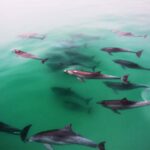
Dolphins follow you in the water. On Adelaide’s southern coast, this 3.5-hour snorkel trip aboard the Temptation takes you out for a wildlife encounter where wild dolphins decide when (and how close) you’ll get in the water. It’s part boat cruise, part guided snorkel, and part waiting game that feels a bit like nature’s own movie scene.
What I really like is how hands-on it is without feeling reckless: you get proper wetsuit, mask, and snorkel, plus live on-water commentary while the crew looks for pods. I also love that the operation is set up with marine behavior in mind, including moving on when the dolphins need space. The main drawback is that conditions matter; if the sea is too rough or the dolphins don’t show, your swim time can shrink or the whole outing can be reshuffled.
In This Review
- Quick take: what makes this dolphin swim work
- Glenelg start: finding the boat and setting up right
- Cruising with purpose on the Temptation catamaran
- Snorkel time: wetsuit, mask, and how you’ll actually swim
- Wild dolphins on their schedule: what ethical really looks like
- Front vs back swims and how to maximize your best views
- Sea conditions, comfort, and what to pack beyond the basics
- Price and value: is $105 worth swimming with wild dolphins?
- Who should book, and who should skip it
- Should you book this Adelaide dolphin swim?
- FAQ
- How long is the Adelaide dolphin swimming experience?
- Where do I meet for the tour?
- What does the price include?
- Do I need to bring my own snorkeling gear?
- Are refreshments included?
- Is the experience guaranteed to see dolphins?
- What if the water is rough or the weather is bad?
- Can I participate if I’m not a strong swimmer?
- Is the tour suitable for everyone?
- What should I bring for comfort and safety?
Quick take: what makes this dolphin swim work
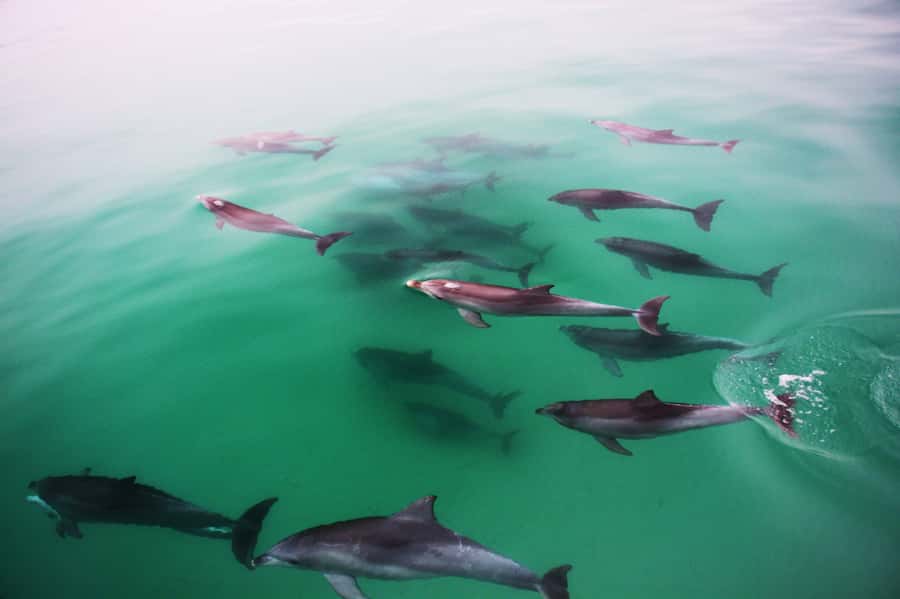
- A 58-foot catamaran ride from Glenelg that turns the hunt for dolphins into a real coastal cruise
- Wetsuits, masks, and snorkels included, so you’re not scrambling to find gear in town
- Marine biologist-led guidance (you may meet staff like Holly or Brett) with clear explanations of dolphin behavior
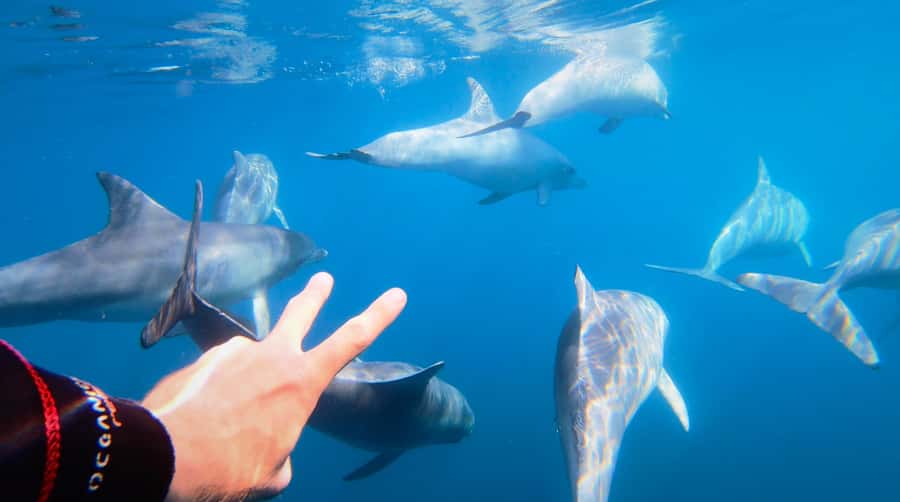
- Underwater “soundscape” moments, including whistles and echolocation noises you can hear on snorkel
- Ethical distance rules: no feeding or baiting, and the crew won’t keep pushing if dolphins disengage
Glenelg start: finding the boat and setting up right
You’ll meet at Marina Pier in Glenelg, at the bottom of the stairs or ramp in front of The Oyster Bar. Glenelg is about 20 minutes from Adelaide CBD, so this is an easy half-day add-on without a long drive to the far end of the region.
Plan to arrive ready to swim. Bring your swimwear, towel, hat, sunscreen, food and drinks, and a camera you can keep dry. Even if you’re not spending the whole time in the water, you’ll want protection from sun and spray—Adelaide can be bright, and you’ll be out long enough for “just a quick coat of sunscreen” to wear off.
One practical note: it can be hard for non-locals to find the exact pier spot, but the crew can help you get on board if you’re turned around. So don’t stress if you’re a few minutes early and still orienting—just ask.
You can also read our reviews of more dolphin watching tours in Adelaide
Cruising with purpose on the Temptation catamaran
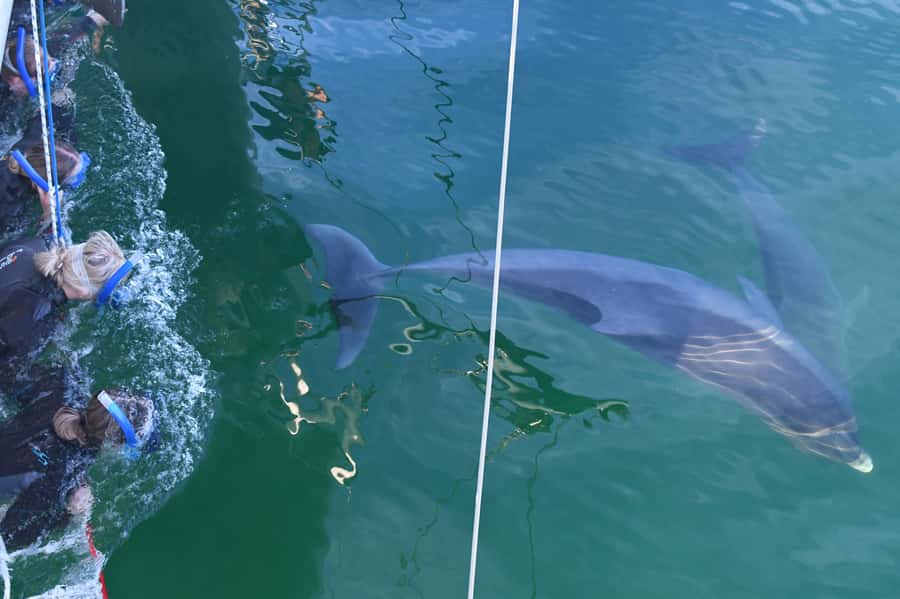
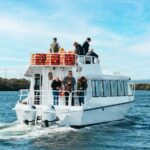
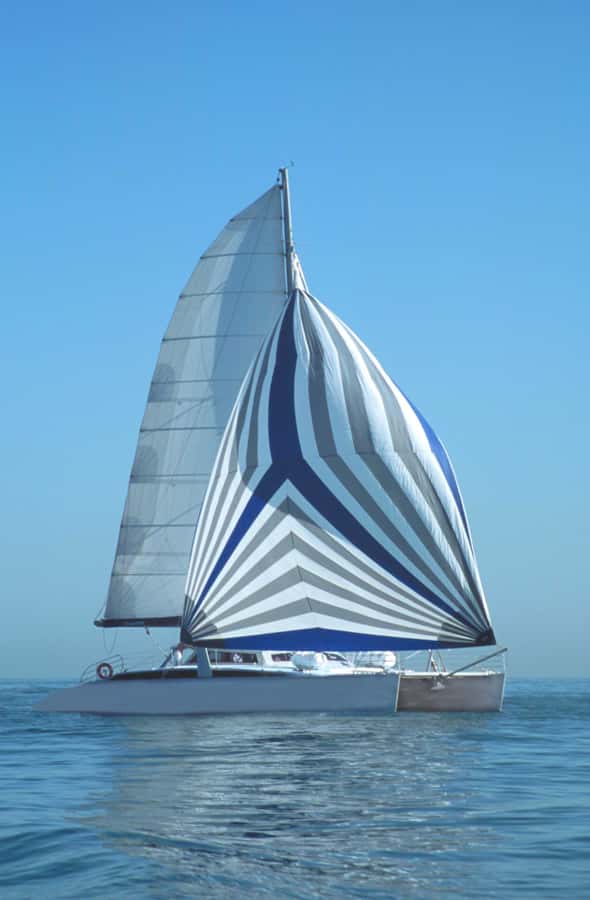
Once aboard, you’re on a 58-foot sailing catamaran named Temptation. The vibe is more calm than chaotic: you’re moving along the coastline while the crew scans for dolphins and talks through what you’re likely to see.
This part matters because it changes the whole experience. If dolphins are far off, you’re not stuck on a dock wondering; you’re already out on the water, with the coastline views from the sea. If dolphins pop up quickly, the cruise turns into the build-up that makes the swim feel extra special.
In real terms, the tour is about 210 minutes total. You’re not out for an ultra-short “drive up, splash, leave” event—you get enough time to actually search, suit up, and have multiple chances in the water.
Snorkel time: wetsuit, mask, and how you’ll actually swim
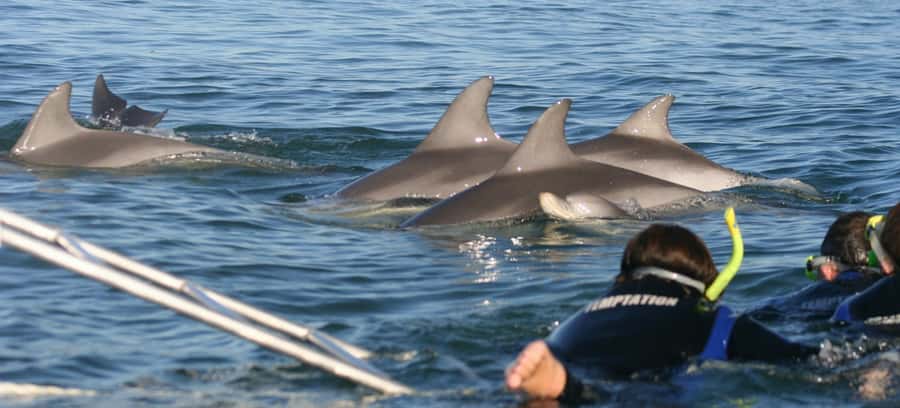
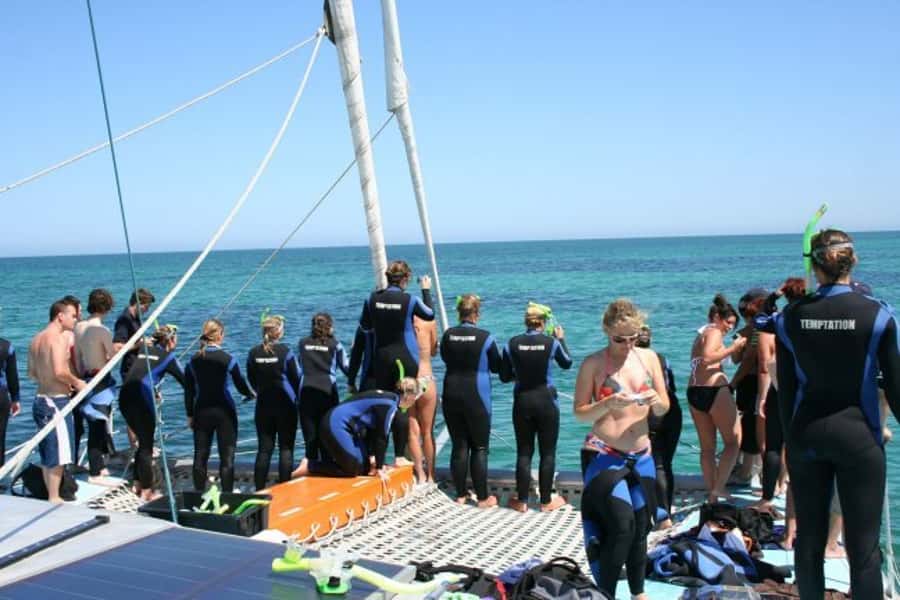
This is not a stand-on-a-beach-and-watch experience. You’ll put on a wetsuit, plus a mask and snorkel, then get in the water when the dolphins come close enough.
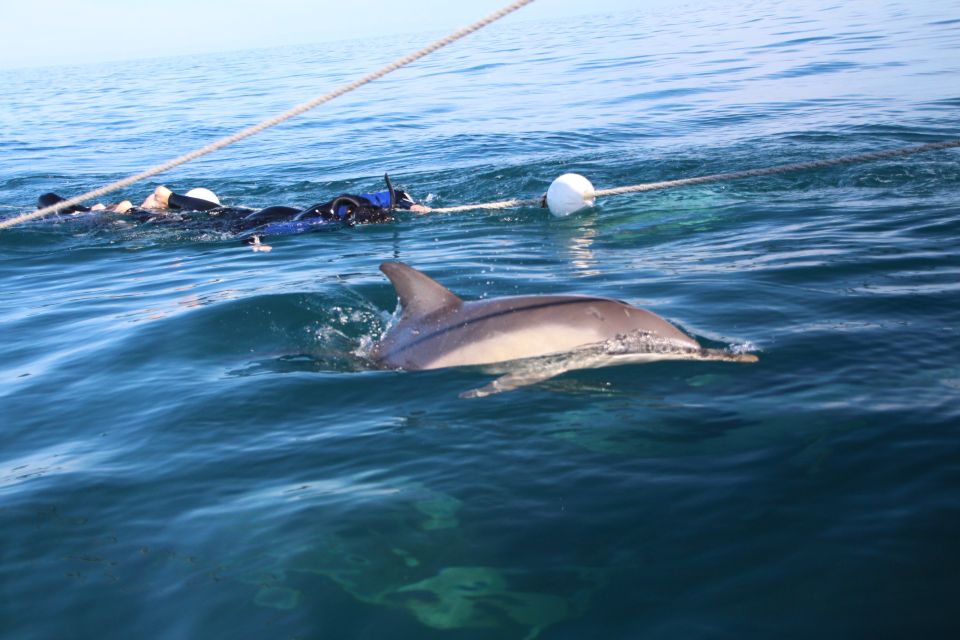
Here’s the key detail to set expectations: the “swim” experience runs in a couple different ways. Some people are in the water under the boat in a net area, others may be towed behind on a line when conditions or pod behavior call for it. Either way, the goal is the same—get you close without chasing the dolphins.
Also, don’t underestimate how cold you might feel. Multiple guests note that the water can be chilly, but the wetsuit is doing its job, and the boat time between swims helps. If you get nervous around water, tell the crew early; one of the most repeated themes is that staff keep things organized and safety-focused while you gear up.
And pay attention when you’re at the surface. On these encounters, guests describe being able to hear whistles and echolocation noises underwater. That’s not just fun trivia—it makes the encounter feel more “alive,” like you’re sharing space in a way that goes beyond sight.
Wild dolphins on their schedule: what ethical really looks like
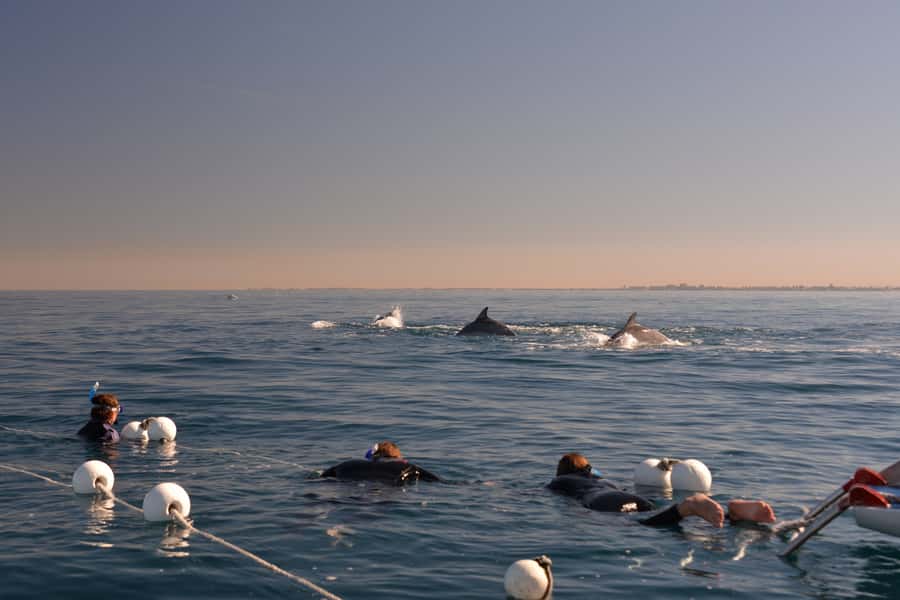
The ethical approach is one of the most praised parts of the trip. Guests repeatedly highlight that dolphins are not fed or baited, and that the crew watches dolphin comfort closely.
In practice, that means the crew doesn’t treat the pod like a show that must perform on cue. When dolphins stay curious, you get chances in the water. When they don’t want interaction, the crew moves on respectfully to give the animals space—rather than forcing the moment.
You’ll also see dolphins in different ways: sometimes pods are playful and come close for longer stretches, and sometimes they pass quickly. Either way, the experience still makes sense because you’re seeing dolphins in their natural behavior, not in a scripted interaction.
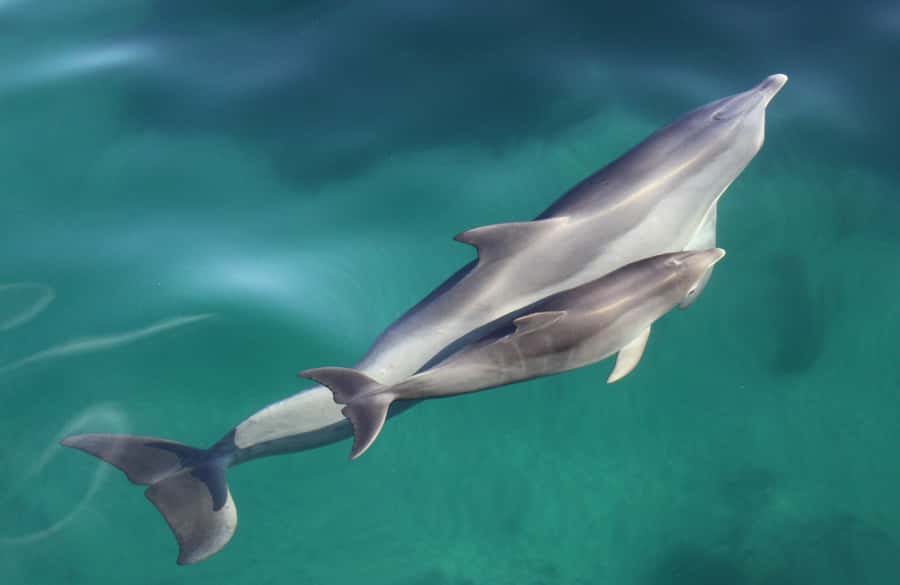
If you’re trying to spot calves, you’ll want to keep your eyes up both in and out of the water. Several guests mention seeing moms and calves, and that kind of detail can turn a good swim into a day you won’t stop talking about.
Front vs back swims and how to maximize your best views
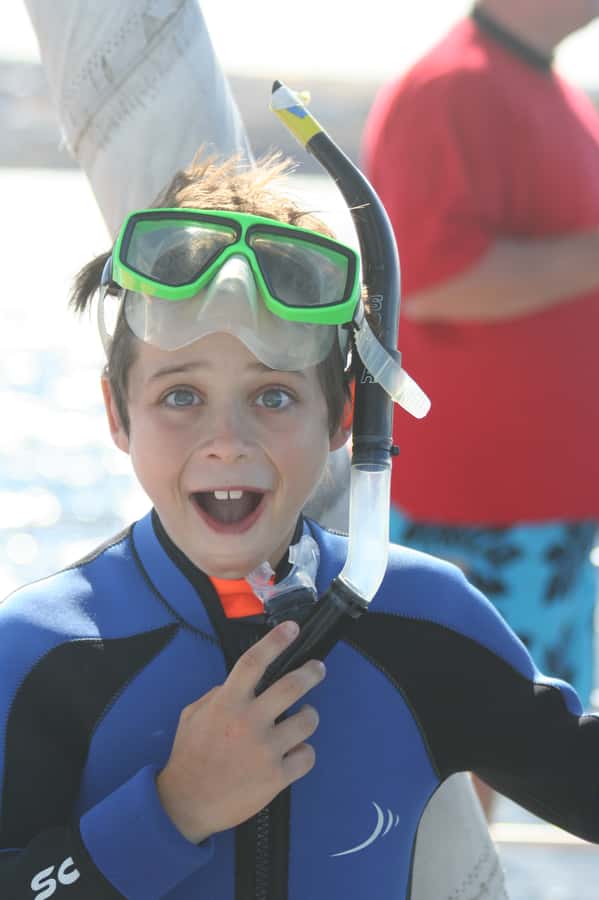
Not everyone ends up getting the same view from the first swim session. The crew rotates groups, so you’ll likely get multiple in-water opportunities rather than just one short taste.
In many dolphin swims, the front of the boat is where the action gathers most often, because pods often approach the area where water movement draws attention. Guests specifically note that the front swim tends to deliver more dolphin contact than the back. That doesn’t mean the back is bad—it just means your odds of seeing dolphins close-by are usually higher when dolphins linger around the front.
So how should you play it? Be ready to switch into the best spot when it’s your group’s turn. If you’re chasing photos, keep your gear organized so you can move fast when called. If you’re chasing the dolphins, follow the crew’s direction during the approach and don’t spend that moment adjusting your mask or snorkel.



Sea conditions, comfort, and what to pack beyond the basics
This trip is weather dependent. One guest notes a cancellation due to swell and conditions, and others warn that you should be prepared for a choppier ride if the sea is active. If you’re prone to motion sickness, bring what works for you (and consider using it before you board rather than after you’re already nauseous).
Also, remember you’re in the water with gear. Wear swimwear under your wetsuit if you can, pack sunscreen carefully, and keep a towel handy so you can dry off quickly between sessions. A waterproof camera is a smart add-on because you’re likely to want to capture dolphins and the moments around your swim.
Finally, since refreshments aren’t included, bring your own food and drinks. It’s one of those details that changes the whole tone of the day—snorkel trips take energy, and hunger plus saltwater isn’t a great combo.
Price and value: is $105 worth swimming with wild dolphins?
At $105 per person for about 3.5 hours, this isn’t a budget “activity.” But it compares well to other marine wildlife experiences because you’re getting multiple things in one package:
- A real boat excursion on the Temptation (not just a quick ferry hop)
- Snorkeling gear including wetsuit, mask, and snorkel
- On-water guidance and dolphin-focused commentary
- Multiple in-water opportunities when pods allow it
What justifies the spend is the combination of access and ethics. You’re paying for a crew that searches for pods, keeps safe distance, and doesn’t bait dolphins into an interaction. And that “no forcing it” part is exactly why the best moments feel so authentic.
There’s also a fairness element in how the day runs. Guests mention that groups rotate so everyone gets a shot at the most dolphin-active spots, not just whoever happens to be at the front first.
Who should book, and who should skip it
This tour is a great fit for you if you want a close-up wildlife experience without the tourist feel. It’s also a good match if you like learning while you wait—marine staff often share clear, practical info about dolphin behavior as they look.
It’s probably not a fit if you have mobility limits, because the experience includes getting in and out of the water from the boat/net setup. The activity is also listed as not suitable for people with heart problems.
If you’re a nervous swimmer, don’t write it off immediately. One guest described being concerned about agility and still managing the net entry, and others note you can still see dolphins from the boat even if you don’t go all the way into the swim option. That said, you should be ready to follow safety instructions closely and judge your ability honestly.
Should you book this Adelaide dolphin swim?
I’d book it if your top priority is a real wild dolphin encounter with snorkeling time, clear marine guidance, and an operation that doesn’t treat dolphins like props. The combination of wetsuit gear, a proper cruise on a catamaran, and the chance to hear dolphin sounds underwater makes this feel like more than a typical day tour.
I would hold off only if you know you get very sick in rough water or you’re expecting dolphins to be guaranteed on your schedule. The experience is guided and ethical, but dolphins are still dolphins—so you’ll get the best value when you go with flexibility and a “let’s see what nature does” mindset.
FAQ
How long is the Adelaide dolphin swimming experience?
It lasts about 210 minutes (roughly 3.5 hours), including the coastal cruise and the dolphin encounter time in the water.
Where do I meet for the tour?
Meet at Marina Pier in Glenelg, at the bottom of the stairs or ramp in front of The Oyster Bar, at the end of Anzac Highway.
What does the price include?
Your ticket includes wetsuits, masks, and snorkels, a 3.5-hour coastal cruise, wild dolphin encounters, and swim commentary.
Do I need to bring my own snorkeling gear?
No. The tour provides wetsuits, masks, and snorkels. You should bring swimwear and use the provided gear for snorkeling.
Are refreshments included?
No. Food and drinks are not included, so bring your own if you’ll need snacks during the outing.
Is the experience guaranteed to see dolphins?
The tour states dolphins are guaranteed for the 3.5-hour experience.
What if the water is rough or the weather is bad?
It’s weather dependent. One recent guest noted a cancellation due to swell and conditions, so it’s smart to plan with flexibility.
Can I participate if I’m not a strong swimmer?
The experience includes getting in the water, but guests also describe being able to see dolphins from the boat if you don’t swim at that time. You’ll still need to follow crew instructions for safety.
Is the tour suitable for everyone?
It’s not suitable for people with mobility impairments or people with heart problems, based on the activity guidance provided.
What should I bring for comfort and safety?
Bring a towel, hat, sunscreen, swimwear, camera, and food and drink. A waterproof camera is specifically recommended.