REVIEW · ADELAIDE
Adelaide Walking Tour: East End Escapade
Book on Viator →Operated by Down to Earth Tours · Bookable on Viator
Adelaide’s East End tells stories fast. This walking tour is a small-group way to understand how the city grew, with guide Graham bringing the architecture and people of the south-east corner to life, and keeping a pace that feels relaxed. The only real catch is that it runs for about 2 hours on foot, so you’ll want a moderate fitness level and weather-ready clothes since it operates in all conditions.
What I also like for planning purposes: it’s easy to build into a full Adelaide day. You finish back at the starting area on Hutt Street, and the East End is right there for follow-up shopping, cafes, restaurants, or a pub drink if your legs still work.
In This Review
- Key highlights worth knowing
- Why the East End of Adelaide is an easy win
- Meeting at 160 Hutt St and getting the timing right
- Walking the south-east corner: heritage, architecture, and characters
- Victorian Villa: spotting domestic history in plain sight
- General Havelock Hotel: pubs as community landmarks
- Salvation Army Women’s Hostel: learning through social history
- What the guide actually does (and why reviews love it)
- How much you’ll actually cover: benefits of a short, focused loop
- Price and value: $36.93 for a guide + heritage sites
- Weather and walking realities you should plan for
- Who this East End Escapade suits best
- After the tour: keep your feet moving on Hutt Street and the East End
- Should you book East End Escapade?
- FAQ
- What’s the tour duration?
- How much does the Adelaide Walking Tour: East End Escapade cost?
- What time does the tour start?
- Where does the tour start?
- Where does the tour end?
- Is a local guide included?
- Does the price include food or drinks?
- Do I need transportation provided by the tour?
- What fitness level do I need?
- Will the tour run in bad weather?
- Is there a cancellation option?
Key highlights worth knowing
- Small-group energy: capped at 20 (and listed as up to 15 per booking), so you’re not lost in a crowd.
- Real heritage stops: you pass notable sites like the Victorian Villa, General Havelock Hotel, and Salvation Army Women’s Hostel.
- A guide who answers questions: the tour is praised for being patient and easy to talk with, not just one-way talking.
- Good walking-tour pacing: the route is described as well paced for taking in the suburb.
- Built for a single day: about 2 hours, leaving time to keep exploring the East End after.
Why the East End of Adelaide is an easy win
The East End has a different feel than the main CBD grid. You’ll see that mix of vintage and designer shops, plus cafes and pubs, but what makes it more interesting is the layers underneath—historic buildings and the people who lived and worked there.
This is the kind of tour that helps you read the neighborhood. Instead of just looking at facades, you learn why these places exist where they do, and how Adelaide went from a fledgling outpost to the thriving city it became.
You can also read our reviews of more walking tours in Adelaide



Meeting at 160 Hutt St and getting the timing right
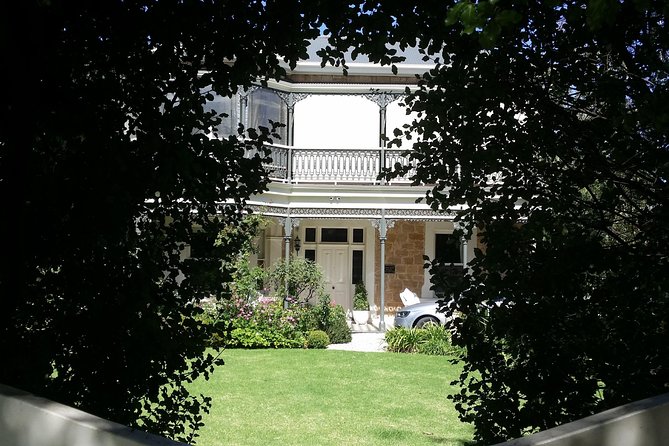
The tour meets at 160 Hutt St, Adelaide SA 5000, with a 10:00 am start. It ends back at the meeting point, so you don’t have to rebuild your day from scratch afterward.
Plan for about 2 hours of walking and talking. It’s not presented as a marathon or a sprint, and the reviews consistently point out that the pace works—especially if you’re the type who likes to ask questions and then keep walking.
Practical tip: arrive a few minutes early, and give yourself time to orient at Hutt Street before the group sets off. That small buffer makes the first part of the walk calmer.
Walking the south-east corner: heritage, architecture, and characters
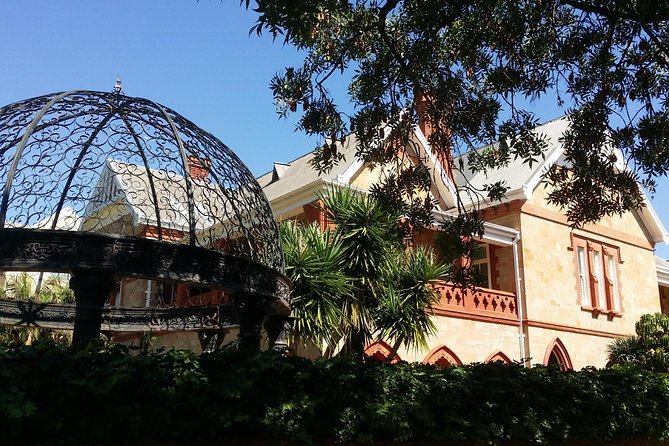
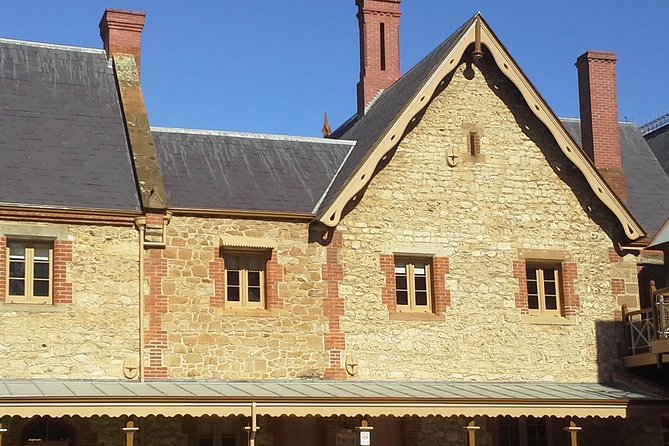
Early on, you’ll spend time in the south-east corner hearing about Adelaide’s heritage, history, architecture, and culture. The emphasis is on how the city developed and on colonial characters—people whose choices shaped neighborhoods, buildings, and social life.
This matters more than it sounds. When you understand the “why,” the streets stop feeling random. You start noticing patterns—building styles, locations, and uses—that you’d usually miss on your own.
One more plus: the guide interaction is part of the experience. People praised how easily Graham communicates and how he handles questions without rushing you.
Victorian Villa: spotting domestic history in plain sight

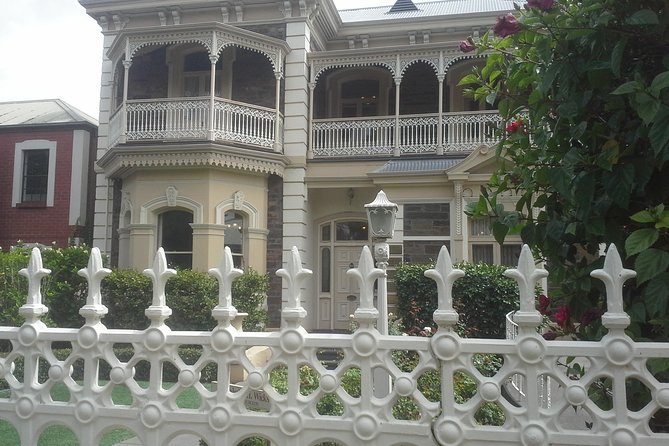
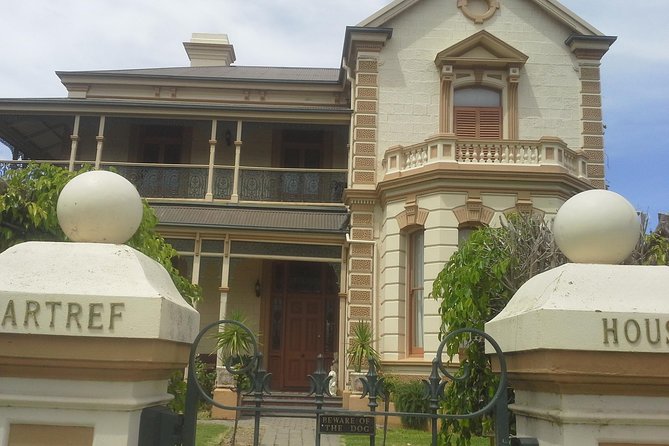
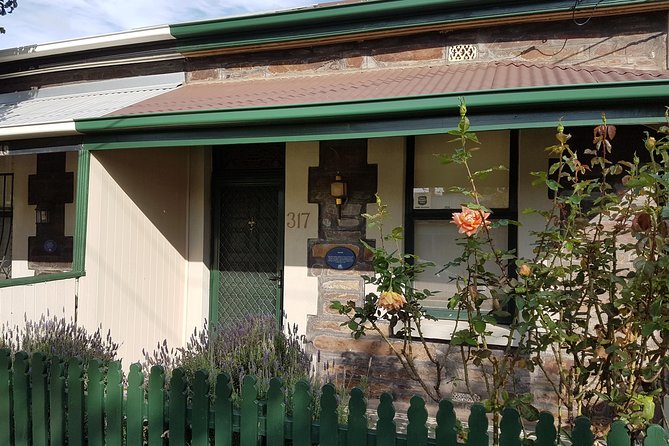
One of the named stops is the Victorian Villa, and this is where the tour’s “history you can see” approach really clicks. Victorian homes can look like just another pretty house from the sidewalk, but on the walk you learn what made these structures meaningful and what they reveal about the era.
The practical value here is pattern recognition. After you’ve heard the story of one building type, other nearby heritage homes start making sense too—even the ones you don’t stop at.
Potential drawback: if you’re expecting lots of indoor viewing, manage your expectations. The tour is fundamentally a walking experience focused on what you can observe around the streets and buildings.
General Havelock Hotel: pubs as community landmarks
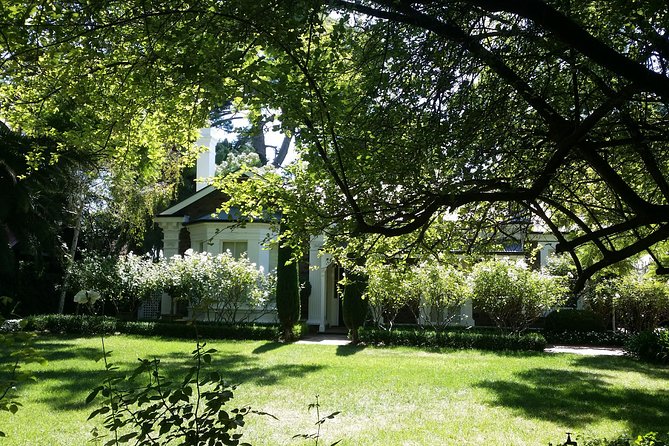
The General Havelock Hotel is another featured site. Hotels and pubs in historic neighborhoods often do double duty: they’re places for food and drink, but they also act like informal gathering hubs.
This is a useful stop for anyone who wants the tour to connect architecture to everyday life. You’re not just learning dates; you’re getting context for why a building like this could become part of local routine.
How to get the most out of this segment: look at the frontage and think about street-level activity. When you tie a building to how people used it, the architecture becomes more than decoration.






Salvation Army Women’s Hostel: learning through social history
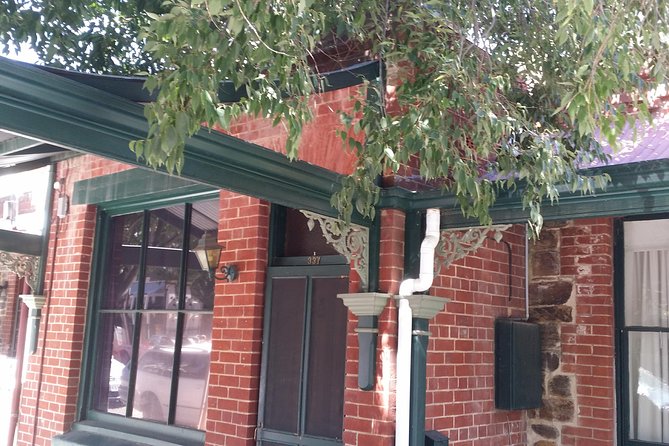
The walk also includes the Salvation Army Women’s Hostel, a stop that shifts the focus toward social history and community support. Even without extra set dressing, this kind of site makes the neighborhood feel less like a sightseeing loop and more like a place that carried real human needs.
This is also a good reminder that heritage isn’t only about grand houses. It can be about institutions that supported people, shaped pathways, and helped communities function.
If you like history that doesn’t live only in museums, you’ll probably appreciate how the tour balances architecture with lived-in purpose.
What the guide actually does (and why reviews love it)
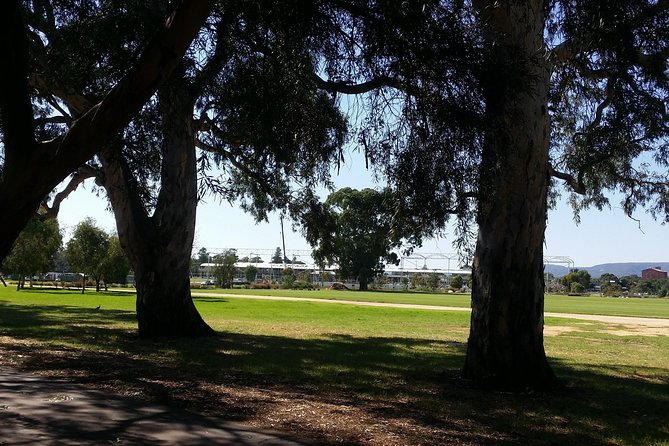
A lot of walking tours say they have great stories. This one gets consistent praise for how the guide delivers those stories: research-backed details, an easy conversation style, and patience with questions.
That last part matters. If you’re the type who asks “Wait, why was that built here?” you’ll likely feel comfortable. The group format also helps, since the tour is kept small rather than turning into a lecture where questions get lost.
Also, it starts on time at 10:00 am. That sounds like a small thing, but on tours it’s a big deal. You’ll spend more time walking and less time hovering around waiting.
How much you’ll actually cover: benefits of a short, focused loop
At roughly 2 hours, the tour is designed to be doable for a lot of people. It fits into a day of sightseeing without eating half your schedule.
That short duration is part of the value. You get an introduction to the East End, plus a handful of named heritage sites, without committing to a full-day program.
The best use of this time is to pair it with an afternoon of exploring the same area. After the walk, you’re already oriented, so your later wandering feels like a choice instead of wandering.
Price and value: $36.93 for a guide + heritage sites
The price is $36.93 per person. On its face, that’s not “cheap,” but it’s also not trying to be a bargain that cuts corners.
Here’s what you’re paying for: a local guide, a structured route around heritage properties, and the context that turns streets into a story. The “Included” list is simple—local guide—and the “Not Included” items (food, drinks, and transport) are exactly what you’d expect for a walking tour.
So the value equation is this: if you like history and you’d rather learn it from a real person than from an app, this fits well. If you only want pretty buildings and zero context, you might feel it’s more than you need.
Weather and walking realities you should plan for
This tour operates in all weather conditions, so you should dress appropriately. Adelaide weather can change quickly, and when you’re walking for about two hours, comfort affects your mood more than you’d think.
Also note the fitness guidance: travelers should have a moderate physical fitness level. That doesn’t mean you need to be a fitness athlete, but it does mean you shouldn’t plan on long stops, slow pacing due to mobility issues, or expecting a totally flat, totally effortless route.
If you’re unsure, consider the “moderate” part carefully. Your best move is wearing shoes that handle city sidewalks well and bringing a light layer.
Who this East End Escapade suits best
This is a great match if you want:
- A good introduction to the East End of Adelaide
- Heritage and architecture explained in human terms
- A tour that’s relaxed enough to ask questions and still enjoy the walk
It also works for “set your day” travelers. You can do this in the morning and then keep exploring immediately afterward—shops, cafes, restaurants, and pubs are all in the same zone.
Where I’d think twice: if you hate walking for extended stretches, or if you want food and drinks included as part of the program. This one is about the guided streets, not a meal tour.
After the tour: keep your feet moving on Hutt Street and the East End
The tour ends back at the meeting point on Hutt Street, which makes it simple to keep going. Because you finish where you started, you don’t have to solve transport or location math right after the walk.
Then it’s just a matter of choosing your next step in the East End: shopping for vintage and designer items, grabbing coffee or lunch at a cafe, or winding down with a drink at a pub.
My advice: don’t rush the next part. Take 10–15 minutes to reset, then go explore while the stories are fresh. You’ll notice details faster when your brain is still in “heritage mode.”
Should you book East End Escapade?
I’d book it if you like guided walking tours that teach you how a neighborhood really works—socially and architecturally. The strongest points are the small-group feel, the guide’s storytelling approach (including how questions get handled), and the practical fit into a day.
Skip it if you want indoor attractions, food included, or a tour that requires minimal walking. Also, if “all weather” is a deal-breaker for you, you’ll have a harder time being comfortable.
Bottom line: for $36.93, you’re buying orientation plus context—an excellent setup for exploring the East End on your own right after.
FAQ
What’s the tour duration?
It runs for about 2 hours.
How much does the Adelaide Walking Tour: East End Escapade cost?
The price is $36.93 per person.
What time does the tour start?
The start time is 10:00 am.
Where does the tour start?
The meeting point is 160 Hutt St, Adelaide SA 5000, Australia.
Where does the tour end?
It ends back at the meeting point.
Is a local guide included?
Yes. A local guide is included.
Does the price include food or drinks?
No. Food and drinks are not included.
Do I need transportation provided by the tour?
No. Hotel pickup and drop-off and transportation to/from attractions are not included.
What fitness level do I need?
You should have a moderate physical fitness level.
Will the tour run in bad weather?
Yes. It operates in all weather conditions, so dress appropriately.
Is there a cancellation option?
You can cancel for a full refund if you cancel up to 24 hours in advance of the experience’s start time.