REVIEW · ADELAIDE
Cultural Caper Adelaide Walking Tour
Book on Viator →Operated by Down to Earth Tours · Bookable on Viator
Two hours on North Terrace, and you get it. This easy-paced Adelaide walking tour gives first-timers a fast orientation of the city, with stops that mix architecture and real people’s stories. I especially liked the way guide Graeme connects facts to everyday life (with light humor and photos that help things stick) and the simple value of free admission at every major stop. One consideration: the route stays short, so if you want maximum time inside just one place, the tight stop lengths—and the mix of buildings plus public monuments—might feel a bit broad.
For me, the best part is that it’s built for your day. It runs about 2 hours, covers a moderate amount of walking along North Terrace, and finishes near the Art Gallery so you can keep exploring on your own. It also operates in all weather, so you’ll want shoes you can trust and a rain plan.
In This Review
- Key things to know before you go
- North Terrace in two hours: the smart way to orient yourself
- Start at Parliament House: where voting rights became real
- Migration Museum: the former Destitute Asylum and hard truths
- State Library of South Australia: 1884 beauty you can walk into
- War Memorial Adelaide: symbols plus the names you can read
- University of Adelaide and Old Government House: civic Adelaide in one glance
- Art Gallery of South Australia finish: how patrons shaped public art
- Pacing, guide style, and what makes the stories stick
- Practical matters: shoes, weather, and keeping expectations realistic
- Value check: why the $36.93 price usually feels fair
- Should you book the Cultural Caper Adelaide Walking Tour?
- FAQ
- How long is the Cultural Caper Adelaide Walking Tour?
- How much walking is involved?
- What is the price per person?
- Are admissions included?
- What does the tour include?
- What are the meeting point and end point?
- Does it run in bad weather?
- Is it suitable for children?
Key things to know before you go
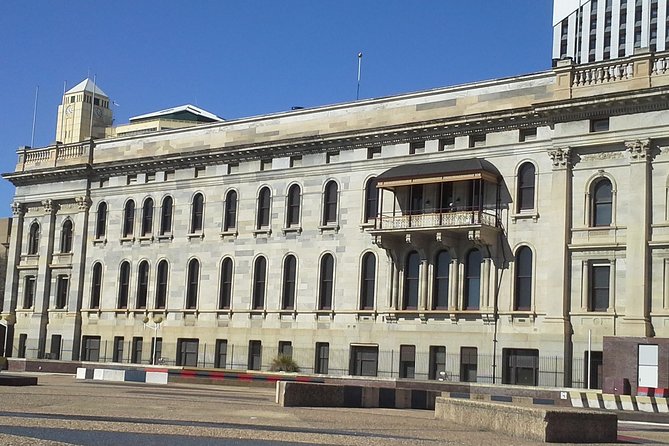
- North Terrace orientation in one smooth loop: You’ll connect the dots between government, learning, war remembrance, and the arts.
- A small group with real conversation: A max group size helps you ask questions and actually talk, not just listen.
- Free entry at the main stops: Several big institutions are covered so you don’t keep hunting for tickets.
- Stories, not just sightseeing: Expect founding-and-changing-minds themes, plus anecdotal details from Adelaide life.
- Designed for beginners: Moderate walking, easy pace, and stops that don’t require marathon stamina.
- Weather-friendly planning: It runs in all conditions, so dress for sun, wind, or rain.
North Terrace in two hours: the smart way to orient yourself
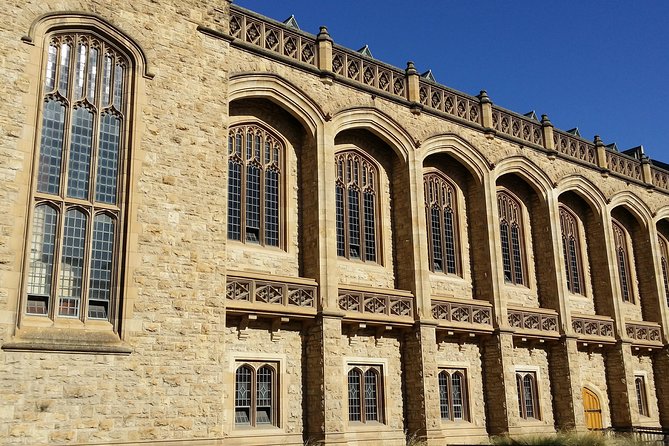
Adelaide can feel a bit “planned” at first glance. North Terrace especially gives you that grand avenue feeling—wide, elegant, and packed with institutions that shape daily life. This tour is a practical way to understand what you’re looking at without spending your whole first day studying a map.
You’ll be moving at an easy pace along a mile-long stretch of key civic buildings. That matters because it keeps the experience from turning into a speed-walk grind. It’s also a good fit if you’re mixing this with other sightseeing later, since it’s only about two hours long and doesn’t demand a full half-day.
The other reason it works is focus. Instead of trying to cover everything in Adelaide, it concentrates on the places that explain the city’s identity: Parliament and voting rights, education and public knowledge, war remembrance, government heritage, and arts support. If you like your travel with context—so you can recognize what you’re seeing—this route is a strong start.
You can also read our reviews of more walking tours in Adelaide


Start at Parliament House: where voting rights became real
The tour starts at Parliament House on North Terrace, so you immediately step into the story of how South Australia governed itself. Even if you’ve only read a few lines about Australian democracy, this stop helps you put faces and milestones to the idea.
What I like here is the angle on women gaining the vote in South Australia. It turns a big stone-and-stone building into something human: progress tied to specific decisions, specific time periods, and specific people. That’s the kind of framing that makes later stops hit harder.
You also get a feel for the city’s layout right away. North Terrace isn’t random. It’s where power, public service, and public life meet. If you’re the kind of traveler who wants your orientation to feel grounded, Parliament House is a smart beginning.
Migration Museum: the former Destitute Asylum and hard truths
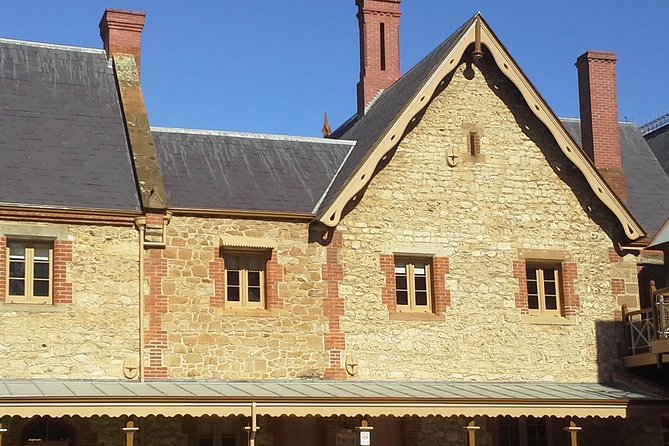
Next you’ll head to the Migration Museum area, where the site connects to a former Destitute Asylum. This stop brings a heavier tone than the government buildings, and that balance is part of what makes the tour worthwhile.
You’ll spend time on the stories tied to the asylum and what it meant in practice. The point isn’t to shock you—it’s to explain how institutions handled migration and vulnerability, and how that history still shapes how people understand identity and belonging.
It’s also one of the best moments for the “you’re not just passing by” feeling. Because the tour is short, you notice what’s presented. And because this topic is emotionally loaded, the guide’s ability to keep things clear (without turning it into a lecture) makes the difference between rushing through and actually absorbing the message.
State Library of South Australia: 1884 beauty you can walk into

The State Library of South Australia is the stop that often turns a quick tour into a “wait, I didn’t expect this” experience. You’ll learn about the role of the State Library and then enter the buildings to explore a space dating from 1884.
Libraries like this matter because they’re not just archives. They reflect what a society decided was worth preserving and sharing with the public. And when a place has a reputation for beauty—this one is described as among the top 20 in the world—your first reaction is usually surprise. You expect a functional building. You get something far more architectural and thoughtful.
I like that the tour doesn’t treat the library as scenery only. You’re given a reason to look closely, so details feel purposeful instead of random. If you’re a bookish traveler, you’ll enjoy this stop extra. If you’re not, you’ll still appreciate how it represents civic pride in stone and layout.
War Memorial Adelaide: symbols plus the names you can read
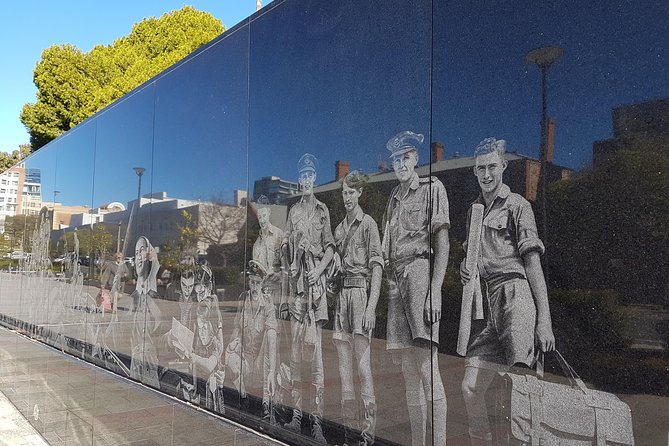
The National War Memorial, Adelaide, is where the tour shifts into remembrance. You’ll spend time outside noticing symbolic reliefs, then you can enter the memorial to view the honour list of South Australian soldiers who died during the Great War.
That combination—symbolism outside, names inside—does something powerful. Outside, you take in the design language and themes. Inside, you meet the scale of loss through individual remembrance. It’s not just “history happened.” It becomes “people were here,” and the memorial keeps it personal.
One practical note: because this stop includes time inside, it’s a great moment to slow down and let the guide’s explanation settle. If you tend to rush through memorials on your own, having a guide point out what to look for makes a real difference.




University of Adelaide and Old Government House: civic Adelaide in one glance
After the memorial, the tour moves into institutions that show Adelaide’s long-term identity: education and governance. The University of Adelaide stop highlights striking architecture and includes a short wander through the grounds, with the point that it’s one of the oldest universities in Australia.
Then you’ll see Old Government House and Garden from the outside gate. Even from outside, it’s described as the oldest continuously used Government House in Australia, and that claim alone changes how you interpret the building’s presence. It’s a reminder that Adelaide’s public life didn’t just start in the modern era—it developed over long stretches of time.
I like this pairing because it reinforces a theme: civic structures aren’t only about today’s politics or today’s classes. They’re institutions that shape generations. You’re seeing the “before and after” of a city in one afternoon.
Art Gallery of South Australia finish: how patrons shaped public art

Your walk ends outside the Art Gallery of South Australia on North Terrace, which feels fitting. The arts stop ties together how public culture gets funded and sustained, including the role of benefactors and philanthropists who donated money to start the institution.
This matters because it keeps the tour from becoming purely about government and war. It adds a softer, human side: creativity, public access to art, and the idea that culture isn’t accidental. Someone decided it was worth investing in.
Since you finish at the Art Gallery, you’re in a great position to keep your day going. If you like to browse galleries, you can continue from there. If you’d rather head elsewhere, you’ll have already learned why this whole North Terrace corridor feels like the city’s core.
Pacing, guide style, and what makes the stories stick

A lot of walking tours either feel too fast or too stiff. This one lands closer to the middle: easy pace, moderate walking, and enough time at each stop to understand what you’re looking at. You’re not sprinting between photo ops.
The guide style is also a big part of the experience. In the best moments, Graeme uses local perspective and anecdotal detail to connect the past to how Adelaide works now. People also mention that his delivery encourages questions and discussion, which is huge if you’re the type of traveler who wants clarity rather than just facts thrown at you.
There’s also a practical storytelling tool: historical photos. Even if you’re only paying half attention at first, those images help you visualize earlier Adelaide. That can turn a street corner into a mental timeline—exactly what you want from a short orientation tour.
The one drawback to consider is balance. The route includes public monuments and artworks alongside major institutions. If you’re hoping for maximum time inside one single building, you may feel the itinerary spreads attention across several themes.
Practical matters: shoes, weather, and keeping expectations realistic
This tour works best if you wear comfortable shoes. It’s not described as a strenuous hike, but it does involve enough walking that you’ll feel it. North Terrace is also open and exposed in places, so plan for sun and wind.
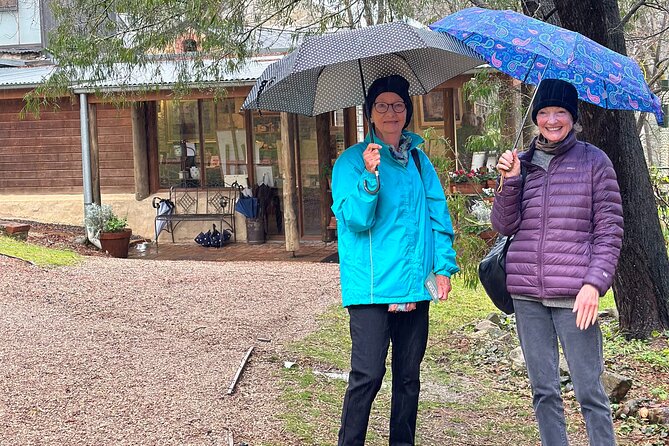
It operates in all weather conditions. That means you should dress appropriately rather than assuming the weather will cooperate. If it’s rainy, you’ll want a jacket you can move in and something that keeps your legs happy.
You’ll use a mobile ticket, and the tour is near public transportation. That combination is useful if you’re juggling other plans in Adelaide and don’t want to add more logistics stress to your day.
Time-wise, the stops are short and designed to keep your momentum. So think of this as city orientation with key anchors, not a replacement for deep museum days.
Value check: why the $36.93 price usually feels fair
At $36.93 per person for about two hours, the price isn’t the cheapest thing in town—but it’s also not high for what you get. The main value is that you’re paying for guided interpretation of multiple major sites in a tight area.
Another big value point: the major admissions on the route are free as part of the tour. That reduces friction, and it usually means you spend your time looking and learning instead of juggling tickets and lines.
If you’re visiting Adelaide for the first time and you want an efficient way to understand North Terrace, this is the kind of booking that pays off later. You’ll recognize building types faster, you’ll know what each institution is for, and your self-guided exploring will feel more confident.
If you already know Adelaide well or you prefer totally independent museum time, you might decide to skip a guided orientation. But for most first-timers, this style of tour feels like a smart investment.
Should you book the Cultural Caper Adelaide Walking Tour?
I’d book it if you want a low-stress introduction to Adelaide’s civic and cultural heart. It’s especially good if you’re balancing a busy itinerary and still want meaningful context—not just photos.
You should reconsider if you dislike walking between several sites, or if you only enjoy very deep time inside museums and don’t want your day split among government, libraries, memorials, education buildings, and art.
If you fit the “first time in Adelaide, want context fast, like a small guided group” profile, this tour is a strong choice. Start with North Terrace, learn how the city thinks, then let the rest of your trip make sense.
FAQ
How long is the Cultural Caper Adelaide Walking Tour?
It runs for about 2 hours.
How much walking is involved?
The tour involves a moderate amount of walking along North Terrace. You should wear comfortable shoes and have a moderate physical fitness level.
What is the price per person?
The price is $36.93 per person.
Are admissions included?
Yes. The tour includes free admission at the stops listed, including the Migration Museum, Parliament House, the State Library of South Australia, the War Memorial, and other included visits on the route.
What does the tour include?
The tour includes a local guide.
What are the meeting point and end point?
You start at Parliament House on North Terrace in Adelaide and finish outside the Art Gallery of South Australia on North Terrace.
Does it run in bad weather?
Yes, it operates in all weather conditions, so you should dress appropriately.
Is it suitable for children?
Children must be accompanied by an adult.