REVIEW · ADELAIDE
Adelaide Walking Tour: Grand Mansions and Sub-Divisions
Book on Viator →Operated by Down to Earth Tours · Bookable on Viator
North Adelaide has a knack for surprises. This easy walking tour pairs grand mansions with the smaller workers cottages around them, and the guide pulls it all together with stories you can actually picture. I love the way the tour connects architecture to real lives, and I also like how the streets feel like a gentle garden walk rather than a museum circuit. One consideration: there’s no hotel pickup, so you’ll want to arrive at the start point on time with a bit of local planning.
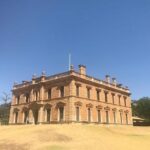
What makes this one worth your time is the focus on the lower North Adelaide “in-between” spaces: public institutions, statues, and monuments, then straight into estates, villas, and terrace-like housing. You get a walkable look at how an affluent residential area formed, while still seeing the everyday housing styles that sat close by. It runs in all weather, so you’ll want shoes that can handle a damp day.
Expect a 2-hour stroll with a small group and a moderate walking pace. The tour is led by a local guide from Down to Earth Tours (you’ll see names like Graeme, Ram, and Bryan mentioned for clear, caring explanations), and the reviews consistently point to a guide who actually talks you through what you’re looking at. If you’re short on time, it’s a good add-on to a city sightseeing day because it’s slow enough to absorb details, but not so long it eats your whole morning.
In This Review
- Key points I’d plan around
- North Adelaide in two hours: why this “mansion plus cottages” mix works
- Price and time: $36.93 and what you get in return
- The route begins at Da Vinci Ristorante, then ends at Brougham Gardens
- Stop-by-stop: from Brougham Place to Lincoln College
- Georgian and Victorian street faces: what to watch for on the walk
- Row houses and the Kentish Arms Hotel: history with neighborhood grit
- German influence and early limestone houses: the side of Adelaide many miss
- The Lion Hotel, St Mary’s Church, and the malthouse story
- Late-1800s terraces, bluestone villas, and the “who lived here” thread
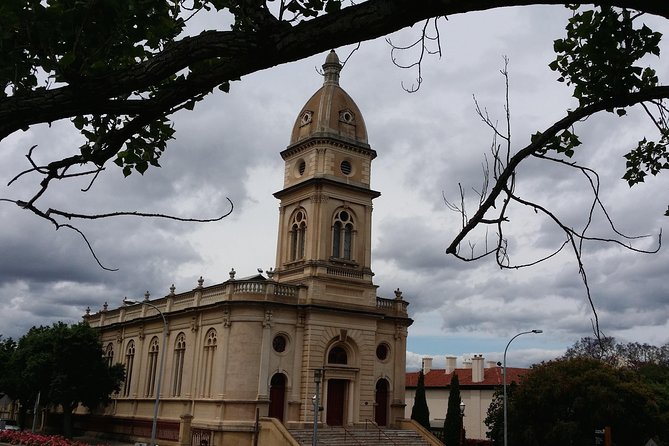
- The former Congregational Church and Lecture Hall: institutions that shaped the neighborhood
- What guides do well here: clear storytelling and a calm pace
- Weather, shoes, and the mobile ticket you’ll use
- Who should book this North Adelaide heritage walk?
- Should you book Adelaide Walking Tour: Grand Mansions and Sub-Divisions?
- FAQ
- How long is the Adelaide Walking Tour: Grand Mansions and Sub-Divisions?
- What does it cost per person?
- Where do I meet and where does the tour end?
- Is hotel pickup or drop-off included?
- Is food or drinks included?
- Do I need to buy tickets for the stops?
- Is the tour suitable for children?
- Does it run in bad weather?
- Can I get a refund if my plans change?
Key points I’d plan around
- Small-group format keeps the pace relaxed and the explanations specific to what you’re seeing.
- Architecture styles on display, from Georgian and Victorian to Federation-era touches.
- Grand homes paired with workers housing, so you get the full neighborhood story, not just the showpiece houses.
- Heritage landmarks across the route, including Lincoln College and the Kentish Arms Hotel area.
- German-influenced cottages help explain Adelaide’s immigrant footprint in a very human way.
- 2 hours on foot, so it’s a good sightseeing bridge between other North Adelaide stops.
North Adelaide in two hours: why this “mansion plus cottages” mix works
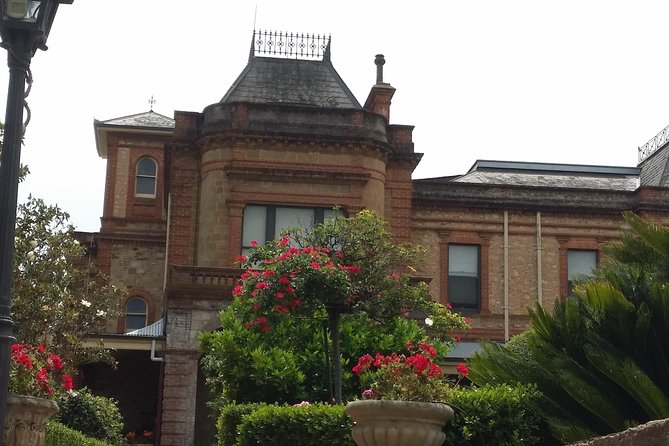
If you only look at the grand buildings, you miss the neighborhood math. This tour’s smart trick is the contrast: big statements in one direction, smaller homes in the next lane, with the guide linking both to the same era of development. In practice, that means you’re not just learning names of buildings; you’re learning how the area functioned.
I like this approach because it matches how real streets tell stories. A mansion is easy to spot, but it’s the row houses, semi-detached cottages, and terrace-style housing nearby that help you understand how wealth and work co-existed on the same blocks. You also get a calm pace, so you can actually notice details like verandas, materials, rooflines, and the simple differences between eras.
The tour also keeps a clear Adelaide focus. You’ll start with a short introduction around Brougham Place and O’Connell Street, then the route moves through a sequence of heritage properties that show how North Adelaide developed as an affluent residential section. That one thread—how the area grew—makes the whole walk feel connected instead of like a random set of pretty stops.
You can also read our reviews of more walking tours in Adelaide


Price and time: $36.93 and what you get in return
At $36.93 per person for about 2 hours, you’re paying for guided interpretation more than entry fees. Every listed stop notes admission as free, so the value comes from the guide’s storytelling and your ability to see a lot of important buildings without doing a self-made route.
Here’s how I’d think about value. If you’re the type who loves architecture or street-level history, a guided walk saves you time because the guide points out what matters: why a building looks the way it does, who likely influenced its place in the neighborhood, and what role it played over time. If you’re more casual, it’s still an easy, pleasant way to learn because you’ll get a running narrative rather than a list of facts.
One practical note: this is booked about 60 days in advance on average, so if you’re traveling in busier periods, I’d treat it like a plan-with-a-buffer activity. It’s capped at a fairly small group size, which is part of why the explanations can stay personal.
The route begins at Da Vinci Ristorante, then ends at Brougham Gardens
You meet at Da Vinci Ristorante, 10 O’Connell St, North Adelaide with a start time of 10:00 am. The tour ends in Brougham Gardens (Park 29) opposite Brougham Place Uniting Church, so it’s set up as a one-way stroll rather than a loop you’ll need to retrace.
The bigger point isn’t just where you stand at the beginning—it’s how the route flows. Because it’s a walking tour of lower North Adelaide, the housing changes gradually as you move, so you’re more likely to spot patterns in materials and styles than if you hopped between far-apart sites.
Also, hotel pickup and drop-off aren’t included. That can actually be a benefit if you like having control of your day, but it does mean you’ll want to get yourself to the starting address without counting on someone else to fetch you.
Stop-by-stop: from Brougham Place to Lincoln College
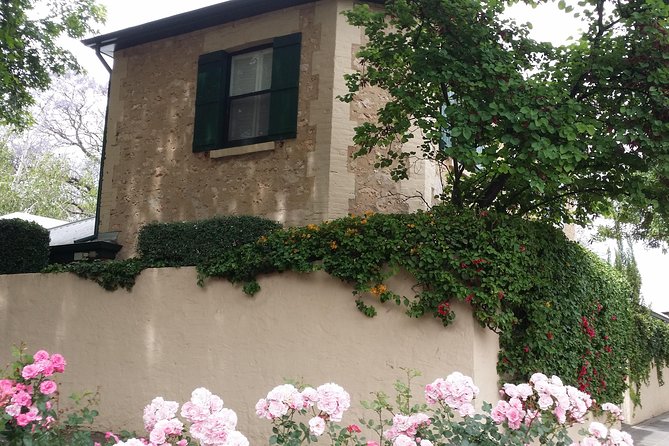
The tour kicks off at the northeast corner of Brougham Place & O’Connell Street. This is a useful setup because the guide gives you the brief history of Adelaide and specifically North Adelaide’s development. You also get the route outline and housekeeping, so you know what kind of pace to expect before you start climbing mentally from one era to the next.
Then you move to Lincoln College, one of the bigger “anchor” points on the walk. You’ll hear about the history of the building and its occupants, plus why it matters in the neighborhood story. It also connects to the University of Adelaide, which helps you place the area beyond just “pretty houses on a map.”
If you like context, this early part is a good start. It’s harder to appreciate architecture when you don’t know what kind of city growth it represents. By the time you reach the residential streets, you’re already primed to think in terms of development and institutions, not only individual facades.
Georgian and Victorian street faces: what to watch for on the walk
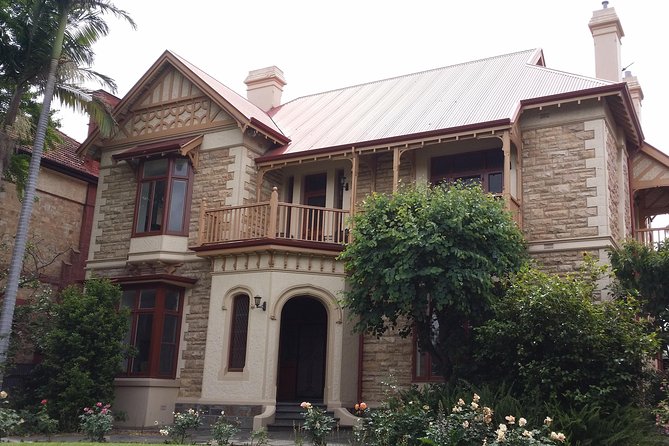
After Lincoln College, the route shifts into clusters of heritage homes where the guide compares how different styles evolved. This is where you start noticing patterns that make the city feel like it has layers.
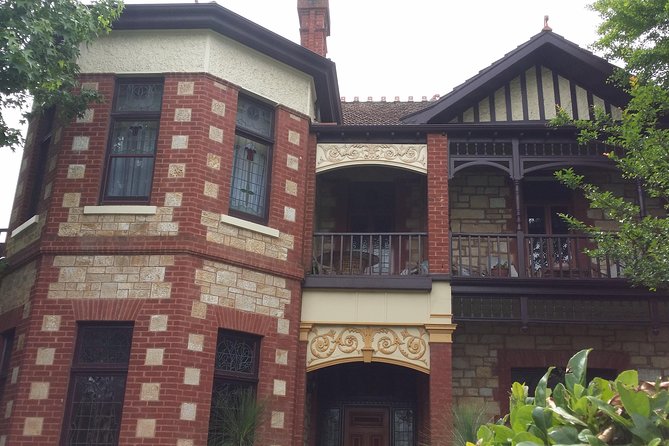
You’ll stop at St Margarets, then Taylor House, then a Federation Style House. Each stop focuses on former use, occupants, architecture, and the story of owners where that info is part of the property’s history. The details matter because architecture here isn’t just decoration; it signals taste, wealth, and the period’s building habits.
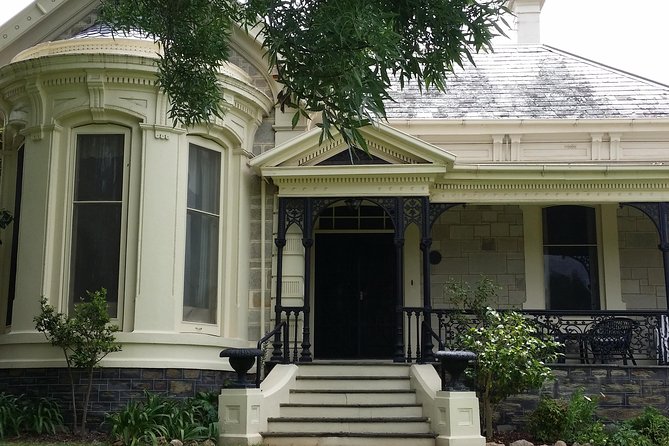
Next comes a Georgian Style House, with notes on early colonial family references, then a Victorian Villa. For the Victorian stop, you’ll hear about iron foundry work and the previous owners and history of the house. That’s one of the most interesting ideas on the tour: Victorian-era Adelaide wasn’t only about stone and brick; it relied on metalwork and manufacturing links that shaped what these homes looked like.
Then the route includes Chichester Gardens Estate. While the exact feature list on that stop is brief, it fits the tour’s overall theme: estate planning and residential design that turned North Adelaide into a desired address. If you’re the type who likes walking and spotting how planning changed over time, this kind of stop helps you keep the big picture.




Row houses and the Kentish Arms Hotel: history with neighborhood grit
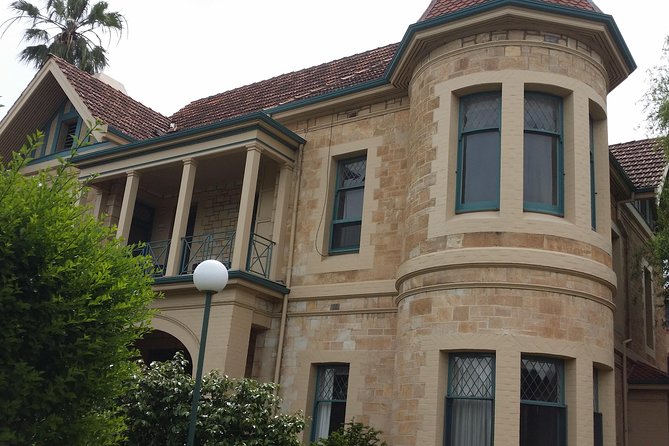
The tour doesn’t get stuck on mansions. It moves into row houses and cottages, then down to the Kentish Arms Hotel area. That’s a key shift because it broadens the story from ownership and design into day-to-day community life.
At the row house stops, you’ll get the history of how they were used. That matters because row housing is a practical solution—dense enough to support a growing area, while still fitting into a residential street character. The guide also points out how cottages were used, which helps you think about housing as a living system rather than a snapshot.
Then the Kentish Arms Hotel is worth a special look. You’ll hear about its history and the connection with cricket, plus previous owners and current use. Even if you’re not a cricket fan, the angle works well because it shows how a neighborhood’s social life leaves marks on buildings. A hotel isn’t only lodging; it’s part of the local schedule.
The tour keeps moving into semi-detached cottage territory, which continues the theme of mixed housing sizes. It’s a reminder that affluent streets often include smaller homes close by, and the guide keeps those connections clear.
German influence and early limestone houses: the side of Adelaide many miss
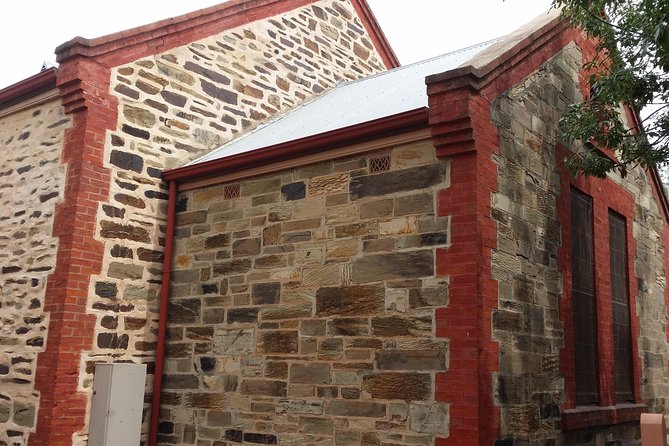
One of the most memorable parts of the route for understanding Adelaide comes from the cottages with German influence. At the relevant stops, you’ll learn about cottages and their German inhabitants, with the guide tying the housing style to who lived there. That’s a powerful way to learn immigration history without turning it into a textbook lecture.
Right after that, you’ll see a two-storey limestone house, described as one of the earliest houses in North Adelaide. Early limestone houses are interesting because they often show the building choices made when the area was still finding its footing. The guide also includes details around a shop with a crest above the doorway and its reference to usage, which helps explain how commercial life fit alongside housing.
If you like to travel by noticing material changes, keep your eyes open for differences in color, texture, and construction. Limestone tells a different story than brick or bluestone, and the guide’s emphasis on these houses helps you connect streetscape to time period.
The Lion Hotel, St Mary’s Church, and the malthouse story
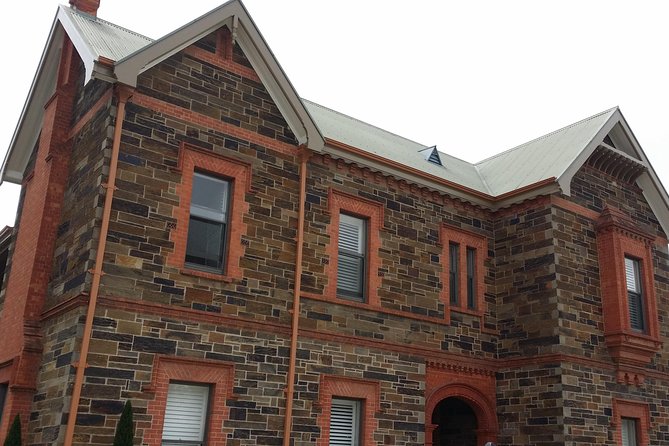
Midway through the walk, you hit the Lion Hotel and Former Malthouse. This stop is loaded with neighborhood development: you’ll hear the history of the hotel and former malthouse, plus how the area evolved and what associated characters meant for its growth. There’s also a note on current usage, which is helpful because it shows how older structures can keep functioning instead of becoming frozen in time.
Then the tour moves to St Mary’s Catholic Church, with a reference to Mary Mackillop. That detail is a quick but meaningful historical touch, since it connects the streets you’re walking to a broader human story. Even with limited time, it gives you a wider Adelaide frame beyond just building architecture.
You’ll also encounter Admaston, where the guide covers history and architecture. This kind of stop helps when you want more than a single house story. It suggests the neighborhood had a collection of properties that each contributed to the area’s identity.
Late-1800s terraces, bluestone villas, and the “who lived here” thread
As the tour continues, you get more Victorian and late-1800s housing types. You’ll stop at semi-detached houses from the 1870s, with attention to the history and what the structures reflect. Then comes a sandstone Victorian residence, where the guide covers history, architecture, and previous occupants.
One of the standout property types on the route is Hylands, noted as a bluestone villa. The tour includes the history and occupants, which is the best combo for understanding a heritage home: not only what it looks like, but who used it and how it sat in the neighborhood system.
You’ll also see mentions of three Victorian villas. Even when a stop description is brief, it signals the tour’s method: keep comparing similar-era buildings side-by-side so you can see how personal choice, location, and building practices shaped what went up.
The takeaway for you is that you don’t just learn one mansion story. You see how variations within the same time period create a recognizable streetscape personality.
The former Congregational Church and Lecture Hall: institutions that shaped the neighborhood
The final portion includes the Former Congregational Church and Lecture Hall. You’ll get the history of the site, what it was used for before, and what it’s used for now.
This kind of closing stop is smart because houses aren’t the only heritage. Churches and lecture spaces often track with the community’s priorities: education, social gatherings, and shared identity. By the end of the walk, you’ve seen how residents built homes, but also how the neighborhood organized itself.
Ending at Brougham Gardens (opposite the Uniting Church at Brougham Place) also makes sense for a natural wind-down. You can pause, check your photos, and plan what comes next in North Adelaide without fighting your way back through the same blocks.
What guides do well here: clear storytelling and a calm pace
Across the guide names that come up—Graeme, Ram, and Bryan—the common theme is clarity and care. People mention guides who explain the history of each mansion and connect it to the streets around it, and that matters because otherwise architecture can blur together.
One review detail that I take seriously: even when someone booked solo, the guide still waited and delivered a personal-feeling tour. That suggests you’re not going to feel lost in a crowd. A small group cap (maximum 15 per booking, with a max of 20 travelers for the activity) also helps keep explanations from turning into a rushed script.
You’ll likely find the pace comfortable, especially because it’s described as easy and suitable for all age groups. You still need moderate physical fitness because it’s a full two hours on foot, but it’s not framed as a strenuous hike.
Weather, shoes, and the mobile ticket you’ll use
This tour runs in all weather conditions, so you’ll dress for whatever Adelaide decides that morning. Think of it as an outdoor history walk: you’ll be standing near buildings, taking your bearings, and moving at a steady walking pace.
You’ll also use a mobile ticket, which is helpful if you’re already juggling phones, maps, and day-trips. Just make sure your battery is charged because you’ll want it accessible when you meet the guide.
Who should book this North Adelaide heritage walk?
I’d book this if you want Adelaide that feels specific. If you like heritage homes, street history, and architecture that you can see with your own eyes, this delivers without forcing a car or complicated planning.
It’s also a good fit if you’re balancing a trip itinerary. It’s short enough to slot into a city day, but long enough to feel like you learned something real. And because you’ll cover both grand residences and smaller cottages, it works for people who don’t want a one-note mansion tour.
If you’re completely indifferent to architecture, you might still enjoy it for the stories and neighborhood contrast. You’d just want to go in expecting a walking conversation, not a deep museum-style experience.
Should you book Adelaide Walking Tour: Grand Mansions and Sub-Divisions?
Yes, if you want a guided walk that treats North Adelaide like a living neighborhood, not a postcard. The best reason to book is the balance: grand homes and workers cottages in the same storyline, plus practical explanations of architecture styles from Georgian and Victorian to Federation.
Book it especially if you’ll be in Adelaide for a few days and want a morning activity that doesn’t depend on ticketed attractions or vehicle transfers. If you’re the type who enjoys hearing how buildings connect to real people—owners, occupants, and the community’s social life—this tour’s route design is built for you.
Skip it only if you strongly prefer inside visits or museum galleries. This is an outdoor streetscape experience, so your fun will come from noticing details and letting the guide’s stories give them meaning.
FAQ
How long is the Adelaide Walking Tour: Grand Mansions and Sub-Divisions?
It runs for about 2 hours.
What does it cost per person?
The price is $36.93 per person.
Where do I meet and where does the tour end?
You start at Da Vinci Ristorante, 10 O’Connell St, North Adelaide SA 5006 and you end at Brougham Gardens (Park 29), North Adelaide, opposite Brougham Place Uniting Church.
Is hotel pickup or drop-off included?
No. Hotel pickup and drop-off are not included.
Is food or drinks included?
No. Food and drinks are not included.
Do I need to buy tickets for the stops?
The listed sites have admission ticket free shown, meaning you do not pay separate entry fees for those stops as part of the experience.
Is the tour suitable for children?
Children must be accompanied by an adult.
Does it run in bad weather?
It operates in all weather conditions, so dress appropriately.
Can I get a refund if my plans change?
Yes. There is free cancellation, and you can cancel up to 24 hours in advance for a full refund.