REVIEW · QUEENSLAND
Airlie Beach: 2-Day Whitsunday Islands Sailing Snorkel Tour
Book on GetYourGuide →Operated by OzSail Whitsunday · Bookable on GetYourGuide
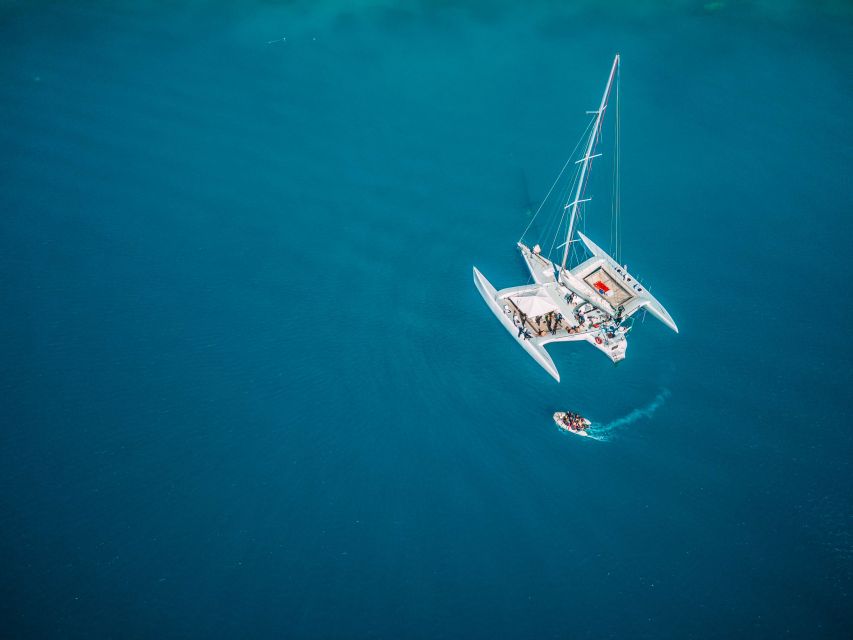
Whitehaven Beach feels unreal from the sea. This 2-day, 2-night Whitsundays sailing snorkel tour on the trimaran Avatar mixes fast sailing, multiple reef stops, and a proper Hill Inlet hike, then caps it off with stargazing and after-dark underwater viewing.
Two things I really like: you get a full day of snorkeling with gear and stinger suits provided, and the reef wildlife odds feel high (turtles, giant clams, tropical fish, and even lemon sharks have shown up on recent trips). I also love that the crew keeps you well-fed with freshly prepared meals (including vegan-friendly options) without making it a fussy, formal thing.
One consideration: sleeping on a boat is hot and tight. Cabins can get humid, and some sleeping spots are more cramped than you might expect, so you’ll want to be flexible about comfort.
In This Review
- Key things to know before you go
- Avatar from Airlie Beach: what makes this Whitsundays sailing tour tick
- Meeting Point C at Coral Sea Marina: start location and quick navigation tips
- Sailing past Hook, Hayman, Border, and Whitsunday Islands: the views you can feel
- Whitehaven Beach and Hill Inlet lookout: silica sands and swirling sand patterns
- Snorkeling the Great Barrier Reef fringe: where you go and what to spot
- After-dark on the Avatar: Milky Way skies and blue-light reef viewing
- Meals, crew energy, and the social rhythm onboard
- Sleeping on a boat: nets, cabins, heat, and how to plan your comfort
- Price and value at $488: what you’re really paying for
- Who this Whitsundays Avatar tour suits best
- Should you book Avatar from Airlie Beach?
- FAQ
- How long is the Airlie Beach 2-Day Whitsunday Islands Sailing Snorkel Tour?
- Where do I meet the crew?
- What’s included in the price?
- What is not included?
- What should I bring?
- Is the tour suitable for people with mobility impairments?
- Does the itinerary change because of weather?
Key things to know before you go
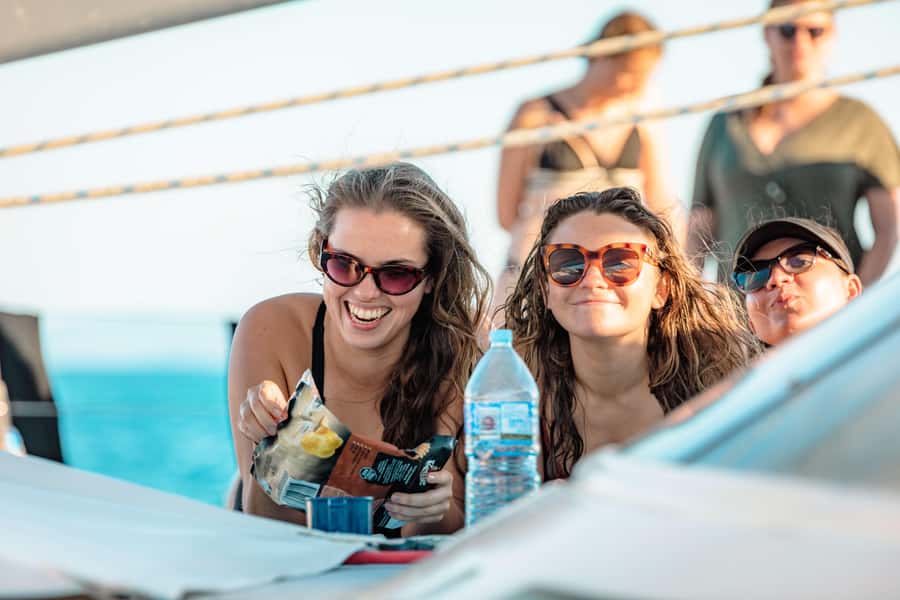
- Avatar is a fast trimaran, so you’ll feel the sailing energy instead of just drifting on a cruise vibe.
- Whitehaven Beach + Hill Inlet are the big land wins: silica sands, lookout views, and a hike you’ll remember.
- Snorkel sites change with conditions, which is exactly how you maximize visibility and wildlife encounters.
- After-dark blue lighting and Milky Way stargazing give you a different side of the Great Barrier Reef.
- Fresh meals matter here, and dietary requirements are handled without turning your trip into a special request.
- Sleep comfort is your main trade-off, with humid cabins and tight bedding setups possible.
Avatar from Airlie Beach: what makes this Whitsundays sailing tour tick
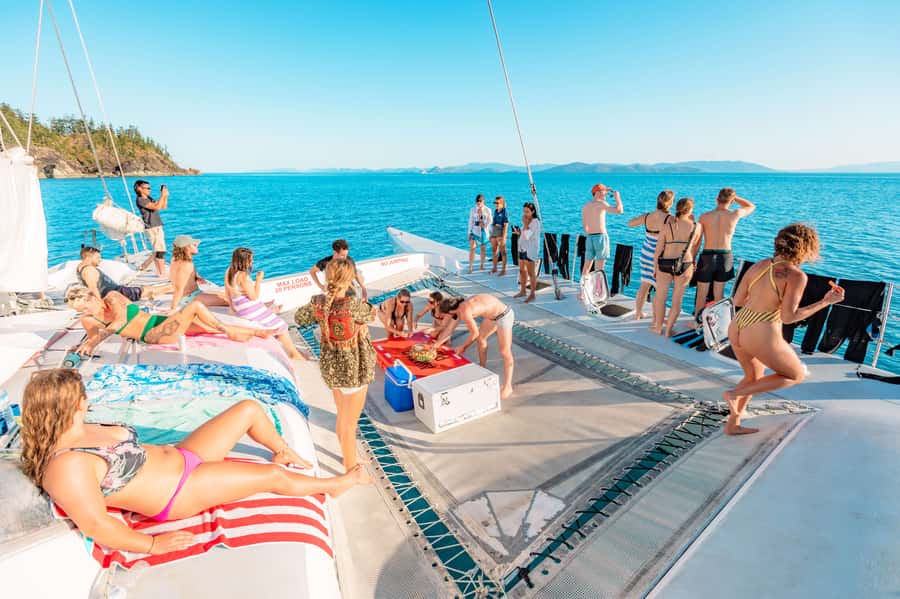
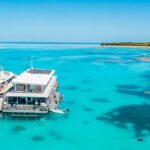
This trip is built around a simple idea: see the Whitsundays like you’re part of the action. The Avatar is a trimaran, and the experience leans into that speed and movement—so expect sails, deck time, and plenty of chances to get out of your seat and do something, even if that something is just grabbing a prime spot on the nets as you glide past islands.
The day-to-day rhythm is also well balanced. You snorkel when conditions are right, you swap between boat time and land time (Whitehaven Beach is a real anchor moment), and you still get the “we’re really out here” feeling at night. On clear nights, star coverage can be spectacular, and there’s enough quiet on deck to appreciate it instead of treating it like a quick photo stop.
The crew is a big reason people rate this so highly. Names that show up again and again include Captain Max, with team members like Hannah, Meg, Carys, Bella, Kayla, Lauren, and others depending on your sailing date. Across trips, the common thread is that they keep it safe, keep it fun, and help you find the good snorkeling spots without turning it into a lecture.
You can also read our reviews of more boat tours in Queensland
Meeting Point C at Coral Sea Marina: start location and quick navigation tips
You meet at Meeting Point C, South Village, Coral Sea Marina in Airlie Beach. This marina was previously known as Abell Point Marina, and the biggest practical tip is orientation: the meeting point is on the right-hand side of the two buildings.
If you’re arriving early, take a minute to confirm you’re at the South Village side and not the North end meeting point. It sounds basic, but on a busy marina, it’s the kind of mistake that can cost you time and raise your stress level before you even step aboard.
You’ll also want to arrive ready to move. This is not a “walk on, sit down, and everything happens later” experience. Between getting briefed, getting your stinger suit fitted, and organizing snorkeling gear, it goes smoother when you’re set before you board.
And one more thing: this tour is not suitable for people with mobility impairments. The boat setup involves moving around, and the layout can be tricky if you have limited mobility.
Sailing past Hook, Hayman, Border, and Whitsunday Islands: the views you can feel
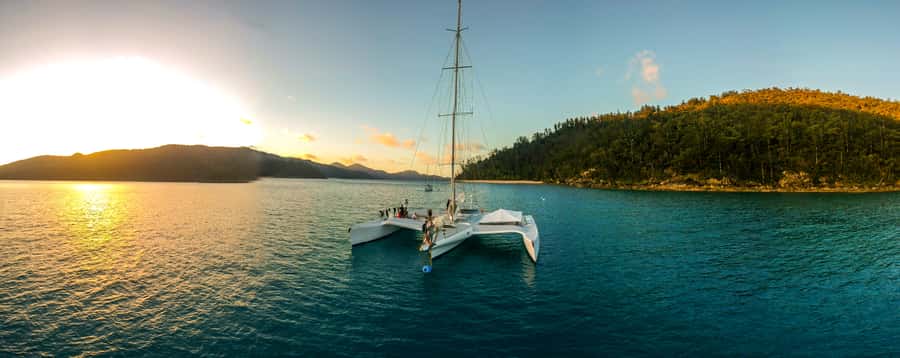
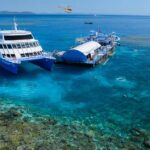
Once you’re moving, the Whitsundays scenery comes in layers. One moment you’re watching turquoise water roll past your side, and the next you’re sailing by island shapes that look almost too crisp to be real. You may pass islands like Hook Island, Hayman Island, Border Island, and Whitsunday Island, and the captain/crew tends to shape the timing and stops around weather and wind.
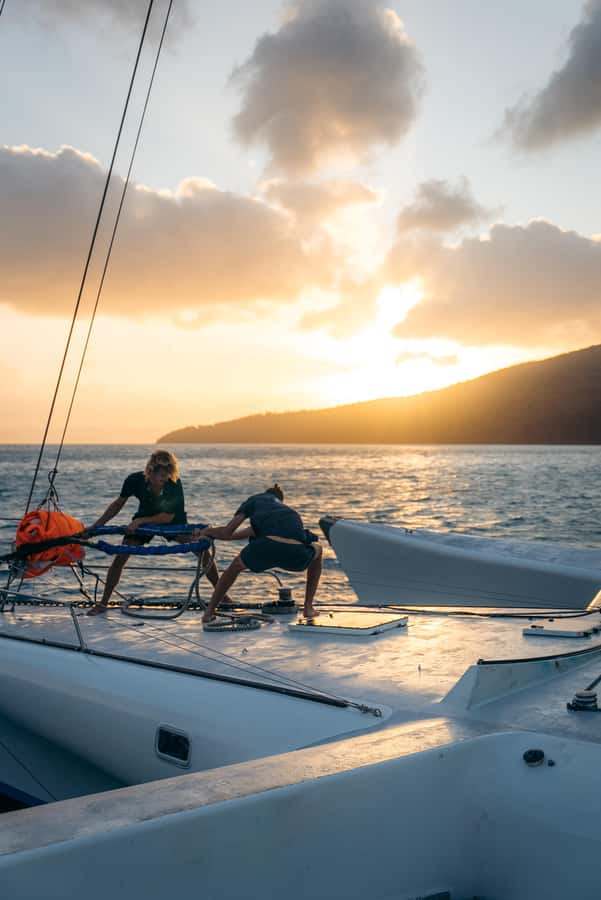
If you like hands-on travel, you can help with tasks like hoisting sails. Even if you don’t, you’ll still feel involved because the boat’s movement is part of the experience—nets, deck space, and open-air views mean you’re always looking out, not staring at a wall.
A heads-up from real-world sailing logic: the sea state can change. One person noted they were nervous about sea sickness but found the water calm once they were anchored. Still, if you’re sensitive to motion, bring your usual remedy. Better to be prepared than to hope your stomach signs off.
Whitehaven Beach and Hill Inlet lookout: silica sands and swirling sand patterns
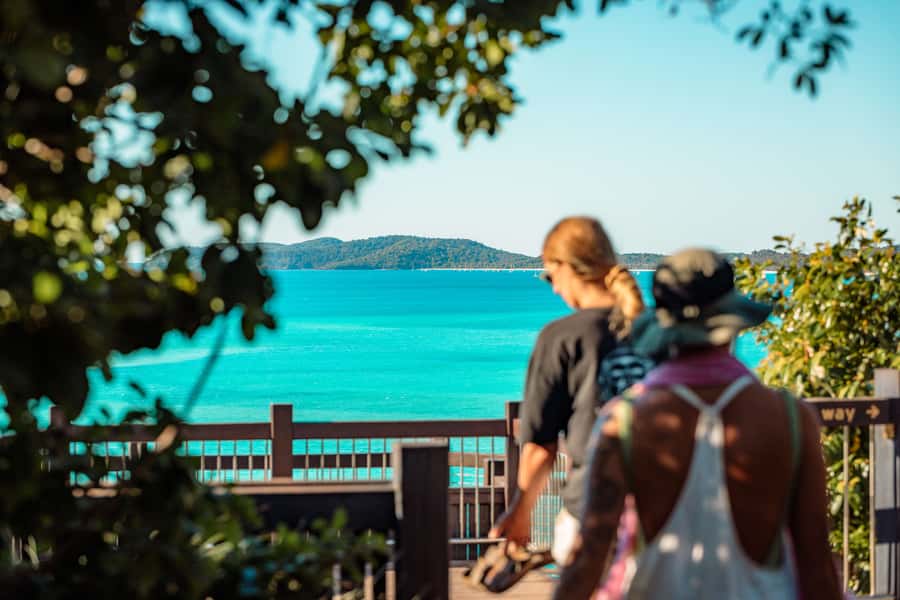
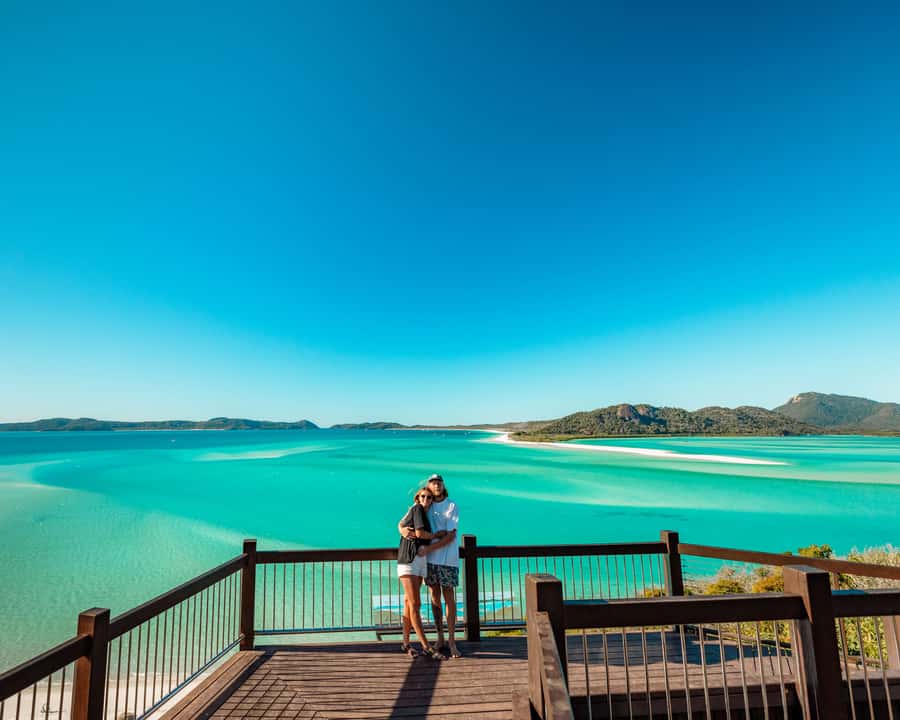
Whitehaven Beach is the star here for a reason. The sand is pure silica, which is why the color looks so bright and clean compared with many tropical beaches. On top of that, Whitehaven is one of the few places in the region where you truly get that postcard feeling of sand-meets-sea-meets-sky—especially when you step off the boat early in the day.
A standout detail you’ll care about: this trip is designed so you can reach Whitehaven around 7am, before lots of other boats arrive. One recent group described having roughly four hours on the beach before the bigger arrival wave. That matters because it changes the vibe from busy-to-touristy into slow-to-enjoy.
Then there’s the Hill Inlet hike to the lookout. You’re going up for the view of swirling sand below, the kind of natural patterning that looks different depending on tide and wind. It’s also a good break from snorkeling—legs get a workout, and you get back to your senses after time in the water.
What I like about this land segment is that it’s not just “walk, take photos, leave.” There’s a real rhythm: beach time, a hike, a view that feels worth the effort, then you’re back on the water.
Potential drawback? This is a beach-and-boat itinerary, not a constant-activity schedule. If you want another big hike or land stop on day one, you might find that the afternoon leans more toward cruising and relaxing than extra walking.
Snorkeling the Great Barrier Reef fringe: where you go and what to spot
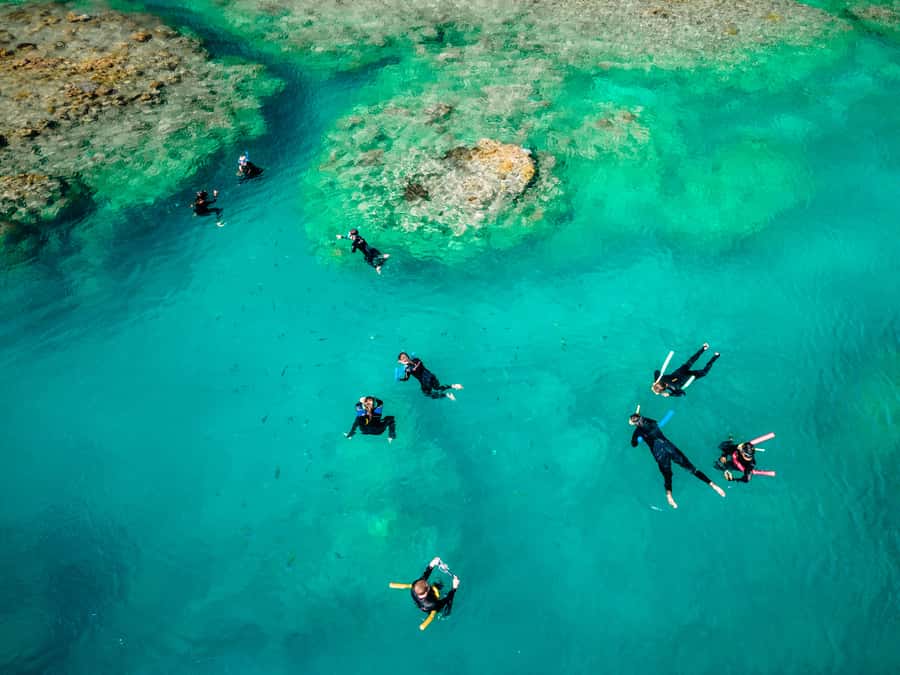
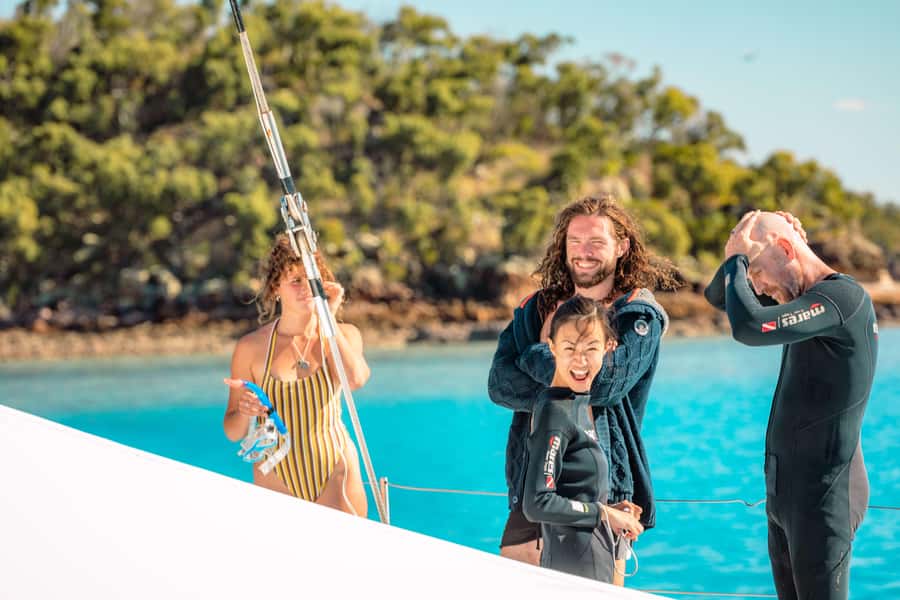
This is a snorkeling-heavy trip, but the smart part is that it’s guided. You’re not just handed gear and told to go find fish. The crew selects snorkeling spots based on wind and weather, and recent routes may include areas like Luncheon Bay, Caves Cove, and Blue Pearl Bay, plus stops near islands such as Hook, Hayman, Border, and Whitsunday.
What you’re looking for (and what the best encounters tend to include):
- Coral gardens close enough to see structure and color clearly
- Giant clams tucked into reef pockets
- Tropical fish cruising through the shallows
- Sea turtles showing up in the right conditions
Because you’re on a sailing vessel, you often get multiple chances throughout the trip, instead of being stuck at one site all day. That improves your odds of seeing something different each stop.
Also, stinger suits are included, which is a practical layer of peace of mind for anyone who isn’t used to reef-side conditions. Just remember to rinse suits and gear when you can, and take your time when entering the water.
One practical note from experience-based feedback: some people found the need for decent physicality helpful because the boat can involve moving around on a catamaran shape. If you’re solid on your feet, it’s fine. If not, you may want to plan to go slowly and ask for help.
And yes, after-dark underwater viewing is part of the plan. The boat’s blue underwater lights can attract marine life, which turns the snorkeling gear into something you think about at night too.
You can also read our reviews of more sailing experiences in Queensland
After-dark on the Avatar: Milky Way skies and blue-light reef viewing
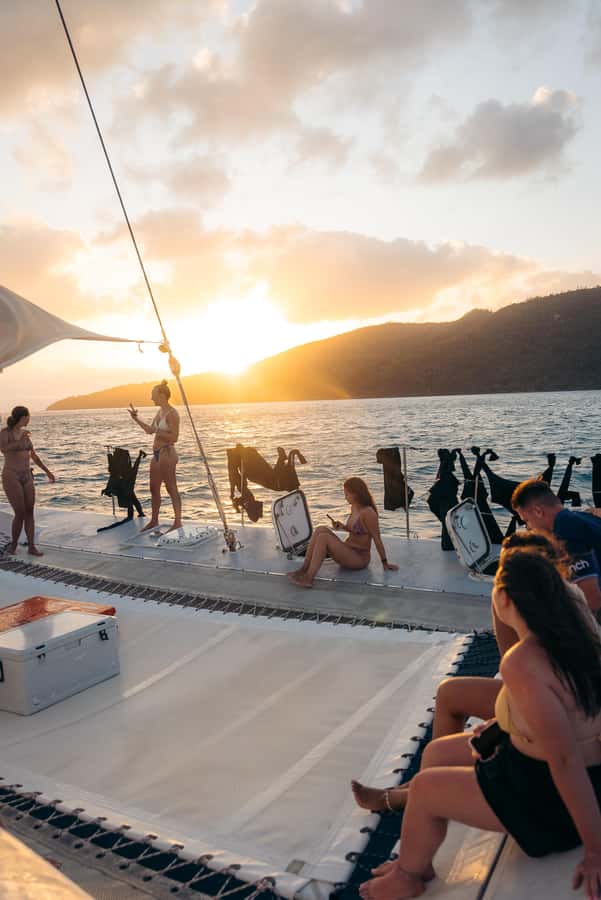
Night is where this tour feels extra special. Above deck, the sky can be loaded with stars—especially because you’re away from city lights. On clear evenings, people talk about seeing the Milky Way stretch across the night sky, and that’s the kind of moment that makes the whole trip feel bigger than a checklist.
Then there’s the underwater side: Avatar uses blue lights underwater to attract marine life. Instead of a standard “look for fish” moment, it becomes a unique nighttime perspective on the reef ecosystem. It’s quiet and different from daytime snorkeling, and it’s one reason people keep calling this a once-in-a-lifetime style trip.
Even if the night isn’t perfectly clear, you’ll still have that feeling of being out on the water after the day’s activities. One person also mentioned being able to sleep outside between the stars, with waves gently lapping the hull. That’s not something you’d expect on a typical day cruise.
The real takeaway for you: night on the water isn’t just an add-on here. It’s an actual feature of the experience.
Meals, crew energy, and the social rhythm onboard
Food is one of the most repeated wins. Meals are included, and they’re not treated like simple fuel. Recent descriptions include homemade bread, dips and crackers, salads, and main meals such as spaghetti bolognese, beef tacos, and fresh meats, with plenty of variety across the two days.
Dietary requirements are catered for, including vegan options that surprised people who were worried ahead of time. That matters because on tours like this, food can easily become a “we’ll try” situation. Here, it seems like the crew is set up to handle it.
And then there’s the crew vibe. Names that came up positively include Ned, Hannah, Meg, and a captain named Max on several sailings. What stands out isn’t just friendliness, but the way the crew pulls you into the trip—helpful guidance for snorkeling, little moments that make people laugh, and practical problem-solving. One group noted the crew made tarp shelters when rain hit during the nights, which is exactly the kind of behind-the-scenes competence you hope for on the water.
One more social note: the atmosphere isn’t only “party boat.” It can be lively in the evenings, but there’s also real deck space to chill. If you want a mix of meet-new-people energy and breathing room, this tends to deliver.
Sleeping on a boat: nets, cabins, heat, and how to plan your comfort
Let’s talk comfort, because this is the main drawback people flag. Boat cabins can get hot and humid, and ventilation may be limited. Some sleeping setups are described as tight pods or hatches, and if you’re claustrophobic, you may want to think carefully before booking.
The good news: there are alternatives. Some people mentioned sleeping on the hard nets under the sky if cabins feel too warm. That’s not glamorous, but it’s also part of why the night sky can feel so close.
There’s also a practical shower reality. One person reported a shower time of about one minute per person per day. So plan for quick rinse energy, not spa energy.
If you want to reduce misery:
- Bring a lightweight dry towel that dries fast.
- Consider what you’ll wear for sleep in humid conditions.
- Pack a small plan for a warm cabin (a fan would be nice, but you’ll have to use what’s practical for you).
In short: if you’re okay with “adventure sleep,” you’ll likely love it. If you need hotel-level comfort, you might feel annoyed.
Price and value at $488: what you’re really paying for
At $488 per person, the big question is value. What makes it feel reasonable is that the tour includes the essentials that normally cost you extra on separate day trips: meals, snorkeling gear, stinger suits, and a guide, across a full 2-day/2-night sailing format.
You’re also paying for access and time in multiple environments: sailing between islands, a major beach visit at Whitehaven, a Hill Inlet hike, and repeated snorkeling opportunities chosen by the crew based on conditions. Add in the after-dark blue-light reef viewing and the starry night element, and it becomes more than just a beach-and-water day.
What’s not included is straightforward: alcohol and snacks like chips, chocolate, and soft drinks. So if you drink heavily or snack constantly, you’ll want to budget that yourself.
One more “value” detail that matters: the trip is weather-dependent and may adjust routes or return timing. That doesn’t reduce value, but it does mean you’re buying flexibility, not an exact second-by-second script.
Who this Whitsundays Avatar tour suits best
This tour fits best if you want:
- A sailing-first experience, not just a static cruise
- Real snorkeling time with guided support and safety gear
- A chance to hit Whitehaven Beach early
- Night skies that you don’t get back home
It may not be the best fit if you:
- Need lots of private space or quiet, hotel-like comfort
- Have limited mobility (the tour is not suitable for mobility impairments)
- Expect indoor comfort during rain (deck cover needs can affect comfort, and some people mention indoor space feels limited when weather worsens)
If you’re traveling as a couple, you might appreciate the chance to have your own cabin/room depending on availability. If you’re solo, the boat-style sleeping setup can be a mixed experience, so read your comfort limits carefully and be ready to adapt.
Should you book Avatar from Airlie Beach?
If you want the Whitsundays with a mix of reef wildlife, Whitehaven Beach, and nighttime magic, I think this is a smart pick. The early Whitehaven timing, the guided snorkeling with stinger suits, and the way the crew turns sailing into something active are the kind of ingredients that make the $488 price start to feel fair.
Book it if you can handle warm, tight sleeping and you’re comfortable with an adventure style day plan. Skip it if you expect luxury cabins, long showers, and a fully packed itinerary with zero downtime.
Either way, do yourself a favor: pack for sun and humidity, bring your towel, and arrive ready to jump into the rhythm. This is one of those trips where the whole point is being out there—on the water—when the Whitsundays are at their most stunning.
FAQ
How long is the Airlie Beach 2-Day Whitsunday Islands Sailing Snorkel Tour?
The duration is listed as 60 hours, and the tour is estimated to return between 8:00 AM and 9:00 AM on the final day, though times can vary due to weather, tides, and tendering logistics.
Where do I meet the crew?
Meet at Meeting Point C, South Village, in Coral Sea Marina. It’s on the right-hand side of the two buildings. (Coral Sea Marina was previously known as Abell Point Marina.)
What’s included in the price?
Meals, snorkeling gear, stinger suits, and a guide are included.
What is not included?
Alcohol and snacks (like chips, chocolate, and soft drinks) are not included.
What should I bring?
Bring swimwear, a towel, and weather-appropriate clothing.
Is the tour suitable for people with mobility impairments?
No. The tour is listed as not suitable for people with mobility impairments.
Does the itinerary change because of weather?
Yes. Departures and itineraries are subject to weather and may be changed or canceled. The operator may also substitute vessels without notice.