REVIEW · AIRLIE BEACH
Airlie Beach: Tandem Skydiving Experience with Beach Landing
Book on GetYourGuide →Operated by SKYONE · Bookable on GetYourGuide
A plane jump can still feel well run. From Airlie Beach, you’ll fly up over the Whitsunday Islands for serious freefall, then finish with a guaranteed beach landing and that classic big-sky view. It’s a straight, no-nonsense activity that’s built for first-timers and fast-moving days.
What I like most is how this package blends big adrenaline with real structure. You get a full safety briefing and training before you go near the edge, and you’ll jump tandem with a professional instructor who stays calm while you do the scary part. Reviews name instructors like Brent, Andrew, David, Ben, Dave, Phil, Bayley, Tony, and Scott, and the common thread is reassurance.
The main thing to plan around is timing: the shuttle return time isn’t guaranteed. The activity typically runs about 3 to 4 hours, but weather can change schedules, so keep your day open.
In This Review
- Key things that make this Airlie Beach tandem jump worth it
- Getting from Airlie Beach to take-off: Wisdom Cafe to the runway
- The safety briefing: how you go from nervous to ready
- The flight and the big moment: up to 15,000 feet and out the door
- Freefall and parachute glide: what your senses will actually do
- Why the beach landing feels like the right finish
- Views over the Whitsundays: what you’ll notice once the door closes
- Price and value: what $247 buys (and what costs extra)
- What to bring, what to avoid, and who should skip this jump
- Should you book this tandem sky activity in Airlie Beach?
- FAQ
- Where is the meeting point in Airlie Beach?
- How long does the experience take?
- Is there a guaranteed beach landing?
- What are the age and health limits?
- What’s the weight surcharge policy?
- Are photos and videos included?
- What should I wear and bring?
Key things that make this Airlie Beach tandem jump worth it
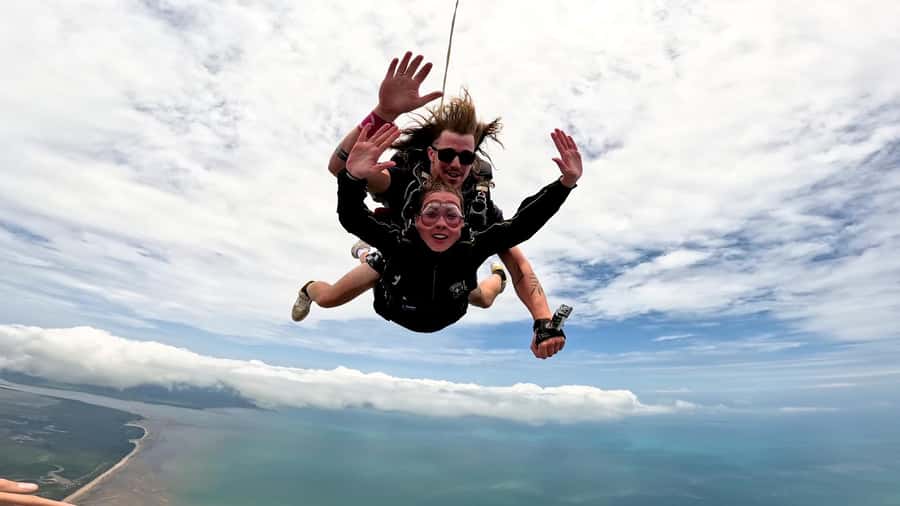
- Guaranteed beach landing that turns the last moments into an easier, grounded finish
- Up to 15,000 feet with speeds over 220 km/h during your freefall
- Up to 60 seconds of freefall, then a 5 to 7 minute parachute glide with time to take it all in
- Great Barrier Reef and Whitsunday views from above, the big reason people do this in this part of Queensland
- Chance to control the parachute, not just a sit-and-wait experience
- Round-trip shuttle from Airlie Beach (meet outside Wisdom Cafe) for less hassle on the day
Getting from Airlie Beach to take-off: Wisdom Cafe to the runway
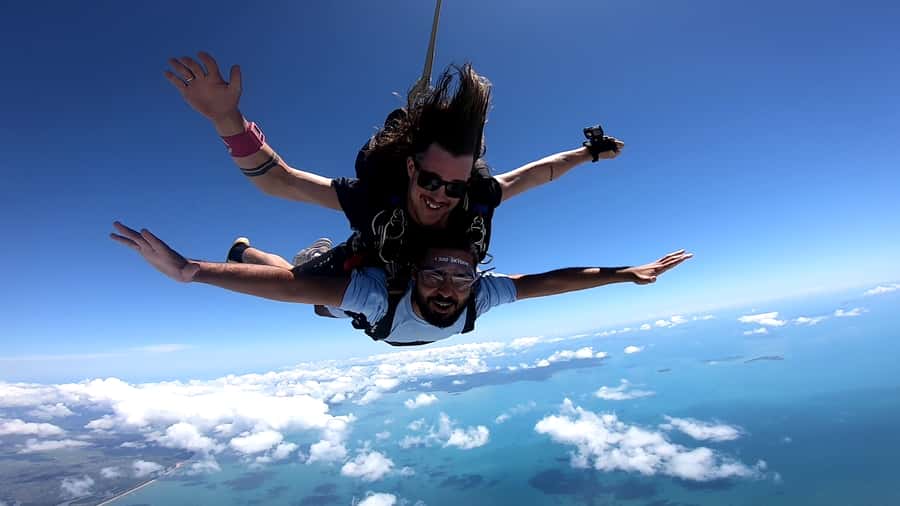
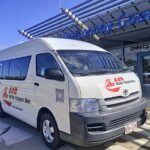
Your day starts at the meeting point outside Wisdom Cafe. From there, you board a shuttle bus that takes you to the take-off location. This matters more than it sounds. In Airlie Beach, where you might be staying a few streets away from where the action happens, the transfer removes the pressure of figuring out transport on a tight adrenaline schedule.
Once you’re on the move, think of this as a “start slow” phase. You’re not rushing toward the plane yet—you’re getting set up, checked in, and moved into position. In multiple reviews, people describe the process as organized and prompt from check-in to boarding, with the crew helping keep the mood light while you wait.
Expect that the shuttle is part of the value here. It’s included round-trip, which means you’re not adding extra costs or time for taxis or rideshare at either end. The one caveat I’d keep top of mind is the return timing: the provider says return times are not guaranteed, even though the total experience duration is generally around 3 to 4 hours.
You can also read our reviews of more tours and experiences in Airlie Beach.
The safety briefing: how you go from nervous to ready
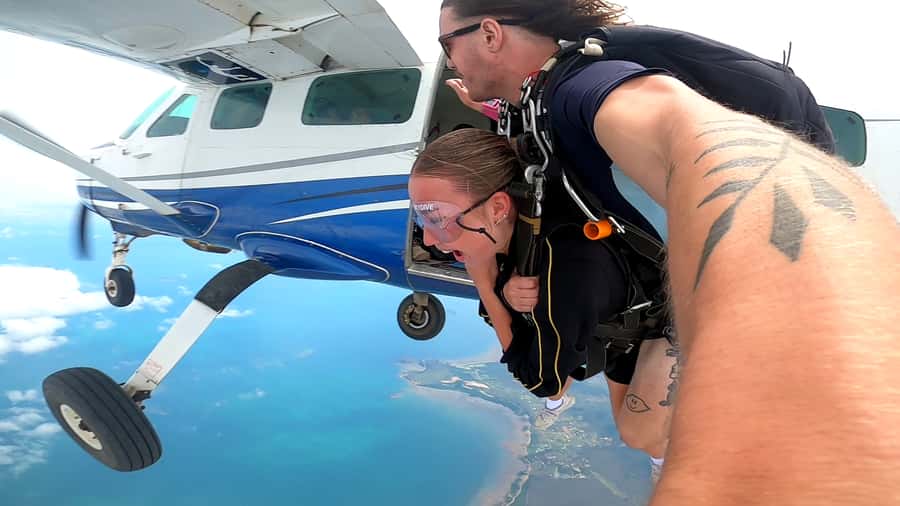
Before you head up into the sky, you’ll receive a full safety briefing and instructions. If you’re the type who gets stuck on fear—especially fear of heights—this is where the experience earns trust. The goal of the briefing isn’t to scare you less. It’s to make what you’re about to do feel predictable.
I’d also pay attention to the fact that the jump is tandem. That means your instructor is the one executing the procedures while you focus on following cues. Reviews repeatedly highlight instructors as calm and reassuring, especially names like Brent and Ben for first-timer confidence, and Phil for extra experience and steadiness. One review even notes an instructor’s huge jump count, which is the kind of detail that signals you’re in capable hands.
The experience includes full instruction and training, and you’ll also get a certificate of achievement afterward. That little paper may sound minor, but it’s a tangible way to mark the fact you completed something that many people only talk about.
The flight and the big moment: up to 15,000 feet and out the door
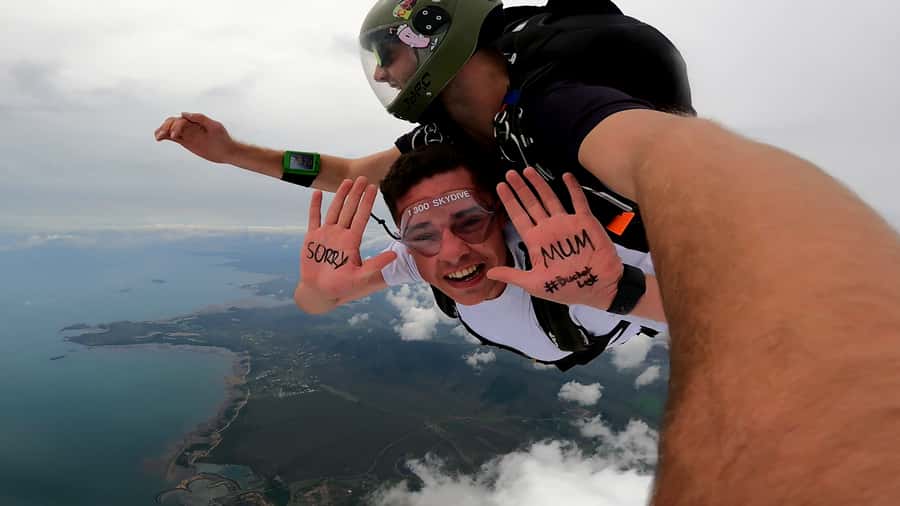
You’ll jump from a height of up to 15,000 feet. Once you’re in the plane, there’s usually a build-up phase—standing at the door, feeling the wind, and waiting for your moment. Reviews describe that the doorway waiting can feel scary, even for people who are excited, but the instructors are positioned right behind you and keep the process controlled.
Here’s what makes the jump itself so clear-cut:
- You’ll reach speeds over 220 km/h during freefall
- You’ll have up to 60 seconds of freefall
- Then you’ll open your parachute and glide for 5 to 7 minutes
That sequence is a big part of the “worth it” feeling. Freefall is the peak adrenaline moment. The parachute phase is when you switch from panic mode to visual mode. If you’re nervous at the start, remember that a lot of people say the fear shifts quickly once the instructor and routine take over.
Freefall and parachute glide: what your senses will actually do
During freefall, you’ll feel the wind rush against your face as you accelerate. The description is simple, but the experience is intense—because you go from sitting to speed in seconds. Tandem jump makes this easier to manage, because you’re not doing the technical side. You’re reacting, breathing, listening, and following directions.
Then comes the parachute opening. In the glide phase, you’ll have time to look around. The activity is built around the views: you can marvel at the Great Barrier Reef and the Whitsunday Islands from above. That aerial perspective is hard to replicate from any boat tour, because you get a wide “whole picture” view at once—water color changes, island shapes, coastline edges. Even if you’ve seen photos, being above it changes your sense of scale.
One detail I’d call out: you get an opportunity to control the parachute. Not everyone does. When you’re given a bit of input, the glide stops feeling like a passive ride and starts feeling like a guided experience with you participating. You still do what the instructor cues, but it adds a layer of ownership.
Why the beach landing feels like the right finish
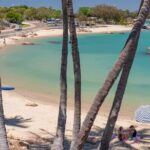
A big selling point here is the guaranteed beach landing. That’s not just a marketing line. Finishing on sand changes the vibe from “anything could happen” to “the ride ends in a specific, visible place.” It’s also easier to picture and anticipate as you approach the end of the glide.
Beach landings can feel more comfortable psychologically, especially if you’re more afraid of the jump than the landing itself. The glide ends with the runway moment—legs, brace, and then you’re done. Reviews frequently call out that the beach landing is a nice addition to the main attraction, giving the whole day a clear start, peak, and finish.
After you land, your adventure wraps up and you’ll have the included return transfer to Airlie Beach. Again, the provider notes return timing isn’t guaranteed, so you’ll want to treat your day like a flexible block, not a schedule with hard deadlines.
Views over the Whitsundays: what you’ll notice once the door closes
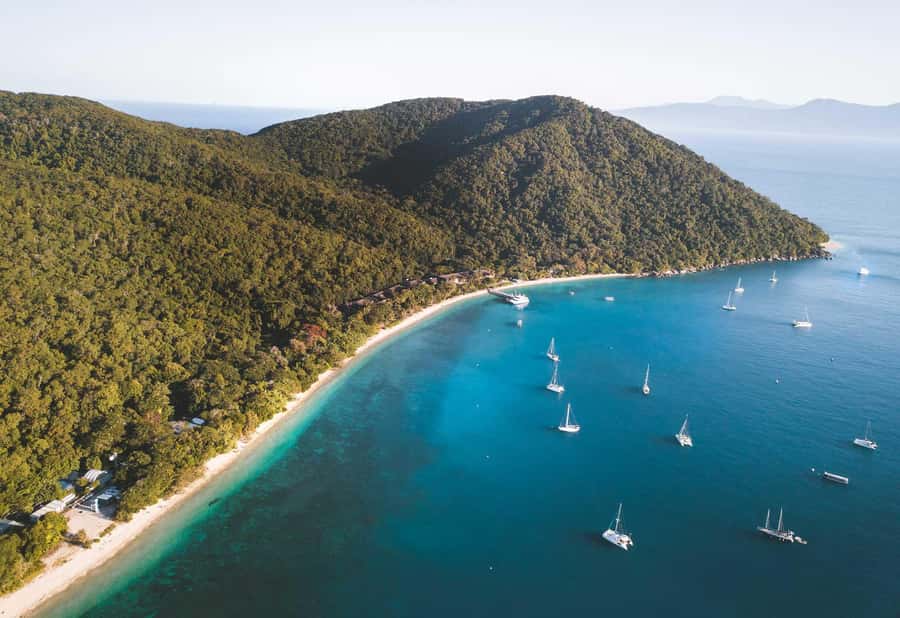
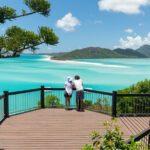
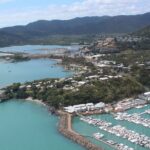
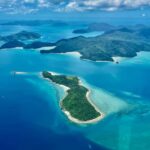
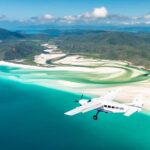
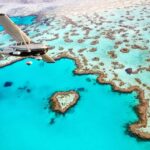
If you pick this activity in Airlie Beach, you’re buying more than adrenaline. You’re buying a specific view: the Whitsunday Islands and the Great Barrier Reef seen from above.
From the plane, these islands are a patchwork pattern—then in freefall you don’t have time to interpret. The real “aha” happens under canopy, during the 5 to 7 minute glide. That’s when your brain catches up and you start connecting what you see to the geography you’ve heard about: coastlines, island clusters, and the water’s color shift.
I also like that this experience gives you both sensations in one ticket:
- A fast, loud rush in freefall
- A slower, clearer view time under parachute
So if you’re someone who worries you’ll only feel fear, this structure gives you a chance to switch to wonder before the day ends.
Price and value: what $247 buys (and what costs extra)
At $247 per person for a 4-hour experience, you’re paying for a lot of “real-world costs”: aircraft use, certified tandem instruction, safety gear, and a guided process built around flying from up to 15,000 feet.
What’s included helps justify the number:
- Round-trip transportation
- Full instruction and training
- Tandem skydive from up to 15,000 feet
- Up to 60 seconds of freefall over 220 km/h
- Beach landing
- Chance to control the parachute
- Australian Parachute Federation membership (3 months)
- Certificate of achievement
Photo and video are the big extra. They are not included. Reviews suggest video/photo packages can be pricey—one person mentioned AU$190 for a video package, while another described spending about AU$310 AU each for video/photo add-ons. That doesn’t mean you should skip them. It just means you should decide in advance whether you want a souvenir you can share immediately with friends and family, or if you’re happy with your memory alone.
If you’re cost-conscious, the base price covers the core experience. If you’re souvenir-minded, plan for the possibility that you’ll upgrade—because once you’re up there, it’s tempting to want the full record.
What to bring, what to avoid, and who should skip this jump
You’ll get the best day with simple prep. Bring comfortable clothes and closed-toe shoes. Leave jewelry at home. High-heeled shoes, sandals, and flip flops are not allowed. Also, alcohol and drugs are not allowed.
There are clear limits on who should book:
- Not suitable for children under 16
- Not suitable for pregnant women
- Not suitable for people over 254 lbs (115 kg)
- Weight surcharges apply for participants weighing more than 95 kg
There’s also a guardian rule: if you’re under 18, you need consent from a guardian.
These restrictions matter because skydiving isn’t just “fun”—it’s physics plus safety gear fit plus instructor control. If you’re in the margins, check the weight surcharge details carefully so you’re not surprised on the day.
Should you book this tandem sky activity in Airlie Beach?
Book it if you want a first-time-friendly tandem jump with a clear structure: a real safety briefing, an instructor-led freefall, a glide long enough to enjoy the views, and a guaranteed beach landing to close the loop. The included shuttle from outside Wisdom Cafe is also a practical win because it reduces day-of stress.
Skip or choose another option if timing matters. The shuttle return time isn’t guaranteed, so don’t schedule this right before a hard reservation or tight departure. Also, if you’re outside the stated age/weight/pregnancy limits, you’ll want to plan a different Whitsundays activity that fits your needs.
If you’re deciding between this and an activity that only offers a boat view, I’d lean toward this jump for the unique perspective. You’re not just seeing the islands—you’re seeing them from the sky, with speed and time to look during the canopy glide.
FAQ
Where is the meeting point in Airlie Beach?
You meet outside Wisdom Cafe.
How long does the experience take?
The duration is listed as 4 hours.
Is there a guaranteed beach landing?
Yes. The experience includes a guaranteed beach landing.
What are the age and health limits?
It isn’t suitable for children under 16 or for pregnant women. People over 254 lbs (115 kg) should not book. Under 18 requires consent of a guardian.
What’s the weight surcharge policy?
Weight surcharges apply for participants weighing more than 95 kg.
Are photos and videos included?
No. Video and photo packages are available to purchase, but they are not included.
What should I wear and bring?
Bring comfortable clothes and closed-toe shoes. Avoid high-heeled shoes, sandals or flip flops, and leave jewelry at home. Alcohol and drugs are not allowed.