REVIEW · ALBANY AUSTRALIA
Albany: National Anzac Centre Entry Ticket
Book on GetYourGuide →Operated by National Anzac Centre · Bookable on GetYourGuide
Wartime becomes personal at Albany’s Anzac Centre. You can assume a WW1 service identity and follow that person’s path, and I love the way the museum pairs interactive displays with a real place to explore. One consideration: this is heavy subject matter, so it’s not ideal for children 7 and under.
Set in the Princess Royal Fortress, the National Anzac Centre is designed so you don’t just read about the Anzac story—you work through it on your own schedule, using multimedia and audio alongside poignant artifacts and rare images. You’ll also have a chance to trace service connections using Australia’s National Archives system and leave a message at the interactive tribute wall.
Albany is also where history starts to feel immediate. On 1 November 1914, the first Australian and New Zealand convoy departed for the First World War from King George Sound, Albany—many of those soldiers’ last sight of Australian soil. Plan on at least 2 hours so you can see the key story beats without rushing.
In This Review
- Key highlights before you go
- Entering the Princess Royal Fortress and Starting Your Anzac Story
- Following a Real WW1 Identity: Recruitment to Final Fate
- Tracing Family Service Records Through Australia’s National Archives
- The Tribute Wall and the Pool of Reflections
- Getting Outside: The Free Guided Tour of the Princess Royal Forts
- The First Documented Anzac Day Dawn Service Site in Albany
- Price and Value: Is the $17 Ticket Worth Your Time?
- Timing, Hours, and How to Plan a Calm 2+ Hour Visit
- Who This Experience Suits Best in Albany
- Practical Notes That Make the Day Easier
- Should You Book the Albany National Anzac Centre Ticket?
- FAQ
- How long should I plan to spend at the National Anzac Centre?
- What does the ticket include?
- Is there a guided tour included?
- What is the opening time and last entry?
- Can I leave and come back the same day?
- Is it suitable for children?
- Where should I park and go?
- What should I bring and what is not allowed?
Key highlights before you go

- Assume one of 32 real service identities and follow that person from recruitment to post-war life
- A tribute wall where you add your own message to the fallen
- National Archives family service record tracing that connects names to stories
- Pool of Reflections reveal showing the servicemen and women who left Albany in the first and second convoys
- Free guided tour of the Princess Royal Forts to link museum stories to the fort complex
- See the location tied to Australia’s first documented Anzac Day Dawn Service
Entering the Princess Royal Fortress and Starting Your Anzac Story
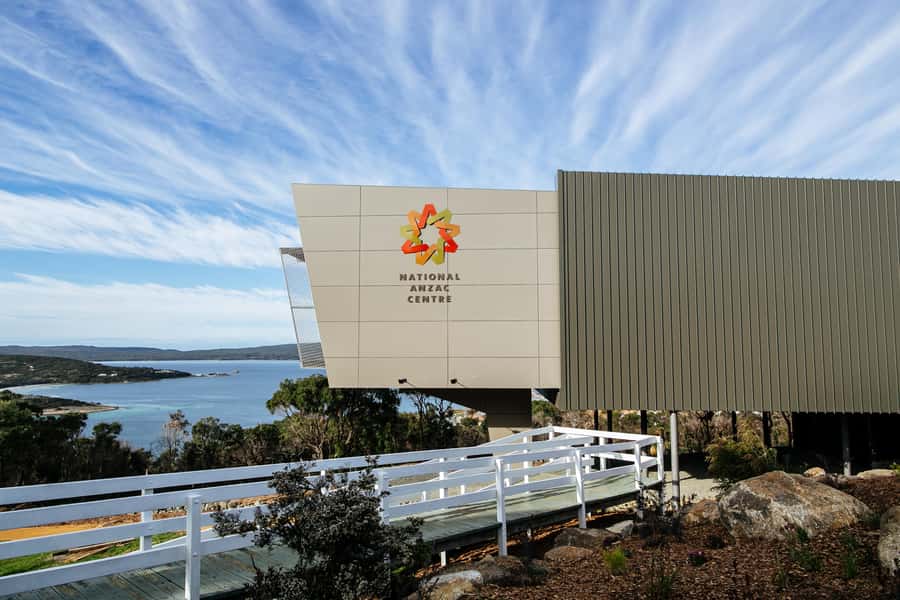
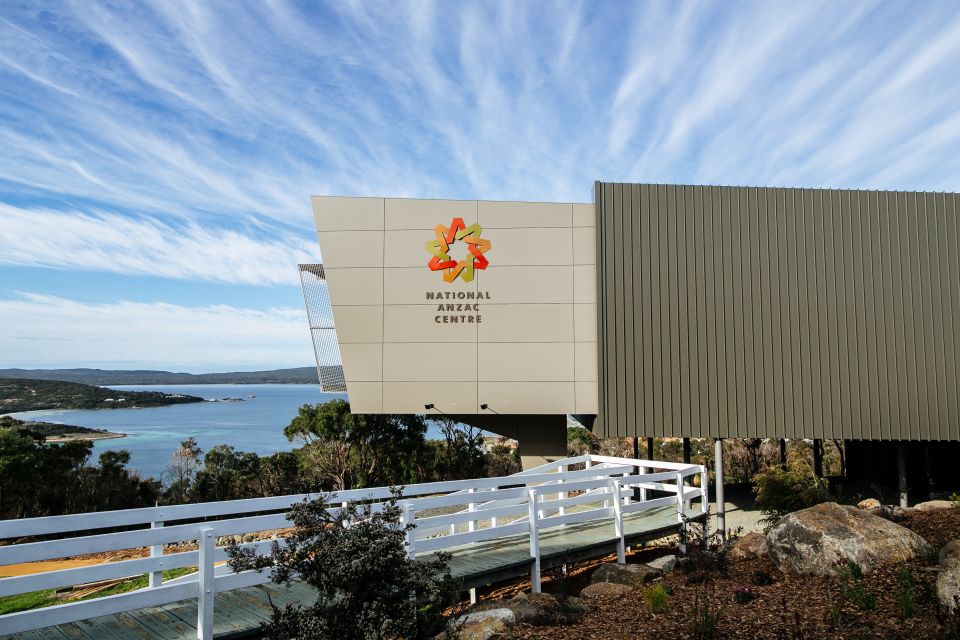
You’ll find the National Anzac Centre inside the Princess Royal Fortress complex in Albany. Your plan is simple: park in the main carpark, then go straight to the National Anzac Centre entrance. If you’re arriving on a day with weather shifts, bring an umbrella—Albany conditions can change quickly—and wear comfortable shoes because you’ll want to move around calmly.
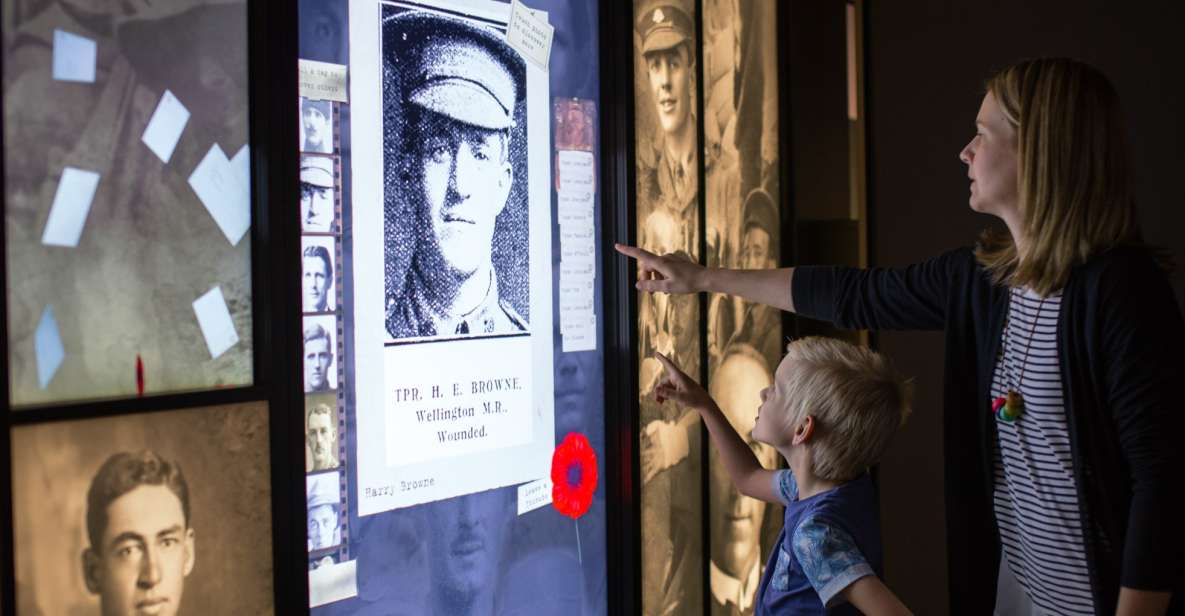
The biggest reason this venue works is that it’s built around a single idea: the Anzac story is not one big national paragraph. It’s thousands of individual lives stitched together by departure dates, ports, battles, letters, and families. The museum uses interactive technology, multimedia, audio commentary, and artifacts to help you move through the war in a structured way—but at your own pace.
That pacing matters. If you prefer to read and listen slowly, you can. If you want to focus on the personal thread, you can jump between the phases. Either way, you’re not stuck in a one-way lecture.
You can also read our reviews of more tours and experiences in Albany Australia.



Following a Real WW1 Identity: Recruitment to Final Fate

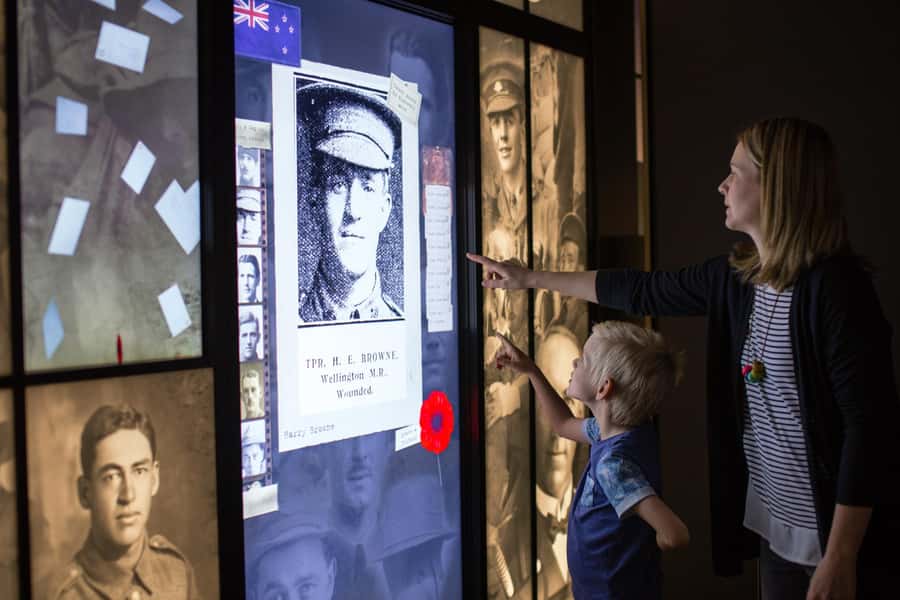
The core experience is built around you taking on the role of one of 32 actual service men or women. Instead of being a spectator, you become a character moving through major phases of the First World War: recruitment, training, leaving for the front, shipboard life on convoys, and the fighting across Gallipoli, the Middle East, and the Western Front. Then it closes with what happened after the war for those who returned.
This approach changes how the information lands. You’re not just learning dates and operations. You’re tracking a person’s experience through the war’s turning points. That makes the museum’s emotional moments hit differently, because you’re watching a storyline unfold instead of reading isolated facts.
You’ll also see interactive multimedia that supports the journey—audio commentary helps you stay oriented, and you’ll encounter rare images and film as part of the personal narrative. One practical benefit: since the experience is self-paced, you can pause when something affects you, then continue when you’re ready.
Tracing Family Service Records Through Australia’s National Archives
Another standout feature is the chance to trace your own family service record through Australia’s National Archives. Even if you don’t know a single name ahead of time, this section is valuable because it gives you a clear route from the museum’s personal stories to the documentary world behind them.
For you, the payoff is confidence. Instead of feeling like history is only on display behind glass, you can connect it to official records and search pathways. It’s also a reminder that the Anzac story isn’t finished at the museum door. It continues in archives, names, and family history work long after you’re back in town.
If your family connection is strong, budget extra attention here. This is the portion where the experience can feel most practical—like you’re doing something real, not just watching a presentation.
The Tribute Wall and the Pool of Reflections
By the time you reach the later stages, the museum narrows its focus from “what happened” to “who left and what it cost.” As the story draws to a close, you’ll see the names of 41,265 servicemen and women who departed Albany in the first and second convoys. Those names scroll beneath the Pool of Reflections, which is designed to slow you down at exactly the moment you might want to rush past the hardest parts.
This matters because it reframes the Anzac story as a departure story, not only a battle story. Albany became a gateway. For many, it was their last sight of Australian soil. Once you feel that, the final reveal and the tribute portion land with more weight.
Then comes the interactive tribute wall. You can document your own feelings and messages to the Anzacs. It’s not there as a gimmick. It’s a place where you can participate, even briefly, in the museum’s purpose: remembering individuals, not just events.
If you’re the type who prefers quiet reflection, this section is where you’ll likely spend extra time. If you’re more uncomfortable with emotional spaces, you might want to give yourself permission to step away for a minute and come back when you feel steady.
Getting Outside: The Free Guided Tour of the Princess Royal Forts
The museum experience doesn’t end indoors. You can take a free guided tour of the Princess Royal Forts, included as part of the day. That outdoor component is a smart pairing because it gives physical context to what you’re learning.
Inside, you’re following characters through WW1. Outside, you’re looking at the fort complex that surrounds the centre. Even if you’re not a military history super-fan, this helps you picture the place as something active in its own time—built, defended, and connected to movement of people and events.
The guided format also matters. A guide can point out what’s worth noticing and help you connect the space to the war story you just experienced. You’ll also get a history talk of the Princess Royal Fortress complex, which supports that transition from multimedia to real stone and strategic design.
Practical tip: wear shoes you can stand in for a while. The guided element is free, but it still takes your time.


The First Documented Anzac Day Dawn Service Site in Albany
Albany adds one more meaningful layer by connecting the story of service and remembrance to the tradition of Anzac Day dawn services. The experience includes a visit to the location of the first documented Anzac Day Dawn Service in Australia.
This is a smart last stop because it links WW1 events to how memory was carried forward. You’re not only learning about the past. You’re seeing how people in Australia chose to remember and mark the day, and how Albany played a role in that early documented remembrance.
If you’re visiting in the Anzac season, you might feel extra attention in the town. Even outside that time, this stop helps you understand that Anzac Day isn’t just a date on a calendar. It’s a tradition rooted in lived experience and ongoing commemoration.
Price and Value: Is the $17 Ticket Worth Your Time?
The ticket price is $17 per person, and for what you get, it can be strong value—especially because the experience is at least 2 hours and includes multiple components rather than a single gallery. You’re paying for:
- entry to a museum built around interactive WW1 storytelling
- a history talk tied to the Princess Royal Fortress complex
- a free guided tour of the Princess Royal Forts
- time spent at remembrance-focused features like the tribute wall and the Pool of Reflections
- a visit to the Anzac Day Dawn Service location tied to Albany
For travelers, the real value isn’t only the number of stops. It’s the way the day is structured so you can follow a narrative thread, pause where you need to, then move into the fort grounds and the remembrance site. A lot of museums show you items. This one tries to connect you to a sequence of lives and choices.
If you’re short on time in Albany, treat this like a must-do anchor. It’s hard to match the emotional and educational impact with a simple self-guided walk, especially if you want something that feels thoughtful rather than rushed.
Timing, Hours, and How to Plan a Calm 2+ Hour Visit
The National Anzac Centre is open every day of the year except Christmas Day, from 9:00 AM to 5:00 PM, with last entry at 4:00 PM. You should plan for at least 2 hours, which is enough time to move through the story beats and still pause for the tribute and reflection parts.
One thing I like for planning: your ticket is valid for the full calendar day of issue, and you can exit and re-enter multiple times. That’s useful if you want to step outside, grab a breath, or adjust your pace. It also helps if you’re traveling as a couple or group and want to split for a moment then regroup.
What about weather and comfort? Bring that umbrella, and expect to be on your feet. Even though the experience is designed for self-pacing, you’ll still want your legs to feel good.
Who This Experience Suits Best in Albany
This is best for you if you want an Anzac experience that feels personal and guided by technology, not just text panels. You’ll enjoy it if you like story-led museums, emotional but respectful reflection spaces, and learning that connects archives and family history.
It’s also a great choice if you’re in Albany for the Anzac story itself. The museum ties directly to the town’s role as a departure point, and the fort tour adds a sense of place that many indoor-only experiences lack.
It’s not the right fit if you’re bringing very young kids. The centre is not generally recommended for children 7 years old or younger due to strong war themes, though children under 5 are permitted free of charge. Use that guidance as your baseline and trust your own family’s comfort level.
Practical Notes That Make the Day Easier
A few simple rules help keep your visit smooth. No smoking and no drones are allowed on-site. If you’re thinking about photos or filming, stick to whatever normal museum behavior is expected inside—at minimum, keep things respectful in remembrance areas.
For comfort, plan for standing and walking. Pack comfortable shoes and the umbrella. And if you’re sensitive to heavy topics, give yourself space in your schedule afterward. This is the kind of place that can stay with you.
Should You Book the Albany National Anzac Centre Ticket?
Book this ticket if you want a well-structured Anzac experience in Albany that goes beyond viewing artifacts. For $17, you get a full interactive WW1 narrative built around real service identities, plus meaningful remembrance features, plus a free guided forts tour. It’s the kind of experience that helps you understand the scale of departures from Albany while still keeping the focus on individuals.
Skip it—or at least reconsider your timing—if you’re traveling with young children who may not handle strong war themes well. Also skip if you simply want a quick “see the highlights” museum stop. This one works best when you give it time to land properly.
If you’re staying in or around Albany and you care about history that feels human, this is one of the most worthwhile uses of a day.
FAQ
How long should I plan to spend at the National Anzac Centre?
You should allow at least 2 hours for the experience.
What does the ticket include?
Your ticket includes entry to the National Anzac Centre and a history talk of the Princess Royal Fortress complex.
Is there a guided tour included?
Yes. You can take a free guided tour of the Princess Royal Forts.
What is the opening time and last entry?
The centre is open 9:00 AM to 5:00 PM, with last entry at 4:00 PM. It’s open every day of the year except Christmas Day.
Can I leave and come back the same day?
Yes. Your ticket is valid for the full calendar day of issue, and you may exit and re-enter multiple times.
Is it suitable for children?
It’s not generally recommended for children 7 years old or younger due to strong war themes. Children under 5 are permitted free of charge.
Where should I park and go?
Park in the main carpark and proceed to the entrance at the National Anzac Centre.
What should I bring and what is not allowed?
Bring an umbrella and comfortable shoes. Smoking and drones are not allowed.