REVIEW · ALBANY AUSTRALIA
Albany’s Whale Story
Book on GetYourGuide →Operated by Albany Tours · Bookable on GetYourGuide
Albany’s whale story is both stunning and sobering. This small-group tour threads together Princess Royal Harbor views with a guided visit to Albany’s Historic Whaling Station, then heads into Torndirrup National Park for coastal bushland walking.
I especially liked how the tour blends hands-on exhibits with a guided narrative that makes the whaling era easier to understand without turning it into a lecture. Another big win is the scenic drive around King George Sound and the Southern Ocean as you go.
One consideration: the whaling history can feel confronting in places, and the subject matter isn’t meant to be cuddly.
In This Review
- Key things to know before you go
- Princess Royal Harbor to King George Sound: the drive that sets the tone
- Albany’s Historic Whaling Station: where the story feels real
- Cheynes IV and the exhibit walkthrough: what stands out in the details
- Whale hunting history versus whale watching today
- The café break: tea, coffee, and a little breathing room
- Torndirrup National Park walk: granite mounds and real coastal air
- Price and value: is $99 per person fair?
- Who should book this whale story tour?
- Practical tips: what to bring and how to plan your day
- Should you book Albany’s Whale Story?
- FAQ
- How long is Albany’s Whale Story?
- Where do I meet the group?
- What is included in the price?
- Is the tour guided and in English?
- How big is the group?
- What should I bring?
- Is the tour wheelchair accessible?
Key things to know before you go
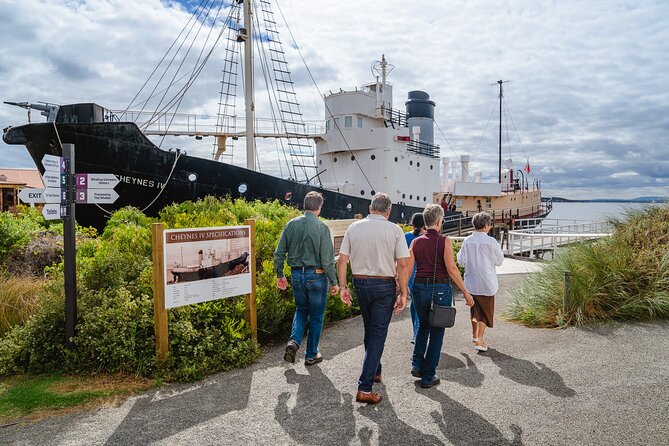
- Cheynes IV whale chaser: You’ll climb aboard the whaling vessel tied to Albany’s story.
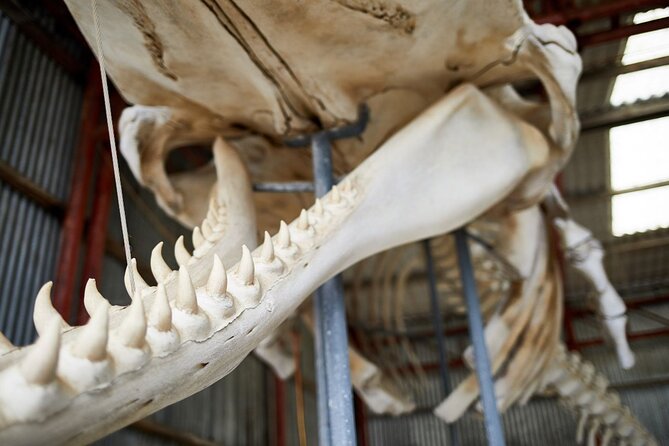
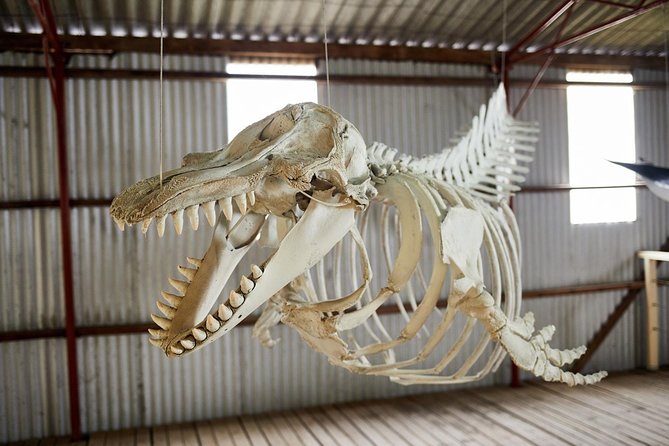
- Skeleton displays and shell collection: Expect strong visual exhibits, including whale bones and related artifacts.
- A guided, story-first visit: The station is presented with education using animation, image, and relics.
- Torndirrup National Park walk: You get a coastal nature component after the museum time.
- Morning or afternoon tea plus cake: The food break is included and welcome on a 3.5-hour outing.
- Small group (up to 7): More time with the guide, less time waiting around.
Princess Royal Harbor to King George Sound: the drive that sets the tone
Most whale-history tours start and stop inside a building. This one starts outside, curving around Princess Royal Harbor so the coastline is part of the introduction, not a sidebar.
From the start location at the Albany Visitor Centre on York Street, you’ll ride in a van for about 25 minutes, then settle into the guided portions. The key here is that you’re seeing the real geography of where whalers worked and where whales were observed—King George Sound and the Southern Ocean sit out there beyond the harbor, and it helps the exhibits land with more weight.
If you’re the type who likes context, you’ll appreciate that you’re not just learning names and dates. You’re learning against a backdrop you can actually look at.
You can also read our reviews of more tours and experiences in Albany Australia.

Albany’s Historic Whaling Station: where the story feels real
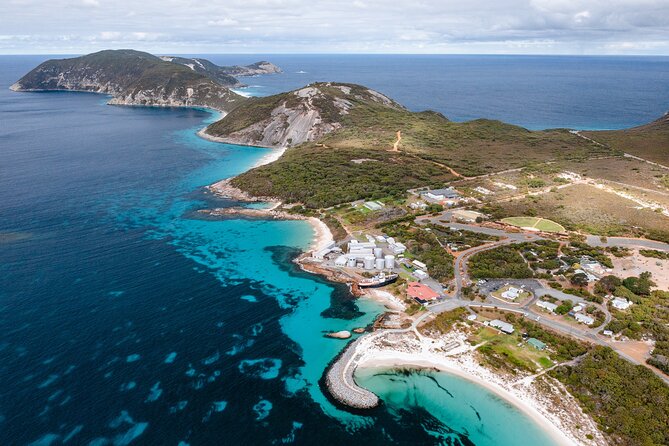
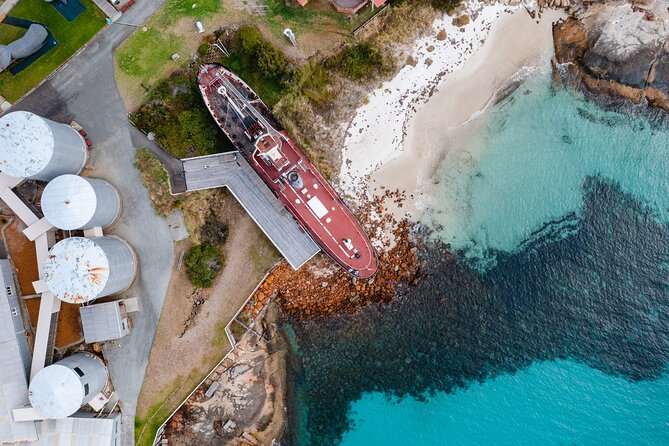
Your main stop is Albany’s Historic Whaling Station in Discovery Bay. This is the heart of the experience, and it’s why this tour is worth your time if you’re even remotely interested in Australia’s southern coastline and maritime history.
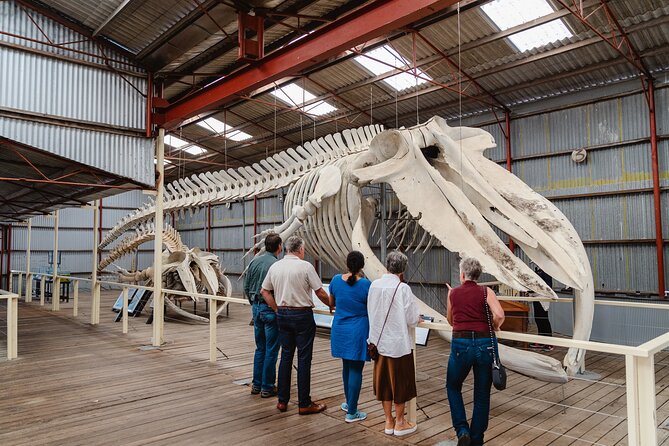
The station is presented as a full guided experience: you get entry, then a guided walk through the site. A big part of why people rate this so highly is the sense of scale—especially once you see whale skeleton displays—and the fact that you’re not stuck in front of panels the whole time.
And yes, you’ll climb aboard the whale chaser Cheynes IV. That’s not just a photo op; it gives you a feel for how people would have positioned themselves to scan the water, work as a team, and respond to what they saw. Even if you don’t love boats, being up on the vessel adds a physical layer to the history.
One practical note: plan on comfortable walking shoes. You’ll be on your feet during the station visit and later during the Torndirrup portion.
Cheynes IV and the exhibit walkthrough: what stands out in the details
The guided element matters here. The best parts of the station aren’t only the artifacts; they’re the way the guide connects them into a story you can follow.
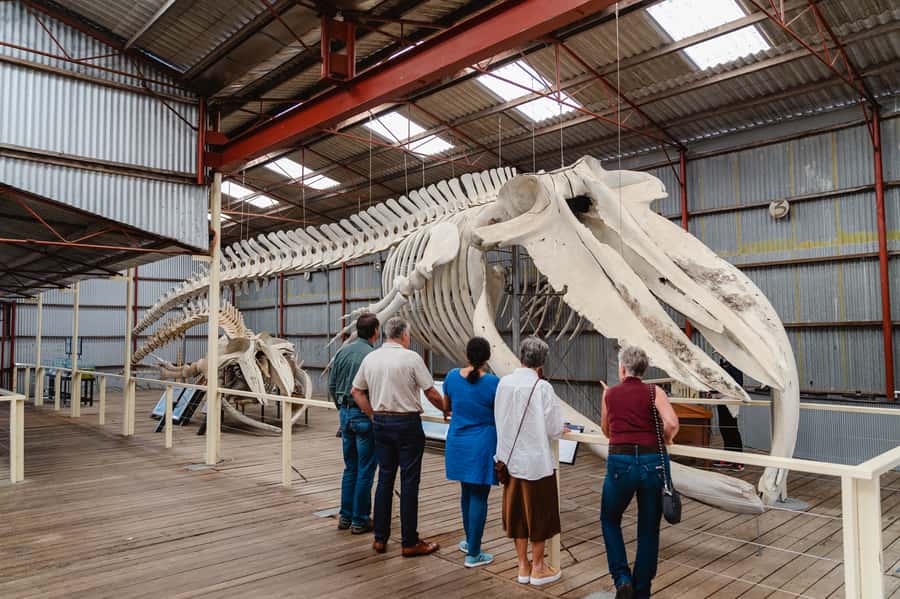
The exhibits include animation, image, and relics, plus a range of physical displays. In particular, the whale skeletons are a standout, and the shell collection adds an extra dimension that you might not expect from a whaling-focused site. These visuals make the topic easier to grasp—because you’re seeing scale, materials, and evidence rather than just absorbing words.
A guide name that shows up in the real-world experience: Joy. If you’re lucky enough to have Joy, you can expect a strong emphasis on verbal delivery—clear, engaging, and focused on what you’re looking at as you go. That makes a difference when a site covers something as heavy as whaling. It’s not only about seeing the exhibits. It’s about understanding what they meant to the people who lived through it.
Whale hunting history versus whale watching today
This tour doesn’t try to paint the past as only heroic. It frames the significance of whale hunting along the southern coastline, while also pointing toward the value of whale watching today.
That balance is what I think makes the experience feel thoughtful rather than one-sided. You walk through evidence of hunting-era practices and then leave with a clearer sense of why modern viewing is so meaningful. The tour’s structure nudges you that direction naturally: you start with the place and the vessel, then move through exhibits, and finally finish with coastal scenery and nature walking.
Be aware of the tone. The whaling history can be confronting in places. If you’re sensitive to animal-related subject matter or heavy history, bring your emotional guard with you. I’d still argue it’s worth it—just don’t treat it like a casual stop.
The café break: tea, coffee, and a little breathing room
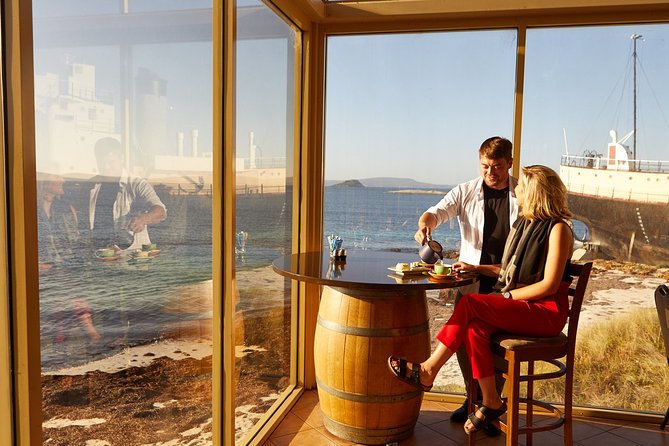
After the main guided time, there’s a short break at a local café with coffee or tea and time to shop. This is where the pacing makes sense for a 210-minute tour. You get a focused morning-or-afternoon block, then you can reset before the final walk in Torndirrup National Park.
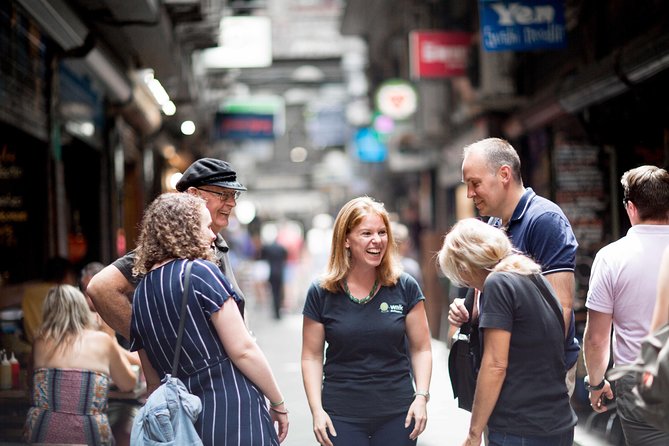
It’s also where you’ll feel the tour’s small-group advantage. With only up to 7 participants, you’re not herded like cattle. You can actually ask a follow-up question or two if something caught your attention at the whaling station.
If you’re traveling with your appetite in mind, note that morning tea/coffee (and cake) is included as part of the experience. The included snack helps the day feel complete rather than like you “earned” a break by being quiet in a bus.

Torndirrup National Park walk: granite mounds and real coastal air
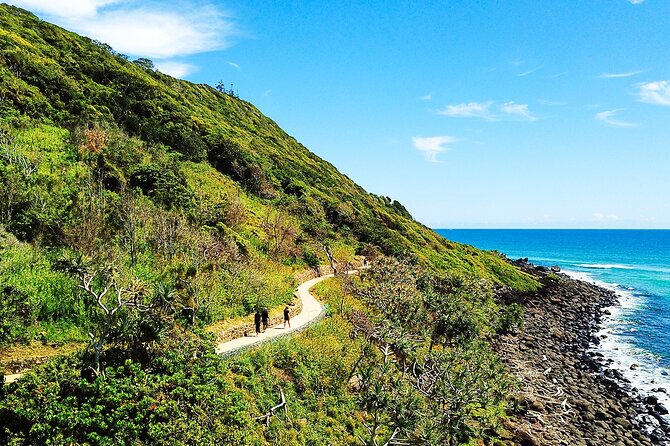
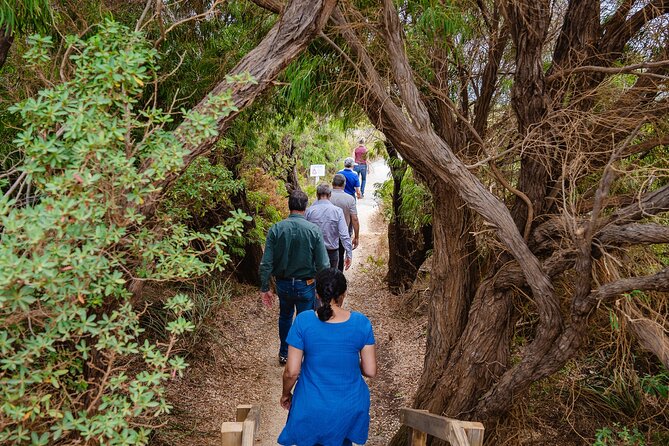
After the whaling station, the tour continues into Torndirrup National Park. This is not just a transfer between stops. You’re guided through native bushland, and the coastal vibe becomes the focus again.
The description points to granite mounds and the kind of rugged scenery that makes this region feel dramatic. You’ll likely notice that the walk tone is different from the museum tone. It’s slower, more sensory, and it shifts the mind away from artifacts and toward the living environment.
This is also where I like the tour’s emotional pacing. You move from the sobering visual evidence of whaling to a place where you can see why watching whales and respecting marine life matters. The coastline doesn’t explain the past on its own, but it gives your understanding room to settle.
Bring a light layer. Even in warmer months, coastal wind can make you feel cooler than you expect. A windbreaker and a jacket are both on the practical list for a reason.
Price and value: is $99 per person fair?
At $99 per person for about 210 minutes, the value depends on what you care about most.
If you like history, this is a strong deal because you’re getting:
- entry into a standout site (Albany’s Historic Whaling Station),
- a guided tour through the displays,
- the included tea/coffee and cake,
- plus a national-park walking component rather than just museum time.
The pricing also makes sense for the small-group setup (up to 7). That size usually means less waiting, more time with the guide, and a better chance to hear the story clearly—especially in a site where exhibits are spread around.
If you’re only looking for general scenery and don’t care about the whaling context, it may feel like “too much museum.” But if you want a structured experience that combines vessel + exhibits + nature, it’s fairly priced for what you get.
Who should book this whale story tour?
This is a great fit if you want a guided, story-first look at Albany’s maritime past paired with a nature walk you can enjoy afterward. I’d especially recommend it for:
- history-minded travelers who like interpretive storytelling,
- people who enjoy coastal scenery but want it tied to context,
- anyone who prefers small groups and an active guide rather than a self-paced scramble.
It’s also good for travelers who are comfortable with a mix of indoor/outdoor time. The walk portion means you won’t just sit, and the station portion means you’ll spend meaningful time looking at physical displays.
If you’re traveling with kids, it could work well—but it depends on the child’s maturity level with heavier historical topics and animal-related subject matter. For some families, the combination of education plus scenery will feel like a win. For others, it may be emotionally tough.
Practical tips: what to bring and how to plan your day
This tour is straightforward, but you’ll enjoy it more with the right gear. Wear comfortable shoes because you’ll be walking through the station area and the native bushland portion. The route can involve wind and salt air, so pack a hat, sunscreen, and a windbreaker.
If weather is even slightly unreliable where you are, bring rain gear too. Coastal WA can change quickly, and you don’t want to be stuck under-sheltered during a walking segment.
Also, if you have dietary requirements, advise them ahead of time. The tour includes tea/coffee and cake, so it’s smart to ensure the snack plan works for you.
Should you book Albany’s Whale Story?
Book it if you want Albany’s whaling story in a guided, well-paced format that includes both a major exhibit site and a nature walk afterward. The standout selling points are the Albany’s Historic Whaling Station experience, the climb aboard Cheynes IV, and the way the tour connects the past to whale watching today.
Skip it only if you’re uncomfortable with whaling history as a subject matter, or if you’d rather spend your time on pure scenery with little interpretive content. If that’s you, you may prefer a different coastal or wildlife-focused outing.
FAQ
How long is Albany’s Whale Story?
The tour duration is 210 minutes.
Where do I meet the group?
You meet at the Albany Visitor Centre, 221 York St, Albany WA.
What is included in the price?
The tour includes entry to Albany’s Historic Whaling Station, a guided tour, and morning tea/coffee (with cake).
Is the tour guided and in English?
Yes, it includes a live English-speaking tour guide.
How big is the group?
The group is limited to 7 participants.
What should I bring?
Bring comfortable shoes, a windbreaker, hat, sunscreen, a jacket, and rain gear.
Is the tour wheelchair accessible?
Yes, it is wheelchair accessible.