One stop, and Albany’s coast tells the story. You’ll mix Torndirrup National Park viewpoints with a guided look at Discovery Bay’s whaling past, plus a real-world pause with morning tea overlooking the ocean. I particularly like the small group size (max 11) and the hands-on whaling station visit that includes getting up on the Cheynes IV whale chaser. The main thing to plan for: it’s a coastal day, so wind and cooler temps can show up—bring walking shoes and layers, especially near Misery Beach.
This runs from 9:00 am out of the Albany Visitor Centre, with hotel-style pickup/drop-off around town and a mobile ticket. In past groups, I’ve seen the experience handled by friendly staff like Susan at the start, then led by local guide Joy at the whaling station, with the kind of clear explanations that make unusual history feel easy to follow.
In This Review
- Key points to know before you go
- Albany Whale Story: what you’re really signing up for
- Price and timing: does it feel like value or just a splurge?
- The 9:00 am departure from Albany Visitor Centre (and why it matters)
- Torndirrup National Park: The Gap and Natural Bridge viewpoints
- Discovery Bay’s whaling station: guided context that makes the artifacts click
- What “hands-on” feels like here
- Chewing the story over scones: morning tea with ocean views
- Misery Beach: the whaling connection at the sand-and-rock level
- Group size, comfort, and what the itinerary feels like in real time
- Weather and clothing
- Who should book Albany Whale Story (and who might skip)
- Booking tips: get the most out of a half-day plan
- Should you book Albany Whale Story?
- FAQ
- How long is the Albany Whale Story tour?
- What does the tour price include?
- Where does the tour start and end?
- What time does the tour depart?
- Is there vegetarian food available?
- How big is the group?
Key points to know before you go
- Small group (up to 11) keeps the questions flowing and the pacing relaxed.
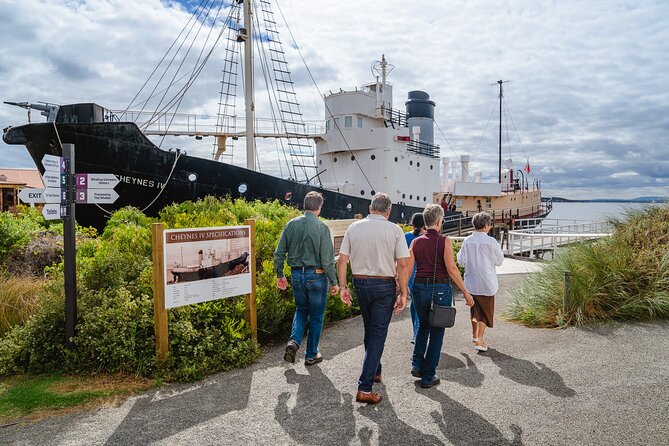
- Cheynes IV whale chaser access gives you a tangible sense of how the operation worked.
- Torndirrup’s The Gap + Natural Bridge pair big Southern Ocean drama with solid viewpoint time.
- Morning tea with scones, jam, and cream is timed as an ocean-break, not an afterthought.
- Misery Beach stop connects the whaling story to the coastline you’re standing on.
- Hotel pickup and drop-off in Albany helps you skip the car logistics.
Albany Whale Story: what you’re really signing up for
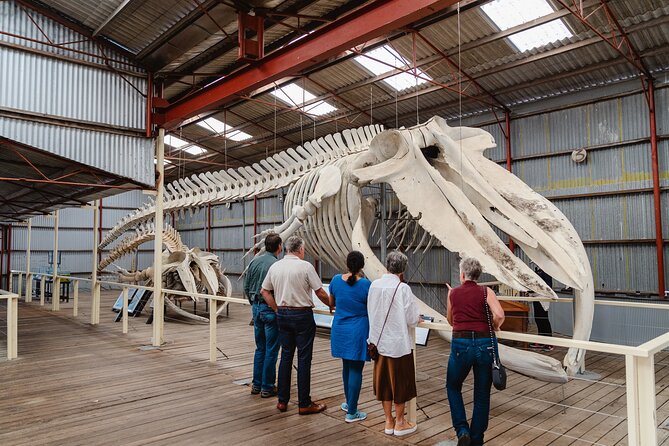
The Albany Whale Story tour is a half-day plan built around two very different parts of the same place. First, you’ll hit the coastline at Torndirrup National Park, where the Southern Ocean is doing what it does best: throwing itself at granite. Then you’ll switch gears to Albany’s Historic Whaling Station at Discovery Bay for a guided, museum-style explanation—complete with artifact galleries and enormous whale skeletons.
What makes this tour work for most first-time visitors is the rhythm. It’s not just look-and-photos. You get time at the viewpoints to actually register the scale of the coastline, then you get guided context so the whaling-era displays stop feeling like names and dates. Even the tea moment fits the pacing: it’s served with an ocean view, so the day breathes before you head back.
You can also read our reviews of more tours and experiences in Albany.

Price and timing: does it feel like value or just a splurge?
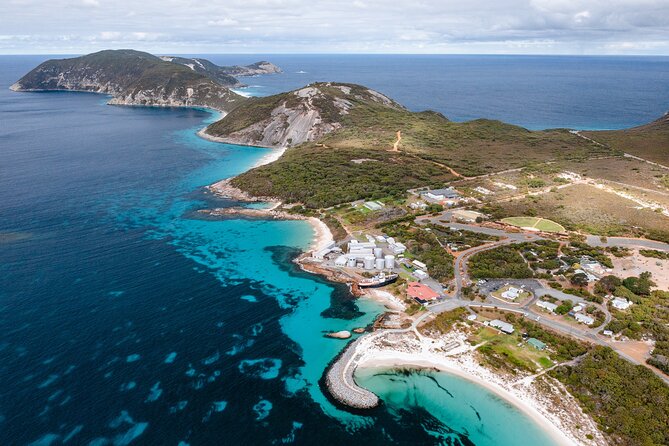
At $121.21 per person for about 3 hours 30 minutes, you’re paying for four things bundled together: transport from Albany, guided entry into the whaling station, a planned stop at Torndirrup, and morning tea with cake.
That’s not the cheapest way to fill a half-day in Albany, but it can be good value if you like structured time. The key is that you’re not driving yourself between three different locations, and the tour includes entry for the big paid components (whaling station and the Torndirrup stop). Also, with a max of 11 travelers, you’re usually not getting the “big bus, fast photos” style experience.
One practical note: the tour is usually booked about 38 days ahead, so if you’re traveling in a busy cruise or school-holiday stretch, it’s smart to lock it in sooner rather than later.
The 9:00 am departure from Albany Visitor Centre (and why it matters)
This tour starts at Albany Visitor Centre, 221 York St at 9:00 am, then ends back at the meeting point. The total drive time to the whaling station from central Albany is about 30 minutes, which is long enough to settle in and get early context, but not so long that you feel like you lost half your day to traffic.
You’ll also get pickup and drop-off around Albany, so you can show up without coordinating rental cars or rides. The tour uses a mobile ticket, which is handy if you don’t want to manage paper vouchers.
And the group size cap (max 11) is a big deal for a tour like this. Whaling history can be intense, and you’ll often get better answers when a guide isn’t juggling a crowd.
Torndirrup National Park: The Gap and Natural Bridge viewpoints
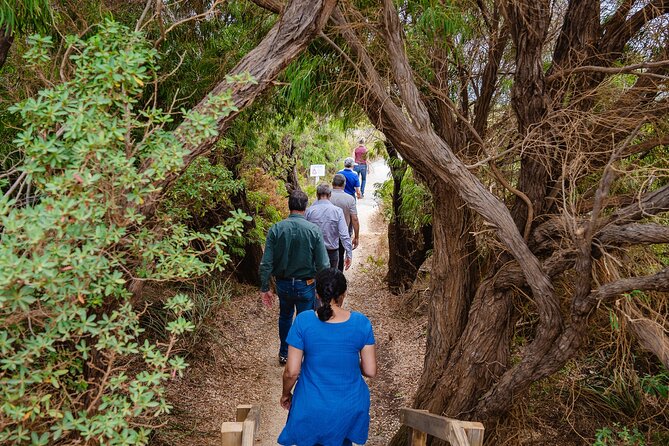
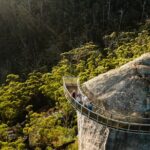
Stop one is Torndirrup National Park, and it’s one of the best ways to get the coastal tone right at the start. You’ll feel the impact of the Southern Ocean against rugged granite coastline from a platform looking out over The Gap. The name fits: it’s all about force and scale—waves pushing into rock, wind whipping at the edges of your attention.
Then the tour includes a visit to Natural Bridge, another standout coastal formation that helps you see how this stretch of WA coastline was shaped. Even if you’re not the type who loves geology, you’ll likely find it useful because it gives you the mental map for where all the history on the whaling side of the tour connects to real geography.
One consideration: because this is exposed coastline, you’ll want the layers. The tour notes that it can be cooler at Misery Beach, but Torndirrup also tends to feel windy. Walking shoes matter too, because you’re on platforms and paths rather than a flat, carpeted museum.
Discovery Bay’s whaling station: guided context that makes the artifacts click
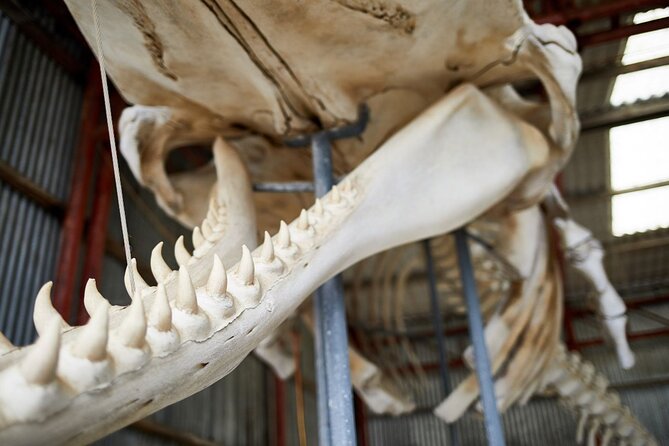
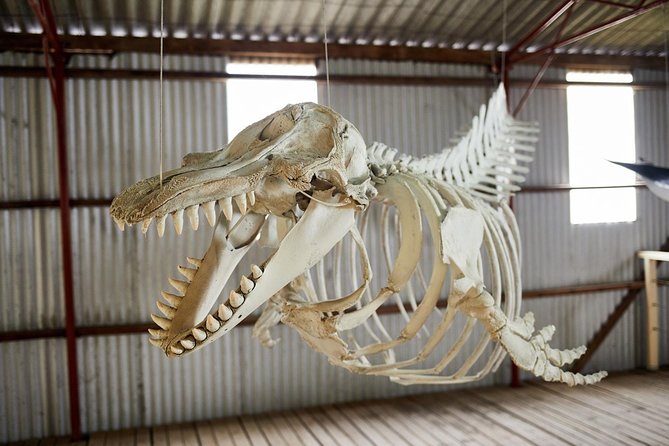
The main event is Albany’s Historic Whaling Station at Discovery Bay. Here you get a fully guided tour that takes you through key parts of the whaling story, including artifact galleries and the chance to see enormous whale skeletons.
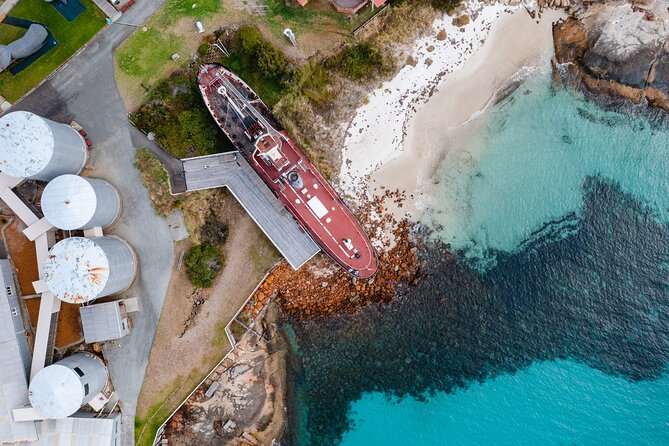
The reason this portion earns top marks is that it’s explained, not just displayed. You’re not left alone with labels. A guide helps connect what you’re seeing—structures, tools, and storylines—to how the station worked in practice. The tour also includes the Cheynes IV whale chaser, and you can climb aboard, which is one of those details that turns history into something physical.
If you prefer learning by doing (or you just hate passive museum pacing), this is where the tour earns its keep. Walking through the exhibits and then stepping onto the boat gives your brain a “now I get it” moment.


What “hands-on” feels like here
From the experience perspective, getting onto the Cheynes IV changes the vibe. Instead of reading about an operation, you’re looking at the space where people worked and making sense of how equipment would have been arranged. It’s a smart way to learn because you can compare your viewpoint inside the station with what you see around the harbor area.
There’s also a comfort factor that surprises some people. One review highlighted that the station doesn’t come with the old, famous whaling smell you might expect. You’ll still be in a place that confronts a hard chapter of history, but you’re not stuck breathing discomfort while you learn.
Chewing the story over scones: morning tea with ocean views
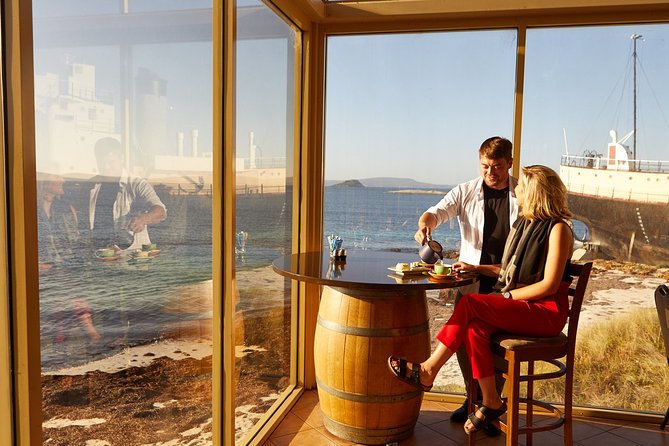
The tour includes morning tea and cake, and the whaling station stop includes tea or coffee with scones, jam, and cream.
This isn’t just a snack break. It’s strategically placed right after the station tour feel-good finish, which gives you a reset window. You can go from absorbing intense information (whaling history isn’t gentle) to sitting back, looking at the ocean, and letting the details settle.
Practical tip: if you have dietary needs, let the provider know at booking. The tour notes that vegetarian options are available and dietary requirements should be advised ahead of time.
Misery Beach: the whaling connection at the sand-and-rock level
The final stop is Misery Beach. It’s listed as a short visit (about 15 minutes), and the tour’s framing here is important: it’s one of Australia’s best beaches, but you also hear the gruesome historical connection to whaling on the south coast of WA.
That combo—beauty paired with a hard story—is exactly why this stop works as a closing note. It’s easy to treat coastal sightseeing as purely scenery. Misery Beach pulls you back into the human reality behind the landscape.
One practical thing: the tour suggests dressing in layers and wearing suitable walking shoes for Misery Beach. Even if you’re not going to do a long walk, the wind and chill can still catch you between photo breaks.
Group size, comfort, and what the itinerary feels like in real time
Because this is capped at 11 travelers, you can expect a calmer flow. The pacing stays tied to the main stops instead of being stretched by constant regrouping. The tour also includes entry into the whaling station and a Torndirrup admission ticket, so you’re not stopping to buy separate passes.
The day is structured like this:
- A drive and set-up from the Albany Visitor Centre
- A first coastal stop at Torndirrup (about 25 minutes)
- A longer guided station block at Discovery Bay (about 2 hours)
- A short Misery Beach visit (about 15 minutes)
- Then back to the meeting point
That timing means you’ll likely feel like you got good coverage without feeling exhausted. If you prefer “enough time to learn” over “rushing to tick off highlights,” this schedule is a good fit.
Weather and clothing
The tour specifically calls out layers and walking shoes. Do that. Coastal WA can shift fast. Even when you’re not drenched, wind can make you feel colder than you planned.
Who should book Albany Whale Story (and who might skip)
I think this tour suits you if:
- You like guided explanations and want context, not just photo stops
- You’re curious about Australia’s whaling history and how it shaped Albany and the surrounding coastline
- You want a small-group experience with a guided station visit plus real coastal viewpoints
- You enjoy hands-on learning (the Cheynes IV access is a big draw)
You might consider skipping or swapping it for something else if:
- You strongly prefer relaxing scenery with minimal historical framing. This tour includes a frank whaling connection at Misery Beach.
- You don’t like tours that involve a guided museum-style walkthrough. The station portion is central.
If you’re traveling with kids, note that children must be accompanied by an adult. Also, a lot depends on your child’s interest in history, because the station portion is guided and information-heavy.
Booking tips: get the most out of a half-day plan
A few practical choices can make this tour feel smoother:
- Book ahead if you can. With average booking around 38 days, availability can tighten in peak periods.
- Plan for layers and wear shoes you’re comfortable on near coastal platforms.
- Bring questions. With a max of 11 people, you’ll usually get a chance to ask follow-ups instead of saving them for later.
- Think about timing. The 9:00 am start is an advantage if you like doing one meaningful activity early and leaving the afternoon open.
One extra possibility: in some cases, people have added an optional helicopter flight for an aerial look at the coastline. If that’s something you’re considering, it’s worth asking at booking about options that match your dates.
Should you book Albany Whale Story?
If you want a half-day that combines serious local storytelling with genuinely impressive coastal scenery, I’d say yes. The biggest reasons are the guided whaling station visit (including Cheynes IV access) and the fact that the tour pairs that with standout viewpoints at The Gap and Natural Bridge instead of treating Albany as a one-note stop.
It’s also a solid choice if you value comfort and structure: pickup/drop-off in Albany, a small group, and tea and cake built into the pacing.
The main “don’t skip this thought” point: it includes a difficult historical subject and it’s outdoors around the coast. If you can handle that, you’ll likely come away with a much stronger understanding of Albany—how people used this coastline and how the land and ocean shaped that story.
If your schedule is flexible, you can take comfort in the fact that free cancellation is available up to 24 hours before the start time.
FAQ
How long is the Albany Whale Story tour?
The tour runs for about 3 hours 30 minutes.
What does the tour price include?
It includes morning tea and cake, a driver/guide, and entry into Albany’s Historic Whaling Station. Torndirrup’s ticket is included, and Misery Beach admission is free.
Where does the tour start and end?
It starts at Albany Visitor Centre, 221 York St, Albany WA 6330, and ends back at the meeting point.
What time does the tour depart?
The start time is 9:00 am.
Is there vegetarian food available?
Yes. A vegetarian option is available—let the provider know when booking, along with any dietary requirements.
How big is the group?
The tour has a maximum of 11 travelers per group, and it requires a minimum of 2 people per booking.