REVIEW · SOUTH AUSTRALIA
Alpaca Meet and Greet Experience in Peterborough
Book on Viator →Operated by Quentin Park Alpacas & Studio Gallery · Bookable on Viator
Alpacas have a way of stealing your attention. This is a hands-on working farm experience at Quentin Park Alpacas & Studio Gallery in Peterborough, South Australia, where you get up close with the animals and learn how the business is built around their fibre—especially around shearing season. You’ll also get to see and chat about the handmade paper and alpaca-fibre crafts that come from the farm’s own natural colours.
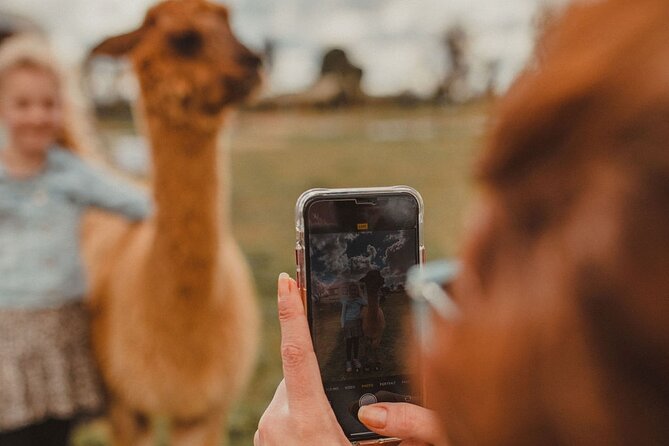
I like that the time is built around real contact: you head into the feeding yards to meet, hand-feed, and pat alpacas, then you get photos that actually look like you were there. I also love the paddock-to-product angle in the farm shop, because it turns what you see outside into something you can take home. One thing to consider: if you’re bringing kids, they must be accompanied by at least one full fee paying adult, and the experience requires good weather.
In This Review
- Key points worth knowing before you go
- Entering Quentin Park: farm, studio gallery, and a quick orientation
- Your hour with alpacas: briefing, feeding yards, and selfie-friendly moments
- The farm shop and fibre-made crafts: why paddock-to-product feels real
- The bonus animal cast: llamas, baby camels, and Dolly the pig
- Price, timing, and group size: $17.93 for a full hands-on hour
- Who this alpaca meet and greet suits best
- Weather and what to wear: making the most of good conditions
- Should you book Quentin Park Alpacas and Studio Gallery?
- FAQ
- What happens during the Alpaca Meet and Greet Experience?
- How long is the experience?
- How much does it cost?
- How many people are in a group?
- Are children allowed, and do they need an adult?
- Is it dependent on weather?
Key points worth knowing before you go
- Working farm vibe: You’re not just watching animals—you’re learning what happens on a real farm operation.
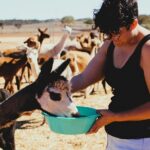
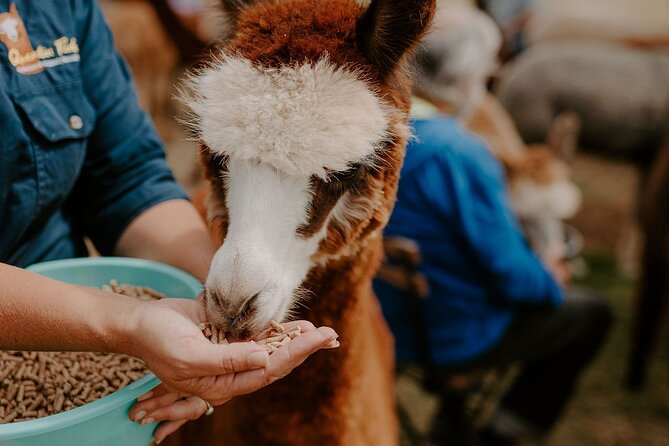
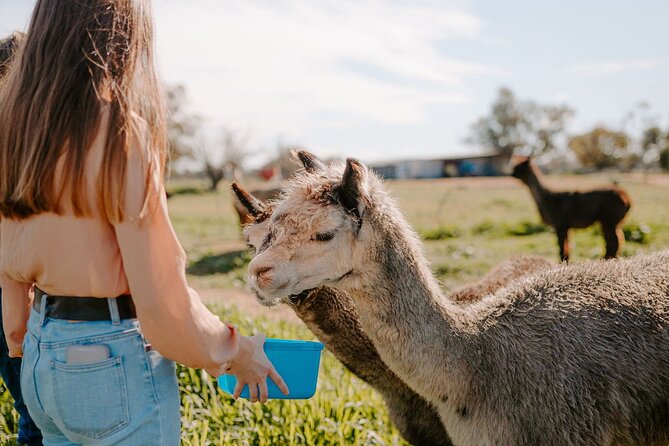
- Feeding time built in: You’ll get to meet, hand-feed, and pat alpacas in the yards.
- Fibre-to-craft explanation: You’ll see how alpaca fibre links to handmade paper and products in the shop.
- More than alpacas: You might also meet llamas, baby camels, and a very naughty pig.
- Small group size: Maximum 12 travelers keeps the experience personal.
- Mobile ticket: You can keep things simple on arrival.
Entering Quentin Park: farm, studio gallery, and a quick orientation
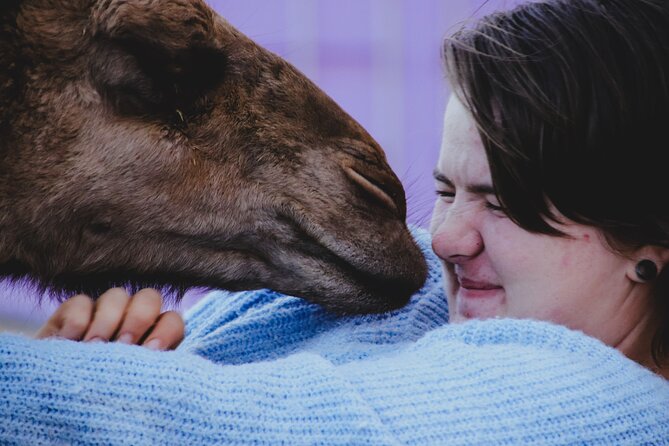
You start at Quentin Park Alpacas and Studio Gallery, 58 Price Rd, Peterborough SA 5422. The vibe is friendly and informal, which matters because you’re about to get close to animals that don’t care about your phone camera angles. The hosts typically explain how the farm runs, what alpacas are like day to day, and what makes them different from other fibre animals.
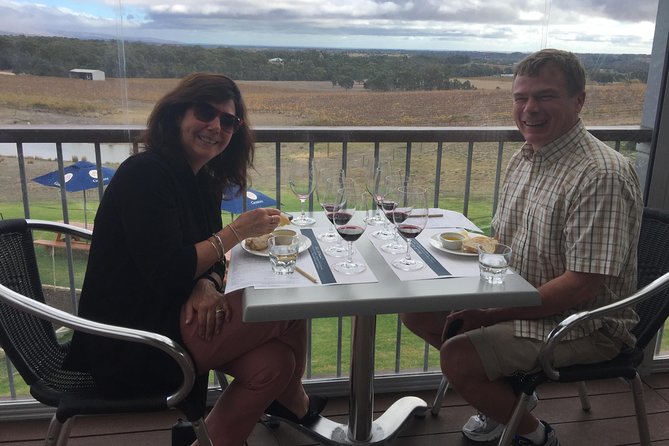
What I think works well here is that you’re not thrown straight into feeding without context. You get a sensible introduction first: how alpacas behave, what their quirks usually look like, and why their fibre matters to the farm’s year-round cycle. On one visit, hosts such as Amme and Sarah also help set the tone with a simple touchpoint like morning tea, which makes the whole thing feel more like a warm farm visit than a rushed activity.
Even if you only have an hour, this framing helps you notice more once you’re in the yards. You’ll catch those little behaviours sooner—things like how they move, how they react when food appears, and who stands their ground versus who does the cautious approach.
You can also read our reviews of more tours and experiences in South Australia.



Your hour with alpacas: briefing, feeding yards, and selfie-friendly moments
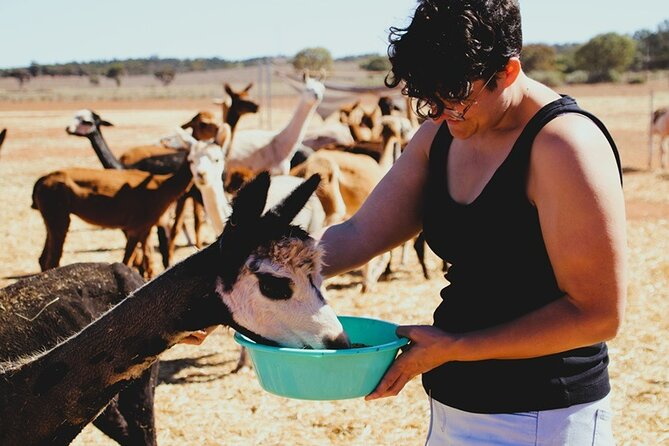
The experience runs for about one hour. In that time, the flow is clear: learn a bit about the farm and alpacas, then head to the feeding yards for the main hands-on part. This is where you’ll meet a lot of alpacas, not just one or two.
Here’s what you can expect, in plain terms:
- You’ll get a short farm overview and guidance on alpaca behaviour.
- Then you’ll move into the feeding area.
- You can meet, hand-feed, and pat alpacas.
- You’ll have time for photos, including up-close selfies.
The best part is that the feeding is interactive. It’s not a distant viewing experience where the animals ignore you. Alpacas are curious, and once you’re settled, they often come close enough for you to get a really satisfying picture. I also appreciate that this is set up for a wide range of ages and abilities—it’s hands-on, but it isn’t the kind of activity that requires athletic skills or special training.
One practical consideration: because this is face-to-face animal time, come with calm energy. If you rush, yell, or constantly move toward the animals, it can make them cautious. If you slow down and let them approach, you’ll usually get better moments and fewer awkward pauses while everyone waits.
The farm shop and fibre-made crafts: why paddock-to-product feels real
After the animal time, you shift from outside to inside—the farm shop. This is not just a place to buy souvenirs. The point is that you’re seeing a real chain: alpacas provide fibre, shearing and processing lead to products, and you can view the results on-site.
You’ll likely spot items made from the farm’s alpaca fibre and also products connected to handmade paper. The interesting detail here is that the crafts use natural colours and fibres, so the materials look like they belong to the farm. If you’ve ever bought something branded as eco-friendly but couldn’t trace the story, this is the opposite. You get the farm context first, then the shop makes sense right away.
The value for you comes from two places:
- You’re not just buying a trinket; you’re buying something with a clear origin story you actually learned in the same visit.
- The shop reinforces the idea that alpacas aren’t only for photos—they support an ongoing operation.
If you like gifts that feel personal and not mass-made, you’ll probably find a few items you genuinely want to bring home.
The bonus animal cast: llamas, baby camels, and Dolly the pig
Alpacas are the star, but the farm atmosphere usually includes other characters that make the visit memorable for kids and adults. You may get to see/meet:
- Llamas (different from alpacas)
- Rosie and Emily, baby camels
- Dolly, a pig
That variety matters because it keeps the visit from becoming a one-note experience. The alpacas draw you in, but the other animals add surprise and fun. In one account, people even called out favourites like a goat named Alvin, plus other animals such as Samson the cat. It’s a nice reminder that this is a living farm, not a staged set.
If you’ve got little ones, this “extra cast” can be the difference between a quick stop and a full-on happy morning. If you’re an adult, it adds charm without changing the main focus.
Price, timing, and group size: $17.93 for a full hands-on hour
At $17.93 per person for about 1 hour, the pricing feels fair for a small-group, hands-on animal interaction. What justifies the cost isn’t hype—it’s the structure: you get guidance, you get access to the feeding yards, and you get time in the shop that ties everything together.
The group size is capped at 12 travelers, which is important. Smaller groups usually mean more attention from the hosts and less time waiting while someone else finishes. In an animal setting, that matters because timing affects the whole flow—when you enter the yards, how the animals respond, and how smoothly everyone gets their turn.
If you want to lock in the day you prefer, it helps to book ahead. This experience is often booked around 34 days in advance, so if you’re traveling during peak local times, grab your slot rather than hoping.



Who this alpaca meet and greet suits best
This experience is built for all ages and abilities. You don’t need anything fancy—just willingness to get close and participate. Because kids must be accompanied by at least one full fee paying adult, it’s also a straightforward option for families who want an engaging farm outing without complicated logistics.
I think it’s especially good if you:
- love animals but want more than just looking
- want a short, meaningful stop while passing through Peterborough
- enjoy learning how everyday farm work turns into real products
- want photos where your face is actually near the action
If you’re expecting a long guided tour with lots of walking and multiple stops, this isn’t that kind of day. It’s one focused session. That can be a plus when you want quality without commitment.
Weather and what to wear: making the most of good conditions
This experience requires good weather. That’s not a small footnote—it affects whether you get the full value of the feeding yards. If the day is wet or poor, you may be offered another date or a refund, since the experience is designed around outdoor animal time.
For clothing, keep it simple:
- Wear closed-toe shoes you don’t mind getting a bit dusty.
- Dress for South Australian weather shifts. Mornings can be cool, then warm up fast.
- Bring a hat or sunglasses if the sun is strong.
Also, expect that animal interactions can be slightly unpredictable. The alpacas may approach you, pause at a distance, or change who they prefer based on timing and movement. Going in with flexibility usually gives you the best experience.
Should you book Quentin Park Alpacas and Studio Gallery?
Yes—if you want an hour that mixes hands-on alpaca time with a believable farm story and a shop you can actually browse with context. The small group size and feeding yards are the big reasons to book, and the paddock-to-product angle makes it more than a quick animal stop.
Skip it only if you:
- need a strict schedule with heavy travel constraints (because weather can affect outdoor sessions)
- are bringing kids who can’t meet the accompanied adult rule
- want a long, multi-hour tour (this is intentionally short and focused)
If you’re passing through Peterborough SA and you like authentic farm experiences, this one is a solid bet. It’s friendly, practical, and the kind of activity where you come away with photos and a real understanding of why alpaca fibre is the backbone of the place.
FAQ
What happens during the Alpaca Meet and Greet Experience?
You’ll learn about the farm and alpacas first, then head into the feeding yards to meet, hand-feed, and pat the alpacas. After that, you can browse the farm shop and see products made from the fibre.
How long is the experience?
It’s approximately 1 hour.
How much does it cost?
The price is $17.93 per person.
How many people are in a group?
The experience has a maximum of 12 travelers.
Are children allowed, and do they need an adult?
Children must be accompanied by at least one full fee paying adult.
Is it dependent on weather?
Yes, this experience requires good weather. If it’s canceled due to poor weather, you’ll be offered a different date or a full refund.