REVIEW · SOUTH AUSTRALIA
Barossa Valley: Pheasant Farm Wine Tasting Experience
Book on GetYourGuide →Operated by Maggie Beer's Farmshop · Bookable on GetYourGuide
A wine tasting with a famous face always grabs attention. At Maggie Beer’s Farmshop, the Pheasant Farm Wine experience turns a quick sip into an easy lesson on how Barossa grapes become wine. It is short, friendly, and built for people who want to understand what they are drinking without studying for an exam.
I especially like the interactive format and the way the guide connects the wines to real farming work. You taste well-known styles like Shiraz and Cabernet, then hear the stories behind the varieties and how the process happens on the farm. One thing to keep in mind: it is only a 30-minute tasting, and food is not included, so plan your timing (and your snacks) if you are hungry.
After the tasting, you get time to linger in the Farm Shop, where the whole place has that iconic Barossa vibe. If you want a long vineyard walk or a meal-focused tour, you may feel a bit short-changed—but for a focused, good-value wine stop, it fits nicely.
In This Review
- Key Highlights You’ll Feel Fast
- Entering Maggie Beer’s Farmshop: Why the Setting Matters
- The 30-Minute Plan: What Happens During the Tasting
- Shiraz and Cabernet: Learning Without Overthinking It
- How Grapes Become Wine: The Farm Story Behind the Glass
- Farm Shop Time After the Tasting: Use It Smart
- Price and Value: Is $12 Worth It?
- Group Size, Timing, and How to Fit It Into Your Day
- Who This Experience Suits Best (and Who Might Skip It)
- Practical Tips Before You Go
- Should You Book the Pheasant Farm Tasting?
- FAQ
- How long is the Barossa Valley Pheasant Farm wine tasting?
- What is the price per person?
- Is food included with the wine tasting?
- Where do I check in for the experience?
- How big is the group?
- What language is the tour guide?
- Is it suitable for children?
- Can I cancel for a full refund?
Key Highlights You’ll Feel Fast
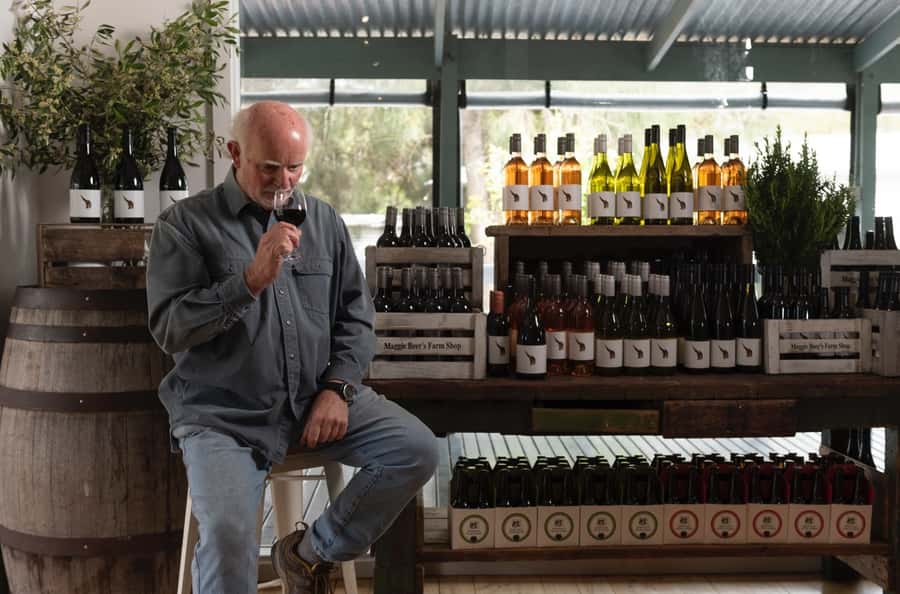
- Interactive tasting with a live guide explaining what you taste and why
- Barossa favorites included, including Shiraz and Cabernet
- Farm background from the Beer family, with grape-growing experience spanning over 40 years
- Small group size (max 10) that keeps it personal enough to ask questions
- Farm Shop time after the tasting, so you can browse once you know what you like
Entering Maggie Beer’s Farmshop: Why the Setting Matters
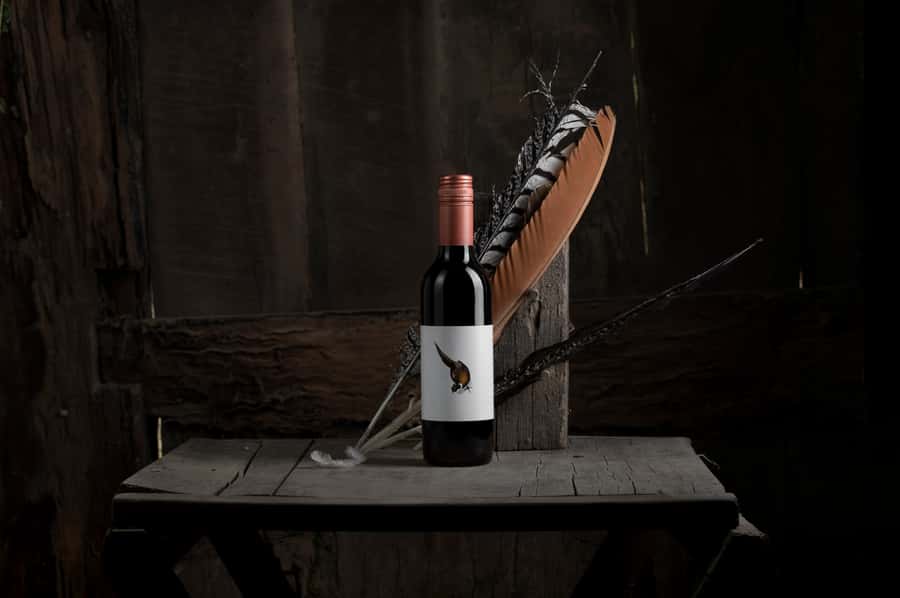
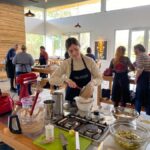
The Barossa has plenty of wine stops that feel like a conveyor belt. This one feels different because the tasting happens at Maggie Beer’s Farmshop, a place with personality right from the start. You are not just standing under a winery awning. You are in a hub that links food, farm life, and wine culture in a way that is easy to understand.
That setting does two useful things for you. First, it makes the experience feel approachable even if you do not know your tannins from your dinner plate. Second, it gives you a clear next step: after the tasting, you can spend some time browsing the shop, picking up bottles, or simply soaking in the atmosphere.
Another plus: some days you may meet guides like Chris, who has been praised for clear, solid explanations. You will want someone who can talk about wine without turning it into jargon. This experience leans that direction.
You can also read our reviews of more food & drink experiences in South Australia
The 30-Minute Plan: What Happens During the Tasting
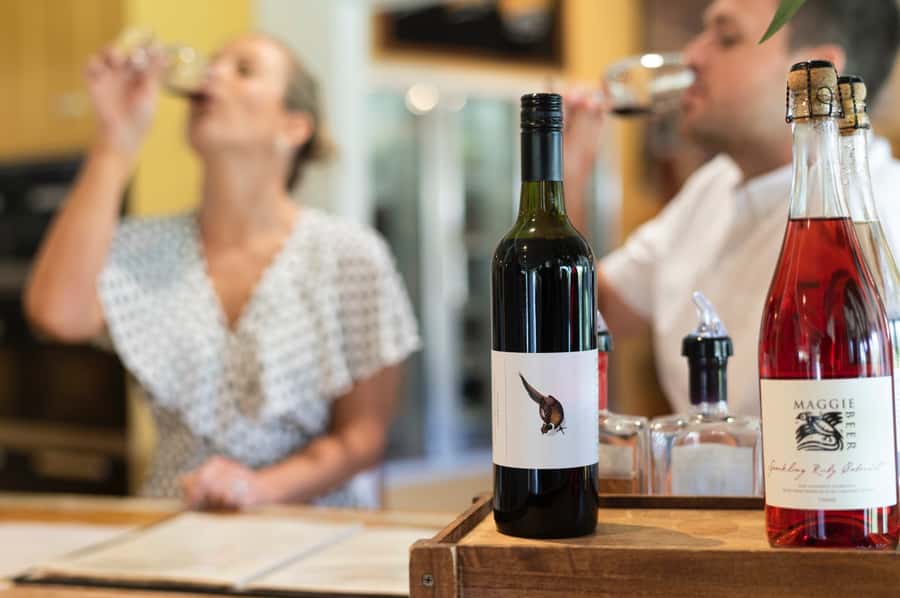
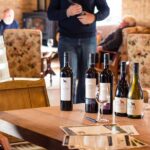
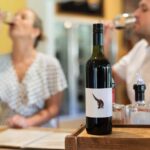
You should treat this as a focused sampler, not a half-day event. The activity runs for 30 minutes, guided in English, with a live tour guide walking you through the lineup of Pheasant Farm Wines.
Here is the flow you can expect:
- You meet the Farmshop team when you arrive at your booked time.
- The guide brings you into the tasting and starts describing each variety’s story.
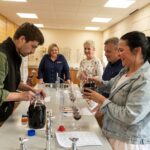
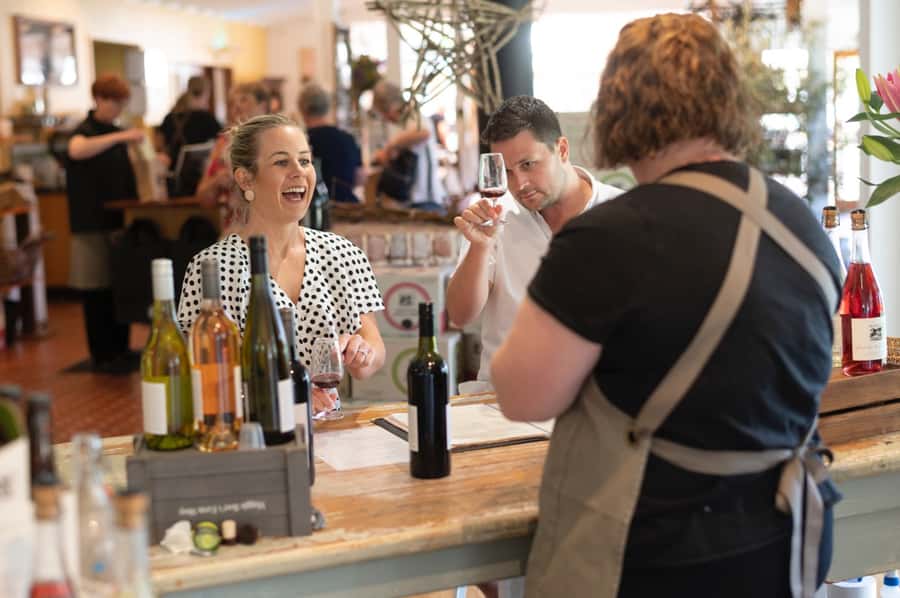
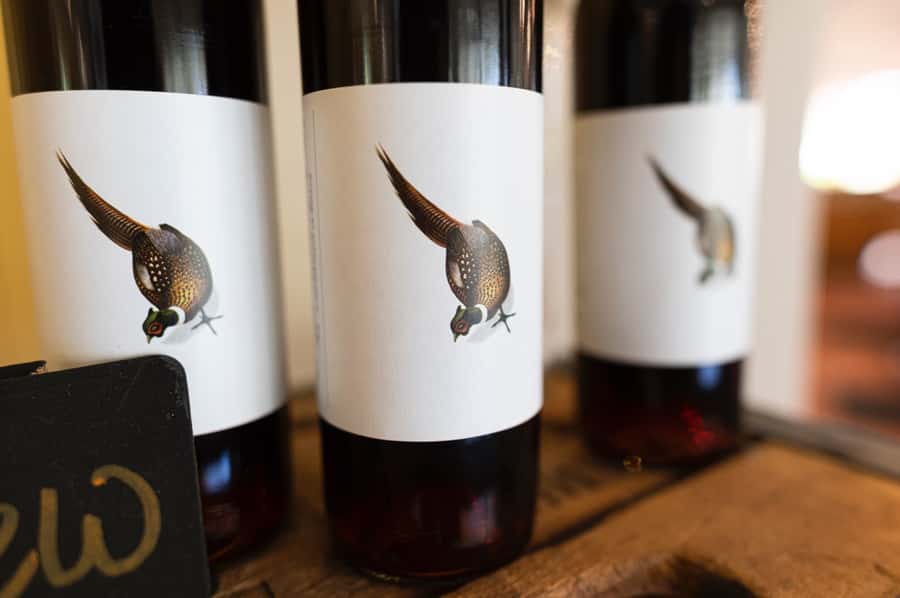
- You taste the wines from the range while the guide explains what makes each one distinct.
- After the tasting portion ends, you have a chance to explore the Farm Shop.
The big win here is how much you can learn in so little time. Instead of being hit with dozens of details, you get the parts that matter: what you are tasting, how Barossa grapes contribute to flavor, and how the wine gets made from vine to bottle.
Shiraz and Cabernet: Learning Without Overthinking It
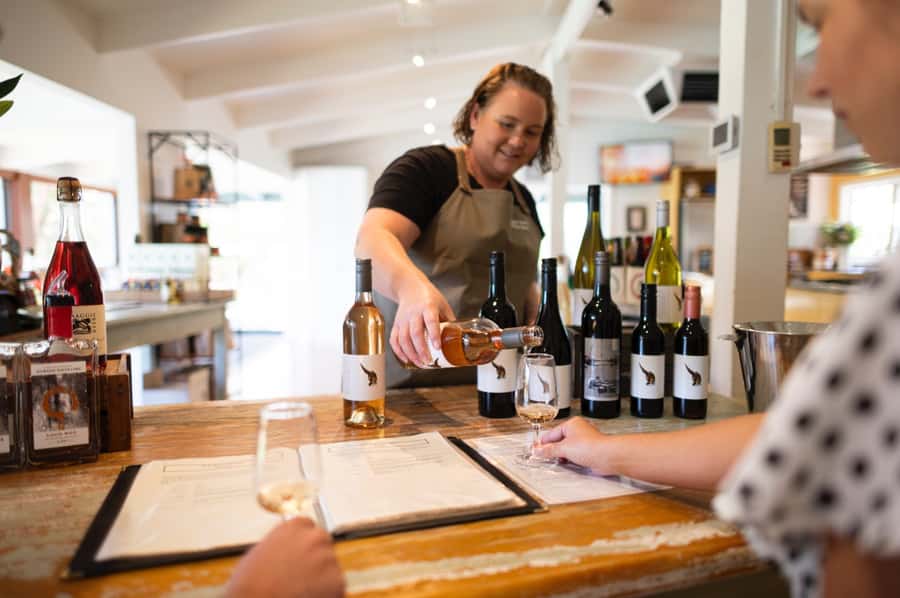
If you have ever tasted wine and thought, I like it, but I cannot say why—this tasting helps you solve that problem. The experience includes classic Barossa styles, including Shiraz and Cabernet. Those two are a great choice because they represent different flavor directions.
In a tasting like this, the guide’s job is to help you identify what you experience on your palate. You will hear how each variety behaves, what characteristics people associate with it, and how grape-growing choices shape the final glass. You do not need formal wine training. You just need a curious attitude and a willingness to pay attention to differences between sips.
I also like that the tasting stays practical. You are not just collecting tastes for the thrill of it. You are collecting information you can use when you see a bottle later—maybe right there in the shop.
How Grapes Become Wine: The Farm Story Behind the Glass
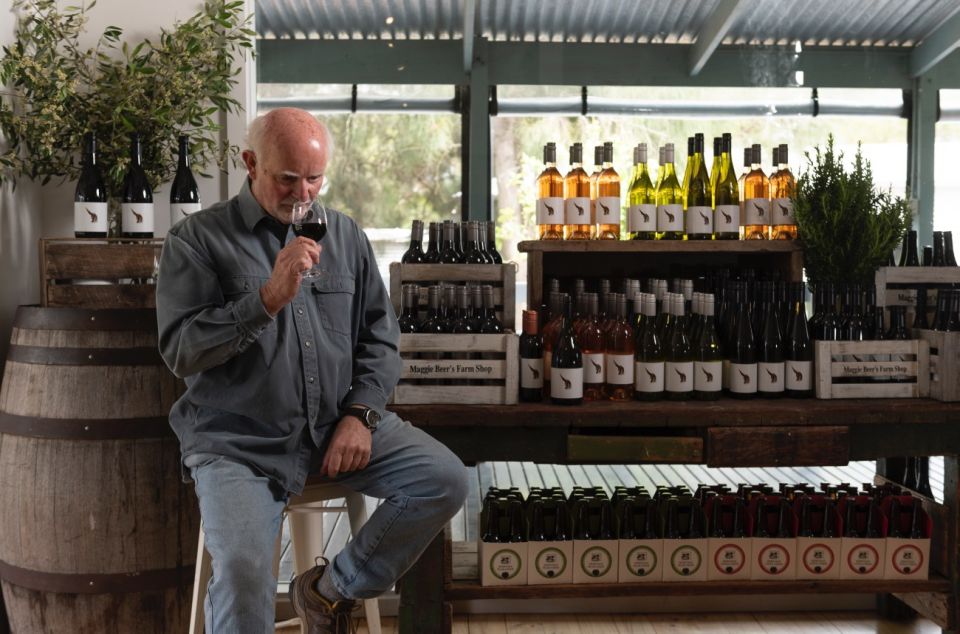
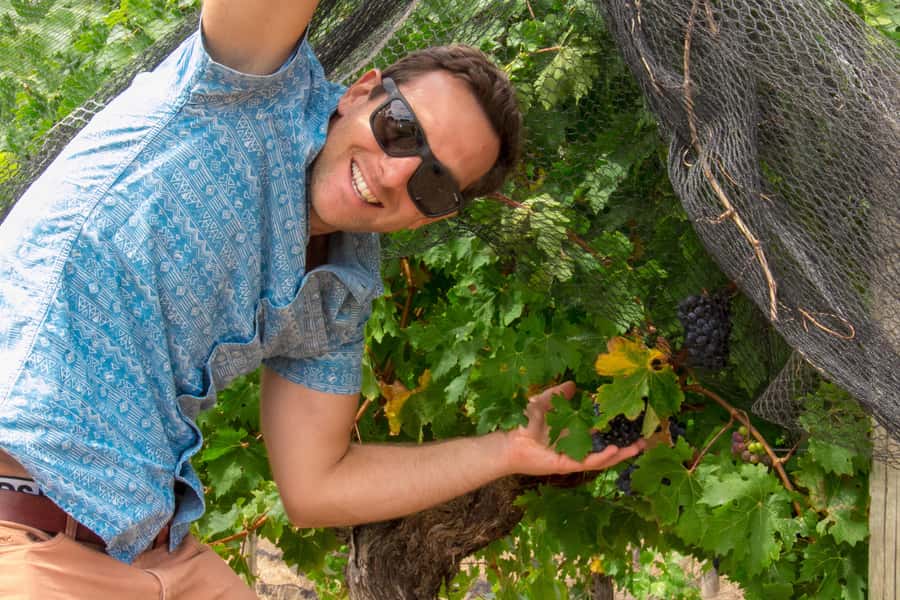
One of the most compelling parts is the farm angle. This is not just winery marketing. The guides connect the wines back to agriculture and process—how the grapes are grown, and how they are turned into wine.
A key detail that grounds the stories: Maggie and Colin Beer have been grape growers for over 40 years. That matters because it suggests the explanation you hear is rooted in experience, not just a scripted speech.
This section of the tasting is especially helpful if you are the type who wants the bigger picture. You might be a casual drinker who wants to understand what you’re paying for. Or you might be a curious foodie who likes knowing where flavor comes from. Either way, the explanation gives you a simple framework:
- grape growing affects flavor potential
- winemaking decisions shape how that potential shows up
- the final wine reflects both farming and craft
If that sounds like something you would enjoy, you will likely finish the tasting with more confidence selecting a bottle, instead of guessing.
Farm Shop Time After the Tasting: Use It Smart
After the 30-minute tasting, you are encouraged to spend time exploring the Farm Shop. This is where the experience can become personal. You now know which styles you responded to, so browsing becomes easier.
I recommend using the shop time in two passes:
- Taste memory pass: think back to what you liked most. Was it the style, the body, the balance, the finish?
- Bottle fit pass: look for bottles that match the same vibe.
If you plan to buy wine, do yourself a quick favor: ask the staff how tastings relate to purchases. One earlier guest raised a fair point about pricing and whether the tasting fee should be credited if you buy a bottle. You do not need to let that turn into worry. Just confirm what applies to your situation before you hand over money.
Also, the Farm Shop is part of the charm. Some people highlight being able to see Maggie’s kitchen, which adds a small, memorable dose of personality to the visit. Even if you are not on a food mission, it makes the place feel more like a home-farm stop than a showroom.
You can also read our reviews of more wine tours in South Australia
Price and Value: Is $12 Worth It?
$12 per person for a guided tasting that runs 30 minutes can feel like a steal or a fair deal depending on what you expect. Here’s how I see the value.
You are paying for:
- a live guide in English
- a tasting of a range of Pheasant Farm Wines (including major styles like Shiraz and Cabernet)
- an explanation of grape-to-wine process and variety stories
- time to continue into the Farm Shop after the tasting
You are not paying for:
- food (it is not included)
- a full-day vineyard program
- a long, multi-stop itinerary
So the value calculation is simple. If you want a quick, guided introduction to Barossa wines at a well-known farm setting, $12 makes sense. If you want wine plus lunch or a big sightseeing day, you will likely feel like you need to add something else.
My advice: treat this as a smart add-on if you already have other plans in the region. Pair it with a meal later, or arrive earlier/later so hunger does not interrupt your enjoyment.
Group Size, Timing, and How to Fit It Into Your Day
This is a small group experience with a maximum of 10 participants. That matters more than it sounds. Smaller groups usually mean you get better pacing and more room for questions. In a short tasting, that is a big deal. Nobody wants to feel rushed while trying to figure out what they like.
Timing is also straightforward: it lasts 30 minutes. You check in with the Farmshop team at your booked time. Because food is not included, it is smart to schedule this at a time when you are not starving, or have already eaten something earlier.
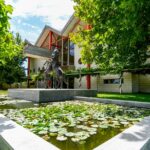
One more practical note from the vibe of the experience: you may appreciate some visual appeal around the property, with at least some days earning praise for a scenic view. You can enjoy that while you wait, then focus when the tasting begins.
Who This Experience Suits Best (and Who Might Skip It)
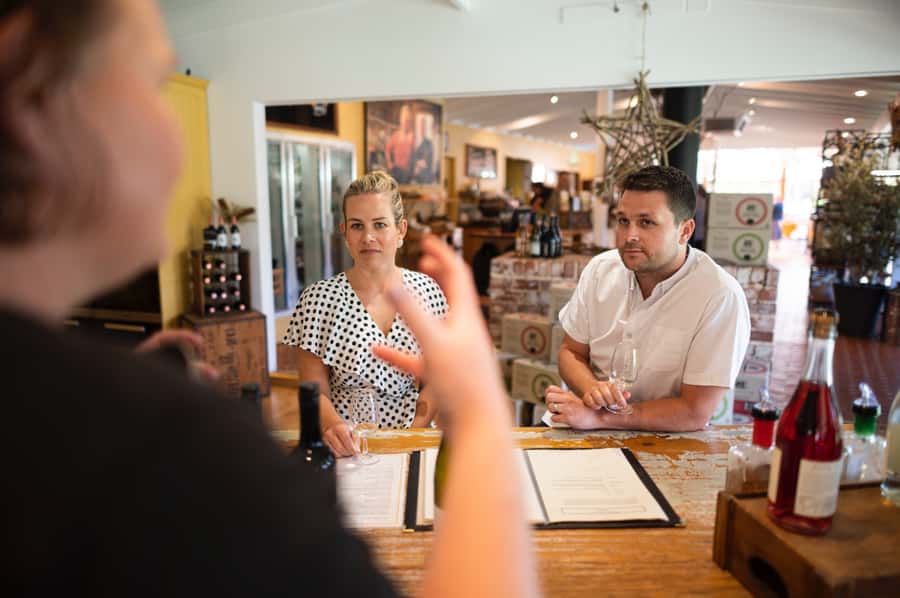
This tasting is a strong match for:
- adults who want a short wine education without pressure
- people who like classic Barossa styles such as Shiraz and Cabernet
- travelers who enjoy small-group guidance
- anyone planning to shop afterward and wants better bottle-picking instincts
It may not be the best match for:
- families with kids (it is not suitable for children under 18)
- anyone expecting food included or a long vineyard walk
- visitors who want a full tour of cellars, multiple stops, or a day with lots of driving and checkpoints
If you are the type who likes quick stops done well, this fits your style.
Practical Tips Before You Go
A few small moves will make your 30 minutes smoother:
- Arrive a few minutes early so you can check in with the Maggie Beer’s Farmshop team without stress.
- Wear something comfortable. Tastings can involve standing and moving slightly during pours and explanations.
- If you are driving afterward, pace yourself. You are tasting multiple wines, even if it is only 30 minutes.
- Bring questions. With a small group size, your curiosity is useful, not annoying.
If you use a wheelchair, this experience is listed as wheelchair accessible, which is a real advantage when you are planning around mobility needs.
Should You Book the Pheasant Farm Tasting?
I think you should book if you want a short, guided wine introduction in a famous Barossa setting—especially if you like the idea of learning how the grapes become the wines you are tasting. The small group size and interactive approach make it feel worth the $12.
Skip it or rethink if your main goal is a food-focused tour, a long vineyard walk, or a full day of countryside sightseeing. This is a tasting plus shop time, not a meal and not a big multi-stop adventure.
If you are in the Barossa and you want to walk away with clearer taste preferences—without spending half the day at a cellar door—this is a smart choice.
FAQ
How long is the Barossa Valley Pheasant Farm wine tasting?
The experience lasts 30 minutes.
What is the price per person?
It costs $12 per person.
Is food included with the wine tasting?
No. Food is not included.
Where do I check in for the experience?
Check in with a member of the Maggie Beer’s Farmshop team when you arrive at your booked time.
How big is the group?
The group is limited to 10 participants, so it stays small.
What language is the tour guide?
The tour guide provides the tasting in English.
Is it suitable for children?
It is not suitable for children under 18.
Can I cancel for a full refund?
Yes. You can cancel up to 24 hours in advance for a full refund.