REVIEW · SYDNEY
Australian Surfing and Camping Tours
Book on Viator →Operated by Australian Surf Bus · Bookable on Viator
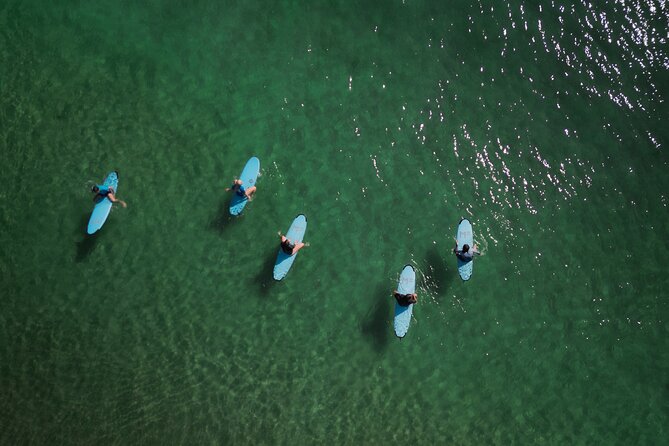
Your surf week starts before the sun. This small-group East Coast camping adventure strings together famous breaks like Byron Bay and Seal Rocks, with coaching you get every day (plus a daily video pack for feedback). I like that the trip is built for different skill levels, from first timers to people who want cleaner technique, and I also like the vibe shift from “tour bus” to actual outdoor living with swag camping and wildlife time on the way.
One thing to weigh: the day starts at 6:00 am, and you’re sleeping in swag-style camping, so comfort matters more than on a hotel trip. If you’re the type who hates early mornings or cold nights, this won’t feel effortless.
In This Review
- Key highlights at a glance
- Why this surf-and-camping route feels different than a basic surf trip
- Price and logistics: what $892.97 buys you in real-world value
- Coaches, lessons, and how daily video feedback speeds up progress
- Swag camping and meals: the comfort checklist you actually need
- Stop-by-stop: what each surf spot teaches you
- Gold Coast kick-off: big wave energy to start the week
- Byron Bay: the Pass point break and the town break between sessions
- Yamba: original surf town feel and beach-break style surfing
- Red Rock and the Gumbaynggirr experience: learning beyond the waterline
- Scotts Head: point break practice and the Trent Munro connection
- Crescent Head: longboard-friendly waves for style and control
- Seal Rocks: wildlife views, hikes, and a calmer coast day
- Newcastle: history-surf culture and lunch on your own
- Wildlife watching and the outdoors mindset
- Who this tour fits best
- Final verdict: should you book this Australian Surf Bus trip?
- FAQ
- FAQ
- How long is the Australian Surfing and Camping Tours experience?
- Where does the tour take place?
- What time does the tour start?
- How big is the group?
- What kind of accommodation is included?
- What meals are included?
- Are surf lessons and equipment included?
- Do you get video feedback on your surfing?
- Is an Indigenous experience included?
- Does the tour have a cancellation option if weather is bad?
Key highlights at a glance
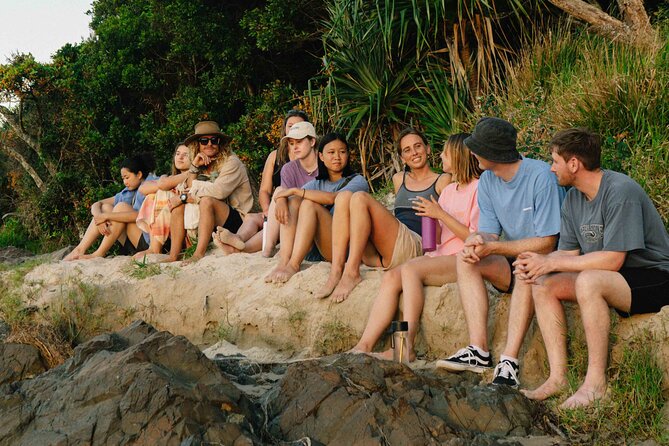
- Max 9 people keeps the coaching personal and the group feel friendly
- Daily surf lessons + video analysis so you can adjust your form fast
- Wetsuits and foam boards provided, meaning less gear juggling
- Swag camping with wildlife watching, so the trip feels like more than surf stops
- Meal plan includes healthy breakfasts and dinners, with lunch mostly on your own
- Ancient Indigenous experience at Red Rock with the Gumbaynggirr People
Why this surf-and-camping route feels different than a basic surf trip
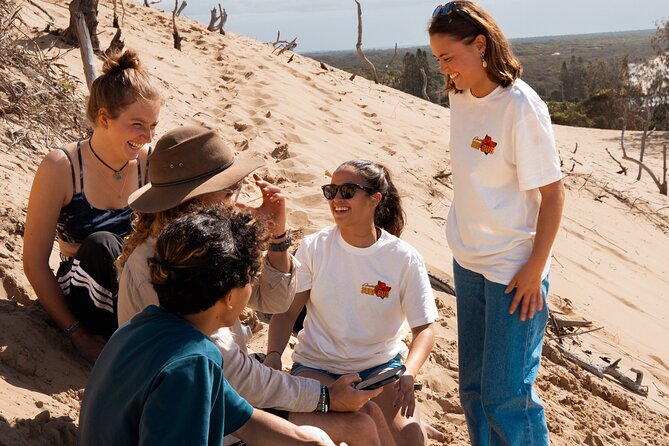
What I like about this kind of Australia surf trip is the balance: you’re not just chasing boards and beaches. The route is designed as a coast-hopping week where each stop has its own surf style, scenery, and rhythm, so you end up learning across different conditions instead of repeating the same wave over and over.
The small size (up to 9) matters more than it sounds. With fewer people, coaches can spend real time on your stance, paddling, timing, and takeoff. And because instruction is scheduled daily, you’re not stuck waiting days between improvements. The vibe also tends to feel like a shared project: wake up early, get wet, eat well, sleep outside, and repeat.
You can also read our reviews of more tours and experiences in Sydney.


Price and logistics: what $892.97 buys you in real-world value
At $892.97 per person for about 6 days (some trips run 5), you’re paying for a full package: transport pickup, daily lessons, core gear, and food on most of the calendar. Many short surf experiences charge extra for coaching time, boards, and entry fees, so the value here is that you’re not constantly re-buying the basics mid-trip.
You also get practical “learning infrastructure,” not just a surf location and a guide who points you toward the water. The tour includes daily surfing video analysis and a video pack, which is useful if you want to spot the small stuff: where your eyes look, how you load your legs, or what your timing looks like from the outside.
The logistics are also simplified a bit: there’s pickup offered, plus a mobile ticket. And the meeting point is said to be near public transportation, which helps if you’re not planning to drive.
Coaches, lessons, and how daily video feedback speeds up progress
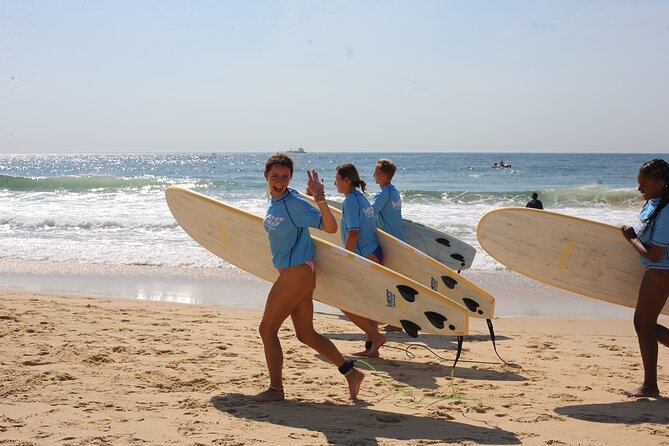
The biggest advantage in this trip format is the daily loop: ride waves with feedback, then review your movement with video analysis. That kind of repetition helps beginners understand what “good” looks like, and it helps intermediate surfers stop guessing and start correcting.
The tour is also set up for real skill variety. The surf spots chosen aren’t all identical, which means the coaches can match conditions and instruction to your level. If you’re brand-new, you’ll still be learning the fundamentals. If you’re past the “I can stand up sometimes” stage, you’ll likely appreciate the chance to refine and compare technique across different breaks.
And I’ve got to mention the human factor. The experience is tied to Australian Surf Bus, and the host named Seb comes up in participant feedback as a key reason people feel looked after. In a coaching-heavy week, that attitude matters as much as the instruction.
Swag camping and meals: the comfort checklist you actually need
This tour is not a hotel vacation. You sleep in swag camping, which is a fun, Australia-in-the-backpackers way to do it, especially if you like sleeping close to the outdoors. The upside is obvious: the stars, the coastal air, and that sense that you’re part of the landscape, not just passing through it.
The tradeoff is that swag camping is still camping. Expect the kind of comfort you get from camping gear, not padded mattresses and daily housekeeping. Also, the trip starts at 6:00 am, so you’ll feel every early morning more than on a slower tour.
On the food side, you’re covered for healthy breakfasts and dinners daily. Lunch is not included, and you’ll generally find a chance to pick food up from local cafés along the route. That structure is smart: it keeps the schedule efficient while still giving you flexibility to try local spots.
Stop-by-stop: what each surf spot teaches you
- Blue Mountains Small-Group Tour from Sydney with Scenic World,Sydney Zoo & Ferry
★ 5.0 · 3,709 reviews

Gold Coast kick-off: big wave energy to start the week
You begin at the Gold Coast, a place with “surf legend” energy and the kind of waves that make people understand why Australians obsess over surf culture. Starting here is a good move because the conditions can help you quickly wrap your head around wave selection, paddling effort, and staying calm in the impact zone.
A practical detail: the stop is listed with a 6-hour block, so it’s not a quick photo stop. You’ll get meaningful water time rather than just touring the coastline.
Byron Bay: the Pass point break and the town break between sessions
From there, the trip heads to Byron Bay, famous for a mix of surf technique and scenery. The focus is on surfing the iconic point break at The Pass, plus time in the town for food and views.
I like the way Byron is positioned. You’re not just there to surf and leave. You get a town day feeling with time to slow down, eat well, and enjoy the coastline. The route description also notes award-winning eateries, which matters because Byron can be expensive if you’re eating out all week. Having dinner included elsewhere balances that out.
Yamba: original surf town feel and beach-break style surfing
Yamba is presented as another classic East Coast surf town, with emphasis on brilliant beach breaks. Beach breaks can feel different from point breaks, and that difference is exactly why this route helps your progression. You learn to adapt your takeoff and your timing when the wave shapes differently.
Yamba also adds the “stay outside” factor: it includes camping under the stars and time for wildlife watching. That’s a nice shift from always thinking in surf terms, and it helps break up the week mentally.
Red Rock and the Gumbaynggirr experience: learning beyond the waterline
Not every surf trip includes real cultural time, and this one does. At Red Rock, you visit a sacred site and get to meet local Gumbaynggirr People to learn about ancient survival methods.
This is one of the most meaningful parts of the itinerary because it broadens the trip from sport to place. You’re still doing a surf tour, but you’re also understanding that the coast has long been lived-in, observed, and respected.
A good consideration here: if you prefer pure active sightseeing (or you have limited interest in cultural learning), this stop may feel slower than the surf breaks. Still, it’s built into the experience for a reason.
Scotts Head: point break practice and the Trent Munro connection
At Scotts Head, the focus is on surfing the point break, and the learning angle is linked to former world number 1 pro surfer Trent Munro. Even if you’re not trying to compete, point breaks reward patience and positioning, so this stop is a natural place to refine how you read a wave before you commit.
This day also includes exploring a tiny surf town. That matters because downtime between sessions helps you process coaching notes. With a small group, the town time also tends to feel social without being chaotic.
Crescent Head: longboard-friendly waves for style and control
Crescent Head is highlighted for its iconic point break and for attracting some of the best longboard surfers. Even if you’re riding foam boards and learning basics, the location is useful because the surf tends to encourage smoother movement and better line choice.
If you love the idea of riding waves with control rather than just speed, this is the kind of stop that can click. And if you’re still new, it can help you understand why stance and timing matter more than brute force.
Seal Rocks: wildlife views, hikes, and a calmer coast day
Seal Rocks adds a different mood: stunning views, marine life, and the chance to do breathtaking hikes. This is a good change of pace after multiple surf-heavy days, especially if you want to stretch your legs and see what the coast looks like away from the board.
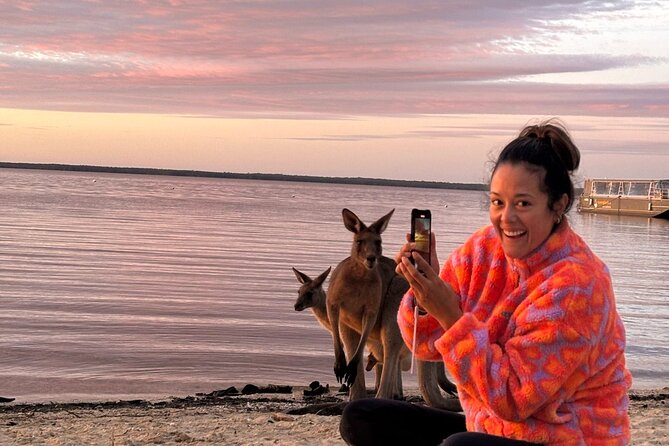
The tour also emphasizes wildlife watching here. If you’re the type who looks up from your phone and actually notices seabirds and ocean movement, you’ll probably enjoy this stop more than you think.
Newcastle: history-surf culture and lunch on your own
The route finishes with a stop in Newcastle, with time for lunch and a wander through a city shaped by both history and surf culture. The description also points out quirky little cafés and bars, which is a useful reminder that your lunch day doesn’t have to mean “grab something quick and rush back.”
This kind of final stop can help the trip land well. After days of early mornings and water sessions, a casual city walk feels like you’re getting your energy back while still soaking up local flavor.
Wildlife watching and the outdoors mindset
A key theme across the trip is wildlife watching. That’s not just a nice extra; it’s part of the reason a multi-day camping surf tour works. When you spend your days on the coast, you start noticing the small signs: birds overhead, movement on the water, and that coastal soundscape you only get when you’re not trapped indoors.
If you want a tour that’s mostly action with zero downtime, this might feel like more “coast time” than you expect. But if you like that outdoors rhythm, it’s a real plus.
Who this tour fits best

This is a strong match if:
- you’re learning to surf and want daily coaching, not random lessons
- you want feedback you can re-check, thanks to the daily video analysis
- you’re okay with early starts and swag camping
- you like small groups (max 9) and a friendly schedule
It may be less ideal if you want a fully cushy vacation setup, because camping is central. Also, the tour lists moderate physical fitness as a factor. That doesn’t mean you need to be an athlete, but you should be ready for paddling days and some walking, especially at stops like Seal Rocks.
Final verdict: should you book this Australian Surf Bus trip?
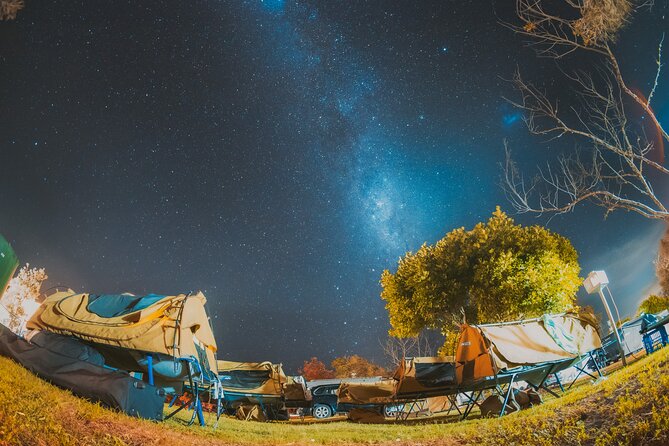
If your goal is to learn surfing properly while seeing real parts of the Australian east coast, I’d say this is a smart booking. The combination of daily surf lessons, gear provided, video analysis, and a route built on different wave types is the backbone of the value.
I’d only hesitate if you strongly dislike camping or early mornings, or if you want a trip where every minute is water time with no slower cultural or hike moments.
FAQ
FAQ
How long is the Australian Surfing and Camping Tours experience?
It runs for about 5 or 6 days (duration is approximate).
Where does the tour take place?
The tour is based on the Sydney, Australia area and travels along the Australian east coast to surf and visit multiple stops.
What time does the tour start?
The start time is listed as 6:00 am.
How big is the group?
The maximum group size is 9 travelers for a more personal experience.
What kind of accommodation is included?
You’ll stay in swag camping for an authentic outdoor experience, and the tour includes camping equipment.
What meals are included?
You get a healthy breakfast each day and healthy dinners each night. Lunch is not included.
Are surf lessons and equipment included?
Yes. Surfing lessons are provided daily, and the tour includes wetsuits and foam boards.
Do you get video feedback on your surfing?
Yes. There is surfing video analysis daily, plus a video pack.
Is an Indigenous experience included?
Yes. The tour includes an ancient Indigenous experience at Red Rock, with the Gumbaynggirr People.
Does the tour have a cancellation option if weather is bad?
Yes. The experience requires good weather. If it’s canceled due to poor weather, you’ll be offered a different date or a full refund. There is also free cancellation up to 24 hours in advance for a full refund.


More Tours in Sydney
- Blue Mountains Small-Group Tour from Sydney with Scenic World,Sydney Zoo & Ferry
★ 5.0 · 3,709 reviews


More Tour Reviews in Sydney
- Blue Mountains Small-Group Tour from Sydney with Scenic World,Sydney Zoo & Ferry
★ 5.0 · 3,709 reviews