REVIEW · SYDNEY
Sydney Zoo General Entry Admission Ticket
Book on Viator →Operated by Sydney Zoo · Bookable on Viator
You’ll spend a day where animals meet smart design. Sydney Zoo’s Bungarribee Wildlife Experience blends mixed-species exhibits and themed areas—from the African Boardwalk to open-range Australia—so you’re not just looking at cages, you’re walking through habitats. I especially like the scale here (over 4,000 species and endangered animals) and the practical perks, including FREE parking. One drawback to plan for: the visit window is flexible (about 1 to 6 hours), so if you’re short on time, you’ll need to choose which areas to focus on first.
What helps is the simple setup: your admission is a mobile ticket, and the zoo is designed with accessibility in mind (no hills or steps). Families also get a lot of space to regroup—places to sit, places to eat, and even school programs that make the day feel organized rather than chaotic.
In This Review
- Key highlights at Sydney Zoo (Bungarribee Wildlife Experience)
- Tickets, timing, and what your $43.03 gets you
- Entering Bungarribee: how the habitat design changes the day
- African Boardwalk and mixed-species habitats: what to look for
- Primate Boulevard and south-east Asia: how to plan your viewing
- Bungarribee Dreaming: First Nations culture in the route
- Open-range Australia: the kangaroo and wallaby factor
- The “only zoo + aquarium in NSW” angle (and why it helps)
- Family-friendly realities: seating, food breaks, and school programs
- Accessibility and comfort: why “no hills or steps” is more than a checkbox
- Parking and getting there: a Sydney-day sanity saver
- Should you book Sydney Zoo general entry?
- FAQ
- What time does Sydney Zoo entry start?
- How long should I plan to spend at Sydney Zoo?
- Where is Sydney Zoo located?
- What is the price for general entry?
- Is the ticket sent to me on my phone?
- Is parking included, and is it free?
- Is Sydney Zoo easy to navigate for visitors with mobility needs?
- Is the zoo near public transportation?
- Can I get a full refund if I cancel?
- Is Sydney Zoo good for families?
Key highlights at Sydney Zoo (Bungarribee Wildlife Experience)
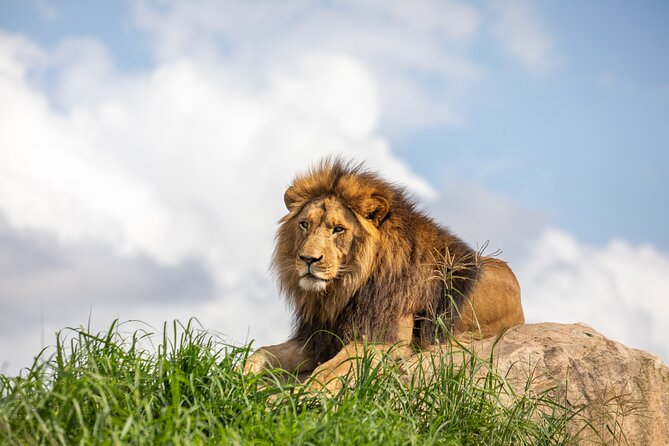
- African Boardwalk mixed-species habitats that mimic savannah-style scenes
- Primate Boulevard for a concentrated look at primates and nearby animal areas
- First Nations learning via Bungarribee Dreaming as part of the route
- Open-range Australia where kangaroos and wallabies can move through pathways
- Free parking with entry, which makes the day easier on your budget
- No hills or steps, built to help visitors move around comfortably
Tickets, timing, and what your $43.03 gets you
Sydney Zoo general entry runs at about $43.03 per person, and it’s billed as a mobile ticket experience with a start time of 9:00 am. The duration is flexible—roughly 1 to 6 hours—which matters because a zoo day isn’t one-size-fits-all. If you have little kids, you might be done in a couple of hours. If you like lingering (and taking breaks), you can easily stretch it closer to a half-day.
For value, I like that this isn’t just a zoo-only pitch. Sydney Zoo is described as the only combined zoo and aquarium in NSW, and the Bungarribee layout is built to keep you moving through distinct themed zones instead of repeating the same viewing pattern. You’re paying for access to a lot of animal “stops” within one site.
Also pay attention to the practical parts. The information says there’s free parking, which can be a big deal in Sydney. It also notes the site is near public transportation, so you have real options if you don’t want to drive.
A few more Sydney tours and experiences worth a look
Entering Bungarribee: how the habitat design changes the day
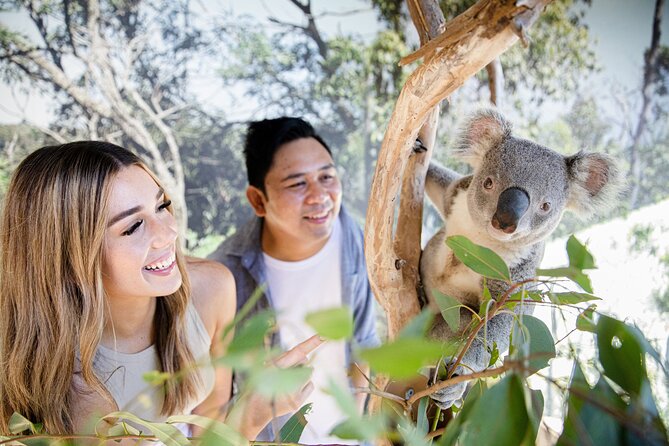
The heart of the experience is the Bungarribee Wildlife Experience, built around habitat-style design. Instead of the usual feeling of walking past isolated enclosures, the pathway route is organized so you can experience the zoo as themed regions. That’s the difference you feel right away: you’re not just hunting for your favorite species, you’re following a story arc that moves from continents and ecosystems to local Australian wildlife.
The promise here is big: visitors can see over 4,000 awe-inspiring and endangered species from around the world. Even if you don’t get to every animal, the sheer number usually means you won’t have dead time waiting for something interesting. You’ll keep hitting new sights as you walk.
One more design detail I think you’ll appreciate: Sydney Zoo is stated to have no hills or steps, making it more comfortable to move around. That doesn’t mean it’s short, but it does mean you’re less likely to feel stuck navigating steep grades or stairs.
African Boardwalk and mixed-species habitats: what to look for
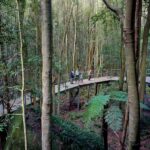
If you want the first “wow” moment, start with the African Boardwalk. This is where you’ll see scenes from the savannah through mixed-species habitats, which is a fancy way of saying the zoo tries to create a more natural-feeling grouping. The info specifically calls out the African Boardwalk as a stroll space, so plan on moving slowly enough to actually watch interactions rather than speed through.
What I like about this kind of exhibit layout is that it often gives you better variety in one walking stretch. You’re not only focused on one species at a time; you’re scanning multiple animals in a shared environment. That tends to keep kids more engaged and helps adults avoid the “I’ve seen this before” fatigue that can happen at some zoos.
Practical tip: early in the day is usually when animals are most active, and your 9:00 am start helps you get going before the midday slowdown. Even if activity levels vary, you’re more likely to enjoy the boardwalk atmosphere with fewer crowds.
Primate Boulevard and south-east Asia: how to plan your viewing
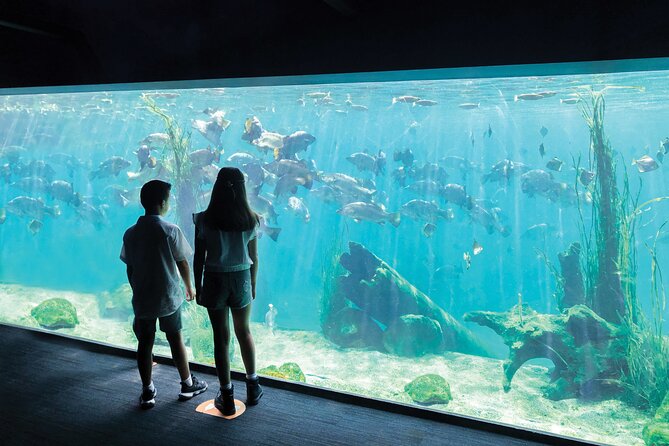
Next up is Primate Boulevard, described as a leafy corridor, followed by areas highlighting animals from south-east Asia. This is your chance to cluster your attention: primates are naturally the type of animals you can watch longer because their behavior is slow, social, and interesting up close.
Because the zoo’s overall concept uses themed pathways, I recommend you approach this section like a “mini-route.” Don’t just pass through—pause where the viewing makes sense, and then keep moving down the boulevard. That way, you’re not relying on luck to get a good view of every exhibit.
If you’re traveling with different ages, Primate Boulevard tends to be a good compromise. Adults often appreciate the chance to observe behavior and body language, while kids usually respond well to movement and facial expressions (even when you’re not seeing a big moment every minute).
Bungarribee Dreaming: First Nations culture in the route
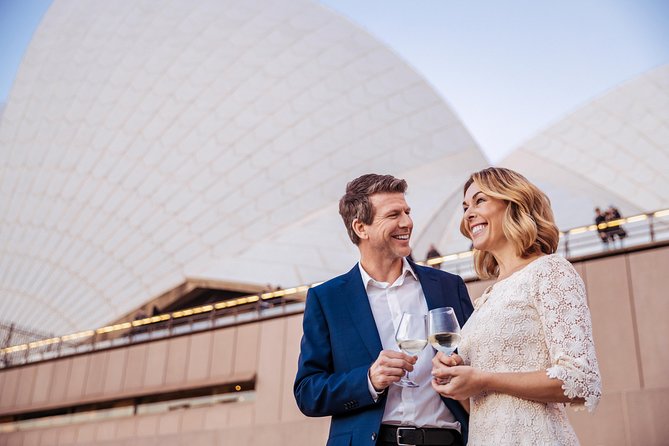
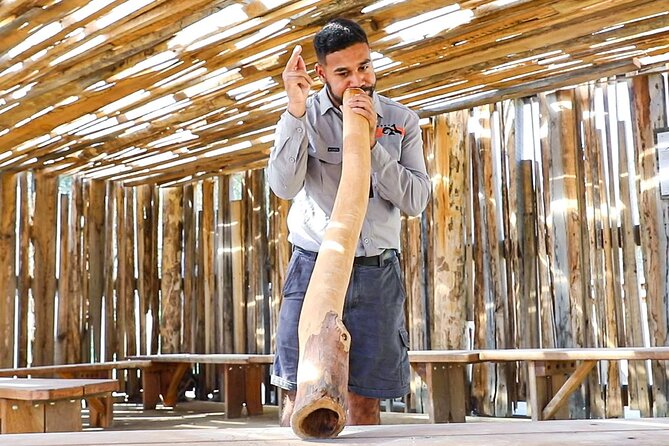
A key part of Bungarribee is the Bungarribee Dreaming experience, which the info frames as learning about First Nation culture. This matters because it turns the visit into more than animal spotting. You’re walking through an experience that includes cultural education, which gives the zoo a fuller purpose than purely entertainment.
How you engage with it is up to you. If you like learning stops, slow down here. If you’re traveling with kids, you can still make it work—focus on the parts that feel most interactive or easiest to understand from your viewing point.
I think the best way to treat this section is as part of your itinerary priorities. If you rush through just because you’re eager for the next animal, you’ll miss the element that gives the zoo its extra meaning.
A few more Sydney tours and experiences worth a look
- Blue Mountains Small-Group Tour from Sydney with Scenic World,Sydney Zoo & Ferry
★ 5.0 · 3,709 reviews

Open-range Australia: the kangaroo and wallaby factor

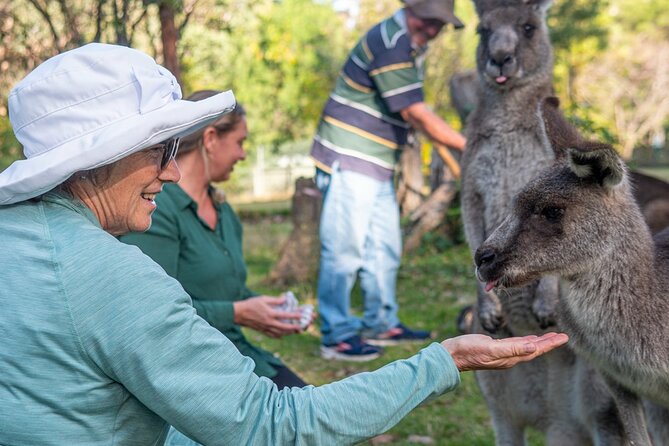
When it comes to Aussie icons, the open-range Australia habitat is the section you’ll remember. The info says kangaroos and wallabies hop freely around meandering pathways. That description is important: you’re not watching wildlife from behind a hard barrier in the same way you might at more traditional layouts.
This is where the design becomes emotional. Open-range areas can make you feel closer to wildlife in a way that static exhibits don’t. It also tends to create quick family wins: someone spots movement, everyone gathers, and the moment becomes a mini event even if you’re only seeing a small group.
Practical note: since it’s open-range, keep an eye on where people are walking so you don’t accidentally block paths or get too close to animals. It’s more fun when you give the space respect and keep things calm.
The “only zoo + aquarium in NSW” angle (and why it helps)
One of Sydney Zoo’s positioning points is that it’s the only combined zoo and aquarium in NSW. The exact aquarium focus isn’t broken down in the info you provided, so I won’t pretend you’ll know every tank theme ahead of time. But even without details, the combo is a real advantage: it increases variety, and it reduces the chance that the day feels repetitive if your group has mixed interests.
If you’ve got kids who get bored easily with one animal type, adding aquarium time usually helps. If you’re an adult who loves mammals but also likes learning how aquatic life fits into conservation, the combination gives you that contrast in one location.
Family-friendly realities: seating, food breaks, and school programs
One review summary highlights that the zoo is very family oriented, with “plenty of areas to sit down and have a bite to eat” and opportunities for the family to regroup. That’s not a small detail. A zoo day is long. If you don’t want everyone melting down halfway through, the ability to pause matters.
It also notes that there are several schools there with kids’ programs. That’s a sign the zoo isn’t just built for casual wandering—it can handle structured learning days too. For you, it means you’ll likely find signs, routines, and learning-friendly areas rather than a free-for-all.
If you’re traveling with a group that includes kids, my advice is to build in at least one intentional break. Don’t wait until everyone is cranky. Use the seating and food areas as a reset button so you can enjoy the second half instead of suffering through it.
Accessibility and comfort: why “no hills or steps” is more than a checkbox
Sydney Zoo is described as built with visitors in mind because it has no hills or steps, making it accessible to all visitors. That matters for mobility, but it also affects your energy level. When a place is easy to navigate, you spend more brainpower looking at animals and less dealing with fatigue or awkward routes.
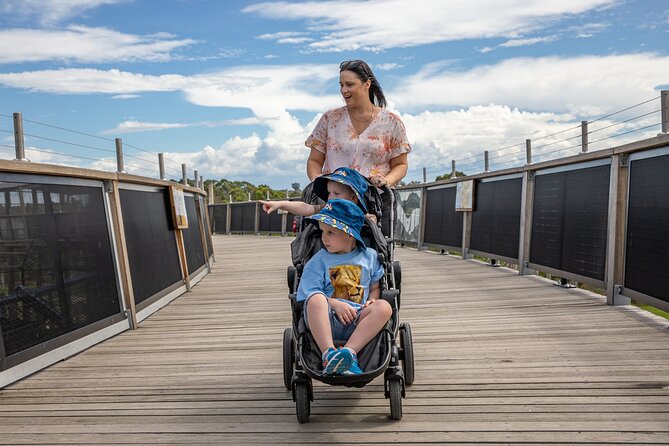
This also helps with practical situations: strollers, slower walking days, or simply the “I don’t want to fight stairs today” crowd. Even if you’re fully mobile, a smoother route can make the day feel less like an obstacle course.
Still, remember that “accessible” doesn’t mean “instant.” You’ll likely walk quite a bit around habitats and themed zones. If your group needs frequent rests, plan your route with that in mind.
Parking and getting there: a Sydney-day sanity saver
The zoo includes the standout practical perk that parking is FREE with your entry. In a city like Sydney, that can help you avoid the most annoying part of the day: unexpected costs and time spent searching for a spot.
The info also says Sydney Zoo is near public transportation. That’s ideal if you want flexibility. You can choose the easiest option on the day—drive if parking is convenient, or use transit if you don’t want to think about traffic.
For a 9:00 am start, I’d aim to arrive early enough to get oriented calmly. Even when the zoo is visitor-friendly, you’ll enjoy the day more if you don’t feel rushed at the gate.
Should you book Sydney Zoo general entry?
If you want a zoo day that feels thoughtfully planned—rather than a random loop of enclosures—this is a strong choice. I’d book it if your group includes at least one of these: animal lovers who want variety, families who need breaks and space, or anyone who likes the idea of cultural learning built into the day through Bungarribee Dreaming.
I’d think twice only if you’re extremely short on time. The visit can run 1 to 6 hours, and there’s enough to see that you may feel you’re skipping more than you’re enjoying. If that’s you, pick your top areas first (African Boardwalk, Primate Boulevard, Bungarribee Dreaming, then open-range Australia) and don’t overstuff the plan.
For most people, though, this is the kind of ticket that turns into a full, satisfying outing without needing extra add-ons.
FAQ
What time does Sydney Zoo entry start?
The start time listed is 9:00 am.
How long should I plan to spend at Sydney Zoo?
The duration is listed as 1 to 6 hours (approx.).
Where is Sydney Zoo located?
It’s in Sydney, Australia.
What is the price for general entry?
The price is listed as $43.03 per person.
Is the ticket sent to me on my phone?
Yes, the ticket is described as a mobile ticket.
Is parking included, and is it free?
Yes. The information states that parking is FREE with your entry.
Is Sydney Zoo easy to navigate for visitors with mobility needs?
The information says the zoo was built with you in mind and has no hills or steps, making it accessible for all visitors.
Is the zoo near public transportation?
Yes, it’s described as near public transportation.
Can I get a full refund if I cancel?
Yes, free cancellation is offered up to 24 hours in advance for a full refund.
Is Sydney Zoo good for families?
Based on the provided review summary, it’s very family oriented, with plenty of places to sit, areas to eat, and school programs for kids.

More Zoos in Sydney
- Blue Mountains Small-Group Tour from Sydney with Scenic World,Sydney Zoo & Ferry
★ 5.0 · 3,709 reviews
More Tickets in Sydney
More Tour Reviews in Sydney
- Blue Mountains Small-Group Tour from Sydney with Scenic World,Sydney Zoo & Ferry
★ 5.0 · 3,709 reviews