REVIEW · SYDNEY
Sydney Wildlife Safari
Book on Viator →Operated by Sydney Bespoke Tours · Bookable on Viator
Platypus chances start at dusk. This 10-hour Sydney Wildlife Safari swaps city noise for private farmland and bushland in the Southern Highlands, with wildlife watching built around a habitat link animals use to move safely between the Blue Mountains and Morton National Park. I love the small group feel and the practical kit: binoculars and handheld spotlights. I also like how the day doesn’t stop at birds and big mammals; it includes a late-river search for platypus.
One consideration: this is not a casual walk. You’ll cover about 1 km at a time on steep, rough, sometimes slippery trails and river banks, so it’s not a great fit if you have limited mobility or worry about your footing.
In This Review
- Key things I’d pencil into your day
- Southern Highlands wildlife timing: why the day is built for sightings
- From Circular Quay to Bowral: the comfort (and limits) of the trip
- Lunch in Bowral: learning to read the signs before you start walking
- Afternoon spotting on private farmland and bushland
- The corridor idea in action: what Great Western Wildlife Corridor means for you
- Dusk platypus search: the rare moment that makes the whole day click
- Dinner at Australia’s oldest licensed inn: staying fueled for night spotting
- Night spotlighting: wombats, possums, and Tawny Frogmouths
- Price and value: what $304.83 buys beyond a basic day trip
- What to pack and how to plan for the walking
- Who should book Sydney Wildlife Safari (and who might skip it)
- Should you book this safari?
- FAQ
- How long is the Sydney Wildlife Safari, and when does it start?
- Where do we meet in Sydney?
- What’s included in the price?
- What kind of walking is involved?
- Is alcohol included with dinner?
- What if the weather is bad?
Key things I’d pencil into your day
- A small group (max 8) plus gear means more attention when you’re scanning the bush.
- Private farmland and bushland give you access to places where animals actually show up.
- The Great Western Wildlife Corridor adds meaning to the sightings, not just a checklist.
- Dusk platypus searching at a quiet river is the high-luck moment of the day.
- Pub dinner with a drink, then night spotlighting keeps the whole schedule wildlife-focused.
- Binoculars and wildlife reference guides help you learn what you’re seeing on the spot.
Southern Highlands wildlife timing: why the day is built for sightings
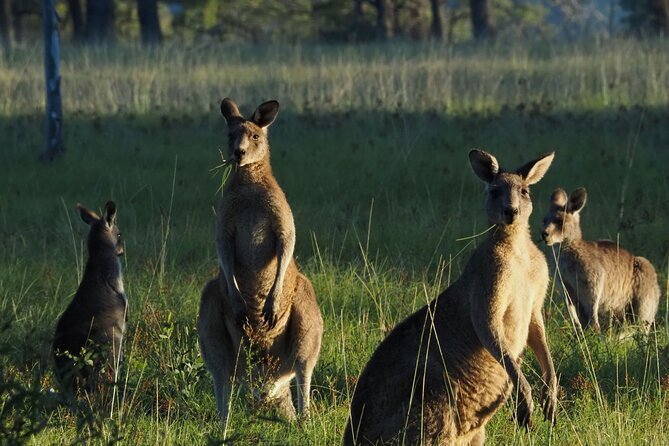
The magic here is the rhythm. You start late morning, work through the afternoon when many animals are active, then shift into dusk and night, which is exactly when harder-to-see species start to move.
You’re not just chasing animals for photos. The day is designed around movement patterns and a real ecological idea: the Great Western Wildlife Corridor. That corridor helps wildlife connect habitat between the southern Blue Mountains and Morton National Park, which matters because animals don’t live in one neat location. When your guide points out this connection, you start seeing the habitat as a network, not a single destination.
I also like that the program keeps its focus. You’ll be watching for kangaroos, wallabies, wombats, emus, and lots of birds, and the day saves the platypus moment for later, when a quiet river search makes sense.
A few more Sydney tours and experiences worth a look
From Circular Quay to Bowral: the comfort (and limits) of the trip
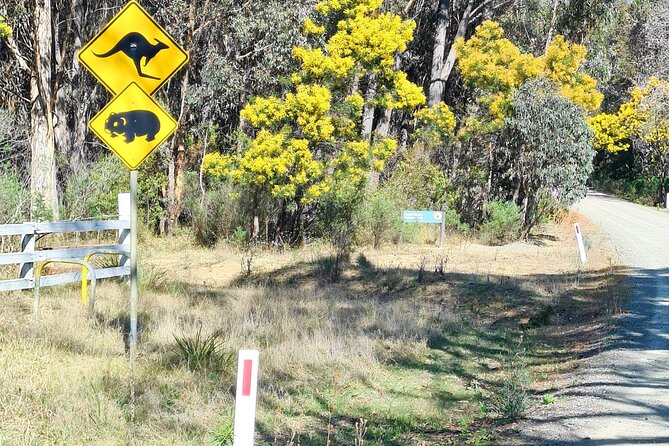
The meeting point is right in Sydney at the Sydney Harbour Marriott Hotel at Circular Quay, 30 Pitt St, Sydney NSW 2000, starting at 12:00 pm. You’ll head out with Sydney Bespoke Tours in comfortable air-conditioned transport, and the drive to the Southern Highlands takes about 90 minutes.
Because it’s a small group, you’ll likely spend more of the ride with the guide than with strangers competing for attention. That matters because your guide sets the stage first: what animals you might find, which ones are possible but not guaranteed, and how sightings will be recorded.
Just remember the tour is built around walking and field time later. The transportation gets you there; your legs and patience do the rest.
Lunch in Bowral: learning to read the signs before you start walking
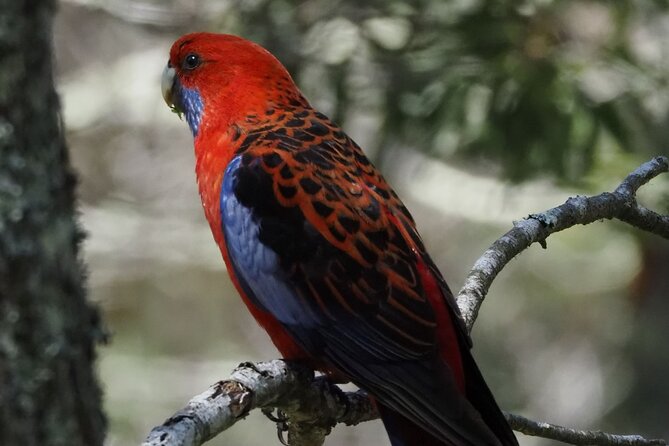
When you arrive in Bowral, you get a light lunch, typically gourmet wraps. It’s a good reset after the drive, and it also buys you a little time to settle in before the spotting starts.
Then you get a crash course in local wildlife conservation projects and monitoring programs. The practical value is in what you’re asked to watch for: signs that animals are using an area, plus the kind of details you can notice during your own scanning.
This is one of those moments that improves the whole day. Once you understand what you’re trying to spot—tracks, movement patterns, where birds feed or perch—you spend less time randomly looking and more time watching with a purpose.
Afternoon spotting on private farmland and bushland
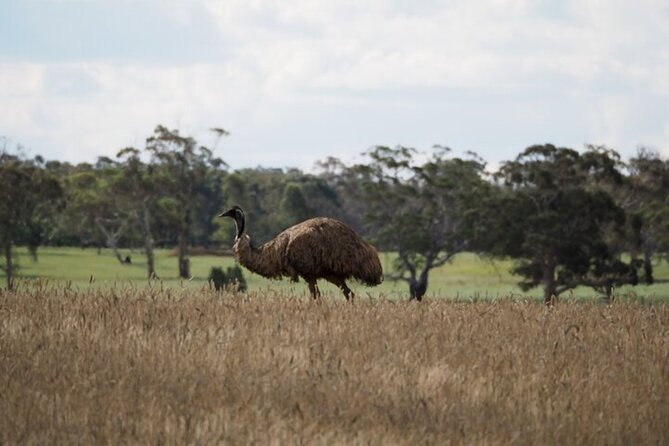
The afternoon is your main wildlife window, and it runs across several locations. You’ll move through private farmland and untouched bushland, guided between spots where different animals may appear.
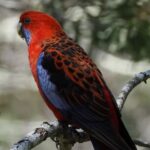
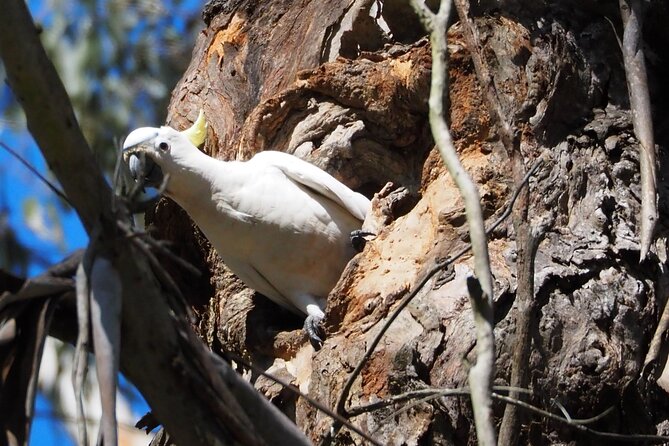
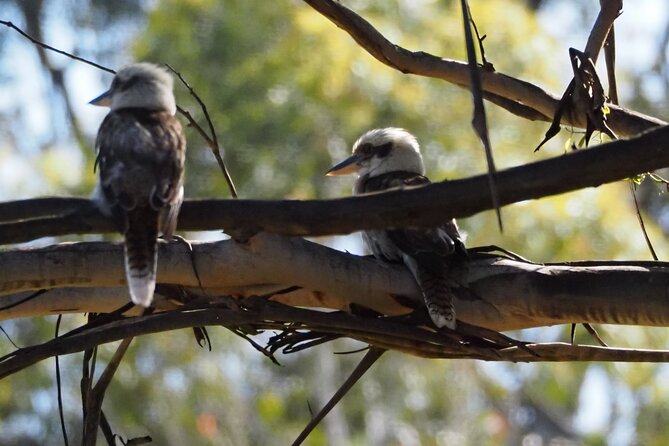
Birds tend to be the easiest win early on. Expect parrot activity in the trees and iconic calls like kookaburra, plus a broader mix of birdlife that gives you steady action even when mammals stay cautious.
Mammals can appear too. The day is set up for you to look for kangaroos, wallabies, wombats, and emus, and your guide uses timing and location to raise the odds. In plain terms: you’re not just walking around hoping; you’re being guided to areas where sightings are more realistic.
Here’s the trade-off. You’ll need to stay flexible with your eyes and your expectations. Some animals will be visible from a short distance; others may only show briefly, and sometimes the best you get is evidence of presence before the animal decides you’re not worth the risk.
The corridor idea in action: what Great Western Wildlife Corridor means for you
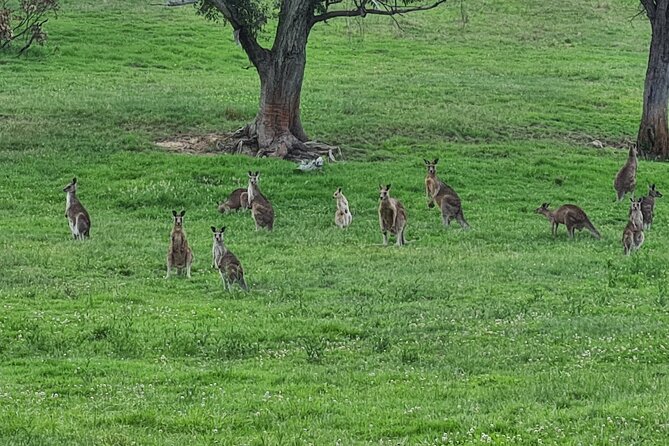
It’s easy to treat wildlife spotting like a checklist: see animal, move on, repeat. This tour does better by giving you a connection to the landscape’s function.
The Great Western Wildlife Corridor concept is about safe movement between habitat areas. When your guide talks about the corridor linking southern Blue Mountains and Morton National Park, you understand why certain areas matter even when the animals are not instantly obvious. Wildlife often moves along routes shaped by food, cover, and shelter, not by human walking trails.
That’s why your guide includes a conservation and monitoring overview. It changes how you watch. Instead of only looking for the animal itself, you start thinking about what the animal is doing—where it might feed, hide, or travel.
If you like learning while you’re outdoors, this is a strong part of the value. It turns a wildlife hunt into a guided interpretation.
A few more Sydney tours and experiences worth a look
Dusk platypus search: the rare moment that makes the whole day click
After dinner plans are in place for later, the schedule still saves its biggest wildcard for dusk. You’ll go to a quiet river to search for wild platypus, which is described as a rare and magical sight.
This is the moment where you’ll feel the limits of wildlife watching. You can’t force a platypus to appear. The best you can do is show up when it’s most likely to be active, stay still enough to avoid disrupting the scene, and use the guide’s timing.
Handheld spotlights and your guide’s instructions help you scan carefully without turning the search into a loud commotion. Even if the platypus doesn’t show, you still come away with a different kind of understanding: how much patience is part of Australian wildlife.
If seeing platypus is your top goal, keep your mindset flexible. The experience is built around effort and probability, not guarantees.
Dinner at Australia’s oldest licensed inn: staying fueled for night spotting
Dinner is included, and it’s a classic country pub meal with a drink (alcoholic or non-alcoholic). The setting is Australia’s oldest licensed inn, which adds character to the evening without turning dinner into a performance.
This stop matters because it keeps the day from collapsing at night. You’ve been walking and scanning during daylight, then you shift into dim conditions. A real meal before spotlighting helps you stay comfortable and alert, especially when the temperature changes in the evening.
One practical note: the minimum age to consume alcohol is 18, and photo ID may be requested. If you’re under that threshold or prefer not to drink, you can still choose the non-alcoholic option.
Night spotlighting: wombats, possums, and Tawny Frogmouths
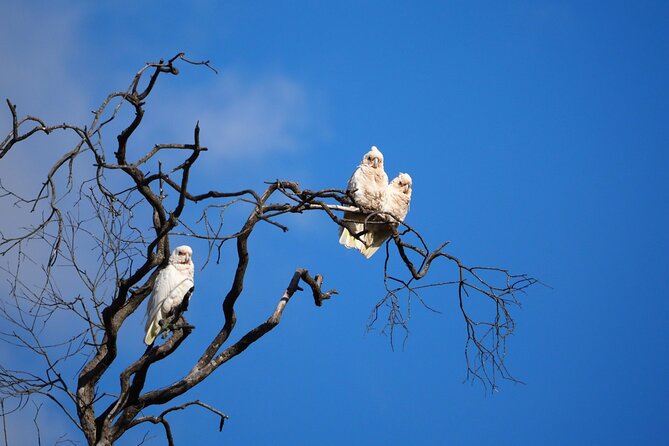
After dinner, the program finishes with night spotlighting. This is where the slower, stealthy species get their turn.
You’ll look for wombats and possums, plus Tawny Frogmouths, which are famous for their stillness and camouflage. Spotlighting in the bush isn’t just about shining lights. Your guide’s job is to help you interpret what you’re seeing—where eyes reflect, how to distinguish shapes, and when to pause.
Because the tour includes binoculars and handheld spotlights, you’re not locked into one viewing method. Binoculars help when you spot movement at a distance; spotlights help when animals are close or when visibility drops.
You should also expect the evening to include more time on trails. The walking guideline stays consistent with what you were told upfront: short stretches around 1 km at a time, often on steep, rough, sometimes slippery ground and river banks.
Price and value: what $304.83 buys beyond a basic day trip
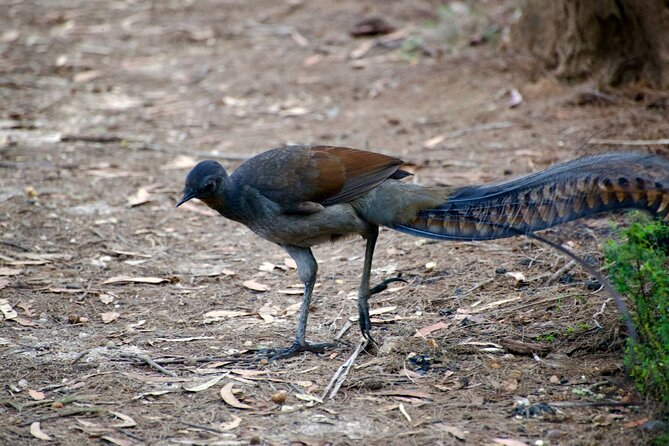
At $304.83 per person, this safari isn’t a budget impulse. But it does include several things that add real value when you’re trying to see wildlife well.
You get an experienced guide, a light lunch, and a classic country pub dinner with a drink. You also get binoculars and handheld spotlights, wildlife reference guides, and comfortable air-conditioned transport. For a 10-hour day that involves real field time, that bundle is part of the math.
What you’re paying for most, though, is structure. Wildlife spotting is easier when someone knows when to look and where to look. You also benefit from a group size capped at 8, which means your guide can adjust and respond when someone spots movement.
One more thing: this sort of tour depends on good weather. If weather is poor, you’re offered a different date or a full refund, which reduces the risk of paying for a washout.
What to pack and how to plan for the walking
The tour requires moderate physical fitness. You should be able to walk 1 km (half a mile) at a time, including over steep, rough, and sometimes slippery trails and river banks.
That affects what you pack. Wear closed-toe shoes and comfortable clothing for walking, and check the forecast for the Southern Highlands on the day of travel. Since you’ll be outside into the evening, consider layers so you’re comfortable when daylight fades.
Also plan for a day when you’ll be concentrating on animals. Bring a phone only if you can use it without fumbling. If you’re watching, steadier scanning beats constant camera checking.
If you have limited mobility, this is not recommended. The terrain and river-bank conditions make it hard to provide a safe experience.
Who should book Sydney Wildlife Safari (and who might skip it)
This tour fits best if you love animals and you’re willing to do the work of noticing. You’ll like it if you want a guided day in the Southern Highlands that mixes birds, big mammals, and a serious dusk effort for platypus.
It’s also a good fit for people who prefer small groups and want a guide who can explain what you’re seeing as you walk. The conversation around conservation and monitoring is a real bonus if you like learning, not just photographing.
Skip it if you need fully accessible routes, or if you only want flat, easy walking. The trails can be steep, rough, and sometimes slippery, especially near river banks.
And if you’re the type who needs guaranteed wildlife sightings, adjust your expectations. The day is built for probability and timing, and you’ll get the most satisfaction when you treat sightings as a bonus to good wildlife watching habits.
Should you book this safari?
I’d book it if your dream day includes: a small group, private farmland access, structured spotting across afternoon into night, and the best-odds attempt at platypus at dusk. The included lunch and dinner with a drink, plus the binoculars and spotlights, make it easier to commit without extra gear-shopping.
I’d think twice if walking on rough and possibly slippery river-bank trails is a deal-breaker. This is an active wildlife experience, not a quick drive-and-see.
If the weather looks good and you’re comfortable with moderate walking, this safari is an efficient way to experience Australia’s wildlife side with more meaning than a simple photo stop.
FAQ
How long is the Sydney Wildlife Safari, and when does it start?
The tour runs about 10 hours and starts at 12:00 pm, with pick-up at the Sydney Harbour Marriott Hotel at Circular Quay.
Where do we meet in Sydney?
You’ll meet at Sydney Harbour Marriott Hotel at Circular Quay, 30 Pitt St, Sydney NSW 2000. The activity ends back at the meeting point.
What’s included in the price?
The tour includes an experienced guide, a light lunch (often gourmet wraps), a classic country pub dinner with a drink (alcoholic or non-alcoholic), binoculars and handheld spotlights, wildlife reference guides, and comfortable air-conditioned transport.
What kind of walking is involved?
You should have a moderate physical fitness level and be able to walk 1 km (half a mile) at a time. Trails can be steep, rough, and sometimes slippery, including river banks.
Is alcohol included with dinner?
Dinner includes a drink. The minimum age to consume alcohol is 18, and photo ID may be requested.
What if the weather is bad?
This experience requires good weather. If it’s canceled due to poor weather, you’ll be offered a different date or a full refund.
More Wildlife Experiences in Sydney
More Safari Adventures in Sydney
More Tour Reviews in Sydney
- Blue Mountains Small-Group Tour from Sydney with Scenic World,Sydney Zoo & Ferry
★ 5.0 · 3,709 reviews