REVIEW · BYRON BAY
Byron Bay: Group Surf Lesson with Instructor
Book on GetYourGuide →Operated by Byron Bay Surf School Pty Ltd · Bookable on GetYourGuide
First waves in Byron Bay are hard to forget. This 2.5-hour group surf lesson puts you on the local beaches with experienced, accredited instructors, plus the area is famous for warm water and sea life sightings like dolphins and migrating whales. I like that the lesson is structured and safe, so you’re not guessing what to do once you’re ankle-deep or out past the break.
I also love how coaching feels personal even in a group of up to 8. Reviews highlight instructors like Jayme (also spelled Jamie in one review) for being patient with first-timers and giving clear, practical feedback wave by wave. The only real drawback to consider: it’s not suitable for children under 6, and it’s not aimed at non-swimmers.
In This Review
- Key things I’d bet you’ll care about
- Surfing 101 meets Byron Bay energy: what this 2.5-hour group lesson actually covers
- What you’ll likely do during the session
- Meet your coaches and get feedback that clicks fast
- What language and group vibe mean for you
- From paddling basics to catching waves: your lesson flow in the water
- 1) Learn the basics of surf awareness
- 2) Paddling and catching: the moment things start to feel real
- 3) Stand up techniques: turning tries into rides
- Why “max time in the water” matters
- Byron Bay conditions: warm water, sea life, and why the waves help beginners
- How wave variety helps you progress
- Value check: is $60 fair for 150 minutes and a coach that remembers you?
- What “good value” feels like
- Who should book this Byron Bay surf lesson—and who should skip
- What to bring so your day stays smooth
- Quick prep tips that help
- Final verdict: should you book this Byron Bay surf lesson?
- FAQ
- How long is the Byron Bay group surf lesson?
- What is the group size for the lesson?
- Who teaches the lesson and what language is used?
- Is this lesson only for beginners?
- What should I bring with me?
- Is it suitable for non-swimmers or young children?
- Are dolphins and migrating whales part of what you might see?
Key things I’d bet you’ll care about
- Small group size (up to 8): more turns at the important parts, less waiting around.
- Accredited surf coaches: you get guidance you can trust, not random guesswork.
- Designed for max time in the water: you learn by doing, not just watching.
- Beginner to experienced levels: wave choice and cues help you progress without feeling lost.
- First-wave focus: paddling, catching, and standing techniques are the headline skills.
Surfing 101 meets Byron Bay energy: what this 2.5-hour group lesson actually covers
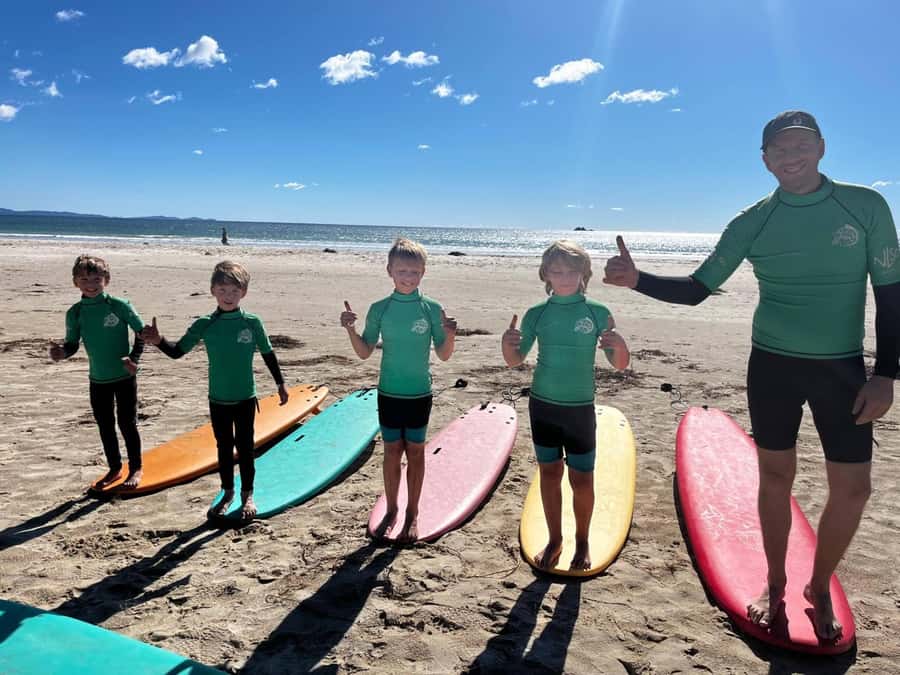
This lesson is built like a practical surf class, not a vague tour of the shoreline. You’re looking at 150 minutes of instruction on Byron Bay’s local beaches, with a plan aimed at helping you catch waves and get standing sooner.
The big goal is simple: by the end, you should feel more confident reading conditions and riding suitable waves. You’ll get basic surf awareness first, then move into the hands-on stuff like paddling and wave-catching, and finish with stand up techniques you can actually use in the moment.
You’ll also notice the “group lesson” part doesn’t mean “hands-off.” The course is designed around coaching in the water, where instructors can correct body position and timing fast. That matters because surfing is mostly feel and timing, and you learn it by repeating the same moves with feedback.
A few more Byron Bay tours and experiences worth a look

What you’ll likely do during the session
You won’t have an overly complicated schedule, but you can expect these main training blocks:
- Surf awareness basics: how to move around safely, how to think about waves before you commit.
- Paddling and catching: practice the rhythm of getting out and meeting the wave.
- Stand up work: pop-up and stance coaching so you can ride toward the beach.
Even if you’ve never surfed before, the lesson is paced so you can build the key skills step-by-step. If you’re returning for another session, you’ll still benefit from the coaching cues, especially on what to change next.
Meet your coaches and get feedback that clicks fast
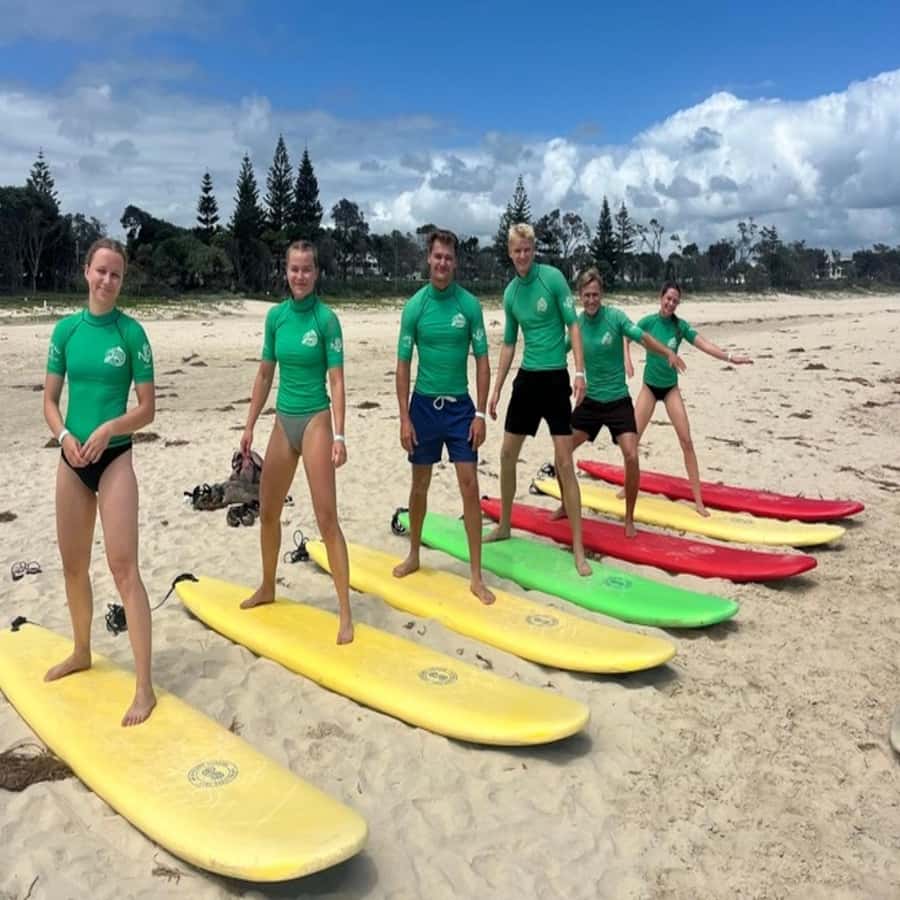
Instructor quality is the difference between fun that fades after one wipeout and progress you can feel. Here, the coaching reputation is strong. Multiple reviews describe instructors like Jayme as professional, patient, and focused on making beginners comfortable in the water.
A standout detail from the reviews: the coach doesn’t just teach generic tips. One person noted that Jayme remembered their previous surf and gave pointers based on that session. That kind of attention is a big deal when you’re learning, because it turns surfing from random tries into a series of improvements.
You’ll also see the emphasis on safety and clarity. First-timers in the feedback say instructions were easy to follow, and they felt at ease in the water. In surf lessons, that “I understand what to do” feeling is what keeps you relaxed enough to actually learn.
What language and group vibe mean for you
The instructor language is English, which keeps communication straightforward. And with a small group capped at 8, you’re less likely to get ignored when you’re trying to reset or asking a quick question.
If you’re traveling solo, this setup can be a plus. You get structure and coaching without needing to find a buddy who also surfs. If you’re with friends, it’s still friendly—but the course stays focused on technique, not just group chatter.
From paddling basics to catching waves: your lesson flow in the water
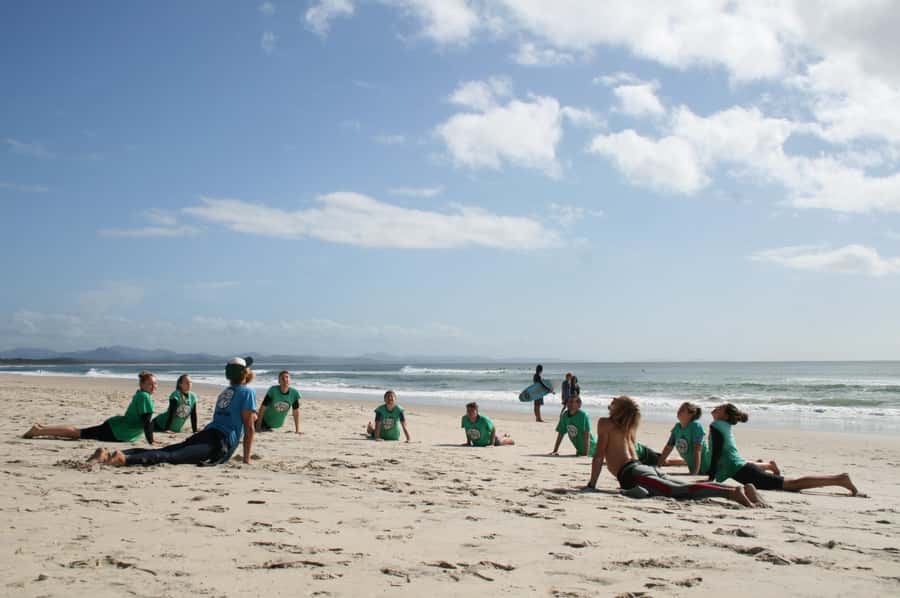
The lesson focuses on the skills that unlock the sport: getting in position, catching something manageable, and standing up with the right basics.






1) Learn the basics of surf awareness
Before you start chasing waves, you’ll go through basic awareness. That’s where you learn how to think about what’s happening around you—where to be, how to approach, and how to stay safer while you’re learning.
This part is not just rules on a board. It’s what helps you avoid getting in the wrong spot at the wrong time. It also helps you reduce panic, which is huge for first-timers.
2) Paddling and catching: the moment things start to feel real
Once you’re practicing paddling, you’re training the mechanics that decide whether you’ll actually catch waves. This is where a structured approach pays off, because beginners usually try to force the wave instead of syncing up with it.
The lesson includes paddling and catching waves, so you’re not left figuring it out from trial and error. The instructor guidance helps you adjust your timing and body position so the act of catching becomes repeatable.
3) Stand up techniques: turning tries into rides
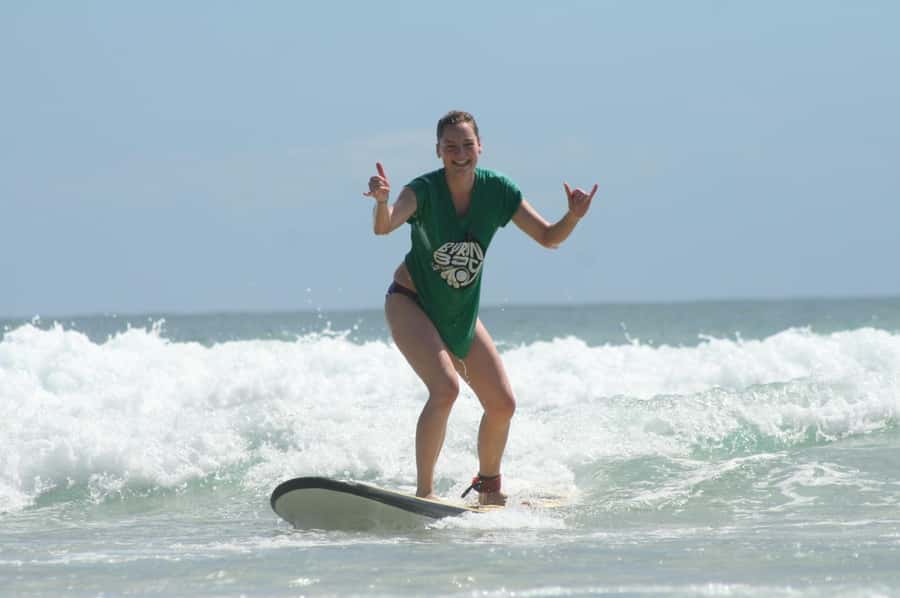
Standing is the big milestone. The lesson includes stand up techniques, and the whole vibe here is about making you feel capable.
One of the more encouraging themes from feedback: even with first attempts, many people were standing up on waves and getting into the beach zone where you can slow down and feel more in control. That’s the payoff for getting coached on your pop-up, stance, and how to keep your weight balanced.
Why “max time in the water” matters
Surf lessons can be frustrating when you spend half your time waiting. This one emphasizes maximum time in the water, which means more practice cycles. More cycles equal faster learning, even when you’re starting from zero.
Byron Bay conditions: warm water, sea life, and why the waves help beginners
Byron Bay is popular for a reason. You’ll be learning in a place with diverse waves suited for beginners to experts, so the instructor can match wave options to your level.
You’re also dealing with warm-water conditions all year round. Warm water changes everything for comfort and learning speed. You’re more likely to stay relaxed, keep your energy up, and focus on technique instead of reacting to cold.
And yes, there are natural extras. The lesson info notes that dolphins and migrating whales are often seen in the area. You might notice them from the shore or in the general marine environment while you’re out there—one more reason Byron feels like more than just a practical class.
How wave variety helps you progress
If you’re new, you don’t need the biggest waves. You need the right ones for your skill level—waves you can catch, stand on, and ride a little. If you’re more experienced, you can work on style and control rather than just getting into the water.
That’s why wave variety matters. It turns a one-off attempt into real practice. You spend time where you can succeed, then you nudge toward harder conditions as you improve.
Value check: is $60 fair for 150 minutes and a coach that remembers you?
Let’s talk money in a straight way. At $60 per person for 150 minutes, you’re paying for time, coaching skill, and the ability to maximize practice. That’s the key: the lesson isn’t just a boat ride to a beach and a few pointers. It’s a full session with accredited surf coaches and skills taught that directly connect to standing and riding.
The small group limit of 8 also supports the value. In larger groups, instruction gets stretched thin, and everyone waits longer between attempts. Here, you’re more likely to get the kind of individual feedback that changes your next try.
So what should you compare it to? If you’re paying similar money elsewhere but getting fewer turns or a coach who mainly talks from the beach, this starts to look like better value quickly. The lesson’s focus on practical skill blocks (awareness, paddling/catching, stand up techniques) lines up with what you actually want out of your first surf session.
What “good value” feels like
Value isn’t just price. It’s whether you leave thinking you improved. Reviews lean heavily toward:
- beginners standing on waves,
- clear instructions,
- instructors being patient and safety-focused,
- coaching that adapts to the person, not a one-size script.
If those are your priorities, the price point makes more sense.
Who should book this Byron Bay surf lesson—and who should skip
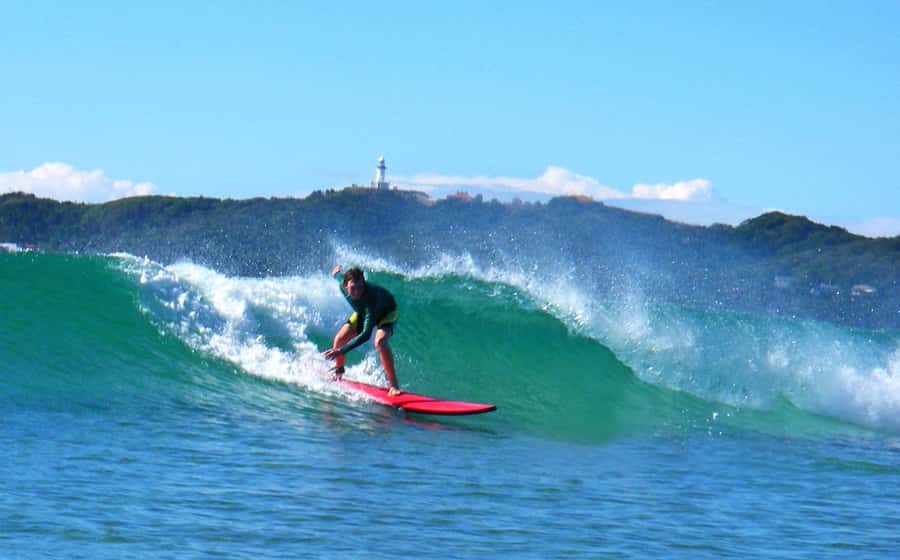
This lesson is suitable for beginners and also for people who surf already and want structured coaching. The lesson info says it works for beginners to experts, and the reviews back up that it helps first-timers feel at ease fast.
It’s also a good pick if you:
- want a safe, structured introduction,
- prefer small group training,
- like coaching that gives clear, immediate feedback,
- want maximum practice time rather than lots of waiting.
You should skip it if:
- your child is under 6,
- you’re a non-swimmer.
For families with mixed ages, that’s important. For most adults and older teens, this is a straightforward learning route—assuming you can comfortably swim.
What to bring so your day stays smooth
You don’t need a surf quiver worth of gear for this. The lesson info keeps it simple. Bring:
- Swimwear
- A towel
- Sunscreen
That’s it. The rest is handled by the lesson format and the coaching.
Quick prep tips that help
Even when the lesson takes care of the training, your comfort still affects how well you learn. Wear sunscreen before you’re out in the sun. Bring a towel that you’ll actually be happy drying off with. And keep your expectations realistic: you’ll wipe out at least once while learning. The best outcome isn’t no falls. It’s learning fast enough that the falls feel less scary and your standing attempts increase.
Final verdict: should you book this Byron Bay surf lesson?
If you want a real surf lesson in one of Australia’s most famous surfing areas, this is an easy yes. The combination of small group size, accredited coaching, a structured skill plan, and an emphasis on time in the water is exactly what first-timers need.
I’d especially recommend it if you’re the type who learns best when someone explains the why and then helps you correct the how. The reviews consistently highlight patience, clear instructions, and safety, with instructors like Jayme being remembered for personal feedback and making beginners feel comfortable.
Only be honest with yourself about the swim requirement. If you’re not confident in the water yet, this won’t serve you well. But if you can swim and you want a guided path to catching your first waves, this is good value and a very memorable Byron Bay day.
FAQ
How long is the Byron Bay group surf lesson?
The lesson duration is 150 minutes, which is about 2.5 hours.
What is the group size for the lesson?
The group is small, limited to 8 participants.
Who teaches the lesson and what language is used?
The instructor is an English-speaking surf coach.
Is this lesson only for beginners?
No. It’s suitable for beginners through experts, with structured coaching and wave choice to match ability.
What should I bring with me?
Bring swimwear, a towel, and sunscreen.
Is it suitable for non-swimmers or young children?
It is not suitable for non-swimmers, and it’s not suitable for children under 6.
Are dolphins and migrating whales part of what you might see?
The lesson information notes that local dolphins and migrating whales are often seen in the area.