REVIEW · BYRON BAY
Half Day Guided Surf Lesson in Byron Bay
Book on Viator →Operated by Soul Surf School · Bookable on Viator
The first wave often comes faster than you think. This half-day Byron Bay surf lesson is built around included gear and small coaching groups, plus a plan that adapts to conditions at Byron, Lennox, or even the Ballina area.
I really like the coaching math here: adults run at a 1:7 instructor-to-student ratio, while kids are 1:4. That means you’re not just standing around, and you get real feedback as you learn to catch waves at your own pace.
One thing to consider: this specific experience lists a minimum age of 13, and weather can be wet or cold without much warning. The surf school still runs lessons in the rain when conditions allow, so bring a solid game plan for staying warm before and after.
In This Review
- Key things to know before you paddle out
- Meeting at Soul Surf School and getting set up quickly
- The 4-hour rhythm: warm-up, coaching, and real wave time
- Byron, Lennox, or Ballina: why the break choice matters
- How the 1:7 and 1:4 coaching ratios translate on the beach
- Soft boards and waist-deep waves: the fast track to standing up
- Safety first, confidence always: ocean basics you’ll actually use
- Extra moments: photos, cold rain days, and a tea tree lake dip
- Price and value: what $60.97 really buys you
- Who this half-day lesson suits best (and who should look elsewhere)
- Should you book Soul Surf School’s half-day surf lesson?
- FAQ
- How long is the half-day surf lesson?
- What does the lesson cost?
- Do I need to bring surf gear?
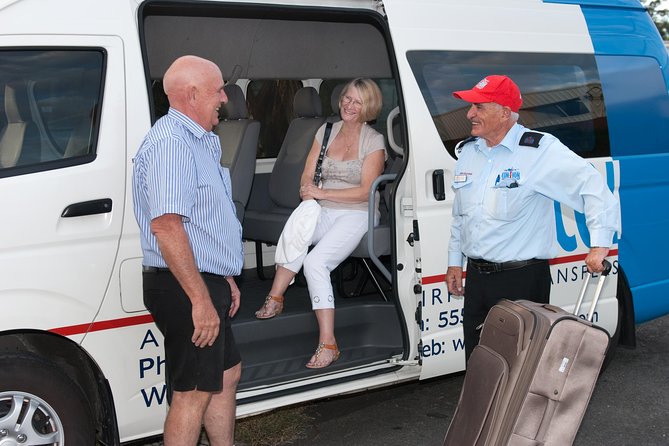
- Is pickup available?
- Where do we meet?
- What surf spots might we ride?
- What is the minimum age?
- Are groups small?
- What if the weather is bad?
- Are service animals allowed?
Key things to know before you paddle out
- Gear is included, so you can show up and get to surfing fast.
- Small ratios (1:7 adults, 1:4 kids) keep your learning from turning into crowd management.
- Local surf life savers and qualified surf coaches focus hard on safety and ocean basics.
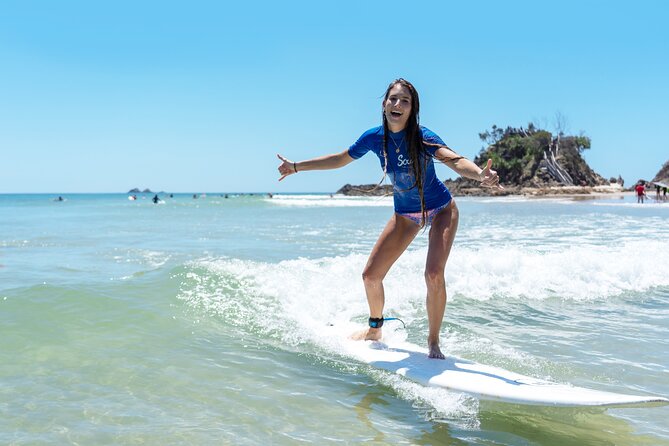
- You’ll ride waist-deep, easy-to-handle waves for your first lesson to build confidence.
- Soft surfboards help you catch more waves early, which makes practice feel productive.
- You’ll likely cover multiple local break options (Byron, Lennox, Ballina) depending on what the ocean is doing.
Meeting at Soul Surf School and getting set up quickly
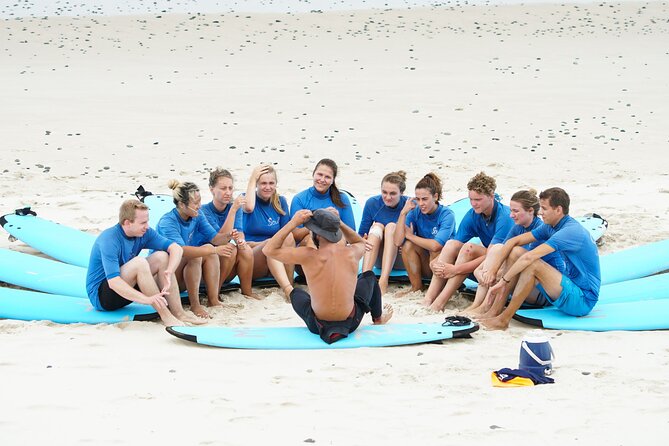
Most good surf days start with a clean setup. Your meeting point is Soul Surf School at 4/14 Bay St, Byron Bay NSW 2481, and the activity ends back at the same place. That simple loop matters: you’re not spending extra time hunting for parking, finding the right beach access point, or figuring out logistics while the tide changes.
You also don’t need to prep gear. The lesson price includes the equipment, so you can keep your morning simple and focus on the part that matters—learning how to move on a surfboard and reading the water. A mobile ticket is used too, which cuts down on paperwork stress.
One more practical detail: service animals are allowed, and the start location is near public transportation. So if you’re traveling without a car, you still have options to get there without turning the day into a transport puzzle.
You can also read our reviews of more guided tours in Byron Bay



The 4-hour rhythm: warm-up, coaching, and real wave time
This is listed as about 4 hours, and that timing is perfect for a first surf lesson. Long enough to get into the water repeatedly, short enough that you’re not wiped out for the rest of your trip day.
In the water, the approach is built for learning momentum:
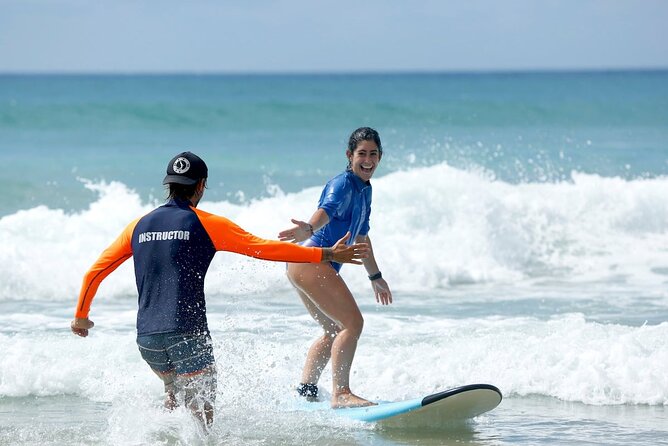
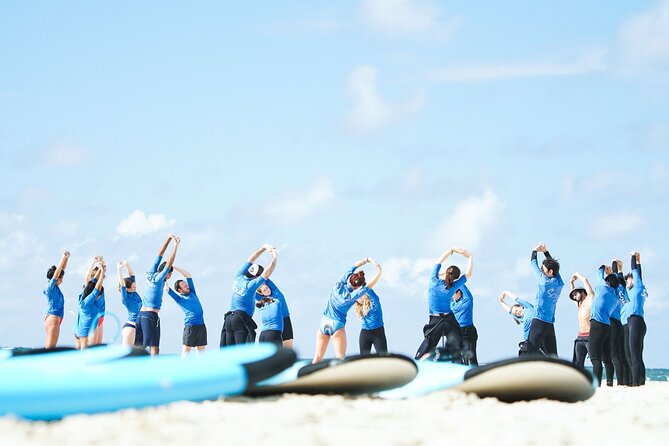
- First, you’ll get guided technique and ocean safety basics.
- Then you’ll practice in conditions described as waist-deep water with easy-to-ride waves for first-timers.
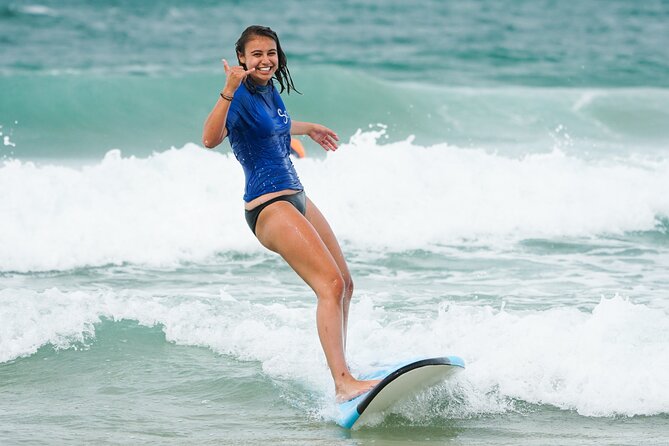
- Finally, you’ll work toward catching waves yourself, not just following someone else’s cues.
That last part is huge. The sessions are designed to build self-confidence in a relaxed environment, and the small-group format helps instructors spot issues quickly. If you’re paying attention, you should leave with at least one or two skills you can repeat—paddling timing, popping up with better body position, or figuring out when to go for the wave instead of guessing.
Also note the surf school teaches adults, families, couples, groups, and kids aged 5 and above generally—but this half-day lesson specifically sets minimum age at 13. So if you’re traveling with younger kids, you’ll need to contact them for the right program.
Byron, Lennox, or Ballina: why the break choice matters
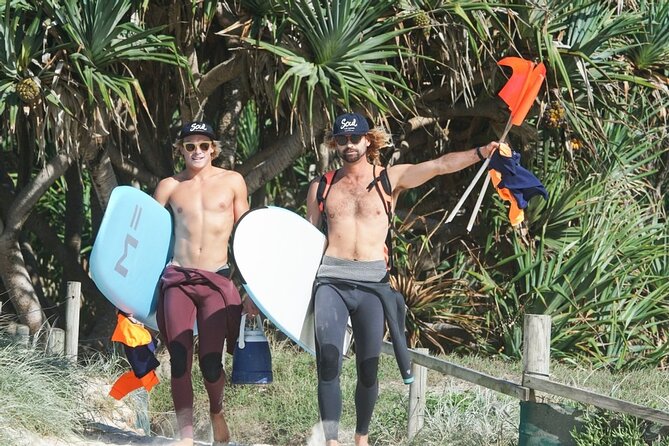
The surf school plans lessons around the local breaks, but the exact spot can change based on conditions. You may ride at Byron, Lennox, or the Ballina area depending on what’s working that day.
This is not random. For a first lesson, break choice can make the difference between feeling successful and feeling overwhelmed. The school’s promise is to teach you in surf conditions that are waist deep and easier to manage for your first time in the ocean on a board. When the guide moves you to a better-fit break, it increases your odds of getting wave attempts without excessive difficulty.
There’s another benefit: you get the feel of the region beyond one single beach. Byron Bay is famous for its surf identity, but the nearby options can offer different wave rhythm and learning conditions. That variety is especially helpful when you’re learning how the ocean behaves, not just how to stand up once.
How the 1:7 and 1:4 coaching ratios translate on the beach
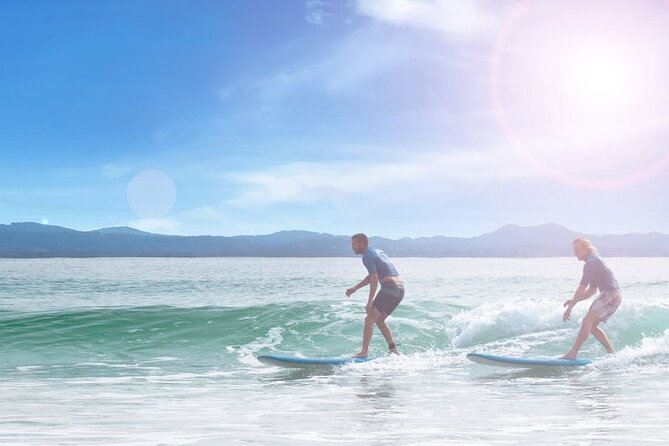
Numbers on a website can be vague. Here, they’re the point. Adults are taught with a 1:7 ratio, and kids with a 1:4 ratio. In practice, that means instructors can watch your board position, your paddling, and your pop-up timing without losing you to the group.
It also changes how coaching feels. You’re not stuck waiting your turn while someone else gets addressed. Instead, you can get quick corrections, then immediately test them on the next wave set.
I also like that the instructors are qualified surf coaches and surf life savers. That combination typically shows up as practical ocean judgment: reading conditions, managing safety boundaries, and keeping the vibe focused even when the sea is acting unpredictable.
Some sessions are coached by people named Harry and Ben in past groups, so if you meet them, you’ll likely notice a consistent style of support and encouragement. Even when the surf is a bit heavier than expected, strong coaching helps you translate effort into technique instead of frustration.
Soft boards and waist-deep waves: the fast track to standing up

If your goal is to catch waves early, the lesson’s gear choice helps. The surf school uses soft surfboards, which are designed to make learning safer and easier when you’re still building balance and timing.
Soft boards typically mean two things for your learning curve:
- You can focus on movement instead of fear of impact.
- You’re more likely to paddle efficiently and stay stable while you wait for the right wave.
Pair that with the instruction plan—waist-deep water with easy-to-ride waves—and you get a setup that favors repeated attempts. That repetition is where progress happens. A single lucky stand-up is fun, but getting multiple wave attempts is what helps your brain connect technique with outcome.
One important reality check: the ocean doesn’t always cooperate. You might be on a day where waves feel heavier, or rain shows up right when you’re about to get in. In those moments, the coaching approach matters: instructors are there to keep you safe, warm up the group, and adjust your effort so you still get value out of the session.
A few more Byron Bay tours and experiences worth a look

Safety first, confidence always: ocean basics you’ll actually use
This lesson isn’t only about popping up. It includes ocean safety and technique instruction tied to conditions. And because the surf is taught in waist-deep areas with easier waves, you learn skills in a controlled way without jumping straight into the deep end.
What I’d expect you to pick up:
- how to move with waves instead of fighting them,
- how to recognize safer moments to paddle and stand,
- how to stay aware of what’s around you in the lineup,
- and how to listen to your coach so you aren’t guessing.
The group format also supports safety. Small ratios and a safety-first mindset mean instructors can manage spacing and positioning better than in a large class. You’re also more likely to get individualized feedback, which reduces the chance you’ll repeat the same mistake repeatedly.
One line that stands out in how the program is described is the emphasis on leaving you feeling safe in the water. That’s not a small promise. Confidence grows when you understand what you’re doing and when the learning environment is designed to protect you while you improve.
Extra moments: photos, cold rain days, and a tea tree lake dip
A surf lesson is sensory and chaotic in the best way. But if you want memories, plan ahead. There’s typically a photographer available who takes pictures during the session, and the photo package can be minimum of 5 photos for $25. If you’re traveling with someone and want flexibility, it can be smart to bring your own camera or even a GoPro so you’re not limited to the package.
You might also get a chance for a post-lesson dip in a nearby freshwater lake infused with tea tree. That’s described as a bonus add-on in at least one past experience, and it’s the kind of small local touch that makes the day feel more like a Byron Bay activity and less like a one-off lesson.
Weather is the other wildcard. One past lesson ran in heavy rain and cold enough to make people shiver. The surf school didn’t cancel, which tells you they’re willing to keep things going when conditions allow. So go in with realistic expectations: water and wind can cool you fast, even when you’re excited. Bring a plan for staying warm afterward.
Price and value: what $60.97 really buys you
At $60.97 per person for roughly 4 hours, you’re paying for more than just board time. You’re paying for:
- instruction designed for beginners and confidence-building,
- safety management and ocean safety teaching,
- and a small-group ratio that reduces wait time and increases feedback.
The gear being included matters too. If you’ve ever rented surf equipment elsewhere, you know how quickly costs and delays add up. Here, the lesson price covers what you need so you can focus on learning without a pre-beach shopping list.
Also consider the spot flexibility. Riding Byron or Lennox or heading toward the Ballina area depending on conditions helps increase the chance that your session is well matched to your level. If the ocean gives you a bad first option, a good surf school tries to correct it.
So the value is strongest if you want:
- a beginner-friendly start,
- a safety-first first session,
- and a real shot at standing up within a half-day format.
Who this half-day lesson suits best (and who should look elsewhere)
This lesson is a great fit if you’re a beginner or returning after time away. The program is designed so first-timers learn at their own pace in a relaxed way, starting with waist-deep, easier waves. The soft-board choice and the structured coaching make it feel approachable.
It also works for a mixed group. Couples and families are mentioned as common participants, and the ratio system helps when abilities differ between people in the same group.
If you’re intermediate or advanced, there’s room to tailor the lesson to your level, but the instruction suggests you should call for advice if you want it customized. If you already know how to paddle out and catch your own waves on a 7’2 board or smaller, you may want more focus on technique refinement rather than fundamentals.
Age is the biggest filter. The minimum age listed for this experience is 13, and younger kids require contact to find the right option.
Should you book Soul Surf School’s half-day surf lesson?
I’d book this if you want a short, structured surf start in Byron Bay without the hassle of figuring out equipment or logistics. The combination of small coaching ratios, safety-first instruction, and learning in waist-deep, easy-to-ride conditions is exactly what beginners need to get real progress instead of just getting soaked and discouraged.
I’d think twice if you’re sensitive to cold rain or rougher-than-expected surf days. The school keeps lessons running when conditions allow, which is great for momentum, but you should be ready for the fact that weather doesn’t pause just because it’s your first lesson.
If your goal is simple—get coached, feel safer in the ocean, and catch waves—you’ll likely leave with the kind of momentum that makes you want another session.
FAQ
How long is the half-day surf lesson?
It runs for about 4 hours (approx.).
What does the lesson cost?
The price is $60.97 per person.
Do I need to bring surf gear?
No. All your surf gear is included in the price.
Is pickup available?
Pickup is offered.
Where do we meet?
You start at Soul Surf School, 4/14 Bay St, Byron Bay NSW 2481, Australia.
What surf spots might we ride?
Depending on conditions, you may surf at Byron, Lennox, or the Ballina area.
What is the minimum age?
The minimum age for this experience is 13. For kids under 13, you need to contact the provider.
Are groups small?
Yes. The activity has a maximum of 20 travelers, and coaching ratios are listed as 1:7 for adults and 1:4 for kids.
What if the weather is bad?
This experience requires good weather. If it’s canceled due to poor weather, you’ll be offered a different date or a full refund.
Are service animals allowed?
Yes, service animals are allowed.