REVIEW · BYRON BAY
Byron Bay: Whale Watching Cruise with a Marine Biologist
Book on GetYourGuide →Operated by Out Of The Blue Adventures · Bookable on GetYourGuide
Whales sing. You’ll hear it on this Byron Bay cruise. This is a humpback whale migration trip in Cape Byron Marine Park, guided by a Marine Biologist who explains what you’re seeing (and why) while you look out for whales along the Ballina-to-Byron coastline.
My favorite part is the live underwater hydrophone, which turns whale communication into something you can actually follow while you’re out on the water. I also love the small-vessel setup with 360-degree sightlines and a comfortable ride that makes spotting easier, even when conditions are a little choppy. The main thing to consider is motion and sea state: the ocean breeze can be cold and waves can make some people seasick, so plan for it with prevention and warm layers.
In This Review
- Key things I’d clock before you book
- Humpback whales on the Byron coast: why this stretch is special
- Ballina departure at Lance Ferris Wharf: where your morning (or afternoon) starts
- Cape Byron Marine Park: what happens during the main cruise
- The Marine Biologist element: learning that actually helps you spot whales
- Underwater whale song via hydrophone: the moment that makes it memorable
- Eco vessel comfort: 360-degree views without the cramped feel
- What you might see besides whales (and why that matters)
- Whale guarantee: how risk is handled when the ocean doesn’t cooperate
- Price and value: what $91 buys for 150 minutes at sea
- Timing tips: which departure to choose (and what to pack)
- Who should book this cruise (and who should think twice)
- My simple booking checklist for this Byron Bay whale watch
- Should you book this Byron Bay humpback cruise?
- FAQ
- What’s the meeting point for the cruise?
- How long is the whale watching tour?
- Where does the cruise operate?
- What time do cruises depart?
- Is there a whale guarantee?
- Is the whale song listening experience included?
- What should I bring?
- Are food and drinks included?
Key things I’d clock before you book
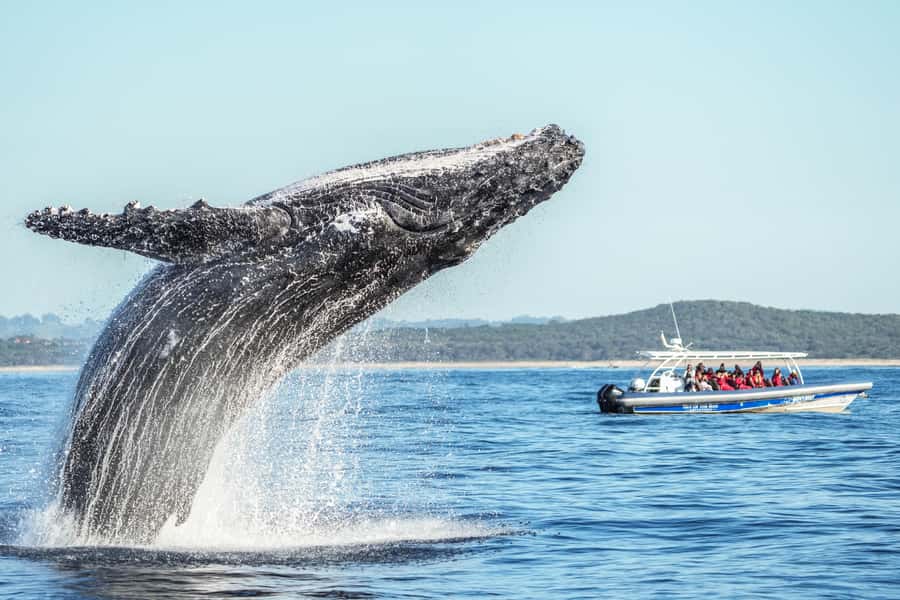
- Marine Biologist on board: you get real context for humpback behavior, not just a narration script
- Underwater hydrophone: hear whale song in real time, even when the whales aren’t right at the surface
- Cape Byron Marine Park route: you’re cruising the migration corridor between Ballina and Byron Bay
- Purpose-built eco vessels: covered roof, waterproof/windproof ponchos, and hull design for a smoother ride
- Whale sighting guarantee: if you don’t see whales on your first trip, you can return free
Humpback whales on the Byron coast: why this stretch is special
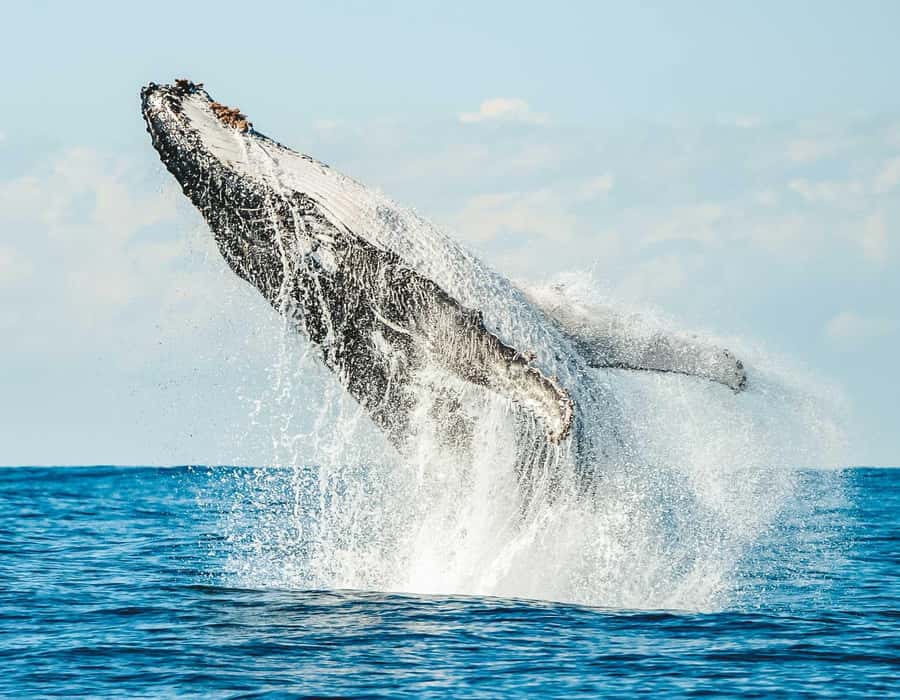
This cruise focuses on the part of Australia’s east coast where humpbacks migrate along the shoreline. Instead of doing a vague, wide-open ocean search, you’re headed into Cape Byron Marine Park—a protected area known for serious marine life viewing. Translation: you’re not just “going whale watching,” you’re going where the whales are likely to be moving through.
What makes this experience feel different is the way it mixes wildlife with interpretation. The on-board Marine Biologist doesn’t just point at a fin; they help you connect behavior to what humpbacks are doing right now in their migration cycle.
You can also read our reviews of more boat tours in Byron Bay

Ballina departure at Lance Ferris Wharf: where your morning (or afternoon) starts
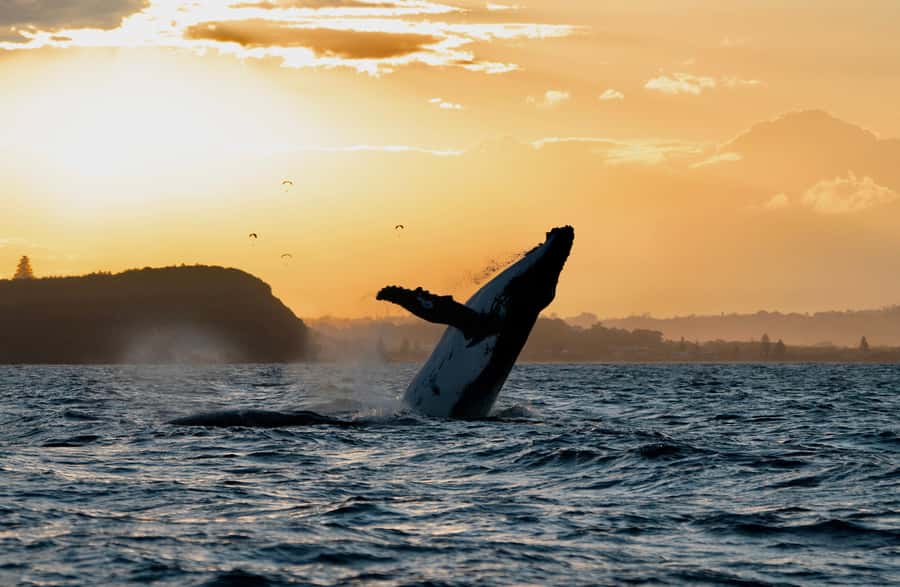
You board at Lance Ferris Wharf in Ballina, at 12-24 Fawcett Street, directly in front of the Wharf Bar and Restaurant. Arrive 30 minutes early so you can get sorted, get your life jacket on, and settle into your seat before you’re pushed out into the open water.
The schedule is built for flexibility: departures run 7:30am, 10am, 12:30pm, and 3pm daily. If you’re choosing between trips, I’d lean early if you want cooler air, brighter visibility, and the best shot at a calmer ride. (One traveler specifically noted the early cruise helped avoid later parking stress, so timing can also reduce hassle on shore.)
Cape Byron Marine Park: what happens during the main cruise
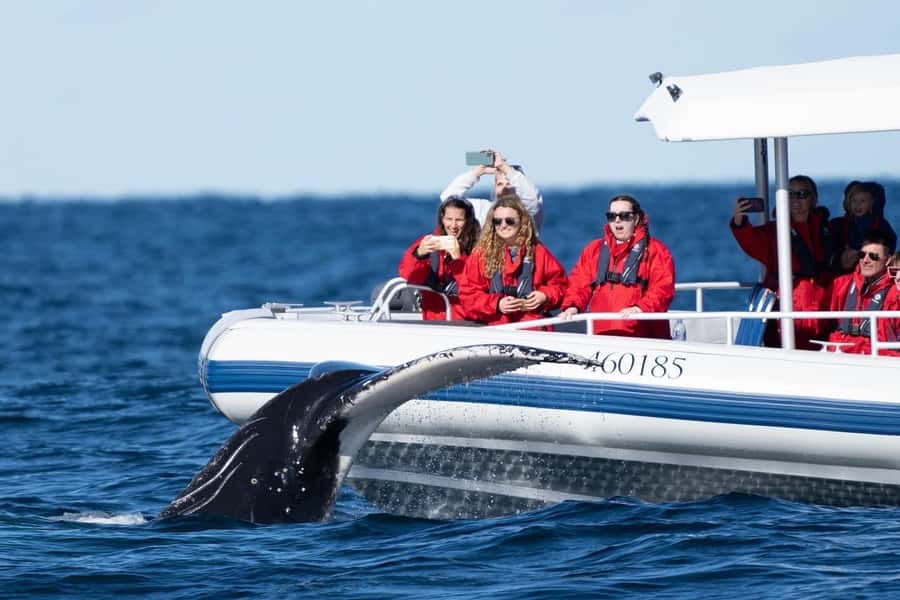
Once you’re underway, the heart of the trip happens as you enter Cape Byron Marine Park and cruise along the coastline between Ballina and Byron Bay. Expect a guided experience built around whale watching, plus other wildlife viewing.
Practically, here’s what this usually means on the water:
- You’ll scan for surface activity—breaches, tail slaps, and groups surfacing around the same time
- You’ll likely get dolphin sightings as well, since the route is designed for marine life viewing
- You’ll get scenic coastline viewing along the way, not just “sit and wait” time
A good thing about a guided format is that you’re not stuck guessing what you’re seeing. If you can hear the whale song through the hydrophone or understand what you’re looking for, you get something even in the quieter moments.
The Marine Biologist element: learning that actually helps you spot whales
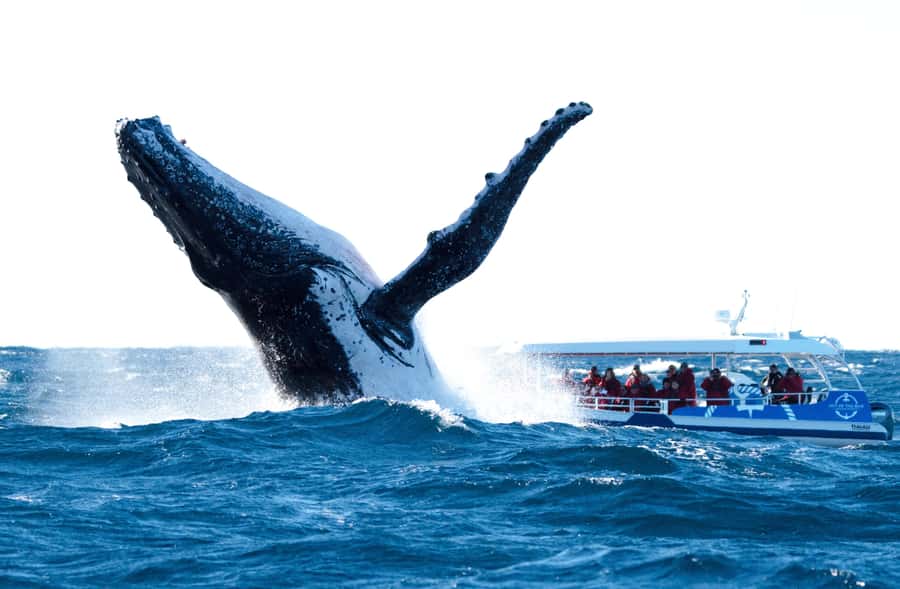
The tour’s selling point is the Marine Biologist guide, and the way it’s described is practical: you’re learning as you go. That matters because humpback activity is not always obvious from a distance, and behavior can look different depending on what the whale is doing.
In particular, the hydrophone changes your experience. Even if you’re waiting for a whale to surface, whale song can still be happening under the water. That gives you a kind of “audio breadcrumb trail,” which turns waiting into part of the show instead of dead time.
You’ll also get answers in the moment—questions like why humpbacks move the way they do, what their behaviors signal, and how to interpret the different types of surface activity. Many trips onboard are run with a friendly, upbeat team energy, and you can feel that in how questions are handled.
Underwater whale song via hydrophone: the moment that makes it memorable
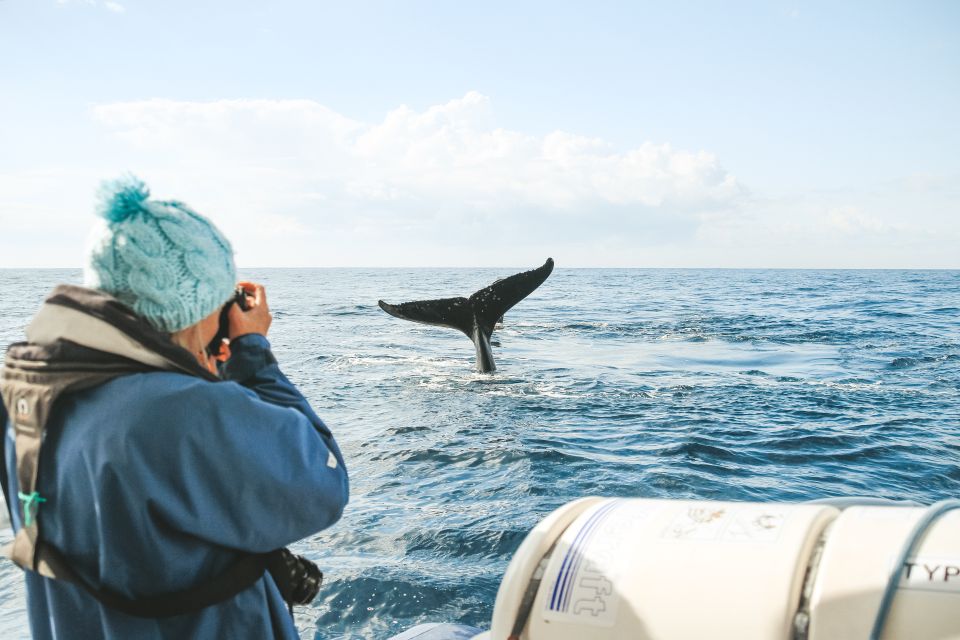
This is the standout tech detail on the itinerary: a specialised underwater hydrophone lets you listen to live humpback whale song while you’re on the cruise.
If you’ve seen whales before, you know how fast the action can happen—one moment you’re watching, the next moment a whale is gone. Audio helps with that. It gives you a different way to track activity and makes the experience feel more intimate with the animals, even while you’re staying in the boat.
Also, it’s not just a gimmick for the first 30 seconds. The hydrophone is part of the experience flow, so it’s a tool you can understand while the guide explains what you’re hearing.
You can also read our reviews of more whale watching tours in Byron Bay
Eco vessel comfort: 360-degree views without the cramped feel
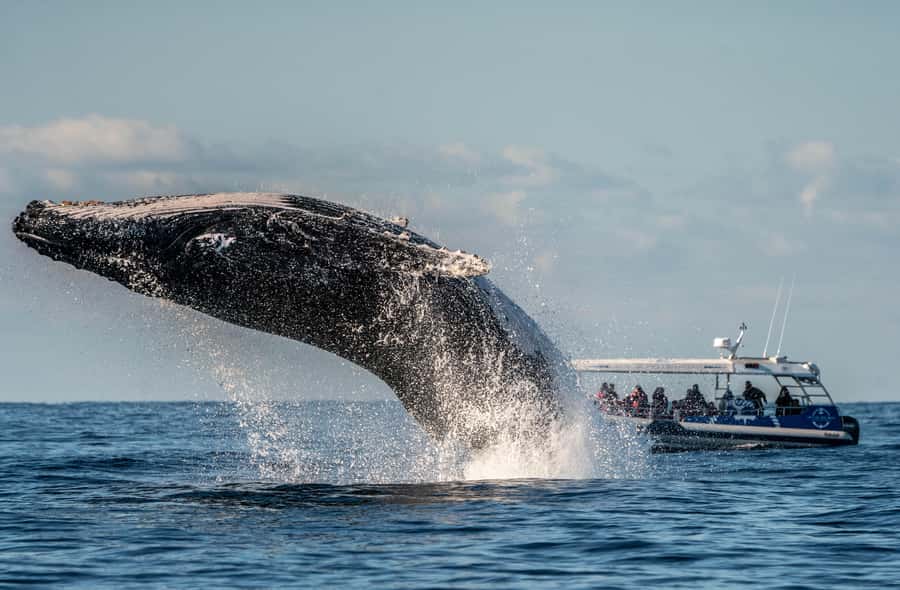
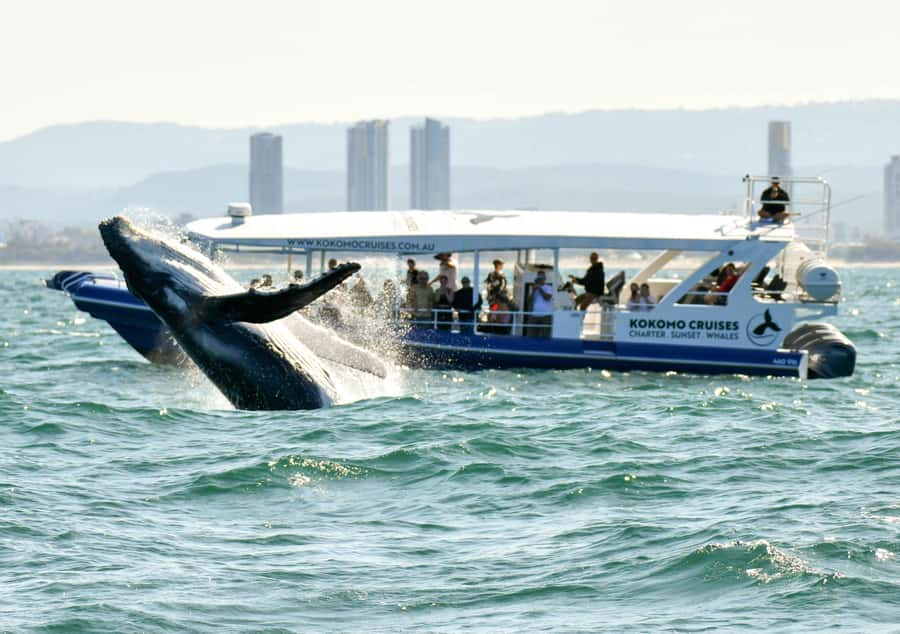
The boats are purpose-built for this kind of cruise. They’re described as eco-friendly vessels with small passenger numbers—either 25 or 20 guests, depending on the boat. That’s a big deal for whale watching because you don’t want a shuffle-fest when you spot something.
You also get 360-degree views, which helps you scan the water without turning into a full-time photographer. The vessel has a covered roof, and you’re given high-quality marine ponchos plus life jackets. In other words: you’re not stuck in wet misery if the weather turns.
Rides are designed to be smoother in different cruising conditions thanks to the hull design. It’s not a guarantee of calm seas, but it’s the kind of engineering choice that makes a difference for people who get uncomfortable on boats.
What you might see besides whales (and why that matters)
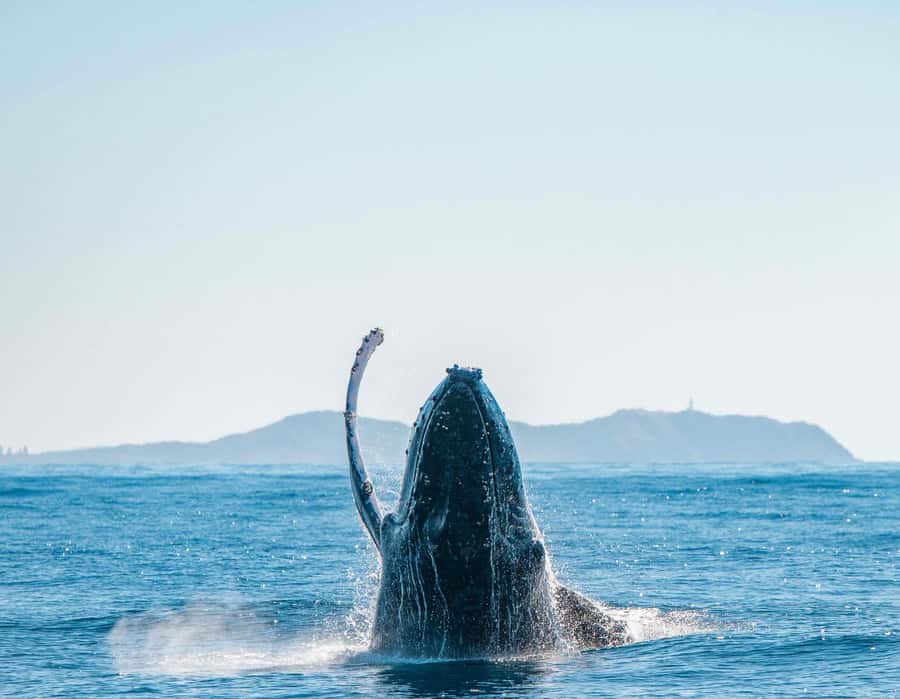
Whales are the obvious target, but the cruise is set up for broader marine life viewing. Depending on the day, you could see:
- Dolphins along the route
- Turtles during wildlife viewing time
- Multiple whale groups, sometimes with different types of surface activity happening across the tour window
Several people noted big moments like breaching and close whale encounters. One traveler described whales appearing around and even under the boat during their trip—exact distance and behavior can’t be promised every day, but the overall pattern here is that the cruise is timed and planned to maximize your chance of “active” whale sightings, not just a distant spout.
The practical takeaway: even if whales don’t do something dramatic at the exact moment you’re looking down, the guide’s explanation and the hydrophone keep the experience moving.
Whale guarantee: how risk is handled when the ocean doesn’t cooperate
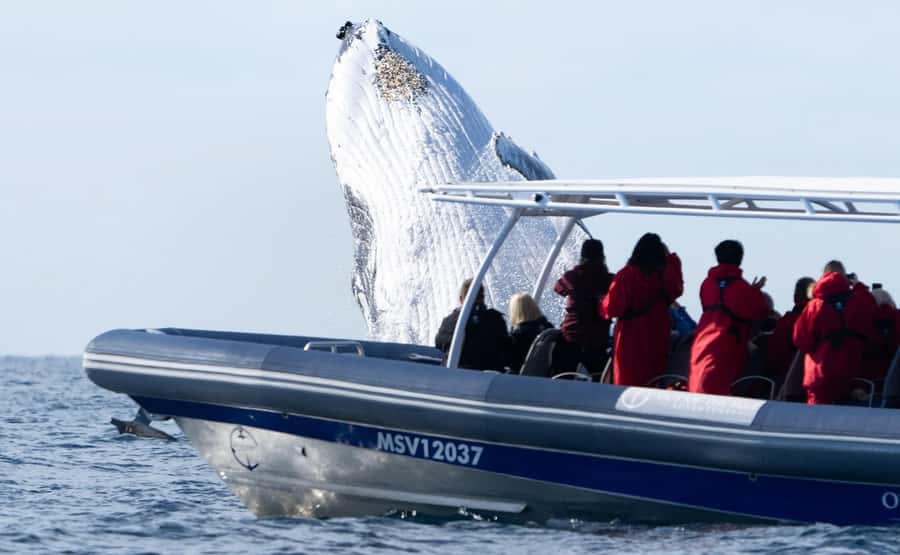
You’re not just buying a hope-based ticket. The operator offers a whale sighting guarantee: if you don’t see whales on your first outing, you get a free return trip to try again.
That’s good value thinking for a tour like this, because whale watching is weather-and-pattern dependent. It’s one thing when a tour is only about sightings. It’s another when the experience includes interpretation and whale audio—and you have a safety net if whales don’t show up.
There are also occasional trip changes if ocean conditions become unsafe or unpleasant. In that case, you’re offered a change of day or a refund. It’s still the sea, so it’s never 100% controlled, but the setup is designed to reduce your frustration.
Price and value: what $91 buys for 150 minutes at sea
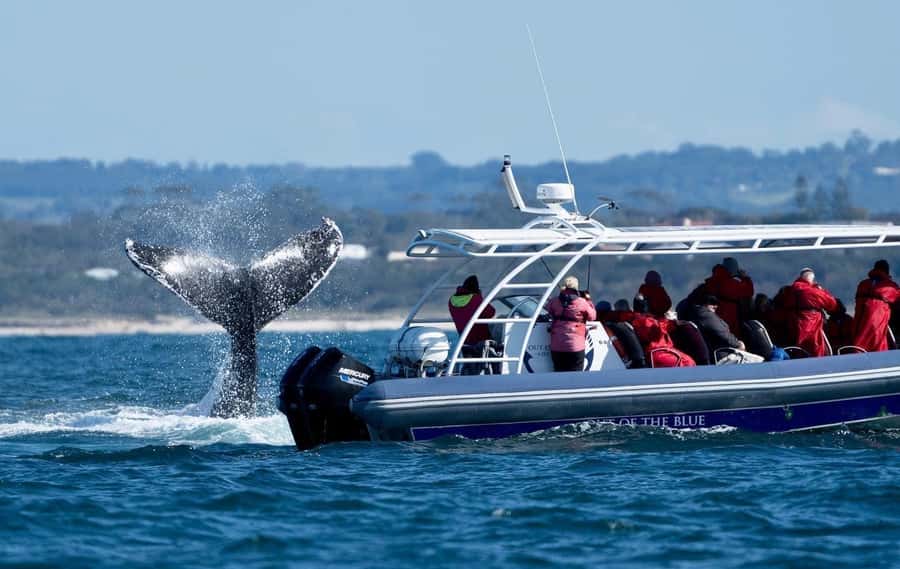
At $91 per person for 150 minutes, this isn’t a cheap activity—but it can be strong value when you break down what’s included.
Here’s what you get for that money:
- A qualified Marine Biologist onboard
- A specialised underwater hydrophone experience
- A modern eco vessel with ponchos and safety gear
- Whale sighting guarantee or a free return trip
- Photos uploaded to social media
Not included: food and drinks, and there’s no hotel pickup/drop-off. So your real cost may include what you eat before you go (since you’ll be at the wharf and on the water for most of the morning or afternoon). You’ll also want to budget for any snacks or drinks you plan to enjoy nearby before boarding.
Where the value really lands is the combination: guide expertise + whale song technology + dedicated marine park cruising. If you’re a first-timer, that’s the difference between spotting a whale and understanding what you’re seeing.
Timing tips: which departure to choose (and what to pack)
You’ve got four options: 7:30am, 10am, 12:30pm, 3pm. If your main goal is the highest chance of lively whale activity, I’d pick the earliest departure you can manage. Morning light and often-cooler conditions can make scanning easier, and you generally start the day before fatigue kicks in.
What to bring is pretty clear:
- Warm clothing: it can get cold fast with that ocean breeze
- Sunglasses and a camera
- Comfortable shoes (avoid anything high-heeled)
- Motion sickness prevention if you’re even slightly prone to it
The tour provides ponchos and water/wind-proof gear, but it doesn’t stop the fact that you’re on the water. If you’re sensitive to motion, treat this like a boat day, not a casual stroll.
Also, you can’t bring alcohol or drugs, and smoking isn’t allowed. No luggage or large bags either, so pack light.
Who should book this cruise (and who should think twice)
This trip fits best if you want:
- Whale watching with real marine biology context
- A boat experience with 360-degree viewing and comfort features
- A higher chance of a meaningful encounter because of the whale guarantee
You should also note the age and health notes. The minimum age is 5, with children needing an adult. The tour isn’t suitable for pregnant women, people with back problems, and it lists that it’s not suitable for wheelchair users even though wheelchair accessibility is stated. If mobility or health is part of your decision, I’d ask the operator directly before booking so you don’t get surprised.
My simple booking checklist for this Byron Bay whale watch
If you want this to go smoothly, here’s how I’d plan it:
- Pick a departure time you can arrive for 30 minutes early at Lance Ferris Wharf
- Dress in layers with serious wind protection in mind
- Bring motion sickness prevention if you’ve ever felt off on boats
- Expect wildlife viewing to be a mix of active and quiet moments, not constant spectacle
- Go in knowing the hydrophone and the biologist guidance are built into the full experience
And if whales are your top goal, the free return trip is your insurance policy. It’s a smart way to handle a natural event that isn’t fully predictable.
Should you book this Byron Bay humpback cruise?
Yes, if you want whale watching with a guide and a format that’s designed for learning, comfort, and better spotting odds. The big win is the combo of Marine Biologist commentary and the underwater hydrophone, which turns whale watching into something you can follow even when the whales aren’t popping up every minute.
I’d book with extra care if you’re prone to motion sickness or you know your body doesn’t handle boat swells well. Bring prevention, dress warm, and choose your departure time thoughtfully. If you do that, this is the kind of cruise that can give you both a dramatic whale memory and real understanding of what’s happening in the water.
FAQ
What’s the meeting point for the cruise?
You board at Lance Ferris Wharf, 12-24 Fawcett St, Ballina NSW, directly in front of the Wharf Bar and Restaurant. Arrive 30 minutes before departure.
How long is the whale watching tour?
The duration is 150 minutes total.
Where does the cruise operate?
The cruise enters the pristine waters of Cape Byron Marine Park and focuses on whale migration along the coastline between Ballina and Byron Bay.
What time do cruises depart?
Cruises operate at 7:30am, 10am, 12:30pm, and 3pm daily.
Is there a whale guarantee?
Yes. If you don’t see whales on your first trip, the operator offers a free return trip to try again.
Is the whale song listening experience included?
Yes. You can listen to live humpback whale song using a specialised underwater hydrophone.
What should I bring?
Bring comfortable shoes, warm clothing, sunglasses, and a camera. It’s also recommended to bring motion sickness prevention.
Are food and drinks included?
No. Food and drinks are not included. Life jackets, waterproof ponchos, and safety items are provided.