REVIEW · CAPE TRIBULATION
Cape Tribulation: Daintree Rainforest Night Walk Tour
Book on GetYourGuide →Operated by Far North Escapes · Bookable on GetYourGuide
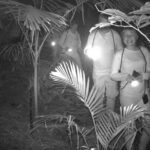
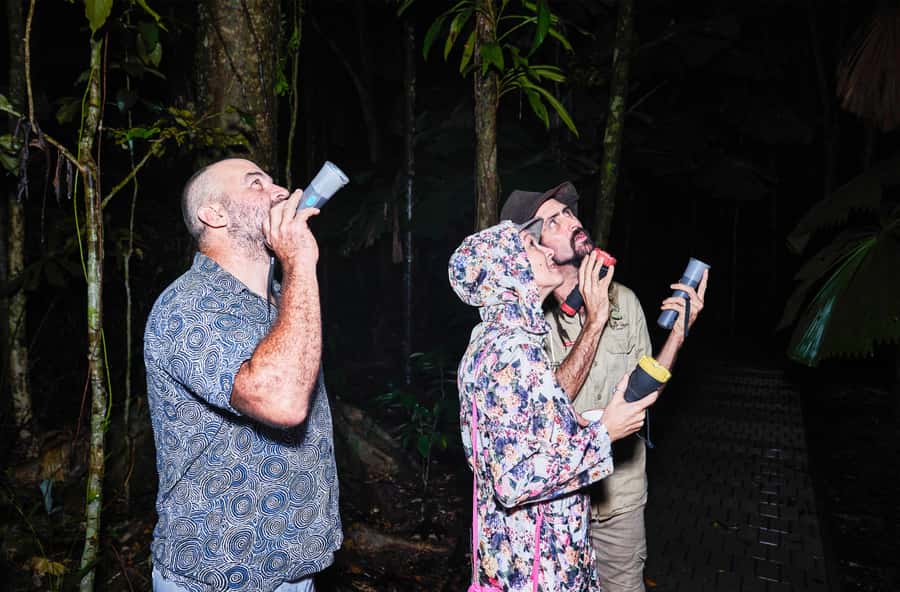
Night sounds different in the Daintree. I love the naturalist-guided night walk and the way the torchlit boardwalk helps you notice plants and tiny creatures you’d miss in daylight. One thing to keep in mind: wildlife sightings are not guaranteed, so go for the experience of the rainforest at night, not a promised animal parade.
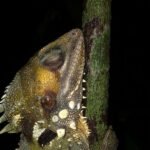
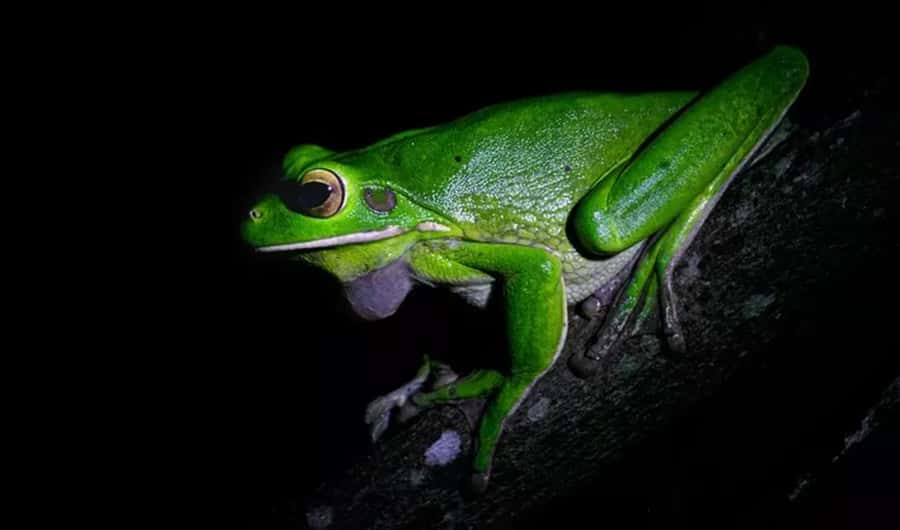
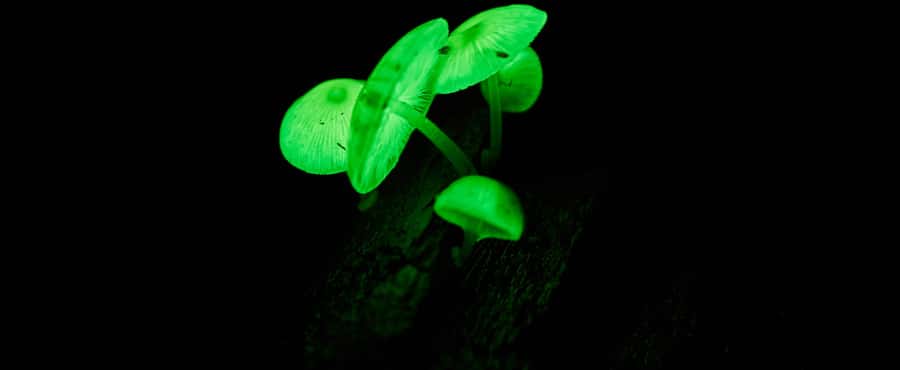
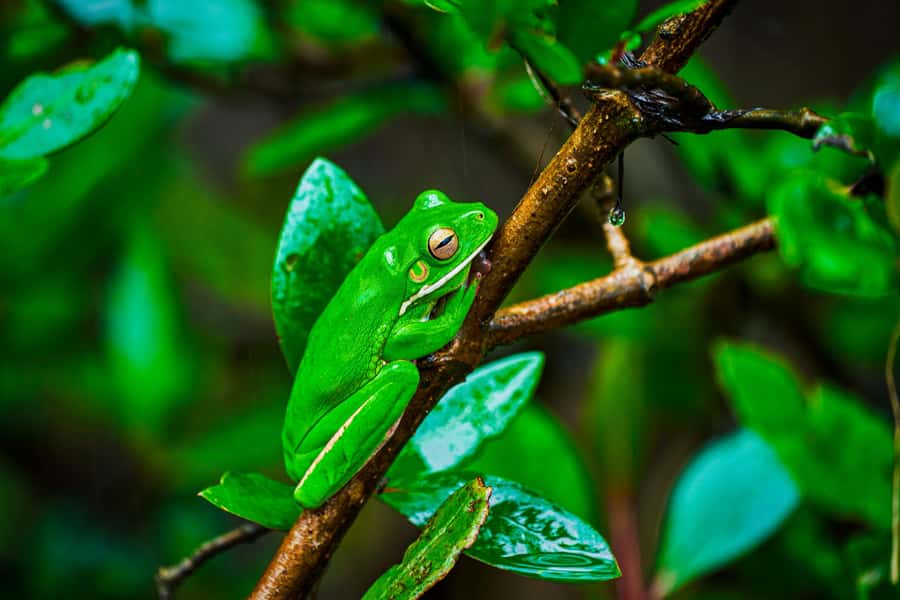
This tour runs 90 minutes and keeps things moving, with a short safety briefing and then a guided walk under the canopy, rain or shine. In the better moments, you’ll be scanning for things like owls, glowing scorpions, green-lipped tree frogs, and even the odd sleeping cassowary—plus the smaller stuff, like snails and bioluminescent mushrooms.
In This Review
- Key things to know before you go
- Cape Tribulation at night: what makes this walk different
- Price and overall value at about $38
- Meeting point: how to find the start without stress
- Pre-walk setup: the 5-minute safety briefing that helps
- The on-foot segments: how the 5 minutes forward sets your eyes
- The main event: 80 minutes guided through the Daintree at night
- Weather can make it better, not worse
- The return legs: how the last 5 minutes changes the feeling
- What you’ll actually learn: spotting skills, not just animals
- Who this tour is best for (and who should think twice)
- Practical gear and clothing: make it easy on your feet
- Rain or shine: how to plan your expectations
- Should you book the Cape Tribulation Daintree Rainforest night walk?
- FAQ
- How long is the Cape Tribulation Daintree Rainforest Night Walk Tour?
- Where do I meet for the tour?
- Is the tour wheelchair accessible?
- Does the tour run in the rain?
- What is included in the price?
- Are transfers provided to and from the tour?
- What should I bring and wear?
- Are wildlife sightings guaranteed?
Key things to know before you go
- Naturalist guide leadership: You follow a guide through the night with a real focus on what you’re seeing.
- Torches and ponchos provided: You’re set up for a wet rainforest night without scrambling for gear.
- 80-minute guided segment: Most of your time is with the group on the actual walk.
- Expect nature, not guarantees: Seeing wildlife is hit-or-miss, but the atmosphere is the point.
- No transfers included: Plan to make your own way to the meeting point.
- Rain or shine: If it’s wet, it still runs.
Cape Tribulation at night: what makes this walk different

Cape Tribulation is already a treat in daylight, but the night brings a shift. The rainforest doesn’t just get darker. It changes its rhythms. You’re moving through a living system that’s tuned for nighttime activity—many animals and insects go about their business under cover, when predators and prey play by different rules.
That’s exactly why a guided walk matters here. In daylight, you might spot a few obvious trees and hope for wildlife luck. At night, most of what you’ll notice is subtle. The torchlight helps, but what really sharpens your attention is a guide who knows where to look and what to listen for.
This experience is also timed well. Ninety minutes isn’t too long to stay focused, especially when you’re watching the ground and scanning leaves. You’re out long enough to settle into the scene, but not so long that the group energy drops or your feet start to complain.
You can also read our reviews of more walking tours in Cape Tribulation
Price and overall value at about $38
At around $38 per person for a 90-minute guided experience, you’re paying for a few clear things: a professional naturalist guide, permits included, and gear for the conditions (torches and ponchos). You’re also paying for access to a managed rainforest setting where the route and safety approach are planned.
Is it cheap? No. Is it fair for the setting? Yes, especially if you remember that this is not a casual stroll. It’s a guided night experience focused on wildlife spotting and rainforest interpretation in a UNESCO area. You’re paying for expert eyes and a structure that keeps you from wandering into trouble in the dark.
Also, the guide influence is real. Two standout comments from real bookings underline the same theme: guides named Gert and Cain were described as passionate, knowledgeable, and worth the time. Even if you don’t catch every animal on your wish list, a good guide helps you understand what you did see.
Meeting point: how to find the start without stress
Check in is at the Ferntree Rainforest Lodge Reception, at 36 Camelot Cl, Cape Tribulation. The good news: the directions are straightforward—turn off Cape Tribulation Road up Camelot Close, park at the lodge reception on the right, and look for Cassowary Restaurant behind the reception.
For your timing, I’d treat the check-in as part of your tour experience. Arrive early enough that you can get oriented with the group and settle your torch/poncho stuff before the safety briefing.
One practical note: this activity does not include transfers. That means you’ll want your own car, or you’ll need to arrange transport separately.
Pre-walk setup: the 5-minute safety briefing that helps
Right after you arrive, there’s a short safety briefing. It’s only about five minutes, but it matters more at night than in daylight.
On a boardwalk-style route, you’ll still be watching your footing, keeping close to the group, and managing your torch. In a rainforest at night, the risk isn’t just falling. It’s also losing your bearings, stepping off the path, or focusing too hard on one spot and not the ground under you.
This is also where you’ll be told how to use your torch properly and what behavior to expect on the walk. The goal is simple: keep everyone together, moving smoothly, and paying attention.
The on-foot segments: how the 5 minutes forward sets your eyes
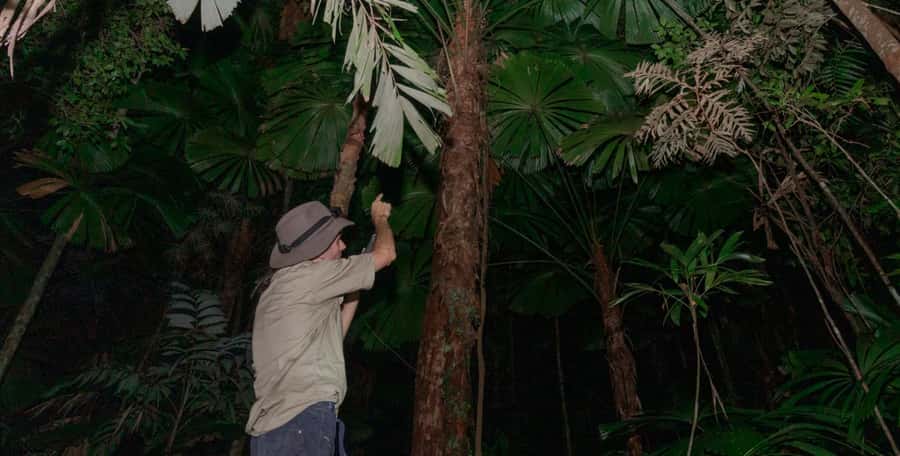
Before the main guided chunk begins, there’s a short on-foot segment (about five minutes). Think of this as your warm-up.
In that early part of the walk, you’ll start adjusting to the dark. You’ll learn how torchlight changes what you notice: shiny surfaces, moving silhouettes, and small motion on leaves or the forest floor.
It also gives the guide a chance to set the tone. You’ll likely get cues about what you’re watching for—like signs of animals, not just animals themselves. For example, the experience description includes the possibility of “spooring” mushrooms, which hints at the guide’s attention to fungal activity that you might completely miss without direction.
The main event: 80 minutes guided through the Daintree at night
The heart of the tour is an 80-minute naturalist-guided walk, and this is where the rainforest comes alive in a way daylight rarely shows.
Your guide leads you along the path with the torchlight, pointing out plants and asking you to look for movement, shine, and unusual shapes. The rainforest at night can feel like a slow scavenger hunt. Some animals are visible, but a lot of the fun is noticing smaller evidence that something is happening nearby.
Here are some of the potential sightings and moments this kind of walk is built around:
- Bioluminescent mushrooms (the idea of fungus that glows is what many people hope for in the moment)
- Spores or spooring mushrooms (fungal signs you can’t really “accidentally” spot without help)
- Snails
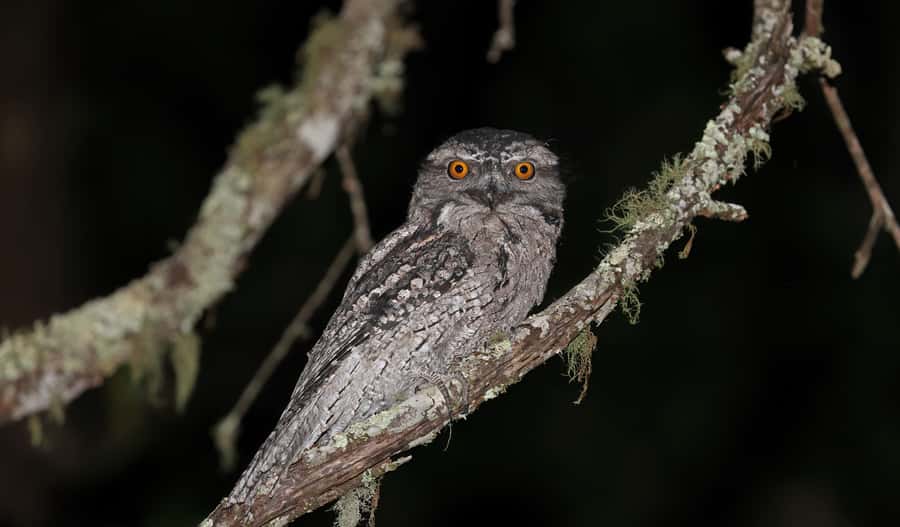
- Owls
- Glowing scorpions
- Green-lipped tree frogs
- Bats
- Tree-kangaroos
- Sleeping cassowaries (rare, but included as a possibility)
Important: none of those are guaranteed. The tour is designed for the rainforest experience at night—meaning your success is measured by how much you learn to see, not just by counting species.
Weather can make it better, not worse
One of the most useful pieces of advice from a real booking was simple: if it rains heavily, don’t skip. Sophie, with a verified booking, specifically called out that heavy rain made the night feel more magical, and they still saw lots of great animals and plants.
Rain can actually increase activity for some things and makes the scene feel extra alive: sounds carry differently, and surfaces reflect torchlight in interesting ways. You’ll also have ponchos provided, so wet isn’t the same as miserable.
The return legs: how the last 5 minutes changes the feeling
After the guided portion ends, there’s another short on-foot segment back to the start. This usually feels different than the first walk out.
Early on, you’re adjusting and learning. On the way back, you’re often more confident at spotting what the guide pointed out. You might even start comparing what you’re seeing in the torch beam versus what’s visible at the edges in darkness.
It’s also a good moment to take stock. If you caught a frog or saw signs of fungi, you’ll probably realize that your eyes are improving over the full 90 minutes. That’s one of the hidden wins of structured timing.
What you’ll actually learn: spotting skills, not just animals
This tour is billed around elusive wildlife, and you might see them. But the real value is how your guide trains your attention.
In a rainforest, you quickly learn that most action is small and brief. A bat might flick by for a second. A frog might hold still long enough to be mistaken for a leaf texture. A glint could be a scorpion catching the light. And those bioluminescent or glowing fungi moments—if they happen—teach you that the rainforest isn’t just trees. It’s insects, fungi, microhabitats, and all the connections between them.
The guide names from the experience stand out again. Gert and Cain were both described as passionate and full of knowledge, which matters because the tour is short. You won’t have time to learn everything. You need the guide to pick the key things that connect the scene into something understandable.
Who this tour is best for (and who should think twice)
This is a night walk, on foot, with a group. That sounds simple, but at night your pacing and attention change.
You’ll likely love it if:
- You enjoy nature and want more than a scenic walk
- You’re curious about rainforest life cycles, including fungi and small animals
- You’re comfortable walking in the dark and paying attention to your footing
- You want a guided experience in the UNESCO Daintree area without needing specialized equipment
You should think carefully if:
- You have mobility or endurance limits for walking outdoors at night (even if it’s described as wheelchair accessible)
- You have health concerns that make you cautious in rain and low light
- You’re traveling with kids outside the operator’s listed suitability
One section in the provided information lists multiple age cutoffs for children under 10 through under 14. There’s also a separate statement that it’s suitable for all ages. Because of that mismatch, the safest approach is to check the operator’s actual minimum age for your child before you book.
Also note: the tour is explicitly not suitable for people who can’t swim, people with diabetes, people prone to altitude sickness, and people with certain motion-related issues. If any of those apply to you, confirm first.
Practical gear and clothing: make it easy on your feet
Bring:
- Comfortable shoes
- Comfortable clothes
Torches and ponchos are included, which is a big help. Still, your shoes matter most. Boardwalk-style rainforest paths can be slick, and you’ll be walking at night while focusing on wildlife and ground detail. Good traction and comfortable support are the difference between enjoying the hunt and just surviving it.
Also, there are limits on what you can bring:
- No drones
- No pets
Rain or shine: how to plan your expectations
This tour runs rain or shine, which means your planning should focus on comfort more than hoping for perfect weather.
If it’s dry, you’ll still be walking at night in a humid, dark environment. If it’s wet, you’ll be wearing a poncho and using torchlight on a glossier, more reflective path. Either way, the goal stays the same: see the rainforest as a nighttime ecosystem.
And yes, heavy rain might feel intense, but it doesn’t automatically mean you’ll miss the best stuff. At least one real booking specifically said rain made the experience more magical and still delivered plenty of wildlife and plants.
Should you book the Cape Tribulation Daintree Rainforest night walk?
I’d book this if you want a guided way to experience the Daintree at night without overthinking gear or logistics. The value is strongest when you take the right mindset: wildlife isn’t guaranteed, but your guide can dramatically increase what you notice, and the torch-and-poncho setup makes the conditions manageable.
Skip it only if you’re looking for a guaranteed animal-watching show, or if your health/age situation doesn’t match the operator’s suitability notes. Also, if you hate walking in the dark with small pauses for spotting wildlife, you might find it stressful rather than fun.
If you fit the sweet spot—curious, patient, and comfortable walking—this is one of the more memorable ways to understand why the Daintree stands out as a real living rainforest ecosystem, not just a place to pass through.
FAQ
How long is the Cape Tribulation Daintree Rainforest Night Walk Tour?
The tour duration is 90 minutes.
Where do I meet for the tour?
Check in is at the Ferntree Rainforest Lodge Reception at Ferntree Rainforest Hotel, 36 Camelot Cl, Cape Tribulation QLD 4873.
Is the tour wheelchair accessible?
Yes, it is listed as wheelchair accessible.
Does the tour run in the rain?
Yes, the tour takes place rain or shine.
What is included in the price?
It includes a naturalist guide, torches and ponchos, and permits.
Are transfers provided to and from the tour?
No, transfers are not available for this activity.
What should I bring and wear?
Wear comfortable shoes and comfortable clothes.
Are wildlife sightings guaranteed?
No. Animal sightings are not guaranteed, but the experience includes guided spotting opportunities for wildlife and rainforest life.