REVIEW · GOLD COAST
Gold Coast: Snorkelling in Wave Break Island
Book on GetYourGuide →Operated by Queensland Scuba Diving Company · Bookable on GetYourGuide
Fish come right to you. On Queensland’s Gold Coast, Wave Break Island is a protected snorkeling cove where hand-feeding fish is part of the fun, and the underwater life is easy to access even if you’re new. You also get time for underwater photos, plus a relaxed break on a secluded beach stretch away from most boating activity.
The biggest thing I’d plan around is that water temperature can feel cold depending on the month, and on windy days visibility can drop a bit. Still, the set-up is beginner-friendly, with an instructor on hand and a crew that keeps the mood calm and upbeat.
In This Review
- Key things I’d watch for
- Wave Break Island and the Gold Coast cove advantage
- The 4-hour flow: boat ride, in-water time, and beach downtime
- Getting kitted up and supported: guides, equipment, and comfort
- Hand-feeding fish: the moment everyone remembers
- Underwater photos: where to look and how to get shots
- Boogie boards with view holes and why the break matters
- Weather, visibility, and the cold-water reality check
- Price and value: what $55 buys you on the Gold Coast
- Who should book this snorkel, and who might want to think twice
- Should you book Wave Break Island snorkeling for $55?
- FAQ
- How long is the snorkelling experience?
- How much does it cost?
- What’s included in the tour price?
- Is food included?
- Do I need my own snorkelling gear?
- Can I hand-feed the fish?
- Is the site suitable for beginners?
- How deep is the water at Wave Break Island?
- Is there a boogie board during the tour?
- What languages does the instructor speak, and is it wheelchair accessible?
- Is there free cancellation?
Key things I’d watch for
- Wave Break Island’s fish density: over 50 species, with schools of fish that can come right near you
- Hand-feeding (done responsibly): fish follow you for ages when you use the feeding method the guides teach
- Beginner-friendly conditions: the site is known for minimum swell, plus guidance for where to snorkel and how to photograph
- Photo time with a plan: you’re pointed toward the areas that make underwater shots easier
- Boogie board with view holes: an extra way to watch sea life without feeling stuck in one position
Wave Break Island and the Gold Coast cove advantage
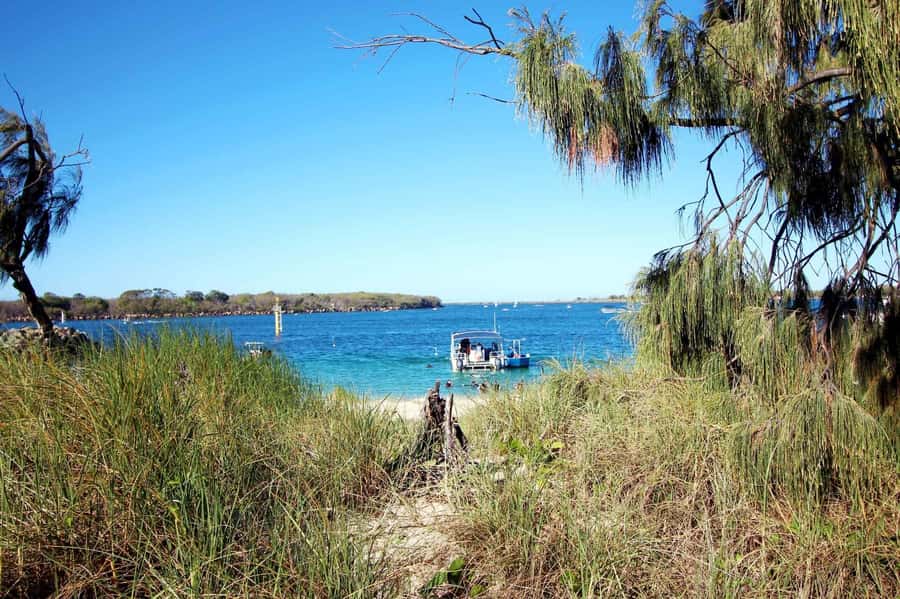
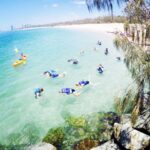
Wave Break Island earns its reputation because it’s set up for seeing sea life fast. This isn’t one of those “plan a full morning and hope for the best” spots. The area is protected, which matters. When there’s less swell, you can focus on your breathing, your buoyancy, and the fish instead of wrestling the water.
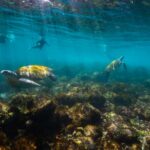
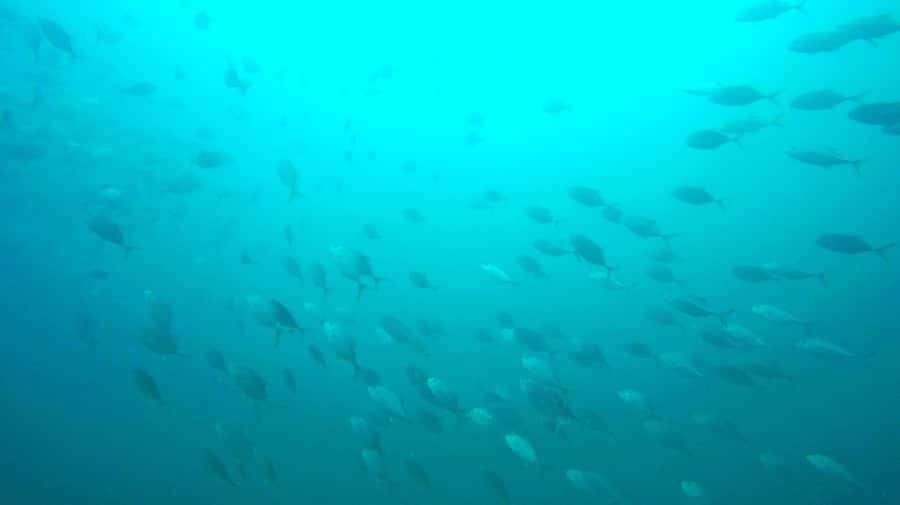
The fish scene is the headline. You’re looking at over 50 different species, with depths ranging from 0 to 15 meters. That shallow-to-moderate range is a big deal: it gives first-timers a safer-feeling entry and gives more confident snorkelers options to venture a bit farther without turning the whole experience into a fitness test.
And yes, the fish are described as very people friendly. Schools can move in hundreds. In plain terms, that means you’re not just looking for occasional sightings. You’re more likely to get repeated passes and longer “watching” moments, especially during feeding time.
You can also read our reviews of more snorkeling tours in Gold Coast
The 4-hour flow: boat ride, in-water time, and beach downtime
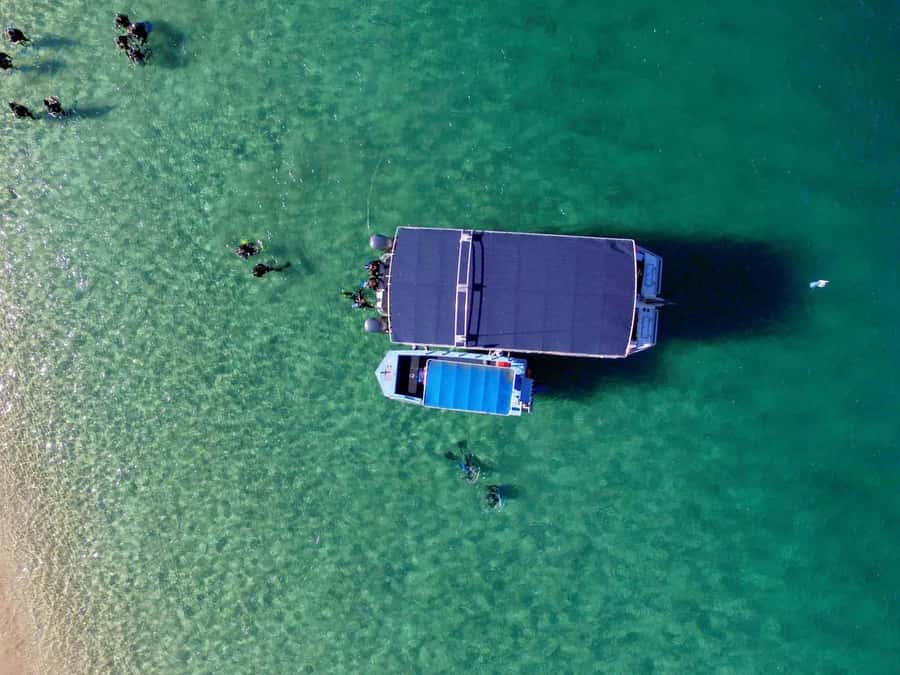
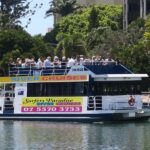
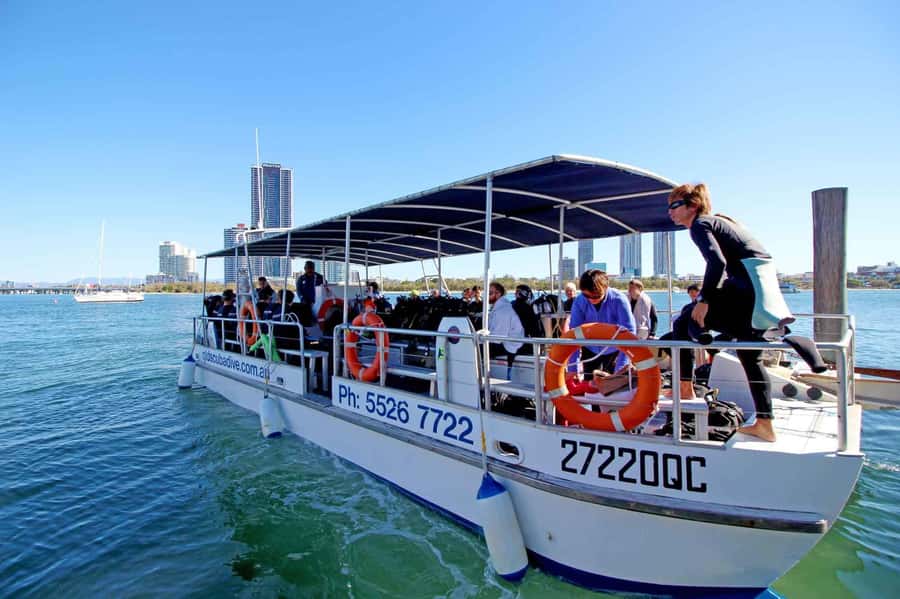
This is a 4-hour experience from pickup to drop-off, so it fits neatly into a Gold Coast day. You’re not signing up for a half-day that eats your whole afternoon. The structure is simple: you get to the meeting spot, head out by boat, spend time in the water at Wave Break Island, then return.
One detail worth factoring: water access time can vary. A participant noted they had around 90 minutes in the water during their season, which suggests that the “in-water” portion is substantial but not the entire 4 hours. Expect the experience to be paced, with instruction, gear fitting, and breaks baked in.
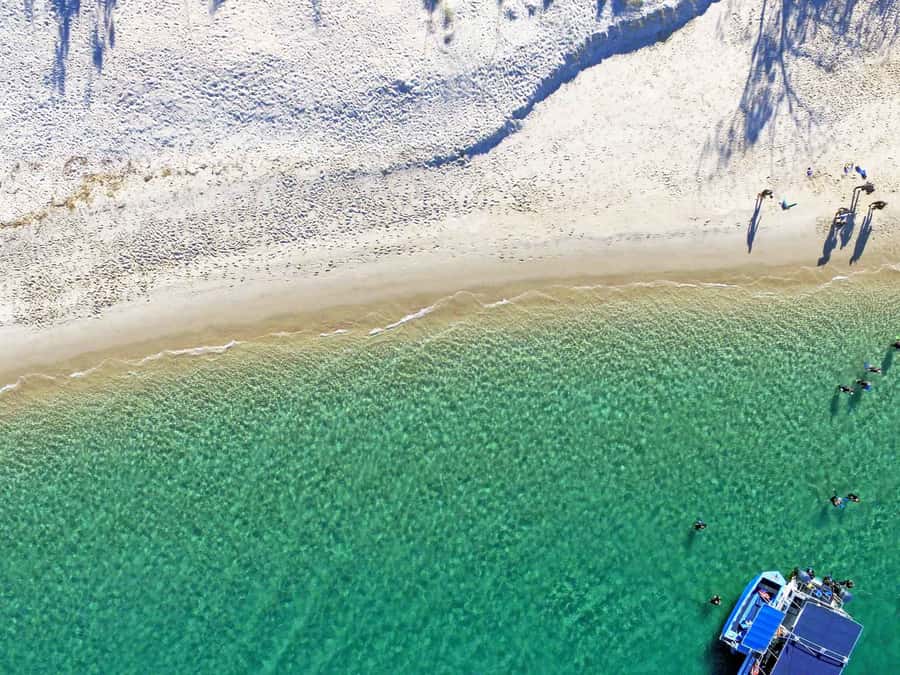
Between snorkel sessions, there’s also time on the beach. You’ll spend time exploring what Wave Break has to offer, including a secluded stretch of beach that isn’t jammed with other boating activity. That matters more than it sounds. A calmer break on sand helps you reset if you’ve been cold, tired, or just mentally overloaded by too much excitement at once.
If you’re the type who panics when you’re rushed, this pacing helps. You’re given time for fish feeding, time to take photos, and time to switch activities.
Getting kitted up and supported: guides, equipment, and comfort
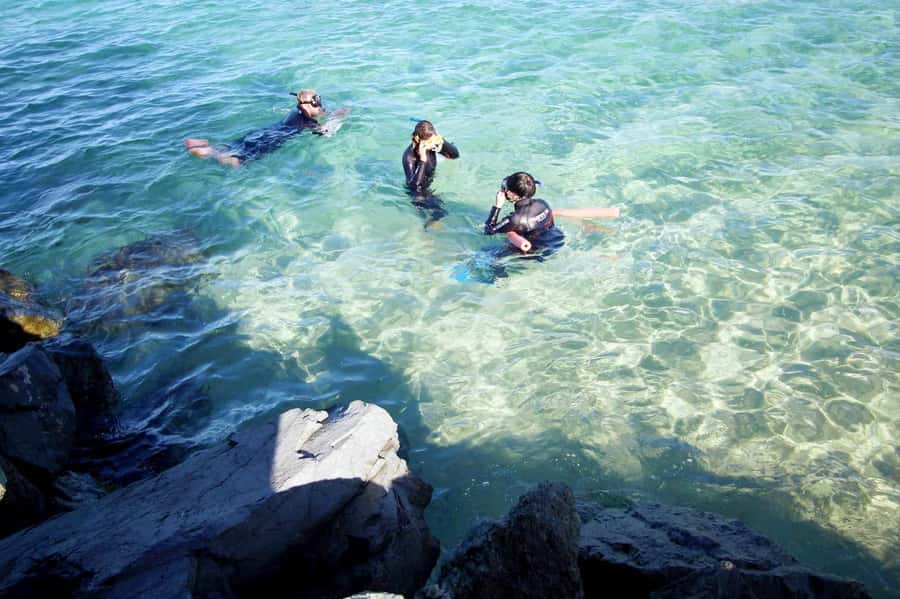
The tour includes the equipment, plus an instructor and a crew who stay close. That’s a real value point for snorkel newbies. The experience is set up for a range of abilities because there’s minimum swell and because you’re assisted with the basics of snorkeling and the areas that work best for both fish feeding and photography.
The instructor is offered in English, Japanese, and Spanish. That’s helpful if English isn’t your comfort zone. It also hints that they’re set up to explain clearly and repeat instructions when needed.
What stands out from the guide chatter: check-ins. People talk about guides like John and Toma keeping an eye on snorkelers in the water. Others also name Steve as a great instructor. That’s the kind of support that prevents small problems from becoming big ones. If you struggle with floating or you get spooked by sudden fin kicks nearby, having someone notice quickly can change the whole experience.
Comfort-wise, you’ll want to remember that you’re in saltwater doing fin work. Even when conditions are calmer, cold and nerves can make you breathe faster. The guides helping with the basics is the difference between feeling awkward for five minutes and feeling confident for the whole session.
Hand-feeding fish: the moment everyone remembers
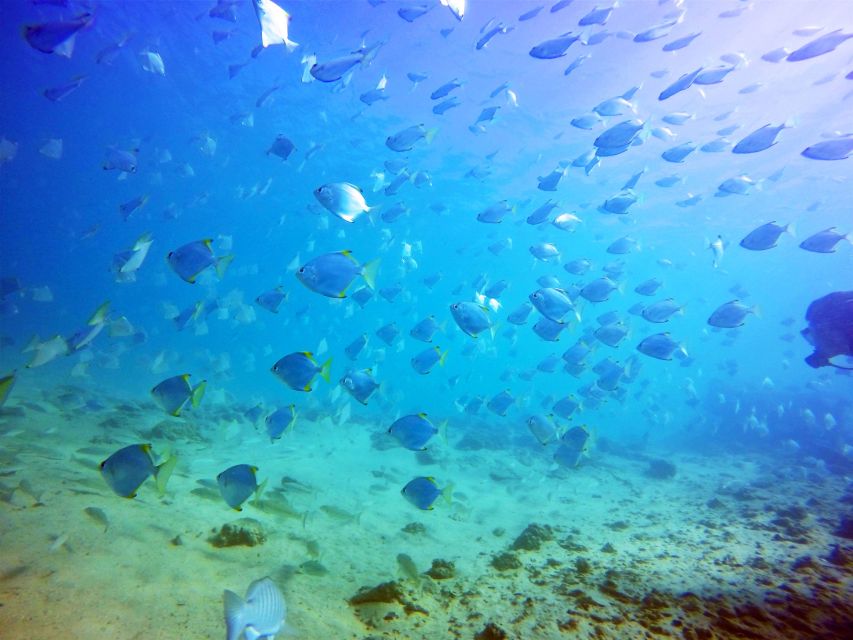
Hand-feeding is the big “only here” feature. It’s also where the experience becomes more than sightseeing. When fish are used to people feeding them correctly, your interaction changes from searching to watching. You become the stationary point in their route.
The tour is designed around this, with instruction on how and where to feed. You’re also encouraged to take underwater photos as the fish come close. That combination is why this experience gets repeat bookings.
A practical way to think about it: feeding time is often when fish school the tightest. People described fish following along for ages. If you’re after great underwater shots, aim to stay calm and still during feeding periods. Your job is basically to be a good target without stirring up a storm.
Also, this is a good spot if you want to challenge yourself gently. One participant even mentioned someone overcoming a fear of fish during the trip. That kind of growth can happen faster in water settings where the guides are supportive and the fish are predictable.
Underwater photos: where to look and how to get shots
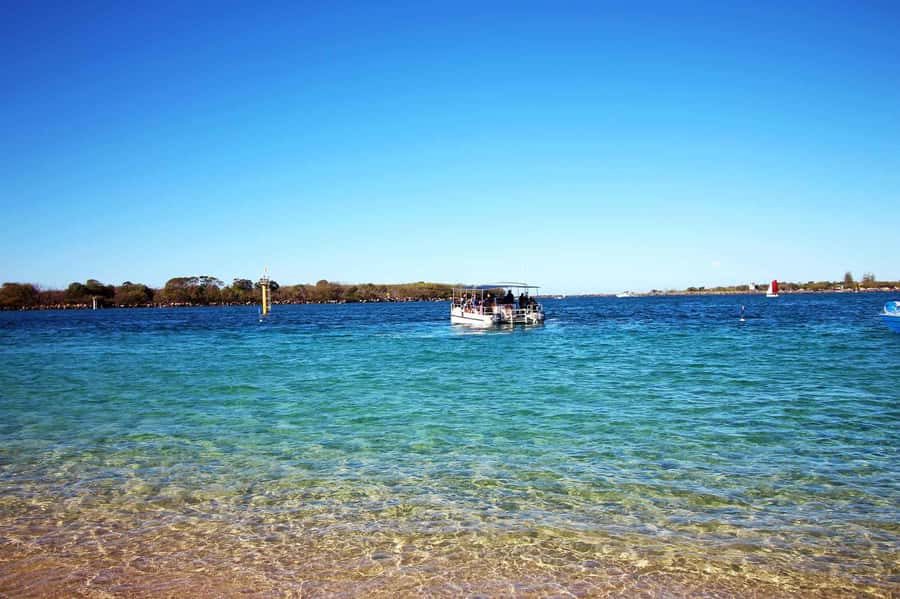
You’re taking underwater photos during the snorkel time, and the guides point you toward the best areas for photography. That matters because underwater visibility and lighting change constantly. If you go in without guidance, you often end up filming empty water while fish do their own thing elsewhere.
Here’s what you can do to improve your results right away:
- Stay near the feeding zone when fish are active, since fish behavior clusters where food is introduced
- Keep your body steady. Sudden fin waves can scatter fish and ruin the shot moment
- Use the guide’s suggested positioning. That’s usually where fish are circulating at eye level for cameras
If visibility is murky due to windy weather, you can’t force clarity. Still, many participants describe seeing lots of fish even on less-than-perfect days. In that case, the biggest win is motion and proximity, not crystal-clear water.
Also, remember your photos will be shaped by the fish schools themselves. When fish move as a group, you get better composition opportunities than when you’re scanning for one lone fish drifting by.




Boogie boards with view holes and why the break matters
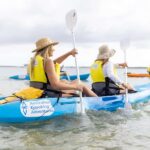
Not everyone loves the idea of snorkeling continuously, especially if you’re still learning how to feel relaxed in open water. The tour adds an easy alternative: you can hop on a boogie board with view holes and float while sea life passes beneath you.
This is a smart option for a few reasons:
- It reduces the “always kicking” effort
- It can feel less intimidating if you’re worried about holding breath or managing breathing rhythm
- It still gets you close to fish activity, especially when schools are moving
Think of it as a reset button. After a bit of fin work and feeding, floating can help you warm up mentally and physically. It’s also a great way to enjoy the “watching” side of snorkeling instead of only the “doing” side.
Add in the time on the secluded beach and you’ve got a balanced day. This isn’t just water, water, water. That balance is what makes the experience more enjoyable for a wider range of people.
Weather, visibility, and the cold-water reality check
Wave Break Island is known for minimum swell, which is why it works for beginners and advanced snorkelers alike. But weather still controls water texture and temperature.
Two common reality checks from the experience data:
- Cold water: Multiple participants call out that it can be chilly, with hints to choose warmer months if possible
- Murky or reduced visibility: One person noted visibility was poor due to windy weather
Neither of those is something the crew can magically fix. What you can do is arrive prepared mentally. If you’re visiting during cooler periods, plan for the possibility that you’ll focus on the fish and photos rather than trying to stay in the water forever.
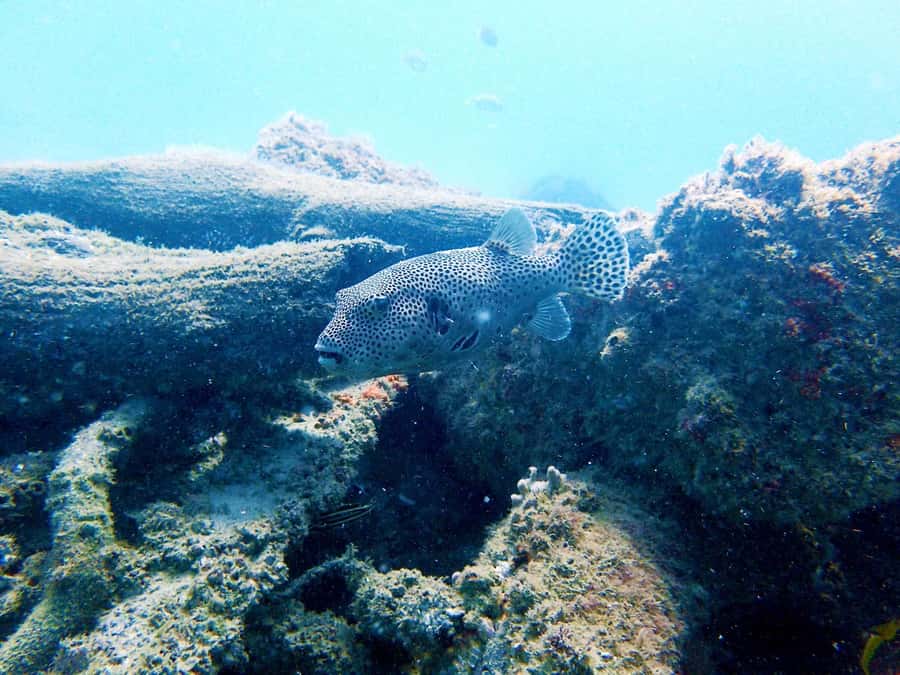
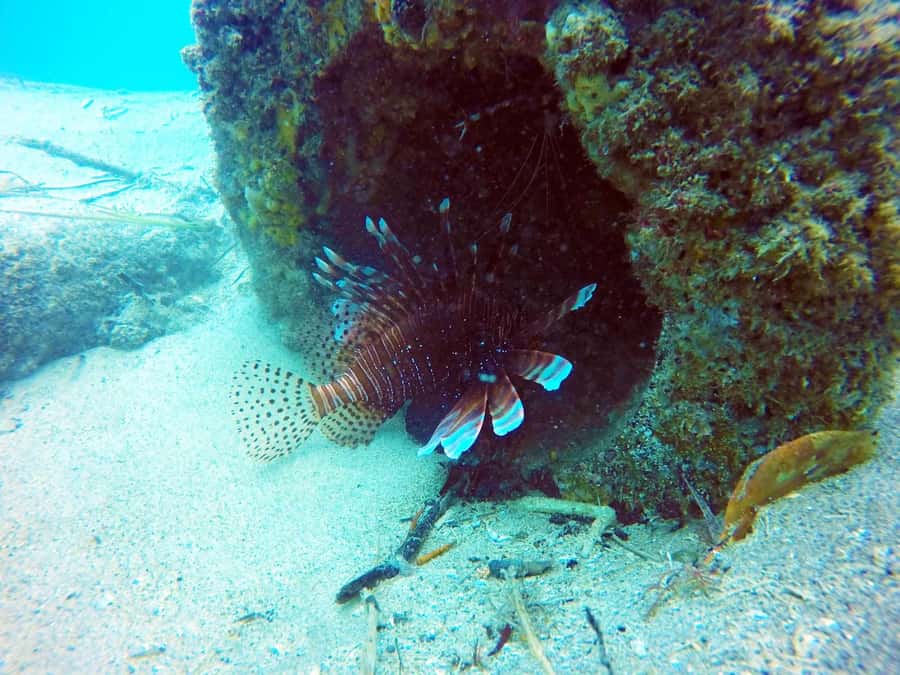
There’s also a “day-of” factor. Some participants noted the day they went wasn’t the clearest, yet they still saw stingrays and puffer fish. That tells me the experience remains valuable even when conditions aren’t photo-perfect.
One more small consideration: snorkeling spots can get busy. If the site is overcrowded, fish may hang back a little. Some people also felt instructions weren’t always enough for first timers on high-traffic days. If you want the smoothest learning curve, prioritize a calm mindset, listen closely during the first setup moments, and ask the guides for extra help if you feel unsure.
Price and value: what $55 buys you on the Gold Coast
At $55 per person for a 4-hour outing, the value is mostly about how packed the experience is. You’re not just getting access to a snorkel site. You’re getting:
- Equipment
- An instructor
- A boat ride
- Select hotel transfers (from Surfers Paradise)
- The snorkeling adventure
Food isn’t included, so you’ll want to plan a snack or meal before or after. But the rest of the package is where your money goes: the guided safety and technique support, the boat logistics, and the structured fish-feeding and photo opportunities.
For beginners, the price feels easier to justify because you’re not expected to figure everything out alone. Guidance on basics, where to go for photos, and how to feed the fish is the difference between a frustrating session and a confident one.
For more experienced snorkelers, the value is the fish density and the low-swell setup. It’s also a good place to spend time observing fish behavior without feeling like the environment is constantly working against you.
One small “value nuance” to know: hot drinks and extras can be a bit uneven day-to-day. A participant said hot drinks were more like self-serve and seemed an afterthought, while another mentioned hot chocolate after getting out of the water. If you care about warm drinks, expect the experience to focus on snorkeling first, comfort perks second.
Who should book this snorkel, and who might want to think twice
This tour makes the most sense if you want:
- A beginner-friendly entry into the underwater world
- Strong odds of seeing a lot of fish
- A guided experience with instruction during the water time
- A fun, interactive element like hand-feeding
It’s also a good family-leaning option because the site conditions are calmer and the guides assist snorkel basics. People even describe it as good for young children and for swimmers who aren’t super confident.
You might think twice if:
- You’re highly sensitive to cold water and visiting in cooler months
- You want lots of freedom to swim far away on your own (this is more structured around guide zones and feeding/photo areas)
- You hate crowds on popular water sites (some days can feel busy, which can affect both fish behavior and your personal attention)
If you’re the type who thrives with clear instructions, this tour likely lands well.
Should you book Wave Break Island snorkeling for $55?
My practical take: if you want an efficient Gold Coast activity where the underwater payoff is part of the plan, book it. Wave Break Island is built for seeing fish up close, with hand-feeding and guided photo-friendly positioning. The support from the crew, including names like John, Toma, and Steve, is a big reason this feels comfortable for first timers.
Just go in with two expectations:
1) water can be cold in cooler seasons, so dress for that mentally
2) visibility can shift with wind, so focus on the fish behavior and feeding moments rather than chasing perfect clarity
If those check out for you, this is a solid value way to spend four hours on the Gold Coast.
FAQ
How long is the snorkelling experience?
The total duration from pickup to drop-off is 4 hours.
How much does it cost?
It’s priced at $55 per person.
What’s included in the tour price?
You get all equipment, an instructor, select Surfers Paradise hotel transfers, a boat ride, and the snorkeling adventure.
Is food included?
No, food isn’t included.
Do I need my own snorkelling gear?
No. All equipment is included.
Can I hand-feed the fish?
Yes. Hand-feeding the fish is part of the experience.
Is the site suitable for beginners?
Yes. The activity is described as ideal for both beginners and advanced snorkelers, with guidance on snorkeling basics and the best areas for fish feeding and photography.
How deep is the water at Wave Break Island?
The snorkeling depths range from 0 to 15 meters.
Is there a boogie board during the tour?
Yes. You’ll have time to hop on a boogie board with view holes to watch sea life pass by.
What languages does the instructor speak, and is it wheelchair accessible?
The instructor is available in English, Japanese, and Spanish, and the activity is wheelchair accessible.
Is there free cancellation?
Yes. You can cancel up to 24 hours in advance for a full refund.