REVIEW · PORT LINCOLN
Coffin Bay Oyster Farm Wading Tour & Tasting Experience
Book on Viator →Operated by Oyster Farm Tours - Coffin Bay · Bookable on Viator
Coffin Bay turns oysters into an adventure. This 1 hour 30 minute guided wading tour gets you into waterproof waders (supplied), out to the farm leases, and then at a tasting table where oyster shucking is the main event. It’s also a small-group experience (max 25), and it has real farm credibility because the guide is an oyster farmer.
I love the mix of hands-on action and clear explanations you can actually use. Second, I like how you’re not just eating oysters—you learn how they’re grown, then you shuck Pacific and the local Angasi Coffin Bay oysters right after seeing the farm setup.
One possible drawback: the experience depends on good weather, and you will be in the water while wearing waders. If cold water or getting wet is a deal-breaker for you, that’s the main thing to consider before booking.
In This Review
- Oyster Farm Wading Tour Key Points (What Makes It Special)
- Welcome to Coffin Bay Oyster Country: What You’re Really Booking
- Starting at Oyster HQ: The Meeting Point That Sets the Tone
- Waders, Socks, and Comfort: Your Gear Checklist for Being in the Water
- A Farmer’s Welcome: What the History Moment Adds
- The Main Event: Wading Out to the Floating Pontoon
- Learning to Shuck: The Skill Part That Changes How You Eat Oysters
- Tasting Pacific and Angasi Oysters (Plus Optional Drinks or Platters)
- Price and Value: Is This Worth $68.14?
- Group Size and Guide Style: Why Smaller Tours Work Better
- What to Do Before and After: Making a Day of Coffin Bay
- Who This Tour Suits (And Who Might Want Another Option)
- Should You Book? My Honest Take on the Coffin Bay Wading Oyster Tour
- FAQ
- How long is the Coffin Bay Oyster Farm Wading Tour & Tasting?
- Where does the tour start?
- What do I need to wear or bring?
- Will I go into the water?
- What oysters will I taste?
- What food or drinks are included?
- What if the weather is poor?
Oyster Farm Wading Tour Key Points (What Makes It Special)
- Farmer-led tour with history tied to the region, not just a generic tasting talk
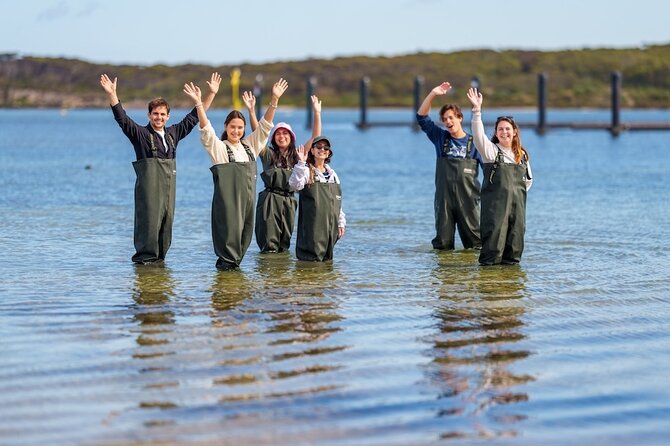
- Waders supplied and you’ll wade out to the floating pontoon on the lease
- Hands-on shucking lesson so you leave knowing what to do (not just what to eat)
- Tastes include Pacific and Coffin Bay Angasi oysters, fresh from the water when conditions allow
- Optional upgrades for wine, sparkling wine, or a seafood platter
Welcome to Coffin Bay Oyster Country: What You’re Really Booking
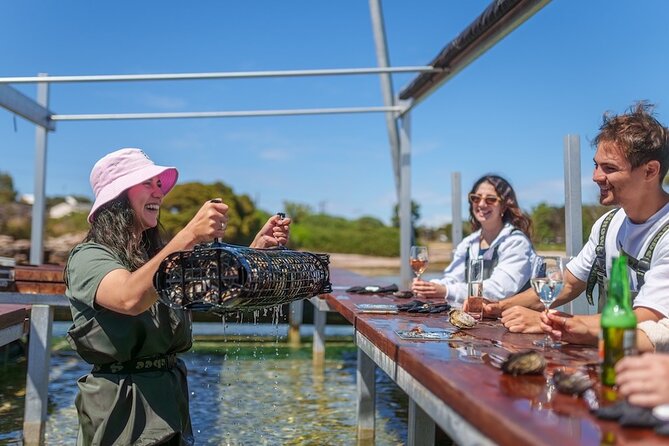
This tour in Coffin Bay isn’t a museum. It’s a working oyster farm, and you show up wearing waders. That one detail changes the whole feel. You’re not standing on dry land listening to someone talk about oysters—you’re on the lease, close enough to understand why oysters need the water movement, the right conditions, and careful farming habits.
It also has a practical pace. The total time is about 1 hour 30 minutes, and it’s structured so you get: history and context, time in waders, a shucking lesson, then tasting. With tours running all year, you’ll also feel the small-group advantage: you’re more likely to get answers to your questions instead of being herded through a routine.
And yes, it’s popular. The operator is clearly running often enough that the tour gets booked repeatedly, which usually signals that the experience holds up when more than a few people are looking for the same thing: oysters, plus a story you can repeat later.
You can also read our reviews of more food & drink experiences in Port Lincoln

Starting at Oyster HQ: The Meeting Point That Sets the Tone
The tour starts at Oyster HQ, 100 Esplanade, Coffin Bay SA 5607. That location matters because you’re already in the right place geographically and emotionally—Coffin Bay is a seaside town built around seafood and small-scale coastal life.
Plan to arrive a bit early. In multiple guide stories, friendly staff greeted people right away, and that matters when you’re about to get into waders. If you show up rushed, you’ll feel it more than you should.
What I like here is the prep approach. You’ll be going from normal clothes into waterproof waders, and the operator gives clear guidance: wear comfortable clothing under the waders, and dress for the weather on the day. If it’s hot, bring a hat. If it’s cooler, bring a jacket. Winter can mean extra warmth like a beanie and scarf.
Waders, Socks, and Comfort: Your Gear Checklist for Being in the Water
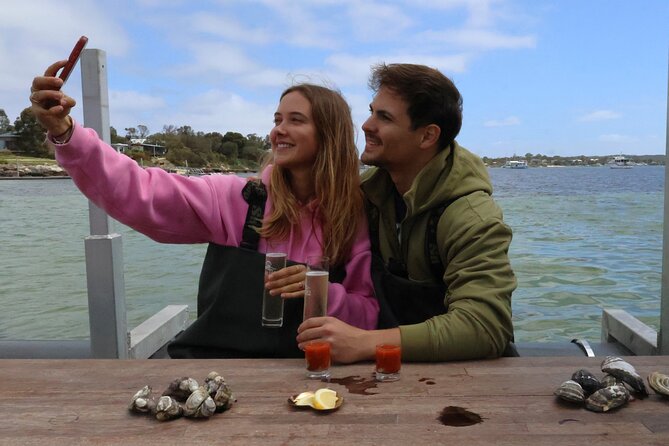
You’ll be given waders, but the details matter. Socks are required for the waders. The good news is you can bring your own socks or purchase a pair from the tour office.
For the rest, think simple and functional:
- Wear comfortable clothes that you don’t mind getting a bit damp
- Bring a camera if you want farm-and-water photos
- If it’s sunny, plan for sun protection since you’ll be outside
- If it’s windy or chilly, dress like you’ll be standing still near water
Here’s the practical takeaway: don’t treat this as a casual walk. You’re managing warm layers, wet gear, and a bit of walking in and out of the water. If you’re already the type who enjoys coastal activities, you’ll be fine. If you only like seafood from a plate and hate getting your shoes wet, you may not love this format.
A Farmer’s Welcome: What the History Moment Adds
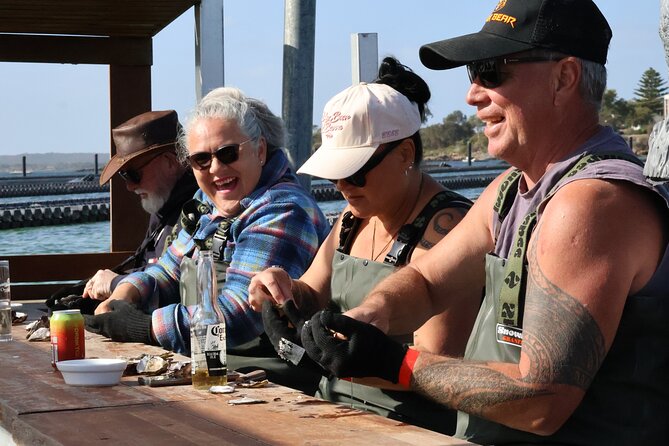
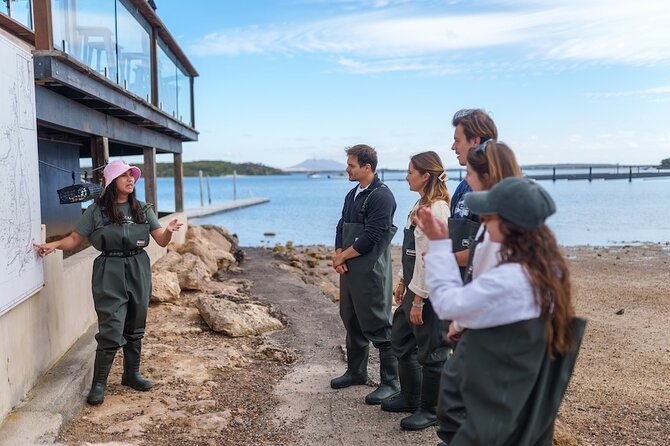
One of the tour’s early beats is a historical story led by the oyster farmer. You’ll hear about the region and a connection to Matthew Flinders’ voyage before you head out to the lease.
This might sound like trivia until you realize why it works. When someone ties oyster farming to the broader coast history, you stop thinking of oysters as just food and start seeing them as part of the landscape’s economy and survival. You also get a vibe for how long people have depended on this kind of marine work.
In reviews, guides like Juan and others are praised for sharing both history and oyster know-how, and that combination is a big reason the tour keeps landing a very high rating. It’s not just the farmer voice—it’s the clarity.
The Main Event: Wading Out to the Floating Pontoon
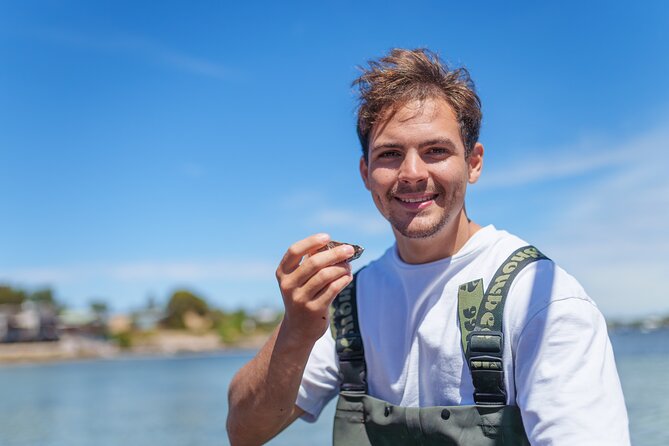
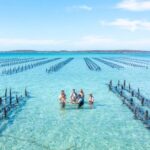
This is where the tour earns its keep. You’ll climb into waders (supplied), then wade out into the water to a floating pontoon. From there, the farmer explains how oysters are farmed and you get a firsthand view of the setup.
You’ll be tasting with context, too. The tour is built around the idea of fresh oysters straight from the farm. On many days, that means the oysters feel unbelievably alive—cool, briny, and clean. On the tasting table later, you’ll actually notice how farm handling affects flavor.
A quick consideration: one review notes that on a day when Coffin Bay oysters were unavailable, the tour still ran and served oysters from elsewhere while keeping the experience relaxed and friendly. So if you’re planning this as a one-shot only trip, keep in mind that nature and supply can shift. The format stays, but the specific oyster origin can vary.
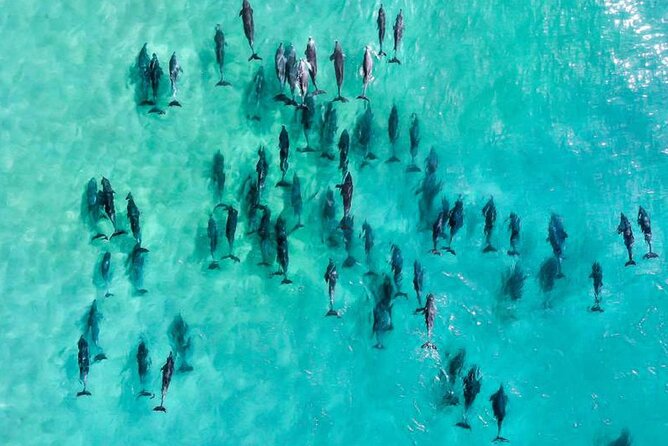
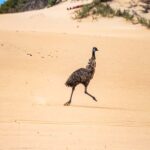
Also watch for wildlife. The town is known for coastal wildlife, and the tour often includes sightings like seals and dolphins, with kangaroos and emus sometimes wandering the main street. That’s not guaranteed in the booking info, but it’s part of the area’s character and it comes up often in tour experiences.
A few more Port Lincoln tours and experiences worth a look

Learning to Shuck: The Skill Part That Changes How You Eat Oysters
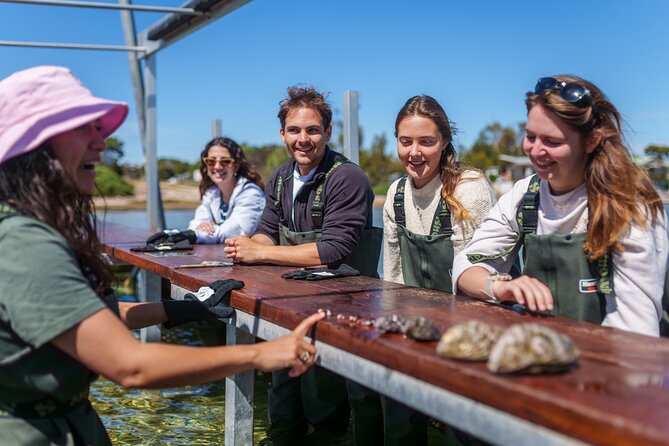
This tour doesn’t just say you’ll shuck an oyster. You get a hands-on shucking lesson where you learn to shuck your own oyster. That’s a huge difference between a “taste and leave” experience and something that sticks with you.
When guides teach shucking, they tend to focus on the few moves that keep your hands safe and your oysters intact. Once you get the hang of it, you stop feeling intimidated by the knife and shell. Reviews include stories of people leaving with confidence after only a few tries—by the later oysters, shucking is no longer a chore.
And the lesson is tied to your tasting. After you’ve seen the farm, then learned the technique, the oysters are no longer just food from a restaurant. You’re eating something you handled moments earlier—fresh, briny, and meant to be tasted simply.
If you’re an oyster beginner, this is where the tour feels worth the money. If you already love oysters, it still helps you sharpen your technique and understand what you’re tasting beyond just the flavor.
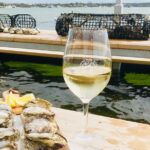
Tasting Pacific and Angasi Oysters (Plus Optional Drinks or Platters)
Now for the part you came for: tasting. You’ll sample Pacific oysters and Native Coffin Bay Angasi oysters.
This matters because “oyster taste” isn’t one thing. Different oyster types can feel different on the palate—salinity, creaminess, and texture can vary. Having both types in one session gives you a fast comparison you can actually feel.
Then you match the tasting to your preference:
- You can choose an option that includes a glass of wine
- Or sparkling wine
- Or a seafood platter (depending on the tour option selected)
I like that the upgrade options don’t replace the core farm experience. You still wade, learn, and shuck. Drinks are an add-on, not the main script.
One small note from real experiences: if you don’t eat oysters, some staff can pack oysters up so you can take them with you. That’s not written as a guarantee, but it’s shown up in tour feedback, so it’s worth asking at the start if you need a plan B.
Price and Value: Is This Worth $68.14?
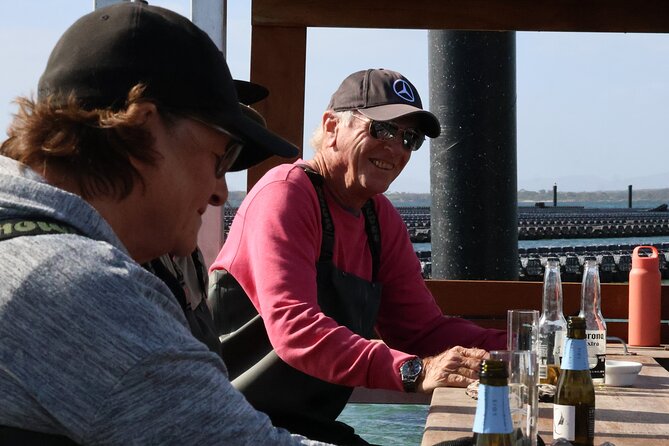
At $68.14 per person, you’re not paying for a generic tasting. You’re paying for:
- A guided, farmer-led experience
- Waders and time out on the lease
- A hands-on shucking lesson
- Tasting oysters (Pacific and Angasi)
- A compact 1.5 hour format that doesn’t waste your day
For me, the value comes from the combination. If the tour were only a shucking demo, you might question the price. If it were only a wading sightseeing trip, you might not get enough payoff. Here, both parts connect. The “I saw how it’s farmed” moment feeds the “I know what I’m tasting” moment.
Upgrades (wine/sparkling/seafood platter) can push the final cost. One review called a romance-themed upgrade too expensive, which is a fair reminder: choose the option that fits your budget and drinking plans. If you want to keep it straightforward, stick to the standard tasting and let the oysters do the talking.
Group Size and Guide Style: Why Smaller Tours Work Better
The tour has a maximum of 25 travelers, and that size change shows up in the mood. In smaller groups, you get more interaction during the shucking lesson and more time for questions while you’re on the water side.
Guide personalities also matter. Different guide names show up in experiences—Sergio, Matz and Linda, Rob and Margot, Sabrina and Rose, Rosa, Cameron and Shiino, Joe and Shane, and Juan. You won’t control who you get, but you can take comfort that the operator is training people to explain the process clearly and keep the tone fun, not stiff.
What to Do Before and After: Making a Day of Coffin Bay
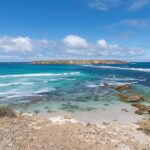
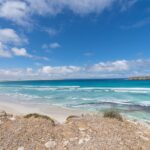
Coffin Bay is a beautiful seaside town, and it’s worth building your day around it. If you haven’t booked accommodation, it’s often smarter to stay in Coffin Bay itself rather than only using Port Lincoln as your base. That way, you’re not spending extra time commuting on a day when you’ll already be outside and on your feet.
After the tour, you’ll be in a great mood to keep eating local seafood, and you’ll also have a better framework for noticing differences in oyster style. Even if you’re just curious, you’ll leave with the ability to talk oysters like a real person: how they start, how they grow, and why the farm setup matters.
Who This Tour Suits (And Who Might Want Another Option)
This is best for you if:
- You like hands-on activities, even a little messy
- You want more than food— you want how it works
- You’re visiting Coffin Bay and want a signature local experience
- You enjoy learning directly from someone who does the job every day
It may be less ideal if:
- You hate wet gear and being in the water
- You’re uncomfortable with shucking and knives (even with a lesson, it’s hands-on)
- You’re coming at a time where weather could turn rough and you’d rather not gamble on outdoor conditions
The good news is the tour is designed for most travelers, and service animals are allowed, so it’s broadly set up for a wide range of people—as long as you’re okay with the water and waders part.
Should You Book? My Honest Take on the Coffin Bay Wading Oyster Tour
Book it if you want a real farm experience in a short time. The wading out in waders, the hands-on shucking, and the Pacific plus Angasi tasting make this feel like more than a meal. At $68.14, you’re paying for a full package, not just a few oysters on ice.
Skip it if you’re mainly looking for oysters in a restaurant and don’t want to be outdoors in wet conditions. Also consider booking your plan around weather, since this experience requires good conditions and may switch dates if it can’t run as intended.
If you’re even halfway into oysters—curious, adventurous, or already obsessed—this tour is one of the cleanest ways to turn curiosity into a skill and a memorable taste.
FAQ
How long is the Coffin Bay Oyster Farm Wading Tour & Tasting?
It runs for about 1 hour 30 minutes (approx.).
Where does the tour start?
You meet at Oyster HQ, 100 Esplanade, Coffin Bay SA 5607, Australia. The tour ends back at the meeting point.
What do I need to wear or bring?
Wear comfortable clothing, since you’ll put waterproof waders on over what you wear. Bring socks because socks are required for the waders (you can bring your own or purchase from the tour office). Dress for the weather, and bring a camera if you want photos.
Will I go into the water?
Yes. You’ll be in waterproof waders and wade out to the floating pontoon as part of the guided tour.
What oysters will I taste?
You’ll taste Pacific oysters and the Native Coffin Bay Angasi oyster.
What food or drinks are included?
The tour includes oysters and a guided experience, and you can upgrade to include wine, sparkling wine, or a seafood platter depending on the option you select.
What if the weather is poor?
The experience requires good weather. If it’s cancelled due to poor weather, you’ll be offered a different date or a full refund. You should also declare any seafood allergies.