REVIEW · BUSSELTON
Dunsborough: Whale Watching Tour
Book on GetYourGuide →Operated by Naturaliste Charters · Bookable on GetYourGuide
One look out to Geographe Bay is the start of the show. This Dunsborough whale watching cruise mixes close-up humpback behaviour, expert commentary from onboard marine biology staff, and a smooth 2.5-hour sail past Cape Naturaliste sights. Two things I really like: the chance to see humpbacks with calves as they move through the bay, and the added context you get from the live onboard expert talk. One thing to plan for: this is a beach boarding trip, so it is not ideal if you have limited mobility, and you may feel it on the water if you get sea sick.
You’ll also get the small comforts done right: tea and a biscuit on board, plus a set route that gives you more than just drifting in open water. And when the dolphins join in, you’ll want to be ready to move a little for the best angle.
In This Review
- Key highlights to know before you go
- Boarding Alison Maree in Dunsborough: simple start, real-water feel
- Geographe Bay whale watching: what humpbacks and southern right are like here
- The calf factor: why it hits different
- The blue whale question: October and November are your best bet
- How to get your best viewing: where to stand and what to watch
- A small comfort detail: seating and sun
- The scenery route: Eagle Bay, Castle Rock, Bunker Bay, and Cape Naturaliste
- Live marine biologist talks: what you learn changes how you watch
- Timing, comfort, and motion: what to plan for on a 150-minute cruise
- What to bring
- Who this suits best
- Price and value: what $74 buys you in real terms
- Should you book this Dunsborough whale watching tour?
- FAQ
- How long is the Dunsborough whale watching cruise?
- What whales might I see on this tour?
- Does the tour include tea?
- Where is the meeting point?
- Is this tour good if I have limited mobility?
- Should I bring warm clothing or anything specific?
- Can I expect to see dolphins as well?
Key highlights to know before you go
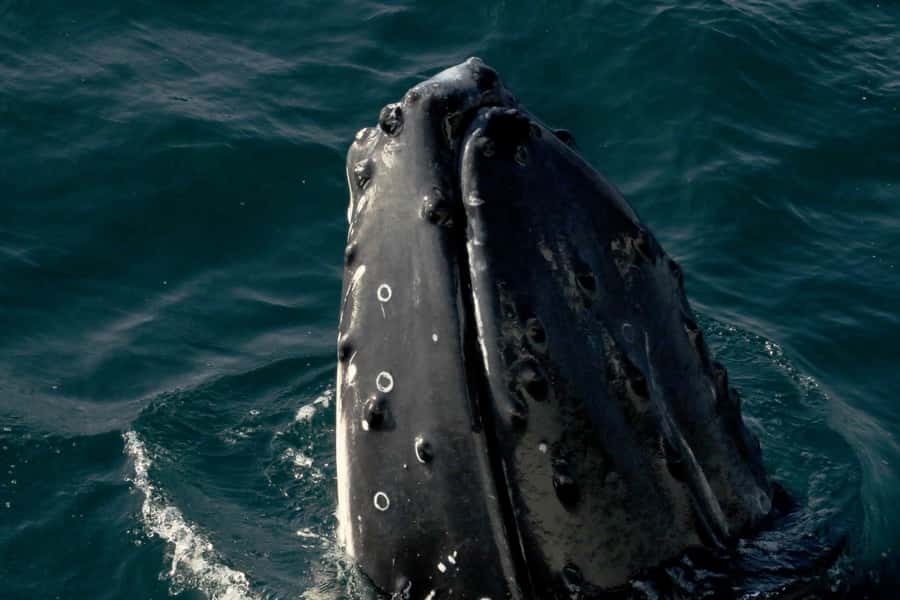
- Humpbacks with newborn calves in migration season: you’re watching mothers and young move through Geographe Bay as they head south.
- A live onboard marine biology expert: you’re not just spotting spouts, you’re learning what you’re seeing in real time.
- Blue whale sightings depend on the season: October and November are the months when blue whales are often reported.
- Tea and a biscuit on board: a simple comfort that makes the whole 150 minutes feel relaxed.
- Try for dolphin-bow views: standing toward the front helps when dolphins ride the ship’s bow.
Boarding Alison Maree in Dunsborough: simple start, real-water feel
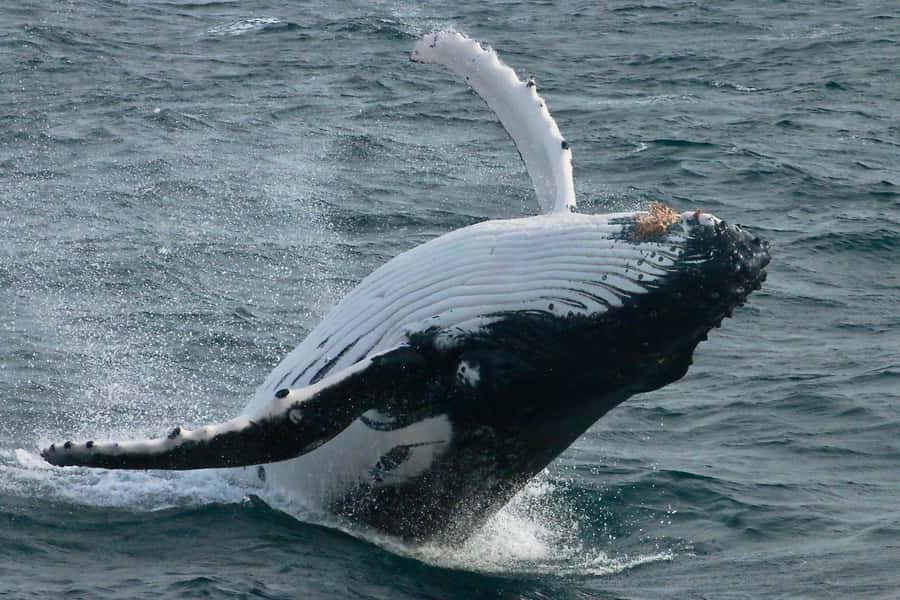
The tour meets at the Dunsborough Professional Fisherman’s Boat Ramp, then the crew takes you out from the beach area. The practical part matters here. You park your car on the gravel lot to the right, walk down to the beach, then board from a ramp down by the water. That last step includes sand, so wear shoes you can trust and expect your feet to get a bit sandy.
Once you’re on board the Alison Maree, you settle in for a scenic cruise in Geographe Bay. The boat is described as clean and safe, and it also feels purpose-built for this kind of wildlife viewing. One guest even estimated the group felt around 35 people, which is part of why the experience stays calm instead of turning into a crowded mess.
If you’re coming from dry land, dress like you’re going to be outside the whole time. Even on a clear day, coastal wind can cool you down fast once you’re moving. I like the idea that the tour starts with the basics covered: warm drinks and a biscuit, plus crew guidance so you know where to stand and what to watch for.
You can also read our reviews of more whale watching tours in Busselton

Geographe Bay whale watching: what humpbacks and southern right are like here
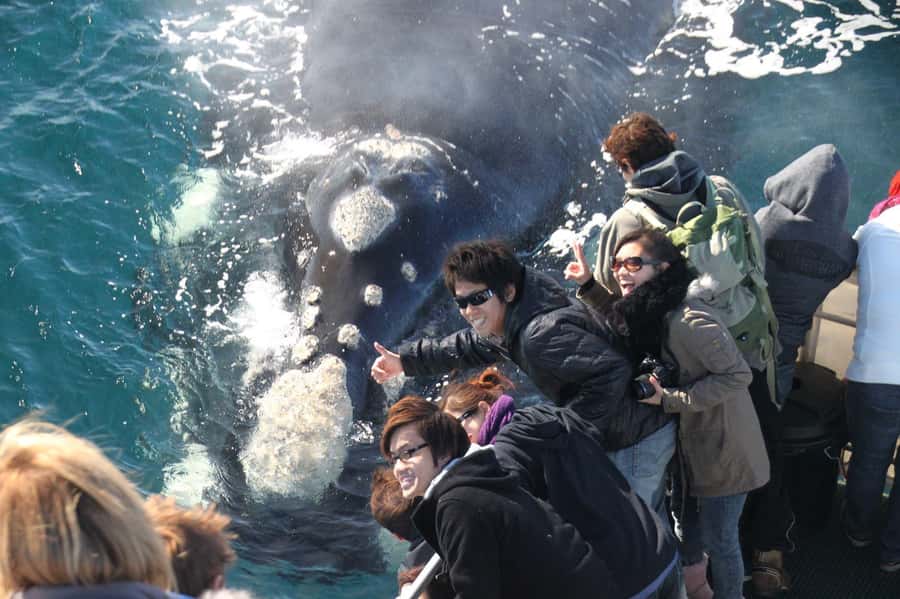
The main reason to do this cruise is simple: Geographe Bay sits in the path of big whales, and the timing lines up with migration. Over 35,000 humpbacks are migrating through the bay with their young, so this is the kind of area where you’re not relying on luck alone.
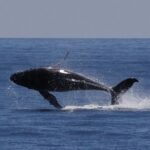
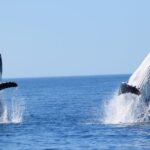
Humpbacks are the star in how they behave. You might see them breach, do a spy hop, or show off that playful curiosity that makes a whale spotting trip feel less like a wildlife documentary and more like you’re watching something alive in your own backyard. The good news for first-timers: you generally do not need binoculars for humpbacks here. When they’re that close and that active, the whole point is already happening right in front of you.
You can also encounter southern right whales during migration. Even though the most dramatic whale stories tend to be about humpbacks, it’s still worth paying attention because seeing multiple species on one outing changes the trip from a one-note sighting into a real “this is what the ocean is doing right now” moment.
The calf factor: why it hits different
The chance to see humpbacks with newborn calves is one of the most praised parts of the experience, and for good reason. A mother with her young brings a different energy to what you’ll notice. You’re not only watching feeding or travel; you’re watching the choreography of movement through the bay. That added layer makes your sightings feel meaningful instead of random.
In a couple of strong sightings, guests described getting very close to mother and calf. One person noted a closest distance of about 6–7 meters, and the whales stayed around for a long stretch. That is exactly the difference between a quick pass and an experience you remember.
The blue whale question: October and November are your best bet
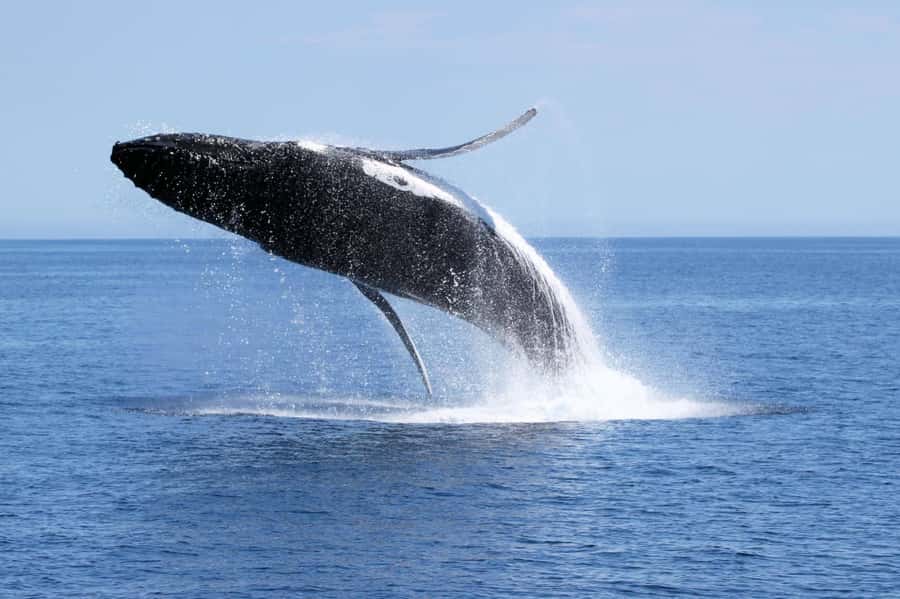
Blue whales are the big ticket. They’re the largest living animal on the planet, so even hearing that fact is not enough. When blue whales are sighted, the experience turns into a weird mix of awe and disbelief—because you’re watching something that should not exist in that scale, moving like it’s conserving energy while still traveling.
Here’s the key: blue whale sightings are dependent on the season. October and November are specifically called out as months when blue whales are often spotted. If you’re traveling outside that window, you’re still likely to see humpbacks and you may see dolphins, but you should treat blue whales as a bonus rather than a promise.
That mindset makes the trip better. You show up ready for humpbacks and calves (the reliable draw), and then if a blue whale appears, you’re not disappointed. You’re thrilled.
How to get your best viewing: where to stand and what to watch
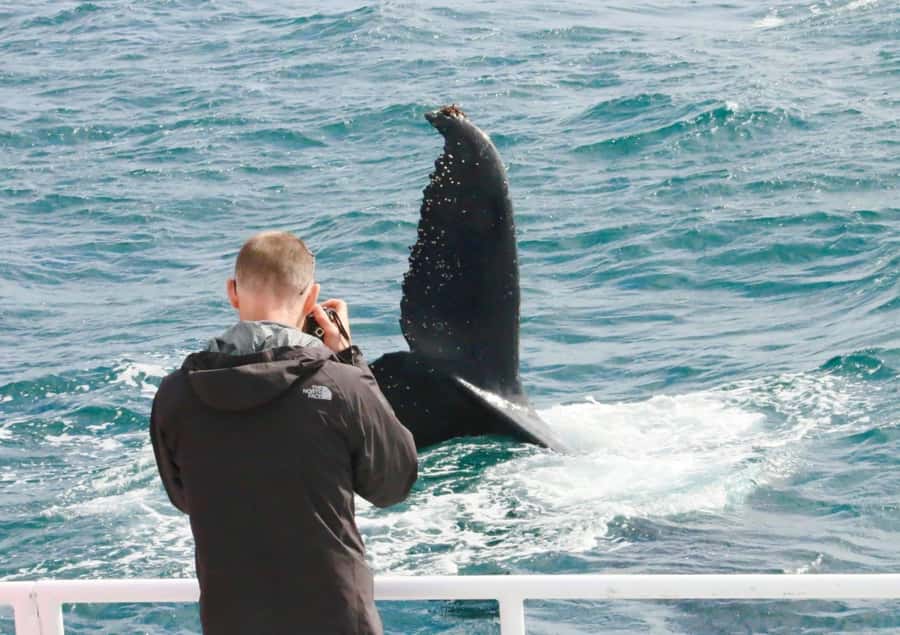
The crew doesn’t just point. They guide you in a way that improves your odds. That matters because whale watching is partly timing and partly angle. On this cruise, you can do both.
For dolphins, there’s a clear tip: they often ride the ship’s bow. If you want the best glimpse, you’ll want to stand up toward the front of the boat. That small choice can turn dolphins from “we saw something” into “we actually watched their movement.”
For whale behaviour, keep your eyes on the water surface cues the expert talk helps you notice. Breaches and spy hops are not only fun—they’re also the whale’s way of interacting with the environment while moving through the bay. Seeing “mugging” behaviour was also specifically mentioned in the feedback you shared, and that kind of surface activity is exactly why humpbacks are so entertaining on the right day.
Also, bring patience. Even when whales are around, they don’t perform on a human schedule. One of the nice touches is that guests described the crew as patient and kind, and in some cases the whales kept things going longer than expected so you could enjoy the show without feeling rushed.
A small comfort detail: seating and sun
One guest wished there were more outside seating. That’s a fair consideration if you love open air views. If you’re the type who wants the widest sightlines, consider choosing a time of day that matches your comfort in wind and sun. If you prefer staying warmer, you can still watch from inside or from covered areas, but make sure you’re close enough to spot the behaviour quickly when it happens.
The scenery route: Eagle Bay, Castle Rock, Bunker Bay, and Cape Naturaliste
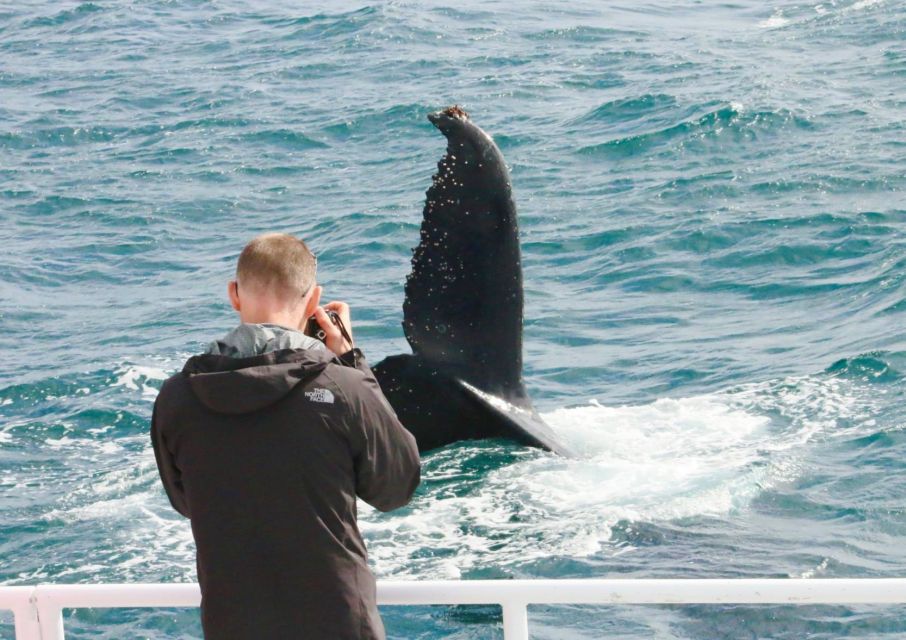
Whales are the headline, but the cruise doesn’t ignore the rest. As you move through the area, you cruise past spots like Eagle Bay, Castle Rock, and Bunker Bay. You also pass the Cape Naturaliste Lighthouse.
This part matters because it gives you a sense of place. You’re not just sitting on the water waiting for animals. You’re also learning what the Southwest coast looks like while you’re searching. On a clear day, that coastline backdrop also makes it easier to understand where whales are traveling relative to headlands and bays.
It’s one more reason this works well as a half-day plan: you come away feeling like you did more than one activity. You did ocean viewing and you did coastal sightseeing, all on the same ticketed outing.
Live marine biologist talks: what you learn changes how you watch
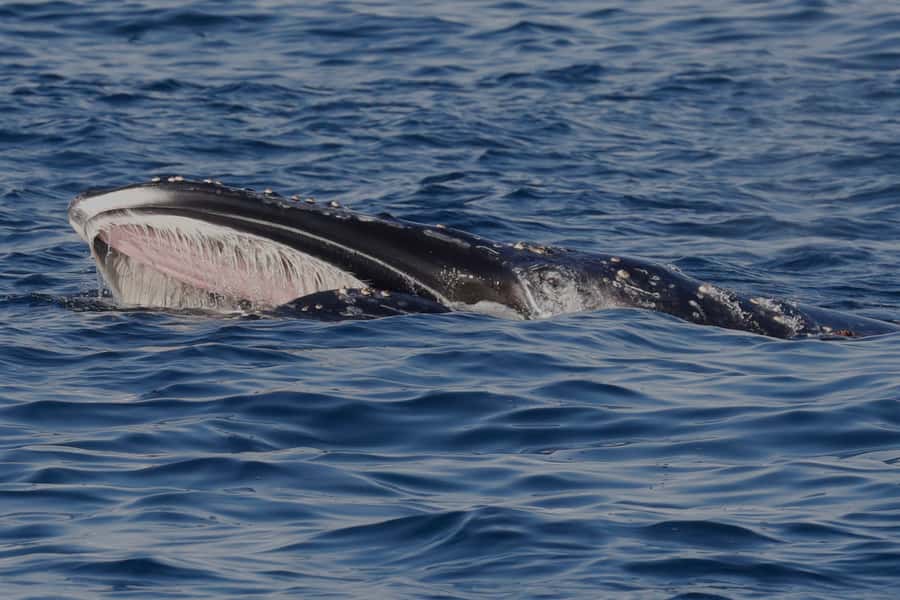
A big strength here is the onboard Marine Biologist talk. When the expert is explaining what you’re seeing—migration behaviour, why whales surface when they do, and how to interpret those “little” moves—it makes every sighting land harder.
You’ll also likely hear explanations tied to migratory patterns and whale behaviour. That kind of context does two things for you:
1) it helps you spot the animals faster, and
2) it makes you understand why the action is happening instead of just admiring the size.
In a few of the best moments described, guests noted how the crew gave lots of information and made sure people had good opportunities to view. You’re not stuck waiting silently while someone else does the work. You’re part of the process, even if you’re just listening and watching.
Timing, comfort, and motion: what to plan for on a 150-minute cruise
The cruise runs about 150 minutes—listed as 2.5 hours. That’s a comfortable length: long enough to get into the rhythm of whale watching, but not so long that you start feeling it in your bones.
Still, you should plan for motion. One review specifically warned that you can get sea sick, so take that seriously. If you’re someone who feels off on boats, bring your own plan. It might be medication you’ve used before, or just dressing for warmth and choosing a spot where you feel steadier.
What to bring
Based on the tour guidance, bring:
- comfortable shoes (you’ll walk on sand to board)
- warm clothing (the water and breeze can cool you fast)
That mix sounds basic, but it’s the difference between enjoying the whole trip and spending half of it thinking about your comfort.
Who this suits best
This is a great fit if you want a guided, family-friendly wildlife experience in the Southwest that includes real expert interpretation. It’s also a smart choice if you’re visiting Dunsborough and want one “big nature” activity without adding logistics headaches.
It’s not recommended for people with limited mobility, because boarding is done from the beach and you need to walk across sand. If that applies to you, it’s better to look for a different style of whale tour.
Price and value: what $74 buys you in real terms
At $74 per person for a 150-minute cruise, you’re paying for more than “a boat ride.” You’re paying for:
- a guided whale watching experience
- onboard tea and a biscuit
- live commentary by a Marine Biologist
- time on a route that includes standout coastal points
That value is strongest when you factor in the expertise. Whale watching is one of those activities where the animal is only half the experience. The other half is learning what you’re seeing and having the crew help you put your eyes in the right place. When you add tea and a biscuit to the mix, the price feels more like a complete afternoon plan than a bare-bones outing.
The seasonal factor also affects value. Blue whales are not guaranteed, but humpbacks and their calves are a major focus, and the tour is designed for migration viewing. If you do the trip in the right months, your chances climb.
Should you book this Dunsborough whale watching tour?
I’d book it if:
- you want a guided whale watching cruise in Geographe Bay, with humpback calves as the main aim
- you like learning while you watch, not just scanning for spouts
- you enjoy a relaxed half-day plan with tea on board and a scenic coast route
I’d think twice or choose carefully if:
- you have limited mobility, since boarding requires walking across sand
- you tend to get sea sick on boats, because motion is real on the water
- blue whales are your only goal, since sightings are dependent on the season (October and November are the best odds)
If you go in with the right expectations—humpbacks as the core, blue whales as a bonus—you’re set up for a memorable Southwest ocean outing.
FAQ
How long is the Dunsborough whale watching cruise?
The tour is listed as 150 minutes, which works out to about a 2.5-hour whale watching cruise on the water.
What whales might I see on this tour?
You can see migrating humpback whales, southern right whales, and there is a chance to see blue whales depending on the season. Humpbacks with calves are a key highlight.
Does the tour include tea?
Yes. Tea and a biscuit are included (morning or afternoon tea depending on the session).
Where is the meeting point?
Meet at the Dunsborough Professional Fisherman’s Boat Ramp. The instructions say to park in the gravel car park to the right and walk down to the beach to the boarding ramp. The address provided is 306 Geographe Bay Rd, Quindalup WA 6281, Australia.
Is this tour good if I have limited mobility?
No. It’s not recommended for people with limited mobility because the vessel is boarded from a beach and you need to walk across sand.
Should I bring warm clothing or anything specific?
Yes. Bring comfortable shoes and warm clothing. You’ll be outdoors and you also need shoes for walking across sand to board.
Can I expect to see dolphins as well?
Dolphins are often seen, and they may ride the ship’s bow. If you want the best chance, you may want to stand toward the front of the boat.