REVIEW · DAINTREE NATIONAL PARK
Daintree River Rainforest: Crocodile & Wildlife Cruises (DG)
Book on GetYourGuide →Operated by Daintree Connection Pty Ltd · Bookable on GetYourGuide
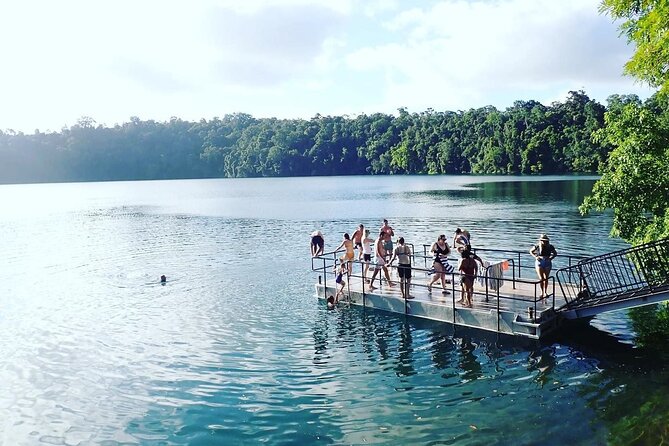
Crocodiles and rainforest meet on one boat. This Greater Daintree River cruise is built for close-up wildlife viewing while you glide through mangroves and rainforest habitat with an Upper + Lower Daintree pass.
I really like two things here. First, the boat is described as spacious and stable, so you can change position for photos without feeling stuck. Second, the naturalist guide calls sightings in real time using radio communication, which helps you spot birds, butterflies, reptiles, and crocodiles as conditions change.
One consideration: the main cruise itself is about 1 hour, so if the wildlife is resting or moving farther out, your best moments may take a bit of patience.
In This Review
- Key things I’d prioritize before you go
- Why this Daintree River cruise feels different from a basic sightseeing trip
- Where you start: check-in at Crocodile Express (315 Cape Tribulation Rd)
- The 1-hour Lower Daintree cruise: mangroves, mud banks, and croc country
- Pig Island and the river route: why the ride’s “simple” parts matter
- Wildlife odds: what you may see (and what the guide actually improves)
- What the pass really does for you: using it for Upper Daintree later
- Naturalist guide energy: how they point you to sightings
- Photo and comfort: how to get the shots without losing the moment
- Price and value: what $27 per person buys you
- Who this tour fits best (and who should consider alternatives)
- Should you book this Daintree River cruise?
- FAQ
- Where is the meeting point for the cruise?
- How long is the boat cruise?
- What’s included in the experience?
- Do I get to use the pass for more than one cruise?
- How long is the pass valid?
- How do the guides find wildlife during the cruise?
- What wildlife might I see?
- What language is the tour guide?
- What is the cancellation policy?
- How do I reserve the tour if my plans are not final?
Key things I’d prioritize before you go
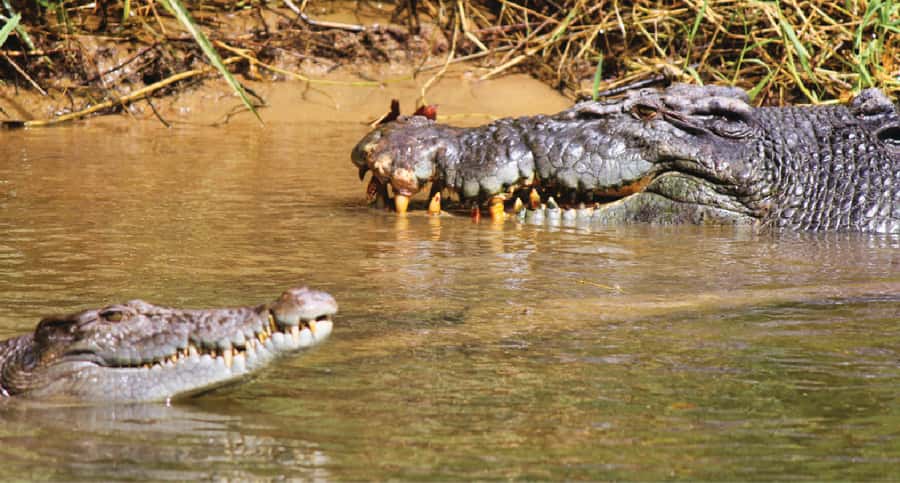
- Guaranteed crocodile country along the Daintree River waterways, including mud banks and mangroves
- 30-day pass for unlimited-style visiting with cruises covering Upper Daintree and Lower Daintree
- Naturalist spotting via radio, so the guide can steer your attention to active pockets
- Move around the boat for better angles, instead of photographing from one fixed spot
- Low tide can be a game changer for seeing crocodiles on the banks
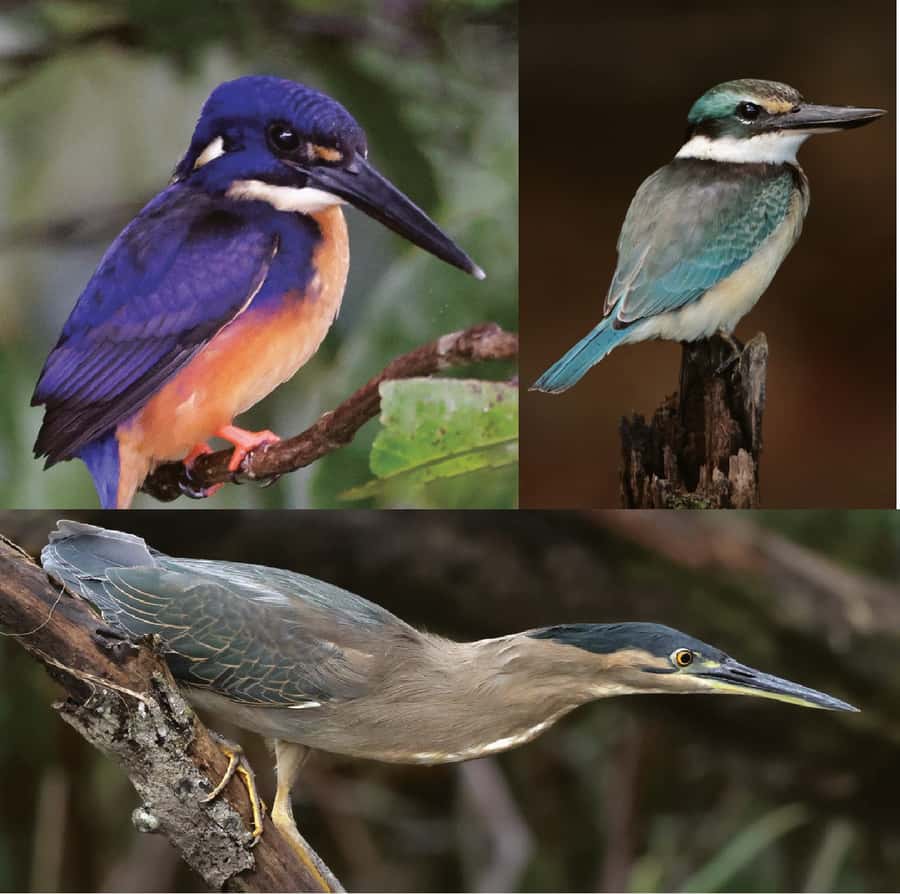
- Wildlife variety beyond crocs, including birds, flying foxes, insects, reptiles, and butterflies
Why this Daintree River cruise feels different from a basic sightseeing trip
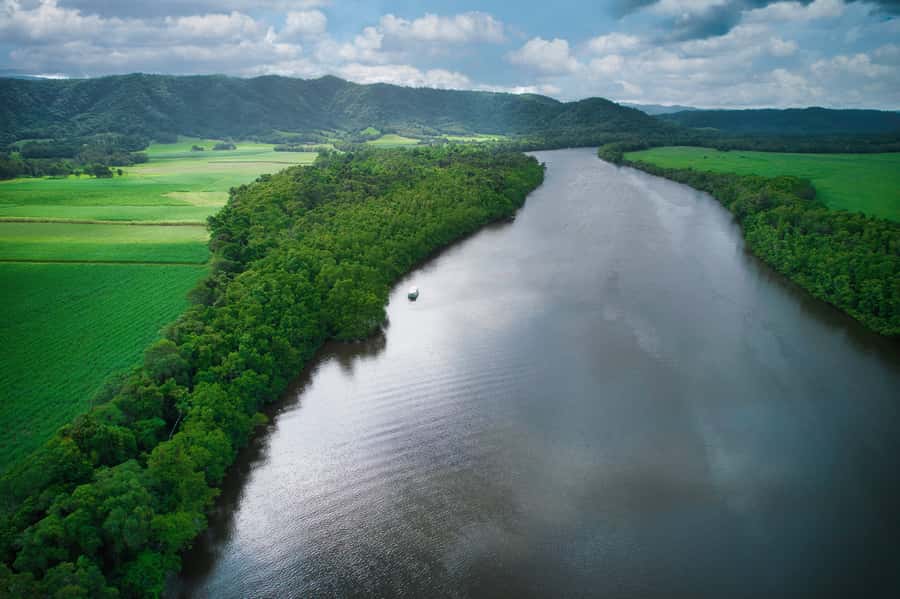
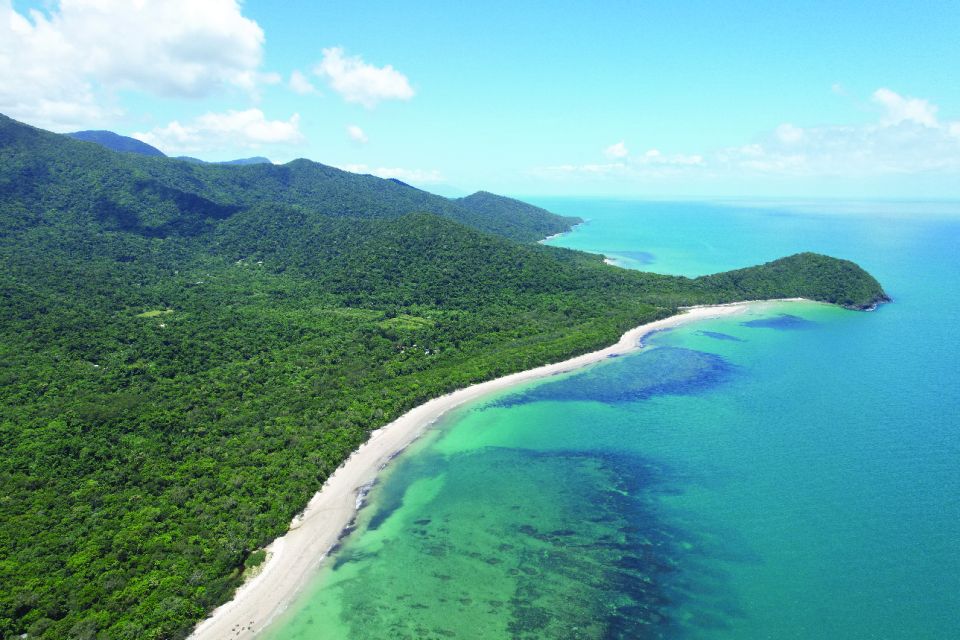
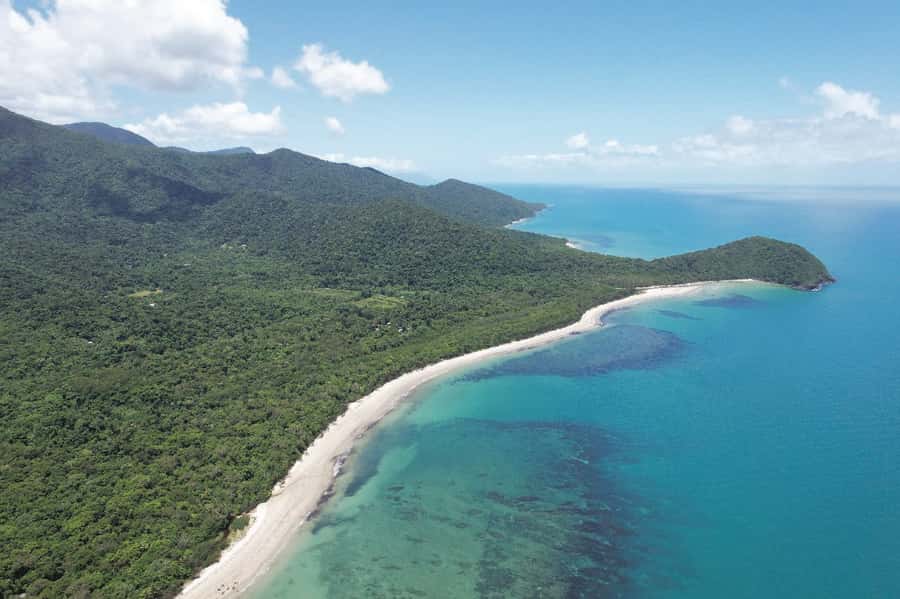
The Daintree is one of those places where you can’t really “optimize” nature. What you can optimize is your access. This cruise gives you a practical way to see the Greater Daintree River habitat without trampling through it, which matters in mangroves and mud bank areas.
And it’s not just crocodile sightseeing. The route is set up for living patterns: fish and bird life in the waterways, flying animals overhead, and the kind of insects and reptiles you’d never notice from a distance. The guide also frames what you’re seeing, so it stops being random spotting and starts turning into names and habits you can actually remember.
A few more Daintree National Park tours and experiences worth a look
Where you start: check-in at Crocodile Express (315 Cape Tribulation Rd)
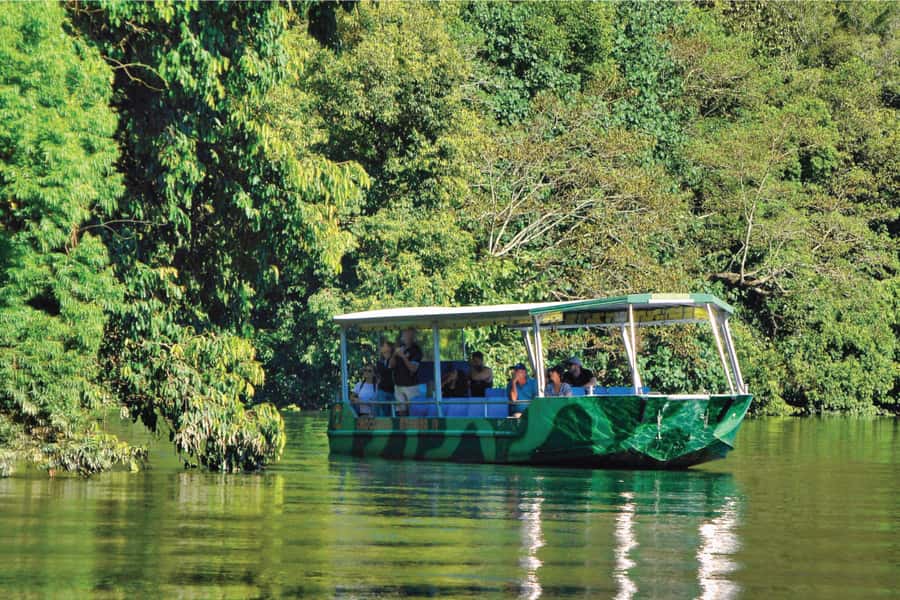
You’ll check in at the Crocodile Express Kiosk at 315 Cape Tribulation Road, Lower Daintree. From there, the process is straightforward: you sign in, then you board.
The reason the meeting point matters is simple. You’re not doing a long run-up to get on the water, and you can plan your day around that 1-hour cruise block. If you’re staying around Cape Tribulation, this makes it easier to fit the boat outing between rainforest walks and viewing spots.
The pass also affects how you plan your timing. The cruise pass is valid for 30 days from first activation, and it’s designed to cover both Upper Daintree and Lower Daintree options.
The 1-hour Lower Daintree cruise: mangroves, mud banks, and croc country
Your core experience is a 1-hour guided boat cruise along the Lower Daintree route. Expect the boat to move through a maze of waterways where mud banks and mangroves shape how animals show up.
This is where wildlife viewing becomes more predictable. Crocodiles don’t just “appear.” They use banks, edges, and calm areas for resting and basking. Mud flats and mangroves create exactly those zones, and the guide can shift attention as the boat moves along the river.
Also, the itinerary is set up so you’re not stuck with your head only facing one direction. You can move around on the stable vessel to grab a better angle. That makes a real difference for photography because you’ll often spot something in a narrow window before it slips behind foliage or drifts out of view.
You’re guided the whole time, so the cruise becomes part nature lesson, part wildlife hunt. The naturalist guide explains local fauna and flora, and you’ll likely hear about the kinds of birds and other animals you’re seeing—plus why they behave the way they do in this environment.
Pig Island and the river route: why the ride’s “simple” parts matter
A standout detail in the cruise route is that you go around Pig Island before heading back. That kind of landmarked loop matters because it creates a predictable arc to the ride: you’ll usually build from general viewing into more targeted scanning as the guide finds activity.
In practical terms, you should treat the cruise like this:
- Start by watching the edges (banks, mangrove lines, and calmer water)
- Then shift your attention to movement in the canopy and along the surface
- Keep your camera ready, because the best views often come fast and then vanish
Even when you’re not sure what you’re looking at yet, the guide helps you connect the dots. You’re given context, so you’re not just thinking crocodile, crocodile, crocodile. You’re also learning what you’re seeing when the birds wheel overhead, when butterflies appear, or when the guide points out a reptile or other unexpected creature.
Wildlife odds: what you may see (and what the guide actually improves)
This cruise is timed and managed for wildlife spotting. The guide uses radio communication to relay information and adjust focus, which helps you catch animals that are active at that moment rather than only what was active an hour earlier.
Based on what’s been reported, you can expect the possibility of:
- Saltwater crocodiles, including juveniles and larger individuals
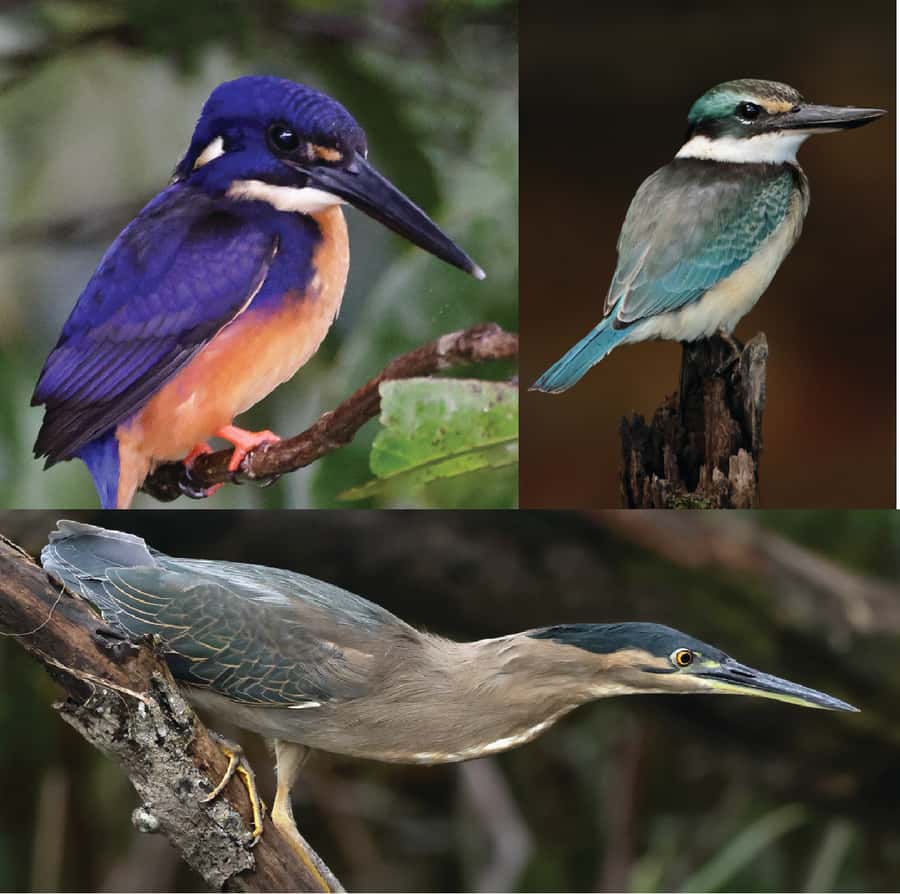
- Birds across different styles of habitat use (surface activity and perching)
- Flying foxes and other mammals that are less visible on land
- Butterflies, insects, and reptiles that show up in surprising places
A useful tip if you want better crocodile sightings: if you can be flexible, ask about timing around low tide. There’s a real pattern to it. When water levels change, banks and mud edges become more exposed, and that’s where crocodiles often rest.
You also shouldn’t ignore the “small” sightings. One of the pleasures of a good naturalist guide is that they won’t only chase the biggest animal. When the guide points out a snake or highlights a less obvious reptile, it teaches you what to watch for on your own next time.
What the pass really does for you: using it for Upper Daintree later
The pass isn’t just a ticket for one cruise. You get 30 days to use it, including the chance for another cruise on the Upper Daintree (Daintree Village) after your first activation.
That’s valuable for one big reason: the Daintree changes with season, light, and conditions. If you do only one boat, you’re at the mercy of that day’s luck. The pass gives you a second shot without having to restart the planning.
In plain terms, this is for people who:
- Want one easy day first, then decide if they want more
- Are spending more than a couple days in the area
- Like wildlife in repeatable formats (same river, different results)
It’s also a practical choice if your group has mixed interests. Everyone can do the first cruise and regroup afterward. If someone wants more crocodile time, you’ve got the Upper Daintree option covered.
Naturalist guide energy: how they point you to sightings
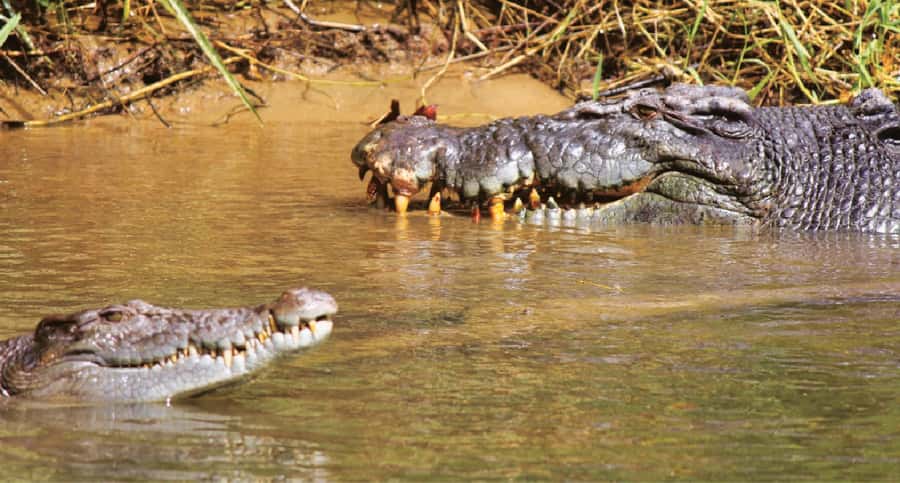
The best wildlife tours don’t just provide information. They manage attention. This one does that by having the guide narrate, scan, and respond.
Some guides bring extra personality—one example given is a guide named Bill, who combines humor with practical direction. The effect is that you stay engaged while the hunt is ongoing. Instead of tuning out during quiet stretches, you learn how to look: what to watch along the bank, what to notice in the water, and when to wait for the next call.
Another detail that matters: the guide is described as experienced and flexible, and in at least one case, the timing was adjusted to help catch low tide. So if your schedule has some wiggle room, it’s worth asking whether timing can improve your odds.
Photo and comfort: how to get the shots without losing the moment
The boat is described as spacious and stable, which helps in two ways. First, it makes the whole experience less tiring. Second, it gives you the confidence to reposition.
Here’s how I’d do it in your head:
- Use the first stretch to get your bearings and start scanning
- Then commit to a quick photo routine when the guide calls something out
- Keep space between you and the photo line so you’re not blocking someone else’s view
You’ll likely want a mix of shots: close-up-looking bank reflections, wider habitat scenes, and anything you can grab when animals appear briefly. The ability to move around the boat makes the difference between a few random photos and a set that actually captures the action.
Price and value: what $27 per person buys you
At around $27 per person, the value here isn’t the “price tag.” It’s the package logic:
- You get a guided cruise focused on wildlife and habitat
- You get a pass valid for 30 days to use in both Upper and Lower Daintree areas
- The guide work is built around finding sightings, not just driving you past views
If you’re only doing one hour on one day, you’re still paying for an organized, narrated wildlife experience. If you use the pass for a second cruise within the month, the value improves fast because you’re effectively getting more guiding time and more chances at different wildlife activity.
It’s also a good option for travelers who want a low-effort, high-return nature activity. You can watch, learn, and photograph without doing long hikes in thick terrain.
Who this tour fits best (and who should consider alternatives)
This cruise is a strong fit if you want:
- Wildlife viewing with a naturalist guide
- A calmer, boat-based way to experience Daintree habitats
- Crocodile chances plus lots of other life (birds, flying foxes, reptiles, butterflies)
It’s less ideal if you’re hoping for guaranteed crocodile sightings every time, because nature is nature. The guide improves your odds, but animals still follow their own timing.
It also helps if your expectations match the format. This is not an all-day expedition. The main cruise is about an hour, with the pass giving you the option to return later.
Should you book this Daintree River cruise?
Yes—especially if you’re staying in the Lower Daintree / Cape Tribulation area long enough to use the pass. The big reasons to book are practical: the stable boat, the radio-guided naturalist approach, and the chance to see more than just crocodiles in a habitat built for wildlife.
If you’re short on time but still want one high-value nature activity, this fits cleanly into a schedule. If you’ve got flexibility, ask about timing around low tide and plan to use the Upper Daintree option within your 30-day window.
FAQ
Where is the meeting point for the cruise?
Check in at the Crocodile Express Kiosk at 315 Cape Tribulation Road, Lower Daintree.
How long is the boat cruise?
The boat cruise portion is 1 hour.
What’s included in the experience?
You get a guided rainforest and wildlife cruise with a naturalist guide.
Do I get to use the pass for more than one cruise?
Yes. The pass is valid for 30 days and is intended for cruises covering both the Upper Daintree and Lower Daintree options.
How long is the pass valid?
The pass is valid for 30 days from first activation.
How do the guides find wildlife during the cruise?
The naturalist guides communicate by radio to give you the best opportunity for wildlife sightings along the river.
What wildlife might I see?
You may see saltwater crocodiles, as well as birds, butterflies, flying foxes, insects, fish, and other reptiles.
What language is the tour guide?
The live tour guide operates in English.
What is the cancellation policy?
Free cancellation is offered up to 24 hours in advance for a full refund.
How do I reserve the tour if my plans are not final?
You can reserve now and pay later, keeping your travel plans flexible.
If you want, tell me your travel month and where you’re staying (Cape Tribulation, Port Douglas, Cairns, etc.). I can help you choose whether to start with Lower Daintree first or save your best shot for Upper Daintree during your trip window.