REVIEW · MCLAREN VALE
d’Arenberg: The Blending Bench Experience
Book on GetYourGuide →Operated by d'Arenberg · Bookable on GetYourGuide
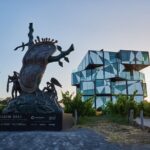
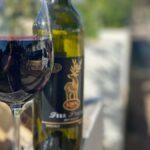
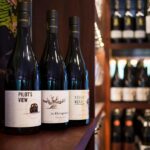
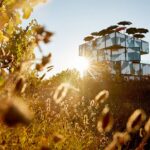
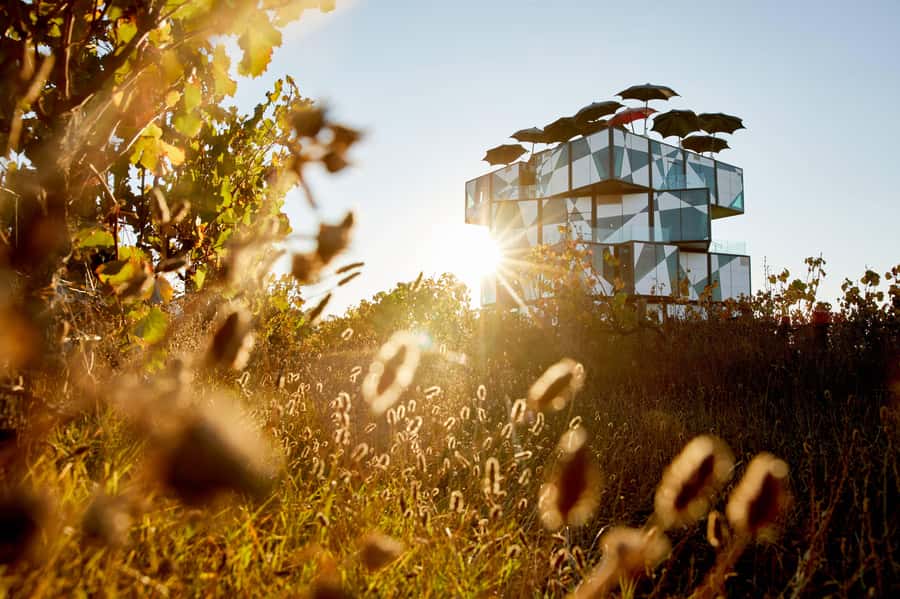
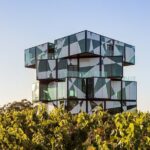
Few minutes in, you start thinking like a winemaker. This interactive d’Arenberg Blending Bench turns a tasting into a hands-on session where you pick among wine parcels, then create a blend for balance, fullness, and finesse. After you bottle your own 750ml take-home sample, you get time to wander the d’Arenberg Cube grounds and enjoy the rolling hills of McLaren Vale.
What I love most is how practical it feels: you’re not just reading labels, you’re learning to see, smell, and taste so your choices make sense. The second big win for me is the payoff—you leave with a named, labeled bottle you actually made, not just a souvenir photo.
One consideration: since alcohol is served, it’s 18+ only and not a good fit if you’re traveling with kids. Also, there’s no transfers included, so you’ll want your own transport sorted to get to the front entrance of the Cube.
In This Review
- Key highlights at a glance
- Stepping into the Blending Bench at d’Arenberg Cube
- How the blending class works (and why it feels more like craft than guessing)
- Choosing flavors and textures without needing wine expertise
- Bottling, naming, and labeling your 750ml bottle
- After the class: d’Arenberg winery grounds and McLaren Vale views
- Price and value: is $84 worth it?
- Who should book this experience?
- Practical tips so you get the most out of your blend
- Should you book the d’Arenberg Blending Bench?
- FAQ
- How long is the d’Arenberg Blending Bench experience?
- What’s included in the price?
- Is the experience suitable for children?
- Where do I meet for the experience?
- Do I need to bring anything?
- How big are the classes?
- Is it wheelchair accessible?
Key highlights at a glance
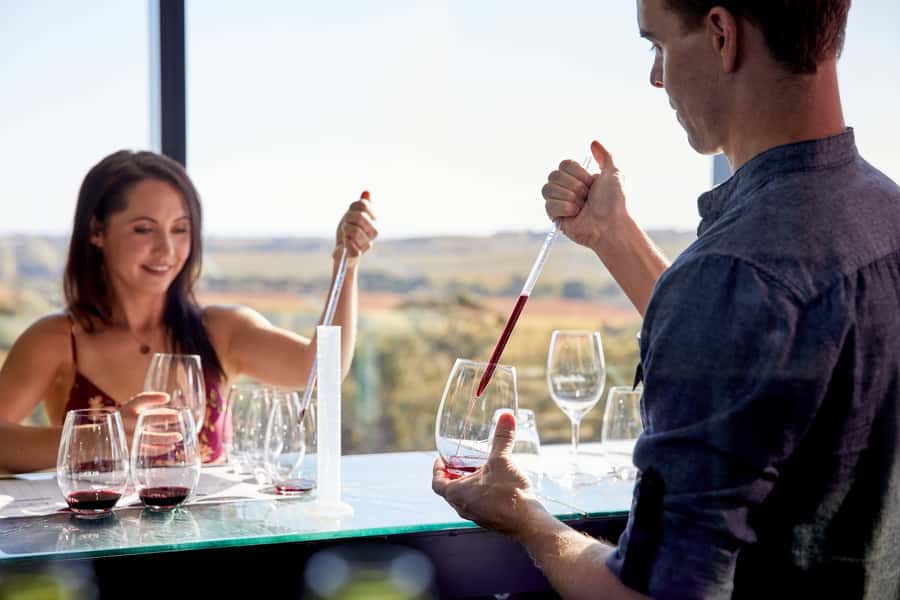
- Hands-on Blending Bench session where you build your own blend from wine parcels
- 750ml sample bottle you bottle, name, and label to take home
- Small class size (2 to 14 participants) makes it feel personal instead of rushed
- You focus on blending while the team handles earlier steps like crushing and barrel ageing
- Taught tasting technique: how to assess wine by sight, aroma, and taste
- Winery grounds time after the class, with McLaren Vale views
Stepping into the Blending Bench at d’Arenberg Cube
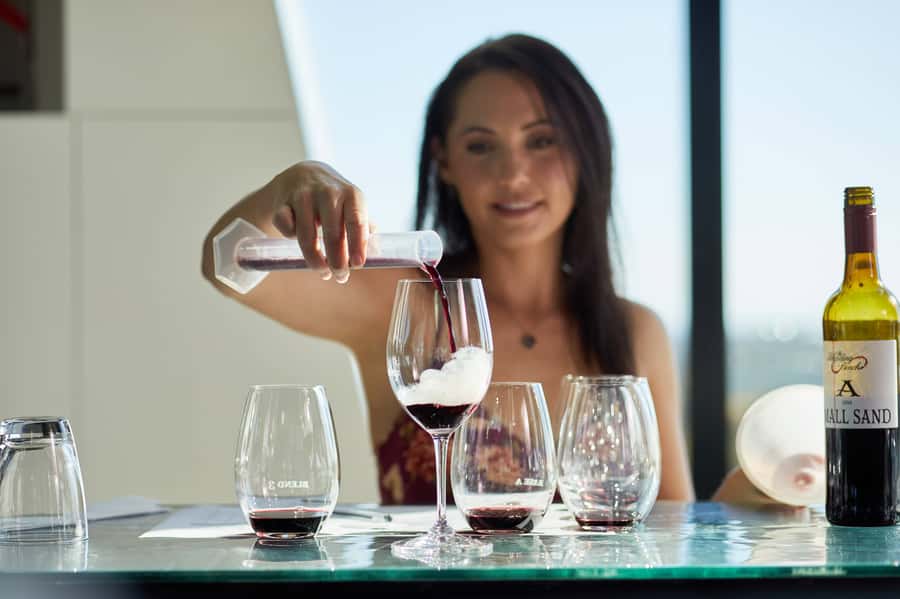
The experience starts at the Concierge, front entrance of the d’Arenberg Cube. From there, you’re guided into the winemaking “laboratory” feel of the Blending Bench—think workbench energy, not stuffy cellar vibes. You’re there to create something, not just observe.
The setting matters. When you’re standing at a bench facing different wine parcels, you naturally start paying attention to details that most tastings barely touch—how aroma shifts, how texture changes, and how the idea of balance becomes more than a tasting word. Even if you’re a casual wine drinker, the format nudges you into making clearer choices.
The class runs for about 2 hours total, including 1.5 hours for blending. That timing is useful: long enough to learn and bottle your sample, short enough that it doesn’t eat your whole day in McLaren Vale.
You can also read our reviews of more tours and experiences in Mclaren Vale.

How the blending class works (and why it feels more like craft than guessing)
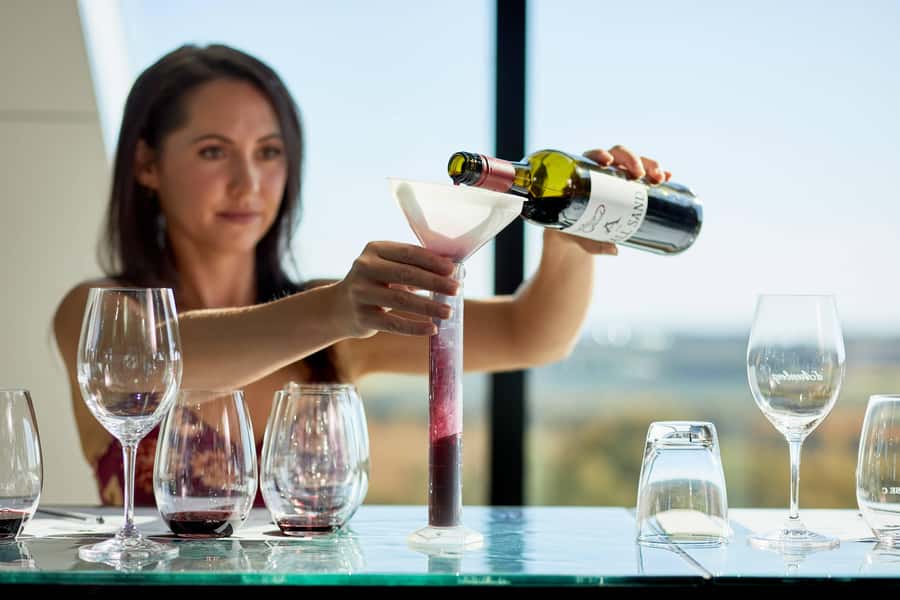
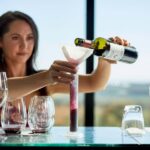
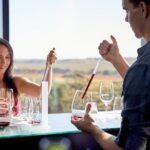
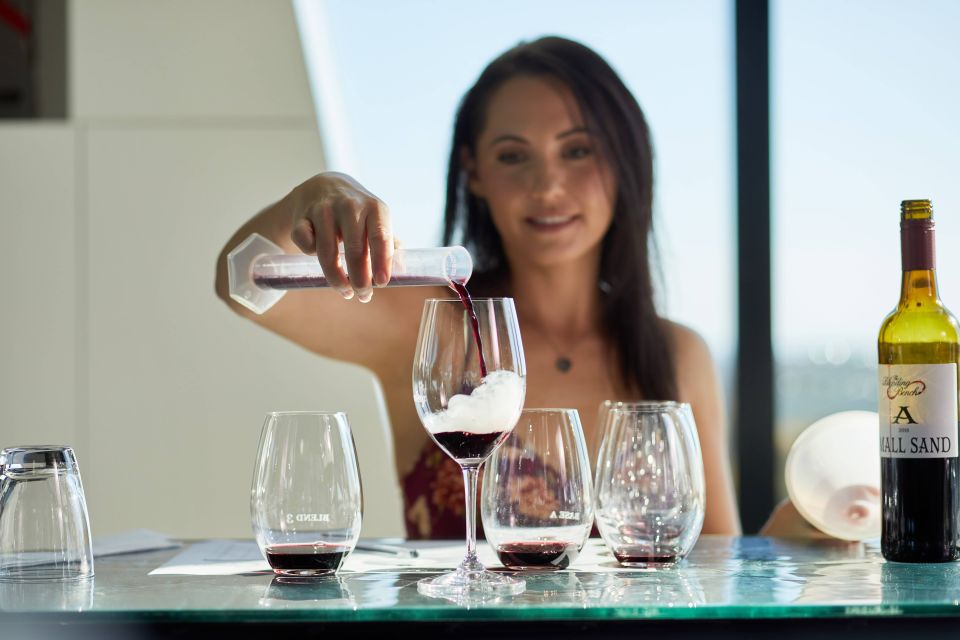
At the heart of the day is the Blending Bench itself. You’re given a selection of wine components—often described as parcels—each with its own flavor and texture. The goal isn’t to chase a single “best” option. It’s to combine parcels until the blend feels right for balance, fullness, and finesse.
Here’s what I appreciate about the way this is set up: the hard labor is already done for you. The operators have handled the earlier stages such as picking, crushing, fermenting, foot treading, basket pressing, and barrel ageing. So you’re not trying to do everything. You’re doing the part that visitors can actually learn in one sitting: blending.
During your session, you’ll also pick up the tasting skills that make your decisions feel grounded. One of the strongest themes from past participants is learning how to see, smell, and taste wine in a more structured way. That transforms blending from random adding into an actual method. If you’ve ever wondered why two wines can both taste good on their own but not quite work together, this is where you start to understand the difference.
You’ll likely move between tasting, adjusting, and tasting again. In the best moments, it feels a bit like mixing ingredients for a recipe—except the “recipe” is your sense of aroma and texture, and the outcome is a finished bottle you’ll name.
Choosing flavors and textures without needing wine expertise
You don’t need to show up with a sommelier background. The way this experience is built helps you participate even if you’re new. You’re given choices, you taste, and you compare how each parcel changes the blend.
In practical terms, aim to treat each tasting like a mini experiment:
- Pay attention to aroma before you decide anything.
- Notice mouthfeel and texture, not just whether something tastes fruity, spicy, or dry.
- When something feels off, change one factor and taste again rather than rewriting everything at once.
People also describe the experience as a mix of math and chemistry because blending involves measurement and cause-and-effect. That’s great news if you enjoy problem-solving. It also keeps the session from feeling like a free-for-all, since you’re building your blend with intent.
What you’re really learning is how balance works. Fullness can add body, but it can also overwhelm. Finesse can add elegance, but it can make a blend feel too light if you go too far. The process forces you to think about trade-offs, and that’s the fun.
Bottling, naming, and labeling your 750ml bottle
The “wow” moment comes when you bottle your own wine sample. You’re not only creating the blend—you’re taking it through to a finished format you can take home.
You’ll bottle a 750ml sample, then go through the steps to name and label it. This is more than a nice touch. It turns your effort into something concrete. Most tastings give you information. This one gives you an object—your choices made visible on a label.
If you’re the kind of person who likes to remember experiences through tangible items, this part is a big deal. And if you enjoy showing people your handiwork, it becomes a great conversation starter back home: you can explain how you built it and why you chose the style you did.
Also, the takeaway bottle makes this feel like better value than experiences that only pour and talk. You’re paying for instruction plus a meaningful souvenir that isn’t just a cheap keepsake.
After the class: d’Arenberg winery grounds and McLaren Vale views
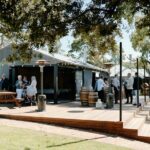
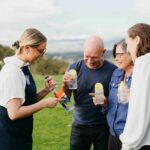
Once the blending portion wraps, you get time to explore the d’Arenberg winery grounds. This isn’t the main “activity,” but it’s a smart add-on.
You can take in the rolling hills of McLaren Vale, which gives the whole day context. Before you blend, you’re learning how parcels become a balanced wine. After you blend, you’re outside in the landscape that produces the grapes and defines the character of the region.
It’s the kind of sequence that makes the learning stick. You don’t just do wine math at a bench—you come away with a stronger sense of place.

Price and value: is $84 worth it?
At $84 per person, the Blending Bench sits in the category of experiences that cost more than a standard tasting. So the real question is whether it gives you more than a tasting.
Here’s what you get for that price:
- 1.5 hours of hands-on blending with instruction
- A take-home 750ml sample bottle you bottled, named, and labeled
That combination is the value engine. You’re not just sampling a few wines and leaving. You leave with a finished blend that represents your decisions. For wine lovers, that’s often what turns a “fun afternoon” into a “memorable day.”
There’s also value in the structure. Classes run with a minimum of 2 and a maximum of 14 participants, so you’re less likely to get lost in a large group. Smaller class sizes usually mean you get more useful attention, and that matters when you’re building your blend.
If you’re price-sensitive, treat this as a “choose-one” experience. If you love tasting and want something interactive, it’s easier to justify. If you’d rather do long tastings without instruction, you might prefer a different style of winery visit.
Who should book this experience?
This is best for people who enjoy learning by doing. It’s a strong pick if you:
- Want a break from passive sightseeing and prefer hands-on activities
- Like structured tasting, not just drinking
- Enjoy creative problem-solving (and don’t mind getting a little technical)
- Are traveling with adult friends or family members who will actually talk through their blends afterward
It’s also a good choice for groups, because the bottling and labeling make it feel personal for each person—even when you’re all blending in the same session.
On the flip side, it’s not suitable for children under 18, and alcohol is served. If you’re planning a family trip, this is one that will likely work for adults only.
Practical tips so you get the most out of your blend
A couple things will help you have a smoother day:
- Bring passport or ID card. Since alcohol is served, you’ll need ID on hand.
- Plan for no transfers. You’ll want your own way to reach the d’Arenberg Cube entrance.
- Don’t plan on smoking during the experience. Smoking isn’t allowed.
During the session, my biggest advice is to be willing to adjust. The whole point of blending is iteration—tasting, adding a little more, and refining. If you feel unsure at first, that’s normal. The experience is designed so you learn as you go.
And if you want your bottle to reflect your style, pay attention to how each parcel changes the blend over time. One strong aroma can dominate if you overdo it. One light component can add elegance, but too much can make the blend feel thin. The fun is figuring out your personal balance.
Should you book the d’Arenberg Blending Bench?
I’d book this if you want a McLaren Vale experience that’s active, structured, and genuinely memorable. For $84, you get more than tasting: you get a guided process and a 750ml bottle that you’ll feel proud to take home.
Skip it if you’re not interested in alcohol-based activities or you need something kid-friendly. And if your schedule is tight, remember it’s a 2-hour block with a specific meeting point at the Cube—so plan around it.
If you’re craving a hands-on wine moment where you actually make choices and see results, the Blending Bench is a great bet.
FAQ
How long is the d’Arenberg Blending Bench experience?
The total duration is about 2 hours, including a 1.5 hour wine blending class.
What’s included in the price?
You get the 1.5 hour wine blending class and a 750 ml sample bottle to take home.
Is the experience suitable for children?
No. Participants must be at least 18 years old because alcohol is served, and it is not suitable for children under 18.
Where do I meet for the experience?
Meet at the Concierge, front entrance of the d’Arenberg Cube.
Do I need to bring anything?
Yes. Bring your passport or ID card.
How big are the classes?
Classes have a minimum of 2 participants and a maximum of 14 participants.
Is it wheelchair accessible?
Yes, the experience is wheelchair accessible.