REVIEW · DARWIN
Darwin: Bombing of Darwin WW2 Tour with Harbor Cruise
Book on GetYourGuide →Operated by Sea Darwin · Bookable on GetYourGuide
Two attacks in 1942 changed Darwin forever. This half-day tour brings the Bombing of Darwin story to life with on-the-ground explanations from local guides, then finishes with a Darwin Harbor cruise that shows you the places history happened near the water. I especially like the way guides such as Mariet and Dave connect dates, aircraft, and damage to what you can still see today.
I also love the mix of stops: the Defense of Darwin Museum pairing strong storytelling with real WW2 remains at East Point and Charles Darwin National Park. One possible drawback: with 270 minutes total, you might feel a bit rushed if you’re the type who reads every sign in full detail.
In This Review
- Key highlights worth planning around
- Darwin’s 1942 Bombing, told through sites you can actually stand in
- How the 4.5-hour flow keeps the history coherent (and not exhausting)
- Pickup timing in Darwin: why it matters more than you think
- Museum first, then the fortifications: the Defense of Darwin Museum effect
- East Point Military Precinct and Myilly Point: the WW2 map gets sharper
- Charles Darwin National Park relics: bunkers and ammunition clues
- The harbor cruise: Stokes Hill, Fort Hill, Doctors Gully, and Cullen Bay
- SS Neptuna and USS Peary wreck sites: what you can expect
- Weather and comfort: when seas get choppy, the tour adapts
- Price and value: is $105 worth it?
- Who this tour suits best (and who might want a different plan)
- Tips to make the day easier (and more enjoyable)
- Should you book Darwin’s Bombing of Darwin WW2 Tour with Harbor Cruise?
- FAQ
- How long is the Darwin WW2 tour with harbor cruise?
- What does the tour cost?
- Does the tour include hotel pickup?
- What’s included in the price?
- Is food included?
- What language is the tour guide?
- What will I see on the harbor cruise?
- Is the tour wheelchair accessible?
- What should I bring?
- What’s the cancellation policy?
Key highlights worth planning around
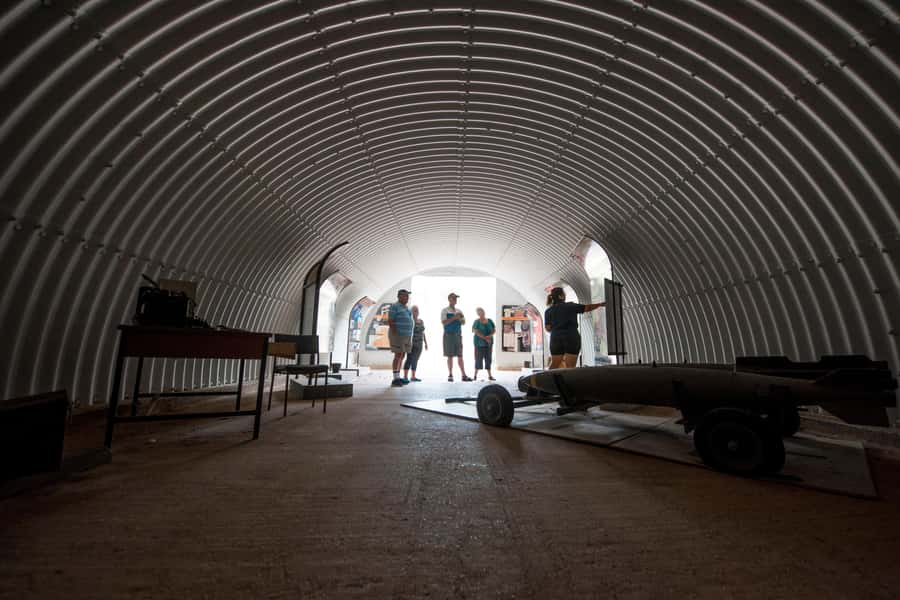
- Local-guided WWII narration on both land and water, often led by bus guides like Mariet or Phil, with boat commentary from guides such as Rob or Dave
- Defense of Darwin Museum + East Point Military Precinct, two major stops that turn a hard-to-imagine event into something you can map on a real timeline
- Charles Darwin National Park WW2 relics, including bunkers and other fortifications you can see in daylight
- 1-hour harbor cruise with smart route coverage, passing areas like Stokes Hill and Fort Hill wharves
- Wreck-site sailing-by from the harbor, including SS Neptuna and USS Peary
- Practical, weather-aware handling, including changing where you board if conditions are choppy
Darwin’s 1942 Bombing, told through sites you can actually stand in
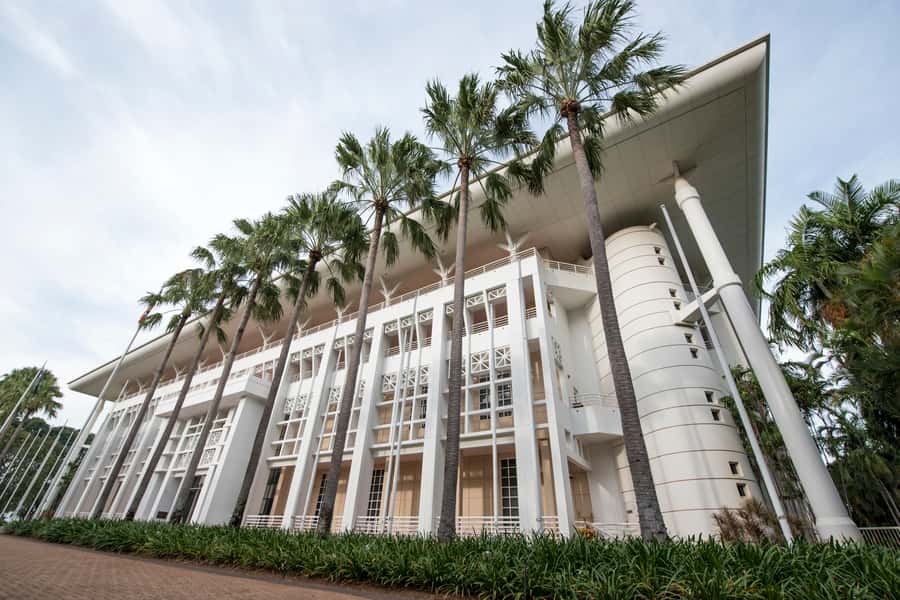
Darwin’s WW2 story is not just a chapter in a book. It’s a layout. It’s sightlines. It’s concrete and terrain. On this tour, you get the event framed first, then you move to the places tied to it—so the bombing stops feeling like a list of tragedies and starts feeling like a geography.
The best version of this kind of history tour is the one that helps you connect the dots. Here, you’re not only hearing what happened on 19 February 1942, you’re also being pointed toward what’s left behind in the modern city and its military precincts. That pacing matters. If you jump straight to museums without context, the details can blur. If you only visit outdoor remains without explanation, the sites can feel random. This one tries to do both.
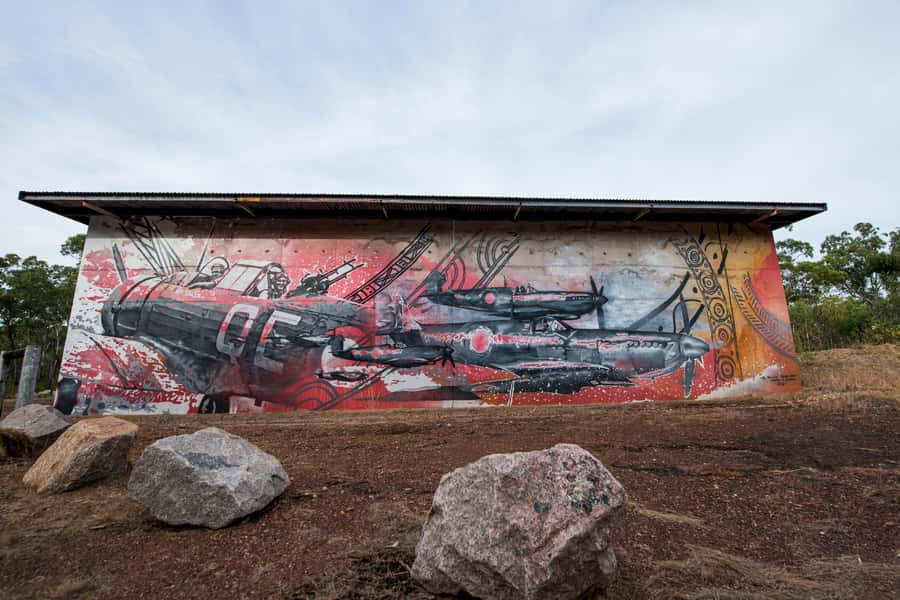
And yes, it’s heavy subject matter. Two Japanese air attacks killed 243 people and destroyed much of the city. You’ll be reminded of that throughout the tour, including by the stories and film you see at the museum.
You can also read our reviews of more boat tours in Darwin

How the 4.5-hour flow keeps the history coherent (and not exhausting)
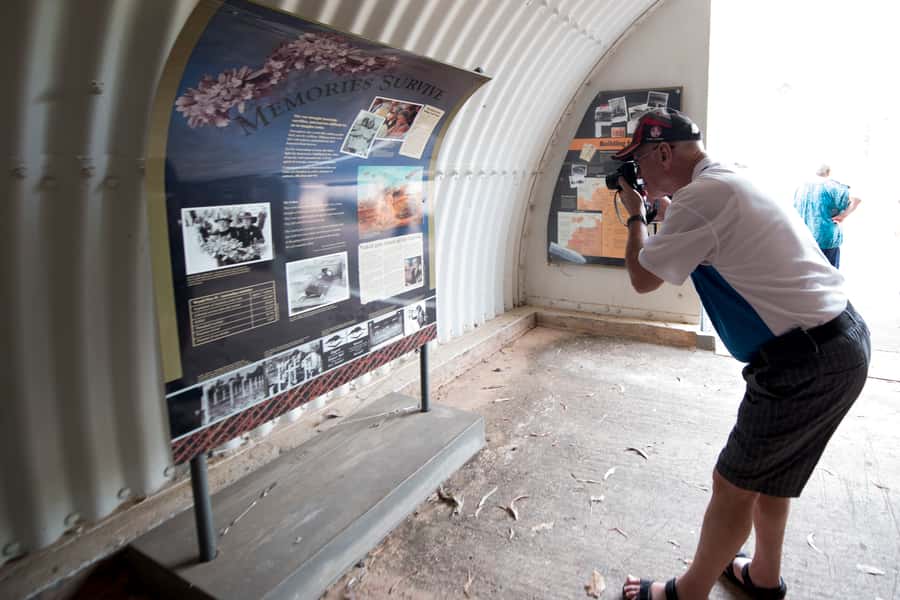
This experience runs 270 minutes, which is long enough to cover land sites and still include a proper harbor cruise. It’s short enough that you’re not stuck all day in the heat with a bus full of staring at plaques.
The typical rhythm goes like this:
- Start with an intro to the Bombing of Darwin, using context from local historians.
- Visit areas linked to what the raids hit.
- Move through WW2 relics at Charles Darwin National Park.
- Then go to the Defense of Darwin Museum and military precincts at East Point and Myilly Point Heritage precinct.
- Finish with a 1-hour cruise on Darwin Harbor, aimed at seeing key historic waterfront areas and wreck sites.
This sequencing is smart. You get the story first, then you go looking for it. And when you reach the water, you get a different angle—literally—on how Darwin’s geography shaped what was possible during the war.
If you’re hoping for lots of free time to wander independently, you might find the schedule tight. But the guides generally aim for a good balance: enough time at each stop to take in what matters without turning the tour into a long commute marathon.
Pickup timing in Darwin: why it matters more than you think
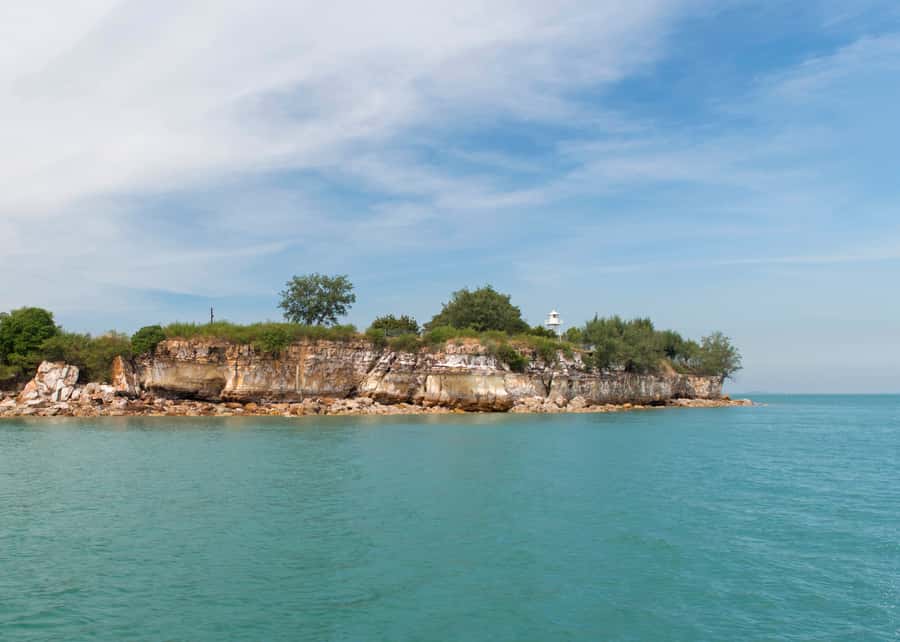
Darwin is spread out, and morning heat can show up fast. This tour helps by offering hotel pickup from Darwin city hotels. The pickup timing is specific: wait in the lobby at 7:45 AM for pickup prior to 8 AM.
No hotel pickup? You can meet at 8:00 AM at Aquascene Fish Feeding car park, 28 Doctors Gully Road with unlimited free parking.
I like this structure because it reduces the stress you usually get on guided tours. You’re already on the move early, and you’re not spending the start of the day negotiating where to be. For anyone visiting Darwin for only a short time, it also helps you get orientation quickly—both about the city and how its waterfront and suburbs connect to WW2 planning.
Museum first, then the fortifications: the Defense of Darwin Museum effect
A museum can either be a detour or the backbone of a history tour. Here, the Defense of Darwin Museum is treated like the backbone.
You’ll likely see a film presentation built around photos and testimony from people who were there at the time. That matters because it turns the event from an abstract date into something with voices attached. More than one guide-led stop on the tour gets praised for being well organized and not rushed, and the museum tends to be the anchor for that.
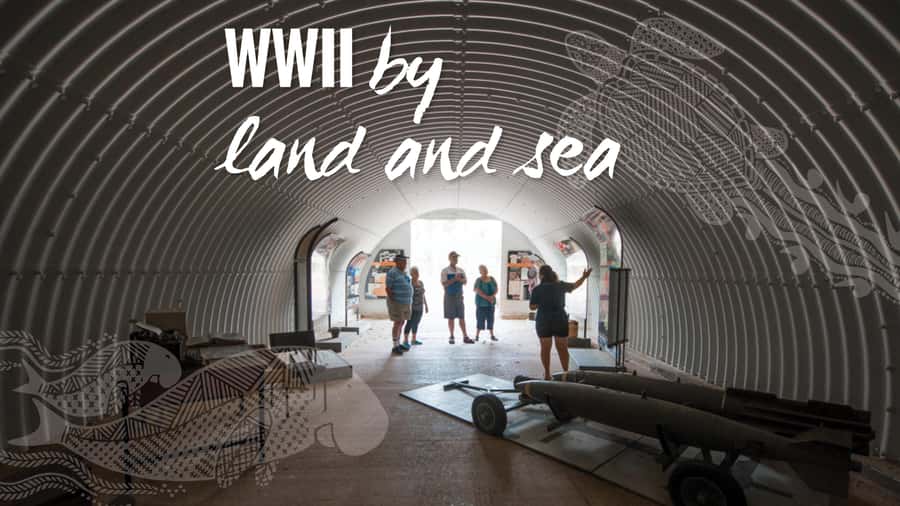
A second reason this stop works: it gives you a mental model for what you’ll later see outdoors. Once you’ve got the museum context, those bunkers and remnants at Charles Darwin National Park start making more sense. You’re not just walking past structures—you’re understanding why they existed and what they were trying to protect.
If you’re the type who would happily spend hours in one room reading every caption, the tour time could feel a little limiting here. A few people note they wanted a bit more time at the museum. Still, for most visitors doing a half-day program, it’s a strong pacing choice.
East Point Military Precinct and Myilly Point: the WW2 map gets sharper
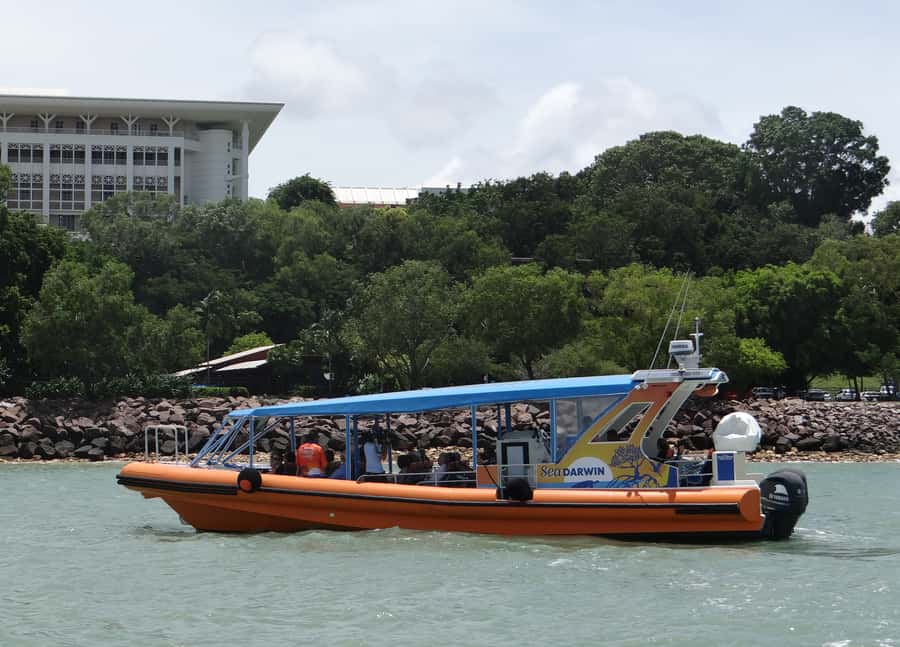
After the museum, you move into the broader military zones. East Point Military Precinct is one of the tour’s key land components, and it’s where the story starts to look like a working defense system rather than isolated battle moments.
The East Point area is also where you’re more likely to pick up the feel of how Darwin’s defense footprint was laid out. That helps you understand what air attacks could disrupt quickly—especially when the defenses were dealing with a moving and uncertain threat.
Then there’s Myilly Point Heritage precinct, which rounds out the bigger picture. This is where the tour nudges you away from a single incident-only viewpoint and toward understanding Darwin’s longer military presence and how the city has kept those traces in modern public life.
Even if you don’t consider yourself a WWII fan, this section is where many people say the tour becomes meaningful fast. The sites aren’t just dramatic. They’re practical. You can stand near them and think about what people would have done, where they’d have looked, and why certain structures were placed where they were.

Charles Darwin National Park relics: bunkers and ammunition clues
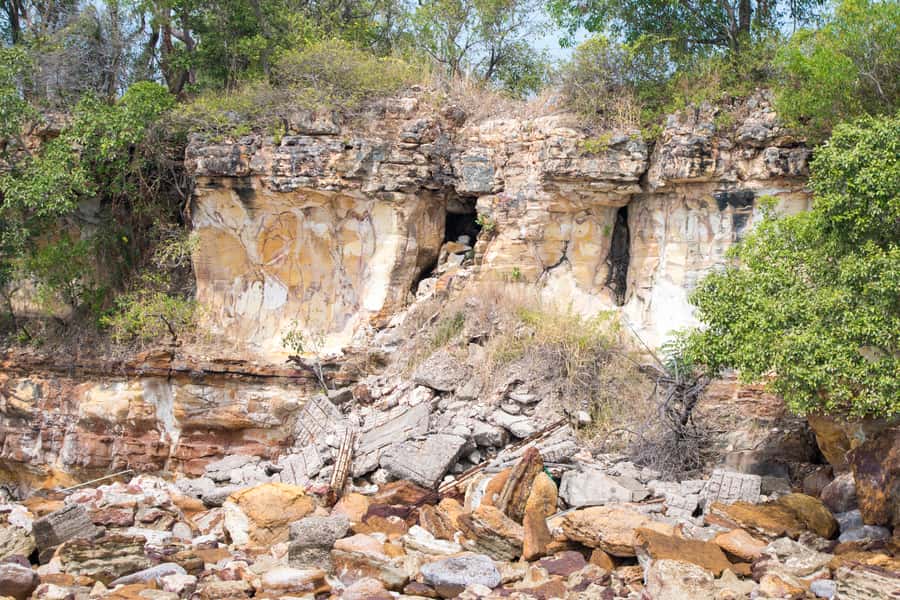
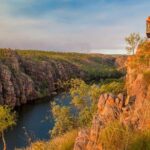
One standout value of this tour is that it doesn’t stop at one museum. It takes you into Charles Darwin National Park to see WW2 relics you might miss if you’re only doing a quick drive on your own.
You’ll see bunkers and other WW2 remains, including ammunition store areas that give you a clearer sense of military logistics—not just the moment of attack. That’s a big part of what makes this kind of stop valuable: it shows that war isn’t only planes and explosions. It’s storage, protection, planning, and the behind-the-scenes systems that keep people ready.
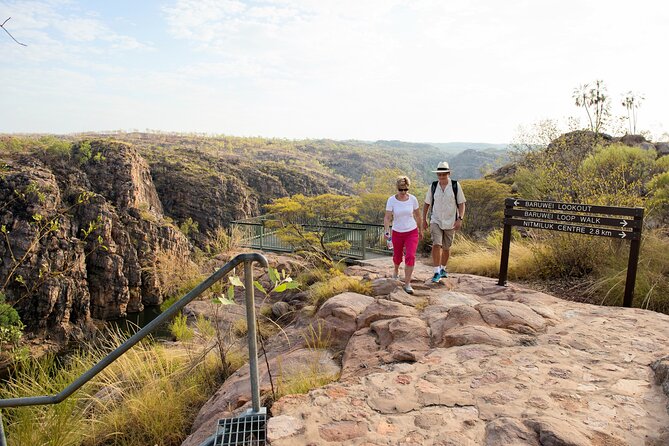
Outdoor stops also force a different kind of attention. In a museum, you can skim. Outdoors, you can’t always escape what you’re standing next to. The structures are there, in daylight, with the terrain around them.
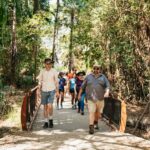
That said, you should be prepared for walking on uneven ground and sun. Bring comfortable shoes and a sun hat, and use sunscreen. You’ll enjoy the WW2 remains more when you’re not thinking about sore feet or a sunburn.
The harbor cruise: Stokes Hill, Fort Hill, Doctors Gully, and Cullen Bay
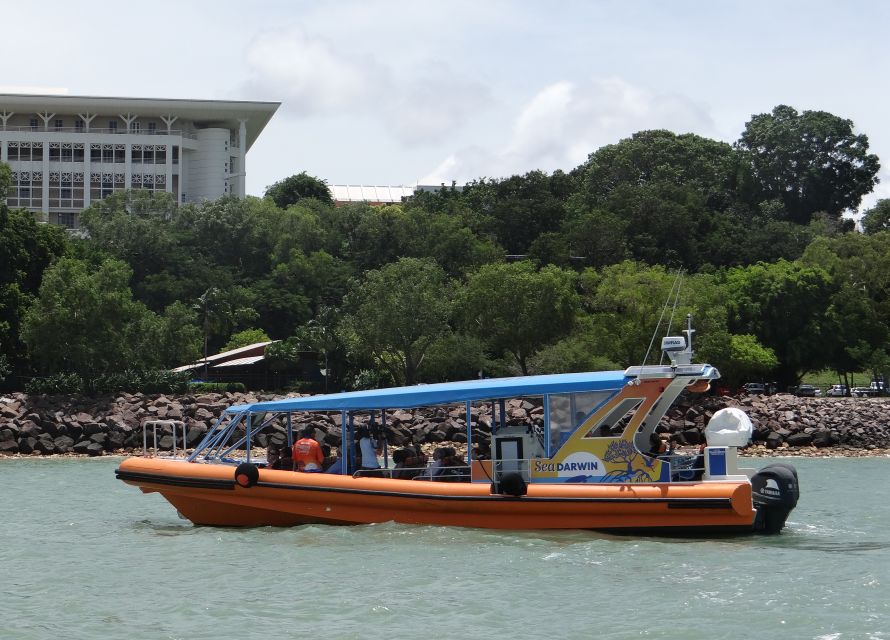
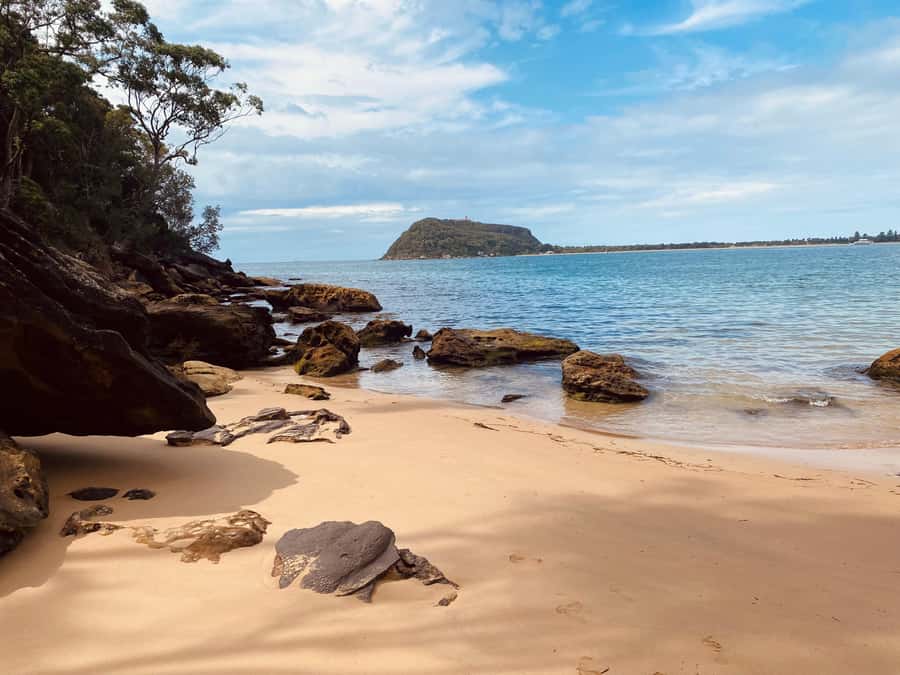
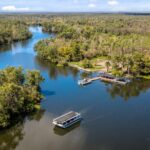
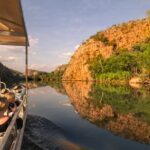
The tour’s finishing act is the 1-hour harbor cruise, and it’s the part that gives you a new relationship with Darwin. From the water, you get a sense of scale—how long the coastline runs, how the harbor sits relative to neighborhoods, and why the waterfront mattered in wartime.
The cruise route is built around historic waterfront areas including:
- Stokes Hill and Fort Hill wharf areas
- The area connected to the old flying boat base at Doctors Gully
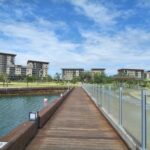
- Cullen Bay, where you can see gun emplacements from the water
If you’ve only ever seen Darwin from roads, this shift is worth it alone. It helps you visualize how the harbor functioned as a strategic corridor and why wrecks and naval infrastructure became part of the city’s long-term memory.
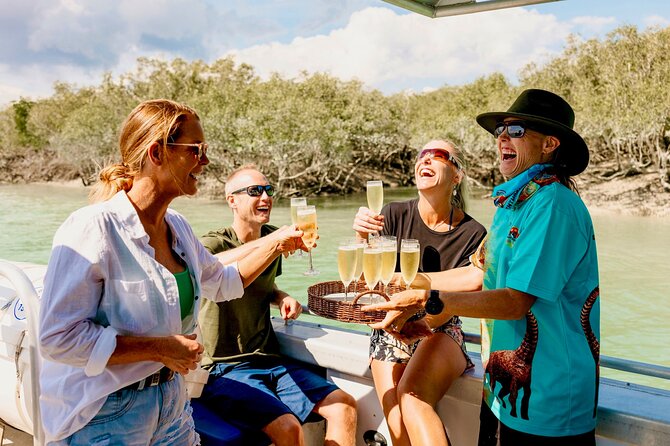
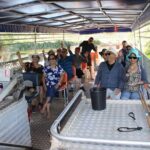
It also helps that the narration continues on the water. Boat guides—often named Rob, Tyler, Andrew, or Dave depending on the departure—are typically praised for being professional and easy to follow, with stories that stay tied to what you’re passing.
SS Neptuna and USS Peary wreck sites: what you can expect
One of the most compelling parts of the cruise is that you sail by wreck sites of two ships: the SS Neptuna and the USS Peary.
From the supplied details, the experience is described as sailing-by, not a dive or close inspection. So set your expectations accordingly. You’re there to see the location and understand what it meant, not to swim down or inspect parts underwater.
Still, seeing these wreck sites from the water gives the event a specific, physical anchor. It’s one thing to read about losses in a war. It’s another to hear the context and watch the coastline unfold while the guide connects it to those wrecks.
If you want a photo, bring a phone with enough battery. Sun glare can be intense on the water, and you’ll want to capture the waterfront views while you’re on the move.
Weather and comfort: when seas get choppy, the tour adapts
Darwin’s harbor can get rough depending on the day. The good news: the operation accounts for that. One highlight from the experience includes changing the boarding location when conditions were choppy, aiming to make things easier and safer.
So if you’re sensitive to motion or you just want comfort, consider that the cruise portion is weather-dependent. Wear something that you’re comfortable in for both heat and breezes, and keep a light layer in mind if you get cooler on the water than you expected.
Also, don’t underestimate the value of staying hydrated. Drinking water is included, but you should still use it. Darwin heat can sneak up on you.
Price and value: is $105 worth it?
At $105 per person for a 270-minute half-day, the value comes from what’s bundled, not just the sightseeing.
Here’s what you’re paying for beyond basic transport:
- Hotel pickup and drop-off
- Entrance to Charles Darwin National Park
- Entrance to the Defense of Darwin Museum
- Entrance tied to Darwin’s military museum component
- 1-hour harbor cruise
- Drinking water
Food isn’t included, so you’ll likely want to plan for breakfast before pickup or bring a plan for after.
When you break it down, the boat cruise and multiple entry fees are doing a lot of heavy lifting in the value equation. Add in local guides who focus on both context and real places, and you’re getting a guided interpretation, not just transport from one stop to another.
If you’re already planning on visiting the museum and also want a harbor view, this package style tends to make sense. If, on the other hand, you only care about one tiny slice of WWII history, it may feel like more tour than you need.
Who this tour suits best (and who might want a different plan)
This tour is a great match if you:
- Want WWII history that’s tied to actual locations
- Prefer a guided explanation over self-driving with guesswork
- Like mixing museum time with outdoor stops
- Appreciate a day plan that includes both land and water
It’s also good for families, as long as your kids can handle serious subject matter. One person mentioned a 10-year-old enjoyed the experience, which suggests the guides can keep things moving and understandable without watering anything down.
Where it may not fit as well:
- If you struggle with walking on uneven outdoor areas or long days in the sun.
- If mobility is limited. The tour isn’t suitable for wheelchair users, based on the provided info.
Tips to make the day easier (and more enjoyable)
A good tour day is often built on small choices.
Bring:
- Comfortable shoes for outdoor WW2 sites
- Sun hat and sunscreen
- Drinking water help is covered, but bring extra if you tend to run thirsty
Plan your expectations:
- This is a half-day. You won’t see every WW2 site in Darwin, but you will get a coherent story arc.
- The subject matter is emotional. If you want lighter sightseeing nearby, schedule it for later that day.
Work with the guides:
- The land guide and boat guide narrations are part of the value. Let the explanations steer you. If you stop to look, do it when the guide has moved you to that specific point.
Should you book Darwin’s Bombing of Darwin WW2 Tour with Harbor Cruise?
If you want a focused, well-paced way to understand Darwin’s WW2 trauma and still end with a view of the harbor, I’d say this is a strong booking.
It’s especially worth it if you:
- Have limited time in Darwin
- Want both museums and outdoor remains
- Like history tied to geography, including wreck sites like SS Neptuna and USS Peary
Skip it (or consider another approach) if:
- You’re looking for a lighter, purely scenic morning
- You need a fully accessible route
- You dislike tours where your time at each stop is structured and not fully open-ended
Overall, this one earns its place as an essential Darwin experience because it doesn’t treat WW2 as a distant headline. It treats it as a place you can still read—on land, and from the water.
FAQ
How long is the Darwin WW2 tour with harbor cruise?
It runs for 270 minutes (about 4.5 hours).
What does the tour cost?
The price is $105 per person.
Does the tour include hotel pickup?
Yes. Pickup is available from Darwin city hotels. You should wait in the lobby at 7:45 AM for pickup prior to 8 AM. There’s also an option to meet at 8:00 AM at the Aquascene Fish Feeding car park, 28 Doctors Gully Road.
What’s included in the price?
Included are hotel pickup/drop-off, drinking water, Charles Darwin National Park entrance, Defense of Darwin Museum entrance, Darwin Military Museum entrance, and a 1-hour Darwin Harbor cruise.
Is food included?
No. Food and drinks are not included.
What language is the tour guide?
The tour is in English.
What will I see on the harbor cruise?
You’ll cruise around Darwin Harbor for one hour, passing areas including Stokes Hill and Fort Hill wharf areas, and you’ll sail by wreck sites of the SS Neptuna and USS Peary. The route also includes the old flying boat base at Doctors Gully and views of gun emplacements from Cullen Bay.
Is the tour wheelchair accessible?
No. It is not suitable for wheelchair users.
What should I bring?
Bring comfortable shoes, a sun hat, and sunscreen.
What’s the cancellation policy?
There’s free cancellation up to 24 hours in advance for a full refund.