REVIEW · DARWIN
Tiwi Islands Cultural Experience from Darwin Including Ferry
Book on Viator →Operated by AAT Kings · Bookable on Viator
A long ferry day can feel worth it. This Tiwi Islands Cultural Experience is built around a real community welcome on Bathurst Island, with Tiwi stories and hands-on culture time. You also get the practical bonus of round-trip ferry from Darwin, so you’re not guessing transport for yourself.
I especially like two parts: the Tiwi Museum stop, where you’ll see Tiwi art and learn the meaning behind dreamtime stories, and the chance to spend time with local guides. In past groups, you might be guided by locals such as Trevor and Cedric (with a driver like Alan), or Roma and others like Fred and Steel—each group seems to get a different mix of local storytellers, but the focus stays the same: learn from people who live there.
One drawback to plan for: the day is long, and the ferry ride can take more time than you expect. Also, boat sound can be an issue, so if you’re sensitive to noise or you like hearing every detail, bring a small comfort item (like earbuds) and expect you won’t catch every word the whole way.
In This Review
- Quick hits
- Morning Ferry From Darwin: What Makes It Work
- Getting to Wurrumiyanga: A Local-Led Arrival, Not a Drive-By
- Tiwi Museum and Early Mission Precinct: History With Grounding
- Smoking Ceremony, Weaving, and Painting: Culture You Can Participate In
- Meals on the Island Day: Billy Tea, Damper, and Lunch at 1pm
- Ferry Comfort, Timing, and Sound: Small Fixes That Help
- Getting Value at $333.52: What You’re Really Paying For
- Who This Tiwi Trip Fits Best
- Should You Book This Experience?
- FAQ
- How long is the Tiwi Islands Cultural Experience from Darwin?
- What time does the tour start, and where do I meet?
- Do I need hotel pickup?
- What does the tour include for food?
- What cultural activities are included on the island?
- How big is the group?
- What if the weather is poor?
Quick hits
- Tiwi Mantawi ferry from Darwin to Bathurst Island sets the pace for a full cultural day
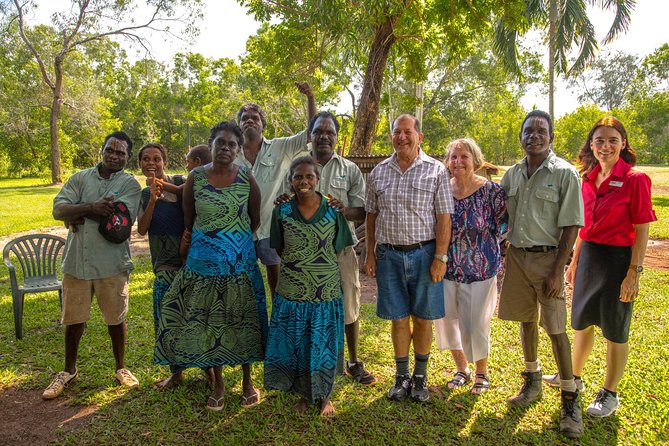
- Wurrumiyanga welcome with a local guide-led look at daily life and traditions
- Tiwi Museum + Early Mission Precinct for history you can connect to what you see later
- Smoking ceremony, hand weaving, and painting bring culture off the page
- Max 20 travelers helps keep the day from feeling crowded
Morning Ferry From Darwin: What Makes It Work
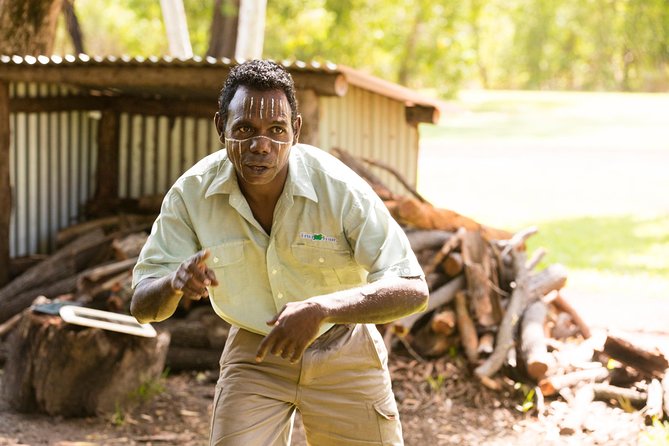
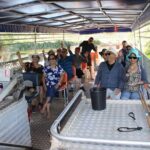
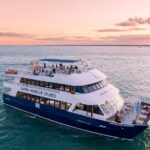
This trip starts with a simple choice: you either go early to make the ferry, or you miss the whole island rhythm. The meeting point is Cullen Bay Ferry Terminal (a quick drive from central Darwin), with the day beginning at 7:30am. From there, you cruise about 2.5 hours aboard the Tiwi Mantawi across the Arafura Sea to Bathurst Island.
Why this ferry matters more than just transport: it sets expectations. You’re not landing, sprinting, and leaving. You’re moving into island time, with a long day ahead and several culture stops waiting after you arrive. It also means your guide and group can settle into the schedule without constant pickups or extra transfers.
Here’s a practical note: the ferry time can run longer than what you might see on shorter summaries. Build in patience. If you’re the type who hates being rushed, this is fine; if you’re trying to keep a tight mental timeline, you’ll want to stay flexible.
You can also read our reviews of more tours and experiences in Darwin.


Getting to Wurrumiyanga: A Local-Led Arrival, Not a Drive-By
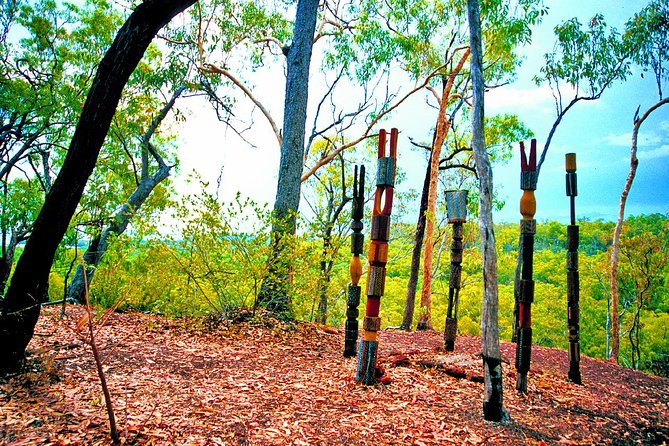
Once you reach the island, you’re met by your local guide and taken into Wurrumiyanga, a community known for both cultural continuity and modern daily life. The point of the guided approach is that you don’t just look at culture—you learn how it shows up in real routines, and you get context for the stories you’ll hear later.
This is where the trip shifts from sightseeing to learning. A local guide can explain meanings behind practices—why certain rituals exist, how legends connect to land and community, and how traditions are carried forward today. That’s the kind of information that doesn’t come from a brochure, even a good one.
Group size also helps. With a maximum of 20 travelers, you’re less likely to get stuck behind a line of people during conversations or cultural activities. You still need to stay mindful of your guide’s pacing, but it feels more human than mass-tour style.
Tiwi Museum and Early Mission Precinct: History With Grounding
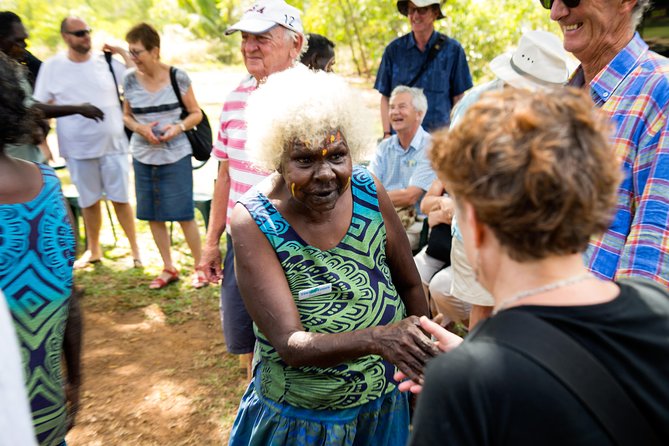
The cultural core begins at the Tiwi Museum. This is one of your best “anchors” for the day because it gives you something to hang your later impressions on. You’ll see traditional art and depictions of Tiwi dreamtime stories, plus displays that help explain the island’s past.
After the museum, you’ll also spend time at the Early Mission Precinct. This part is valuable because it brings a fuller picture of how external contact shaped the community over time. Even if you’re not a history buff, museum-and-precinct combinations tend to work well here, because you’re not only learning names and dates—you’re hearing how those events affected people’s lives and how they interpret their own story now.
One small caution: your museum time can be the easiest part to rush if the group is tired or if transport ran late. If your priority is learning, pay attention early and ask questions while you’re there—this is one of the few moments when you can slow down and really connect what you see with what you’re told.
Smoking Ceremony, Weaving, and Painting: Culture You Can Participate In
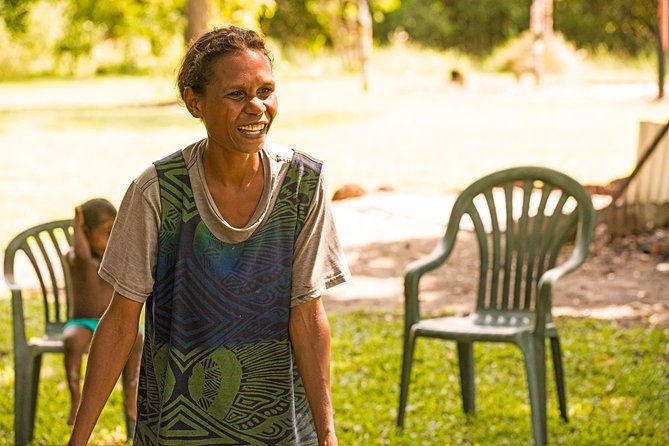
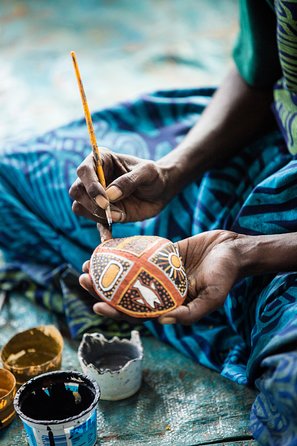
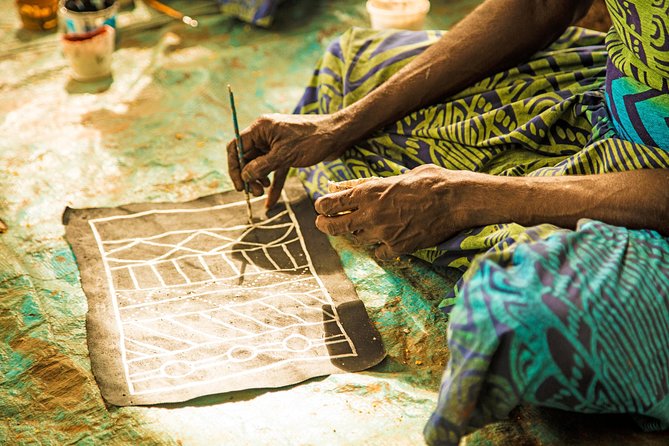
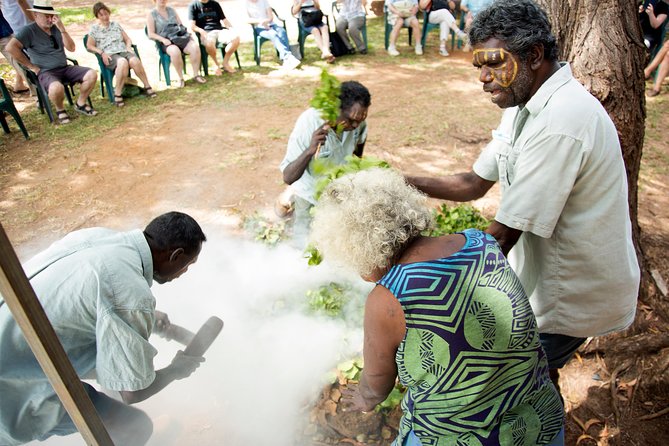
Later in the day, you move from learning to doing and watching. The experience includes a traditional smoking ceremony, plus hand weaving and painting activities.
This matters because it’s not just staged performance time. When weaving and painting are part of the day’s rhythm, you’re seeing craft as knowledge. You’re also getting an idea of how art can be both personal expression and cultural communication. The painting element tends to be especially memorable because it’s visual, and you can walk away with a clearer sense of what the patterns mean and how people talk about them.
The smoking ceremony is the other big highlight for most people. It’s often the part where the “story” becomes physical—something you experience rather than read. Just go in with a respectful mindset and be ready to follow instructions. You don’t need to know anything beforehand; your guide should explain what’s happening and why.
If you’re short on patience, you might find it helpful to remember that cultural activities take time. They’re not a fast photo stop. Even when the day is packed, it’s designed so you spend real attention on each part.
Meals on the Island Day: Billy Tea, Damper, and Lunch at 1pm
Good tours keep food simple and on schedule. This one includes morning tea (bilily tea and damper) and a lunch served around 1pm. The lunch is described as fresh and enjoyable in past days, and it’s typically an outdoor-style meal under a tree.
Here’s the practical catch: timing can vary. Some people have found the billy tea and damper didn’t feel like a separate morning tea moment and ended up being closer to the lunch window. Also, if your breakfast was very early (which is common when you’re meeting for a morning ferry), you may want extra fuel.
My advice: bring a small snack for the ferry ride and keep a water bottle handy. Lunch is included, but it helps to reduce that 11am-to-1pm hunger spike when you’re already dealing with travel time.



Ferry Comfort, Timing, and Sound: Small Fixes That Help
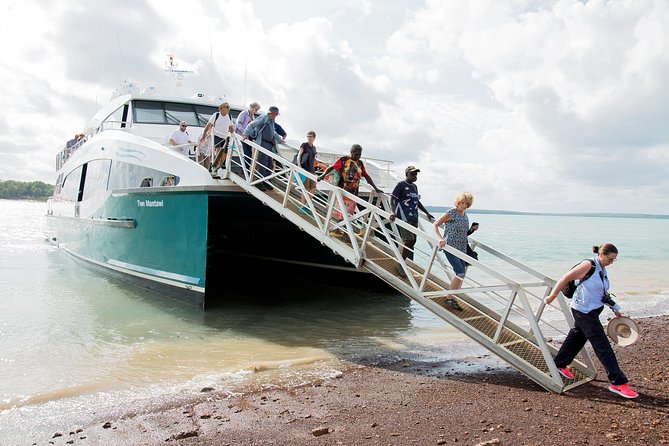
This whole day hinges on the ferry. That means you should plan your comfort like you would for a half-day outing, not like a quick city tour.
The biggest “surprise” is the ferry duration. If you were expecting something shorter, plan for a longer cruise. The boat is described as having seating options, but you still want to settle in early, get a position where you can see and hear your surroundings, and be prepared for a long stretch.
Sound can also be tricky. If you’re in a position where you can’t hear the guide well, it’s not always about you—it’s just boat acoustics and movement. Earbuds or even a simple pair of headphones can help you enjoy the experience without straining.
Another timing tip: the meeting point is the ferry terminal office. Getting there with buffer time helps. If you arrive too early expecting immediate check-in, you can end up waiting before staff can mark things off and help you collect what you need.
Getting Value at $333.52: What You’re Really Paying For
At $333.52 per person, the price isn’t cheap. But it can make sense if you look at what’s included and what you’re spared.
You’re paying for:
- Return ferry between Darwin and Bathurst Island (a major cost and hassle if you tried to self-plan)
- Transport in an air-conditioned minivan on the island
- An experienced driver guide
- Meals (morning tea items and lunch)
- Tiwi Museum admission included
That combination is what turns the day from “a cultural chat” into a full, structured experience. The ferry alone can make self-planning complicated, and meals plus guided stops are a big part of why the day feels complete.
Still, the price makes timing and activity quality important. If you prefer lots of variety or multiple repeat craft sessions, you might wish for more on the schedule. On the other hand, if your goal is a guided, respectful introduction to Tiwi history and daily cultural life, this day is built around exactly that—especially with the museum and the hands-on art moments.
Who This Tiwi Trip Fits Best
This is a strong choice if you:
- Want a single day that combines ferry travel with real cultural learning
- Enjoy museum context before hands-on activities
- Prefer learning from local guides, not just a mainland tour narrator
- Don’t mind an early start and a long boat ride
It’s also a good fit for couples and small groups who want a calmer pace. With a group cap around 20, conversations and shared moments are easier to manage than on bigger buses.
It may be less ideal if you:
- Get impatient with long travel days
- Need frequent bathroom breaks beyond normal tour timing
- Are very sensitive to hearing your guide in a moving environment (boat sound can be difficult)
Should You Book This Experience?
If you want a genuine Tiwi-focused day and you’re happy to commit to the ferry time, I’d say book it. The best reason is simple: this tour is designed around local knowledge—museum learning first, then cultural activities like the smoking ceremony and art-making. That combination is what makes the day feel coherent.
Before you book, think about two things. First, check your schedule so your return back to Darwin at around 5:45pm works for your flight plans (it’s set up to leave room for a later Darwin departure). Second, plan a bit of extra snack time for the morning hunger gap, because the meal timing can feel tighter than you’d hope when you start very early.
If your idea of value is mostly about maximum activities per hour, you might compare alternatives. But if your goal is respectful cultural connection in a structured day, this one is hard to beat for what it includes.
FAQ
How long is the Tiwi Islands Cultural Experience from Darwin?
It runs for about 10 hours 15 minutes (approx.), including the ferry crossing and time on Bathurst Island.
What time does the tour start, and where do I meet?
You meet at Cullen Bay Ferry Terminal in Larrakeyah at 7:30am.
Do I need hotel pickup?
No. Hotel pickup and drop-off aren’t included, so you’ll make your own way to the ferry terminal.
What does the tour include for food?
Morning tea includes bilily tea and damper, and lunch is included (served around 1pm).
What cultural activities are included on the island?
The tour includes a traditional smoking ceremony, plus hand weaving and painting activities.
How big is the group?
The tour has a maximum of 20 travelers.
What if the weather is poor?
This experience requires good weather. If it’s cancelled due to poor weather, you’ll be offered an alternative date or a full refund.