REVIEW · TASMANIA
Devils at Cradle: Day Keeper Tour and Entry to Wildlife Park
Book on GetYourGuide →Operated by Devils@Cradle · Bookable on GetYourGuide
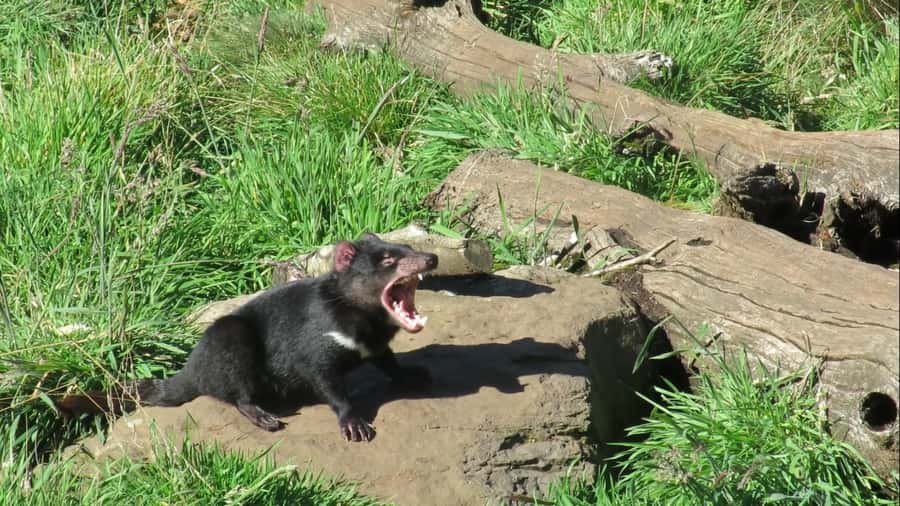
Few animals sound like this.
At Devils at Cradle, I like that you get a keeper-led walk plus general entry, so you’re not rushed. You’ll see Tasmanian devils and their close relatives, the spotted-tail and eastern quolls, right at the entrance to Cradle Mountain National Park. If you’re expecting a fully flat, stroller-friendly zoo-style experience, note the paths can be uneven, with steps and woodchip areas.
What really makes this stop worth your time is how the guide ties animal behavior to real conservation work. I also like that guides named in real sessions—like Pru and Sarah—focus on practical details and how the sanctuary helps threatened species. The one consideration: it’s rain or shine, so plan for cool, damp conditions and wear shoes you don’t mind getting dusty.
In This Review
- Key takeaways before you go
- Devils at Cradle, right by Cradle Mountain
- The $17 value: what you get in plain terms
- The 45-minute keeper walk: your real itinerary on the ground
- What animals you’ll actually see (and why their behavior matters)
- Tasmanian devils: daytime habits you can plan around
- Quolls: the “close cousins” effect
- The keeper’s role: why the tour changes how you see devils
- Conservation programs: the point of the sanctuary
- Timing and opening hours: fit it into a Cradle Mountain day
- Weather and what to wear in Tasmania
- Viewing comfort: it’s close, but paths aren’t perfect
- Is this worth an hour of your time? (Price, pace, and payoff)
- Who should book the Devils at Cradle Day Keeper Tour?
- Should you book this tour?
- FAQ
- How long is the Day Keeper Tour?
- What animals will I see at Devils at Cradle?
- Is general entry included?
- Where is Devils at Cradle located?
- What language is the tour guide?
- What time can I visit?
- Does the tour run in bad weather?
- What should I bring?
- Is there wheelchair access?
- Are unaccompanied minors allowed?
- Is parking included?
Key takeaways before you go
- 45 minutes with a keeper plus time to explore on your own inside the wildlife park.
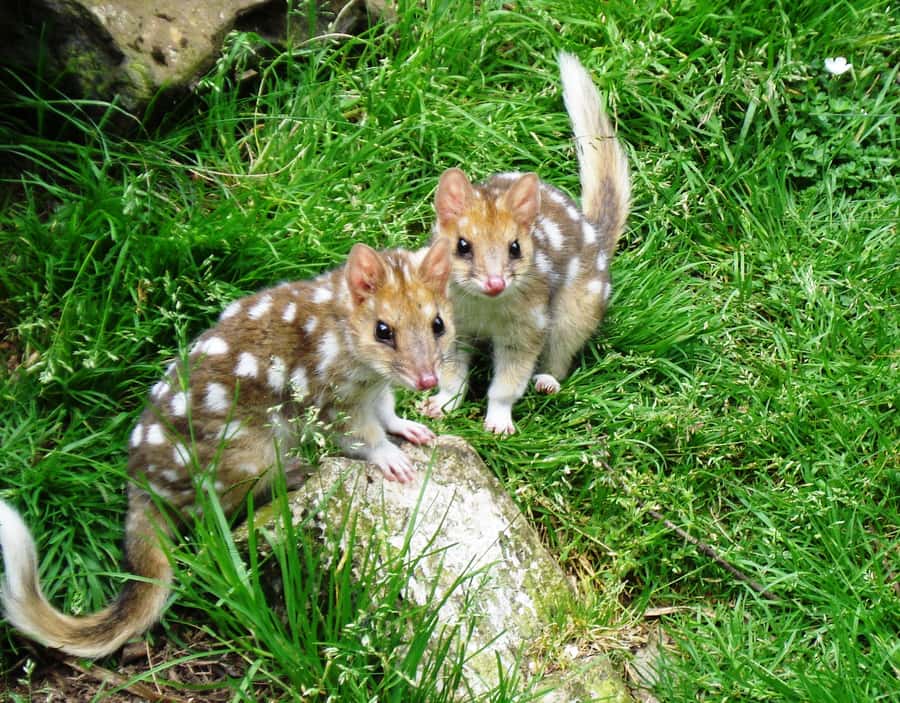
- You’ll see three marsupials in the devil family: Tasmanian devils, spotted-tail quolls, and eastern quolls.
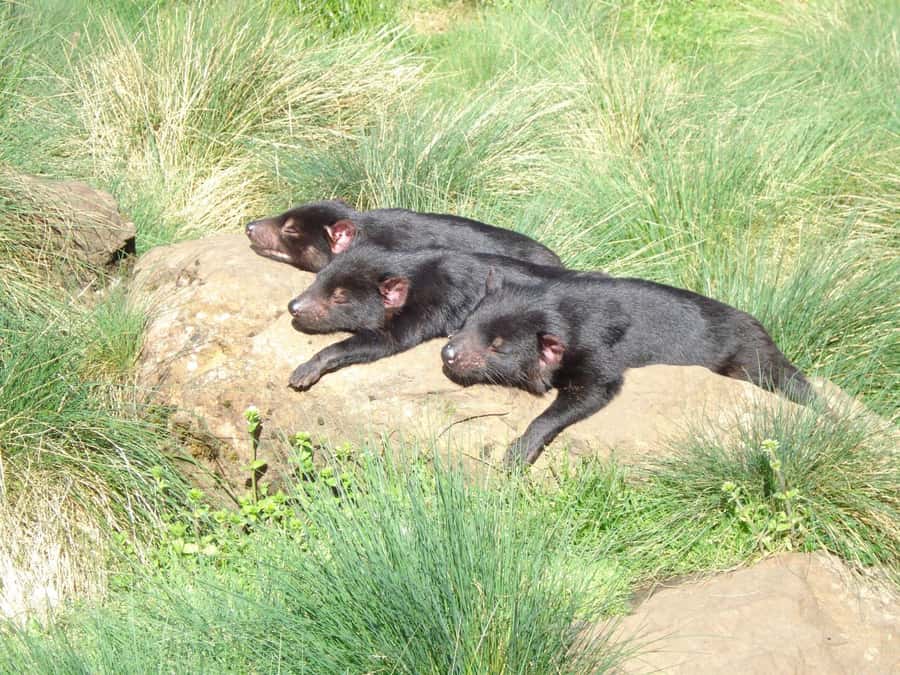
- Expect daytime devil behavior like sleeping in dens, sun baking, play fighting, and foraging.
- The tour explains why conservation programs matter for these threatened animals.
- Free parking and a straightforward visit make it an easy add-on to a Cradle Mountain day.
- Bring warm layers—this is Tasmania, and the sanctuary tour runs outdoors.
Devils at Cradle, right by Cradle Mountain
Devils at Cradle sits at the entrance to Cradle Mountain National Park, so it fits naturally into a big Tasmania loop. If you’re already planning time around Cradle Mountain, this is one of those stops that feels connected to the wild world outside—without requiring a long hike.
Inside the sanctuary grounds, you’re not just hunting for a photo. You’re walking through habitats designed for animal welfare and close viewing, with a keeper to translate what you’re seeing. That matters, because Tasmanian devils don’t follow a daytime schedule that humans would call polite. When they do move, it can be sudden—and that first real sight can change your whole opinion.
You can also read our reviews of more tours and experiences in Tasmania.


The $17 value: what you get in plain terms
At $17 per person for the Day Keeper Tour, you’re paying for two things:
1) general entry to the sanctuary, and
2) a 45-minute keeper tour.
That combo is the key to the value. You get the structure of a guided experience—so you know what you’re looking at—then you can continue at your own pace and linger where your curiosity pulls you. With wildlife viewing, that second part helps. Some animals will be more active at certain times, and the extra time lets you catch it.
Also, the visit includes free parking at the sanctuary, which sounds small until you’re driving in Tasmania and want to keep your day simple. The tour runs in English, and the group is led by a live guide throughout the experience.
The 45-minute keeper walk: your real itinerary on the ground
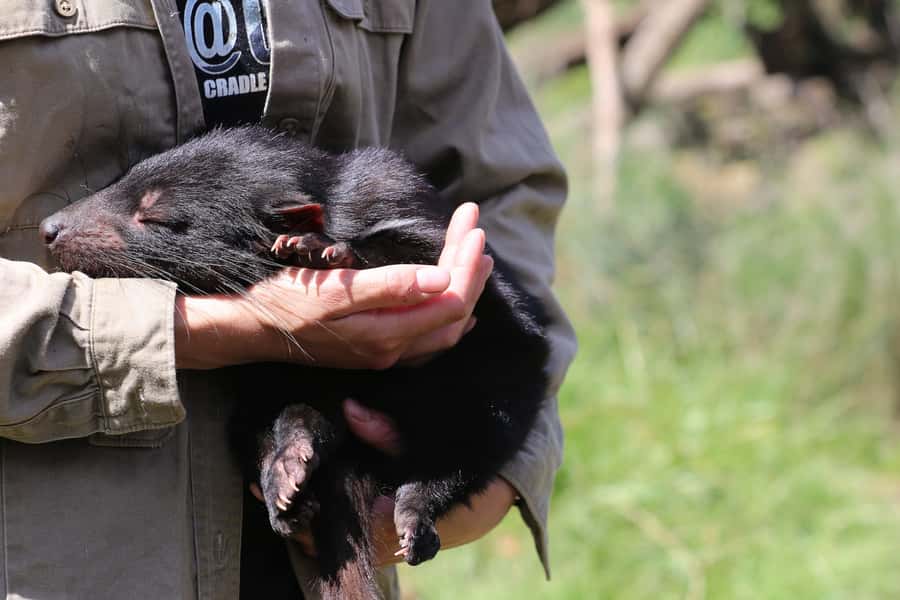
Your day starts with general access inside the Devils at Cradle Conservation Facility. From there, the keeper guides you through the sanctuary, with a focus on helping you understand the animals’ habits and the sanctuary’s conservation role.
Here’s how the timing usually feels in practice:
- Before the guided portion: you can settle in, orient yourself, and start noticing the den areas and viewing points.
- During the guided walk (45 minutes): you follow the keeper through the sanctuary while they point out animals and explain behavior in a way that clicks.
- After the guided portion: you’re free to keep wandering and watching the animals on your own.
What makes this work is that the keeper doesn’t just list facts. The guide connects what you’re seeing—sleeping, sunning, play fighting, and searching for food—to why the sanctuary exists. That turns a quick walk into something that sticks.
And yes, you may hear the famous sounds of Tasmanian devils in the Tasmanian wilderness. The tour is built around seeing them, but the audio is part of the sensory package.
What animals you’ll actually see (and why their behavior matters)
Devils at Cradle is known for more than one species. In the sanctuary, you’ll encounter:
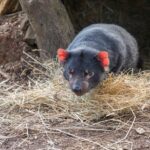
- Tasmanian devils
- Spotted-tail quolls
- Eastern quolls
These are the kind of animals you can’t really “fake” by reading about them. Even if you’ve seen videos, your brain still has to process what they look like in real life—fur texture, movement style, and the way they occupy space.
Tasmanian devils: daytime habits you can plan around
The sanctuary is set up so you can watch devil behavior during the day. The most useful thing to know going in is that you’re not always going to see constant action. Instead, you’ll observe cycles:
- sleeping in dens
- sun baking
- play fighting
- fossicking for food
If your timing lines up, you’ll understand why people call them both fierce and oddly fascinating. One minute you’re looking at an animal resting; the next minute it’s focused on its environment. That back-and-forth is part of the experience.



Quolls: the “close cousins” effect
The spotted-tail and eastern quolls add variety and help you understand how related species live and move. It’s a smart pairing, because once you see how devils behave, you start noticing differences in pace and habits. It turns the visit into a broader look at threatened Tasmanian carnivorous marsupials—not just a single-species stop.
The keeper’s role: why the tour changes how you see devils
One of the strongest draws here is how the guide frames the animals. In real sessions, guides like Pru and Sarah are singled out for making the information practical and for explaining how conservation connects directly to what you’re watching.
I like this approach because it prevents a common problem with wildlife visits. If you only learn cute facts, you leave entertained but unchanged. If you only get serious conservation messaging, it can feel distant. Here, the guide links both, so you walk away understanding why these animals are threatened and what the sanctuary is doing to help.
Conservation programs: the point of the sanctuary
The visit highlights the importance of conservation programs for these threatened species. You’ll hear how sanctuary care supports survival, and you’ll learn why animals in the wild face major pressures.
One example that people clearly connect with is protection against fatal face cancer that wild devils have experienced. When a guide makes that risk concrete, the animals stop being just a spectacle. They become living, urgent conservation work.
Timing and opening hours: fit it into a Cradle Mountain day
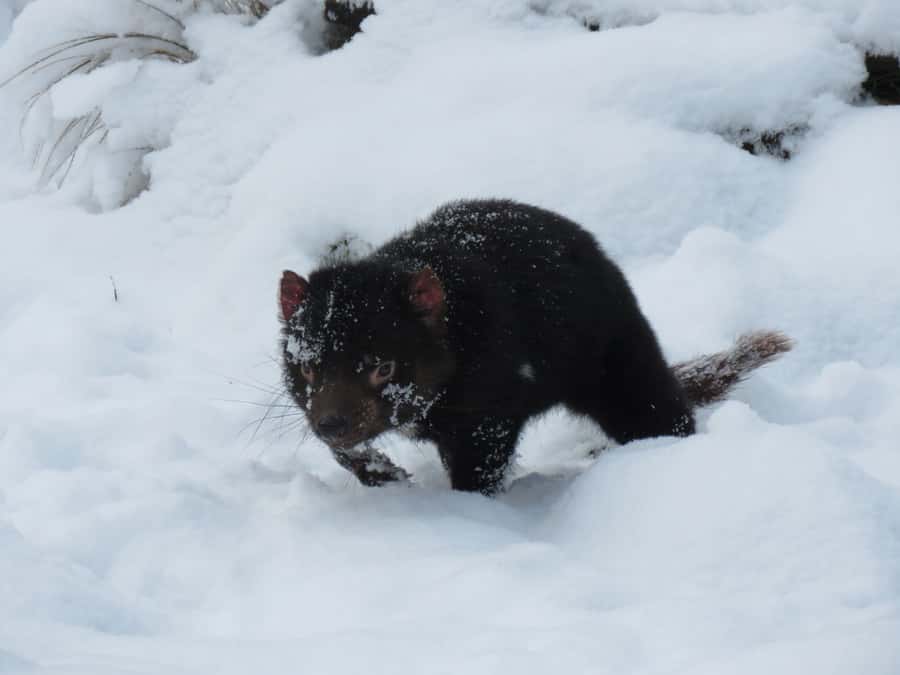
Devils at Cradle is open 9:30 AM to 5:00 PM. Your 45-minute tour has starting times, so it pays to check availability for the exact session you want.
If you’re building a day around Cradle Mountain, this stop is handy because it doesn’t demand hours. It’s long enough to get value from the keeper tour and see multiple animals, but short enough that you can still enjoy other parts of the region the same day.
A personal planning tip: choose a time when you’re not rushing meals or car transfers. Wildlife viewing feels better when you can slow down after the guided portion and let the animals set the pace.
Weather and what to wear in Tasmania
The keeper tour happens rain or shine. That’s not a warning to scare you; it’s a heads-up to dress for Tasmanian conditions.
You should bring:
- warm clothing
I’d add practical extras based on the setting: a layer you can put on and take off, and shoes with decent grip. The sanctuary paths aren’t always smooth, and cool wet air can make you uncomfortable faster than you’d expect.
Viewing comfort: it’s close, but paths aren’t perfect
Viewing is a big part of why people enjoy this sanctuary. Enclosures allow excellent viewing, and the guided walk helps you reach the best spots without wandering in circles.
Wheelchair access is possible, but it’s not a perfect straight line everywhere. Access is via reception to the main viewing deck or a side gate leading into the sanctuary grounds. The ground includes uneven areas, steps, natural woodchip paths, platforms, and compacted gravel. Not every part of the sanctuary will be wheelchair accessible, but staff say they can be flexible and accommodate most requests with prior organization.
If mobility is a factor, the smartest move is to plan for short stops and expect some variation in terrain. Bring the same mindset you’d use for a nature walk: slow and steady wins.
Is this worth an hour of your time? (Price, pace, and payoff)
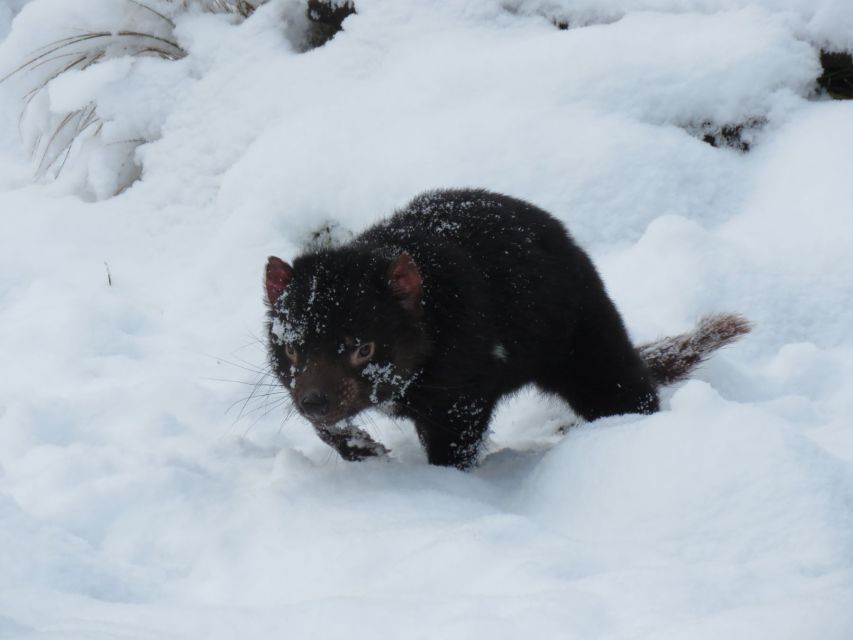
This is a quick hit, and that can be a plus. At $17, you’re not taking on a big financial commitment for a wildlife experience that includes both guided interpretation and general entry.
The payoff is most obvious if you fall into one of these groups:
- You want to see Tasmanian devils and also learn what makes them truly threatened.
- You like wildlife experiences with a clear conservation focus, not just viewing.
- You enjoy a guide-led walk where you can ask questions and get straight answers.
It may be less ideal if you’re hoping for a long self-guided park loop with lots of open-ended wandering time. The guided part is 45 minutes. After that, you’ll be exploring on your own, so it’s a good match for people who like structure plus flexible follow-up.
Who should book the Devils at Cradle Day Keeper Tour?
This is a great fit for:
- adults and families who are curious about Tasmanian wildlife and conservation
- anyone doing Cradle Mountain and wanting a nearby wildlife stop that’s not overly time-consuming
- visitors who want to understand devil behavior, not just spot an animal
One clear rule: unaccompanied minors aren’t allowed, so plan to attend with the necessary supervision.
Should you book this tour?
If your goal is a short, meaningful wildlife visit with real conservation context, I’d book it. The combination of general entry + a 45-minute keeper tour, plus close viewing and a guide who helps you interpret animal behavior, makes the $17 feel fair.
Book it especially if you want your Cradle Mountain day to include more than scenery—if you want a living, local conservation story with animals you can see clearly and understand better.
If you’re sensitive to outdoor conditions, dress warmly, because it runs rain or shine and the paths include uneven ground.
FAQ
How long is the Day Keeper Tour?
The tour lasts 45 minutes.
What animals will I see at Devils at Cradle?
You’ll see Tasmanian devils, spotted-tail quolls, and eastern quolls.
Is general entry included?
Yes. The tour includes general admission tickets to the Devils at Cradle Conservation Facility.
Where is Devils at Cradle located?
It’s located at the entrance to Cradle Mountain National Park, about a 2-hour drive from Launceston.
What language is the tour guide?
The live tour guide speaks English.
What time can I visit?
Devils at Cradle is open from 9:30 AM to 5:00 PM, and starting times for the 45-minute tour depend on availability.
Does the tour run in bad weather?
Yes, it takes place rain or shine.
What should I bring?
Bring warm clothing, since the tour is outdoors.
Is there wheelchair access?
Wheelchair access is via reception to the main viewing deck or via a side gate into the sanctuary grounds. Some areas may not be fully accessible due to uneven ground and steps, but staff can be flexible with most requests with prior organisation.
Are unaccompanied minors allowed?
No. Unaccompanied minors aren’t allowed.
Is parking included?
Yes, free parking is included at the sanctuary.