REVIEW · ADELAIDE
Discover Victor Harbor Walking Tour
Book on Viator →Operated by Victor Harbor Walking Tours · Bookable on Viator
Victor Harbor hides in plain sight. In just 90 minutes, this walking tour stitches together early settlement stories, Encounter Bay lookout moments, and the town’s port development into a route you can actually follow.
I especially like how it points out heritage highlights without turning into a textbook, and I like the human touch from the guide, with Caroline bringing the details to life in a steady, easy pace.
You’ll also get a good mix of seaside views and old-town corners, plus the guide talks about local residents and even local wildlife along the way. The only real catch: it’s outdoors for much of the walk, so you’ll want comfortable shoes and decent weather.
In This Review
- Key highlights you’ll feel fast
- A 90-minute Victor Harbor walk that fits a real day
- Starting at the Horse Drawn Tramway Esplanade
- Encounter Bay from the Causeway and Granite Island
- Newland Memorial Uniting Church and early-settler beginnings
- Warland Reserve: Victor Harbor as a working port
- Railway Terrace and the lives behind the streets
- Coral Street’s Town Hall and Library, then Coral Art Centre
- Price and value: $25.10 for a guided story route
- How Caroline’s pacing changes the experience
- Who this walking tour suits best
- Should you book this Victor Harbor walking tour?
- FAQ
- How long is the Discover Victor Harbor Walking Tour?
- How much does the tour cost?
- Where do I start and where does it end?
- How many people are in a group?
- Do I need to bring a printed ticket?
- Are service animals allowed?
- What if the weather is poor or I need to cancel?
Key highlights you’ll feel fast
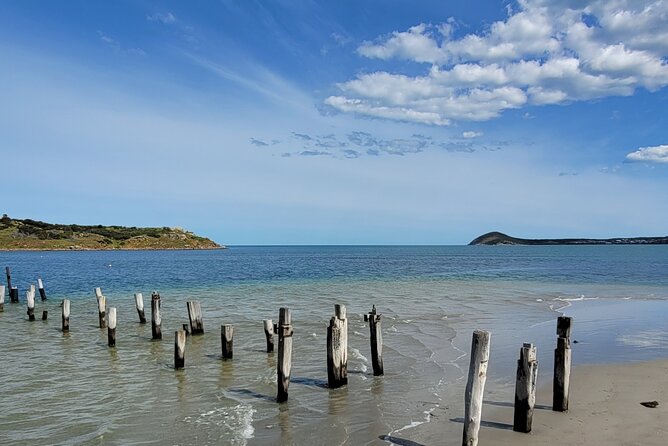
- The Causeway meeting of Captains Flinders and Baudin sets the tone right away
- Granite Island Causeway viewpoints over Encounter Bay give you that wow factor early
- Newland Memorial Uniting Church connects you to the early European settlement legacy
- Warland Reserve port stories explain how goods moved to the Northern Hemisphere
- Railway Terrace adds everyday life context for early settlers
- Coral Street and the original Town Hall and Library close the loop on cultural beginnings
A 90-minute Victor Harbor walk that fits a real day
Victor Harbor can be great to visit on your own, but it’s even better with someone who knows where the stories live. This tour is timed to be short enough that it won’t eat your whole day, yet long enough to make the town feel layered instead of random.
What I like about the format is that it’s built around walking and stopping at key spots, not long speeches. You’ll be moving through older areas of town where heritage-listed buildings and historic landmarks do the heavy lifting. And because the group is capped at 12 travelers, it feels more like a guided stroll with attention than a cattle-car history lesson.
If you hate standing in one place for ages, you’re in luck. Most stops are quick, designed to keep momentum while you get the context you’d normally miss.
You can also read our reviews of more walking tours in Adelaide



Starting at the Horse Drawn Tramway Esplanade
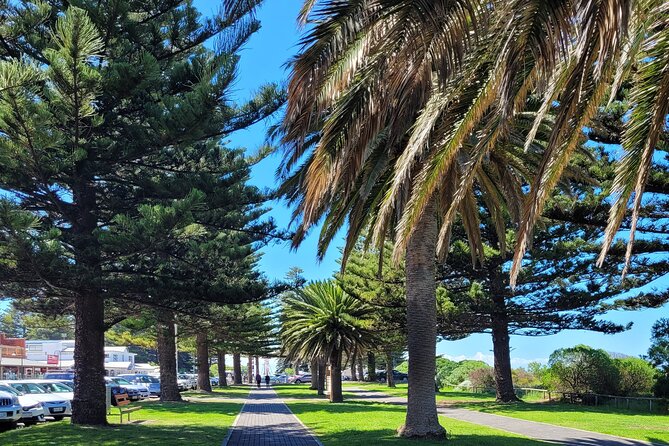
Your tour begins at the Victor Harbor Horse Drawn Tramway Esplanade. That matters because you’re starting where Victor Harbor’s heritage identity is visible right off the bat. Even if you’re not planning to take the tram that day, starting here helps you understand what kind of town this is: a place that still leans on its past.
Meeting at a clear, central point also makes logistics easier. You can show up, find the group, and get going without hunting through side streets. The tour uses a mobile ticket, so you’ll have everything accessible on your phone.
Because you’re walking, bring practical stuff: water, sun protection if it’s bright, and shoes with grip. This isn’t a strenuous hike, but you’ll be on foot through older streets and coastal areas.
Encounter Bay from the Causeway and Granite Island
The first stop takes you to the Causeway for a story about the historical meeting of Captains Flinders and Baudin. This is one of those details that makes the coast feel bigger than just scenery. It also gives you a meaningful anchor early in the walk, so the rest of the history has something to attach to.
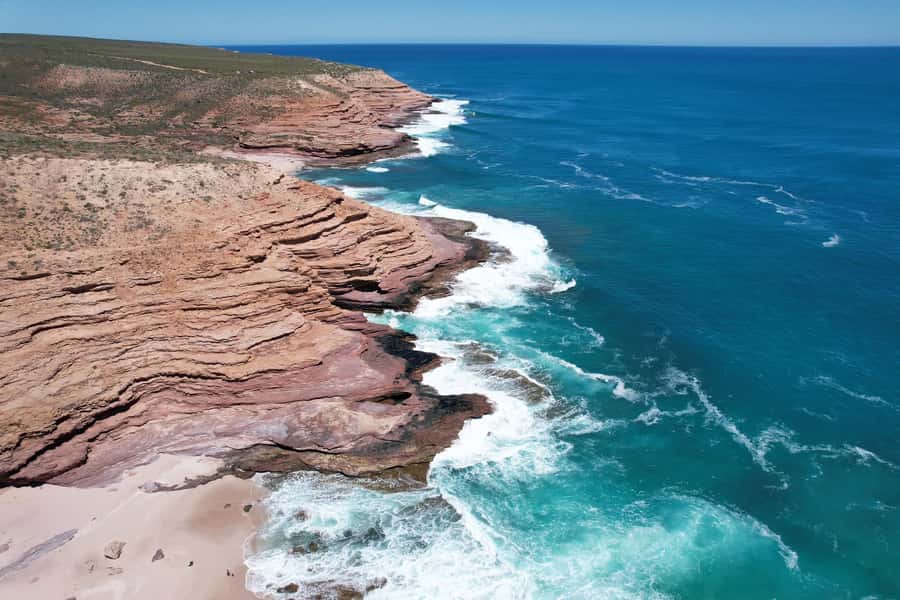
From there, you’ll stroll along the Granite Island Causeway for views over Encounter Bay. Even if you’ve seen Victor Harbor photos before, the view from the Causeway area tends to land differently in person because you’re closer to the water and the horizon. You get that “oh, this is why people come” feeling without needing to leave town.
The stop is brief, but it’s set up for maximum payoff: a quick historical moment plus immediate geography. If you want a tour that gets you oriented fast, this one starts doing its job immediately.
Newland Memorial Uniting Church and early-settler beginnings

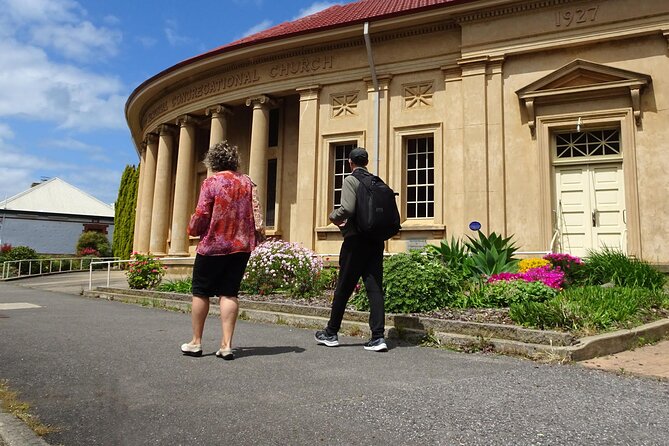
Next up is the Newland Memorial Uniting Church, where the guide talks about early European settlers and the legacy they left behind in the development of Victor Harbor. Churches like this usually matter because they sit at the intersection of community life and long-term settlement patterns.
Here’s what I think is especially valuable: you’re not just hearing about big events. You’re also hearing about the kind of imprint ordinary settlers left through institutions and day-to-day life. That’s what makes the town feel more human as the walk continues.
The stop is short, so don’t expect a long architectural lecture. Instead, it works as a story checkpoint. You’ll connect what you saw earlier on the coast with what happened on land—how people moved in, formed communities, and shaped the town’s future.
Warland Reserve: Victor Harbor as a working port
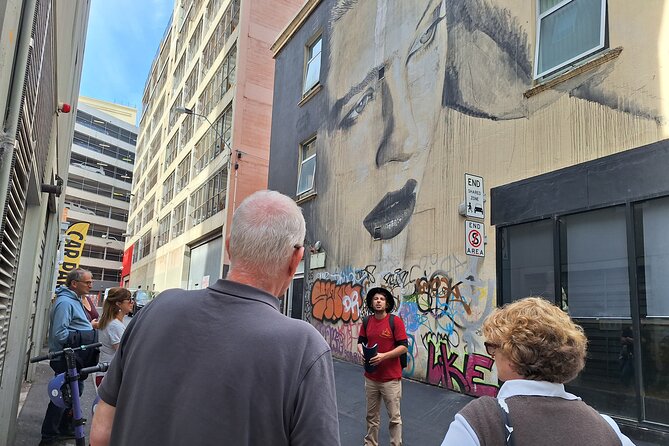
The walk then moves to Warland Reserve, where the tour covers Victor Harbor’s history as a port and how early transportation of goods was handled—specifically goods headed to the Northern Hemisphere. This is where you start understanding the town’s growth logic.
It’s easy to think of Victor Harbor as a tourist place first. This stop helps you see it as a hub in its earlier days, where shipping and movement of goods drove change. You’ll also get a sense of how the port shaped where buildings appeared and which stories mattered most.
One practical note: because the tour is timeboxed, you’ll want to pay attention to the guide’s pacing here. If you drift into photo mode, you might miss the flow of the port story. Bring a camera, sure—but keep your listening ear on during the key explanations.




Railway Terrace and the lives behind the streets
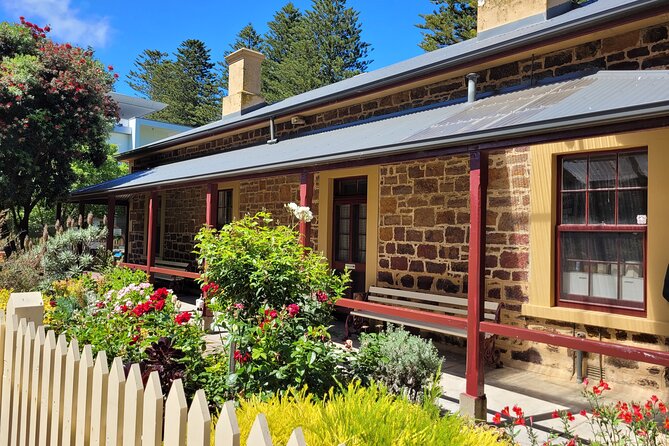
At Railway Terrace, the tour shifts from port movement to personal settlement stories. This stop focuses on early settlers and their lives, which is a smart change of pace. After learning how goods moved and where the town grew, you want the human side—how people actually lived through it.
This is also a good moment to look around and notice details. Even when you’re not a history buff, streets can still feel meaningful once you understand what they connected. The guide’s stories give you a lens for the built environment, so the walk stops feeling like sightseeing and starts feeling like comprehension.
If you’re traveling with family or friends who normally tune out on history, this stop is often where it clicks. The stories are tied to real places, and you’re not stuck in one spot.
Coral Street’s Town Hall and Library, then Coral Art Centre

The tour’s final stop is at Coral Street, outside the original Town Hall and Library. This is where the walk wraps up with cultural beginnings—how the town developed beyond just trade and transport.
What I like here is the way it gives the story an ending you can recognize. You see a civic and cultural anchor, so it feels like the tour is closing a loop: coast and exploration, settlers and community, port growth, daily life, then culture.
The tour ends at the Coral Art Centre at 10 Coral St. Ending there is handy because it gives you an easy next step. Even if you don’t go in, you can keep walking along the area with more context in your head.
Price and value: $25.10 for a guided story route
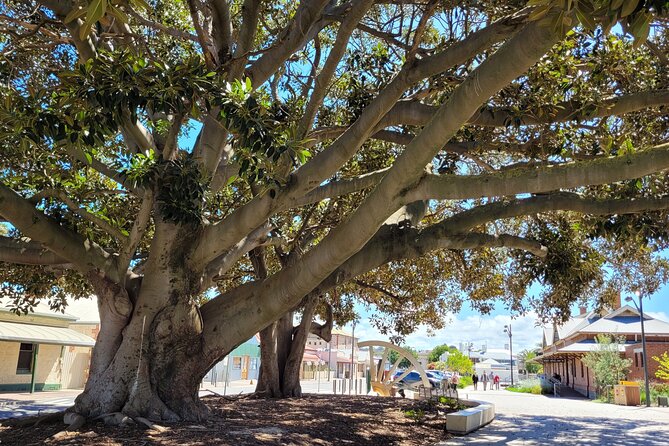
At $25.10 per person, this tour is priced like a “small time investment” activity—cheap enough to fit into a budget day, but structured enough to feel worth it. You’re paying for guided interpretation, not museum entry. And the stops you visit are largely free to access, with the value coming from the guide’s storytelling.
A big part of the value is the group size. With a maximum of 12 travelers, the tour can keep the pace human and the explanations clear. That’s often where cheap group tours fall apart—either too crowded or too rushed. Here, the format is built to avoid that.
Also, the duration—about 1 hour 30 minutes—is ideal. It gives you a history-focused introduction without squeezing out other experiences.
If you’re wondering about demand, note that it’s commonly booked around 12 days in advance. That’s not a reason to panic, but it is a hint that popular times can fill up.
How Caroline’s pacing changes the experience
One of the strongest pieces of feedback tied to the tour is the guide’s ability to make Victor Harbor feel like a story you can picture. A review specifically highlighted Caroline for bringing the town’s history to life and keeping the tour well-paced and enjoyable.
That style matters. A walking tour can easily turn into a sprint of facts, or it can become a slow march with little payoff. The praise here suggests a middle path: enough detail to feel real, while the timing stays friendly.
You’ll also notice the tour doesn’t just focus on buildings. The guide talks about local residents and includes sightings or mentions of local wildlife, which helps the town feel alive instead of frozen in the past.
Who this walking tour suits best
This is a good fit if you want:
- A quick history primer for first-time visitors
- A route that mixes port stories, community development, and seaside views
- A small group experience with a guide who uses a clear pace
It’s also a nice option for people who prefer outdoor sightseeing with structure. You’re not stuck in a single indoor location, and the route connects multiple parts of Victor Harbor in one go.
If you’re already a hardcore Victor Harbor expert who knows every street story, you might find the stops familiar. But for most travelers, this tour is a practical way to build context fast.
Should you book this Victor Harbor walking tour?
I’d book it if you’re aiming to understand Victor Harbor beyond the obvious postcard angles. The combination of Encounter Bay views, port development to the Northern Hemisphere, and heritage building storytelling is exactly the kind of “short guided perspective” that makes a town click.
Skip it only if you strongly prefer self-guided exploring with no narration, or if you know you won’t do well with outdoor walking in changing weather. Since the tour requires good weather, you’ll want to check conditions before you commit.
If you want a compact, well-structured introduction that ends with a cultural anchor at the Coral Art Centre, this one makes a lot of sense.
FAQ
How long is the Discover Victor Harbor Walking Tour?
It runs for approximately 1 hour 30 minutes.
How much does the tour cost?
The price is $25.10 per person.
Where do I start and where does it end?
You start at Victor Harbor Horse Drawn Tramway Esplanade, Victor Harbor SA 5211, and you finish at 10 Coral St, Victor Harbor SA 5211.
How many people are in a group?
The tour has a maximum group size of 12 travelers.
Do I need to bring a printed ticket?
No. You receive a mobile ticket.
Are service animals allowed?
Yes, service animals are allowed.
What if the weather is poor or I need to cancel?
The tour requires good weather. If it’s canceled due to poor weather, you’ll be offered a different date or a full refund. You can also cancel for free up to 24 hours before the experience starts for a full refund.