REVIEW · BUSSELTON
Dunsborough Whale Watching Eco Tour
Book on Viator →Operated by Naturaliste Charters · Bookable on Viator
Whales near Dunsborough make time fly. This 2.5-hour Naturaliste Charters whale watching trip lets you scan for humpbacks, southern right whales, and blue whales from the boat’s cabin, deck, or flybridge. You also get onboard commentary from a marine science-trained crew, plus coffee or tea and snacks to keep you comfortable while you search the horizon.
I love the setup because you can move to the best viewpoint as whales surface. And I love the value safety net: if you don’t sight whales, you’re offered a free return tour (bookable on another day within one year, subject to availability).
One key consideration: sightings depend on conditions, and the tour is weather dependent—so be ready for a schedule shuffle or a seasickness moment even on a calm day.
In This Review
- Key highlights worth planning around
- Why Dunsborough whale watching feels worth the $75.31
- Morning or afternoon tours: pick the vibe, not just the time
- Boarding at Quindalup’s Professional Fishermans Boat Ramp
- What the cruise does with your time on water
- Watching from the cabin, deck, and flybridge (and why it helps photos)
- The marine science commentary that actually improves spotting
- Tea, coffee, and biscuits: small comfort that matters
- Which whales you can realistically expect near Dunsborough
- Boat comfort, space, and how crowded it should feel
- Weather reality: seasickness and what to do about it
- If you don’t see whales: the free return tour value
- Should you book the Dunsborough Whale Watching Eco Tour?
- FAQ
- Where does the tour start?
- How long is the Dunsborough Whale Watching Eco Tour?
- Is tea or snacks included?
- Is hotel pickup included?
- What months does the Dunsborough whale watching season run?
- What whale species are they looking for?
- What marine life might you see besides whales?
- What happens if no whales are sighted?
- What happens if the tour is cancelled due to weather?
- How big is the group?
Key highlights worth planning around
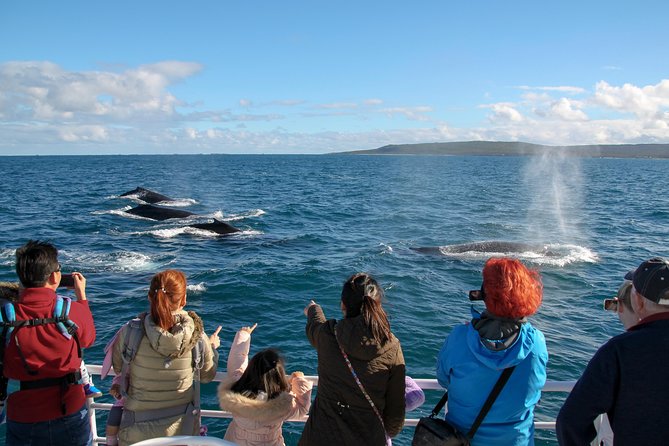
- Multiple viewing levels: cabin, deck, and flybridge let you spread out and watch comfortably
- Small-to-mid size outing: up to 90 travelers, with room to move during whale spotting
- Onboard morning or afternoon tea: coffee, tea, milo, green tea, and biscuits included
- Marine science commentary: trained crew explain what you’re seeing and what to look for
- If whales don’t show: free return tour within one year (non-transferable, subject to availability)
- Long-running operator: Naturaliste Charters has run whale watching from the region for 30+ years
Why Dunsborough whale watching feels worth the $75.31
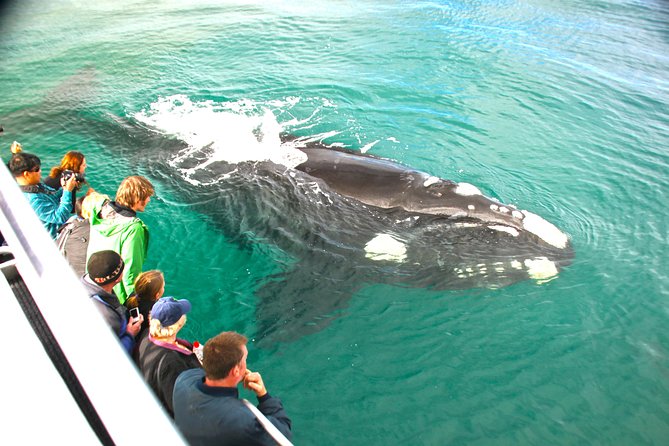
For $75.31, you’re not just paying for a boat ride—you’re paying for time on the water with an expert group that helps you spot whales faster. The cruise runs about 2 hours 30 minutes, which is short enough to fit into a busy South West WA itinerary, but long enough for real whale-watching behavior to happen.
Naturaliste Charters is also one of the longest-running operators in the Southwest. They’ve been running professional whale watching tours out of the Margaret River region for more than 30 years, and that matters because whale watching is half luck and half skill.
If you love wildlife photography, this tour is built for you. You’re encouraged to watch from different spots on the vessel, so you’re not stuck craning from one seat the whole time.
You can also read our reviews of more whale watching tours in Busselton

Morning or afternoon tours: pick the vibe, not just the time
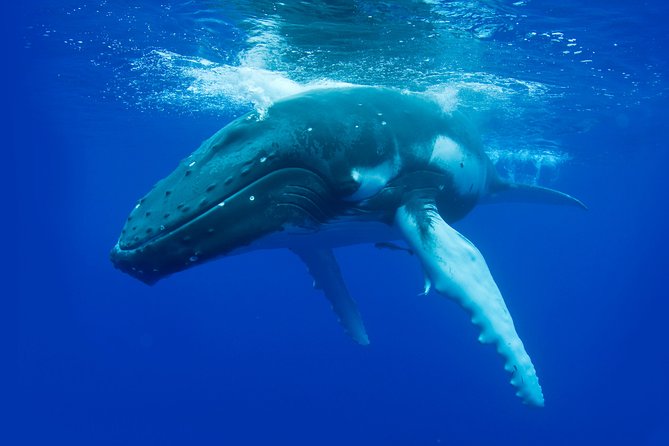
This tour runs with departures daily during the whale season window mentioned for Dunsborough, roughly September through early December. If you’re juggling plans, the morning and afternoon departures make it easy to slot in without losing a full day.
Morning trips can feel calmer and give you a fresh start along the coast. Afternoon trips can match your sightseeing pace in the Margaret River area. Either way, the big thing is timing your expectations: whales are moving through these waters on migration, and what you find can shift with the season.
Also note the broader seasonal logic for the Southwest. Dunsborough operates from August to November, while Augusta runs from late May until August. The region’s Cape to Cape season covers about six months across northern and southern migrations, so your chance of seeing different whale types depends on when you go.
Boarding at Quindalup’s Professional Fishermans Boat Ramp
Your meeting point is straightforward: Professional Fishermans Boat Ramp, 306 Geographe Bay Rd, Quindalup WA 6281. The good part? You’re not stuck waiting for hotel pickup. The tour starts and ends back at this same ramp, so you can plan your morning or afternoon without a long transfer.
Because there’s no pickup or drop-off, build in a little extra buffer to park, walk to the dock, and get settled. When tours are smooth, your first half hour matters for positioning on the boat.
The tour also uses a mobile ticket, which keeps things quick at check-in. Service animals are allowed, and children must be accompanied by an adult, so plan for a straightforward family flow if that applies to you.
What the cruise does with your time on water
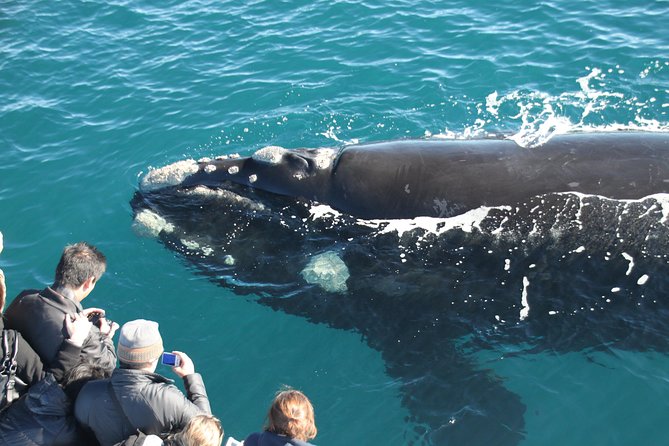
This isn’t a multi-stop day tour with long drives between viewpoints. Instead, your “itinerary” is basically the cruise itself: loading up, going out to find whales, then returning when the session ends.
Here’s how that typically feels once you’re underway:
- You get out of the harbor area and start scanning for whale activity.
- As whales surface, you’ll likely spend time watching behavior rather than sprinting from place to place.
- The crew guides you on where to look, and you’re free to move between viewpoints on the vessel.
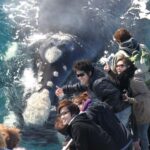
The overall promise is simple: you’re on the water to look for humpback whales, southern right whales, and sometimes blue whales, depending on the season. Along the way, you might also see other marine life like dolphins and seals.
The short-and-focused format is a real plus. After 2.5 hours, you’ll still have daylight to do something else.
Watching from the cabin, deck, and flybridge (and why it helps photos)
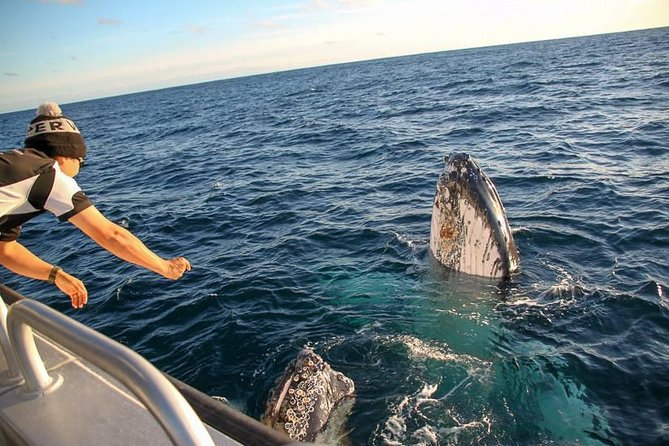
One of my favorite design details is the ability to watch whales from more than one level: the boat’s cabin, deck, and flybridge. This matters because whale behavior is unpredictable. If whales surface one area more than another, you want options.
On a calm day, the deck becomes your best friend. On choppier conditions, the cabin can be a calmer spot to keep your eyes on the water without fighting wind and spray. The flybridge usually gives you higher sightlines, which helps with spotting blows and breaches earlier.
A practical tip: wear shoes you trust on a moving vessel. Even when the boat is seaworthy and comfortable, decks can get slick. And if you’re filming, pick a spot where you can pivot your body without stepping over other people.
The marine science commentary that actually improves spotting
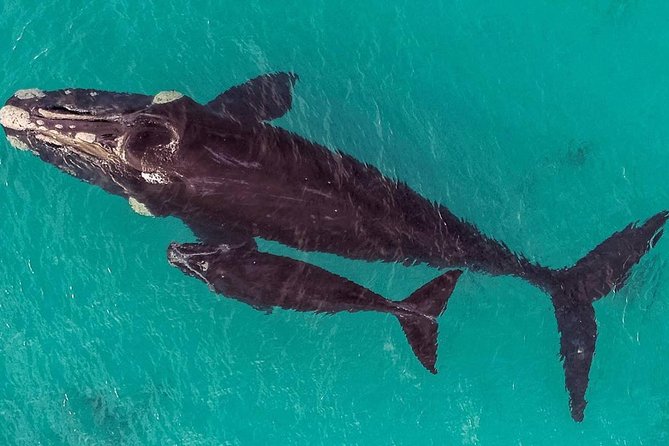
This trip is guided by crew trained in marine science, and they provide onboard commentary as you watch. The result is that you spend less time guessing and more time recognizing behavior.
You’ll often hear explanations tied to what’s happening in front of you:
- what a surfacing pattern might mean
- why whales move the way they do
- what to look for beyond the splash
This is where the tour becomes more than entertainment. You leave with a clearer picture of how humpbacks, southern right whales, and the occasional rarer sightings fit into migration along this coastline.
Some departures also highlight individual crew members by name in guest feedback, including people like Jacko and Jade, who were praised for explaining whale behavior and sea life. You might not get the same crew every time, but the common thread is clear: the commentary aims to make you a better observer.
Tea, coffee, and biscuits: small comfort that matters
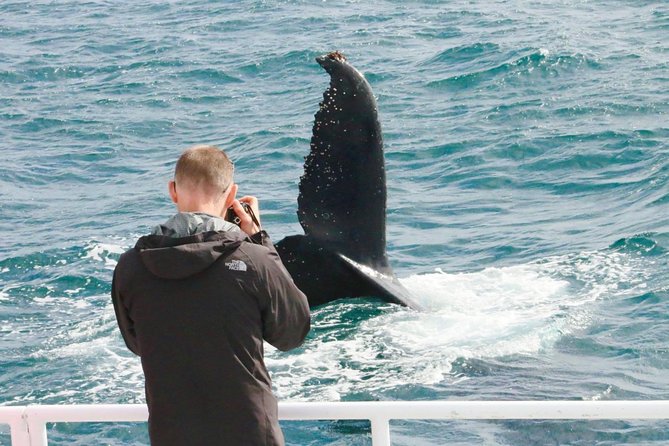
You get complimentary morning or afternoon tea onboard, including coffee, tea, milo, green tea, and biscuits. On a whale watching cruise, that’s not a gimmick. It’s a practical way to keep you warm and steady while you scan the water for 10–20 minutes at a time.
If you’re doing the morning tour, it’s a gentle start before your next activity. If you’re on an afternoon departure, it helps you avoid the energy crash that often hits after lunch.
Bring your own layers too—on open water, a light wind can cool you down fast even in sunny weather.
Which whales you can realistically expect near Dunsborough
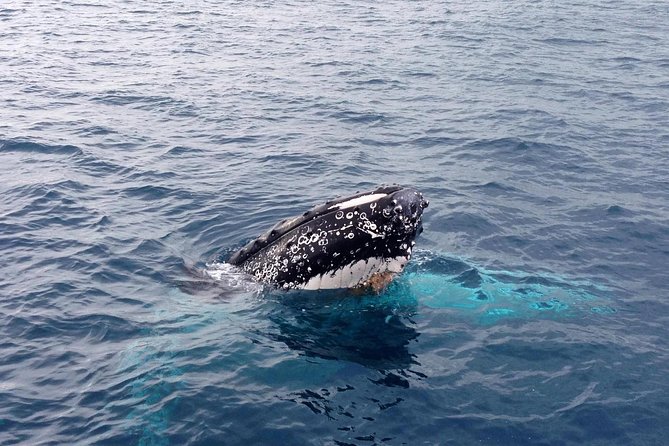
The tour specifically looks for humpback whales, southern right whales, and elusive blue whales. On rare occasions, sightings can include blue and minke whales, depending on conditions and season.
Here are the marine life possibilities mentioned for this region and route:
- Humpback Whales
- Southern right whales (included in the target species)
- Blue & Minke whales on rare occasions
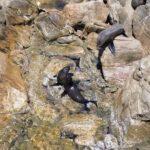
- New Zealand fur seals
- Bottlenose & common dolphins
- Sea birds
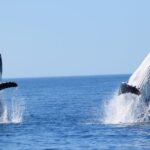
From the way the cruise is described, the focus is on respectful observation. You’re watching whales cruise, breach, and frolic, and the crew works to give everyone viewing chances without crowding the animals.
If you’re visiting in the later part of the Dunsborough season (around November), it can still be great for humpbacks, and blue whale luck can happen. Just be flexible with expectations, since whales are not predictable like a zoo exhibit.
Boat comfort, space, and how crowded it should feel
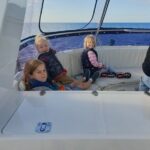
The vessel used by Naturaliste Charters is purpose-built for whale watching. It has indoor seating plus a spacious deck and a flybridge for scanning. With a maximum of 90 travelers, you should be able to find breathing room and shift viewpoints when you need to.
The boat is designed so you can keep your eyes on whales without feeling trapped in one location. Guests have also praised the boat as modern and comfortable, and that matches what you’d want for a 2.5-hour saltwater outing.
For you, the real value of comfort is simple: it helps you stay focused. Whale watching is not quick sightseeing. Being able to move, lean forward safely, and stay warm or sheltered increases your chances of a great experience.
Weather reality: seasickness and what to do about it
This tour depends on favorable weather conditions. If it’s canceled due to poor weather, you’ll have a choice between an alternative date or a full refund. That’s the best-case scenario.
But even when the weather is decent, water can still feel different from shore. Some people can get seasick on boats, and you should plan accordingly if you’re sensitive.
Practical things that help:
- sit where movement feels least (often mid-boat)
- keep your eyes on the horizon when you can
- bring a light layer or rain protection
- consider motion-sickness prevention if you’ve needed it before
If you go in with that mindset, the boat time stays enjoyable instead of stressful.
If you don’t see whales: the free return tour value
Here’s one of the biggest reasons I’d consider this tour seriously: if no whales are sighted, you get a free return tour to try again. It’s offered at no additional cost and can be booked for another day within one year (subject to availability), and it’s non-transferable.
That policy changes the math. On a whale-watching day trip, the risk is always the same: you’re paying for time on the water, and whales might not show. With this free return option, your money is less exposed to pure luck.
It doesn’t guarantee whales either. But it does give you a second shot without paying again, which feels fair.
Should you book the Dunsborough Whale Watching Eco Tour?
If you want a straightforward wildlife outing that’s designed for spotting whales, I think this is a strong pick. You get expert marine science commentary, the boat gives you multiple viewing levels, and the trip stays short at about 2.5 hours, which helps you fit it into a well-paced South West WA schedule.
I’d book it if:
- you’re traveling to the Margaret River region and want a high-probability wildlife experience
- you like photography and want access to different spots on the boat
- you want included onboard tea/coffee/biscuits to keep the experience comfortable
- you appreciate a company that handles the no-sighting situation with a free return
I might pass or wait to the right season if:
- you can’t handle any possibility of rougher water
- you’re only visiting outside the Dunsborough whale watching window (since this is tied to seasonal migration timing)
If you’re flexible on weather and you really want to learn as you watch, this tour earns its place on a South West WA trip.
FAQ
Where does the tour start?
The tour starts at the Professional Fishermans Boat Ramp, 306 Geographe Bay Rd, Quindalup WA 6281, Australia. It ends back at the same meeting point.
How long is the Dunsborough Whale Watching Eco Tour?
The tour duration is approximately 2 hours 30 minutes.
Is tea or snacks included?
Yes. Complimentary morning or afternoon tea is included, with coffee, tea, milo, green tea, and biscuits.
Is hotel pickup included?
No. Hotel pickup and drop-off are not included.
What months does the Dunsborough whale watching season run?
For Dunsborough, the season is described as operating from August to November. Tours depart daily between September and early December.
What whale species are they looking for?
The tour aims to look for humpback whales, southern right whales, and blue whales. Blue and minke whales are mentioned as rare possibilities.
What marine life might you see besides whales?
You might encounter New Zealand fur seals, bottlenose and common dolphins, and sea birds.
What happens if no whales are sighted?
If no whales are sighted during your tour, you receive a free return tour to try again. It can be booked for another day within one year (subject to availability) and is non-transferable.
What happens if the tour is cancelled due to weather?
If cancelled due to poor weather, you’ll be offered an alternative date or a full refund.
How big is the group?
The tour has a maximum of 90 travelers.