REVIEW · MELBOURNE
Melbourne Laneways Tour
Book on GetYourGuide →Operated by MELTours · Bookable on GetYourGuide
Laneways in Melbourne hide stories in plain sight. On this 3-hour walk, you follow a local guide through alleyways where street art, old buildings, and city history all sit side by side. Guides like Kathy, San, and John are mentioned by name in past groups, so you get that lived-in feel rather than a script.
What I like most is the coffee stop built into the route, so you get a breather without wasting time hunting for a café. I also love that it’s a small group (up to 10), which helps the guide keep the pace comfortable and tailor what they point out.
One thing to consider: this is still a walking tour, so wear solid shoes and be ready for frequent street crossings, including some where you need to watch carefully in small laneways.
In This Review
- Key things to know before you go
- Why Melbourne’s laneways make a great guided walk
- Where the tour starts: St Paul’s Cathedral on Flinders Street
- The first stretch: getting your bearings in the maze
- Street art and unexpected artist moments
- Hidden shops, galleries, and laneway cafés (the fun part)
- The coffee stop: a smart break, not an interruption
- History you can actually picture: goldrush to Australia’s beginnings
- Pace, group size, and why the experience feels personal
- Practical details that affect your comfort
- Is it good value for $91 per person?
- Should you book this Melbourne Laneways Tour?
- FAQ
- How long is the Melbourne Laneways Tour?
- What is included in the $91 price?
- Where do I meet the guide?
- Is the tour wheelchair accessible?
- What is the group size limit?
- What are the cancellation options?
Key things to know before you go
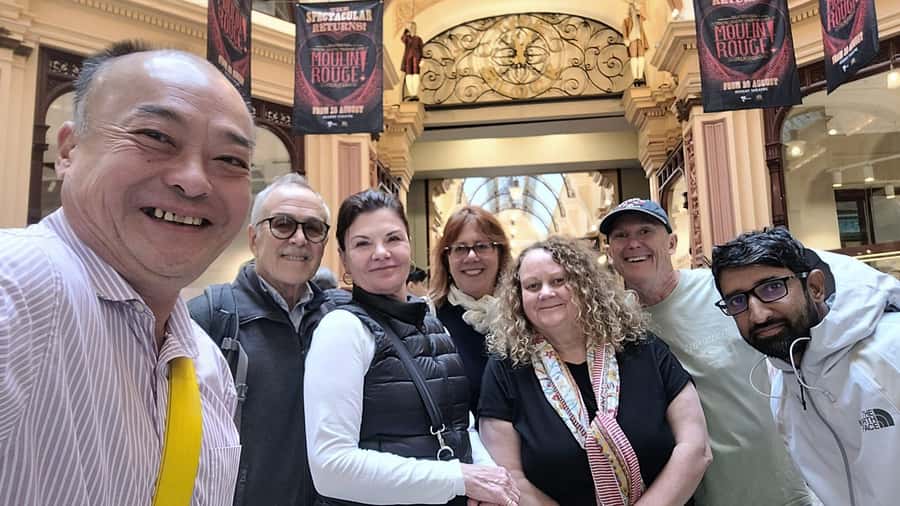
- Small group size (10 max) keeps the walk chatty and flexible
- Coffee stop included gives you a real break halfway through
- Street art sightings can include references to major artists you might not notice on your own
- Hidden shops and galleries in laneways are the point, not an add-on
- History from goldrush to Australia’s beginnings ties the alleys to the city’s growth
- A guide’s local route helps you find places you’d simply walk past
Why Melbourne’s laneways make a great guided walk
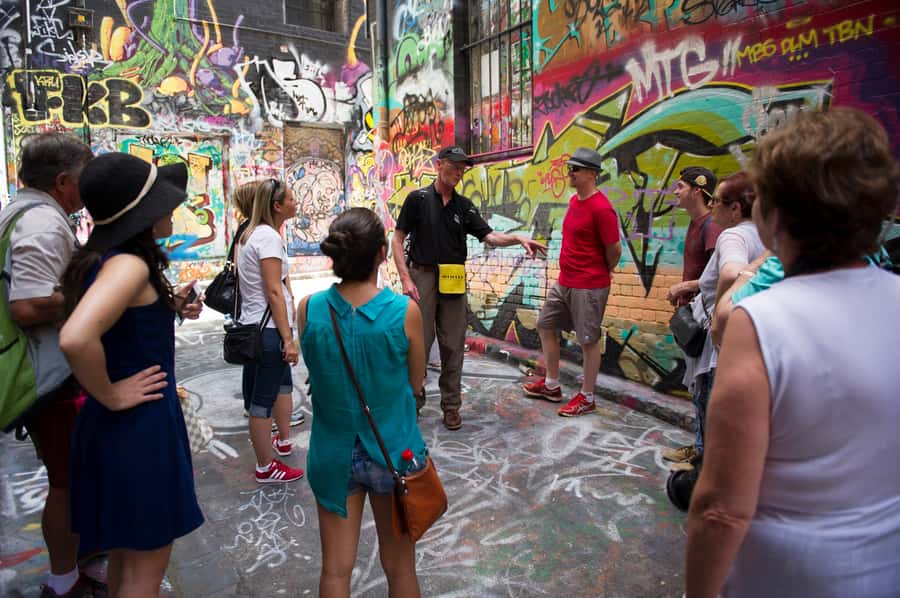
Melbourne’s laneways work like shortcuts through the city’s personality. Street art and architecture aren’t just decoration here; they’re part of how the city tells its story, block by block. With a guide, you don’t just see the graffiti and brickwork, you learn why these spaces exist and how people have used them over time.
I also like that the tour isn’t only about art. You get a mix of street art, historic buildings, and city backstories that connect the lanes to Melbourne’s growth from the goldrush era toward the birth of Australia. If you enjoy understanding why a place looks the way it does, this format clicks.
You can also read our reviews of more tours and experiences in Melbourne.



Where the tour starts: St Paul’s Cathedral on Flinders Street
Your meeting point is St Paul’s Cathedral, right at the corner of Flinders St and Swanston St. Meet on the front walkway of the church between the main Flinders St entrance and the side door on Swanston St.
Look for your guide carrying a blue bag with a yellow sash. It’s a small detail, but it matters in a busy city center because it helps you spot the group fast and start the walk without stress.
The first stretch: getting your bearings in the maze
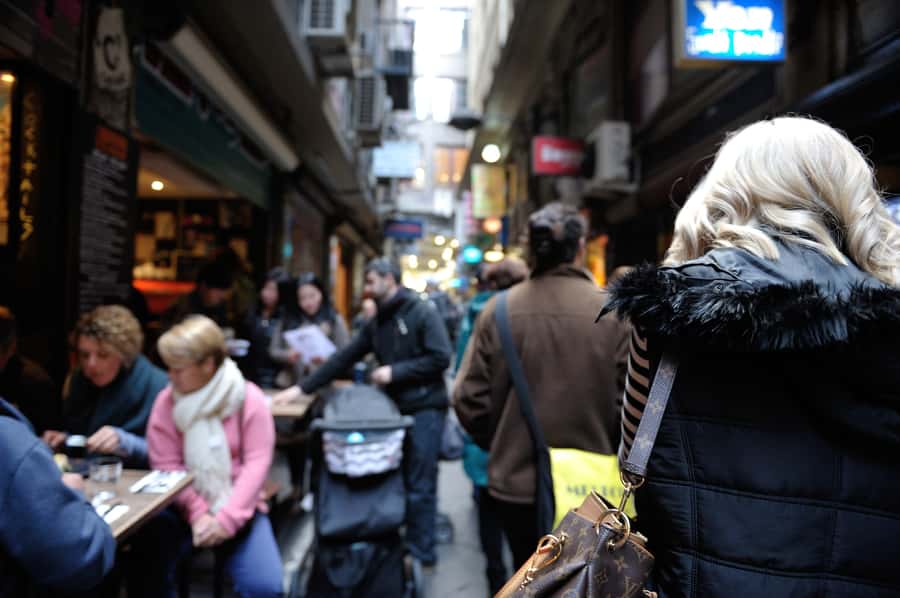
Right away, you’ll start weaving through the lane network, and that’s where the tour earns its keep. Melbourne can feel like a grid until you’re suddenly turning into a narrow passage where you’d swear you took a wrong turn. The guide helps you interpret what you’re seeing and why it’s tucked where it is.
This early part is also a great time to ask questions, since the group is still fresh and the guide hasn’t rushed you into “just follow along.” You’ll learn the basic rhythm: where lanes connect, how arcades and side streets function, and what to notice in architecture versus street art.
Street art and unexpected artist moments
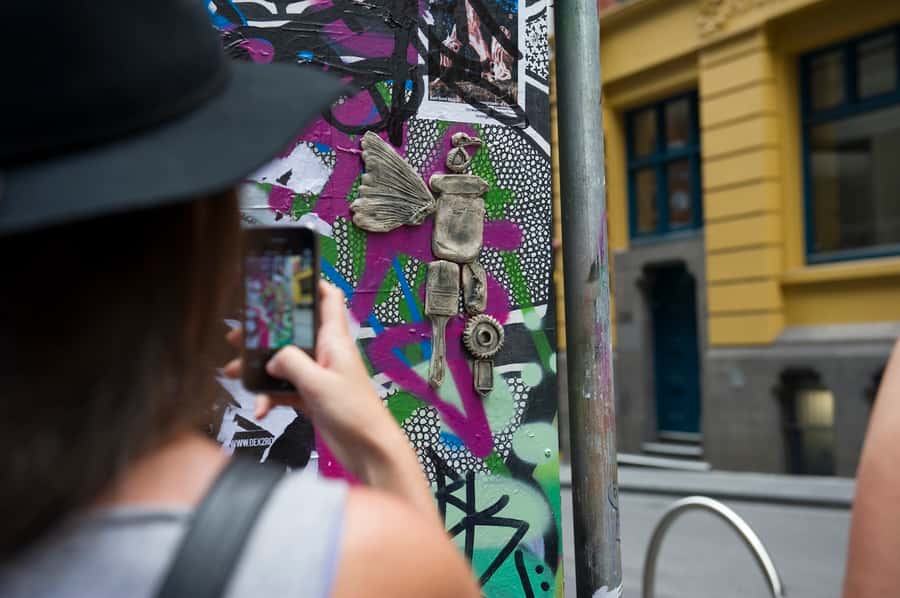
The star attraction is how much street art is tucked into the small spaces people usually ignore. A lot of the appeal is that you’re moving slowly enough to actually see details: layers of paint, different styles on adjacent walls, and the way artists use the lane’s narrow geometry.
One review mentioned specific references a guide knew to point out, including Banksy parachute rats and Space Invader-style work. Even if you don’t get every exact piece, the bigger value is learning what to look for and how to spot meaningful work in plain sight.
And because this is a walking tour, you’re not stuck staring at a single wall from one angle. You get multiple views as you turn corners and move down the passage, which makes the art feel like part of the city’s flow.
Hidden shops, galleries, and laneway cafés (the fun part)
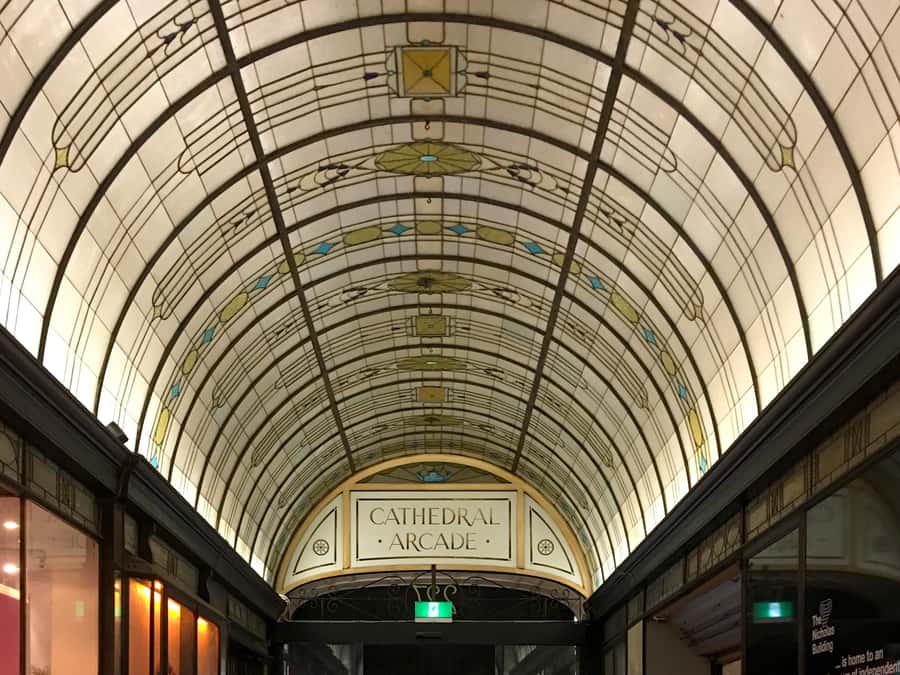
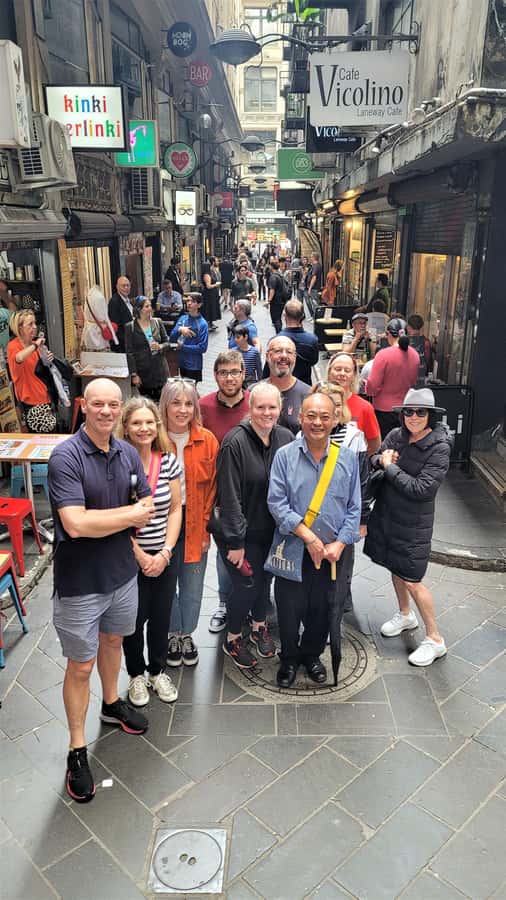
The tour’s second job is to show you places you would likely miss if you were exploring solo. The laneway world is full of doors that don’t look special from the street, but inside you’ll find small shops, galleries, and laneway cafés that match Melbourne’s more creative side.
This is where the local guide matters most. They don’t just say this is a cool alley. They point out why it became a destination, what kind of businesses typically thrive in these spaces, and what kind of vibe you’ll want to seek out afterward.
If you’re the type who loves shopping but hates touristy streets, this segment tends to feel like a win. If you’re not into shopping, you can still enjoy it for the pacing and atmosphere, since the guide is steering you toward interesting storefronts and art spaces without turning it into a full retail crawl.



The coffee stop: a smart break, not an interruption
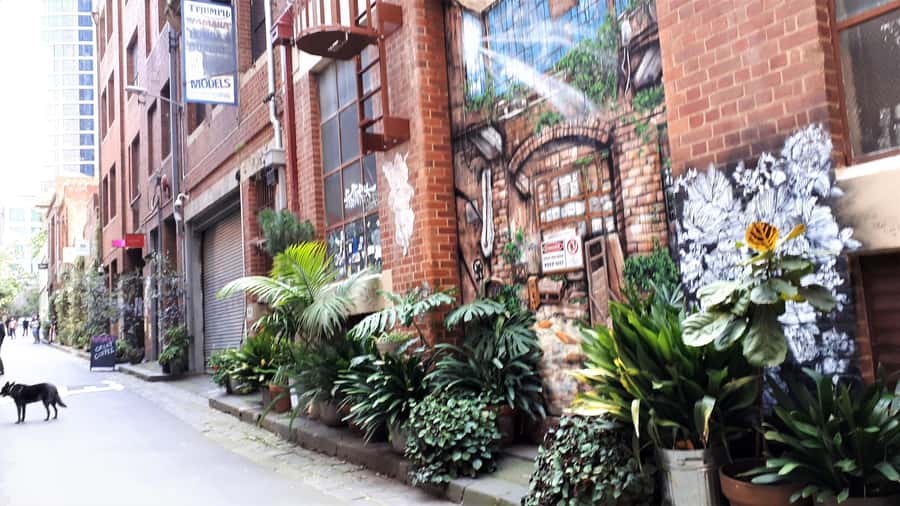
The tour includes a coffee stop, which I think is an excellent value-add for a 3-hour experience. It gives you a chance to reset, hydrate, and look over photos while the guide continues the story in a more relaxed setting.
Also, coffee stops in laneways often come with better people-watching and calmer energy than you get at major intersections. You can use that break to recharge your legs for the final stretch, especially if you’re walking through lots of narrow passages and frequent crossings.
One practical tip: since you’re on a schedule, keep your order simple so you’re ready when the group is. The pace tends to work best when everyone stays together.
History you can actually picture: goldrush to Australia’s beginnings

A big reason people love this kind of tour is that it makes history feel visible. Instead of reading plaques later, you’re hearing how Melbourne’s lane system connects to the city’s evolution.
You’ll get a customized mix of history and architecture, with the storyline running from the goldrush era to the birth of Australia. In practical terms, that means the guide ties changes in the city—growth, development, and building styles—to the way the laneways were used and preserved.
This works well if you like “cause and effect” history. You’ll start noticing building forms, how the city density shaped these passages, and why old structures ended up living cheek-by-jowl with new street art.
Pace, group size, and why the experience feels personal
With up to 10 participants, you’re not getting shoved into a crowd. You move at a walking pace that feels workable for most people on a typical city break, and the guide can slow down when someone wants photos or a closer look.
Many groups also praise how guides adjust to linger in certain spots, so you don’t feel like you’re being rushed past the best walls. If you care about photography, this structure helps because you’re turning corners slowly enough to stop and frame things properly.
Important practical note: controlled pedestrian crossings are used whenever possible, but in small laneways you have to watch out for your own safety. That’s normal for city walking, but it’s still worth taking seriously—especially if you’re distracted by art details.
Practical details that affect your comfort
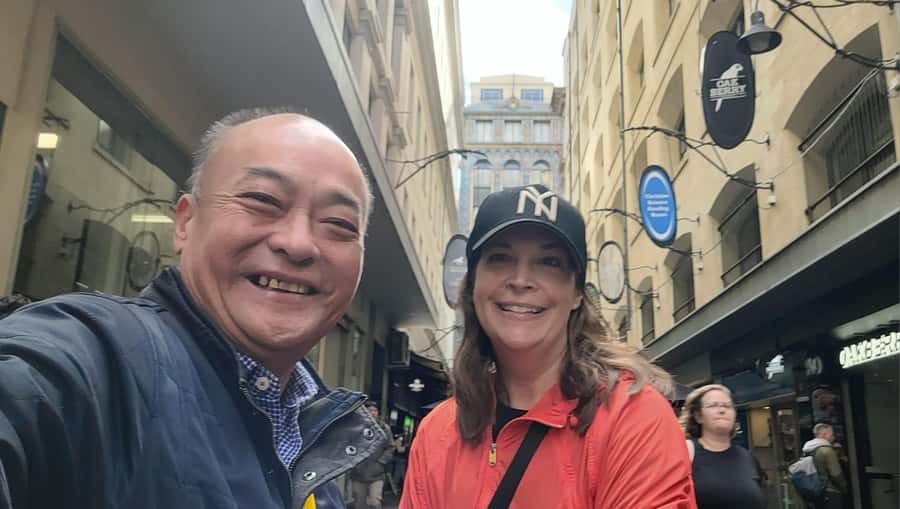
This is a walking tour, so wear suitable footwear. You’ll be on sidewalks and in and out of narrow laneway areas where footing can be uneven and distractions are high (street art is worth slowing for, but you still need to watch where you step).
The tour is led in English by a live guide. Guides are qualified in first aid at Level 2, and it’s still smart to let them know if you have any outstanding health issues before you start.
If you use a wheelchair, the tour is listed as wheelchair accessible, and you can also request a private tour for those with disabilities or for families with children younger than 13 years.
Is it good value for $91 per person?
At $91 for a 3-hour guided walk, the value mainly comes from what’s included and what’s not. You’re paying for:
- A live guide who can point out details you’d probably miss
- A small group size (up to 10)
- A coffee stop built into the timing
If you would otherwise spend the first day of your trip wandering without a plan, this can save you time. It also gives you a better sense of where to return later—especially for street art and the kinds of cafés and small galleries you can’t predict from the main roads alone.
It’s less “buy this and forget it” and more “buy this if you want context.” If you enjoy stories, architecture, and finding places on purpose, $91 doesn’t feel random.
Should you book this Melbourne Laneways Tour?
Book it if you want to understand Melbourne fast—street art plus city history plus practical guidance on where to look. I’d especially recommend it early in your stay. After a tour like this, it’s easier to navigate the laneways and pick your own stops for the rest of your trip.
Skip it if you’re chasing only famous landmarks and don’t care much about narrow streets, art, and historical context. This experience is tuned to the lanes, not the big “stand here and pose” sights.
If you can handle a steady walk and you’re curious about why Melbourne’s alleyways matter, this is one of the more satisfying ways to spend a morning or early afternoon in the city.
FAQ
How long is the Melbourne Laneways Tour?
The tour lasts 3 hours.
What is included in the $91 price?
The tour includes a coffee stop and a tour guide.
Where do I meet the guide?
Meet at St Paul’s Cathedral, Melbourne, corner of Flinders St & Swanston St. Stand on the front walkway between the main Flinders St entrance and the side door on Swanston St. The guide will carry a blue bag with a yellow sash.
Is the tour wheelchair accessible?
Yes, the tour is listed as wheelchair accessible. For some needs (including families with children younger than 13), a private tour can be arranged.
What is the group size limit?
The tour is limited to a small group of 10 participants.
What are the cancellation options?
You can cancel up to 24 hours in advance for a full refund.