REVIEW · ADELAIDE
Flinders Ranges & Outback: 3-Day 4WD Tour from Adelaide
Book on GetYourGuide →Operated by SA Eco Tours · Bookable on GetYourGuide
Flinders Ranges in 4WD feels like a reset button for your brain. This 3-day eco safari pairs big scenery with real wildlife searching, Aboriginal culture, and guided walks you can actually take your time on. I especially loved Wilpena Pound for how close you get to the geology, and I also liked the chance to look for yellow-footed rock wallabies in Warrens Gorge.
A small caution: this trip goes into the outback, and conditions can be unpredictable. If you’re the type who likes everything timed to the minute and zero effort on your end, you might find it a bit more hands-on than you expected.
In This Review
- Key things I’d book this for
- Getting to the ranges from Adelaide without wasting the day
- Day 1: Rawnsley Park Station, a bush walk among ancient mountains, and wallabies
- Possible day-one consideration
- Day 2: Wilpena area gorges, fossils, and stargazing with a home-cooked dinner
- What to watch for on day two
- Day 3: Red gum forests, Melrose, and the Clare Valley wrap-up
- Day-three consideration
- Guides make the difference: Steve and Ben’s kind of service
- Wildlife, fossils, and Aboriginal art: what you’re really taking away
- Price and value: $1,624 per person and what that buys you
- Who should book this 3-day 4WD safari
- Should you book SA Eco Tours?
- FAQ
- What’s the group size on this Flinders Ranges 4WD tour?
- What time does the tour meet, and is pickup available?
- What meals are included during the 3 days?
- Is accommodation included?
- Are there optional extras during the tour?
- Do you have to do the bush walks?
- What’s the minimum age for children?
- Does the tour require travel insurance?
Key things I’d book this for
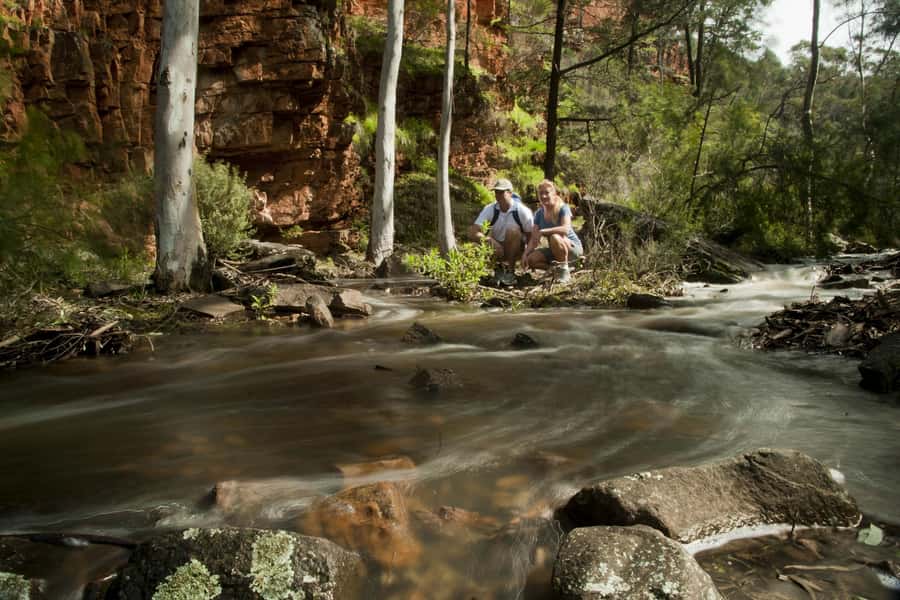
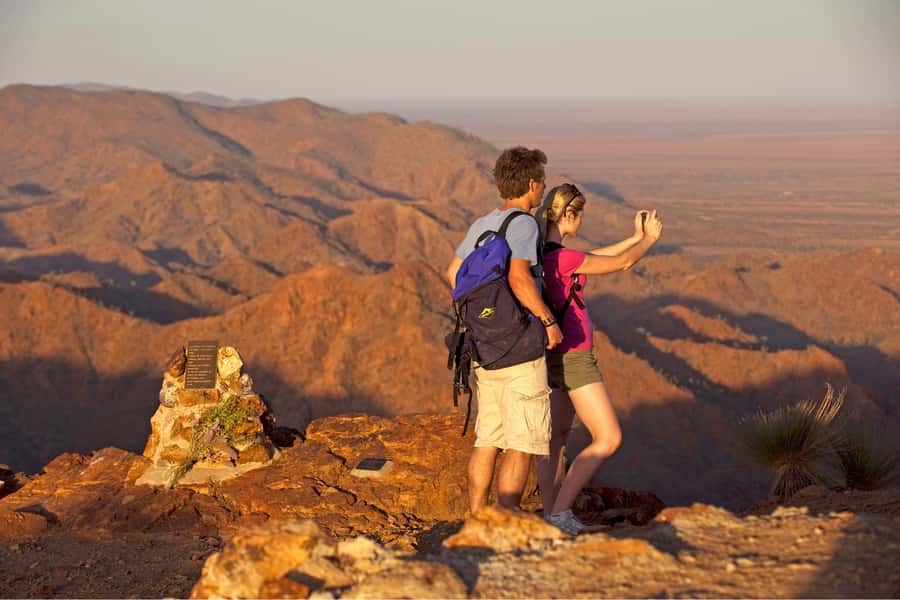
- Wilpena Pound views with bony, ancient context instead of just a photo stop
- Wallaby searching in Warrens Gorge Conservation Park, led by people who know where to look
- Bunyeroo and Brachina gorges for some of the oldest rock formations you’ll ever hear about on a tour
- Fossil spotting at Brachina Gorge, with a guide who can connect the science to what you’re seeing
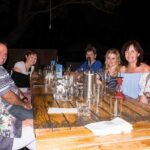
- Home-cooked dinner under the stars on night two, with a calm, down-to-earth vibe
Getting to the ranges from Adelaide without wasting the day
The tour starts early. You’ll meet at 7:25 AM, and if you’ve arranged hotel pickup, the local partner can collect you from about 7:30 AM. That morning start matters, because it gives you more daylight for the Flinders Ranges, plus it keeps your wildlife-watching window realistic rather than rushed.
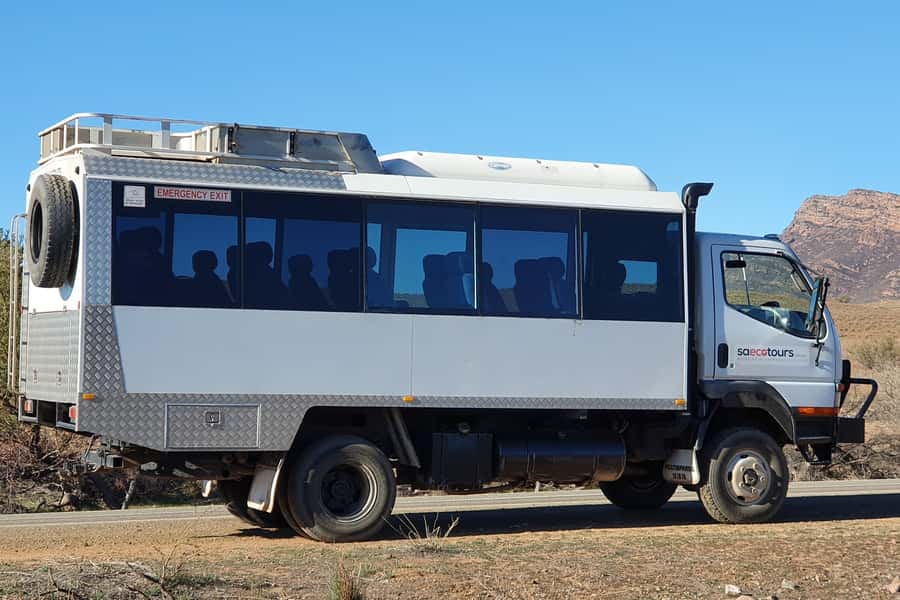
You’re also not driving yourself. Transport is handled in a comfortable air-conditioned vehicle, which is a big quality-of-life win on a multi-day outback trip. On top of that, the driver/guide is accredited and speaks English, so you get the context as you go—Pichi Richi Pass, small towns, conservation areas—without having to read interpretive signs while your brain is trying to keep up.
One of the understated benefits here is the small group size. Limited to 16 participants, it’s easier to keep a smooth pace through lookout points and bush walk stops. It also helps when you’re scanning for animals. You tend to see more when everyone’s not spread out like a crowd at a theme park.
And yes, you’ll be out in the wild places for hours at a time. The trade-off is that it feels like an eco safari, not a checklist tour.
A few more Adelaide tours and experiences worth a look
Day 1: Rawnsley Park Station, a bush walk among ancient mountains, and wallabies
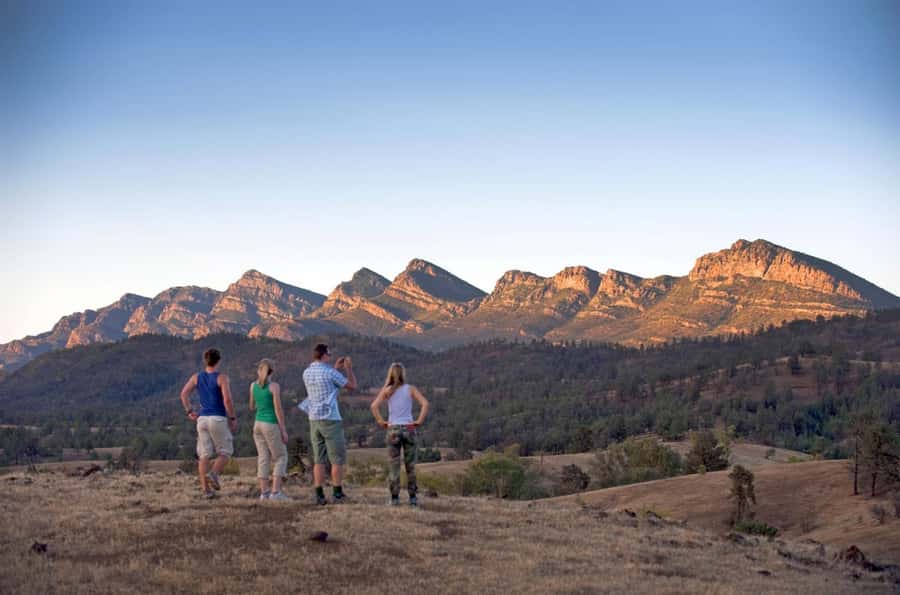
Day one is about rolling into the southern Flinders Ranges and letting the day unfold in the right order: history, walking, wildlife searching, then scenery.
You begin at Rawnsley Park Station in the southern ranges. From there, you’ll journey north and pick up local context along the way—enough to help you understand what you’re seeing, not so much that it turns into a lecture. You’ll also stop for a picnic lunch, which keeps the day flexible and practical.
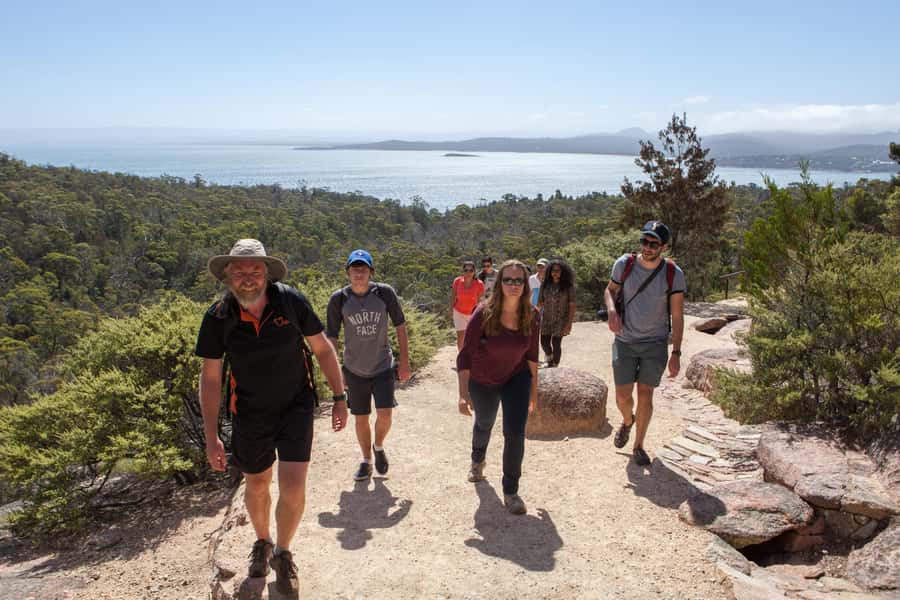
The highlight here is a bush walk surrounded by 600-million-year-old mountains. Even if you don’t call yourself a geology person, it changes how you look at the rocks. The guide’s role is key: they connect the age and the landforms to where you stand, so it stops being abstract and becomes personal.
Then it’s time for the scenery corridor. You travel through Pichi Richi Pass and the township of Quorn—a nice shift from open range into a more human-sized landscape. This is the kind of driving segment that makes the day feel like a journey, not just an arrival.
After that, you head to Warrens Gorge Conservation Park to search for yellow-footed rock wallabies. This is one of the tour’s “be there when it happens” moments. Even with good eyes, you’re relying on the guide’s spotting skill and the right vantage points.
One more thing I liked: the tour doesn’t treat Aboriginal culture like an add-on. You’re there to experience the land as part of that living story, including Aboriginal art mentioned as part of what you’ll look for along the way.
Possible day-one consideration
The outback means plans can adjust. If conditions shift, your timing and exact stops might vary. I’d treat that as normal here. You’ll enjoy it more if you keep an easy going mindset.
Day 2: Wilpena area gorges, fossils, and stargazing with a home-cooked dinner
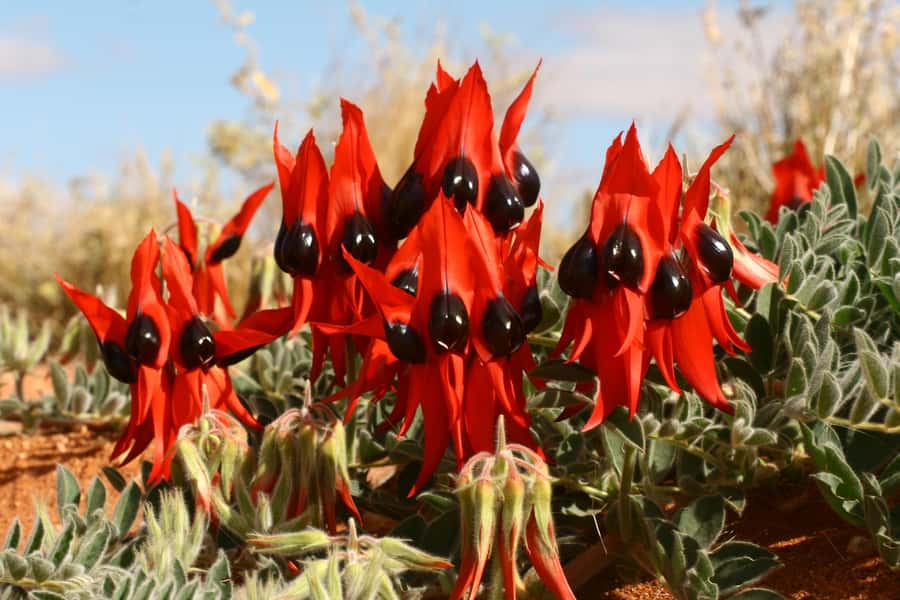
Day two is where the Flinders really turn from impressive to unforgettable.
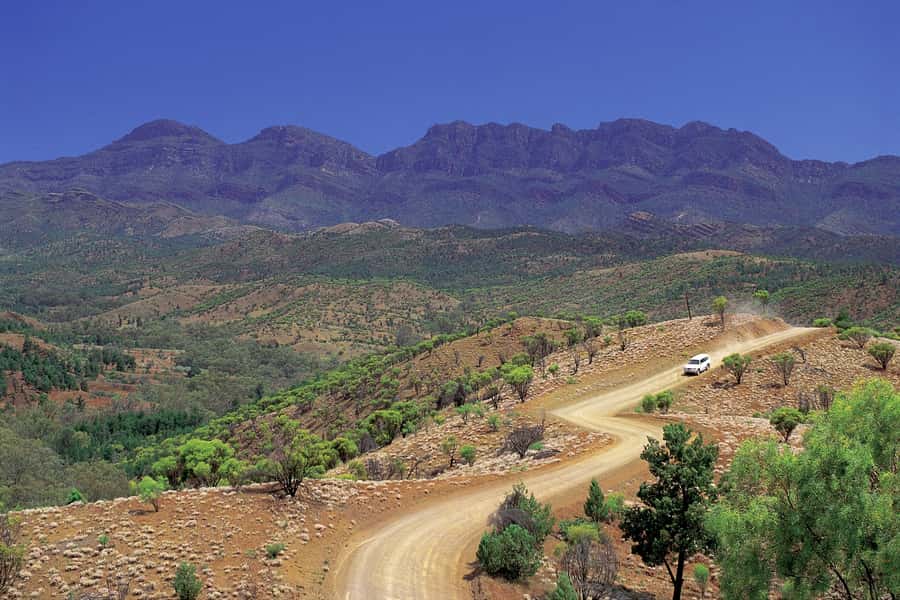
You’ll spend time around Wilpena Pound, with guided exploration of Bunyeroo and Brachina gorges. The big selling point is the age of what you’re seeing: these are among the oldest rock formations in the world. That sounds like marketing until you stand there and realize you’re looking at layers and formations that took an absurd amount of time to create. Your guide helps you translate the visual clues into a story you can follow.
In Brachina Gorge, you’ll have the chance to see fossils. This is especially rewarding if you’re the type who wants more than “pretty view.” Fossils make the land feel alive with time. You’re not just looking at distance; you’re looking at evidence.
This is also the day that balances effort with rest. The itinerary includes time to relax, and then the evening payoff is the best kind: dinner under the stars. It’s described as a home-cooked dinner, which matters. You’re not just eating, you’re slowing down and absorbing the night sky after a full day outside.
Meals included on day two are breakfast and lunch, plus that dinner. That reduces decision fatigue. You’re not scanning menus in places where options might be limited.
What to watch for on day two
Some parts of the experience are weather and light dependent, and in this region the light can make a huge difference for visibility in gorges and wildlife searching. If you’re prone to frustration when the schedule shifts slightly, remember this is a small-group outback tour. Flex is part of the deal.
There’s also an optional extra you can arrange: a scenic flight over Wilpena Pound on day two. If you’re torn, it’s worth considering because Wilpena Pound is hard to fully grasp from ground level alone. The tour leaves the call open as an add-on, not a forced expense.
Day 3: Red gum forests, Melrose, and the Clare Valley wrap-up
Day three brings you back through the southern Flinders with a different feel than day one or two. Instead of heavy gorge time, you get more variety: wildlife-style scenery, a historic town stop, and a wine region drive on the way back.
You’ll head back through the southern Flinders Ranges and look for red gum forests. Red gum country has its own atmosphere, and having it in the itinerary keeps the trip from becoming one long sameness loop of rocks and ridges.
Next up is Melrose, a historic town stop. It’s a breather between the wild places. This is the point where you get a sense of how the region functions as a lived-in area, not just a scenic set.
Then the drive continues through the Clare Valley wine region before returning to Adelaide. The tour says wine tasting is possible on day three, time permitting. I like that wording because it keeps expectations realistic. If timing works, great. If not, you’re not losing your whole day to a missed reservation.
On day three, meals included are breakfast only. Plan around that. Snacks and alcohol aren’t included, so if you want them, you’ll need to bring your own or handle it separately. It’s not a problem, just something to keep in mind so you’re not surprised mid-drive.
Day-three consideration
You’ll finish the trip with a “did we really do that in three days?” feeling. That’s good. The trade-off is you may want a slower day afterward in Adelaide to let it land.
Guides make the difference: Steve and Ben’s kind of service
A lot of tours say they’re informative. This one’s more about whether the guide can actually make the country make sense.
In the feedback I saw, guides like Steve and Ben were praised for being very informative, flexible, and good at keeping things both safe and enjoyable. Steve was noted as amusing and helpful, while Ben was described as a safe driver who didn’t create stress and handled the day smoothly.
That matters because outback driving isn’t just about comfort. It’s about reading conditions, choosing safe lines, and keeping everyone calm when the plan gets slightly fluid.
You’ll also appreciate the small-group setup when the guide is the one doing the animal scanning. A good guide doesn’t just point; they help you understand what you’re looking at and where your best chances are. That’s exactly what you need when you’re searching for yellow-footed rock wallabies.
Wildlife, fossils, and Aboriginal art: what you’re really taking away
This tour’s value isn’t only the sights. It’s the way the itinerary connects different kinds of “wonder.”
- Wildlife: The wallaby search is built in, not tacked on. That means time and attention are actually allocated for it. Even if you don’t see a wallaby in a quick scan, you’re learning how to look and where to look.
- Geology and fossils: Bunyeroo and Brachina gorges turn ancient time into something you can observe. Fossils at Brachina Gorge give you a physical reason to care about rock layers beyond beauty.
- Aboriginal culture: The tour frames the experience around local history and Aboriginal art, so you aren’t just consuming scenery. You’re seeing land as a story that predates the road you’re riding on.
If you like nature-focused travel where you’re guided, not herded, this mix hits the right balance. You’re not spending the day in a vehicle staring out randomly. You’ve got stops with purpose.
Price and value: $1,624 per person and what that buys you
Let’s talk dollars without fluff. At $1,624 per person for three days, this isn’t a budget impulse trip. But for many people, it can still be good value—because the tour includes several items that add up fast on your own:
- Accredited guide/driver
- Air-conditioned transport
- Accommodation, depending on which option you book
- Meals as specified (picnic lunch on day one; breakfast and lunch day two; home-cooked dinner day two; breakfast day three)
- Access to key areas like Flinders Ranges National Park settings and conservation-focused stops
What’s not included is also clear: snacks and alcohol, plus optional activities. That means your on-the-spot spending is mostly controlled, and you can decide later on the Wilpena Pound scenic flight or potential Clare Valley wine tasting.
If you’d rather drive yourself, the raw parts might look cheaper on paper. But you’d be taking on navigation, vehicle logistics, timing, and interpreting all the land features without a guide. Here, you’re paying for the guidance and the structure—especially for wildlife searching and geology stops.
Who should book this 3-day 4WD safari
This is a strong fit if you want:
- Guided time in the Flinders Ranges without doing the driving work
- Wildlife searching that’s built into the day
- A geology-and-gorges itinerary with fossils and ancient formations
- A small group capped at 16, so it feels personal rather than crowded
It’s less ideal if:
- You’re traveling with kids under 7 (minimum age) or under 1.4 meters tall
- You hate any unpredictability. The tour specifically notes the outback can be unpredictable, and they expect an easy going attitude and occasional help to the guide
- You need tons of unstructured free time. This is a guided itinerary, with stops planned for a reason
Also, the accommodation is not a one-size-fits-all detail—it depends on the option you book, and rooms are subject to availability. If you’re picky about where you stay, pick your accommodation choice carefully at booking.
Should you book SA Eco Tours?
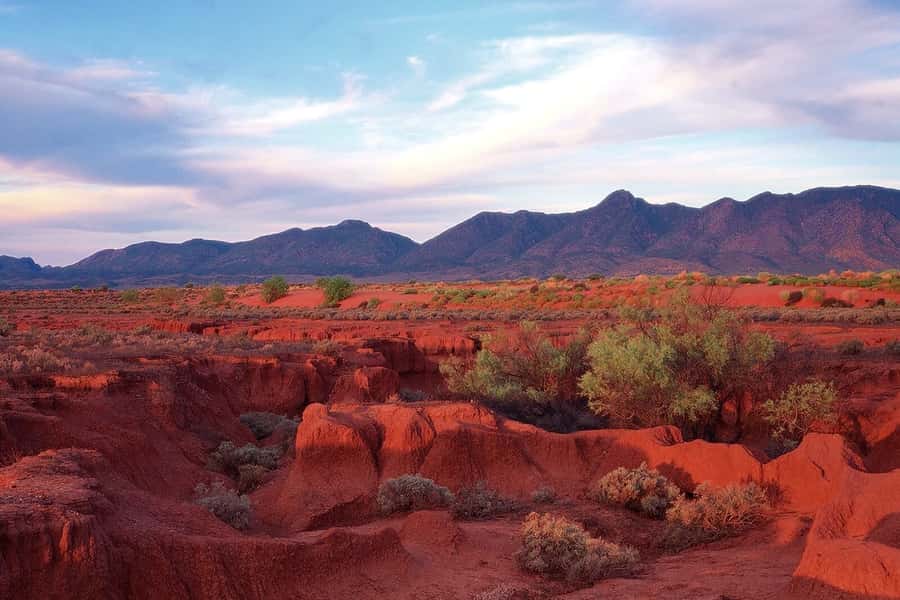
I think this is worth booking if you’re excited by the idea of seeing the Flinders Ranges through a mix of wildlife, gorges, and cultural context—guided by people who have clearly earned trust, like Steve and Ben in the feedback. The itinerary is structured enough that you don’t miss the main beats, but it still leaves room for the moments that make outback travel feel special: the bush walk, the fossil stop, and dinner under the stars.
If you’re on the fence, use this quick filter: do you want a guided 3-day outback experience where you’re not responsible for the logistics? If yes, book it. If you’re determined to DIY everything and you dislike travel that can adjust for conditions, you might prefer a more flexible, self-drive plan.
FAQ
What’s the group size on this Flinders Ranges 4WD tour?
The tour is limited to a small group of up to 16 participants.
What time does the tour meet, and is pickup available?
The meeting time is 7:25 AM. With prior arrangement, the local partner can provide hotel pickup starting at 7:30 AM.
What meals are included during the 3 days?
Meals are included as specified: Day 1 includes a picnic lunch. Day 2 includes breakfast and lunch, plus a home-cooked dinner. Day 3 includes breakfast.
Is accommodation included?
Accommodation is included depending on the option you book. Be sure to select the correct accommodation choice at booking, since rooms are subject to availability.
Are there optional extras during the tour?
Yes. You can arrange optional extras after booking and pay for them on tour. A scenic flight over Wilpena Pound can be arranged on day two, and wine tasting in the Clare Valley is possible on day three if time permits.
Do you have to do the bush walks?
Bush walking is included as optional during the tour. The tour still builds time for walks, so you can choose your comfort level.
What’s the minimum age for children?
Children must be at least 7 years old and 1.4 meters tall.
Does the tour require travel insurance?
Yes. Travel insurance is compulsory for all travelers.