REVIEW · ADELAIDE
From Adelaide: 7-Day Adventure Tour to Uluru
Book on GetYourGuide →Operated by Untamed Escapes · Bookable on GetYourGuide
Sunrise, swags, and sacred desert icons. This Adelaide to Uluru adventure strings together Indigenous cultural experiences and outback hiking with real pace, not just photo stops. I also love that you get two very different stays: swag camping under the stars and a night in an underground bunkhouse in Coober Pedy.
The main thing to consider is that this is not a couch tour. You need a moderate fitness level for hikes that can run roughly 3–12 kilometres, plus you’re dealing with extreme conditions that can swing fast.
In This Review
- Key things you’ll remember
- Adelaide to Uluru: why this route works
- Day 1: Flinders Ranges with silo art, rock art, and Wilpena’s stars
- Day 2: Wangara Lookout, Hills Homestead, and Warren Gorge wallabies
- Day 3: Lake Hart salt flats and Coober Pedy’s underground life
- Day 4: Kanku-Breakaways, Moon Plains, and Kings Creek sunset
- Day 5: Kings Canyon Rim Walk and an Uluru sunset you’ll remember
- Day 6: Kata Tjuta Walpa Gorge, Aṉangu stories, and Field of Light options
- Day 7: Uluru sunrise base walk with waterholes and stories
- Price and what $929 really buys
- Swag and underground sleeping: how to make it not miserable
- Guides, organization, and the small practical quirks
- Who should book (and who should skip)
- Should you book this 7-day Adelaide to Uluru adventure?
- FAQ
- What’s the total duration of the Adelaide to Uluru tour?
- How much does the tour cost?
- What’s included in the accommodation?
- Do I need a sleeping bag?
- What hikes and walking are included?
- How fit do I need to be?
- What meals are provided?
- Is the tour vehicle air-conditioned?
- What should I bring for the trip?
- Who is this tour not suitable for?
Key things you’ll remember
- Welcome to Country at Wilpena Pound with a Yura guide to set the tone of the whole trip
- Arkaroo Rock and Adnyamathanha rock art on Day 1 for early cultural context
- Warren Gorge hiking for views and a shot at rare yellow-footed rock wallabies
- Coober Pedy underground sleeping after salt flats and an old opal-mine look
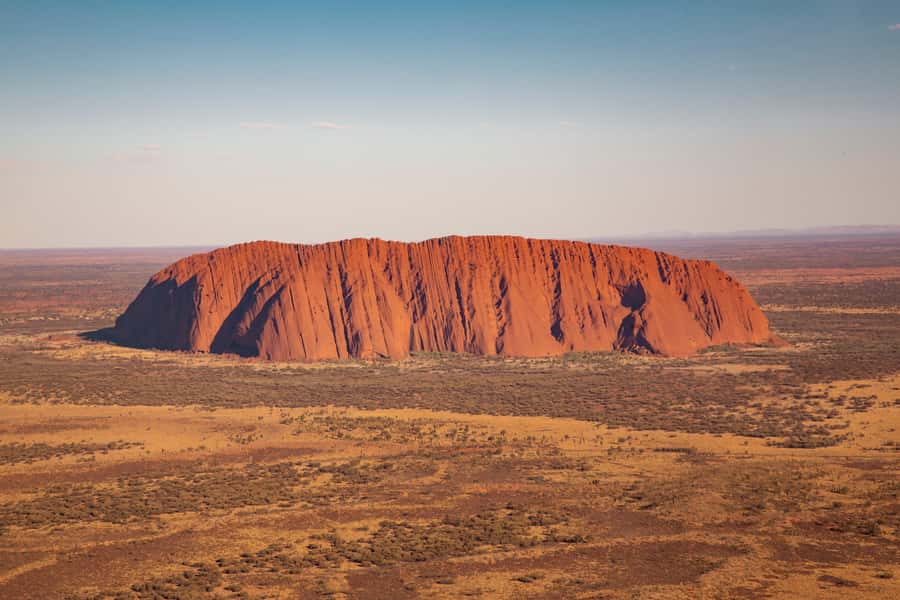
- Kings Canyon Rim Walk and Uluru sunrise and sunset for the big outback moments
- Kata Tjuta’s Walpa Gorge and the Cultural Centre to connect place with Aṉangu culture
Adelaide to Uluru: why this route works
This tour is built for people who want the real outback feeling: long stretches of road, real country, and walks that make you earn the views. You don’t just drive past Uluru and call it a day. You build up to it—Flinders Ranges first, then Coober Pedy, then Kings Canyon—so Uluru lands with more weight.
Another win is the storytelling. The itinerary is heavy on guided interpretation of Country and culture, led by a Storyteller Guide. In reviews, guides like Elis and Dan came up again and again for making the information feel alive, not like a script. You’ll also have an English-speaking guide throughout, plus an air-conditioned vehicle for the long travel days.
A few more Adelaide tours and experiences worth a look
Day 1: Flinders Ranges with silo art, rock art, and Wilpena’s stars
You leave Adelaide early, and that early start matters. It buys you time for smaller stops before you hit the big sights. First up is Wirrabara, where you’ll see the silo art and get that down-to-earth local welcome.
Then you head to Arkaroo Rock for a hike to ancient Adnyamathanha rock art. This is one of those moments where the walking helps you slow down. You’re not racing; you’re learning how old these places are and why people have cared for them for so long.
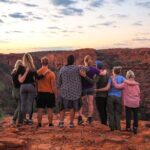
The day finishes in Wilpena Pound with a Welcome to Country led by a Yura guide. That sets expectations for the whole trip: you’re going to hear about the land, not just view it. After that, you roll out your swag at Discovery Parks Wilpena Pound and let the night sky take over.
Why I like Day 1: it starts with culture and place right away, not as an add-on.
Possible challenge: you’re hiking and packing in daylight before you even settle into your first night of swag sleeping.
Day 2: Wangara Lookout, Hills Homestead, and Warren Gorge wallabies
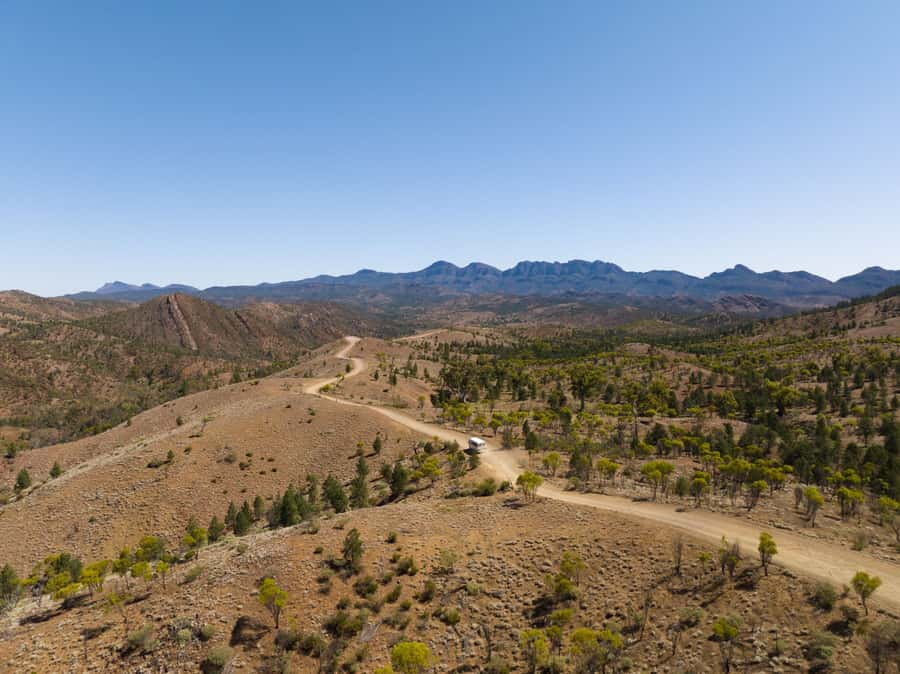
Day 2 is about getting deep into the Flinders Ranges. You start with a hike to Wangara Lookout for sweeping views of Wilpena Pound. You’ll understand why this region has such a strong hold on people once you look out from up high.
Next you visit the historic Hills Homestead and explore Old Wilpena Station. These stops give you a sense of how the area was used and settled over time—helpful context when you’re also learning about the deeper Indigenous connections to the land.
In the afternoon, you hike Warren Gorge, aiming for views and the chance to spot wildlife like rare yellow-footed rock wallabies. Even if you don’t see one, the gorge walk is the kind of practical hiking that makes you feel connected to the terrain—tight rocky paths, changing light, and the sense you’re moving through a living system.
What you gain here: variety. You get lookout views, historic buildings, and a proper nature-focused walk in one day.
What to watch: this is still an active day. Bring footwear you can trust on rough ground, and don’t treat it as an easy stroll.
Day 3: Lake Hart salt flats and Coober Pedy’s underground life
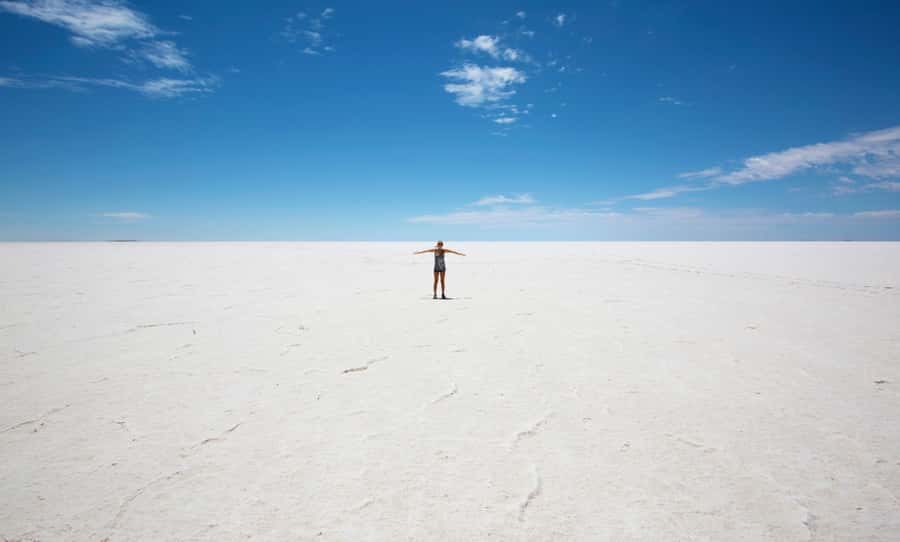
Leaving the ranges behind, you head north through the outback. One stop is Lake Hart salt flats—flat, pale, and strangely hypnotic. It’s a reminder that the route itself is part of the story.
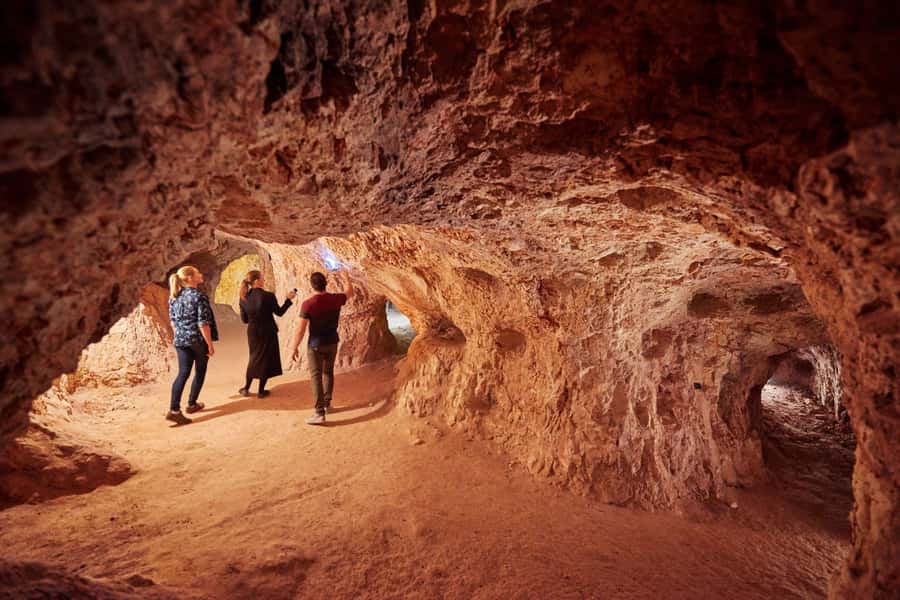
Then you arrive in Coober Pedy and visit the Old Timers Mine. You’ll learn about opal mining and what it’s like to live around that trade—plus you get a look at how people adapted when surface life wasn’t always pleasant.
The standout night here is the underground accommodation: an old-school dugout feeling, with a multi-share underground bunkhouse setup. This is the kind of place where you stop thinking about comfort the way you do at home and start thinking about practicality and atmosphere.
If you’re wondering about sleeping in cooler, rock-heavy conditions, reviews suggest you can adjust quickly—especially if you come prepared. In winter, one guide-led tip that came up was packing layers and using a sleeping bag that’s warm enough for mornings that can feel sharp.
Why this day is valuable: Coober Pedy isn’t just a stop. It teaches you how humans re-engineer their environment to survive and work.
Day 4: Kanku-Breakaways, Moon Plains, and Kings Creek sunset
Today’s a scenery day with momentum. You pass through Kanku-Breakaways Conservation Park, where the Moon Plains scenery feels otherworldly—dry forms, wide skies, and that strong outback color shift as the day moves on.
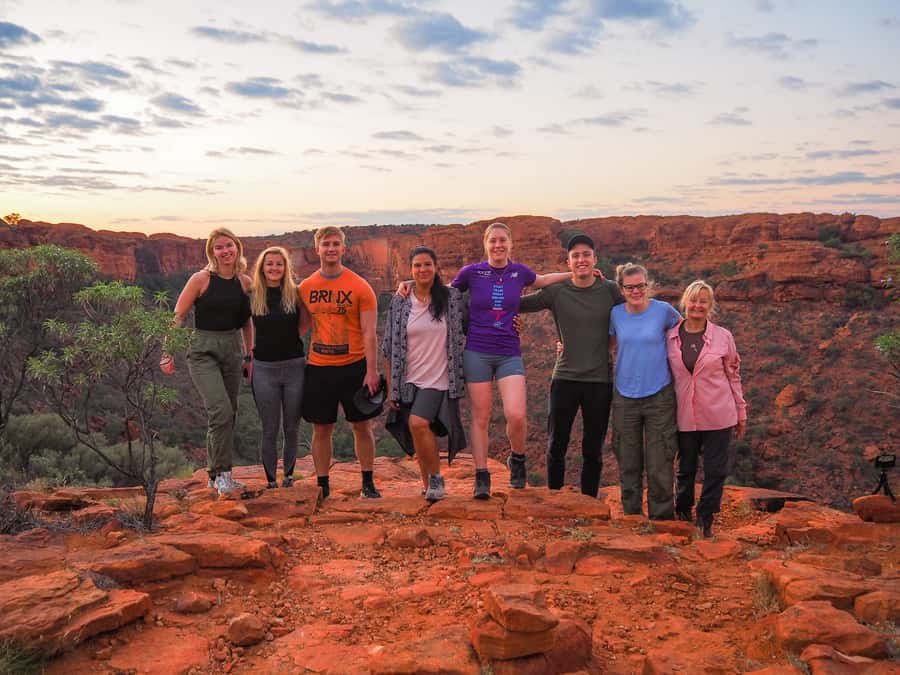
Crossing into the Northern Territory, you arrive at Kings Creek Station late afternoon. The pay-off is a desert sunset from the sunset viewing platform. This is the kind of moment that makes the long driving days feel worth it: you’re not searching for the view; the view is already waiting.
You’ll sleep swag again at Kings Creek Station, which brings back that rhythm of the trip—warm layers, a slow evening, and then darkness doing what darkness does best.
Practical note: bring a warm layer even if the day feels hot. Reviews and the tour’s own outback framing both point to big temperature swings.
Day 5: Kings Canyon Rim Walk and an Uluru sunset you’ll remember
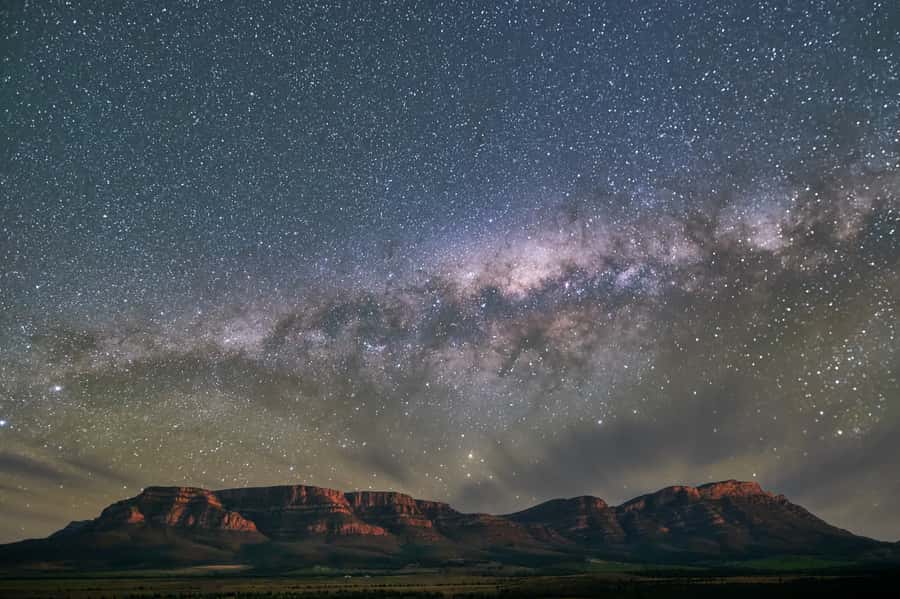
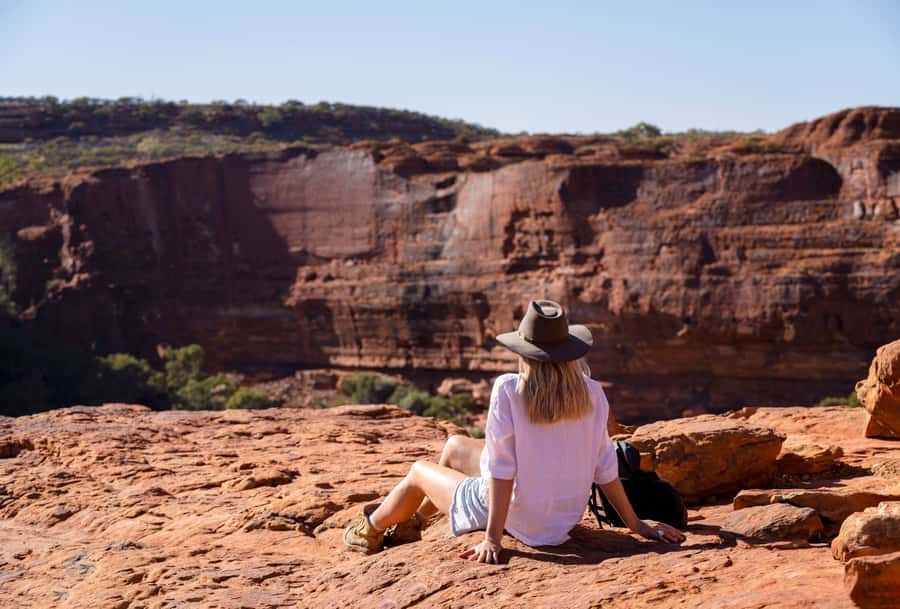
It’s an early start for the Kings Canyon Rim Walk. This is one of those hikes that has a real “commitment” feel—in a good way. You’re up on the rim, taking in scale, and the walk is long enough to notice every change in footing and shade.
After that, you get a drive to Uluru-Kata Tjuta National Park and a late-afternoon finish that’s built around the moment: an unforgettable sunset over Uluru. If you’ve only ever seen Uluru in postcards, you’ll feel the difference here. The colors shift fast, and the sheer size of the rock makes everything around it seem smaller.
You’ll stay at Ayers Rock Resort Campground that night, with swag camping again.
What to expect: you’ll be active early, then you’ll slow down for Uluru’s light show. That balance is smart.
Possible drawback: it’s a long day—hike effort plus travel plus sunset timing.
Day 6: Kata Tjuta Walpa Gorge, Aṉangu stories, and Field of Light options
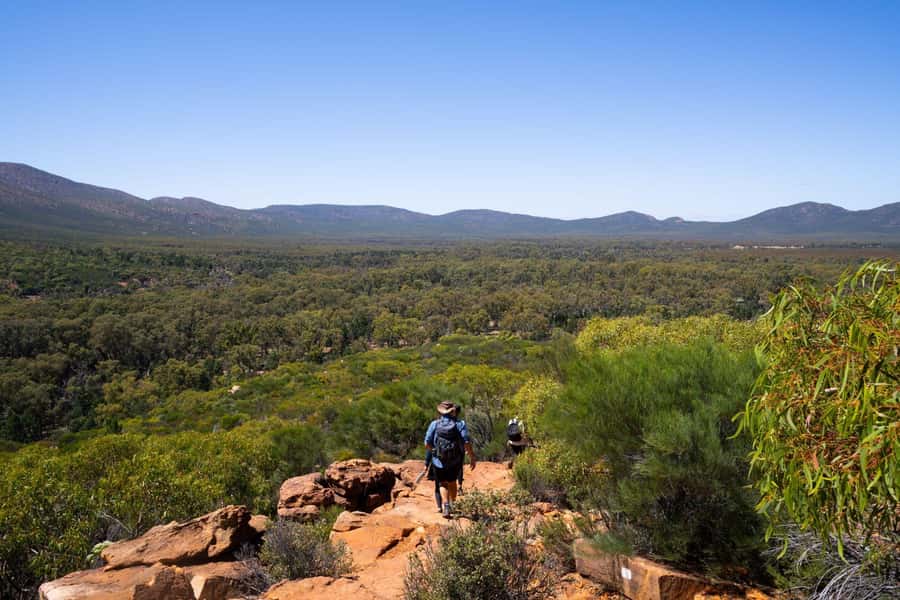
Day 6 shifts you from Uluru’s single big icon to Kata Tjuta’s rock domes. You walk through Walpa Gorge, which is a more textured, shadow-and-stone kind of hiking experience. It’s not just about distance; it’s about how the gorge changes your sense of direction and atmosphere as you move through.
Then you visit the Cultural Centre to learn more about Aṉangu culture. This matters because you’re not just admiring rock formations. You’re getting a guided framework for how people understand and relate to these places.
The afternoon is flexible. You can explore Yulara or join optional cultural experiences. That evening includes an Outback BBQ with own cost, or you can upgrade to Field of Light. Field of Light is one of those add-ons that’s popular for a reason: it’s a later-day visual experience that pairs with the desert mood.
My take: the Cultural Centre + gorge walk combo is strong. It keeps the day grounded in meaning, not only scenery.
Day 7: Uluru sunrise base walk with waterholes and stories
The last morning starts with Uluru sunrise. If you’ve ever had a “big landmark” moment that felt staged, this one is different because you’re up close and the day is quiet.
Then you do a guided 10km base walk to discover waterholes, caves, and stories. That distance can feel like more than a casual stroll, but the format helps: you’re walking with interpretation, so the rocks aren’t just rocks. You’re learning what you’re seeing as you go.
After the walk, you return to Desert Gardens Resort in Yulara late morning, where the tour ends.
Why the final day works: it’s not a last-minute sprint. You end with a full-circle experience—sunrise, guided walking, and meaningful context.
Price and what $929 really buys
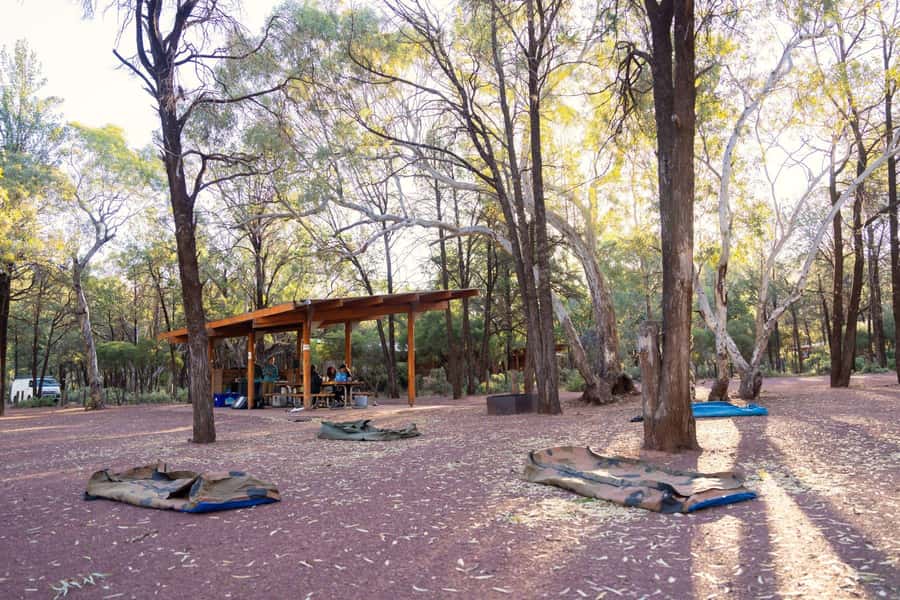
At $929 per person for 7 days, you’re paying for more than transport. You’re covering national park entries, guided activities, and a lot of hard-to-arrange country time—from hikes in multiple regions to Indigenous cultural visits and the dramatic accommodation mix.
The included structure matters:
- Swag camping for 5 nights with facilities
- One night in an underground bunkhouse multi-share dorm in Coober Pedy
- A storyteller guide plus an air-conditioned vehicle
- Meals as listed (6 breakfasts and 3 dinners)
What you should budget for separately is mostly comfort and personal choices. A sleeping bag isn’t included, and swag upgrades aren’t included either. Snacks, soft drinks, and alcohol also aren’t included.
Verdict on value: if you want guided hikes plus cultural interpretation plus multiple iconic regions in one week, this price looks fair for what’s included. If you only want the bare minimum of famous landmarks, you could spend less on a simpler itinerary.
Swag and underground sleeping: how to make it not miserable
Swag camping is the signature “will I hate this?” question. The good news: it’s designed into the trip, and the tour provides swags with facilities on the camping nights. Reviews back up the idea that it becomes manageable fast.
Still, you need to plan for temperature. One review flagged that in winter the nights can get cold, especially in the early morning. Your best move is practical: pack warm layers and make sure your sleeping bag is right for the season you go.
You also need to bring key essentials like a sun hat, sunscreen, insect repellent, a flashlight, and closed-toe shoes. A daypack helps keep you functional during the hikes. And yes, a reusable water bottle is a smart call—desert days add up quickly.
Underground in Coober Pedy is a different challenge. It can feel cooler and more enclosed than swags. That’s the point. It’s also why you’ll want to be comfortable with the idea that this isn’t hotel living.
Guides, organization, and the small practical quirks
Organization shows up as a real theme. Multiple reviews highlighted that the tour runs smoothly and that guides take care of the details.
Guide quality is a big reason people rate this so high. Elis and Dan both came up as standout storytellers with a strong sense of passion for the job. That matters because your experience depends on interpretation—outback hiking is stunning, but it becomes life-changing when someone helps you understand what you’re walking through.
There are also small practical quirks to know about. One review mentioned issues with the bus—an aircon window problem and a wheel—and still praised the guide for making the trip as comfortable as possible. So while the vehicle is described as air-conditioned, I’d still mentally prepare for the odd mechanical hiccup on a long outback route.
Another note from reviews: there can be differences in English level and how people communicate at the start. If you want quick group bonding, show up open and give it a day; it tends to settle as everyone gets comfortable.
Who should book (and who should skip)
This tour fits best if you:
- enjoy walking and can handle hikes around 3–12 kilometres
- want a guided outback experience with cultural context
- are okay with swag camping and one night underground
It’s not a great match if you:
- need wheelchair access or have mobility impairments (not suitable)
- want a child-friendly itinerary (not suitable for children under 12)
If you’re the type who loves big icons but also cares about what they mean—Uluru in context, Kata Tjuta with Aṉangu stories—this route gives you both.
Should you book this 7-day Adelaide to Uluru adventure?
I’d book it if you want an outback week that feels active, guided, and meaning-heavy. The combination of Flinders Ranges hiking, Coober Pedy’s underground stay, Kings Canyon’s rim experience, and then Uluru sunrise and sunset is a strong arc—more than a checklist.
But I’d think twice if sleeping outdoors sounds stressful or if you’re not comfortable with moderate hiking and rough conditions. This is an adventure tour. You’ll get comfort in the form of facilities and guidance, but you’ll also need to bring the right gear and mindset.
If you can handle the outdoors part and you want the cultural stories to come from a real guide like Elis or Dan, this is the kind of trip that tends to stick with you long after the photos fade.
FAQ
What’s the total duration of the Adelaide to Uluru tour?
The tour runs for 7 days.
How much does the tour cost?
The price is $929 per person.
What’s included in the accommodation?
You get 5 nights of swag camping with facilities and 1 night in an underground bunkhouse multi-share dorm.
Do I need a sleeping bag?
Yes. A sleeping bag is not included, and you should bring one.
What hikes and walking are included?
You’ll do a hike to Arkaroo Rock rock art, a hike to Wangara Lookout, Warren Gorge hiking, the Kings Canyon Rim Walk, a Walpa Gorge walk at Kata Tjuta, and a guided 10km base walk around Uluru.
How fit do I need to be?
You need a moderate fitness level and be prepared for walks between about 3–12 kilometres on some days, which may involve rough ground and getting wet.
What meals are provided?
Meals are included as listed, including 6 breakfasts and 3 dinners.
Is the tour vehicle air-conditioned?
Yes, the tour includes an air-conditioned vehicle.
What should I bring for the trip?
Bring items such as a sun hat, sunglasses, sunscreen, insect repellent, towel, flashlight, sportswear, daypack, reusable water bottle, pillow, and closed-toe shoes.
Who is this tour not suitable for?
It’s not suitable for children under 12, people with mobility impairments, or wheelchair users.