REVIEW · YULARA
From Yulara: Uluru Tour and Sunset BBQ
Book on GetYourGuide →Operated by Emu Run Experience · Bookable on GetYourGuide
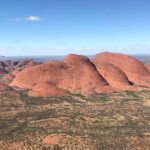
Uluru after dark tastes like champagne. This 7-hour Uluru sunset BBQ tour mixes air-conditioned coach comfort with guided stories you can actually use as you walk, then finishes with dinner as the light changes over Ayers Rock.
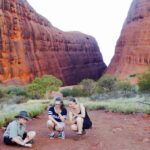
I especially love the focus on the rock’s base walks, not just bus views. The Mala Walk on Uluru’s north-west side and the Mutitjulu Waterhole track are short enough to handle, but packed with meaning and rock art context.
The one consideration is that the day runs on a tight rhythm, and in harsh heat the schedule can feel even tighter. That also means you’ll want to plan for flies and sun even if the vehicle is cool.
In This Review
- Key points worth knowing
- Why this Uluru sunset BBQ tour works so well
- Getting to Uluru from Ayers Rock Resort without the stress
- Uluru-Kata Tjuta Cultural Centre: mud bricks and real meaning
- Mala Walk at Uluru: a respectful route with rock art payoff
- Mutitjulu Waterhole: where Wanampi turns a walk into a story
- Sunset viewing area BBQ: the end of the day you’ll remember
- Heat, timing, and how to make the day feel relaxed
- Park pass rules and the real value of $230
- Who should book this Uluru tour (and who should skip it)
- Final call: should you book it
- FAQ
- How long is the Uluru tour with sunset BBQ?
- Where do I get picked up?
- What walks are included?
- Is climbing Uluru allowed on this tour?
- What’s included with the sunset BBQ?
- Do I need a park pass?
- What should I bring?
- Is this tour suitable for small children?
Key points worth knowing
- Two guided base walks focused on rock art and Anangu creation stories (no climbing)
- Uluru-Kata Tjuta Cultural Centre with context from Pitjantjatjara/Anangu cultural knowledge
- Mutitjulu Waterhole stories tied to Wanampi, an ancestral water snake
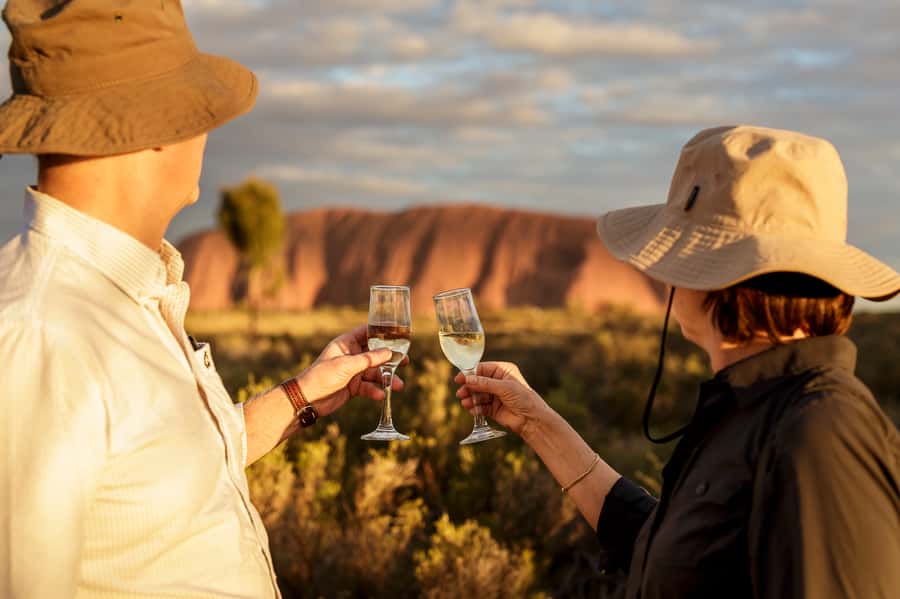
- Sunset BBQ dinner served at the viewing area with sparkling wine and photo-friendly timing
- Bring a flynet and a wide-brim hat since conditions can be intense
- Park pass rules change from 1 April 2026, so check before you go
Why this Uluru sunset BBQ tour works so well
Uluru is the kind of place where a quick look feels too small. This tour is built for people who want the main moments without a rental car, and it doesn’t waste time on random stops.
I like the practical structure: you get guided walking time early enough that you’re not just rushing photos, then you finish with the payoff—BBQ and drinks at sunset. And the coach is air-conditioned, which matters when Northern Territory heat can turn “short walk” into “sweaty walk.”
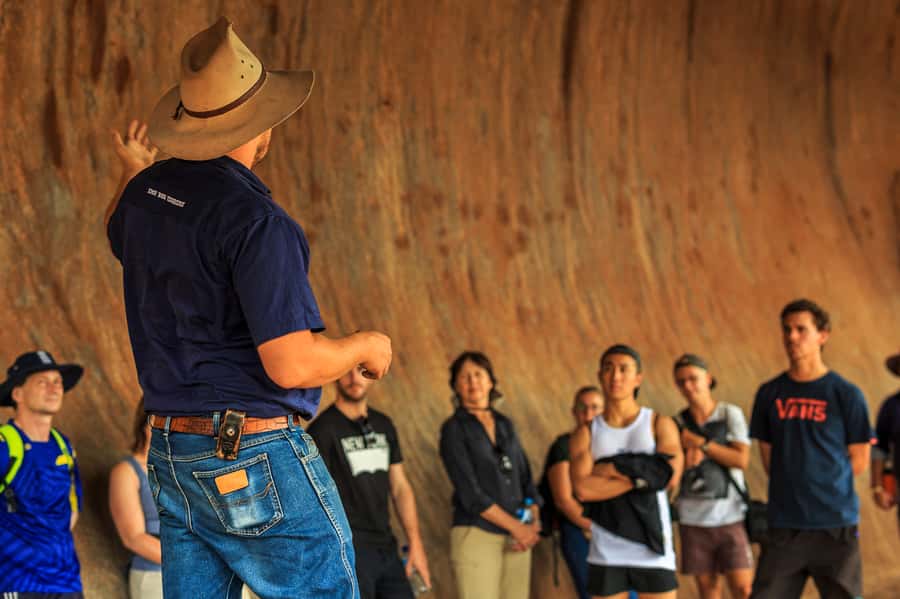
One more plus: the guides tend to bring the place to life with specific stories you can match to what you’re seeing. When you’re looking at a blank rock, that context is the difference between visiting and understanding.
You can also read our reviews of more evening experiences in Yulara
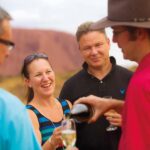

Getting to Uluru from Ayers Rock Resort without the stress
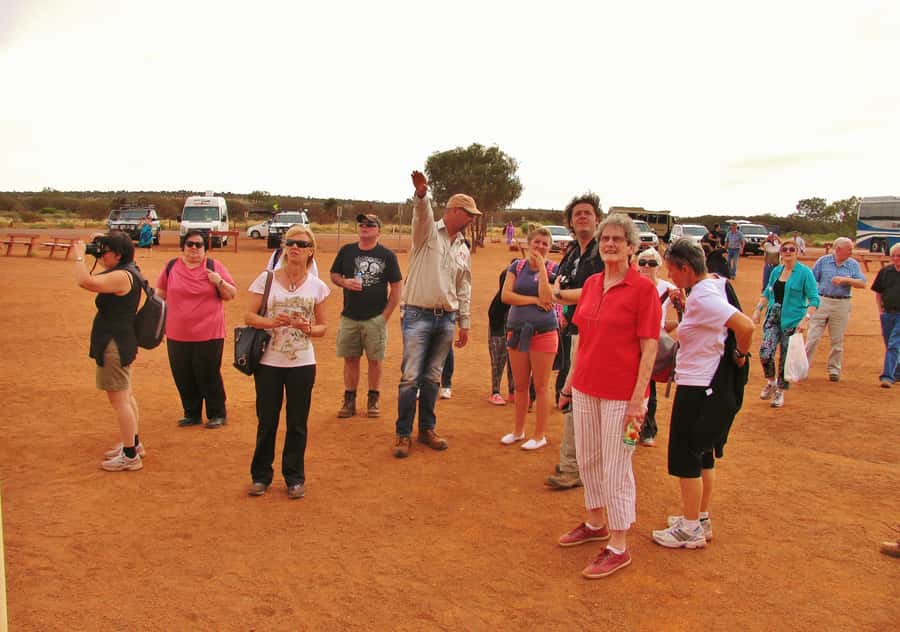
Your day starts with pickup from one of the main resorts around Yulara/Ayers Rock: Outback Pioneer Hotel & Lodge, Ayers Rock Campground, Desert Gardens Hotel, or Sails in the Desert. From there, you roll out by coach toward Uluru with comfortable seating and climate control.
That sounds basic, but it’s huge. You avoid the effort of driving yourself, parking, and juggling timing. And since the tour includes both pickup and drop-off, you can keep your brain in sightseeing mode.
Inside the coach, you’ll want to be ready for sun and bugs outside the windows. Bring your sunglasses and sunscreen anyway, even if the ride is cool.
Uluru-Kata Tjuta Cultural Centre: mud bricks and real meaning
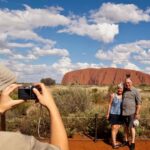
The first stop is the Uluru-Kata Tjuta Cultural Centre, with photo time, sightseeing, and free time. This is where the tone of the day sets itself: sacred geography, living culture, and explanations for what you’re about to see.
The Cultural Centre is made from 90,000 mud bricks and was created with help from the local Anangu people. It’s built on a site with special meaning for the traditional owners, so it’s not just a museum building for quick photos.
You’ll learn about the Pitjantjatjara and the cultural importance of the area. Even if you’re the type who normally skips gift shops, make time here. The souvenir options and artwork help you take something home that’s tied to the stories you’re hearing.
Practical tip: if you’re hoping to buy more than one item, plan cash. The tour also encourages bringing cash for dot painting purchases at sunset.
Mala Walk at Uluru: a respectful route with rock art payoff
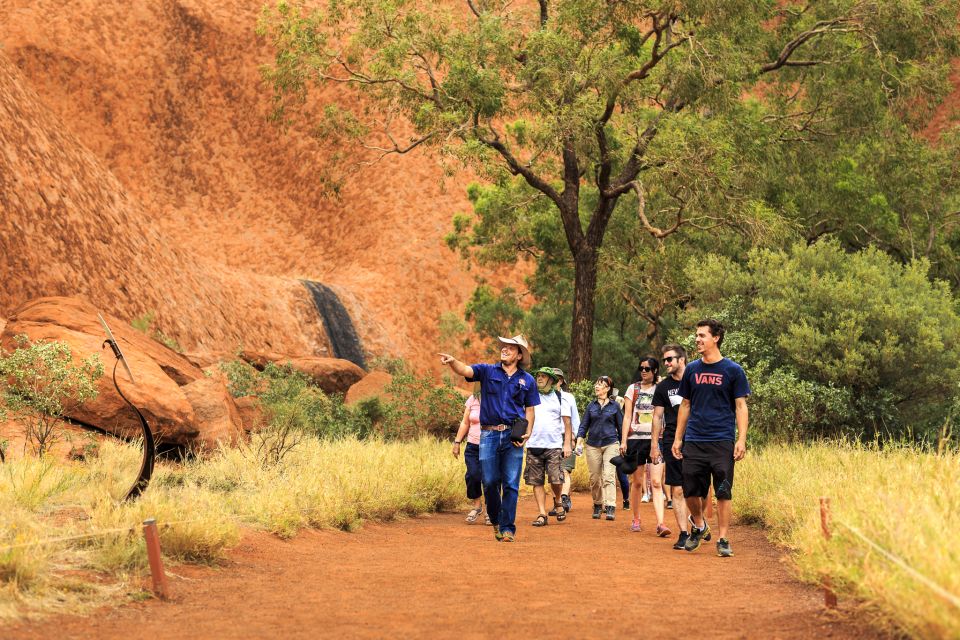
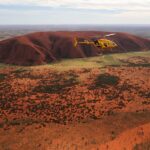
You then head to Uluru National Park and walk the base of the sacred rock on guided routes. One key point: climbing Uluru is no longer permitted, and the tour is designed around that reality.
Your first walk is the Mala Walk along the north-west side of Uluru. This is the part where the rock starts to feel like a timeline instead of a giant sculpture. You’ll see examples of Anangu rock art, and your guide shares ancient stories that connect the art to the land.
What I like about this setup is pacing. You’re not being dragged through a long hike, but you do get enough time to notice details—shapes in the rock, placement of artwork, and the way stories link to specific spots.
Also: wear real walking shoes. The tour asks for strong non-slip footwear, and it’s good advice. Even short tracks on hot ground feel different from sidewalks back home.
Mutitjulu Waterhole: where Wanampi turns a walk into a story
After lunch-ish momentum (and plenty of bus storytelling in transit), you move to the back section of Uluru and start the guided walk to Mutitjulu Waterhole.
This track is designed to be manageable, but it has big content. The walk takes you to caves containing rock art and a waterhole tied to an ancestral creation story featuring Wanampi, an ancestral water snake.
Your guide also explains how the Anangu people traditionally used the waterhole for hunting. It’s not a spooky “haunted cave” pitch. It’s about food, survival, and what people learned from living in this place.
There’s one more subtle benefit here: you’ll come away with a sense of continuity. The caves and stories aren’t treated as “old things,” but as part of an ongoing living connection—ancestors are still alive today in the way the stories frame it.


Sunset viewing area BBQ: the end of the day you’ll remember
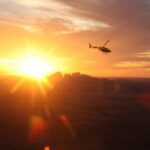
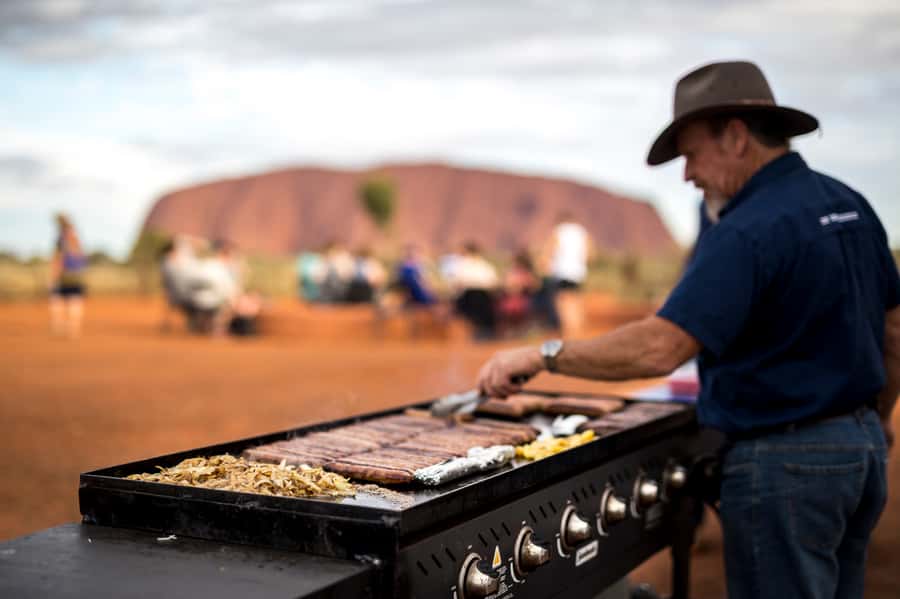
As evening approaches, the tour shifts into the moment most people came for: Uluru sunset with dinner. You’ll arrive at the Uluṟu Coach Sunset Viewing Area, where you can enjoy beer, wine, or sparkling drinks along with your BBQ dinner.
Your meal is served in a way that’s made for enjoying the view rather than sprinting through it. A number of guide/chef teams are praised for making the setup smooth, with people noting there are proper chairs and tables (a big deal when you’re tired and it’s cooling down).
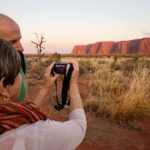
You’ll watch the sun drop as Uluru’s colors change. This is the part that turns “I’ve seen photos” into “okay, I get it.” The rock shifts tone as the light fades, and you’ll want your camera ready—without forgetting to look up sometimes.
Photo tip: if you’re serious about pictures, arrive with a rough plan. Once food lands, you’ll still have time to shoot, but it helps to know what angle you want before the first serve.
And yes, flies can be a factor. A flynet is specifically recommended, and people who bring one tend to have an easier time focusing on dinner and sunset instead of swatting.
Heat, timing, and how to make the day feel relaxed
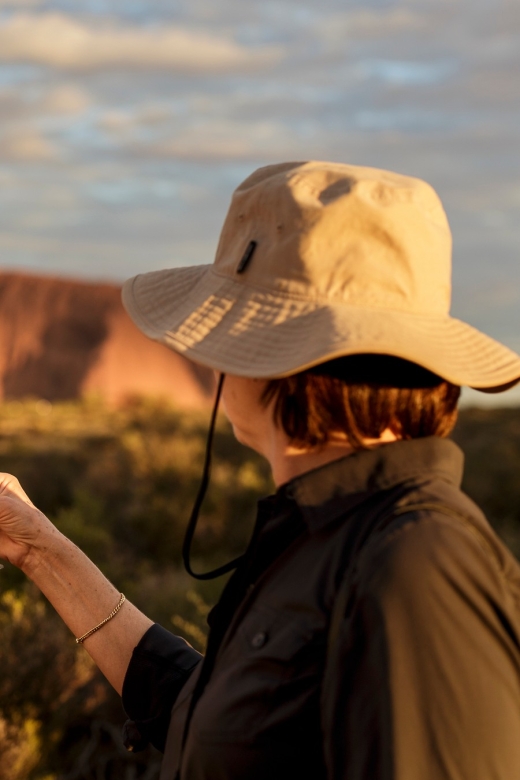
This is a 7-hour experience, and the park doesn’t care about your schedule. In extreme heat, tracks can close early or the tour can shift to keep everyone safe.
That shows up in real life on this kind of day: you might find the day feels tight if conditions are harsh. Even without heat extremes, some people note limited time at certain stops, plus dinner timing that can feel like a sprint when you’re also trying to photograph everything.
You can reduce stress with a simple strategy:
- Bring the exact gear listed: hat, sunscreen, sunglasses, and a 1-litre water bottle.
- Use the walk breaks to recharge and refocus.
- Keep your expectations realistic: two base walks and cultural time means you’ll move, not linger.
Also, it’s smart to be flexible about the Cultural Centre shop timing. If you’re planning to buy specific souvenirs, don’t treat the free time like it’s guaranteed to be open late.
Park pass rules and the real value of $230
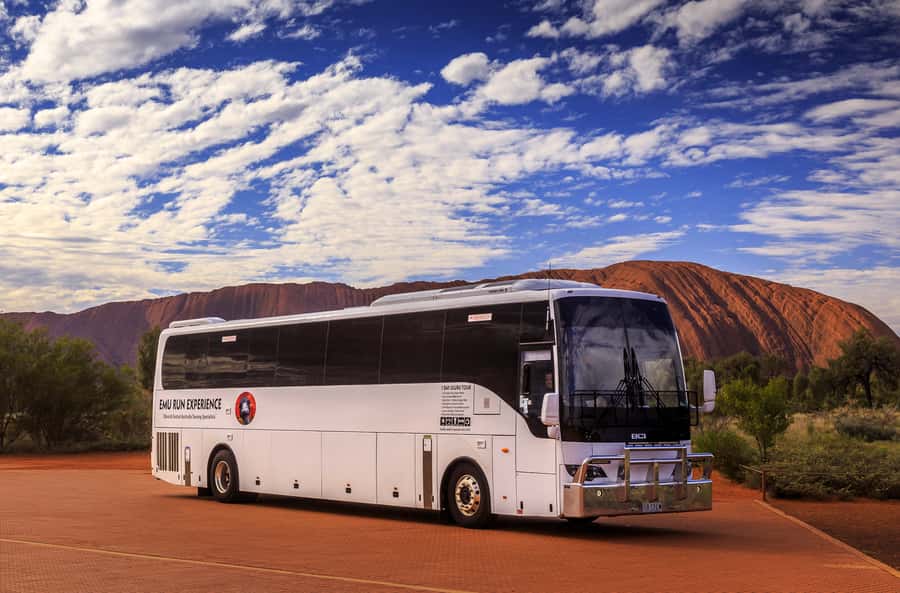
At $230 per person, this tour isn’t cheap. The key is what you’re buying beyond the coach ride: it includes an accredited guide, two guided walks, BBQ dinner with sparkling wine, and entry to Uluru-Kata Tjuta National Park for tours up to and including 31 March 2026.
That matters because park entry and a sunset meal add up quickly on your own. When those pieces are already bundled, you’re paying for convenience plus structured time with a guide.
The one catch is for later departures. For tours starting from 1 April 2026, the Uluru-Kata Tjuta National Park entry fee is not included, and you’ll need a digital or printed park pass to show. Plan ahead so you’re not scrambling at the last minute.
Value judgment:
- If you want guided context and you’d rather not drive, this price can feel fair.
- If you already have a park pass and you only want a quick sunset, you might compare other options.
- Either way, the included BBQ at the viewing area is a genuine “you only get this once” style add-on.
Who should book this Uluru tour (and who should skip it)
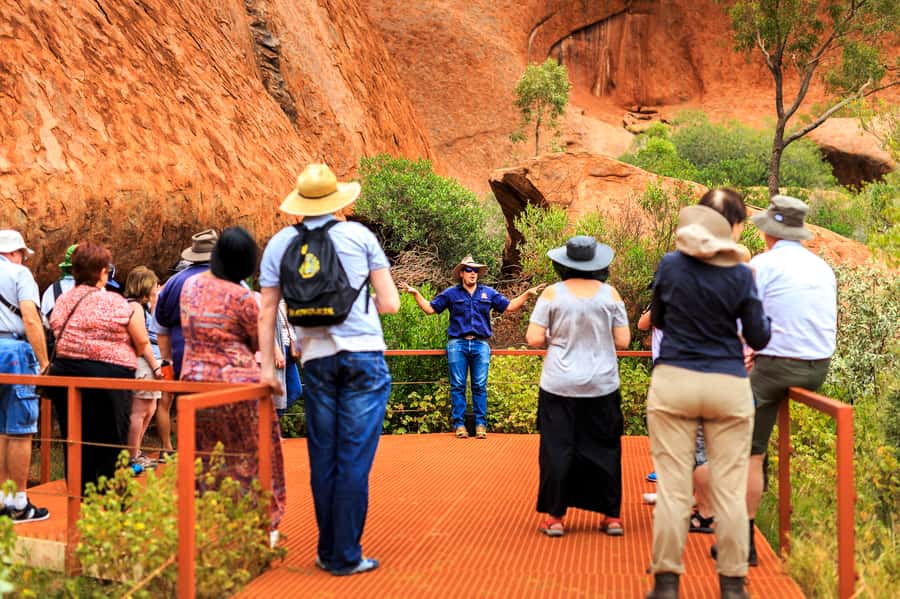
This tour is a strong fit for:
- You’re staying at Ayers Rock Resort/Yulara and want an easy day without logistics.
- You want two guided walks at Uluru with cultural stories tied to rock art and waterhole traditions.
- You like the idea of finishing with a sunset BBQ dinner instead of eating afterward somewhere far away.
You might skip or choose a different format if:
- You hate timed schedules and prefer long unstructured stop-and-stare time.
- You’re traveling with mobility limits that make sun and short walking tracks hard.
- You’re looking mainly for climbing views. Climbing isn’t part of this experience.
Also, it’s not suitable for children under 2 years.
Final call: should you book it
If you want the Uluru experience in one organized day—two meaningful base walks plus sunset BBQ—this is a solid choice. The guide-led stories are the heart of the tour, and the air-conditioned transport keeps the logistics from stealing your energy.
I’d book it if you’re the type who likes to understand what you’re seeing, not just photograph it. I’d think twice if you’re extremely heat-sensitive or you need long downtime at each stop.
If you’re heading out for sunset anyway, pairing it with the structured walks and the BBQ dinner is where the value tends to land.
FAQ
How long is the Uluru tour with sunset BBQ?
The duration is 7 hours.
Where do I get picked up?
Pickup is included from selected accommodation in Ayers Rock Resort, including Outback Pioneer Hotel & Lodge, Ayers Rock Campground, Desert Gardens Hotel, and Sails in the Desert.
What walks are included?
You get two guided walks around Uluru: the Mala Walk and a guided walk to Mutitjulu Waterhole.
Is climbing Uluru allowed on this tour?
No. Tourists are no longer permitted to climb Uluru due to its cultural significance.
What’s included with the sunset BBQ?
You’ll have an Aussie BBQ dinner at the sunset viewing area, plus sparkling wine (and beer is also mentioned as available).
Do I need a park pass?
For tours up to and including 31 March 2026, the Uluru-Kata Tjuta National Park entry fee is included. For tours from 1 April 2026, you need to bring a copy of your Uluru-Kata Tjuta National Park Pass (digital copy accepted).
What should I bring?
Bring comfortable shoes, sunscreen, sunglasses, a camera, and a reusable water bottle. The tour also advises a 1-litre water bottle, strong non-slip walking shoes, a wide-brim hat, and a flynet.
Is this tour suitable for small children?
It is not suitable for children under 2 years.