REVIEW · GOLD COAST
Gold Coast: 3-Day PADI Open Water Course
Book on GetYourGuide →Operated by Queensland Scuba Diving Company · Bookable on GetYourGuide
First steps underwater can feel scary. This 3-day PADI Open Water Course turns that fear into a plan, with calm coaching and a clear path to certification. I really like the way the instruction is described as patient and beginner-friendly, especially with Ryan, Rhan, and Josh. I also love that your PADI eCard stays valid for life and can be used worldwide. One thing to consider: you’ll need extra money for the PADI e-book and certification eCard/registration, plus a bit of seasickness realism if you’re boat-sensitive.
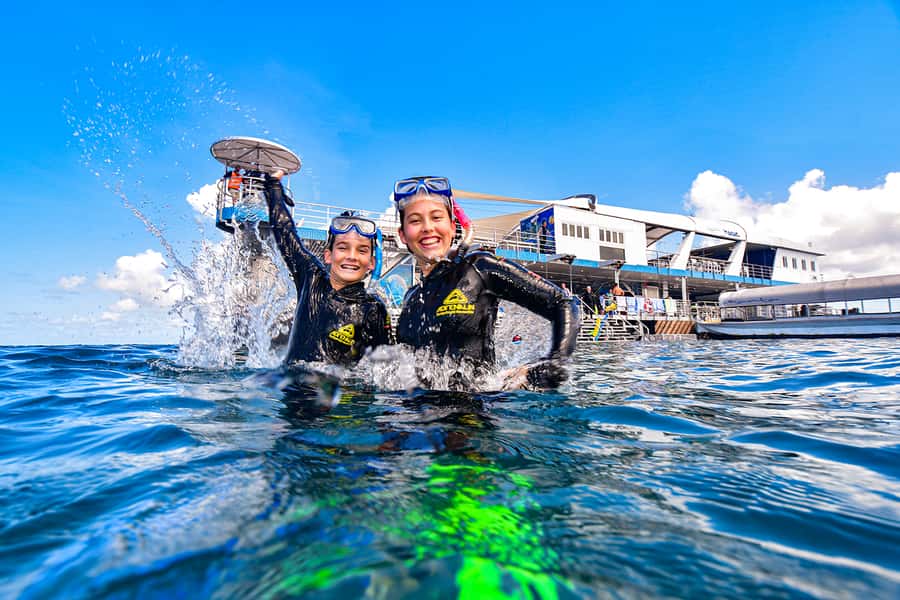
Over three days, you get the full structure: academic sessions first, then hands-on practice in a controlled setting, and finally open-water practice where you demonstrate your skills. You’ll also be on the water by boat with diving gear included, and there’s even a fun moment with a boogie board where you can watch sea life swim by.
In This Review
- Key highlights worth knowing
- Entering The PADI Open Water program on the Gold Coast
- What you learn across the 3 days (and why the order matters)
- Day 1 and the classroom basics
- Day 2 and confined water practice
- Day 3 and open water sessions
- The instructors: Ryan, Rhan, and Josh set the tone for beginners
- Boat transport and gear: what’s included, what that means for you
- Price and the real cost after you add the PADI materials
- The certification: what you get and what the limits mean
- Seasickness, eligibility, and when you should think twice
- The fun side: boogie board time and watching sea life
- Should you book this 3-Day PADI Open Water on the Gold Coast?
- FAQ
- Where is the PADI Open Water course start location?
- How long is the course?
- What’s included in the price?
- What’s not included?
- What should I bring?
- What certification do I earn?
- Is the eCard valid forever?
- Who is the course not suitable for?
- What languages are the instructors able to teach?
Key highlights worth knowing
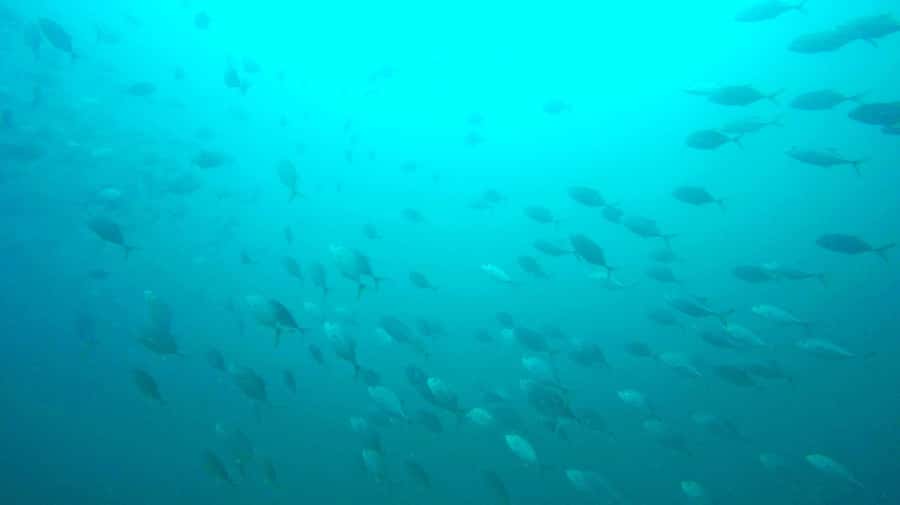
- PADI Open Water, built for beginners: you learn safety principles and core underwater skills before you’re in open water.
- Calm, approachable instruction: Ryan, Rhan, and Josh are specifically called out for being patient and easy to follow.
- Boat transport plus gear included: you’re not scrambling for equipment or arranging the water part yourself.
- Life-long eCard worldwide use: the PADI Open Water eCard is valid for life and accepted globally (with the course’s depth limit).
- A small taste of fun between skills: boogie boarding is included so you can enjoy the ocean, not just train in it.
Entering The PADI Open Water program on the Gold Coast
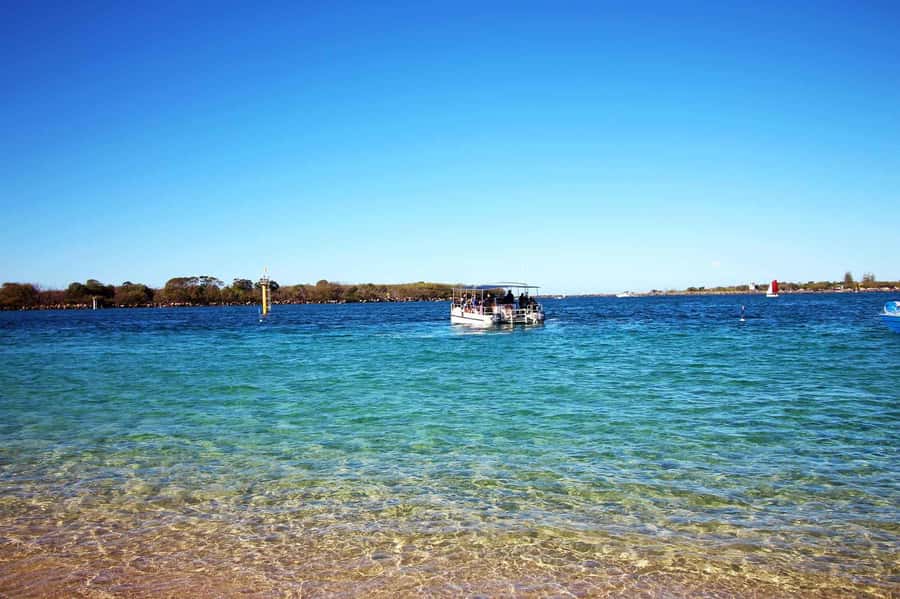
The Gold Coast is one of those places where the water looks inviting all day, even when you’re new to scuba. That’s why this course works so well for first-timers: it doesn’t just throw you into the ocean. It trains you to understand what’s going on under the surface, using a structured PADI Open Water format.
What you’re really buying here is confidence plus a safety framework. The course is designed to teach you the basic principles of safe and enjoyable underwater exploring, and it follows up with basic skills in a safer environment before you progress to more typical underwater conditions. That pacing matters. It’s the difference between feeling carried by adrenaline and feeling in control of your breathing, buoyancy, and decisions.
And you’re doing it with a real instructor, not just a video. The course includes an instructor, plus transportation by boat and diving gear, which reduces the usual beginner headache: How do I even start? With this setup, you can show up with swimwear and a towel and let the rest be handled.
A few more Gold Coast tours and experiences worth a look


What you learn across the 3 days (and why the order matters)
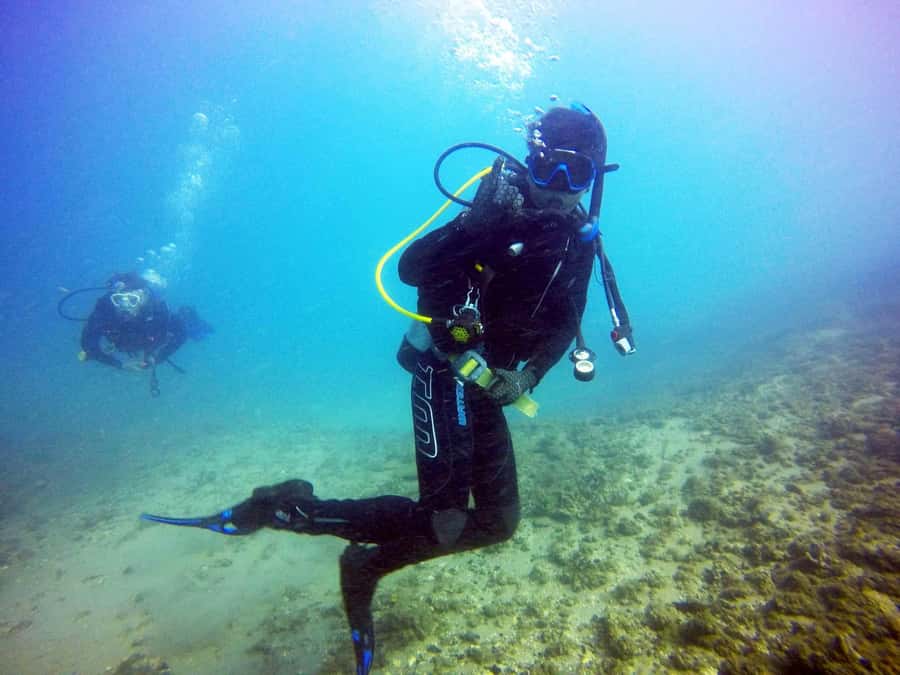
You’ll complete a 3-day PADI Open Water course that blends classroom learning with practical skill sessions. The general flow is consistent across PADI training models: first the theory, then confined water practice, then open water where you demonstrate what you’ve learned.
Day 1 and the classroom basics
Your academic training is where the course gives you the “why.” You learn the basic principles for safe and enjoyable underwater exploring. This is the part that helps you connect the sounds and sensations you’ll experience later to something you can explain and predict.
For value, this matters because it reduces panic later. If you understand what to expect from your equipment and your body’s behavior underwater, you’re less likely to overthink during the hands-on part. You’re not memorizing rules to pass a test—you’re building a simple safety mindset.
Day 2 and confined water practice
Next comes confined water training. This is where the course shifts from understanding to doing. You’ll build comfort with the foundational underwater skills in a controlled environment, so you can focus on the mechanics without the extra variables of open water.
This is also where your instructor’s teaching style really shows. In the reviews, Ryan is described as super calm for beginners, and Rhan and Josh are praised as approachable and well explained with patient support. That combination is exactly what you want during practice time: clear instructions, steady reassurance, and no rush.
Day 3 and open water sessions
Finally, you complete dives in a typical underwater environment and demonstrate your new skills. This is the moment where everything clicks—if you’ve been paying attention to the safety principles and practicing in the confined sessions.
One practical note: the activity is listed as 6 hours, and it runs across three days. That means your total time commitment won’t feel like one long day, but each day still has a serious training block. If you’re the type who needs downtime between activities, plan lighter evenings.




The instructors: Ryan, Rhan, and Josh set the tone for beginners
A certification course lives or dies on the instructor’s communication. In the feedback here, the standouts are consistent: calm, patience, and clear explanations.
Ryan is called out as super calm for beginners. That’s a big deal in training, because the first time you put your face in a new underwater setup, your brain will try to protect you. A calm instructor helps you keep your focus on the right things.
Rhan and Josh are also mentioned as approachable, with patient, well-explained guidance. That kind of teaching style is what you want when you’re learning multiple new tasks in a short time. You need to ask questions without feeling embarrassed, and you need instructions that make sense on the first try.
If you want an easy start, choose a time when you’re mentally fresh. In practice courses, the difference between getting it quickly and feeling lost is often just attention and energy—not talent.
Boat transport and gear: what’s included, what that means for you
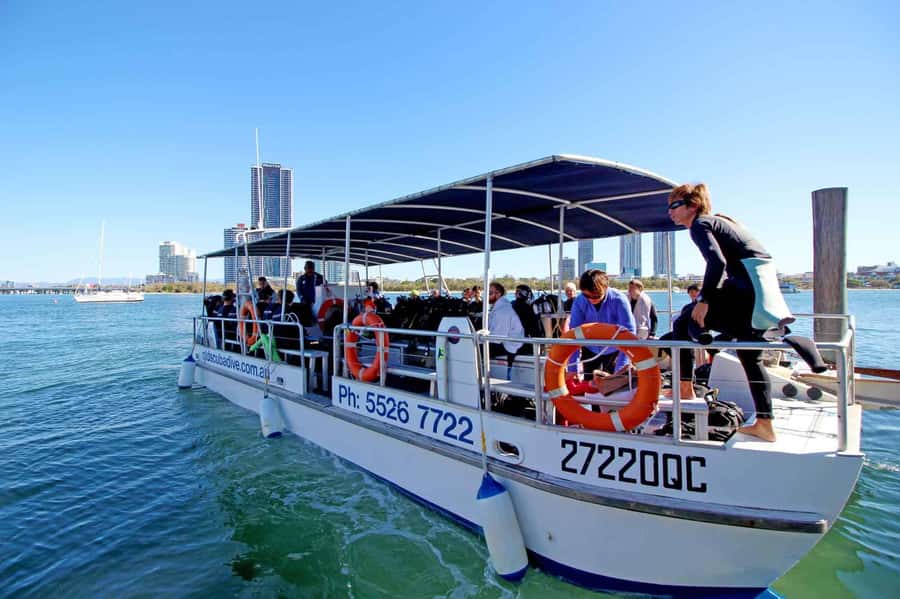
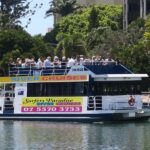
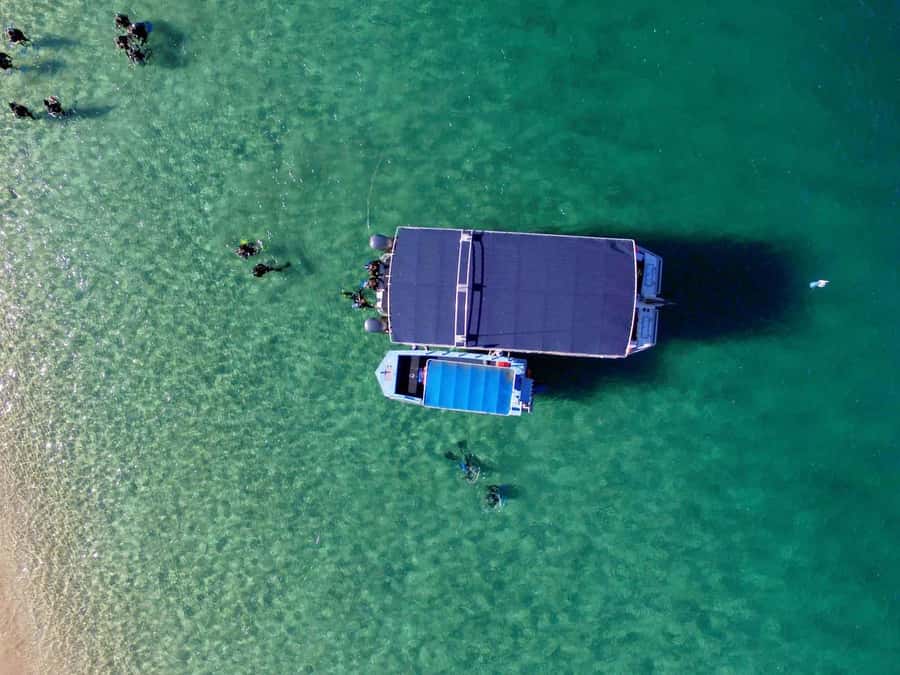
The course includes transportation by boat and diving gear. For many first-timers, this is where the value really shows up.
If you had to arrange your own gear, it would add cost and stress. The same goes for getting out to the water. By including boat transport and gear, the course turns your role into the beginner-friendly version of scuba prep: show up, follow instructions, and focus on learning.
Just remember: you still have to get yourself to the dive store location. The course specifically asks you to make your own way to the shop at 19 Karloo Street, Surfers Paradise 4217. So plan to arrive early enough to get settled.
Also, what to bring is simple: swimwear and a towel. That’s it. No complicated checklist in the provided info, which usually means less last-minute running around.
Price and the real cost after you add the PADI materials
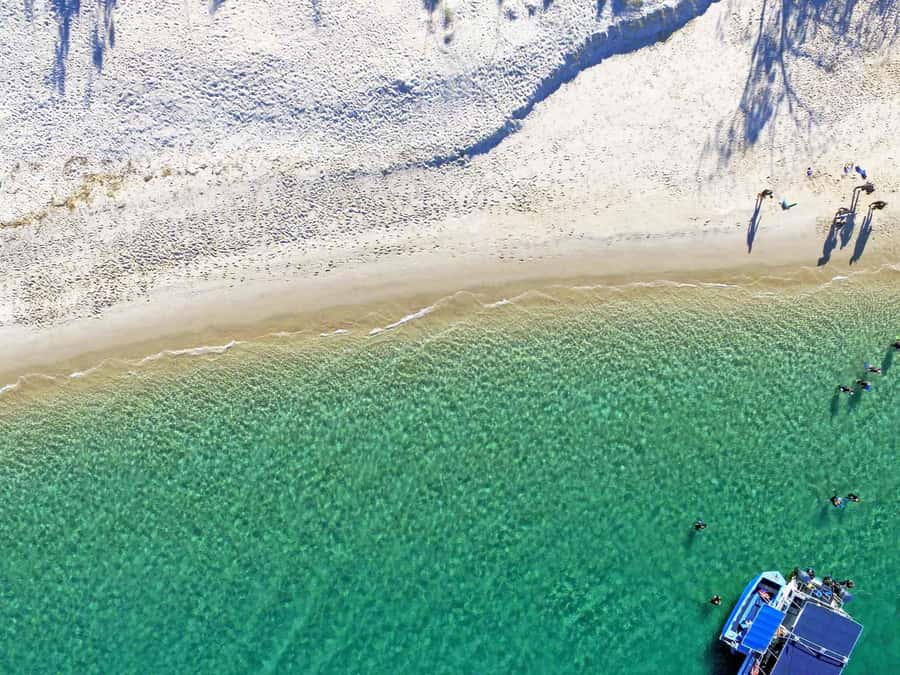
The listed price is $315 per person. That’s the base course cost for your instructor time, boat transport, and gear.
But you should budget for what’s not included. The course notes that you still need to pay for the PADI e-book, the PADI Certification eCard, and registration, listed as $99 AUD. So your real out-of-pocket is the base price plus those PADI add-ons.
Is it still good value? For beginners, it often is—because this is not just a single pool session. It’s a structured multi-day course that results in a certification card you can use worldwide within the course depth limit.
Also, there’s a practical benefit to the life-long eCard. In many certifications, paperwork eventually becomes annoying. Here, your documentation stays valid for life and can be used across the world, which matters if you plan future trips to other coastlines.
The certification: what you get and what the limits mean
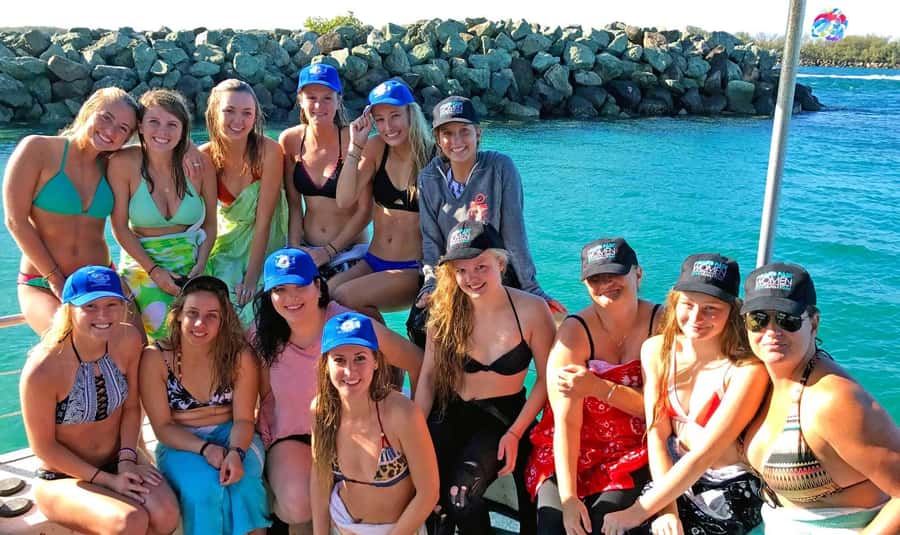
If you successfully complete the course, you receive PADI Open Water certification. The key points in the info provided are straightforward:
- Your certification card allows scuba exploring anywhere worldwide.
- Your maximum depth limit for this certification is 18 metres.
- The certificate is valid for life.
- The certification helps you hire equipment from scuba shops.
This is the part you’ll care about later when you travel. On vacation, having a recognized credential often saves time, and it avoids you being stuck at the shallow end of activities.
One consideration: the course is about the fundamentals and safe habits. Even with certification, you’ll want to respect local conditions and stay within your training comfort level. The course itself is designed around safety principles, so treat that framework seriously once you’re away from your instructor.
Seasickness, eligibility, and when you should think twice
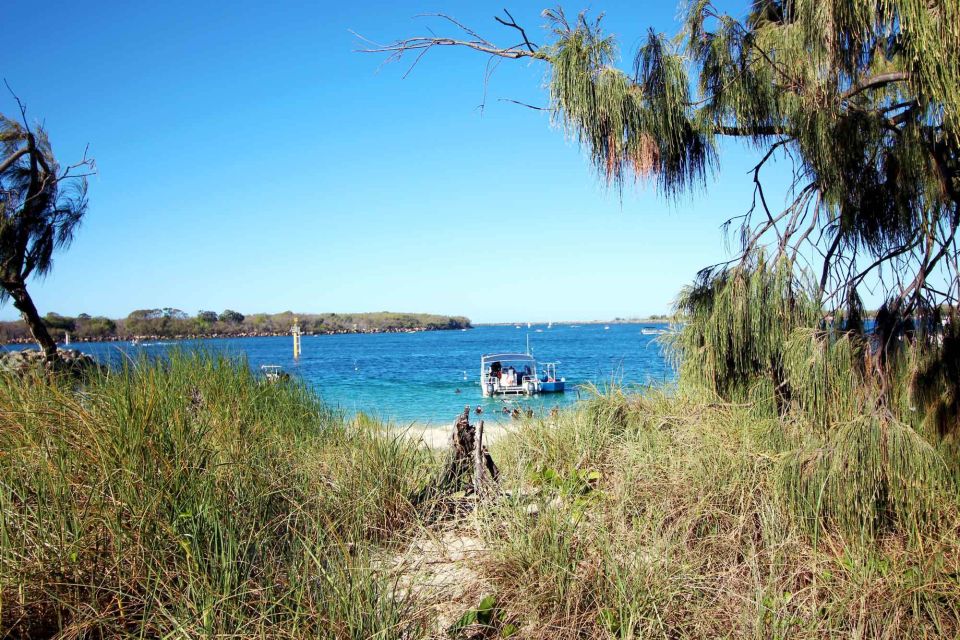
This course isn’t for everyone. The info lists several clear “not suitable” categories:
- Children under 10
- Pregnant women
- People with respiratory issues
- People prone to seasickness
That last one is important for Gold Coast boat days. If you’re the type who gets queasy on short rides, you might want to choose another activity or talk with the provider about what your options are. Since boat transportation is included, you should plan around real ocean motion, not theory.
Also, if you have any respiratory issues, don’t assume you can “push through.” The course listing clearly flags this, and underwater safety depends on your ability to breathe comfortably.
The fun side: boogie board time and watching sea life
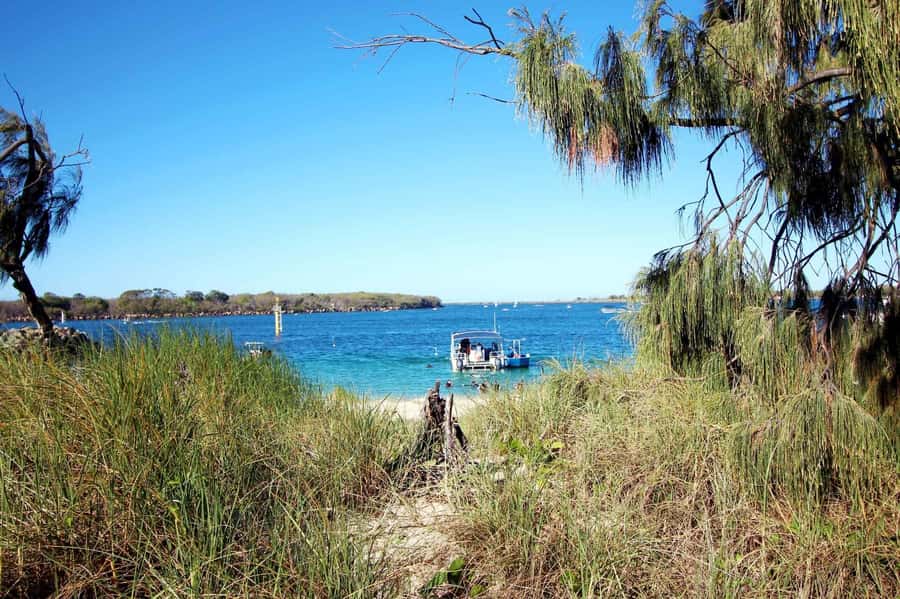
The course includes a fun highlight that’s easy to overlook when you think only about training: you can hop on a boogie board and watch sea life swim by.
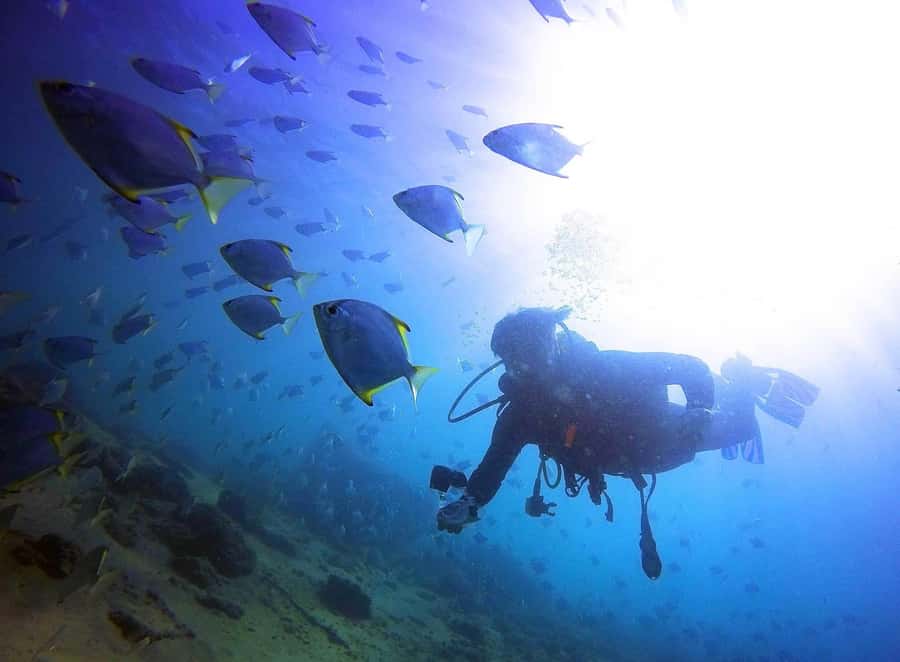
This matters because it turns the day into more than a checklist. You’re learning underwater safety, but you’re also in Australia’s coastal water where wildlife sightings can happen. It’s a nice mental reset between skill-focused moments.
Just keep your expectations simple: it’s not a wildlife safari promise. It’s a small ocean experience that makes the whole course feel more like Gold Coast than a training bunker.
Should you book this 3-Day PADI Open Water on the Gold Coast?
Book it if:
- You want your first scuba credential with a clear, multi-day structure (academics, sheltered practice, then open water).
- You’re a beginner who benefits from patient, calm teaching—Ryan, Rhan, and Josh are specifically noted for that style.
- You value included logistics like boat transport and gear, plus a life-long certification eCard that works worldwide.
Skip or reconsider if:
- You’re prone to seasickness, because boat transportation is part of the program.
- You fall into the listed “not suitable” categories, like respiratory issues or pregnancy.
- You don’t want additional PADI costs beyond the $315 base price (the e-book, certification eCard, and registration are listed as extra, including a $99 AUD fee).
If you want a starter course that’s built for safety and comfort, this one has the structure and the teaching vibe that first-timers usually need.
FAQ
Where is the PADI Open Water course start location?
You make your own way to the dive store at 19 Karloo Street, Surfers Paradise 4217.
How long is the course?
The activity is listed as 6 hours, and it runs as a 3-day PADI Open Water course.
What’s included in the price?
Included items are the instructor, transportation by boat, and diving gear.
What’s not included?
Not included are the PADI e-book, the PADI Certification eCard, and registration (listed as $99 AUD).
What should I bring?
Bring swimwear and a towel.
What certification do I earn?
On successful completion, you’re awarded the PADI Open Water certification card with a maximum depth of 18 metres, and it is valid for life.
Is the eCard valid forever?
Yes. The PADI Open Water eCard is valid for life and can be used all over the world.
Who is the course not suitable for?
It’s not suitable for children under 10, pregnant women, people with respiratory issues, and people prone to seasickness.
What languages are the instructors able to teach?
The instructor languages listed are English, Japanese, and Spanish.